
Updated planning guide for 2026, 2027-2028
West Kilimanjaro Nature Tour From Moshi: Expert Trekking Guide 2026-2027-2028
Discover the wonders of a West Kilimanjaro nature tour starting from Moshi. This comprehensive guide covers everything you need to know for planning your adventure in 2026-2027, from routes and wildlife to practical tips and booking.
WhatsApp +255616946642 | topguideadventures@gmail.com | info@topguideadventures.com
West Kilimanjaro Nature Tour From Moshi: Your Comprehensive Guide
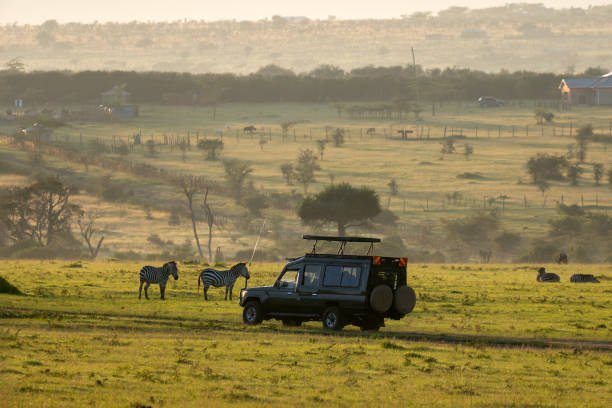
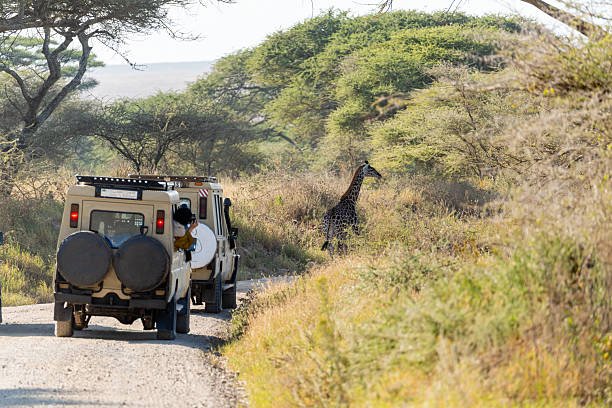
The allure of Mount Kilimanjaro extends far beyond its summit. For many travelers, the journey begins with exploring the diverse ecosystems and stunning landscapes that surround its western slopes. A West Kilimanjaro nature tour from Moshi offers a unique opportunity to experience the mountain’s environment without the rigors of a full ascent, focusing instead on its rich biodiversity, local culture, and breathtaking vistas. This guide provides an in-depth look at what such a tour entails, from initial planning to the actual experience, ensuring you are well-prepared for an unforgettable adventure in Tanzania.
Moshi, a bustling town nestled at the foothills of Kilimanjaro, serves as the primary gateway for most excursions around the mountain, including specialized nature tours. While many associate Moshi with Kilimanjaro climbs, its surroundings offer a wealth of natural attractions perfect for day trips or short multi-day explorations. A West Kilimanjaro nature tour specifically targets the less-trodden paths, showcasing unique flora, fauna, and geological features often missed by those focused solely on trekking to the peak.
Quick Answer: What is a West Kilimanjaro Nature Tour from Moshi?
A West Kilimanjaro nature tour from Moshi is a guided excursion focused on exploring the natural environment, wildlife, and cultural aspects of the western side of Mount Kilimanjaro. It typically involves visiting areas like the Kilimanjaro National Park’s western boundaries, local villages, coffee plantations, and scenic viewpoints, offering a different perspective of the mountain and its surroundings compared to standard trekking routes. These tours are designed for nature lovers, photographers, and those seeking a more relaxed yet immersive experience of Kilimanjaro’s foothills.
Table of Contents
- Quick Facts About West Kilimanjaro Nature Tours
- Understanding the West Kilimanjaro Nature Tour Experience
- Why Choose a West Kilimanjaro Nature Tour?
- Best Time to Go: Seasonality for Your Tour
- Route and Area Overview: Exploring Western Kilimanjaro
- Sample Itinerary: A Typical 3-Day West Kilimanjaro Nature Tour
- What to Expect on Your Nature Tour
- Typical Inclusions and Exclusions
- Packing and Preparation Essentials
- Common Mistakes to Avoid
- Who is a West Kilimanjaro Nature Tour Best Suited For?
- Alternatives to a West Kilimanjaro Nature Tour
- Planning Your 2026-2027 West Kilimanjaro Nature Tour
- Booking Your Tour: Expert Tips
- Frequently Asked Questions (FAQs)
Quick Facts About West Kilimanjaro Nature Tours
| Aspect | Details |
|---|---|
| Starting Point | Moshi, Tanzania |
| Primary Focus | Nature, wildlife, scenery, local culture, Kilimanjaro foothills |
| Duration | Typically 1-5 days (day trips also available) |
| Activities | Guided walks, bird watching, cultural visits, scenic drives, photography |
| Key Areas Explored | Western Kilimanjaro slopes, Marangu route starting points (for context), local villages, coffee farms, Shira Plateau access points (depending on tour scope) |
| Accommodation | Lodges, tented camps, guesthouses near Moshi or within park buffer zones |
| Best For | Nature enthusiasts, photographers, families, those not climbing Kilimanjaro but wanting to experience its environment |
| Seasonality | Year-round, but drier months (June-October, December-February) are ideal |
Understanding the West Kilimanjaro Nature Tour Experience
A West Kilimanjaro nature tour from Moshi is crafted to immerse you in the natural splendor and cultural richness surrounding Africa’s highest peak. Unlike a Kilimanjaro climb, which is a strenuous trek to the summit, this type of tour emphasizes observation, gentle exploration, and connection with the environment. The western side of Kilimanjaro offers a distinct character, often featuring more diverse vegetation and less crowded trails compared to the more popular eastern routes like Marangu or Machame. Your tour will likely be led by experienced local guides who possess deep knowledge of the area’s ecology, history, and the Chagga people who inhabit the fertile slopes.
The experience is typically characterized by scenic drives through lush coffee plantations and agricultural lands, followed by guided nature walks. These walks can range from leisurely strolls through montane forests to more focused hikes in designated areas of Kilimanjaro National Park. Bird watching is often a highlight, with numerous endemic and migratory species found in the varied habitats. You might also visit local villages to understand the daily life and traditions of the communities living in the shadow of the mountain. The goal is to provide a comprehensive, yet relaxed, appreciation of Kilimanjaro’s natural heritage and the human life it sustains.
Why Choose a West Kilimanjaro Nature Tour?
Several compelling reasons make a West Kilimanjaro nature tour from Moshi an attractive option for travelers:
- Unique Biodiversity: The western slopes are home to a rich variety of flora and fauna. You can spot diverse bird species, colobus monkeys, and other wildlife in their natural habitat. The montane forests are particularly vibrant ecosystems.
- Stunning Scenery: Experience breathtaking panoramic views of Kilimanjaro’s western face, the Great Rift Valley, and the surrounding plains. The landscapes change dramatically with altitude, offering diverse photographic opportunities.
- Cultural Immersion: Engage with the local Chagga culture. Visit coffee farms, learn about traditional farming methods, and interact with local communities to understand their way of life, which is deeply intertwined with the mountain.
- Less Crowded Experience: While the main Kilimanjaro trekking routes can be busy, the areas typically explored on a nature tour on the western side are often quieter, offering a more serene and personal encounter with nature.
- Accessible Adventure: These tours are generally less physically demanding than a full mountain climb, making them suitable for a wider range of travelers, including families and those with limited time or fitness levels.
- Educational Value: Learn about the geology of Kilimanjaro, the importance of its ecosystem, and conservation efforts from knowledgeable local guides.
- Complementary to Other Trips: It’s an excellent addition to a safari or Zanzibar holiday, offering a different facet of Tanzania’s natural beauty.
Best Time to Go: Seasonality for Your Tour
While a West Kilimanjaro nature tour from Moshi can be undertaken year-round, certain periods offer more favorable weather conditions for exploration. Tanzania’s climate near Kilimanjaro is generally divided into wet and dry seasons.
- Dry Seasons (June to October and December to February): These are considered the best times for nature tours. The skies are typically clear, offering excellent visibility of the mountain and surrounding landscapes. Rainfall is minimal, making outdoor activities like hiking and bird watching more comfortable and enjoyable. Wildlife viewing can also be easier as animals tend to congregate around water sources.
- Wet Seasons (March to May and November): During these months, expect more frequent rainfall, which can sometimes be heavy and prolonged. While the landscape is lush and green, trails can become muddy and slippery, potentially impacting hiking conditions. However, these periods often see fewer tourists, offering a more secluded experience. Birdlife is particularly active during the wet seasons due to the abundance of food. Prices might also be slightly lower during the shoulder months of the wet season.
For planning your West Kilimanjaro nature tour from Moshi in 2026 and 2027, targeting the dry seasons will likely provide the most pleasant weather. However, even during the wet season, tours can still be conducted, provided you are prepared for rain.
Route and Area Overview: Exploring Western Kilimanjaro
The western side of Kilimanjaro is vast and offers diverse exploration opportunities. Unlike the popular Marangu or Machame routes on the eastern and southern flanks, the western areas are less developed for trekking but rich in natural beauty and cultural heritage.
Key areas and features often included in a West Kilimanjaro nature tour:
1. Kilimanjaro National Park (Western Boundaries): While the main park gates for ascents are on the south and east, nature tours might access areas near the park’s western edges. This could involve guided walks in the lower montane forests, which are teeming with birdlife and unique flora. Some tours might venture towards the lower slopes of the Shira Plateau, offering incredible views and a sense of the mountain’s scale.
2. Local Villages and Coffee Plantations: The fertile volcanic soil on Kilimanjaro’s slopes is ideal for agriculture. Tours often include visits to villages like those near the western side, where you can explore traditional Chagga homesteads and learn about coffee cultivation from bean to cup. This provides a vital cultural dimension to the nature tour.
3. Waterfalls and Caves: The mountain’s numerous streams and rivers create stunning waterfalls. Some tours may include visits to these natural features, offering refreshing stops and beautiful photo opportunities. Historical caves, used by locals in the past, might also be part of the itinerary.
4. Scenic Viewpoints: Various points on the western slopes offer breathtaking vistas. These can range from elevated spots overlooking the plains stretching towards the Maasai Steppe to vantage points providing dramatic views of Kilimanjaro itself, especially at sunrise or sunset.
5. Wildlife Corridors: Although not a prime safari destination, the lower slopes and surrounding areas can host wildlife, including various monkey species (like the endemic Angolan black-and-white colobus), antelopes, and a remarkable array of birds. Guides will help spot these.
Simple Route Illustration (Conceptual):
| Stage | Location/Activity | Description |
|---|---|---|
| 1 | Moshi Town | Start point, meet your guide, briefing. |
| 2 | Drive to Western Slopes | Scenic drive through villages and farmlands. |
| 3 | Coffee Plantation Visit | Learn about coffee farming, taste local coffee. |
| 4 | Guided Forest Walk | Explore montane forest, bird watching, potential wildlife sightings. |
| 5 | Waterfall/Scenic Viewpoint | Visit a natural waterfall or a vista point for photos. |
| 6 | Local Village Interaction | Experience Chagga culture, visit a traditional home. |
| 7 | Return to Moshi | End of tour. |
Sample Itinerary: A Typical 3-Day West Kilimanjaro Nature Tour
This sample itinerary provides a framework for a short nature tour focusing on the western side of Kilimanjaro, departing from Moshi. It balances nature exploration with cultural insights.
| Day | Morning | Afternoon | Evening |
|---|---|---|---|
| Day 1: Arrival in Moshi & Cultural Immersion | Arrive in Moshi. Meet your guide for a pre-tour briefing. Discuss the upcoming days and clarify any questions. Drive to a local Chagga village on the western slopes. Visit a traditional homestead and learn about daily life. |
Explore a local coffee plantation. Participate in the coffee-making process, from harvesting to roasting and tasting. Enjoy a locally prepared lunch. | Check into your lodge or guesthouse near Moshi. Relax and prepare for the next day’s activities. Dinner at a local restaurant. |
| Day 2: Montane Forest Exploration & Waterfalls | After breakfast, drive further up the western slopes towards the Kilimanjaro National Park buffer zone. Begin a guided nature walk into the montane forest. | Continue the forest walk, focusing on bird watching and identifying unique flora. Your guide will share insights into the forest’s ecosystem. Visit a beautiful local waterfall for a refreshing break and photography. Enjoy a packed lunch amidst nature. | Return to your accommodation. Option for a short optional hike in the late afternoon or simply relax. Dinner at the lodge or a recommended eatery in Moshi. |
| Day 3: Scenic Views & Departure Preparations | Drive to a higher viewpoint on the western side, offering panoramic views of the Kilimanjaro massif and the plains below. Spend time photographing the landscape. | Depending on your interests and time, you might visit a local market in a nearby town or take a final short walk in a different area known for its scenic beauty. Enjoy a final Tanzanian lunch. | Return to Moshi. Your guide will assist with any last-minute arrangements or transfers. Depart from Moshi or continue your onward journey. |
Note: This is a sample itinerary. It can be customized based on your interests, time, and physical condition. Some tours might extend to 4-5 days, incorporating more extensive hikes or visits to different regions on the western side.
What to Expect on Your Nature Tour
A West Kilimanjaro nature tour from Moshi is designed to be an enriching and enjoyable experience. Here’s a breakdown of what you can generally anticipate:
- Guided Exploration: You will be accompanied by knowledgeable local guides who are passionate about Kilimanjaro’s natural environment and culture. They will lead your walks, identify flora and fauna, and share fascinating insights.
- Moderate Physical Activity: While not a strenuous climb, expect moderate walking and hiking. Trails can be uneven, and some ascents might be steep, especially if venturing to viewpoints. The pace is usually relaxed, allowing ample time for observation and photography.
- Varied Landscapes: You’ll traverse diverse terrains, from lush coffee plantations and cultivated fields to dense montane forests and open grasslands on the mountain’s lower slopes.
- Wildlife Encounters: While not a Big Five safari, you have good chances of spotting various monkey species, unique birds, and smaller mammals. Patience and keen observation, aided by your guide, are key.
- Cultural Interactions: Be prepared for genuine interactions with local communities. This is an opportunity to learn about Chagga traditions, farming practices, and daily life. Respectful engagement is essential.
- Weather Variability: Even in dry seasons, mountain weather can change rapidly. Expect sunshine, but also be prepared for cooler temperatures at higher altitudes and potential brief showers. Layering clothing is crucial.
- Accommodation: Options range from comfortable lodges and guesthouses in or near Moshi to more rustic tented camps or basic lodges closer to the park boundaries, depending on the tour’s itinerary and your chosen comfort level.
- Food: Meals are typically a mix of local Tanzanian cuisine and international dishes, often featuring fresh, locally sourced ingredients like coffee, fruits, and vegetables. Packed lunches are common during full-day excursions.
Typical Inclusions and Exclusions
To ensure clarity and avoid surprises, it’s important to understand what a typical West Kilimanjaro nature tour package includes and excludes. Always confirm these details with your tour operator before booking.
| Inclusions (Typically) | Exclusions (Typically) |
|---|---|
| Accommodation for the duration of the tour (as specified) | International flights to and from Tanzania |
| All ground transportation in a private 4×4 vehicle with a driver/guide | Visa fees for Tanzania |
| Services of a professional, English-speaking local guide (and potentially an assistant guide for longer tours) | Travel insurance (highly recommended) |
| Park entrance fees for Kilimanjaro National Park (where applicable) and other protected areas | Tips for guides, drivers, and lodge staff |
| Meals as specified in the itinerary (e.g., breakfast, lunch, dinner) | Personal expenses (e.g., souvenirs, laundry, alcoholic beverages, extra snacks) |
| Drinking water during excursions | Optional activities not listed in the itinerary |
| Cultural activity fees (e.g., coffee tour, village visit) | Vaccinations and malaria prophylaxis |
| Government taxes and levies | Any costs incurred due to flight delays or cancellations |
Packing and Preparation Essentials
Proper preparation is key to enjoying your West Kilimanjaro nature tour from Moshi. While it’s not a high-altitude trek, the mountain environment requires thoughtful packing.
Clothing:
- Layering System: Essential due to changing temperatures. Bring moisture-wicking base layers, insulating mid-layers (fleece or down jacket), and a waterproof/windproof outer shell.
- Trekking Pants: Comfortable, quick-drying hiking trousers (avoid jeans). Convertible pants are versatile.
- Shirts: A mix of short-sleeved and long-sleeved shirts for sun protection and warmth.
- Warm Hat & Gloves: Even in lower altitudes, mornings and evenings can be cool.
- Sun Hat: Wide-brimmed hat for sun protection.
- Rain Gear: A waterproof jacket and possibly rain pants.
- Comfortable Footwear: Well-broken-in hiking boots or sturdy walking shoes with good grip.
- Camp/Lodge Shoes: Comfortable shoes for relaxing in the evenings.
- Socks: Several pairs of moisture-wicking hiking socks.
Gear:
- Backpack: A daypack (20-30 liters) for carrying essentials during walks (water, snacks, camera, rain gear, sunscreen).
- Water Bottle/Hydration Reservoir: At least 1-2 liters capacity.
- Sunscreen: High SPF, broad-spectrum.
- Insect Repellent: Especially for evenings and forested areas.
- Sunglasses: For eye protection.
- Camera & Extra Batteries/Memory Cards: Plenty of photo opportunities.
- Binoculars: Highly recommended for bird watching and wildlife spotting.
- Headlamp/Flashlight: Useful for evenings or early mornings.
- Personal First-Aid Kit: Include any personal medications, blister treatment, pain relievers, antiseptic wipes.
- Hand Sanitizer.
- Toiletries: Biodegradable options are preferred.
- Quick-Dry Towel: If your accommodation doesn’t provide them or for potential waterfall visits.
Documents & Money:
- Passport & Visa: Ensure they are valid.
- Yellow Fever Certificate: May be required for entry into Tanzania.
- Travel Insurance Details.
- Cash: USD is widely accepted for tips and souvenirs. Have smaller denominations. Some local currency (Tanzanian Shilling) might be useful for small purchases.
Preparation Tips:
- Physical Fitness: While not a climb, regular walking and hiking will enhance your enjoyment.
- Acclimatization: If arriving from sea level, take it easy on your first day.
- Vaccinations: Consult your doctor about recommended vaccinations (e.g., Hepatitis A, Typhoid) and malaria prevention.
- Learn Basic Swahili Phrases: A few words like ‘Jambo’ (Hello) and ‘Asante’ (Thank you) are always appreciated.
Common Mistakes to Avoid
To ensure your West Kilimanjaro nature tour from Moshi is as smooth and enjoyable as possible, be aware of these common pitfalls:
- Underestimating Mountain Weather: Even at lower altitudes, weather can change quickly. Not packing layers or rain gear can lead to discomfort.
- Lack of Proper Footwear: Wearing inappropriate shoes (e.g., sandals, brand-new boots) can lead to blisters and discomfort during walks.
- Not Packing Enough Sun Protection: The equatorial sun is strong, even on cloudy days. Forgetting sunscreen, hats, or sunglasses can result in sunburn.
- Dehydration: Not drinking enough water is a common mistake, leading to fatigue and headaches. Always carry and consume sufficient water.
- Ignoring Local Customs: Dress modestly when visiting villages and be respectful of local traditions and beliefs. Always ask permission before taking photos of people.
- Overpacking: While it’s important to be prepared, avoid carrying unnecessary items that will weigh you down during walks. A daypack should contain essentials only.
- Booking with Unreputable Operators: Choosing a tour operator solely based on the lowest price can lead to poor service, safety issues, and a diminished experience. Thorough research is crucial.
- Not Having Travel Insurance: Medical emergencies or unforeseen circumstances can arise. Comprehensive travel insurance is non-negotiable.
- Expecting Big Game Safaris: Understand that a nature tour focuses on the mountain’s ecosystem, not large savanna wildlife. Manage expectations regarding animal sightings.
- Not Informing Your Guide of Issues: If you feel unwell, are experiencing discomfort, or have concerns, communicate them to your guide immediately. They are there to help.
Who is a West Kilimanjaro Nature Tour Best Suited For?
This type of tour is ideal for a variety of travelers seeking a connection with nature and culture without the demands of a full mountain climb:
- Nature Enthusiasts: Anyone with a passion for botany, ornithology, and diverse ecosystems will find the montane forests and varied landscapes captivating.
- Photographers: The dramatic mountain scenery, lush forests, local life, and potential wildlife offer endless photographic opportunities.
- Families: It’s a great way to introduce children to Tanzania’s natural beauty and culture in a safe and engaging way. Activities are generally suitable for various ages.
- Travelers Seeking Cultural Immersion: Those interested in understanding the local Chagga way of life, their agricultural practices, and their relationship with the mountain will find these tours particularly rewarding.
- Adventure Seekers (Light): For those who enjoy hiking and exploring but do not wish to undertake a multi-day high-altitude trek, these tours offer a satisfying dose of adventure.
- Travelers with Limited Time: Day trips or short 2-3 day tours from Moshi allow visitors to experience Kilimanjaro’s surroundings even on a tight schedule.
- Those Recovering or Preparing for Treks: It can serve as a gentle introduction to the Kilimanjaro region or a relaxing activity post-trek.
- Anyone Appreciating Scenic Beauty: Simply wanting to witness the grandeur of Kilimanjaro from different perspectives and explore its verdant lower slopes makes this tour worthwhile.
Alternatives to a West Kilimanjaro Nature Tour
While a West Kilimanjaro nature tour offers a unique experience, other options in the region cater to different interests:
- Kilimanjaro Treks (Full Ascent): For the ultimate challenge, choose one of the established routes like Marangu, Machame, Lemosho, or Rongai to summit Uhuru Peak. These are multi-day, high-altitude expeditions.
- Day Hikes on Popular Routes: Some operators offer day hikes on the lower sections of the Marangu or Machame routes, providing a taste of trekking without committing to a full climb. This is different from focusing on the western slopes.
- Materuni Waterfalls and Coffee Tour: A very popular day trip from Moshi, often including a visit to a coffee farm and the Chagga Cultural Heritage Centre. This is a good option if you only have one day.
- Lake Chala Day Trip: Located east of Kilimanjaro, this volcanic crater lake on the Kenyan border offers beautiful scenery, birdwatching, and swimming opportunities. It’s a different ecosystem and direction from Moshi.
- Arusha National Park Day Trip: A relatively small park known for its diverse wildlife (including giraffes and zebras), crater lakes, and Mount Meru. It’s a classic safari experience accessible from Moshi or Arusha.
- Moshi Town Cultural Tours: Explore Moshi town itself, visit local markets, learn about the brewing of banana beer (a Chagga tradition), and interact with the community.
- Shira Plateau Excursion (Vehicle-Based): Some specialized tours might drive guests part-way up the Shira Plateau for spectacular views and a feel of the alpine environment, though this requires a robust 4×4 and can be challenging. This is often part of longer, more specialized nature tours.
The West Kilimanjaro nature tour from Moshi distinguishes itself by focusing specifically on the western side’s unique blend of natural beauty, quieter trails, and distinct cultural interactions, offering a more in-depth exploration than a general day trip might.
Planning Your 2026-2027 West Kilimanjaro Nature Tour
Planning ahead is crucial for a successful and enjoyable trip. Here’s a guide for organizing your West Kilimanjaro nature tour from Moshi for 2026 and 2027:
1. Define Your Interests and Pace:
- Focus: Are you primarily interested in birdwatching, photography, cultural experiences, or simply enjoying the scenery?
- Activity Level: How much walking or hiking are you comfortable with? Do you prefer leisurely strolls or more challenging hikes?
- Duration: How many days can you dedicate? A day trip, 2-3 days, or a longer exploration?
2. Choose the Right Time to Travel:
- Consult the seasonality section above. For 2026 and 2027, consider the dry seasons (June-Oct, Dec-Feb) for the best weather. If you prefer fewer crowds and don’t mind potential rain, shoulder seasons (Nov, Mar-May) can be viable.
3. Research and Select a Reputable Tour Operator:
- Look for operators with strong local ties, good reviews, and clear communication. Check their experience with nature tours specifically, not just Kilimanjaro climbs.
- Consider operators that prioritize sustainable tourism and community engagement.
- Top Guide Adventures is a local operator known for its expertise in Kilimanjaro region tours.
4. Understand Itinerary Options:
- Compare sample itineraries from different operators. Ensure they align with your interests and desired pace.
- Ask about customization options. Most operators can tailor tours.
5. Budget Considerations:
- While exact prices vary, factor in accommodation, transportation, guide fees, park entries, meals, and cultural activity costs.
- Be wary of extremely low prices, which may indicate compromises on quality, safety, or guide compensation.
6. Health and Safety Preparations:
- Consult your doctor well in advance regarding vaccinations and malaria prevention.
- Arrange for comprehensive travel insurance that covers medical emergencies and evacuation.
- Familiarize yourself with the packing list provided earlier.
7. Booking Timeline:
- 6-12 Months Prior: Ideal for booking peak season travel (dry months) to secure preferred accommodation and guides.
- 3-6 Months Prior: Standard booking window for most travelers. Allows ample time for planning and preparations.
- 1-3 Months Prior: Possible for off-peak season or less popular tour types, but availability might be limited.
Planning Checklist for 2026-2027:
| Task | Timeline | Status |
|---|---|---|
| Research Tour Operators | 12-9 months prior | [ ] |
| Choose Tour & Get Quote | 9-6 months prior | [ ] |
| Book Tour & Pay Deposit | 6-4 months prior | [ ] |
| Book Flights | 6-4 months prior | [ ] |
| Consult Doctor for Vaccinations/Meds | 6-3 months prior | [ ] |
| Arrange Travel Insurance | 4-3 months prior | [ ] |
| Purchase Gear & Clothing | 3-2 months prior | [ ] |
| Confirm Final Itinerary & Details | 1 month prior | [ ] |
| Pack Luggage | 1-2 weeks prior | [ ] |
| Inform Bank of Travel Dates | 1 week prior | [ ] |
Booking Your Tour: Expert Tips
Securing the right West Kilimanjaro nature tour from Moshi involves more than just finding a price. Here’s how to book wisely:
- Prioritize Local Expertise: Opt for tour operators based in Moshi or Tanzania. They have unparalleled knowledge of the terrain, culture, and logistics, and their pricing often supports the local economy more directly. Top Guide Adventures is a prime example of a trusted local provider.
- Read Reviews Critically: Look for reviews on independent platforms (TripAdvisor, Google Reviews). Pay attention to comments about guide quality, vehicle condition, itinerary adherence, and customer service.
- Ask Detailed Questions: Don’t hesitate to inquire about:
- Guide qualifications and experience (languages spoken, certifications).
- Vehicle type and maintenance (essential for comfort and safety).
- Specific inclusions/exclusions (e.g., are park fees truly included?).
- Emergency procedures and communication protocols.
- Accommodation details (type, quality, location).
- Group size limitations.
- Understand the Contract: Read the booking terms and conditions carefully, especially cancellation policies and payment schedules.
- Payment Methods: Inquire about accepted payment methods. Secure online payments are common. Be cautious of operators demanding large upfront payments via untraceable methods. A reasonable deposit (e.g., 20-30%) is standard.
- Confirm Inclusions: Double-check that all essential elements like park fees, transportation, guide services, and specified meals are covered. This prevents unexpected costs during the tour.
- Communication is Key: Ensure the operator responds promptly and clearly to your inquiries. Good communication before booking often reflects the service you’ll receive during the tour.
- For 2026 and 2027 Bookings: Booking well in advance, especially for peak seasons, is highly recommended to secure the best availability and potentially lock in current pricing before any annual adjustments.
Frequently Asked Questions (FAQs)
1. Is a West Kilimanjaro nature tour suitable for children?
Yes, generally these tours are well-suited for families. The pace is usually relaxed, and the activities like visiting villages, coffee farms, and gentle nature walks are engaging for various age groups. Always confirm the specific itinerary and suitability with your tour operator based on your children’s ages and interests.
2. What is the difference between a nature tour and a Kilimanjaro climb?
A nature tour focuses on exploring the landscapes, biodiversity, and culture around Kilimanjaro’s foothills, typically involving day hikes or short multi-day excursions. A Kilimanjaro climb is a multi-day, high-altitude trek with the goal of reaching the summit (Uhuru Peak), requiring significant physical fitness and acclimatization.
3. Can I see wildlife on a West Kilimanjaro nature tour?
While not a classic safari destination, you can expect to see various bird species, monkeys (such as colobus monkeys), and smaller mammals in the montane forests. Significant wildlife sightings like elephants or lions are not typical for this type of tour.
4. What kind of clothing should I pack for a nature tour in 2026?
Pack in layers! Include moisture-wicking base layers, insulating mid-layers (fleece/down), and a waterproof/windproof outer shell. Comfortable hiking trousers, sturdy walking shoes, a sun hat, warm hat, and gloves are essential. Check the detailed packing list in this guide for more specifics.
5. How much physical fitness is required for this tour?
A moderate level of fitness is generally sufficient. You should be comfortable with walking on uneven terrain and some moderate uphill hiking for several hours. The pace is usually adjusted to the group’s capabilities.
6. Is it safe to drink tap water during the tour?
No, it is not recommended to drink tap water. Bottled or purified water is usually provided by tour operators during excursions and at accommodations. Always confirm with your guide or hotel.
7. What are the best months for a West Kilimanjaro nature tour in 2027?
The dry seasons, typically from June to October and December to February, offer the best weather with clear skies and minimal rainfall, making them ideal for nature exploration. However, tours can be arranged year-round.
8. Do I need a visa for Tanzania?
Most nationalities require a visa to enter Tanzania. You can typically apply for a tourist visa online in advance or obtain one upon arrival at the airport. Check the latest visa requirements for your specific nationality well before your travel dates in 2026-2027.
9. What should I do if I get sick during the tour?
Inform your guide immediately. Reputable tour operators have protocols for handling medical emergencies, which may include contacting local medical facilities or arranging for evacuation if necessary. Ensure your travel insurance covers medical emergencies and evacuation.
10. Can I customize a West Kilimanjaro nature tour from Moshi?
Absolutely. Most local tour operators, like Top Guide Adventures, specialize in creating tailor-made itineraries. You can adjust the duration, focus on specific interests (e.g., more birding, deeper cultural immersion), and choose your preferred accommodation level.
Ready to Experience West Kilimanjaro?
A West Kilimanjaro nature tour from Moshi offers a unique and rewarding way to connect with the natural beauty and vibrant culture of Tanzania’s most iconic mountain. Whether you’re seeking stunning vistas, incredible biodiversity, or authentic cultural encounters, this tour promises an unforgettable adventure. For 2026 and 2027 travel, planning is key to ensuring a seamless experience.
Let us help you craft your perfect journey. Contact our expert team at Top Guide Adventures to discuss your ideal itinerary, get personalized recommendations, and book your dream nature tour.
Get in touch today:
- WhatsApp: +255616946642
- Email: topguideadventures@gmail.com
- Backup Email: info@topguideadventures.com
We look forward to helping you discover the magic of West Kilimanjaro!
What Does Kilimanjaro Rainforest Look Like? A Trekkers Visual Guide 2026-2027
The Kilimanjaro rainforest is a vibrant, humid zone of dense vegetation, towering trees, and diverse plant life found on the mountain's lower slopes. It's the first major ecosystem trekkers...
View package details
Kilimanjaro Climb With A Personal Support Assistant: Your Ultimate Guide
Climbing Mount Kilimanjaro with a personal support assistant offers unparalleled safety, comfort, and focus on your summit goals. This guide details what a personal assistant entails, its...
View package details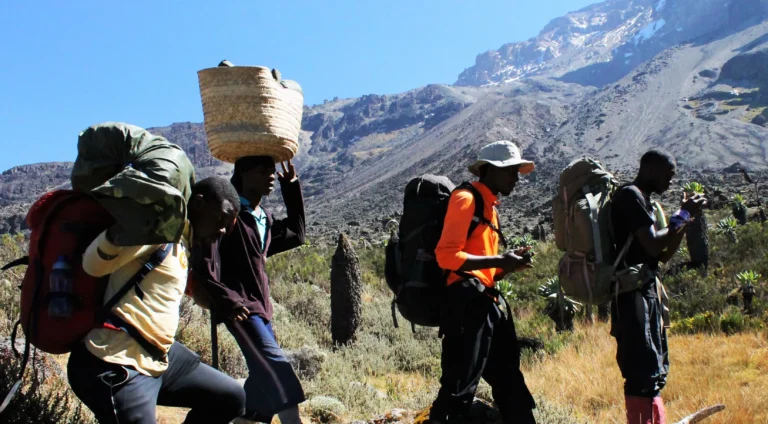
How To Know Whether You Are Ready For Kilimanjaro: A Comprehensive Guide
Climbing Mount Kilimanjaro is a significant undertaking. This guide helps you evaluate your physical, mental, and logistical readiness to ensure a safe and successful trek in 2026 or 2027...
View package details
Kilimanjaro Hydration Mistakes Climbers Make And How To Avoid Them 2026-2027
Proper hydration is critical for a successful Kilimanjaro climb. This guide details common hydration mistakes climbers make, from under-drinking to choosing the wrong fluids, and provides...
View package details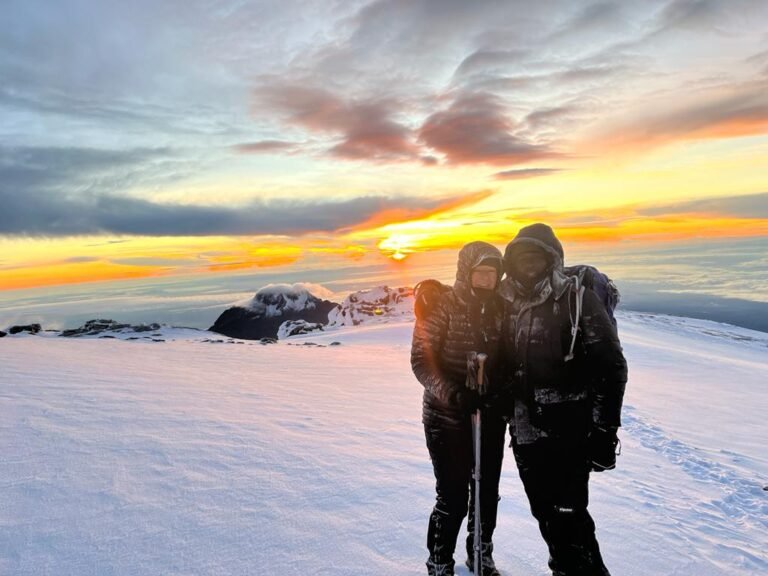
Kilimanjaro Altitude-Sickness Mistakes 2026-2027
Kilimanjaro Altitude-Sickness Mistakes is explained with current 2026-2027 planning, price, itinerary and booking information.
View package details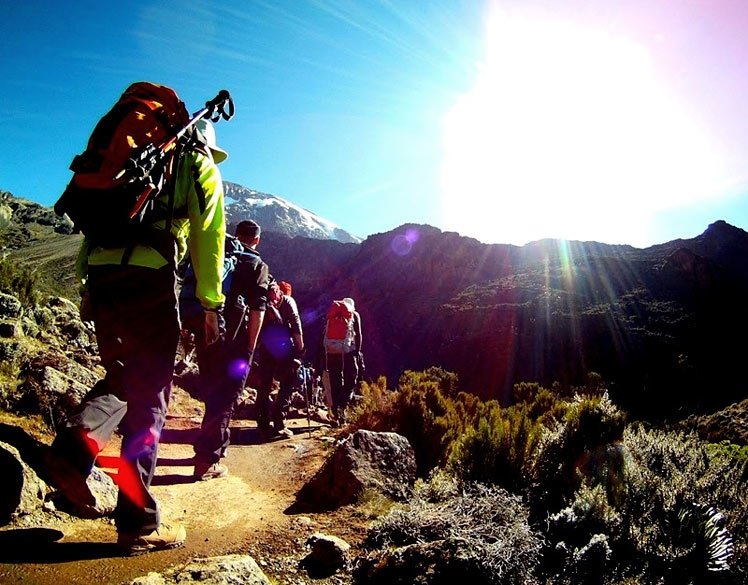
Kilimanjaro Summit-Night Mistakes To Avoid: Your Essential Guide For Climbs
Summit night on Kilimanjaro is the most challenging part of the climb. Avoiding common mistakes in acclimatization, gear, hydration, and pacing is crucial for success. This guide details...
View package details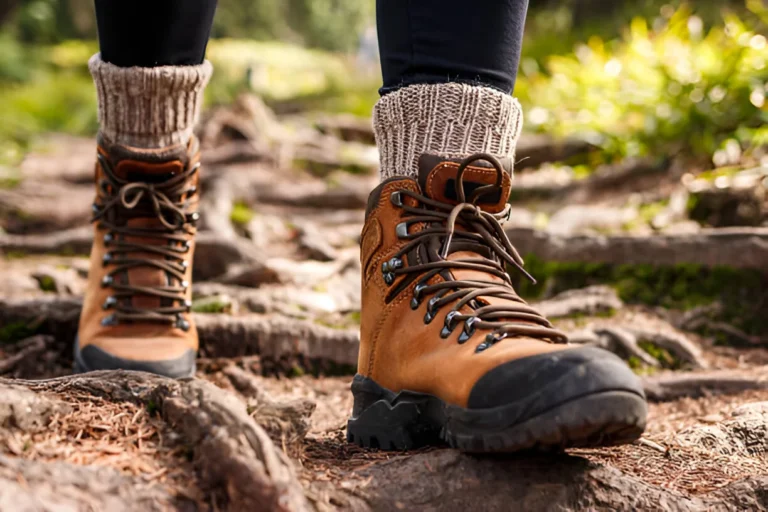
Kilimanjaro Training Mistakes That Reduce Summit Success 2026-2027
Kilimanjaro Training Mistakes that Reduce Summit Success is explained with current 2026-2027 planning, price, itinerary and booking information.
View package details
Kilimanjaro Personal Porter Vs Standard Support 2026-2027
Kilimanjaro Personal Porter vs Standard Porter Support is explained with current 2026-2027 planning, price, itinerary and booking information.
View package details
Kilimanjaro Airport Vs Arusha For Climbers: The Definitive Guide 2026-2027
A comprehensive comparison of Kilimanjaro International Airport (JRO) and Arusha Airport (ARK) for trekkers planning a Mount Kilimanjaro climb, detailing pros, cons, and booking advice for...
View package details
Kilimanjaro Climb For Retired Couples: Planning Your Adventure 2026-2027
Planning a Kilimanjaro climb as a retired couple is an achievable and rewarding goal. This guide offers in-depth advice on route selection, physical preparation, essential gear, and the...
View package details
Kilimanjaro Training Plan For Climbers Over 60 2026-2027
Kilimanjaro Training Plan for Climbers over 60 is explained with current 2026-2027 planning, price, itinerary and booking information.
View package details
Can A 16-Year-Old Climb Kilimanjaro? Your Essential Guide 2026-2027
Discover if a 16-year-old can summit Kilimanjaro. This comprehensive guide covers age requirements, health, fitness, essential gear, and planning for younger trekkers aiming for Africa's...
View package detailsNo related package matches those filters. Clear one or more filters to see the other topic-matched options.
Plan your West Kilimanjaro Nature Tour From Moshi with Top Guide Adventures
Tell us your travel dates, group size, comfort level, and dream experience. We will help you shape a clear, realistic, and memorable Tanzania itinerary.



