
The Kilimanjaro rainforest looks like a dense, humid, and vibrant jungle teeming with life. It’s characterized by towering trees draped in mosses and epiphytes, a thick undergrowth of ferns and bushes, and the constant sound of birdsong and dripping water. This lush ecosystem is the first major zone trekkers traverse on most routes, offering a starkly beautiful contrast to the alpine deserts and ice-capped summit above.
Understanding the Kilimanjaro Rainforest Zone
The ascent of Mount Kilimanjaro is not merely a climb; it’s a journey through distinct ecological zones, each with its own unique character and appearance. The rainforest zone is the lowest and perhaps the most biologically rich of these zones. It typically begins around 1,800 meters (5,900 feet) and extends up to about 2,700 meters (8,850 feet), depending on the specific route and the mountain’s northern or southern slopes. This area receives the most rainfall, creating the perfect conditions for the dense vegetation that defines it.
When you first step onto the trails of Kilimanjaro, especially on routes like Machame, Lemosho, or Marangu, you are immediately enveloped by this verdant world. The air is thick with moisture, carrying the earthy scent of damp soil and decaying leaves, mingled with the sweet fragrance of unseen blossoms. Sunlight filters through the dense canopy, creating a dappled, ethereal light that shifts as clouds drift across the sky. This environment is a world away from the dry savannas of the surrounding plains, offering a refreshing and visually stunning introduction to the mountain.
### The Lower Boundary: Transition from Savanna to Forest
The transition into the Kilimanjaro rainforest is gradual. As your vehicle leaves the dusty plains of Tanzania behind and begins the ascent towards the mountain’s base, you’ll notice the landscape begin to change. The sparse acacia trees and grasslands of the lower altitudes give way to more substantial trees, and the air becomes noticeably cooler and more humid. Small farms and villages often dot these lower slopes, indicating the fertile soil and reliable water sources that support human life and agriculture before the wilder mountain ecosystems take over. This initial visual shift is a prelude to the full immersion into the forest that awaits on the trekking trails.
### The Upper Boundary: Meeting the Moorland Zone
As you ascend further, the character of the forest begins to change again. The trees become less dense, and the undergrowth thins out. You might start to see more giant heathers and senecios, plants that are characteristic of the next ecological band, the moorland. The rainforest zone doesn’t end abruptly; rather, it transitions into the moorland, with the towering trees gradually becoming shorter and more scattered. This upper edge is often marked by a change in light and air, becoming less enclosed and more exposed to the elements. Recognizing this transition is key to understanding the mountain’s diverse environments.
## Visual Characteristics of the Kilimanjaro Rainforest
The visual experience of the Kilimanjaro rainforest is one of overwhelming greenness and complexity. It’s a multi-layered environment where life thrives in every available niche.
### Towering Trees and Dense Canopy
The dominant feature of the rainforest is its trees. Species like the Cape Chestnut (Calodendrum capense), East African Podocarps, and various figs form a dense canopy that can be up to 30 meters (100 feet) tall. These ancient trees are often covered in a thick blanket of mosses, lichens, and ferns. Vines and lianas hang down, adding to the sense of an ancient, untamed wilderness. The canopy is so thick in places that it blocks out much of the direct sunlight, creating a dim, moody atmosphere on the forest floor.
### Lush Undergrowth and Ferns
Beneath the canopy, the forest floor is a riot of green. Large ferns, some reaching several feet in height, are abundant. Various types of bushes, shrubs, and herbaceous plants create a dense undergrowth that can sometimes make trekking challenging. The ground is often covered in a thick layer of leaf litter and is frequently damp, contributing to the rich, earthy smell of the forest. This dense vegetation provides ample cover and food for the forest’s inhabitants.
### Epiphytes and Mosses
One of the most striking visual aspects of the Kilimanjaro rainforest is the abundance of epiphytes – plants that grow on other plants, usually trees, without being parasitic. Mosses are everywhere, carpeting tree trunks, branches, and even rocks. Ferns, orchids, and other flowering plants also find purchase on the trees, creating hanging gardens that add to the forest’s exotic appeal. This profusion of life growing on life is a hallmark of a healthy, humid rainforest environment.
### Unique Flora: Giant Heathers and Wildflowers
While giant heathers and senecios are more characteristic of the moorland zone, they can often be seen at the upper edges of the rainforest. Within the deeper rainforest, you’ll find a variety of indigenous trees, colorful wildflowers, and medicinal plants used by local communities. Keep an eye out for the striking red flowers of the *Impatiens kilimanjari* or the delicate blooms of various orchids. The biodiversity here is significant, though many species are small and easily missed if you’re not looking closely.
### Water Features: Streams and Waterfalls
The high rainfall that sustains the rainforest means that water is a constant presence. You’ll often hear the sound of running water before you see it. Small streams and occasionally larger rivers carve their way down the mountainside, often cascading over rocks in beautiful, miniature waterfalls. These water sources are vital for the ecosystem and add to the sensory experience of the trek, providing refreshing sights and sounds.
## Wildlife Encounters in the Rainforest Zone
While the Kilimanjaro rainforest might not be as famous for large mammals as the savannas below, it is teeming with life. Most encounters are with smaller creatures and a remarkable array of birdlife.
### Avian Diversity: Birds of the Forest
The rainforest is a paradise for birdwatchers. The dense foliage provides habitat and food for numerous species. You’ll likely hear more birds than you see, their calls echoing through the trees. Common sightings include the iridescent Double-collared Sunbird, the striking Turaco species (like the White-cheeked Turaco), various species of forest hornbills, and the endemic Kilimanjaro White-eye. The air often buzzes with the activity of smaller birds flitting through the undergrowth and canopy. Experienced guides can help spot and identify many of these species.
### Mammals: Elusive Residents
Larger mammals are generally shy and elusive in this zone due to human activity on the lower slopes and the dense cover. However, if you’re very fortunate, you might spot monkeys, such as the Colobus monkey or the Blue Monkey, high in the trees. These primates are agile and often move in troops, their black and white (Colobus) or grey and black (Blue Monkey) coats visible against the green foliage. You might also encounter small antelopes like the Bush Duiker, though sightings are rare. Signs of larger animals like elephants, leopards, or buffalos are virtually non-existent on the established trekking routes in the rainforest zone, as they tend to inhabit higher, more remote areas or the plains below.
### Insects and Amphibians
The humid environment is perfect for insects and amphibians. You’ll see a variety of butterflies, from large, colorful species to smaller, more common ones. Various beetles, ants, and other invertebrates are busy on the forest floor and tree trunks. Frogs and toads can be heard croaking, especially after rain, though they are often well-camouflaged. While not always a primary focus for trekkers, these smaller creatures form the foundation of the rainforest’s food web.
## The Trekking Experience Through Kilimanjaro’s Rainforest
Walking through the Kilimanjaro rainforest is a significant part of the overall trekking experience. The appearance and feel of this zone greatly influence a trekker’s initial impressions and overall journey.
### Routes and Rainforest Immersion
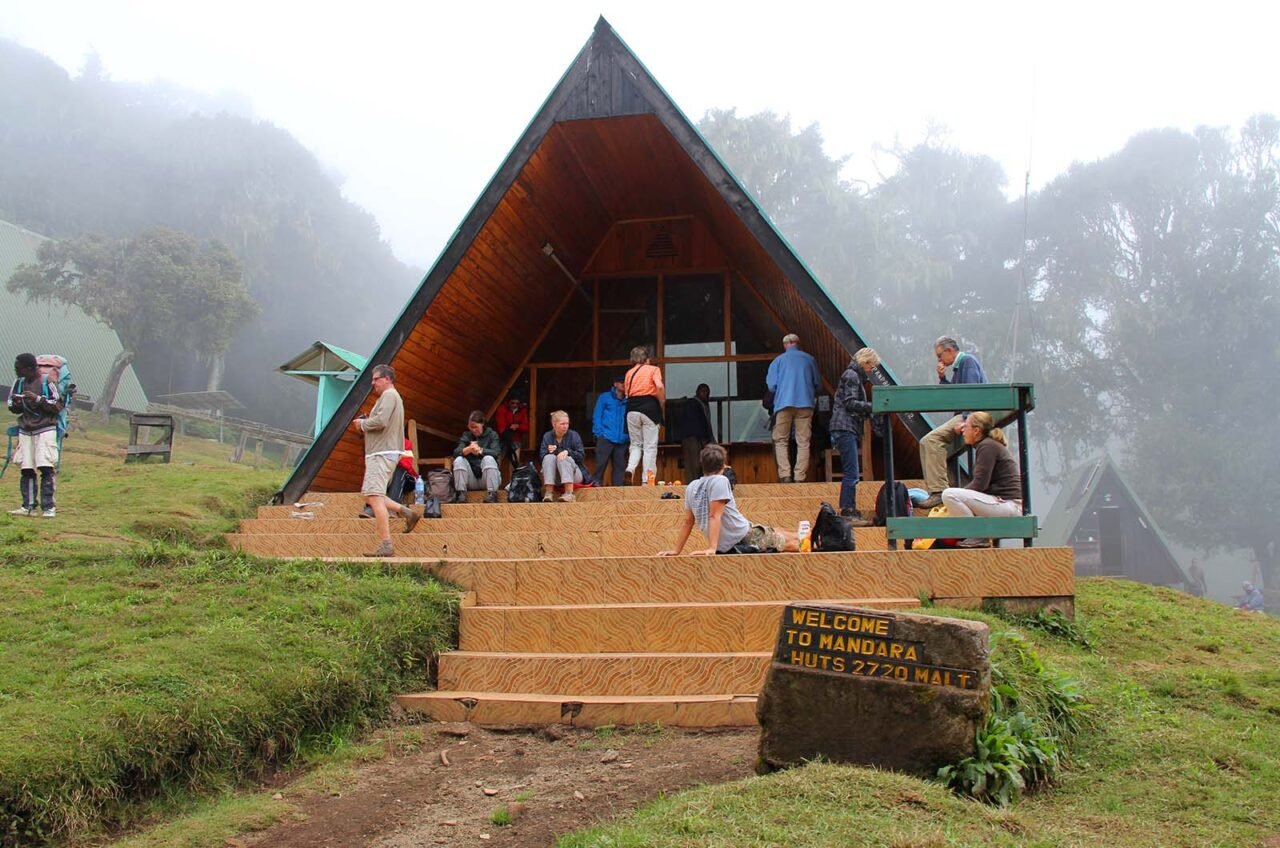
Different routes offer varying degrees of immersion in the rainforest. The Marangu Route, often called the “Coca-Cola” route, follows wider paths and has huts, meaning trekkers spend less time walking through dense forest on the ascent compared to others. The Machame and Lemosho routes, however, are renowned for their deep immersion. These paths often wind through very dense sections of forest, sometimes requiring trekkers to duck under branches or navigate muddy sections. The Lemosho route, in particular, is celebrated for its scenic beauty as it traverses the western side of the mountain, offering stunning forest vistas.
### Sensory Experience: Sights, Sounds, and Smells
Beyond the visual aspects, the rainforest engages all the senses. The constant sound of dripping water, the chirping and calls of birds, the rustling of leaves, and the distant roar of a monkey troop create a rich soundscape. The air is cool and moist, a welcome relief from the heat of the plains. The dominant smell is earthy and damp, but sometimes punctuated by the sweet scent of flowers or the distinct aroma of certain trees. This sensory richness makes the rainforest zone a memorable part of the Kilimanjaro climb.
### Challenges and Preparations
The rainforest zone presents specific challenges. The terrain can be uneven and muddy, especially during or after rain, requiring good waterproof hiking boots and trekking poles for stability. The humidity can make the air feel heavy, and while temperatures are moderate (often between 15-25°C or 59-77°F), the dampness can lead to feeling colder, especially if clothing becomes wet. Proper layering of clothing is essential. Guides will often point out the unique flora and fauna, turning potential challenges into learning opportunities.
### The Importance of Guides
Local guides are invaluable in the rainforest. They possess deep knowledge of the local flora and fauna, pointing out species that trekkers might otherwise miss. They understand the safest paths, especially in muddy conditions, and can share insights into the medicinal uses of plants and the cultural significance of the mountain. Their ability to spot wildlife, even elusive monkeys, adds immeasurably to the experience. For anyone planning a Kilimanjaro trek in 2026 or 2027, relying on experienced guides from companies like Top Guide Adventures is crucial for safety and a richer understanding of the environment.
## Comparing Rainforest Zones on Different Kilimanjaro Routes
While the general description of the Kilimanjaro rainforest remains consistent, the experience of traversing it can vary slightly depending on the chosen route. Understanding these differences can help in planning your 2026-2027 Kilimanjaro adventure.
### Marangu Route: A Gentler Introduction
The Marangu Route, with its hut accommodations and wider paths, offers a less rugged experience in the rainforest. You’ll still see the tall trees, moss-covered branches, and hear the birds, but the dense undergrowth is often less of a factor. The ascent is more gradual, and the paths are generally easier to navigate, making it a popular choice for those seeking comfort and a less physically demanding introduction to Kilimanjaro’s lower slopes.
### Machame Route: Deep Forest Immersion
The Machame Route, often considered one of the most scenic, plunges trekkers deep into the heart of the rainforest. The paths here are narrower and wind through incredibly dense vegetation. Expect to navigate steep, muddy sections, duck under low-hanging branches, and feel completely surrounded by the vibrant green world. This route offers a truly in-depth rainforest experience, often showcasing stunning views through breaks in the trees.
### Lemosho Route: Wilderness and Views
The Lemosho Route is known for its remoteness and stunning scenery. It spends a considerable amount of time in the rainforest, particularly on its western side. The trails can be less trodden, offering a more wild and pristine feel. You’ll encounter the same towering trees, abundant mosses, and diverse birdlife, but perhaps with fewer fellow trekkers. The views from the Lemosho trail as it winds through the forest can be spectacular, offering glimpses of the plains below and the higher mountain zones.
### Shira Route: High-Altitude Forest Edge
The Shira Route begins at a higher altitude than many others, meaning it bypasses a significant portion of the lower rainforest. Trekkers on Shira often enter the forest zone higher up, closer to its transition into the moorland. While still beautiful, the rainforest experience might feel less extensive compared to routes like Machame or Lemosho. However, the Shira plateau itself offers unique high-altitude moorland scenery.
### Rongai Route: A Different Perspective
The Rongai Route approaches Kilimanjaro from the north, a drier side of the mountain. While it does pass through some forest, the rainforest experience is generally less pronounced and less humid than on the southern routes. The vegetation might appear slightly different due to the drier climate, and the overall feel of the forest zone is less dense. It’s a good option for those who prefer a drier trek, but if a classic, dense rainforest experience is a priority, southern routes are typically better.
### Umbwe Route: Steep and Dense
The Umbwe Route is the shortest and steepest, making it the most challenging. It cuts directly through the rainforest on a steep, direct path. Trekkers will experience a very dense and often muddy rainforest environment, but the ascent is rapid, meaning this zone is traversed relatively quickly compared to longer routes. It’s a route for experienced climbers seeking a direct challenge, and the rainforest here is as thick and vibrant as anywhere on the mountain.
## Flora and Fauna Specifics: A Closer Look
To truly appreciate what the Kilimanjaro rainforest looks like, understanding some of its specific inhabitants is key. The plant and animal life here is adapted to the unique conditions.
### Key Tree Species You Might See:
* Podocarpus spp. (African Yellowwood): These large evergreen trees are common and have distinctive yellowish wood. They are often covered in epiphytic growth.
* Olea africana (African Olive): While related to the olive, this species is more tree-like and forms part of the forest canopy.
* Croton spp.: Various species of Croton are found here, contributing to the undergrowth and mid-canopy layers.
* Albizia spp. (Flattop Albizia): Known for their distinctive flat-topped crown, these trees can be quite large and are often seen at the forest edge.
* Syzygium spp. (Waterberry): Often found near water sources, these trees have smooth bark and can grow quite tall.
### Notable Undergrowth and Smaller Plants:
* Giant Ferns (Cyathea spp.): Tree ferns with large fronds create a prehistoric feel on the forest floor.
* Wild Ginger (Solenostemon spp.): Small, often colorful plants found in damp, shady areas.
* Impatiens kilimanjari: A beautiful, endemic flowering plant with striking red or pink blossoms, often found in moist ravines.
* Various Grasses and Sedges: Especially in clearings or along the forest edge.
### Birdlife Highlights:
* Turacos: Species like the White-cheeked Turaco and the Great Blue Turaco are known for their vibrant plumage and distinctive calls. They are often seen or heard high in the canopy.
* Sunbirds: Tiny, iridescent birds that feed on nectar from flowers. The Northern Double-collared Sunbird is a common sight.
* Hornbills: Large birds with distinctive casque-like bills. Several species inhabit the Kilimanjaro forest, feeding on fruits and insects.
* Alpine Chat and White-necked Raven: While more common at higher altitudes, these can sometimes be seen at the upper fringes of the forest.
* Forest Buzzard: A bird of prey that may be spotted soaring above the canopy.
### Mammal Sightings (Rare but Possible):
* Colobus Monkeys: Black and white monkeys known for their long fur and agile movements through the trees. They are often seen in troops.
* Blue Monkeys (Sykes’ Monkeys): Greyish-blue monkeys with black faces, often found in similar habitats to Colobus monkeys.
* Bush Duiker: Small, shy antelopes that are rarely seen by trekkers.
### Other Wildlife:
* Chameleons: These masters of camouflage can sometimes be spotted on branches or leaves, though they are adept at hiding.
* Various Butterflies: The vibrant colors of butterflies add to the visual richness of the forest.
## Environmental Factors Shaping the Rainforest’s Appearance
The visual characteristics of the Kilimanjaro rainforest are a direct result of specific environmental conditions.
### Rainfall Patterns
Kilimanjaro receives significant rainfall, particularly on its southern slopes, which are exposed to the prevailing moisture-laden winds from the Indian Ocean. This consistent moisture is the primary driver for the lushness of the rainforest. Rainfall is typically higher during two main seasons: March to May (the long rains) and November to December (the short rains). Even outside these periods, the rainforest environment remains humid due to cloud cover and mist.
### Temperature and Humidity
Temperatures in the rainforest zone are generally moderate, ranging from about 15°C to 25°C (59°F to 77°F). However, the high humidity, often exceeding 80%, makes the air feel heavy and can lead to significant condensation on clothing and equipment. This constant moisture is crucial for the growth of mosses, ferns, and epiphytes, contributing to the visually dense and verdant appearance.
### Soil Composition
The volcanic soil of Kilimanjaro is fertile, especially at the lower altitudes. Combined with the consistent moisture and decaying organic matter from the dense vegetation, this creates rich soil that supports a vast array of plant life. The soil is often dark and loamy, contributing to the earthy smells of the forest.
### Altitude and Cloud Cover
As altitude increases within the rainforest zone, temperatures gradually decrease, and cloud cover becomes more prevalent. The lower sections might experience more direct sunlight filtering through, while higher sections are often shrouded in mist or clouds. This varying light condition affects the visual appearance, making certain areas seem more mystical and others more vibrant. The constant presence of mist contributes to the characteristic dampness and the prevalence of mosses and ferns.
## Planning Your 2026-2027 Kilimanjaro Trek: Rainforest Considerations
When planning your Kilimanjaro adventure for 2026 or 2027, understanding the rainforest zone is crucial for setting expectations and preparing appropriately.
### Best Times to Trek Through the Rainforest
While the rainforest is lush year-round, trekkers often prefer the drier seasons for more comfortable hiking. The main dry seasons are January-February and June-October. During these periods, the rainforest trails are less muddy, and visibility is generally better. However, even in the dry season, expect some rain and mist, especially in the afternoons. The rainy seasons (March-May and November-December) can make the rainforest incredibly vibrant but also present significant challenges with muddy, slippery trails and reduced visibility.
### Packing Essentials for the Rainforest Zone
* Waterproof Hiking Boots: Essential for navigating muddy and wet terrain. Ensure they are well broken-in.
* Trekking Poles: Provide stability on slippery slopes and help reduce strain on knees.
* Waterproof Outer Layer: A good quality rain jacket and rain pants are vital.
* Moisture-Wicking Base Layers: Help manage sweat in the humid environment.
* Mid-Layer Insulation: A fleece or down jacket for cooler temperatures, especially in the evenings or at higher elevations within the zone.
* Quick-Drying Trousers: Comfortable and practical for hiking.
* Insect Repellent: While not as critical as in some tropical rainforests, it can be useful, especially in the evenings.
* Camera and Binoculars: To capture the stunning scenery and observe wildlife.
### Choosing a Route Based on Rainforest Experience
As detailed earlier, if a deep, in-depth rainforest experience is a priority, consider routes like Machame or Lemosho. If you prefer a slightly less intense forest trek, the Marangu or Rongai routes might be more suitable. For those focused on reaching the summit quickly and don’t mind a shorter rainforest section, Umbwe or Mweka (descent) might be relevant.
### Booking Your 2026-2027 Kilimanjaro Climb
When booking your 2026 or 2027 Kilimanjaro climb, look for reputable tour operators who prioritize safety, sustainability, and the well-being of their clients and crew. Companies like Top Guide Adventures offer comprehensive packages that include experienced guides, porters, and cooks, ensuring you have the best possible support throughout your trek, including expert navigation and insight into the rainforest zone. Early booking for peak seasons in 2026 and 2027 is highly recommended due to demand.
## Beyond the Rainforest: The Mountain’s Other Zones
While the Kilimanjaro rainforest is a vital and beautiful part of the climb, it’s important to remember it’s just the first step. As you ascend, the environment dramatically changes:
### Moorland Zone (Approx. 2,700m – 3,500m / 8,850ft – 11,500ft)
Here, the trees disappear, replaced by giant heathers, senecios (like the iconic Giant Groundsel), and lobelias. The landscape becomes more open, with rolling hills and a more exposed feel. Temperatures drop, and the air becomes thinner.
### Alpine Desert Zone (Approx. 3,500m – 4,500m / 11,500ft – 14,750ft)
This zone is characterized by its arid, almost lunar landscape. Vegetation is sparse, consisting of hardy grasses and mosses. Nights are cold, often dropping below freezing, but days can still be sunny and warm. This is where acclimatization becomes increasingly important.
### Arctic Zone (Above 4,500m / 14,750ft)
Above the alpine desert, all vegetation ceases. The landscape is dominated by rock, scree, ice, and snow. This is the summit zone, where temperatures are consistently below freezing, and the effects of altitude are most severe. The appearance is stark, icy, and dramatically different from the lush rainforest far below.
## Conclusion: A Lush Beginning to an Epic Journey
The Kilimanjaro rainforest is a vital and visually stunning ecosystem that sets the stage for one of the world’s most iconic trekking adventures. Its dense greenery, towering trees, abundant mosses, and vibrant birdlife create an unforgettable first impression. It’s a place of constant moisture, rich biodiversity, and challenging yet rewarding terrain. Understanding what the Kilimanjaro rainforest looks like prepares you for the sensory experience, the practical challenges, and the sheer beauty that awaits on the lower slopes of Africa’s rooftop. Whether you are planning for 2026 or 2027, this verdant world is your initial gateway to the Roof of Africa.
For expert guidance and personalized trekking experiences tailored to your adventure goals in 2026-2027, including detailed insights into Kilimanjaro’s diverse zones, reach out to Top Guide Adventures. Contact us via WhatsApp +255616946642 or email us at topguideadventures@gmail.com. Our dedicated team is ready to help you plan an unforgettable journey. You can also find more information and inspiration on our website topguideadventures.com and our Instagram page @top_guide_adventures.
Check Availability for What Does Kilimanjaro Rainforest Look Like? A Trekkers Visual Guide…
Ready to compare dates, prices, and the best option for your group? Send the package name and travel month so the team can reply with a clear quote, availability, and what is included.
We Are Arriving At Kilimanjaro Airport, What Safari Itinerary Should We Do?
Planning your safari upon arrival at Kilimanjaro Airport (JRO)? This guide provides tailored safari itineraries for 2026-2027, focusing on Northern Tanzania's iconic parks like the...
View package details
Joining Group Climbs On Kilimanjaro When Traveling Alone In 2026-2027
Traveling to Kilimanjaro alone? Discover how you can easily join an existing group climb, making your solo adventure more social and cost-effective for 2026-2027. Learn about departure...
View package details
Kilimanjaro Climb With A Personal Support Assistant: Your Ultimate Guide
Climbing Mount Kilimanjaro with a personal support assistant offers unparalleled safety, comfort, and focus on your summit goals. This guide details what a personal assistant entails, its...
View package details
How To Know Whether You Are Ready For Kilimanjaro: A Comprehensive Guide
Climbing Mount Kilimanjaro is a significant undertaking. This guide helps you evaluate your physical, mental, and logistical readiness to ensure a safe and successful trek in 2026 or 2027...
View package details
Kilimanjaro Hydration Mistakes Climbers Make And How To Avoid Them 2026-2027
Proper hydration is critical for a successful Kilimanjaro climb. This guide details common hydration mistakes climbers make, from under-drinking to choosing the wrong fluids, and provides...
View package detailsWhich Local Tanzania Safari Companies Are Trustworthy In ? 2026-2027
Choosing a trustworthy local Tanzania safari company is crucial for a memorable and safe adventure. This guide helps you identify reliable operators for your 2026-2027 trip, covering...
View package detailsNo related package matches those filters. Clear one or more filters to see the other topic-matched options.



