
A Kilimanjaro climb for retired couples is absolutely achievable with proper planning, focusing on slower acclimatization routes, robust physical preparation, and choosing the right tour operator. Routes like the Lemosho or Machame, known for their gradual ascent and higher success rates, are ideal for older trekkers. Prioritizing health, fitness, and selecting a reputable company like Top Guide Adventures for support in 2026 or 2027 significantly enhances the safety and enjoyment of this incredible mountain experience.
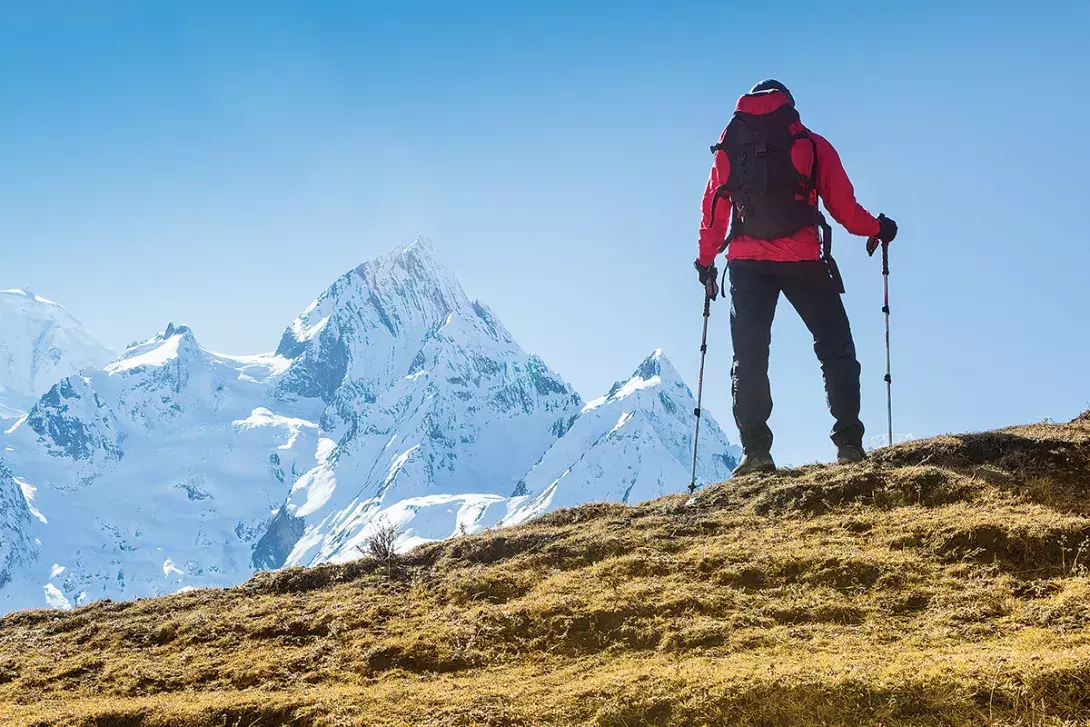
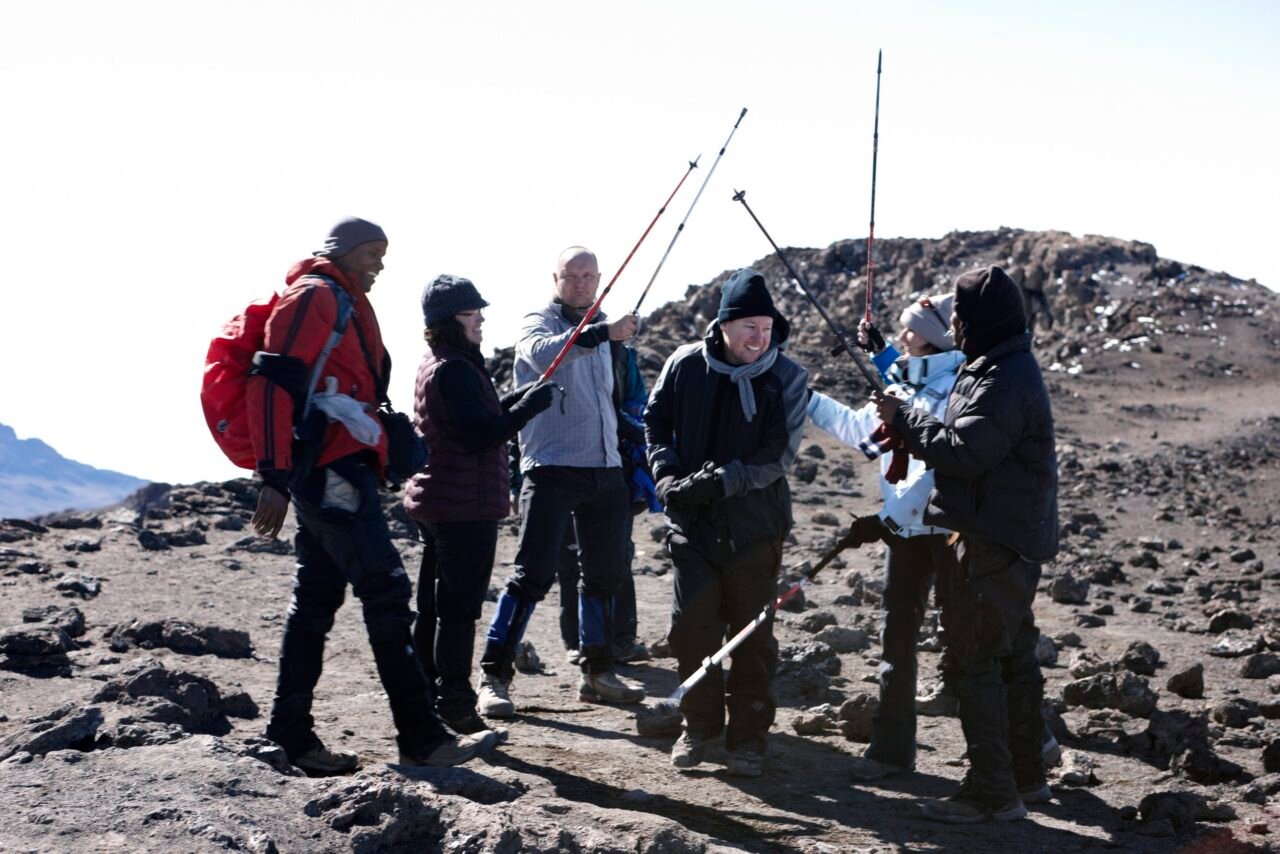
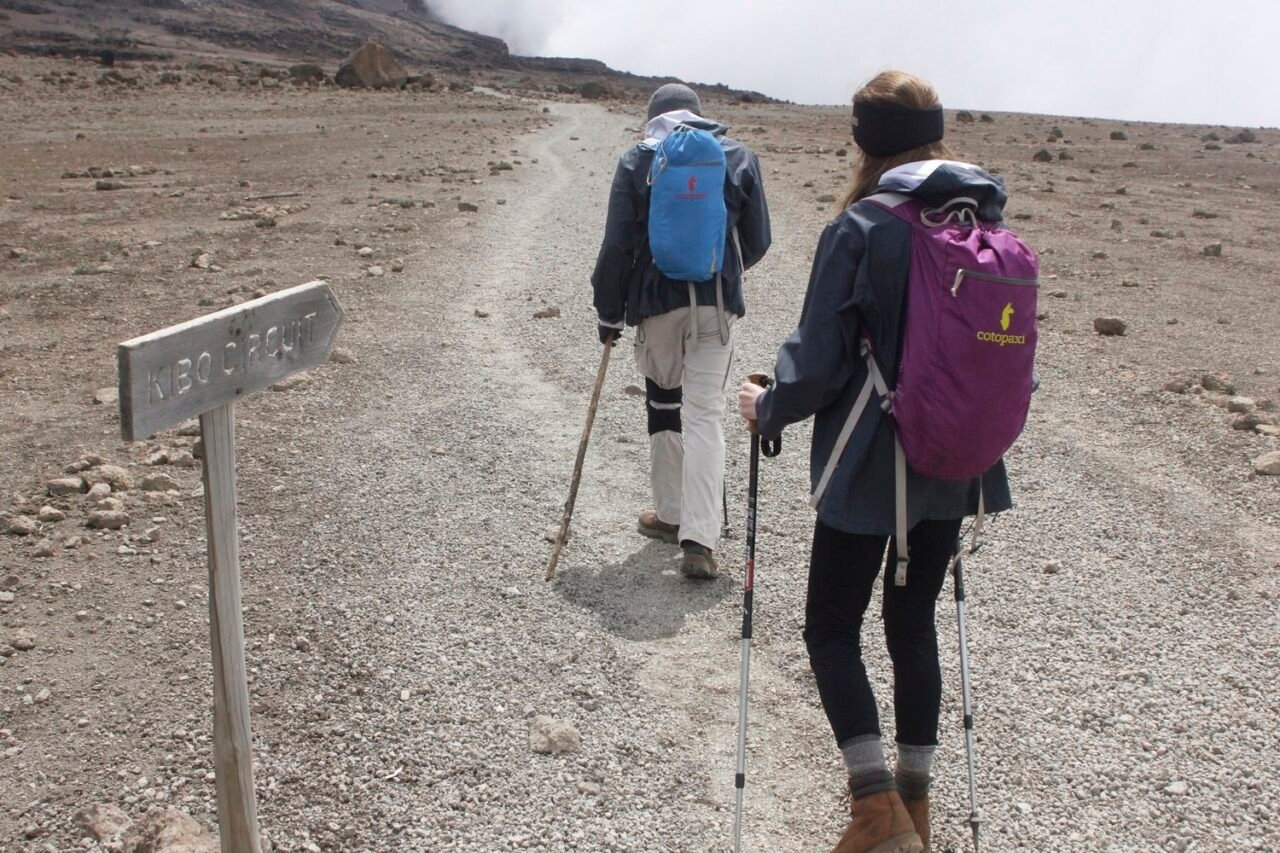
Achieving the Summit: Kilimanjaro for Retired Couples in 2026-2027
The dream of standing on the roof of Africa, Mount Kilimanjaro, is not limited by age. For retired couples, this iconic trek represents a profound opportunity to share an extraordinary adventure, test personal limits, and create lasting memories together. While the physical demands are real, with careful preparation and the right approach, a Kilimanjaro climb is a highly attainable goal for active seniors. Top Guide Adventures specializes in creating tailored experiences that cater to the specific needs and pace of our clients, ensuring your 2026 or 2027 Kilimanjaro climb is both safe and exhilarating.
Many couples in their 50s, 60s, and even 70s have successfully reached Uhuru Peak. The key lies in understanding the mountain, respecting its challenges, and making informed decisions about the climb itself. This guide will walk you through everything you need to know, from choosing the best route and understanding the physical demands to packing effectively and selecting the right support team. We aim to provide a comprehensive resource for retired couples planning their Kilimanjaro adventure for 2026 and 2027, ensuring you feel confident and well-prepared every step of the way.
Is Climbing Kilimanjaro Feasible for Retired Couples?
The most common question retired couples ask is, “Can we really do this?” The answer is a resounding yes, with important caveats. Kilimanjaro is a high-altitude mountain, and the ascent is challenging, primarily due to the altitude and the sustained physical effort over several days. However, age itself is not the primary barrier; rather, it’s an individual’s overall health, fitness level, and preparation.
Key factors that make Kilimanjaro accessible for retired couples include:
- Gradual Acclimatization: Longer routes allow the body to adapt better to the decreasing oxygen levels, significantly reducing the risk of altitude sickness.
- Pacing and Rest: The “pole pole” (slowly, slowly) philosophy is crucial. Experienced guides ensure a steady pace, allowing for ample rest and recovery.
- Quality Support: A reputable tour operator provides experienced guides, porters, nutritious meals, and essential safety equipment, making the climb more manageable.
- Personalized Preparation: Focusing on cardiovascular fitness, strength training, and hiking practice in the months leading up to the climb is vital.
Many retired couples find that the shared challenge of climbing Kilimanjaro strengthens their bond and provides an unparalleled sense of accomplishment. The impressive scenery, unique flora and fauna, and the camaraderie with guides and fellow climbers create an unforgettable journey. For those planning for 2026 or 2027, starting your preparation early is the best strategy for success.
Choosing the Right Kilimanjaro Route for Retired Couples
Selecting the appropriate route is perhaps the most critical decision for retired couples aiming for Kilimanjaro. While shorter, more direct routes exist, they often compromise acclimatization, leading to a lower success rate and increased risk of altitude sickness. For older trekkers, prioritizing a longer, slower ascent is paramount.
At Top Guide Adventures, we highly recommend routes that offer excellent acclimatization profiles. These routes involve “climbing high and sleeping low,” a strategy that helps your body adjust to altitude more effectively. The longer duration also allows for a more relaxed pace, reducing physical strain.
Recommended Routes for Retired Couples:
Lemosho Route: The Premier Choice for Acclimatization
The Lemosho Route is widely considered the best option for retired couples and those prioritizing success and comfort. It offers stunning scenery, diverse landscapes, and, most importantly, a superb acclimatization profile.
- Duration: Typically 7 or 8 days. We strongly recommend the 8-day option for retired couples to maximize acclimatization.
- Scenery: Begins in the lush rainforest on the western side, traversing the scenic Shira Plateau, and joining the Barranco Wall. Offers spectacular views of the surrounding plains and Mount Meru.
- Acclimatization: Excellent. The gradual ascent allows ample time for the body to adjust. The 8-day itinerary includes a crucial acclimatization day.
- Crowds: Less crowded in the initial stages compared to other routes.
- Success Rate: High, due to the excellent acclimatization and longer duration.
Why it’s ideal for retired couples: The 8-day Lemosho route provides the best balance of scenery, challenge, and optimal acclimatization, minimizing the risks associated with altitude. The slower pace afforded by the longer itinerary is perfect for couples who want to enjoy the journey without feeling rushed.
Machame Route: The “Whiskey Route” for a Steady Climb
The Machame Route is another excellent choice, often called the “Whiskey Route” because of its challenging but rewarding nature. It is also known for its good acclimatization profile, especially when trekked over 7 or 8 days.
- Duration: Typically 6, 7, or 8 days. We strongly advocate for the 7 or 8-day options for retired couples.
- Scenery: Offers dramatic landscapes, including the unique Karanga Valley and the imposing Barranco Wall.
- Acclimatization: Good, particularly on the longer itineraries. The “climb high, sleep low” strategy is employed effectively.
- Crowds: Can be more crowded than Lemosho, especially on the 6-day version, but the longer treks offer a more spaced-out experience.
- Success Rate: High on the 7 and 8-day versions.
Why it’s ideal for retired couples: The 7 or 8-day Machame route offers a fantastic trekking experience with good acclimatization. It presents a good challenge that many couples enjoy, with the added benefit of spectacular views and a strong sense of accomplishment.
Other Routes to Consider (with Caution for Retired Couples)
While Lemosho and Machame are our top recommendations, other routes might be considered with specific adaptations:
- Marangu Route (Coca-Cola Route): This is the only route with dormitory-style accommodation. It’s shorter and often perceived as easier because you walk down. However, its direct ascent offers poor acclimatization, leading to lower success rates. It’s generally not recommended for retired couples unless specifically adapted with extra acclimatization days, which negates its primary appeal of being shorter.
- Rongai Route: Approaches from the north, offering a drier trek, which can be advantageous during rainy seasons. It’s a good route, but its acclimatization profile is not as strong as Lemosho or Machame, especially on its shorter itineraries. A 7-day Rongai trek might be considered, but Lemosho or Machame are still preferred for optimal acclimatization.
- Northern Circuit: The longest route (9 days or more), offering the absolute best acclimatization and highest success rates. It circumnavigates the mountain, providing unique views. While excellent for acclimatization, its length might be a consideration for some retired couples, though the slower pace is beneficial.
- Umbwe Route: The shortest and steepest route, known for its difficulty and rapid ascent. It offers very poor acclimatization and is strongly not recommended for retired couples or beginners.
For your 2026 or 2027 Kilimanjaro climb, we will discuss your specific fitness levels and preferences to help you select the route that best suits your capabilities and aspirations. The 8-day Lemosho route is our standard recommendation for retired couples seeking the highest chance of success and the most comfortable experience.
Physical Preparation: Training for Kilimanjaro
Successful Kilimanjaro climbing for retired couples hinges on thorough physical preparation. It’s not about being an elite athlete, but about building endurance, strength, and ensuring your body is accustomed to sustained physical exertion and varied terrain. Starting your training program 3-6 months before your planned 2026 or 2027 climb is ideal.
Cardiovascular Fitness: The Foundation
The primary requirement is excellent cardiovascular endurance. Your heart and lungs need to be strong to cope with the reduced oxygen at altitude. Aim for activities that elevate your heart rate and can be sustained for extended periods.
- Hiking: This is the most relevant training. Hike regularly, ideally 2-3 times a week. Gradually increase the duration and intensity. Seek out hills or inclines to simulate mountain climbing. Crucially, practice hiking with a weighted backpack (5-10 kg) to get used to carrying extra weight.
- Running/Jogging: Aim for 3-4 sessions per week, gradually increasing mileage and pace.
- Cycling: A great low-impact option for building leg strength and cardiovascular fitness.
- Swimming: Excellent for overall fitness and can be a good cross-training activity.
Strength Training: Supporting Your Body
While endurance is key, building strength in your legs, core, and upper body will help you navigate the terrain and reduce the risk of injury. Focus on functional movements.
- Legs: Squats, lunges, step-ups (with weights), calf raises. These mimic the actions of climbing.
- Core: Planks, Russian twists, crunches. A strong core provides stability and improves balance.
- Upper Body: Push-ups, rows, shoulder presses. These help with balance and carrying your daypack.
Altitude Acclimatization Practice
While you can’t fully simulate Kilimanjaro’s altitude at home, you can prepare your body for the demands:
- Long Hikes: The longer your training hikes, the better. Aim for at least one hike of 4-6 hours every couple of weeks in the months leading up to your climb.
- Incline Training: Use stair climbers, treadmills with incline settings, or find local hills.
- Practice with Gear: Wear your hiking boots on training hikes to break them in and ensure comfort. Use your daypack and trekking poles.
Medical Consultation
Before embarking on any strenuous training program or booking your 2026-2027 Kilimanjaro climb, it is essential for retired couples to consult with their doctor. Discuss your plans, get a general health check-up, and ask about any specific concerns related to altitude or physical exertion. Your doctor can advise on any necessary vaccinations or preventative medications for altitude sickness.
Training Tips for Retired Couples:
- Listen to Your Body: Avoid overtraining. Rest days are crucial for recovery and muscle repair.
- Consistency is Key: Regular, moderate exercise is more effective than infrequent, intense bursts.
- Buddy Up: Train with your partner or a friend for motivation and accountability.
- Stay Hydrated: Drink plenty of water during training, just as you will on the mountain.
By dedicating time to physical preparation, retired couples can significantly increase their chances of a successful and enjoyable Kilimanjaro climb in 2026 or 2027.
Health and Altitude Sickness: Staying Safe on Kilimanjaro
Altitude sickness (Acute Mountain Sickness – AMS) is the primary health concern on Kilimanjaro. It’s caused by ascending too quickly, preventing the body from adapting to lower oxygen levels. For retired couples, understanding AMS and employing preventative strategies is critical.
Understanding Altitude Sickness
AMS can affect anyone, regardless of age or fitness level. Symptoms typically appear 12-24 hours after reaching a higher altitude and can range from mild to severe:
- Mild Symptoms: Headache, nausea, dizziness, fatigue, loss of appetite, difficulty sleeping.
- Moderate Symptoms: Worsening of mild symptoms, shortness of breath even at rest, decreased coordination.
- Severe Symptoms (Life-threatening): Pulmonary Edema (fluid in the lungs) and Cerebral Edema (fluid in the brain). Symptoms include severe breathlessness, persistent cough (possibly with pink frothy sputum), confusion, loss of balance, and even coma.
Prevention and Management Strategies
Top Guide Adventures prioritizes safety. Our guides are trained to recognize AMS symptoms and manage situations effectively. Here’s how we, and you, can ensure a safe climb:
- Slow and Steady Ascent: This is the most effective preventative measure. Longer routes like the 8-day Lemosho or 7/8-day Machame are designed for optimal acclimatization.
- Hydration: Drink plenty of water (3-4 liters per day). Dehydration can exacerbate AMS symptoms. Avoid alcohol and caffeine, which can dehydrate you.
- Nutrition: Eat well, even if you don’t feel like it. High-carbohydrate meals are recommended.
- Pacing: “Pole pole” is essential. Avoid overexertion.
- Monitor Symptoms: Be honest with your guide about how you feel. Early reporting of symptoms is crucial.
- Medication (Optional): Diamox (Acetazolamide) is a prescription medication that can aid acclimatization. Consult your doctor about its suitability for you. It is taken preventatively before and during the climb.
- Descent: If symptoms worsen, the only cure is to descend immediately. Our guides will make this decision if necessary.
Specific Health Considerations for Retired Couples
Beyond altitude sickness, retired couples should consider:
- Pre-existing Conditions: Ensure any chronic conditions (e.g., heart issues, diabetes, arthritis) are well-managed and discussed with your doctor. Carry necessary medications in sufficient quantities.
- Joint Health: Trekking poles are invaluable for reducing stress on knees and hips, especially on descents.
- Digestive Health: Our cooks prepare hygienic, nutritious meals. However, carrying some personal preferred snacks or simple remedies for mild stomach upset can be comforting.
- Medications: Bring a comprehensive first-aid kit, including pain relievers, blister treatment, antiseptic wipes, and any personal prescriptions. Ensure you have enough for the entire trip, plus a buffer.
Top Guide Adventures is committed to ensuring your 2026-2027 Kilimanjaro climb is as safe as possible. Our guides are trained in wilderness first aid, and we carry comprehensive medical kits. Your well-being is our top priority.
Essential Gear for Your Kilimanjaro Climb
Packing the right gear is crucial for comfort and safety on Kilimanjaro. The weather can change dramatically, from hot and humid at the base to freezing at the summit. Layering is the key principle. For retired couples, investing in quality, comfortable gear can make a significant difference.
Clothing: Layering is Key
- Base Layers: Moisture-wicking thermals (merino wool or synthetic). Bring a couple of sets.
- Mid Layers: Fleece jacket or down vest for insulation.
- Outer Layer (Shell): Waterproof and windproof jacket and trousers. Essential for summit night and unpredictable weather.
- Insulated Jacket: A warm down or synthetic jacket for cold evenings and summit night.
- Trekking Trousers: Comfortable, quick-drying hiking trousers (not jeans). Zip-off legs can be useful.
- Shirts: Moisture-wicking t-shirts and long-sleeved shirts for sun protection.
- Headwear: Warm woolen hat (covers ears), sun hat with a wide brim, balaclava or neck gaiter for summit night.
- Gloves: Warm, waterproof gloves or mittens, and a thinner pair of liner gloves.
Footwear: The Most Important Item
- Hiking Boots: Well broken-in, waterproof, ankle-supporting hiking boots. This is non-negotiable. Try them on with your hiking socks.
- Camp Shoes: Comfortable shoes (e.g., sneakers, crocs) to wear in camp after a day’s trek.
- Socks: Several pairs of thick, moisture-wicking hiking socks (wool or synthetic). Avoid cotton. Bring liner socks if prone to blisters.
Sleeping Gear
- Sleeping Bag: A warm sleeping bag rated to at least -10°C (0°F). Down is lighter but synthetic is better if it gets damp.
- Sleeping Bag Liner: Adds warmth and keeps your sleeping bag clean.
- Inflatable Pillow (optional): For added comfort.
Trekking Equipment
- Backpack: A comfortable daypack (30-40 liters) for essentials you need during the day (water, snacks, camera, rain gear, warm layers).
- Trekking Poles: Highly recommended for stability and reducing knee strain, especially on descents.
- Headlamp: Essential for navigating in the dark, especially on summit night. Bring spare batteries.
- Water Bottles/Hydration Reservoir: Carry at least 3 liters capacity. Insulated covers for bottles are useful in cold weather.
- Sunglasses: High UV protection.
- Sunscreen: High SPF.
- Lip Balm with SPF: Protects against sun and windburn.
- Personal First-Aid Kit: Include any personal medications, blister treatment, pain relievers, antiseptic wipes, bandages.
- Toiletries: Biodegradable soap, toothbrush, toothpaste, wet wipes, hand sanitizer.
- Camera and Batteries: And spare memory cards.
- Power Bank: For charging electronics.
- Duffel Bag: A large, waterproof duffel bag (80-100 liters) for your main gear, carried by porters.
Gear Rental Option
Top Guide Adventures offers rental services for key items like sleeping bags, trekking poles, and warm jackets. This can be a convenient option for retired couples, especially if you don’t plan to use the gear extensively after the climb. Please inquire about available gear and pricing when booking your 2026-2027 trip.
Ensure all gear is comfortable and well-tested before your departure. Your comfort and safety on Kilimanjaro depend significantly on having the right equipment.
The Kilimanjaro Climbing Experience: What to Expect
A Kilimanjaro climb is more than just a physical challenge; it’s an in-depth experience that engages all your senses. For retired couples, understanding the daily rhythm and what to expect can help manage expectations and enhance enjoyment.
Daily Itinerary on the Mountain
While specific timings vary by route and day, a typical day on Kilimanjaro follows a predictable pattern:
- Morning: Wake up early (around 7:00 AM). Enjoy a hot breakfast prepared by your cook. Pack your daypack with essentials.
- Trekking: Start your trek around 8:00 AM. The pace is slow and steady (“pole pole”). Guides will lead the way, with porters carrying the bulk of your gear. You’ll stop for regular short breaks for water and snacks.
- Lunch: A packed lunch is usually enjoyed at a scenic spot along the trail.
- Afternoon: Continue trekking, arriving at the next campsite in the mid-afternoon (typically 3:00 PM – 5:00 PM). This allows ample time to rest and settle in before dark.
- Evening: Arrive at camp. Porters will have already set up your tents. Enjoy hot drinks and snacks. A hot dinner is served around 7:00 PM. Guides will brief you on the next day’s plan. Lights out is generally early, as you’ll need rest.
Summit Night: The Ultimate Challenge
Summit night is the most demanding part of the climb. It typically begins around midnight or 1:00 AM from the last camp (e.g., Kibo Hut on the Marangu route, or Barafu Camp on most other routes).
- Start Time: You’ll be woken up with hot drinks and a light breakfast.
- The Climb: You’ll ascend steeply in the dark, using headlamps. The temperature will be well below freezing, and the wind can be fierce. The pace is extremely slow.
- Acclimatization: Your body is at its highest altitude, and oxygen levels are critically low.
- Reaching Stella Point: This is the crater rim. From here, it’s another hour-long walk to Uhuru Peak (5,895m / 19,341ft).
- Uhuru Peak: The summit! Celebrate your incredible achievement, take photos, and then begin the descent.
- Descent: The descent is long and physically demanding, often taking as long as the ascent. It’s crucial to maintain focus to avoid slips. You’ll typically descend back to your previous camp (e.g., Barafu Camp) for a short rest before continuing further down to a lower camp.
The summit night requires immense mental and physical fortitude. The support of your guides and fellow climbers, and the knowledge that you’ve prepared well, will be invaluable.
Camp Life
Life in camp is relatively comfortable, considering the remote environment. You’ll have a private tent for sleeping, a mess tent for meals (on most routes), and portable toilets. The cooks provide surprisingly varied and nutritious meals, including soups, stews, pasta, rice, vegetables, and fruits. Hot water is provided for washing and drinking.
The Role of Guides and Porters
The Top Guide Adventures team is your lifeline on the mountain. Our guides are highly experienced, knowledgeable about the mountain, and trained in first aid and altitude sickness management. Porters are essential for carrying equipment, setting up camp, and ensuring you have food and water. They are incredibly strong and resilient individuals who play a vital role in your expedition’s success. Tipping your guides and porters is customary and greatly appreciated; we provide guidelines for this before your trek.
For retired couples, the support and camaraderie provided by the crew can make the challenging journey much more manageable and enjoyable. They are there to encourage you, ensure your safety, and help you achieve your goal.
Best Time to Climb Kilimanjaro for Retired Couples in 2026-2027
Kilimanjaro can be climbed year-round, but certain periods offer significantly better weather conditions, increasing comfort and success rates. For retired couples, choosing the best time to climb is crucial for a more pleasant experience.
Kilimanjaro has two main dry seasons and two rainy seasons:
- Dry Seasons (Best for climbing):
- January to March: Generally warm and dry. Can be very cold at the summit due to strong winds. This is a popular time.
- June to October: Cooler but dry. This is often considered the best overall period, with clear skies and less cloud cover. The temperatures can be colder, especially at higher altitudes.
- Rainy Seasons (Less ideal, but possible):
- April to May: The “long rains.” Expect heavy rainfall, especially on the lower slopes. This is generally the least favorable time to climb.
- November to December: The “short rains.” Shorter, less intense showers, often in the afternoons. Can still be a viable option, but visibility might be reduced.
Recommendations for 2026-2027
For retired couples, the dry seasons (June-October and January-March) are highly recommended. While June to October can be cooler, the clear skies and minimal rain offer the most stable and predictable conditions. January to March is also excellent, with warmer temperatures, though sometimes with stronger winds.
Considerations for Retired Couples:
- Crowds: Peak seasons (January-March and June-October) will be busier. If you prefer a quieter experience, consider the shoulder months within the dry seasons (e.g., late October/early November, or late March/early April if you don’t mind a higher chance of rain).
- Temperature: If you are more sensitive to cold, the January-March window might be slightly more comfortable temperature-wise than the cooler June-October period, although summit night is always extremely cold regardless of the season.
Top Guide Adventures can help you select the ideal departure dates for your 2026 or 2027 Kilimanjaro climb, taking into account your preferences for weather, crowds, and optimal acclimatization. Booking well in advance, especially for peak seasons in 2026 and 2027, is advisable.
Cost of a Kilimanjaro Climb for Retired Couples
The cost of a Kilimanjaro climb can vary significantly based on the route, duration, group size, and the quality of the tour operator. For retired couples, opting for a reputable company that prioritizes safety, experienced guides, and good equipment is paramount, and this often translates to a mid-range to higher-end price point.
Top Guide Adventures offers competitive pricing for our Kilimanjaro climbs, focusing on providing exceptional value through:
- Experienced and Certified Guides: Essential for safety and success.
- Quality Equipment: Well-maintained tents, sleeping bags (available for rent), and cooking gear.
- Nutritious Meals: Carefully prepared to provide energy.
- Adequate Porter Support: Ensuring your gear is carried efficiently and ethically.
- Park Fees and Government Levies: Included in our package prices.
- Emergency Support: Including oxygen cylinders and communication devices.
Typical Cost Breakdown (Estimated for 2026-2027)
While exact prices depend on the specific itinerary and group size, a typical 7 or 8-day Kilimanjaro climb with a reputable operator like Top Guide Adventures can range from $2,000 to $3,500 USD per person. This usually covers:
- All park entry fees, camping fees, and rescue fees.
- All meals on the mountain.
- Accommodation in tents.
- Trained guides, assistant guides, cooks, and porters.
- Boiled water on the mountain.
- Oxygen cylinders and a comprehensive first-aid kit.
- Transfer from/to Kilimanjaro Airport (JRO) and Moshi/Arusha.
What is typically NOT included:
- International flights to Tanzania.
- Visa fees.
- Travel and medical insurance (mandatory).
- Personal gear (sleeping bag, warm clothing, trekking poles – though some can be rented).
- Tips for guides, porters, and cooks (budget around $250-$350 USD per climber).
- Soft drinks, alcoholic beverages, and personal expenses.
- Climb certificate.
- Optional pre- or post-climb accommodation or safaris.
Factors Influencing Price:
- Route Duration: Longer routes (like 8-day Lemosho) cost more due to more days of park fees and crew services.
- Group Size: Private climbs for couples will be more expensive per person than joining a small group.
- Operator Standard: High-quality operators invest more in guide training, fair wages for crew, better equipment, and safety measures, which is reflected in the price. Avoid suspiciously cheap operators, as they often cut corners on safety and crew welfare.
For specific pricing for your 2026 or 2027 Kilimanjaro climb, please contact Top Guide Adventures directly. We offer transparent pricing and can tailor an itinerary to your needs.
When comparing prices, always ensure you are comparing like-for-like services, paying close attention to what is included, the duration of the trek, and the operator’s safety record and ethical treatment of staff.
Combining Kilimanjaro with a Safari or Zanzibar
Many retired couples choose to extend their Tanzanian adventure by combining their Kilimanjaro climb with a safari or a relaxing stay in Zanzibar. This offers a fantastic way to experience the country’s diverse attractions.
Kilimanjaro & Safari Packages
After descending Kilimanjaro, a safari provides a welcome change of pace and a chance to witness Tanzania’s incredible wildlife. Popular safari destinations include:
- Serengeti National Park: Famous for the Great Migration and vast plains teeming with wildlife.
- Ngorongoro Crater: A UNESCO World Heritage Site offering a unique concentration of animals within a stunning volcanic caldera.
- Tarangire National Park: Known for its large elephant herds and baobab trees.
- Lake Manyara National Park: Home to tree-climbing lions and a large variety of birdlife.
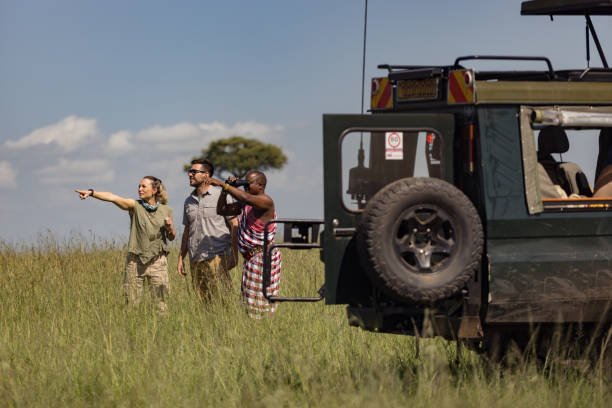
Top Guide Adventures specializes in creating smooth Kilimanjaro and safari packages. We can arrange safaris ranging from 3 to 7 days, tailored to your interests and time. Imagine celebrating your summit achievement with game drives and sundowners in the heart of the African bush!
Kilimanjaro & Zanzibar Holidays
For a relaxing end to your adventure, the exotic island of Zanzibar offers pristine beaches, turquoise waters, rich history, and vibrant culture. It’s the perfect place to recover and rejuvenate after your climb.
- Stone Town: Explore the UNESCO World Heritage site with its labyrinthine alleys, spice markets, and historical buildings.
- Beaches: Relax on the white sandy beaches of Nungwi, Kendwa, Paje, or Matemwe.
- Spice Tours: Discover the island’s fragrant spice plantations.
- Snorkeling and Diving: Explore the coral reefs in the Indian Ocean.
We can arrange comfortable accommodation, airport transfers, and day tours in Zanzibar, ensuring a smooth transition from the mountain to the beach.
Combining these experiences creates a well-rounded Tanzanian holiday. For your 2026 or 2027 trip, consider planning a multi-faceted journey that showcases the best of what Tanzania has to offer. Our team excels at putting together these comprehensive itineraries.
Tips for a Successful Kilimanjaro Climb as a Retired Couple
Beyond the major planning points, several smaller but significant tips can greatly enhance the experience and success rate for retired couples undertaking a Kilimanjaro climb.
- Communicate with Your Partner: Discuss your expectations, concerns, and progress regularly. The climb is a shared journey, and mutual support is vital.
- Listen to Your Guides: They are the experts. Follow their advice on pacing, hydration, and when to rest. Don’t be afraid to voice concerns.
- Stay Positive: Mental attitude plays a huge role. Focus on the progress you’re making and the incredible environment around you. Celebrate small victories.
- Pack Smart: Ensure your daypack is well-organized with essentials easily accessible. Keep valuables secure.
- Manage Blisters: Address any hot spots on your feet immediately. Moleskin or blister bandages are invaluable.
- Stay Warm at Night: Wear dry layers to bed, including a hat. A hot water bottle in your sleeping bag can be a luxury.
- Enjoy the Scenery: Don’t be so focused on the summit that you forget to appreciate the unique landscapes, flora, and fauna you encounter each day.
- Be Patient: Kilimanjaro is not a race. The slower you go, the better your body will acclimatize, and the more you’ll enjoy the journey.
- Hydration Strategy: Sip water constantly rather than gulping large amounts. Using a hydration reservoir with an insulated tube can prevent freezing.
- Snacks: Carry a few favorite snacks that provide quick energy (e.g., nuts, energy bars, dried fruit).
By incorporating these practical tips into your preparation and climb, retired couples can significantly improve their chances of a comfortable, safe, and successful Kilimanjaro adventure in 2026 or 2027.
Booking Your Kilimanjaro Climb with Top Guide Adventures
Choosing the right tour operator is critical for a successful and safe Kilimanjaro climb, especially for retired couples. Top Guide Adventures is one of Tanzania’s most trusted local companies, dedicated to providing personalized attention, care, and dedicated support for every client.
Why choose Top Guide Adventures for your 2026-2027 Kilimanjaro climb:
- Local Expertise: We have deep knowledge of Kilimanjaro, its routes, and the local conditions.
- Safety First: Our guides are highly trained in first aid and altitude sickness management, and we carry essential safety equipment.
- Ethical Operations: We are committed to fair treatment and wages for our guides and porters.
- Personalized Service: We work closely with you to tailor your itinerary and ensure all your needs are met.
- High Success Rates: Our focus on quality, acclimatization, and support contributes to excellent success rates.
- Comprehensive Packages: We offer clear pricing with most essentials included.
Ready to plan your Kilimanjaro adventure?
We encourage retired couples to start planning their 2026 or 2027 climb well in advance. Early booking allows for the best availability, sufficient time for training, and peace of mind.
Contact us today to discuss your dream Kilimanjaro climb:
- WhatsApp: +255616946642
- Email: topguideadventures@gmail.com
- Backup Email: info@topguideadventures.com
- Website: www.topguideadventures.com
- Instagram: @top_guide_adventures
Let Top Guide Adventures help you and your partner achieve the extraordinary goal of summiting Mount Kilimanjaro. We are here to guide you every step of the way, ensuring your 2026-2027 adventure is safe, memorable, and truly rewarding.
Check Availability for Kilimanjaro Climb For Retired Couples: Planning Your Adventure 2026-2027
Ready to compare dates, prices, and the best option for your group? Send the package name and travel month so the team can reply with a clear quote, availability, and what is included.
Joining Group Climbs On Kilimanjaro When Traveling Alone In 2026-2027
Traveling to Kilimanjaro alone? Discover how you can easily join an existing group climb, making your solo adventure more social and cost-effective for 2026-2027. Learn about departure...
View package details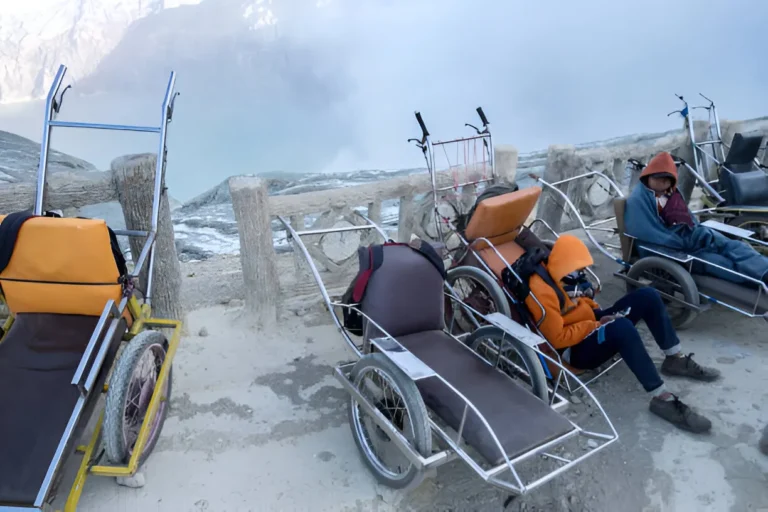
Kilimanjaro Climb With A Personal Support Assistant: Your Ultimate Guide
Climbing Mount Kilimanjaro with a personal support assistant offers unparalleled safety, comfort, and focus on your summit goals. This guide details what a personal assistant entails, its...
View package details
Kilimanjaro Hydration Mistakes Climbers Make And How To Avoid Them 2026-2027
Proper hydration is critical for a successful Kilimanjaro climb. This guide details common hydration mistakes climbers make, from under-drinking to choosing the wrong fluids, and provides...
View package details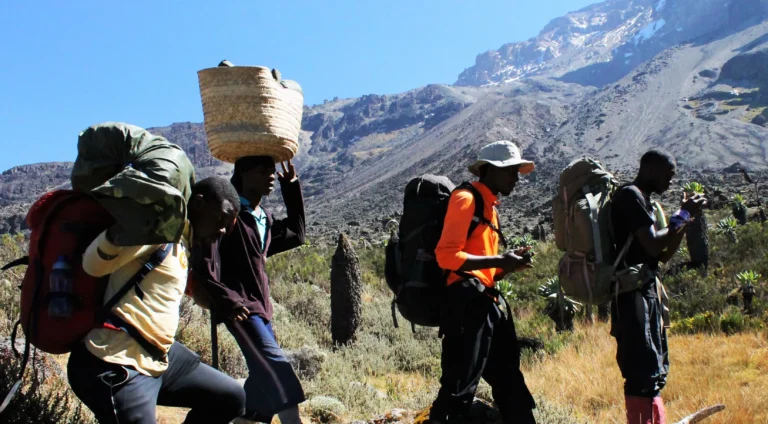
How To Know Whether You Are Ready For Kilimanjaro: A Comprehensive Guide
Climbing Mount Kilimanjaro is a significant undertaking. This guide helps you evaluate your physical, mental, and logistical readiness to ensure a safe and successful trek in 2026 or 2027...
View package details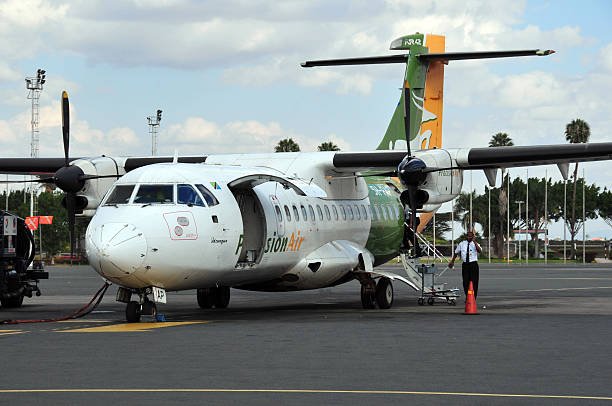
We Are Arriving At Kilimanjaro Airport, What Safari Itinerary Should We Do?
Planning your safari upon arrival at Kilimanjaro Airport (JRO)? This guide provides tailored safari itineraries for 2026-2027, focusing on Northern Tanzania's iconic parks like the...
View package details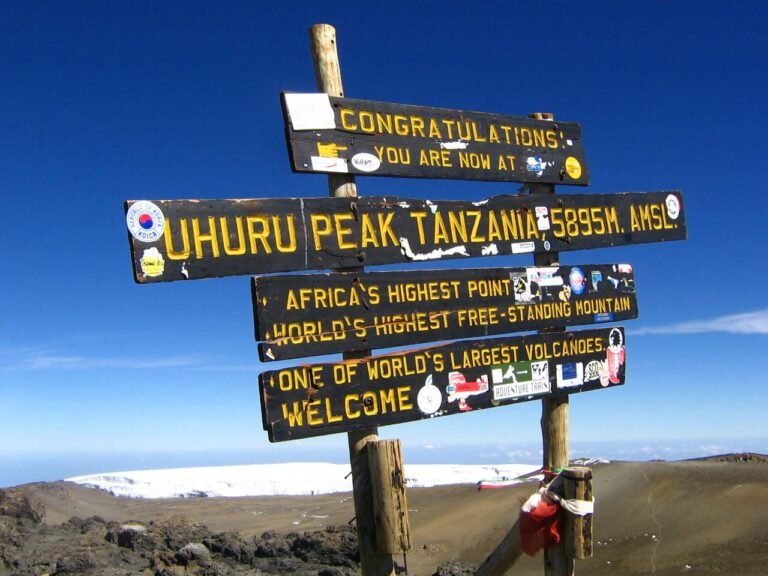
What Does Kilimanjaro Rainforest Look Like? A Trekkers Visual Guide 2026-2027
The Kilimanjaro rainforest is a vibrant, humid zone of dense vegetation, towering trees, and diverse plant life found on the mountain's lower slopes. It's the first major ecosystem trekkers...
View package detailsWhich Local Tanzania Safari Companies Are Trustworthy In ? 2026-2027
Choosing a trustworthy local Tanzania safari company is crucial for a memorable and safe adventure. This guide helps you identify reliable operators for your 2026-2027 trip, covering...
View package detailsNo related package matches those filters. Clear one or more filters to see the other topic-matched options.



