
The most common Kilimanjaro summit-night mistakes to avoid for your 2026-2027 climb include inadequate acclimatization leading to altitude sickness, insufficient hydration and nutrition, wearing inappropriate clothing or gear, starting too fast, poor communication with guides, and neglecting mental preparation. By understanding and preparing for these pitfalls, you significantly increase your chances of reaching Uhuru Peak safely and successfully.
Understanding the Kilimanjaro Summit Night Challenge
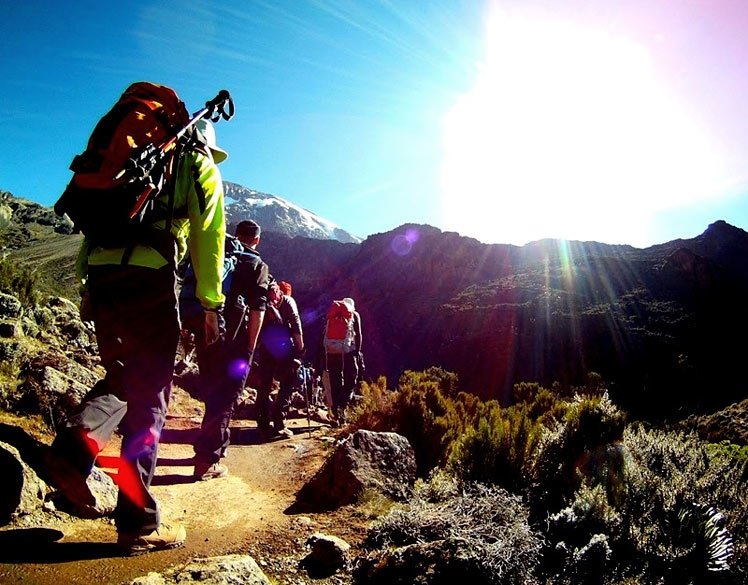
Reaching the summit of Kilimanjaro is an extraordinary achievement, a goal for thousands of trekkers each year. However, the journey to Uhuru Peak is not a gentle stroll; it culminates in a demanding ascent that typically begins in the dead of night. This ‘summit night’ is widely considered the most arduous and critical phase of the entire climb. It’s a test of physical endurance, mental fortitude, and meticulous preparation. For those planning their expedition in 2026 or 2027, understanding the specific challenges and, crucially, the common mistakes people make on summit night is paramount to success and safety.
Summit night is characterized by several factors that make it uniquely difficult:
- Extreme Cold: Temperatures can plummet well below freezing, often reaching -10°C to -20°C (14°F to -4°F), with wind chill making it feel even colder.
- Low Oxygen: You are climbing at extreme altitudes, where the air pressure is significantly lower, meaning less oxygen is available for your body.
- Steep and Loose Terrain: The final ascent often involves navigating scree slopes and rocky paths in the dark.
- Darkness: Headlamps are essential, but visibility is limited, making navigation and footing more challenging.
- Fatigue: You’ve already been trekking for several days, and you’ll be waking up in the early hours of the morning (often around midnight) to begin the final push.
Given these conditions, it’s no surprise that many trekkers encounter difficulties. However, with the right knowledge and preparation, these difficulties can be mitigated. Top Guide Adventures, with extensive experience guiding climbers to the roof of Africa, has compiled this comprehensive guide to help you avoid the most frequent Kilimanjaro summit-night mistakes.
Mistake 1: Underestimating Altitude Sickness (AMS) and Poor Acclimatization
Perhaps the single most significant factor contributing to failed summit attempts and serious health issues on Kilimanjaro is inadequate acclimatization to the altitude. Altitude sickness, or Acute Mountain Sickness (AMS), is a very real and potentially dangerous condition that affects climbers when they ascend too quickly.
What is Altitude Sickness?
At higher altitudes, the atmospheric pressure decreases, meaning there’s less oxygen available with each breath. Your body needs time to adapt to this lower oxygen level. When you ascend too rapidly, your body doesn’t have enough time to adjust, leading to symptoms such as headaches, nausea, dizziness, fatigue, and loss of appetite. In severe cases, AMS can progress to life-threatening conditions like High Altitude Cerebral Edema (HACE) or High Altitude Pulmonary Edema (HAPE).
How Summit Night Exacerbates AMS
Summit night is particularly risky because it often involves a rapid ascent from a high camp (e.g., Barafu Camp at around 4,600m / 15,090ft) to the summit (5,895m / 19,341ft) and then immediately descending. This means spending a prolonged period at very high altitudes, pushing your body to its limits. If you haven’t acclimatized properly during the preceding days, the effects of altitude will be amplified on summit night.
Avoiding the Mistake: Prioritize Gradual Ascent and Proper Acclimatization Strategies
The most effective way to combat AMS is through gradual ascent. This is why longer Kilimanjaro routes (like the 7 or 8-day options) are generally more successful than shorter ones (5 or 6-day options). These longer itineraries allow for more ‘climb high, sleep low’ opportunities and rest days, enabling your body to adapt more effectively. When planning your 2026-2027 Kilimanjaro climb, consider the following:
- Choose a Longer Route: Opt for a 7 or 8-day trek. While they may seem more demanding in terms of duration, they offer a significantly higher success rate due to better acclimatization profiles. Routes like the Lemosho or Northern Circuit are excellent choices for acclimatization.
- Listen to Your Body and Guides: Your guides are trained to recognize the signs of AMS. Communicate any symptoms you experience, no matter how minor they seem. Do not push yourself if you feel unwell. A responsible operator like Top Guide Adventures will always prioritize your safety, and your guide will make the final decision on whether it’s safe to continue.
- Hydration and Nutrition: Proper hydration and adequate calorie intake are crucial for acclimatization. Dehydration and low energy levels can mimic or worsen AMS symptoms.
- Pacing: The mantra on Kilimanjaro is ‘pole pole’ (slowly, slowly). This applies even more so on summit night. Ascending too quickly is a surefire way to invite altitude sickness.
- Avoid Alcohol and Sleeping Pills: Alcohol can dehydrate you and worsen AMS symptoms. Sleeping pills can depress respiration, which is dangerous at altitude.
By selecting a longer itinerary and working closely with experienced guides from Top Guide Adventures, you lay the foundation for successful acclimatization, significantly reducing the risk of summit-night problems related to altitude.
Mistake 2: Inadequate Hydration and Nutrition
Proper hydration and fueling are vital for any strenuous physical activity, but they become absolutely critical when climbing Kilimanjaro, especially during the grueling summit night. Many climbers make the mistake of not drinking enough water or eating sufficiently, which can have severe consequences.
Why Hydration is Crucial on Summit Night
At high altitudes, your body loses fluids more rapidly through respiration (breathing) and increased urine production. Dehydration can exacerbate AMS symptoms, increase the risk of headaches, and lead to general fatigue and poor decision-making. On summit night, when temperatures are freezing and you’re exerting yourself intensely, the risk of dehydration is even higher. Water bottles can freeze, and the cold weather can suppress your thirst, making it easy to forget to drink.
The Role of Nutrition
Your body needs energy to perform. Summit night requires a significant energy output over many hours. Without adequate fuel, your energy levels will plummet, leading to exhaustion, hypothermia (as your body struggles to generate heat), and a decreased ability to cope with the cold and altitude. Many climbers find their appetite decreases at high altitudes, making it difficult to eat.
Avoiding the Mistake: Proactive Hydration and Smart Eating
To prevent these issues on your 2026-2027 Kilimanjaro summit attempt, adopt a proactive approach:
- Drink Constantly: Aim to drink at least 3-4 liters of water per day in the days leading up to summit night, and continue drinking throughout the ascent. Your guides will encourage you, but you must take initiative.
- Insulate Your Water: Use insulated water bottle sleeves or carry your water in hydration reservoirs with insulated tubes to prevent freezing. Some climbers wrap bottles in socks or place them in sleeping bag liners at night.
- Electrolytes are Key: Add electrolyte powders or tablets to your water. This helps your body absorb water more effectively and replenishes lost salts, which is especially important due to increased respiration.
- Eat, Even if You Don’t Feel Like It: Consume energy-rich foods. On summit night, this means high-carbohydrate snacks that are easy to digest and don’t freeze easily. Think energy bars, nuts, dried fruits, chocolate, and boiled sweets. Your guides will provide hot meals at camp, but you need to keep snacking during the ascent.
- Warm Food and Drinks: Your crew will prepare hot meals and drinks at the camps. Make the most of these opportunities. Hot soup and tea can be incredibly comforting and rehydrating.
- High-Energy Snacks: Pack a variety of easily accessible, high-energy snacks for your pockets. These should be things you can eat with gloves on.
Top Guide Adventures emphasizes the importance of these practices. Our guides are trained to monitor your fluid intake and encourage you to eat, but personal responsibility is also vital. Make hydration and nutrition a priority from day one of your climb, not just on summit night.
Mistake 3: Inappropriate Clothing and Gear
The weather on Kilimanjaro can change rapidly, and summit night presents the most extreme conditions. Wearing the wrong clothing or using inadequate gear is a common and potentially dangerous mistake that can lead to hypothermia, frostbite, and a miserable, unsuccessful climb.
The Impact of Poor Gear Choices
Summit night requires specialized gear designed for extreme cold and high altitudes. Relying on everyday winter clothing is insufficient. Key areas where mistakes are often made include:
- Layering System Failure: Not having a proper multi-layer system means you can’t effectively regulate your body temperature.
- Inadequate Footwear: Cold feet are a major problem. Ill-fitting or non-waterproof boots can lead to frostbite and blisters.
- Gloves and Mittens: Using thin gloves instead of warm, waterproof mittens is a common oversight.
- Headwear: Not protecting your head, ears, and face from the extreme cold and wind.
- Sleeping Bag: Using a sleeping bag that isn’t rated for sub-zero temperatures.
- Headlamp Issues: A weak or unreliable headlamp can be a serious safety hazard.
Avoiding the Mistake: Invest in and Pack the Right Gear
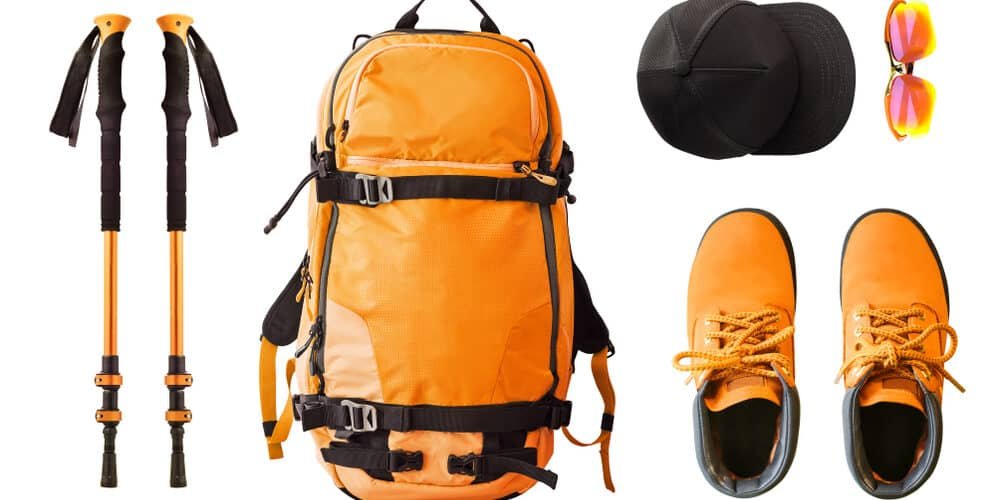
Proper gear is non-negotiable for a safe Kilimanjaro climb, especially for summit night. Top Guide Adventures provides detailed packing lists, but here are the critical points to consider for your 2026 or 2027 Kilimanjaro expedition:
- Layering is Essential:
- Base Layer: Moisture-wicking thermal underwear (merino wool or synthetic). Avoid cotton.
- Mid Layer: Fleece jacket or insulated jacket for warmth.
- Outer Layer: Waterproof and windproof jacket and trousers (Gore-Tex or similar).
- Extremities Protection:
- Head: A warm hat that covers your ears, a balaclava or neck gaiter for your face and neck.
- Hands: Layered glove system is vital. A thin liner glove inside a warm, waterproof, insulated mitten is ideal. Mittens are generally warmer than gloves. Bring spares!
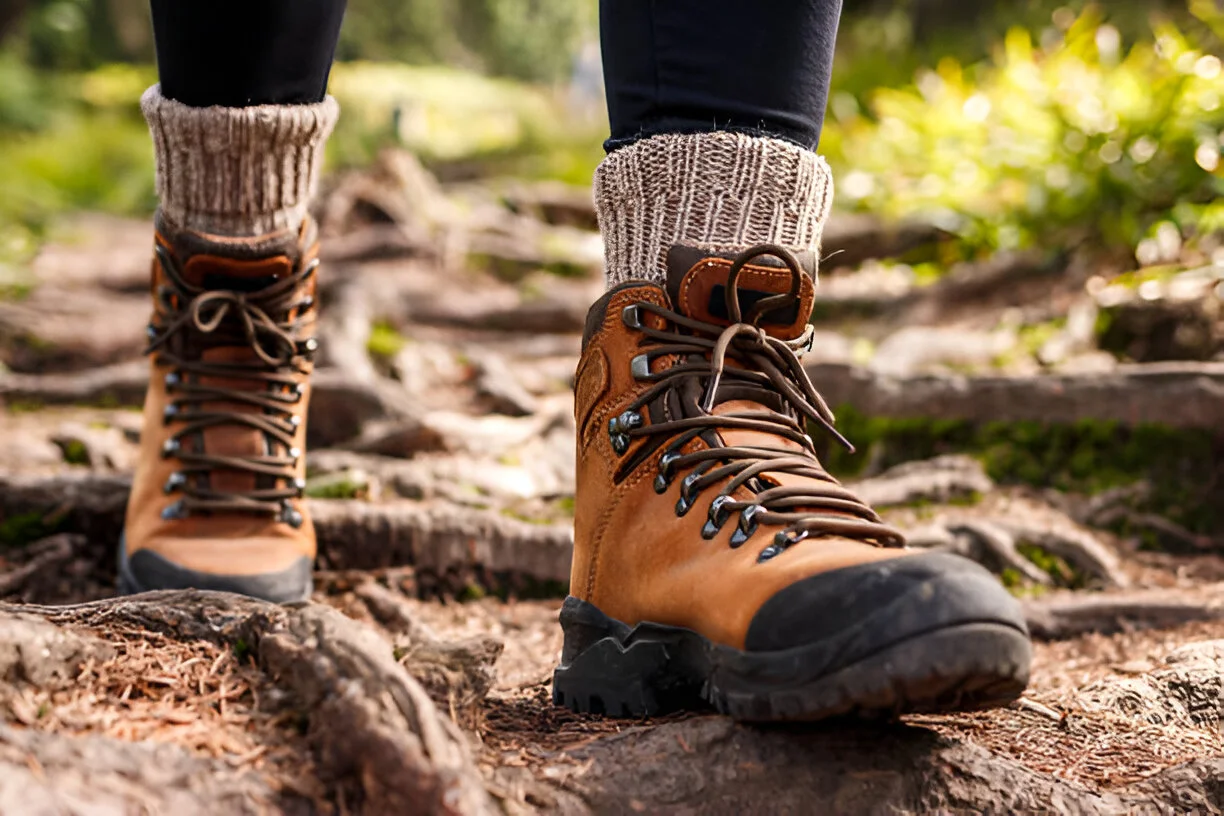
- Feet: Warm, waterproof hiking boots that are well broken-in. Bring thick, moisture-wicking wool socks (multiple pairs). Consider liner socks too. Gaiters are useful to keep snow and scree out of your boots.
- Sleeping Bag: A -10°C to -20°C (0°F to -4°F) rated sleeping bag is recommended.
- Headlamp: A reliable, bright LED headlamp with extra batteries. Test it before you leave.
- Trekking Poles: Highly recommended for stability on steep, loose terrain and to reduce strain on your knees during descents.
- Sun Protection: Even in the cold, the sun at altitude is intense. Bring sunglasses, sunscreen, and lip balm with SPF.
- Water Bottles: Insulated bottles or hydration reservoirs.
Rental Gear: If you are concerned about the cost of purchasing all this specialized gear, many reputable operators, including Top Guide Adventures, offer rental options for items like sleeping bags, trekking poles, and sometimes even jackets. Be sure to inquire about this when booking your 2026-2027 Kilimanjaro climb.
Test Your Gear: Before your trip, test your gear, especially your boots and layering system, on shorter hikes. Ensure everything fits comfortably and performs as expected. This is a crucial step many overlook.
Mistake 4: Starting Too Fast (Pacing on Summit Night)
The temptation to reach the summit quickly is strong, especially when you can see the peak in the distance or feel the energy of the group. However, starting too fast on summit night is a classic mistake that can lead to premature exhaustion, increased risk of altitude sickness, and a significantly reduced chance of success.
The ‘Pole Pole’ Principle Revisited
‘Pole pole’ – slowly, slowly – is the most important phrase to remember throughout your Kilimanjaro climb, but it’s absolutely critical on summit night. The goal is not speed; it’s sustainable progress. Moving too quickly:
- Consumes precious energy reserves much faster.
- Increases respiration and heart rate, potentially leading to breathing difficulties at altitude.
- Makes acclimatization harder, as your body struggles to keep up with the oxygen demand.
- Can lead to overheating in your layers, followed by chilling when you stop.
How to Pace Yourself Correctly
Summit night is a marathon, not a sprint. Here’s how to ensure you maintain a sustainable pace:
- Follow Your Guide’s Lead: Your guides are experts at pacing. They will set a slow, steady rhythm that is achievable for the group. Trust their judgment and stick to their pace.
- Focus on Your Breathing: Concentrate on taking slow, deep breaths. Coordinate your steps with your breaths – for example, one breath per step, or two breaths per step. This helps you conserve energy and manage oxygen intake.
- Regular Short Breaks: While you want to maintain momentum, short, regular breaks (every 30-60 minutes) are essential for sipping water, checking in with your body, and adjusting layers if needed. Avoid long, drawn-out stops which can cause your body to cool down too much.
- Listen to Your Body: Pay attention to how you are feeling. If you are struggling, communicate with your guide. They can help you adjust your pace or take a brief rest.
- Mental Pacing: Break the journey down into smaller, manageable segments. Focus on reaching the next boulder, the next switchback, or simply the next 10 minutes. This makes the overall challenge less daunting.
Top Guide Adventures trains its guides extensively in pacing techniques. They are skilled at reading the group and individuals within it, ensuring everyone moves at a pace that maximizes their chances of reaching the summit without undue exhaustion or risk. For your 2026-2027 Kilimanjaro climb, commit to the ‘pole pole’ principle from the first step of summit night.
Mistake 5: Poor Communication with Guides and Team
Climbing Kilimanjaro is a team effort. Effective communication between you, your guides, and your support crew is vital for safety, comfort, and success. Failing to communicate openly and honestly is a common mistake that can lead to problems being overlooked until they become serious.
Why Communication is Key on Summit Night
Summit night is when clear communication is most critical:
- Altitude Sickness: You must inform your guide immediately if you experience any symptoms of AMS, even if they seem minor. Headaches, nausea, or dizziness can escalate quickly.
- Physical Discomfort: Feeling too cold, too hot, experiencing blisters, or any other physical issue needs to be reported so adjustments can be made.
- Hydration and Nutrition: Let your guide know if you’re struggling to drink or eat. They can offer encouragement or suggest different options.
- Pacing: If you are finding the pace too fast or too slow, communicate this.
- Mental State: If you are feeling discouraged or overwhelmed, talking to your guide can provide crucial support.
Avoiding the Mistake: Be Open and Honest
Make a conscious effort to communicate throughout your climb, especially on summit night:
- Proactive Check-ins: Don’t wait for your guide to ask. Initiate conversations. Ask them how you’re looking, and provide updates on how you’re feeling.
- Honesty is Crucial: Never downplay your symptoms or discomfort. Your guides are there to help you, and they can only do that if they have accurate information. They are trained to assess situations and make decisions based on your well-being.
- Understand Your Guides’ Role: Remember that your guides’ primary responsibility is your safety. They have the final say on whether you can continue the ascent. Trust their expertise and experience.
- Teamwork: Encourage fellow climbers and be aware of their condition. A supportive team environment enhances everyone’s experience and safety.
Top Guide Adventures prides itself on the professionalism and attentiveness of its guiding team. We foster a culture of open communication. When you book your Kilimanjaro summit attempt for 2026 or 2027 with us, you can be confident that your guides will be actively engaged in monitoring your condition and facilitating clear communication. Your role is to be equally engaged and honest.
Mistake 6: Neglecting Mental Preparation
Kilimanjaro is as much a mental challenge as it is a physical one. Many trekkers focus solely on physical training and gear, neglecting the crucial aspect of mental preparation. Summit night, with its darkness, cold, and fatigue, can be a significant psychological test.
The Mental Toll of Summit Night
When you’re physically exhausted, cold, and struggling with altitude, your mind can start to play tricks on you. Doubts can creep in, making you question why you’re doing this and whether you can continue. This mental fatigue can be just as debilitating as physical fatigue.
Avoiding the Mistake: Cultivate Mental Resilience
Mental preparation starts long before you reach the mountain:
- Set Realistic Expectations: Understand that summit night will be tough. Don’t expect it to be easy. Knowing what to expect mentally can help you cope better when the challenges arise.
- Visualize Success: Imagine yourself reaching the summit, feeling the accomplishment, and enjoying the views. Positive visualization can build confidence.
- Develop Coping Strategies: Think about how you will handle difficult moments. This could involve focusing on your breathing, reciting positive affirmations, listening to music (if allowed and safe), or concentrating on small, achievable goals (e.g., reaching the next marker).
- Embrace the ‘Pole Pole’ Mindset: Mentally accepting the slow pace is crucial. Fighting against it will only increase frustration.
- Focus on the Journey: While the summit is the goal, try to appreciate the experience of being on the mountain, the camaraderie with your team, and the incredible landscapes.
- Trust Your Training and Your Team: Remind yourself that you have trained for this, you have the right gear, and you have experienced guides supporting you.
Your guides are also trained to provide psychological support. They are adept at offering encouragement, breaking down the remaining distance into smaller parts, and helping you stay positive. Top Guide Adventures believes in supporting the whole climber – mind and body. For your 2026-2027 Kilimanjaro adventure, prepare mentally just as you would physically.
Mistake 7: Starting the Ascent at the Wrong Time
The timing of your summit bid is critical. While most reputable operators start summit attempts around midnight to 1 AM, there can be variations, and deviating from this optimal window can pose risks.
Why Midnight to 1 AM is Ideal
Starting in the early hours of the morning allows trekkers to:
- Reach the Summit in Daylight: This provides the best views and a safer descent.
- Avoid the Hottest Part of the Day: While it’s cold at altitude, descending in the full sun at lower altitudes can be exhausting and dehydrating.
- Manage Fatigue: It breaks the ascent into two main phases: the night climb and the morning descent.
Risks of Starting Too Early or Too Late
- Starting Too Early: You might arrive at the summit before sunrise, which can be incredibly cold and dark, offering limited views and potentially increasing fatigue before the descent.
- Starting Too Late: You risk reaching the summit in the afternoon, meaning a long, dark, and potentially dangerous descent in the cold and darkness. This also increases the likelihood of encountering afternoon weather changes.
Avoiding the Mistake: Adhere to the Standard Summit Schedule
Unless dictated by specific circumstances (like weather), stick to the tried-and-tested schedule:
- Rest Well: Your guides will ensure you get as much rest as possible at the high camp before the summit push.
- Wake-up Call: Expect to be woken up around 11 PM to 1 AM, depending on your route and camp location.
- Quick Preparation: A brief meal and final gear check, and then you’re off.
- Trust Your Guide’s Timing: Your guides will have calculated the optimal departure time based on your group’s pace and the expected conditions.
Top Guide Adventures meticulously plans the summit night schedule for all its expeditions. This includes coordinating with the crew to ensure you have adequate rest and a timely wake-up call for your 2026-2027 Kilimanjaro summit attempt.
Mistake 8: Ignoring Pre-Climb Health Checks and Fitness
While not directly a summit-night mistake, neglecting your health and fitness in the months leading up to your climb significantly impacts your ability to handle the demands of summit night.
The Importance of a Health Check
Before embarking on a challenging trek like Kilimanjaro, it’s wise to consult your doctor. They can:
- Assess your overall health and fitness.
- Advise on any pre-existing conditions that might be exacerbated by altitude or exertion.
- Discuss potential altitude sickness medications (like Diamox/Acetazolamide), though these are not a substitute for acclimatization and should only be taken under medical guidance.
Physical Fitness for Summit Night
Summit night demands peak physical condition. While you don’t need to be an elite athlete, a good level of cardiovascular fitness is essential. Focus on:
- Cardiovascular Exercise: Regular activities like hiking (with a backpack), running, cycling, or swimming to build endurance.
- Strength Training: Focus on leg and core strength to handle steep ascents and descents.
- Hiking Practice: The best training is hiking, especially on varied terrain and with elevation gain. Practice hiking for several hours consecutively.
Being physically prepared means your body is better equipped to handle the stress of altitude and the cold, making summit night less of a struggle and reducing the likelihood of physical failure.
For your 2026-2027 Kilimanjaro climb, start your fitness regime well in advance. Top Guide Adventures recommends beginning training at least 3-6 months prior to your trek. A fitter body means a more enjoyable and safer experience, especially during the critical summit night phase.
Mistake 9: Over-Reliance on Medication for Altitude Sickness
While certain medications can help manage or prevent altitude sickness, relying on them as a primary strategy, rather than proper acclimatization, is a dangerous mistake.
Understanding Altitude Medications
Acetazolamide (Diamox) is the most commonly prescribed medication for preventing and treating AMS. It works by speeding up acclimatization. However, it is not a magic bullet.
Why Medication Alone Isn’t Enough
- It’s a Supplement, Not a Substitute: Medication helps your body adapt faster but cannot replace the physiological benefits of gradual ascent and rest.
- Side Effects: Acetazolamide can have side effects, including increased urination (leading to dehydration if not managed), tingling in extremities, and altered taste.
- Dosage and Timing: It requires careful management of dosage and timing, ideally under the guidance of a doctor familiar with high-altitude trekking.
- Doesn’t Prevent Severe Forms: While it can help with mild AMS, it may not prevent the progression to severe HACE or HAPE in individuals who ascend too rapidly.
Avoiding the Mistake: Prioritize Acclimatization
The best approach is:
- Consult Your Doctor: Discuss your plans and any potential need for medication.
- Focus on Gradual Ascent: Choose longer routes and listen to your guides.
- Stay Hydrated: Essential for managing side effects and aiding acclimatization.
- Use Medication as Directed: If prescribed, take it as instructed by your doctor.
Top Guide Adventures strongly advocates for acclimatization as the primary defense against altitude sickness. We advise all our clients to consult their physicians regarding any potential use of altitude medication for their 2026-2027 Kilimanjaro climb.
Mistake 10: Not Preparing for the Descent
Many trekkers focus so much on reaching the summit that they forget the descent is nearly as challenging and, in some ways, more dangerous. Exhaustion, loose scree, and the rapid change in altitude can lead to accidents.
The Challenges of the Descent
- Fatigue: You’ve exerted immense energy reaching the summit, and your body is depleted.
- Scree Slopes: Many routes involve descending steep, loose scree, which is hard on the knees and requires careful footing.
- Altitude Effects: Descending rapidly can sometimes trigger or worsen AMS symptoms for some individuals.
- Reduced Visibility: If you descend in the dark or low cloud, it adds to the risk.
Avoiding the Mistake: Stay Alert and Focused
- Maintain Hydration and Nutrition: Continue to drink water and eat snacks, even though you’re heading down.
- Use Trekking Poles: They are invaluable for stability and reducing impact on your knees.
- Watch Your Footing: Stay focused on where you’re stepping, especially on scree.
- Listen to Your Guides: They will guide you safely down the mountain.
- Celebrate Safely: Enjoy the accomplishment, but don’t let your guard down until you are back at your starting camp or hotel.
The descent is a critical part of the journey, and Top Guide Adventures ensures guides are attentive throughout. Proper preparation for summit night inherently prepares you for the descent by conserving energy and maintaining focus. Planning your Kilimanjaro climb for 2026-2027 should include considerations for the entire trek, summit, and descent.
Final Thoughts for Your 2026-2027 Kilimanjaro Summit Success
Summit night on Kilimanjaro is a formidable challenge, but it is achievable for most prepared trekkers. By being aware of and actively avoiding the common Kilimanjaro summit-night mistakes discussed above—poor acclimatization, inadequate hydration and nutrition, wrong gear, improper pacing, lack of communication, mental unpreparedness, incorrect timing, neglecting health, over-reliance on medication, and ignoring the descent—you significantly enhance your chances of reaching Uhuru Peak safely.
Top Guide Adventures is dedicated to helping you achieve your Kilimanjaro dream. We pride ourselves on providing experienced guides, well-planned itineraries that prioritize acclimatization, and comprehensive support throughout your journey. Our commitment is to ensure your 2026-2027 Kilimanjaro climb is not only successful but also a safe and unforgettable experience.
Don’t let preventable mistakes derail your summit attempt. Thorough preparation, listening to your body and your guides, and maintaining a positive, determined attitude are your keys to success. We invite you to partner with us for an adventure of a lifetime.
Ready to plan your Kilimanjaro adventure for 2026 or 2027? Contact Top Guide Adventures today!
WhatsApp: +255616946642
Email: topguideadventures@gmail.com
Backup Email: info@topguideadventures.com
Visit our website for more information on our Kilimanjaro treks and other Tanzanian adventures: www.topguideadventures.com. Follow us on Instagram for inspiration: @top_guide_adventures.
Check Availability for Kilimanjaro Summit-Night Mistakes To Avoid: Your Essential Guide For Climbs
Ready to compare dates, prices, and the best option for your group? Send the package name and travel month so the team can reply with a clear quote, availability, and what is included.
Kilimanjaro Hydration Mistakes Climbers Make And How To Avoid Them 2026-2027
Proper hydration is critical for a successful Kilimanjaro climb. This guide details common hydration mistakes climbers make, from under-drinking to choosing the wrong fluids, and provides...
View package details
We Are Arriving At Kilimanjaro Airport, What Safari Itinerary Should We Do?
Planning your safari upon arrival at Kilimanjaro Airport (JRO)? This guide provides tailored safari itineraries for 2026-2027, focusing on Northern Tanzania's iconic parks like the...
View package details
Joining Group Climbs On Kilimanjaro When Traveling Alone In 2026-2027
Traveling to Kilimanjaro alone? Discover how you can easily join an existing group climb, making your solo adventure more social and cost-effective for 2026-2027. Learn about departure...
View package details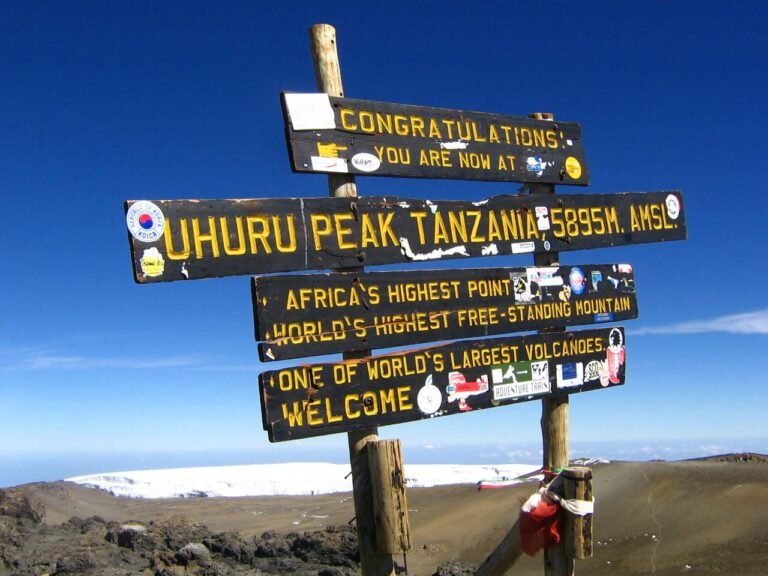
What Does Kilimanjaro Rainforest Look Like? A Trekkers Visual Guide 2026-2027
The Kilimanjaro rainforest is a vibrant, humid zone of dense vegetation, towering trees, and diverse plant life found on the mountain's lower slopes. It's the first major ecosystem trekkers...
View package details
Kilimanjaro Climb With A Personal Support Assistant: Your Ultimate Guide
Climbing Mount Kilimanjaro with a personal support assistant offers unparalleled safety, comfort, and focus on your summit goals. This guide details what a personal assistant entails, its...
View package details
How To Know Whether You Are Ready For Kilimanjaro: A Comprehensive Guide
Climbing Mount Kilimanjaro is a significant undertaking. This guide helps you evaluate your physical, mental, and logistical readiness to ensure a safe and successful trek in 2026 or 2027...
View package detailsWhich Local Tanzania Safari Companies Are Trustworthy In ? 2026-2027
Choosing a trustworthy local Tanzania safari company is crucial for a memorable and safe adventure. This guide helps you identify reliable operators for your 2026-2027 trip, covering...
View package detailsNo related package matches those filters. Clear one or more filters to see the other topic-matched options.



