
Updated planning guide for 2026, 2027-2028
Premium Kilimanjaro Packages: Expert Trekking Guide 2026-2027-2028
Discover the ultimate guide to premium Kilimanjaro packages. This comprehensive resource covers everything you need to know for your 2026-2027 adventure, from choosing the right route to essential preparation and booking tips.
WhatsApp +255616946642 | topguideadventures@gmail.com | info@topguideadventures.com
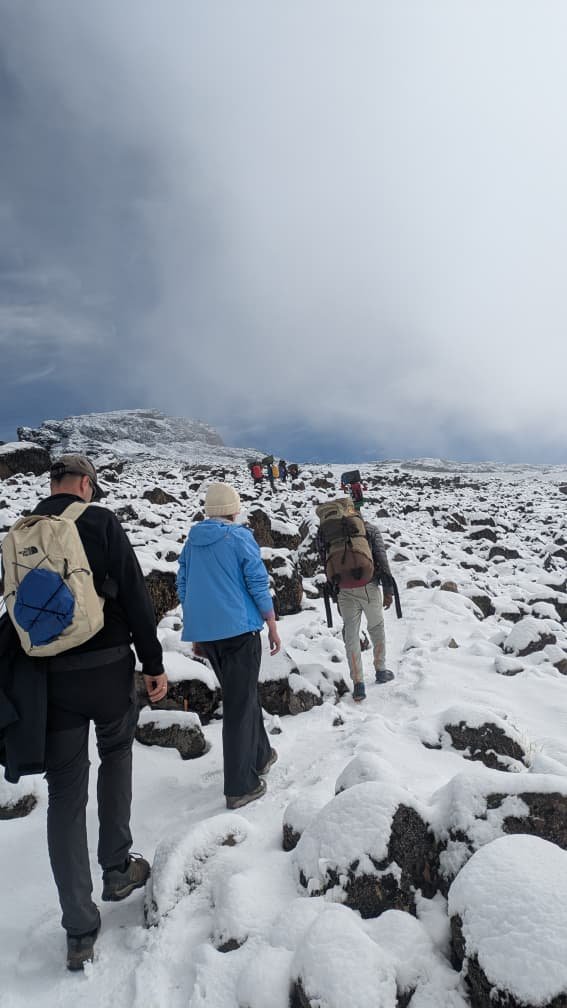
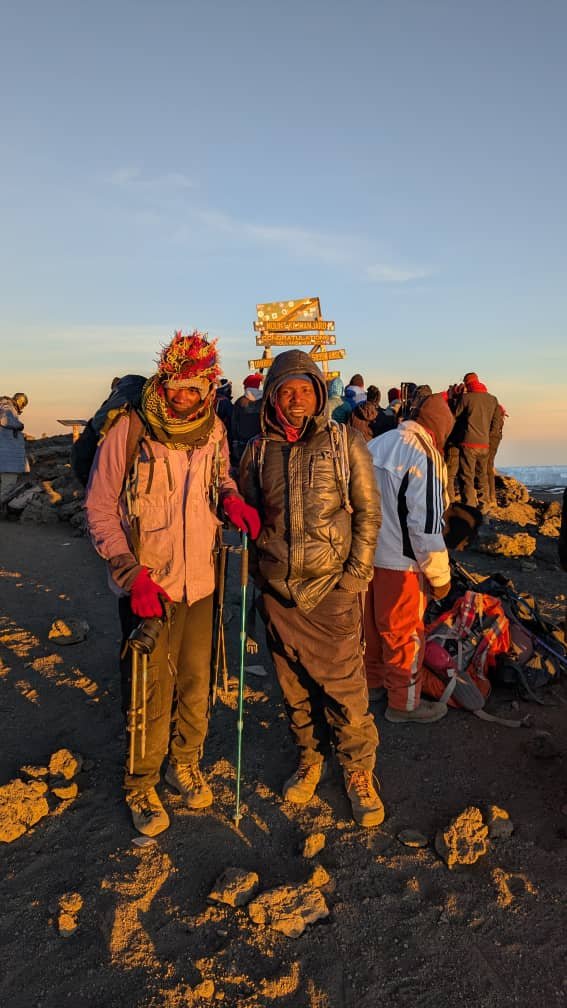
Reaching the Roof of Africa is a life-changing ambition for many. When you decide to conquer Mount Kilimanjaro, choosing a premium Kilimanjaro package ensures your journey is not just successful but also comfortable, safe, and memorable. As a leading Tanzania tour operator, we understand the nuances of this incredible mountain and have crafted our premium offerings to provide an unparalleled trekking experience. This guide will walk you through everything you need to know about selecting and preparing for your premium Kilimanjaro adventure in 2026 and 2027.
Quick Facts About Kilimanjaro Treks
| Feature | Details |
|---|---|
| Mountain | Mount Kilimanjaro |
| Location | Kilimanjaro Region, Tanzania |
| Elevation | 5,895 meters (19,341 feet) |
| Type | Dormant volcano, highest free-standing mountain in the world |
| Longest Route | 12 days (Chagga/Northern Circuit) |
| Shortest Route | 5 days (Marangu, not recommended for acclimatization) |
| Best Time to Climb | January-March and June-October |
| Park Entry Fees | Significant portion of overall cost, managed by park authorities |
| Support Crew | Highly experienced guides, cooks, and porters are crucial |
| Acclimatization | Key to success; longer routes offer better acclimatization |
What Defines Premium Kilimanjaro Packages?
The term “premium” in the context of Kilimanjaro trekking signifies a higher standard of service, comfort, and support designed to enhance your climbing experience. While all reputable operators follow strict safety protocols, premium packages distinguish themselves in several key areas:
- Experienced and Certified Guides: Premium operators invest heavily in hiring guides who are not only highly skilled in mountain navigation and first aid but also possess extensive knowledge of the local environment and culture. Many hold advanced certifications.
- Superior Equipment: This includes high-quality tents (often larger and more durable), comfortable sleeping mats, and sometimes even portable toilets for use at campsites. The quality of food is also a significant factor, with gourmet meals prepared by skilled cooks using fresh ingredients.
- Smaller Group Sizes: While not always the case, premium packages often offer smaller group sizes or the option for private climbs, allowing for more personalized attention from guides and a more intimate experience.
- Enhanced Safety Measures: This can include carrying more comprehensive medical kits, providing supplemental oxygen for emergencies, and ensuring guides are trained in high-altitude medicine. Communication devices like satellite phones are standard.
- Better Acclimatization Profiles: Premium operators typically recommend and structure itineraries around longer routes (7 days or more) that prioritize a gradual ascent, significantly increasing your chances of reaching the summit and returning safely.
- Comfort at Campsites: This might involve providing dining tents with tables and chairs, offering hot showers (where feasible), and ensuring a generally more comfortable and well-organized camp setup.
- Logistical Excellence: From seamless airport transfers to timely equipment checks and efficient handling of park permits and fees, premium packages eliminate logistical worries, allowing you to focus on the climb.
Why Choose a Premium Package for Your Kilimanjaro Climb?
Climbing Kilimanjaro is a significant undertaking, both physically and mentally. Opting for a premium package offers several compelling advantages:
- Increased Success Rate: The combination of better acclimatization, superior guides, and enhanced support significantly boosts your chances of reaching Uhuru Peak.
- Enhanced Safety: With more experienced guides, better equipment, and advanced safety protocols, your well-being is prioritized. This is paramount on a challenging mountain like Kilimanjaro.
- Greater Comfort: While it’s still a wilderness experience, premium packages provide a level of comfort that makes the trek more enjoyable. Better food, more comfortable tents, and well-organized campsites can make a big difference, especially after a long day of trekking.
- Reduced Stress: When all logistical aspects are handled professionally, from permits and park fees to meals and accommodation, you can fully immerse yourself in the experience without worrying about the details.
- Personalized Attention: Smaller groups or private climbs mean guides can offer more individual support, monitor your health more closely, and tailor the pace to your needs.
- Environmental Responsibility: Many premium operators are committed to sustainable tourism practices, ensuring the mountain’s fragile ecosystem is protected for future generations.
Kilimanjaro Routes: A Detailed Look
Choosing the right route is fundamental to your Kilimanjaro experience. Premium packages often focus on routes that offer the best acclimatization profiles. Here’s a look at the most popular options:
The Machame Route (Whiskey Route)
Duration: 6-7 days (7 days recommended for premium experience)
Difficulty: Moderate to difficult
Scenery: Excellent, diverse landscapes from rainforest to alpine desert.
Acclimatization: Good, especially on the 7-day itinerary, with a “climb high, sleep low” strategy.
Description: The Machame Route is arguably the most popular route. It offers stunning scenery and a good acclimatization profile, especially when extended to 7 days. It’s known for its dramatic landscapes and challenging terrain, including the Barranco Wall. Premium packages on Machame will ensure quality camping gear and excellent meal services.
The Lemosho Route
Duration: 7-8 days (8 days recommended for premium experience)
Difficulty: Moderate to difficult
Scenery: Arguably the most beautiful route, offering panoramic views.
Acclimatization: Excellent, due to its longer duration and gradual ascent.
Description: Lemosho is a more remote and scenic route, starting in the west. It offers fantastic acclimatization and a higher success rate, particularly on the 8-day itinerary. It joins the Machame route after a few days. Premium Lemosho packages provide the most immersive wilderness experience with top-tier support.
The Shira Route
Duration: 7-8 days
Difficulty: Moderate to difficult
Scenery: Similar to Lemosho, with dramatic high-altitude plateaus.
Acclimatization: Fair, but starts at a higher altitude, which can be a concern for some.
Description: Shira starts at a higher altitude than Lemosho, meaning you begin trekking at around 3,600 meters. While scenic, it can pose acclimatization challenges for some climbers. Premium packages would focus on careful monitoring and potentially acclimatization support.
The Marangu Route (Coca-Cola Route)
Duration: 5-6 days
Difficulty: Moderate
Scenery: Less varied than other routes, often shrouded in clouds.
Acclimatization: Poor, due to its direct ascent and lack of “climb high, sleep low”.
Description: Marangu is the oldest and most established route. It’s the only route that offers dormitory-style accommodation in huts. However, its rapid ascent makes acclimatization difficult, leading to lower success rates. It is generally not considered for premium packages due to its acclimatization limitations, though some operators might offer “comfort” versions in huts.
The Rongai Route
Duration: 6-7 days (7 days recommended)
Difficulty: Moderate
Scenery: Less scenic than western routes, often drier.
Acclimatization: Good, particularly on the 7-day itinerary.
Description: Rongai approaches Kilimanjaro from the north, near the Kenyan border. It’s a good alternative during the wetter season as it’s on the dry side of the mountain. It’s less crowded and offers a good acclimatization profile over 7 days.
The Northern Circuit (Chagga Route)
Duration: 9-12 days (10-12 days recommended for premium experience)
Difficulty: Moderate
Scenery: Unrivaled, offering 360-degree views and a full circuit of the mountain.
Acclimatization: Excellent, due to its long duration and “climb high, sleep low” strategy.
Description: This is the longest and arguably the best route for acclimatization and success rates. It circles the mountain, offering diverse views and a more relaxed pace. Premium packages on the Northern Circuit provide the ultimate Kilimanjaro experience, focusing on comfort, support, and maximizing your chances of summit success.
Kilimanjaro Route Overview (Text Illustration)
| Route Name | Starting Point | Direction | Key Features | Acclimatization Score (1-5) |
|---|---|---|---|---|
| Marangu | Marangu Gate | Southeast | Huts, shortest, lowest success rate | 1 |
| Mweka | Mweka Gate | Southwest | Only for descent | N/A |
| Machame | Machame Gate | Southwest | Popular, scenic, Barranco Wall | 4 |
| Shira | Leleni / Shira Gate | West | High start, plateau views | 3 |
| Lemosho | Lemosho Gate | West | Most scenic, remote start | 5 |
| Rongai | Loitokitok Gate | North | Dry side, less crowded | 4 |
| Northern Circuit | Leleni / Shira Gate | West (full circuit) | Longest, best views, highest success rate | 5 |
Recommended Premium Itineraries for 2026-2027
For those seeking premium Kilimanjaro packages in 2026 and 2027, we strongly recommend routes that offer the best acclimatization and comfort. Longer itineraries are crucial for success and enjoyment.
7-Day Machame Route Itinerary (Premium Focus)
| Day | Altitude (m/ft) | Activity | Accommodation |
|---|---|---|---|
| Day 1 | 1,800m / 5,900ft | Arrival in Moshi, transfer to hotel. Briefing. | Hotel |
| Day 2 | 1,830m / 6,000ft to 3,050m / 10,000ft | Moshi to Machame Camp. Trek through rainforest. | Camping (Machame Camp) |
| Day 3 | 3,050m / 10,000ft to 3,850m / 12,600ft | Machame Camp to Shira 2 Camp. Moorland and rocky ridges. | Camping (Shira 2 Camp) |
| Day 4 | 3,850m / 12,600ft to 4,000m / 13,100ft | Shira 2 Camp to Barranco Camp via Lava Tower. “Climb high, sleep low”. | Camping (Barranco Camp) |
| Day 5 | 4,000m / 13,100ft to 4,600m / 15,100ft | Barranco Camp to Karanga Camp via the Barranco Wall. Steep climb. | Camping (Karanga Camp) |
| Day 6 | 4,600m / 15,100ft to 5,000m / 16,400ft | Karanga Camp to Barafu Camp. High alpine desert. | Camping (Barafu Camp) |
| Day 7 | 5,000m / 16,400ft to 5,895m / 19,341ft (Summit) then to Mweka Camp | Summit attempt (Uhuru Peak) via Stella Point, descend to Mweka Camp. | Camping (Mweka Camp) |
| Day 8 | 1,650m / 5,400ft | Mweka Camp to Mweka Gate. Trek to gate, receive certificate, transfer to hotel. | Hotel |
8-Day Lemosho Route Itinerary (Premium Focus)
| Day | Altitude (m/ft) | Activity | Accommodation |
|---|---|---|---|
| Day 1 | 1,800m / 5,900ft | Arrival in Moshi, transfer to hotel. Briefing. | Hotel |
| Day 2 | 2,100m / 6,900ft to 2,700m / 8,900ft | Moshi to Londorossi Gate, then drive to Lemosho trailhead. Trek to Mti Mkubwa Camp. | Camping (Mti Mkubwa Camp) |
| Day 3 | 2,700m / 8,900ft to 3,500m / 11,500ft | Mti Mkubwa Camp to Shira 1 Camp. Traverse beautiful Shira Plateau. | Camping (Shira 1 Camp) |
| Day 4 | 3,500m / 11,500ft to 3,850m / 12,600ft | Shira 1 Camp to Shira 2 Camp. Explore the plateau. | Camping (Shira 2 Camp) |
| Day 5 | 3,850m / 12,600ft to 4,000m / 13,100ft | Shira 2 Camp to Barranco Camp via Lava Tower. “Climb high, sleep low”. | Camping (Barranco Camp) |
| Day 6 | 4,000m / 13,100ft to 4,600m / 15,100ft | Barranco Camp to Karanga Camp via the Barranco Wall. | Camping (Karanga Camp) |
| Day 7 | 4,600m / 15,100ft to 5,000m / 16,400ft | Karanga Camp to Barafu Camp. High alpine desert. | Camping (Barafu Camp) |
| Day 8 | 5,000m / 16,400ft to 5,895m / 19,341ft (Summit) then to Mweka Camp | Summit attempt (Uhuru Peak) via Stella Point, descend to Mweka Camp. | Camping (Mweka Camp) |
| Day 9 | 1,650m / 5,400ft | Mweka Camp to Mweka Gate. Trek to gate, receive certificate, transfer to hotel. | Hotel |
10-12 Day Northern Circuit Itinerary (Ultimate Premium)
The Northern Circuit is the longest route, offering the highest success rates and the best acclimatization. Premium packages on this route provide an exceptional, unhurried experience.
| Day | Altitude (m/ft) | Activity | Accommodation |
|---|---|---|---|
| Day 1 | 1,800m / 5,900ft | Arrival in Moshi, transfer to hotel. Briefing. | Hotel |
| Day 2 | 2,100m / 6,900ft to 2,700m / 8,900ft | Moshi to Londorossi Gate, drive to trailhead. Trek to Mti Mkubwa Camp. | Camping (Mti Mkubwa Camp) |
| Day 3 | 2,700m / 8,900ft to 3,500m / 11,500ft | Mti Mkubwa Camp to Shira 1 Camp. Traverse Shira Plateau. | Camping (Shira 1 Camp) |
| Day 4 | 3,500m / 11,500ft to 4,200m / 13,800ft | Shira 1 Camp to Moir Hut. Explore high plateau. | Camping (Moir Hut) |
| Day 5 | 4,200m / 13,800ft to 4,400m / 14,400ft | Moir Hut to Buffalo Camp. Ascend towards the northern slopes. | Camping (Buffalo Camp) |
| Day 6 | 4,400m / 14,400ft to 4,900m / 16,100ft | Buffalo Camp to Third Cave Camp. Continue ascent on the dry northern side. | Camping (Third Cave Camp) |
| Day 7 | 4,900m / 16,100ft to 5,000m / 16,400ft | Third Cave Camp to Kibo Camp. Approach the Kibo massif. | Camping (Kibo Camp) |
| Day 8 | 5,000m / 16,400ft to 5,895m / 19,341ft (Summit) then to Horombo Camp | Summit attempt (Uhuru Peak) via Stella Point, descend to Horombo Camp. | Camping (Horombo Camp) |
| Day 9 | 5,000m / 16,400ft to 3,700m / 12,100ft | Horombo Camp to Kibo Camp. Rest day or short acclimatization hike. | Camping (Kibo Camp) |
| Day 10 | 3,700m / 12,100ft to 3,000m / 9,800ft | Horombo Camp to Mandara Camp. Descend through moorland and forest. | Camping (Mandara Camp) |
| Day 11 | 3,000m / 9,800ft to 1,800m / 5,900ft | Mandara Camp to Marangu Gate. Trek to gate, receive certificate, transfer to hotel. | Hotel |
What to Expect on a Premium Kilimanjaro Trek
A premium Kilimanjaro package aims to provide an experience that balances the challenge of the climb with comfort and support. Here’s a breakdown of what you can typically expect:
- Day 1: Arrival and Briefing
You’ll likely be met at Kilimanjaro International Airport (JRO) and transferred to a comfortable hotel in Moshi or Arusha. A pre-climb briefing will cover essential information, gear checks, and an introduction to your lead guide. - Days on the Mountain: The Daily Routine
Each day typically starts with breakfast in the dining tent. The trek itself involves walking for several hours, with breaks for lunch. Your guides will constantly monitor your health and pace. Upon reaching the campsite, your tents will already be set up by the support crew. You’ll have time to rest, rehydrate, and enjoy dinner. Premium packages often include hot drinks and snacks throughout the day. - Campsite Comforts
Expect well-pitched tents, usually spacious and waterproof. Dining tents provide a communal space for meals, often equipped with tables and chairs. Premium services might include a dedicated “toilet tent” with a portable toilet, offering more privacy and hygiene than the basic pit latrines found on some routes. - Food and Hydration
Meals are prepared by dedicated cooks and are surprisingly varied and nutritious, considering the remote location. Expect breakfasts of porridge, eggs, or pancakes; lunches of sandwiches, soups, or local dishes; and dinners featuring stews, rice, pasta, and fresh vegetables. Hydration is crucial, and your crew will ensure you have plenty of boiled or purified water. Premium packages may offer a wider menu selection and higher quality ingredients. - The Summit Night
This is the most challenging part of the trek. You’ll typically wake up around midnight, have a light snack, and begin your ascent in the dark, using headlamps. The pace is slow and steady. Reaching Stella Point at sunrise is a significant achievement, followed by the final push to Uhuru Peak. Descending is also demanding, and you’ll often descend all the way to Mweka Camp on the same day. - Post-Climb Celebration
Upon successfully descending to Mweka Gate, you’ll receive your summit certificate and celebrate with your team. You’ll then be transferred back to your hotel to rest and recover.
Typical Inclusions and Exclusions in Premium Packages
Understanding what’s included in your premium Kilimanjaro package is vital for budgeting and managing expectations. While specific details vary by operator, here’s a general guide:
Common Inclusions:
- All park entrance fees, camping fees, and rescue fees.
- Experienced, licensed, and first-aid certified climbing guides.
- Support crew: Assistant guides, cooks, and porters.
- Accommodation: Hotel before and after the climb; camping on the mountain.
- Meals: All meals on the mountain (breakfast, lunch, dinner), plus drinking water.
- Equipment: High-quality tents (sleeping and dining tents), sleeping mats, camping tables and chairs.
- Safety: First-aid kit, emergency oxygen (often supplemental), and communication devices (e.g., satellite phone for emergencies).
- Transportation: Airport transfers and transfers to/from the mountain gate.
- Tipping: Some premium packages may include crew tips, but this is often an additional expense.
Common Exclusions:
- International flights to and from Kilimanjaro International Airport (JRO).
- Visa fees for Tanzania.
- Travel insurance (mandatory for Kilimanjaro climbs).
- Personal climbing gear (e.g., sleeping bag, hiking boots, clothing, trekking poles).
- Meals and drinks in hotels before and after the climb (unless specified).
- Personal expenses (e.g., souvenirs, laundry, extra snacks).
- Gratuities for guides, cooks, and porters (if not included).
- Optional expenses like emergency oxygen if not standard in the package.
Essential Preparation and Packing for Kilimanjaro
Successful preparation is as important as the climb itself. Premium packages often provide detailed packing lists, but here are the essentials:
Physical Preparation:
- Cardiovascular Fitness: Focus on activities like hiking, running, cycling, and swimming.
- Strength Training: Strengthen your legs, core, and back.
- Hiking Practice: Regularly hike with a weighted backpack, ideally on varied terrain. Simulate multi-day treks if possible.
- Acclimatization Knowledge: Understand the symptoms of Acute Mountain Sickness (AMS) and how to manage it.
Gear Checklist (Key Items):
Clothing (Layering is Key):
- Base Layers: Moisture-wicking thermal tops and bottoms (merino wool or synthetic).
- Mid Layers: Fleece jacket or insulated jacket for warmth.
- Outer Layer: Waterproof and windproof jacket and pants (Gore-Tex or similar).
- Insulation Layer: A warm down or synthetic puffer jacket for summit night and cold evenings.
- Trekking Pants: Comfortable, quick-drying hiking pants (avoid jeans).
- Base Camp/Camp Clothes: Comfortable, warm clothes for relaxing at camp.
Footwear:
- Hiking Boots: Broken-in, waterproof, mid-to-high ankle support boots.
- Camp Shoes: Comfortable sandals or sneakers for around camp.
- Socks: Several pairs of warm, moisture-wicking hiking socks (wool or synthetic).
Headwear & Handwear:
- Warm Hat: Wool or fleece hat that covers your ears.
- Sun Hat: Wide-brimmed hat for sun protection.
- Balaclava/Neck Gaiter: For protection against wind and cold.
- Gloves: Warm, waterproof gloves or mittens, plus liner gloves.
Equipment:
- Backpack: A comfortable daypack (30-40 liters) for essentials during the trek.
- Duffel Bag: A large, waterproof duffel bag (80-100 liters) for your main gear, carried by porters.
- Sleeping Bag: A 4-season (rated to -15°C or 0°F) down or synthetic sleeping bag.
- Trekking Poles: Highly recommended for stability and reducing joint strain.
- Headlamp: With extra batteries.
- Water Bottles/Hydration Reservoir: At least 2-3 liters capacity.
- Sunglasses: UV protection.
- Sunscreen: High SPF.
- Lip Balm: With SPF.
- Personal First-Aid Kit: Including blister treatment, pain relievers, antiseptic wipes, and any personal medications.
- Toiletries: Biodegradable soap, toothbrush, toothpaste, wet wipes.
- Camera & Power Bank: For capturing memories.
- Snacks: Energy bars, nuts, dried fruit.
Common Mistakes to Avoid When Booking Kilimanjaro
Choosing the right operator and package is crucial. Avoid these common pitfalls:
- Choosing the Cheapest Operator: Kilimanjaro guiding is labor-intensive and has significant operational costs (park fees, crew wages, food, equipment). Extremely low prices often mean compromised safety, lower quality gear, underpaid staff, or cutting corners on essential services. This can drastically reduce your chances of success and increase risks.
- Selecting Too Short a Route: The 5-day Marangu route, for example, offers poor acclimatization and leads to lower success rates. Premium packages prioritize safety and success by recommending longer routes (7+ days).
- Ignoring Acclimatization: Rushing the ascent is the quickest way to experience altitude sickness. A good premium package will emphasize acclimatization strategies and offer longer itineraries.
- Not Researching the Operator Thoroughly: Look for reviews, ask about guide certifications, crew welfare, and safety protocols. Check if they are members of reputable organizations.
- Underestimating the Physical Demands: Kilimanjaro is a serious climb. Inadequate physical preparation is a major reason for failure.
- Forgetting Essential Gear: Arriving with the wrong or insufficient gear can make the trek miserable and potentially dangerous.
- Not Budgeting for Tips and Extras: Crew tips are a significant part of their income and are usually not included in the base package price.
Who is a Premium Kilimanjaro Package Best Suited For?
Premium Kilimanjaro packages are ideal for a wide range of travelers who value safety, comfort, and a higher probability of success:
- First-Time High-Altitude Trekkers: Those new to high-altitude environments will benefit immensely from the enhanced safety, guidance, and acclimatization support.
- Climbers Prioritizing Success: If reaching the summit is your primary goal, investing in a premium package with a proven track record and excellent acclimatization profile is wise.
- Travelers Seeking Comfort: While it’s still a mountain trek, premium packages offer a significantly more comfortable experience with better food, accommodation, and logistical support.
- Those with More Flexible Budgets: Premium packages come at a higher price point, reflecting the quality of service and safety measures.
- Anyone Valuing Expert Guidance: The expertise of guides in managing altitude, safety, and the overall trek is invaluable.
- Travelers Seeking Peace of Mind: Knowing that every detail is handled by a reputable operator allows you to focus on the incredible journey.
Alternatives to Kilimanjaro
While Kilimanjaro is iconic, other African mountains offer incredible trekking experiences, sometimes with different challenges or environments:
- Mount Kenya: The second-highest mountain in Africa, offering more technical climbs (Point Lenana is a non-technical trek) and stunning alpine scenery.
- Mount Meru: Located near Kilimanjaro, Mount Meru is a fantastic acclimatization climb and a challenging trek in its own right, known for its wildlife sightings on the lower slopes.
- Simien Mountains (Ethiopia): Known for dramatic escarpments, unique wildlife like the Gelada baboon, and trekking through stunning highland landscapes.
- Mount Toubkal (Morocco): The highest peak in North Africa, offering a challenging trek with a summit often snow-capped, providing a different cultural and landscape experience.
Planning Your 2026-2027 Kilimanjaro Trip: Key Considerations
Planning ahead is essential for securing your preferred dates and ensuring a smooth experience, especially for 2026 and 2027.
Best Time to Climb:
- Dry Seasons: January-March and June-October are the most popular and generally offer the clearest skies and best trekking conditions.
- Shoulder Seasons: April-May and November-December can be wetter, with fewer crowds and potentially lower prices, but conditions can be challenging.
Booking Timeline:
- 12-18 Months in Advance: For peak season dates (July-August, December-February), especially if you require specific dates or a private climb.
- 6-12 Months in Advance: For most other times of the year. This allows ample time for preparation and securing your spot.
- 3-6 Months in Advance: Still feasible for many dates, but flexibility might be needed.
Group vs. Private Climb:
- Group Climbs: More affordable, offering a social atmosphere. Check for specific group departure dates, like our Machame Route departures: Kilimanjaro Machame Group Departures.
- Private Climbs: Offer flexibility in dates and pace, more personalized attention, and are ideal for families or groups of friends. Premium packages often excel in private climb offerings.
Health and Vaccinations:
Consult your doctor or a travel clinic well in advance regarding recommended vaccinations and malaria prophylaxis. While Kilimanjaro itself is not a malaria zone, the lower altitudes and surrounding areas might be. Discuss altitude sickness prevention and treatment.
Visa Requirements:
Check the latest visa requirements for Tanzania for your nationality. Many nationalities can obtain a visa on arrival, but it’s best to confirm and potentially arrange it in advance.
Travel Insurance:
Comprehensive travel insurance that covers high-altitude trekking (up to 6,000 meters) and emergency medical evacuation is mandatory. Ensure it covers trip cancellation and interruption as well.
Connecting with Other Adventures:
Many Kilimanjaro climbers combine their trek with a safari in Tanzania’s famous national parks (Serengeti, Ngorongoro Crater, Tarangire) or a relaxing beach holiday in Zanzibar. Explore our Tanzania Safari Group Departures for integrated travel plans.
Booking Your Premium Kilimanjaro Package
Selecting the right tour operator is paramount. We, at Best Tanzania Tour Operator (Top Guide Adventures), pride ourselves on offering premium Kilimanjaro packages that prioritize your safety, comfort, and success. Here’s how to proceed:
- Research and Compare: Look beyond price. Investigate operator experience, safety records, guide qualifications, crew welfare policies, and the quality of their equipment and food. Read independent reviews.
- Contact Us for a Custom Quote: For a truly premium experience tailored to your needs, get in touch. We can discuss your preferred dates, route, group size, and any special requirements.
- Review the Itinerary and Inclusions: Ensure the proposed itinerary matches your fitness level and desired experience, and that all essential services are included.
- Understand Payment Terms: Most operators require a deposit to secure your booking, with the balance due a few months before departure.
- Pre-Trip Support: A reputable operator will provide extensive pre-trip information, including detailed packing lists, training advice, and visa guidance.
We are committed to providing exceptional service for your Kilimanjaro climb. You can reach us directly:
- WhatsApp: +255616946642
- Email: topguideadventures@gmail.com
- Backup Email: info@topguideadventures.com
Traveler Feedback and Social Proof
Don’t just take our word for it. Hear from climbers who have experienced our premium services:
“Climbing Kilimanjaro with Top Guide Adventures was the trip of a lifetime. The guides were incredibly knowledgeable and supportive, the food was surprisingly good, and the camping setup was comfortable. They truly made our summit success possible!” – Sarah K.
“From the initial booking to the final transfer, everything was handled professionally. The attention to detail on safety and acclimatization was evident. Highly recommend their premium packages.” – Mark T.
See more traveler experiences and photos on our TripAdvisor reviews and follow our latest adventures on Instagram.
Frequently Asked Questions (FAQs)
Q1: What is the average cost of a premium Kilimanjaro package?
A1: The cost of premium Kilimanjaro packages can vary significantly based on the route duration, operator, and inclusions. Generally, expect prices to range from approximately $2,500 to $5,000+ per person for a standard package. This reflects higher operational standards, better equipment, more experienced guides, and longer routes for acclimatization. Our premium packages are competitively priced, offering excellent value for the quality of service. For a personalized quote for 2026 or 2027, please contact us.
Q2: How difficult is it to climb Kilimanjaro?
A2: Kilimanjaro is considered a high-altitude trek, not a technical climb. The primary challenge is the altitude and the sustained physical effort. While many people with good fitness can complete the climb, it requires significant endurance and proper acclimatization. The difficulty also depends heavily on the chosen route and its duration. Longer routes with better acclimatization profiles are less demanding per day.
Q3: What is the success rate for reaching the summit?
A3: Success rates vary widely depending on the route, operator, and individual climber’s preparation. Generally, 5-day routes have lower success rates (around 40-60%), while longer routes (7-8 days or more) with good acclimatization can achieve rates of 80-90% or even higher with premium operators. Choosing a premium package significantly increases your chances.
Q4: Do I need special mountaineering experience?
A4: No, formal mountaineering experience is not required for most Kilimanjaro routes. It is a trekking peak. However, good physical fitness, hiking experience, and mental determination are essential. Some operators may require prior trekking experience for specific routes.
Q5: How much should I tip the Kilimanjaro crew?
A5: Tipping is customary and highly appreciated. A general guideline for a 7-day climb is around $250-$350 per climber. This is typically divided among the lead guide, assistant guides, cook, and porters. Some premium packages might include tips, so clarify this when booking. We can provide detailed tipping guidelines for your 2026-2027 trek.
Q6: What are the risks involved in climbing Kilimanjaro?
A6: The main risk is Acute Mountain Sickness (AMS), which can range from mild headaches to severe, life-threatening conditions like HAPE (High Altitude Pulmonary Edema) and HACE (High Altitude Cerebral Edema). Other risks include injuries from falls, hypothermia, and exhaustion. Reputable premium operators have strict safety protocols, experienced guides trained in altitude medicine, and emergency procedures to mitigate these risks.
Q7: Can I climb Kilimanjaro solo?
A7: While you can book a private climb as a solo traveler, Kilimanjaro National Park regulations require all climbers to be accompanied by a licensed guide. You cannot climb independently. Solo bookings on group climbs are possible and often a great way to meet new people.
Q8: What’s the difference between a standard and a premium Kilimanjaro package?
A8: Premium packages typically offer superior equipment (e.g., better tents, more comfortable sleeping mats), higher quality food prepared by dedicated cooks, more experienced and certified guides, enhanced safety measures (like supplemental oxygen as standard), longer and better acclimatization itineraries, and more personalized support. They aim to maximize comfort and success rates. Standard packages might cut costs on these elements.
Q9: How do I choose the best route for my premium Kilimanjaro package in 2026?
A9: For a premium experience in 2026, prioritize routes with longer durations and excellent acclimatization profiles. The Northern Circuit (9-12 days), Lemosho (7-8 days), and Machame (7 days) are highly recommended. These routes offer gradual ascents, the “climb high, sleep low” strategy, and stunning scenery, all contributing to a safer and more enjoyable climb with a higher summit success rate.
Q10: What should I pack for a premium Kilimanjaro trek?
A10: Essential packing includes layers of breathable, moisture-wicking clothing, waterproof outer gear, broken-in hiking boots, warm sleeping bag, trekking poles, headlamp, and a good daypack. Premium packages often provide high-quality tents and sleeping mats, but personal gear is your responsibility. We provide detailed packing lists upon booking for your 2027 climb.
Ready to Conquer Kilimanjaro?
Your dream of standing on the Roof of Africa is within reach. Choosing a premium Kilimanjaro package with Top Guide Adventures means investing in a journey that is safe, comfortable, and maximizes your chances of success. We are dedicated to providing an unforgettable experience, backed by experienced guides, quality equipment, and meticulous planning.
Let us help you plan your adventure for 2026 or 2027. Contact us today to discuss your personalized premium Kilimanjaro package:
- WhatsApp: +255616946642
- Email: topguideadventures@gmail.com
- Backup Email: info@topguideadventures.com
Alternatively, explore our other Tanzanian adventures, including safaris, at Best Tanzania Tour Operator or visit our main site Top Guide Adventures.
Complete Premium Kilimanjaro Packages Planning Details for 2026- 2027-2028
Premium Kilimanjaro Packages needs more than a quick description because travelers normally want to understand timing, route logic, comfort level, inclusions, local support, safety, and how the trip fits with the rest of a Tanzania journey. For 2026- 2027-2028, the best plan is to compare the route, travel month, daily pace, accommodation style, and transport arrangement before confirming.
A strong plan should explain where the trip starts, what happens each day, how long transfers may take, what travelers should prepare, and which parts can be customized. This makes the page useful for families, couples, solo travelers, private groups, budget travelers, mid-range guests, and luxury travelers.
Important things to confirm before booking
- Exact starting point and pickup time.
- Accommodation level or day-trip timing.
- Transport type and guide arrangement.
- Park fees, activities, meals, drinking water, and transfers.
- Best travel month for weather, wildlife, trekking, beaches, or photography.
- Payment plan, deposit, cancellation terms, and changes if travel dates move.
Premium Kilimanjaro Packages Sample Structure and Route Logic
Most travelers choose Premium Kilimanjaro Packages because they want a clear experience that is easy to understand and simple to book. The structure should feel practical: arrival or pickup, main activity, important stops, relaxed timing, overnight or return plan, and final drop-off. When the topic involves safari, the route should respect park distance and game drive time. When it involves Kilimanjaro, the route should respect acclimatization and safe pacing. When it involves Zanzibar, the plan should balance ocean activities, culture, relaxation, and transfer time.
| Planning Area | What to Check | Why It Matters |
|---|---|---|
| Timing | Season, pickup time, daily pace, and activity duration | Helps avoid rushed travel and gives better value |
| Comfort | Budget, mid-range, luxury, private, or shared style | Matches the trip with the traveler expectation |
| Logistics | Transfers, vehicle, guide, permits, and entry rules | Prevents surprises during the trip |
| Booking | Deposit, availability, route, inclusions, and final balance | Makes confirmation smooth and transparent |
Top Guide Adventures Recommendation
Best Tanzania Tour operator recommends treating Premium Kilimanjaro Packages as a complete travel plan rather than only a title. A good operator should explain the route, guide support, what is included, what is excluded, how timing works, and what can be adjusted. Travelers can also compare Tanzania safari group departures and shared tours, check Machame Route Kilimanjaro group departures, or read more articles in the Tanzania safari tours blog.
For a more personal look at current trips and field updates, travelers may follow Top Guide Adventures on Instagram, review traveler feedback on Tripadvisor, or visit our another website.
Premium Kilimanjaro Packages FAQs for 2026- 2027-2028
How early should I book Premium Kilimanjaro Packages?
Booking early is better for 2026- 2027-2028, especially for high season, family travel, group departures, Kilimanjaro routes, Serengeti safaris, Zanzibar holidays, and private customized tours.
Can this trip be customized?
Yes. The route, accommodation level, pace, pickup point, and add-ons can usually be adjusted depending on availability and the travel dates.
Is Premium Kilimanjaro Packages suitable for first-time travelers?
Yes, when the itinerary is explained clearly and the guide support is reliable. First-time travelers should ask for a simple day-by-day plan, inclusions, exclusions, and preparation notes.
What should I ask before confirming?
Ask about transport, guide, meals, park or activity fees, accommodation, payment plan, cancellation terms, and what happens if weather or travel timing changes.
Premium Kilimanjaro Packages Detailed Cost and Value Notes
Cost can change by season, accommodation level, group size, park rules, transfer distance, and activity style. A useful page should explain what usually affects price rather than only giving one short number. Travelers comparing this topic for 2026-2027 should check whether transport, guide, meals, drinking water, accommodation, park fees, permits, and airport transfers are included.
Premium Kilimanjaro Packages should be explained with enough detail for a traveler to understand the route, timing, comfort level, inclusions, exclusions, preparation, and booking steps. Repeating the focus topic naturally in helpful planning areas makes the article stronger without stuffing keywords.
Premium Kilimanjaro Packages Best Traveler Type for This Plan
This plan can work for different travelers when the details are adjusted correctly. Families may need softer timing and private transport, couples may prefer better rooms and scenic pacing, group travelers may focus on shared departures and value, while photographers may need more time in key locations.
Premium Kilimanjaro Packages should be explained with enough detail for a traveler to understand the route, timing, comfort level, inclusions, exclusions, preparation, and booking steps. Repeating the focus topic naturally in helpful planning areas makes the article stronger without stuffing keywords.
Premium Kilimanjaro Packages Common Booking Mistakes to Avoid
Common mistakes include choosing only by the cheapest price, ignoring transfer time, booking without checking inclusions, using a rushed itinerary, not confirming accommodation names, and failing to ask how changes are handled if flights, weather, or park timing changes.
Premium Kilimanjaro Packages should be explained with enough detail for a traveler to understand the route, timing, comfort level, inclusions, exclusions, preparation, and booking steps. Repeating the focus topic naturally in helpful planning areas makes the article stronger without stuffing keywords.
Premium Kilimanjaro Packages What Makes a Strong Itinerary
A strong itinerary has a clear start point, realistic daily timing, enough activity time, transparent inclusions, simple communication, and a guide or operations team that understands local routes. It should also leave space for comfort, photos, meals, and unexpected delays.
Premium Kilimanjaro Packages should be explained with enough detail for a traveler to understand the route, timing, comfort level, inclusions, exclusions, preparation, and booking steps. Repeating the focus topic naturally in helpful planning areas makes the article stronger without stuffing keywords.
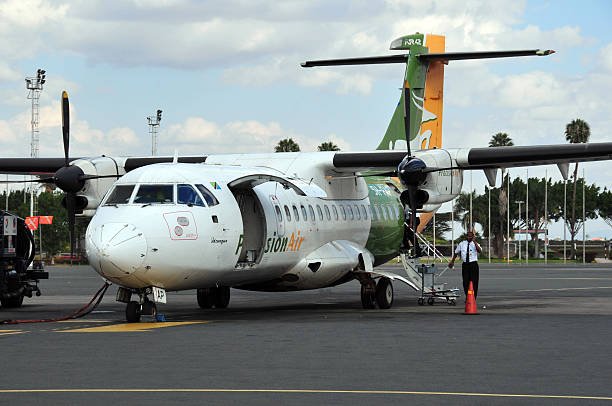
We Are Arriving At Kilimanjaro Airport, What Safari Itinerary Should We Do?
Planning your safari upon arrival at Kilimanjaro Airport (JRO)? This guide provides tailored safari itineraries for 2026-2027, focusing on Northern Tanzania's iconic parks like the...
View package details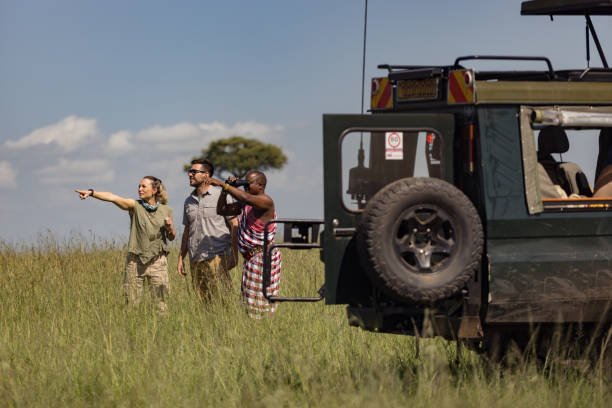
Joining Group Climbs On Kilimanjaro When Traveling Alone In 2026-2027
Traveling to Kilimanjaro alone? Discover how you can easily join an existing group climb, making your solo adventure more social and cost-effective for 2026-2027. Learn about departure...
View package details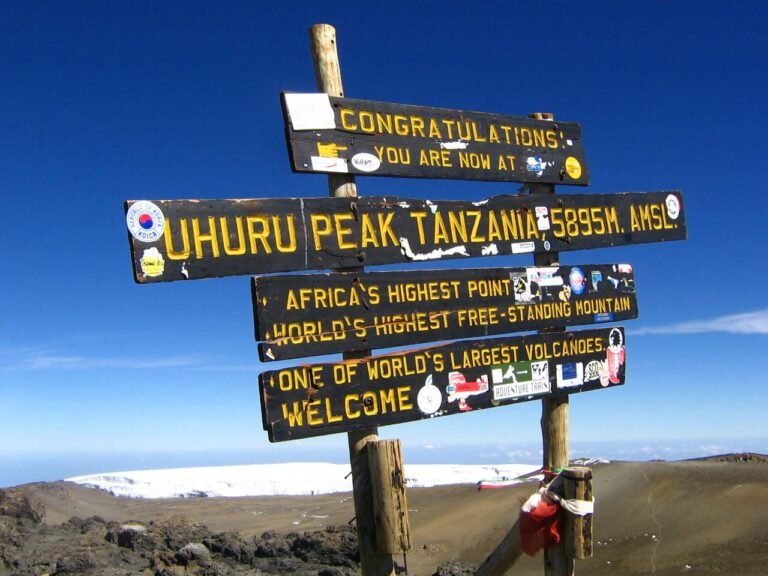
What Does Kilimanjaro Rainforest Look Like? A Trekkers Visual Guide 2026-2027
The Kilimanjaro rainforest is a vibrant, humid zone of dense vegetation, towering trees, and diverse plant life found on the mountain's lower slopes. It's the first major ecosystem trekkers...
View package details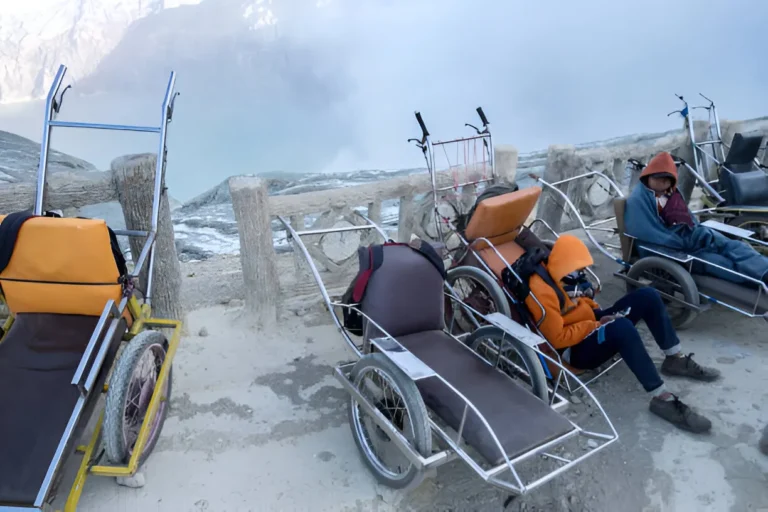
Kilimanjaro Climb With A Personal Support Assistant: Your Ultimate Guide
Climbing Mount Kilimanjaro with a personal support assistant offers unparalleled safety, comfort, and focus on your summit goals. This guide details what a personal assistant entails, its...
View package details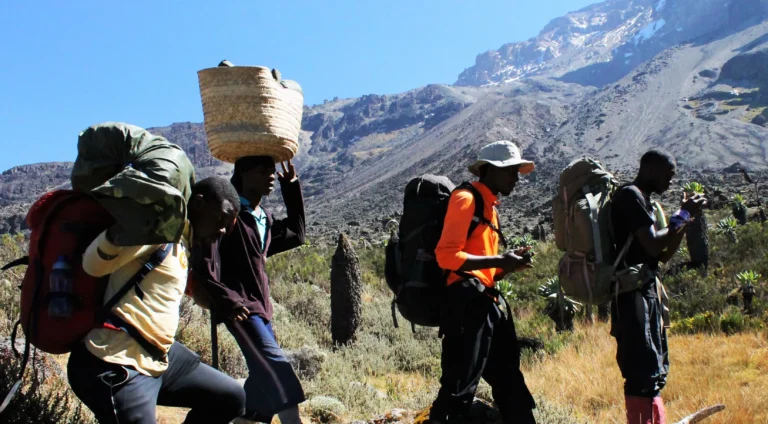
How To Know Whether You Are Ready For Kilimanjaro: A Comprehensive Guide
Climbing Mount Kilimanjaro is a significant undertaking. This guide helps you evaluate your physical, mental, and logistical readiness to ensure a safe and successful trek in 2026 or 2027...
View package details
Kilimanjaro Hydration Mistakes Climbers Make And How To Avoid Them 2026-2027
Proper hydration is critical for a successful Kilimanjaro climb. This guide details common hydration mistakes climbers make, from under-drinking to choosing the wrong fluids, and provides...
View package detailsWhich Local Tanzania Safari Companies Are Trustworthy In ? 2026-2027
Choosing a trustworthy local Tanzania safari company is crucial for a memorable and safe adventure. This guide helps you identify reliable operators for your 2026-2027 trip, covering...
View package detailsNo related package matches those filters. Clear one or more filters to see the other topic-matched options.
Plan your Premium Kilimanjaro Packages with Top Guide Adventures
Tell us your travel dates, group size, comfort level, and dream experience. We will help you shape a clear, realistic, and memorable Tanzania itinerary.



