
Reaching Uhuru Peak on Mount Kilimanjaro on New Year’s Day 2027 is an extraordinary way to begin the year, typically involving a challenging trek that culminates in a midnight or early morning summit push to witness the sunrise from Africa’s highest point. Popular routes like the Lemosho, Machame, or Marangu are often chosen for New Year’s climbs due to their acclimatization profiles and availability, with departures usually planned in late December to ensure arrival at Stella Point and Uhuru Peak on January 1st. Expect a demanding climb, especially the final ascent, requiring significant physical and mental preparation, appropriate gear, and booking well in advance, ideally for 2026 or 2027 departures.
The Ultimate New Year’s Adventure: Summiting Kilimanjaro’s Uhuru Peak
Imagine ushering in the new year not with fireworks, but with the first rays of dawn painting the African continent from the roof of Mount Kilimanjaro. A New Year’s Day summit of Uhuru Peak is more than just a climb; it’s a profound personal achievement and an unparalleled way to mark the transition into 2027. This journey requires meticulous planning, robust preparation, and the right partner to navigate its complexities. At Top Guide Adventures, we specialize in making these ambitious dreams a reality, ensuring your climb is safe, memorable, and successful.
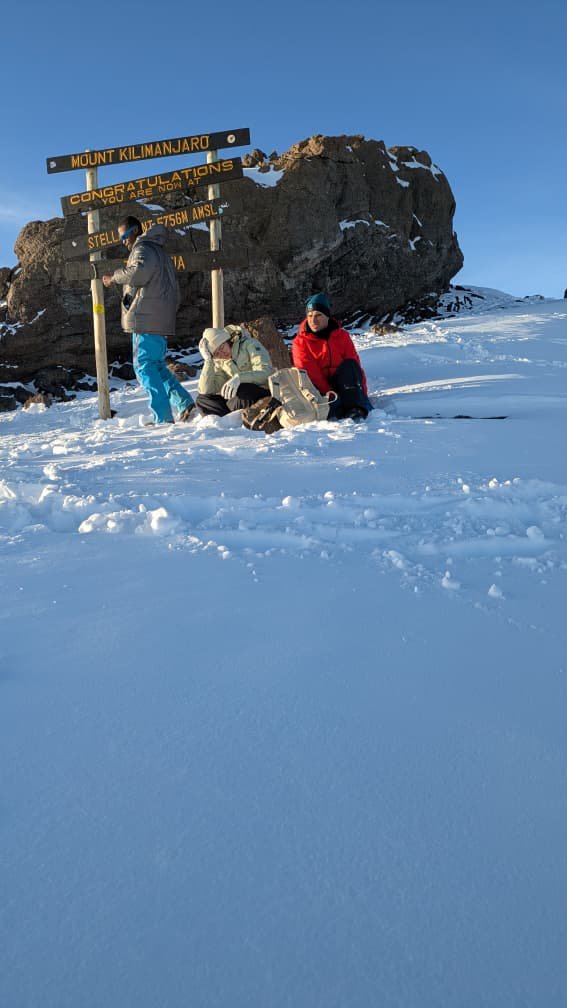
Summiting Kilimanjaro on January 1st is a unique proposition. It means trekking through the festive season, enduring the cold and thin air of the upper slopes on New Year’s Eve, and standing at 5,895 meters (19,341 feet) as the clock strikes midnight, or more commonly, as the sun rises on New Year’s Day. This guide is designed to provide comprehensive insights for those considering this incredible feat for 2026 or 2027, covering everything from choosing the best route to packing the right gear and understanding the costs involved.
Why Choose New Year’s Day for Your Uhuru Peak Summit?
The allure of a New Year’s Day summit is multifaceted. It represents a fresh start, a personal challenge met head-on at the very beginning of a new cycle. For many, it’s a symbolic way to leave the past behind and ascend into a brighter future. The camaraderie among fellow climbers, sharing this unique experience, creates bonds that last a lifetime. The sheer accomplishment of standing at the highest point in Africa on such a significant date is a powerful motivator and a story to tell for years to come.
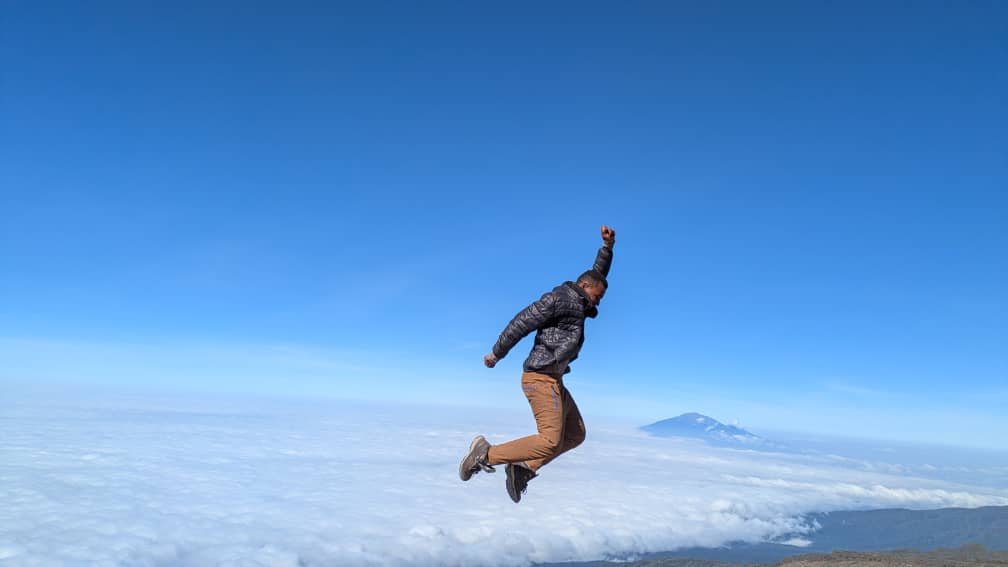
Beyond the personal significance, the timing offers a unique perspective. The weather patterns around the turn of the year can be relatively stable, though Kilimanjaro’s weather is always unpredictable. Witnessing the sunrise from Uhuru Peak on January 1st is an unforgettable spectacle, a moment of profound beauty and accomplishment that few will ever experience. It’s a testament to dedication, perseverance, and a desire for extraordinary adventures.
Planning Your 2026-2027 New Year’s Kilimanjaro Climb
Booking a New Year’s climb requires foresight. These are peak trekking seasons, meaning higher demand and potentially fewer available spots. Booking at least 9-12 months in advance for a 2026 or 2027 New Year’s climb is highly recommended to secure your preferred route, dates, and ensure availability with a reputable operator like Top Guide Adventures.
Key planning considerations include:
- Departure Dates: Most New Year’s climbs will depart in late December, typically between December 26th and 29th, to align the summit day with January 1st.
- Route Selection: The choice of route significantly impacts your acclimatization, scenery, and overall experience. Longer routes generally offer better acclimatization.
- Physical Preparation: Kilimanjaro is a strenuous trek. A consistent training regimen focusing on cardiovascular fitness and endurance is crucial.
- Gear and Equipment: Proper gear is vital for safety and comfort. This includes specialized clothing, sleeping bags, and trekking poles.
- Operator Choice: Selecting a reputable and experienced tour operator is paramount for safety, logistics, and a positive climbing experience.
Choosing the Right Route for a New Year’s Summit
While many routes can be adapted for a New Year’s climb, some are better suited for acclimatization and overall experience. The goal is to ascend gradually to allow your body to adjust to the altitude, minimizing the risk of altitude sickness. For a New Year’s Day summit, longer routes are generally preferred.
The Lemosho Route: A Scenic and High Success Rate Option
The Lemosho route is widely considered one of the most scenic and offers a high success rate due to its excellent acclimatization profile. It typically takes 7 or 8 days. A New Year’s climb via Lemosho would usually start around December 26th-27th, with the summit attempt planned for the night of December 31st into January 1st.
- Duration: 7 or 8 days
- Scenery: Offers diverse landscapes, from rainforest to alpine desert and arctic summit zone.
- Acclimatization: Excellent, with a gradual ascent and a “climb high, sleep low” strategy often incorporated.
- New Year’s Suitability: Very high. The extended duration allows for proper acclimatization, increasing the chances of a successful New Year’s Day summit.
The Machame Route: The “Whiskey Route”
Often called the “Whiskey Route,” Machame is another popular choice, known for its challenging terrain and rewarding views. It is typically done over 6 or 7 days. The 7-day Machame itinerary provides better acclimatization and is a strong contender for a New Year’s climb.
- Duration: 6 or 7 days
- Scenery: Spectacular, with dramatic views and varied ecosystems.
- Acclimatization: Good, especially on the 7-day version which includes an extra day for acclimatization.
- New Year’s Suitability: High. It’s a popular route, so booking early for a December 2026 or 2026 departure is essential.
The Marangu Route: The “Coca-Cola Route”
The Marangu route is the oldest and most traditional route. It’s the only route that offers dormitory-style accommodation in huts, making it a bit more comfortable for some. It is typically completed in 5 or 6 days. While shorter, it’s known for its faster ascent and thus poorer acclimatization, which can lead to lower success rates. For a New Year’s climb, the 6-day Marangu itinerary is preferable, but it’s still less ideal for acclimatization compared to Lemosho or Machame.
- Duration: 5 or 6 days
- Scenery: Less diverse than other routes, but still offers classic Kilimanjaro views.
- Acclimatization: Poorer due to the rapid ascent.
- New Year’s Suitability: Moderate. Success rates can be lower, and it’s more challenging to manage acclimatization for a New Year’s Day summit.
The Rongai Route: A More Remote Option
Rongai is the only route that approaches Kilimanjaro from the north, near the Kenyan border. It is generally drier and less crowded. It typically takes 6 or 7 days. A 7-day Rongai itinerary would be suitable for a New Year’s climb, offering good acclimatization and a different perspective.
- Duration: 6 or 7 days
- Scenery: Offers unique views and a sense of remoteness.
- Acclimatization: Good, especially on the longer itineraries.
- New Year’s Suitability: High. It’s a great option if you prefer fewer crowds, but still requires early booking for the peak New Year’s season.
Other Routes (Northern Circuit, Umbwe)
The Northern Circuit is the longest route and offers the best acclimatization, with a very high success rate. It’s ideal for those who want the most comfortable and gradual ascent, making it excellent for a New Year’s climb, though it requires more time (9-10 days). The Umbwe route is the shortest and steepest, offering the least acclimatization and is generally not recommended for a New Year’s summit, especially for inexperienced climbers.
Recommendation for New Year’s Day Summit: For the best balance of scenery, acclimatization, and success rates for a New Year’s Day summit in 2026 or 2027, the 7-day Lemosho route or the 7-day Machame route are generally the top choices.
The Summit Night and New Year’s Day Experience
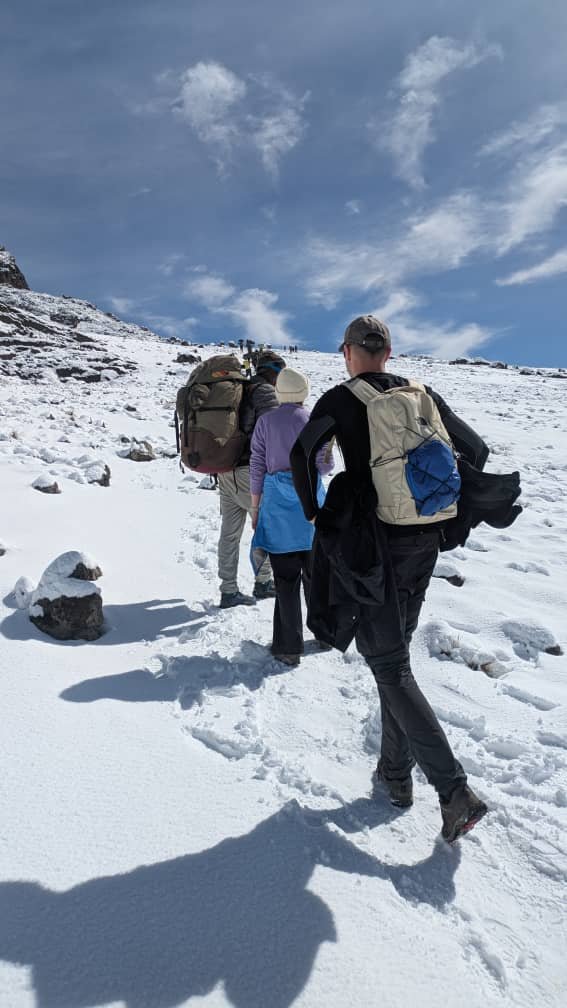
The ascent to Uhuru Peak is typically undertaken in the early hours of the morning, often starting around midnight on December 31st or January 1st, depending on the chosen itinerary and guide’s recommendation. This allows climbers to reach the crater rim (Stella Point) by sunrise and then proceed to Uhuru Peak. This is the most challenging part of the climb.
What to Expect on Summit Night:
- Departure Time: Usually between 11 PM and 2 AM.
- Conditions: Extreme cold (can drop to -20°C/-4°F or lower with wind chill), high altitude, steep and scree-covered terrain.
- Pace: Very slow and steady, with frequent short breaks. The mantra is “pole pole” (slowly, slowly).
- Visibility: Often dark, relying on headlamps. The stars can be incredibly bright at this altitude.
- Reaching Stella Point: Typically around 5 AM to 7 AM, in time to witness the spectacular sunrise over the clouds.
- Uhuru Peak: A further 1-2 hour walk from Stella Point along the crater rim to the summit sign.
- New Year’s Day Celebration: Reaching Uhuru Peak on January 1st, 2027, is a moment of immense triumph. While there’s no formal party, the shared joy, congratulations, and impressive views serve as the ultimate New Year’s celebration.
The descent is surprisingly arduous, often taking as long as the ascent, especially the trek from the crater rim down to Barafu Camp or Mweka Camp. It’s crucial to stay hydrated and focused even when exhausted.
Training and Physical Preparation for a New Year’s Climb
Summiting Kilimanjaro, especially on a significant date like New Year’s Day, demands a high level of fitness. Preparation should begin months in advance.
Cardiovascular Fitness
Focus on activities that build endurance:
- Hiking: Regularly hike with a weighted backpack (10-15 kg / 20-30 lbs) on varied terrain, including hills and stairs. Aim for long hikes (4-6 hours) on weekends.
- Running/Jogging: Incorporate regular runs into your routine.
- Cycling: A great low-impact cardio workout.
- Swimming: Excellent for overall fitness and stamina.
Strength Training
Strengthen your legs, core, and back:
- Squats and Lunges: Essential for leg strength needed for ascents and descents.
- Calf Raises: Important for the final push.
- Core Exercises (Planks, Crunches): A strong core aids balance and stability.
- Back Exercises: To comfortably carry your daypack.
Altitude Acclimatization Training (Simulated)
While true altitude acclimatization can only happen on the mountain, you can simulate some aspects:
- Stair Climbing: Practice climbing long flights of stairs, simulating the sustained effort.
- Hiking at Altitude: If you live near mountains, hike at progressively higher altitudes.
Mental Preparation
Kilimanjaro is as much a mental challenge as a physical one. Be prepared for discomfort, cold, fatigue, and the psychological battle that comes with pushing your limits. Visualizing success and maintaining a positive attitude are key.
Essential Gear for a New Year’s Kilimanjaro Climb
Proper gear is non-negotiable for a safe and comfortable climb, especially during the colder New Year period. Layering is crucial.
Clothing Layers
- Base Layers: Moisture-wicking thermal tops and bottoms (merino wool or synthetic).
- Mid Layers: Fleece jackets or vests for insulation.
- Outer Layer (Insulation): A warm, down or synthetic insulated jacket.
- Outer Layer (Shell): Waterproof and windproof jacket and pants (Gore-Tex or similar).
Headwear and Handwear
- Warm Hat: Wool or fleece, covering the ears.
- Balaclava or Neck Gaiter: For face and neck protection from wind and cold.
- Gloves: Several pairs – thin liner gloves, warm insulated waterproof gloves, and potentially mittens for summit night.
Footwear
- Hiking Boots: Broken-in, waterproof, and sturdy, with good ankle support.
- Camp Shoes/Sandals: For relaxing at camp.
- Socks: Several pairs of warm wool or synthetic hiking socks.
Sleeping Gear
- Sleeping Bag: Rated to at least -10°C to -20°C (0°F to -4°F). Down is lighter and warmer but expensive; synthetic is more affordable and performs better when damp.
- Sleeping Bag Liner: Adds warmth and keeps your sleeping bag clean.
- Sleeping Pad: For insulation from the ground (though tents usually have mats).
Trekking Equipment
- Backpack: A comfortable daypack (30-40 liters) for essentials carried during the day.
- Trekking Poles: Essential for balance and reducing strain on knees, especially during descents.
- Headlamp: With extra batteries (crucial for summit night).
- Water Bottles/Hydration Reservoir: At least 2-3 liters capacity. Insulated covers prevent freezing.
- Sunglasses: High UV protection.
- Sunscreen: High SPF.
- Lip Balm: With SPF.
- Personal First-Aid Kit: Including blister treatment, pain relievers, and any personal medications.
- Toiletries: Biodegradable soap, toothbrush, toothpaste, wet wipes.
- Duffel Bag: A large, waterproof duffel bag (80-100 liters) for your main gear, carried by porters.
Health and Safety Considerations
Altitude sickness is the primary concern on Kilimanjaro. Understanding its symptoms and prevention is crucial for a New Year’s climb.
Altitude Sickness (Acute Mountain Sickness – AMS)
Symptoms: Headache, nausea, dizziness, fatigue, loss of appetite, difficulty sleeping.
Prevention:
- Ascend Slowly: Choose longer routes (7+ days).
- Hydrate: Drink plenty of water (3-4 liters per day).
- Avoid Alcohol and Smoking: These exacerbate altitude issues.
- Eat Well: Maintain energy levels.
- Acclimatize: Follow your guide’s advice.
- Medication: Diamox (Acetazolamide) can be prescribed by your doctor to aid acclimatization. Discuss this option with your physician well in advance of your 2026-2027 trip.
Treatment: The only definitive treatment for severe AMS is descent. Your guides are trained to monitor symptoms and make crucial decisions for your safety.
Other Health Concerns
- Hypothermia: Preventable with proper layering and staying dry.
- Sunburn: The sun is intense at high altitudes, even when cold.
- Travel Insurance: Ensure it covers high-altitude trekking and emergency evacuation.
The Role of Top Guide Adventures in Your New Year’s Climb
Choosing the right tour operator is critical for a successful and safe New Year’s Day summit attempt. Top Guide Adventures is committed to providing an exceptional experience.
Our Commitment to Safety and Quality
- Experienced Guides: Our guides are certified, highly experienced, and trained in wilderness first aid and altitude sickness management.
- Quality Equipment: We provide quality tents, sleeping mats, and ensure our porters and cooks are well-equipped and cared for.
- Proper Acclimatization: We adhere to strict acclimatization protocols and advocate for longer itineraries for better success rates.
- Nutritious Meals: Our cooks prepare balanced, energy-rich meals to fuel your climb.
- Ethical Trekking: We are committed to fair treatment of our staff and environmental sustainability.
New Year’s Package Inclusions
While specific inclusions can vary, a typical New Year’s Kilimanjaro climb package with Top Guide Adventures for 2026-2027 would generally include:
- All park entrance fees and rescue fees.
- Accommodation before and after the climb (often in Moshi).
- All meals during the trek.
- Tents, sleeping mats, and mess tent.
- Trained mountain guides, assistant guides, cook, and porters.
- Campaigns and climbing equipment (excluding personal gear).
- Bottled water during the trek (though bringing purification tablets is also wise).
- Transfer to and from the mountain gate and airport.
Exclusions typically include:
- International flights.
- Visa fees.
- Travel and medical insurance.
- Personal climbing gear.
- Tips for guides, porters, and cook.
- Lunches and dinners in town before/after the climb.
- Alcoholic and soft drinks.
Booking Your 2026-2027 New Year’s Climb
To secure your spot for a New Year’s Day summit in 2026 or 2027, contact us early. The demand for this special time is high.
Ready to celebrate New Year’s Day 2027 at the summit of Kilimanjaro? Contact Top Guide Adventures today to discuss your dream climb. Reach us via WhatsApp +255616946642 or email us at topguideadventures@gmail.com. Our team is ready to help you plan an unforgettable adventure.
Cost Considerations for a New Year’s Kilimanjaro Climb
Climbing Kilimanjaro during the peak New Year’s season can be more expensive than in the low season due to increased demand, park fee adjustments, and logistical complexities.
Factors influencing cost:
- Route Length: Longer routes involve more days of park fees and crew support, increasing costs.
- Operator Quality: Reputable operators who prioritize safety, fair wages for staff, and quality equipment will naturally have higher prices.
- Group Size: Private climbs are more expensive per person than group climbs.
- Inclusions: Packages that include more services (e.g., extra hotel nights, gear rental) will cost more.
- Time of Year: As mentioned, New Year’s is a peak season.
General Price Range (Estimates for 2026-2027):
While exact prices vary, expect to budget between $2,000 to $4,000+ per person for a reputable 7- or 8-day climb package. This range generally covers the essential inclusions mentioned earlier. Shorter, budget-focused operators might advertise lower prices, but it’s crucial to scrutinize their inclusions, safety standards, and staff welfare policies.
What your budget typically covers:
- Park fees (which are substantial).
- Crew salaries and welfare (guides, porters, cooks).
- Food and cooking equipment.
- Tents and camping equipment.
- Transportation.
- Emergency support.
Additional Costs to Budget For:
- Tips for the crew: This is a significant part of the crew’s income and is customary. Budget around $250-$350 per climber for a standard climb.
- Personal Gear: If you don’t own everything, consider rental costs or purchases.
- Pre/Post Climb Accommodation: Hotel nights in Moshi.
- Lunches/Dinners in Moshi: Outside of the trek.
- Travel Insurance: Essential.
- Flights: To Kilimanjaro International Airport (JRO).
- Visa: If required for your nationality.
New Year’s Kilimanjaro Climb – Estimated Budget (7-Day Route)
Operator Package (Top Guide Adventures): $2,300 – $3,000 USD (This is a general range; please contact us for a precise quote for your 2026-2027 New Year’s climb.)
Crew Tips: $250 – $350 USD
Gear Rental: $100 – $200 USD (if needed)
Pre/Post Climb Hotels: $100 – $150 USD (for 2-3 nights)
Miscellaneous (Souvenirs, extra snacks): $50 – $100 USD
Total Estimated Cost (excluding flights): $2,800 – $3,800+ USD
Note: Prices are estimates for 2026-2027 and subject to change. Contact Top Guide Adventures for current pricing and detailed itineraries.
Frequently Asked Questions about New Year’s Kilimanjaro Treks
Here are answers to common questions regarding climbing Kilimanjaro for New Year’s Day.
Will it be very cold on New Year’s Day at Uhuru Peak?
Yes, temperatures on summit night and New Year’s Day at Uhuru Peak can drop significantly, often ranging from -10°C to -20°C (14°F to -4°F), and can feel even colder with wind chill. Proper layering and warm gear are essential.
How busy is Kilimanjaro around New Year’s?
The period around Christmas and New Year’s is one of the busiest trekking seasons on Kilimanjaro, alongside the dry seasons of January-March and June-October. You can expect many other climbers on the mountain, especially on popular routes.
Is a New Year’s summit more dangerous?
The risks are similar to any other climb. The primary dangers are altitude sickness, hypothermia, and exhaustion. However, with experienced guides, proper preparation, and choosing a reputable operator like Top Guide Adventures, a New Year’s climb can be undertaken safely. The cold requires extra vigilance.
Can I book a last-minute New Year’s climb for 2026 or 2027?
While last-minute bookings are sometimes possible, especially for group departures, booking 9-12 months in advance is strongly advised for New Year’s climbs to guarantee availability and preferred routes. For 2026-2027, planning well ahead is crucial.
What if I’m not fit enough?
Kilimanjaro is challenging. If you have concerns about fitness, focus on a consistent training program for at least 3-6 months prior. Choosing a longer route (7-8 days) significantly improves acclimatization and success rates, making the climb more manageable for those who are reasonably fit but not elite athletes.
Are there special celebrations on the mountain for New Year’s Eve?
There are no organized parties or fireworks. However, climbers often share the excitement, perhaps a special meal prepared by the cook, and a toast with warm drinks (non-alcoholic) on New Year’s Eve. The real celebration is the shared experience and the summit achievement on New Year’s Day.
Final Thoughts: A New Year’s Resolution You Can Keep
Summiting Uhuru Peak on New Year’s Day is an extraordinary goal, a powerful statement to mark the beginning of a new year. It requires dedication, careful planning, and the support of a trusted partner. By choosing a longer route, preparing physically and mentally, and equipping yourself correctly, you can make this dream a reality for 2026 or 2027.
Top Guide Adventures is passionate about helping adventurers achieve their goals on Kilimanjaro. We offer expert guidance, ensure safety is paramount, and strive to provide an unforgettable experience from start to finish. Let us help you plan your New Year’s Day summit of Kilimanjaro. It’s more than a trek; it’s a life-changing achievement to begin your year with.
Ready to make your 2026 or 2027 New Year’s Day unforgettable? Don’t wait to secure your spot for this peak season climb. Contact Top Guide Adventures today. You can reach us directly via WhatsApp at +255616946642 or send an email to topguideadventures@gmail.com. For alternative inquiries, feel free to use our backup email: info@topguideadventures.com. We look forward to helping you achieve your New Year’s summit dream!
“,
“faq_schema”: [
{
“question”: “Will it be very cold on New Year’s Day at Uhuru Peak?”,
“answer”: “Yes, temperatures on summit night and New Year’s Day at Uhuru Peak can drop significantly, often ranging from -10°C to -20°C (14°F to -4°F), and can feel even colder with wind chill. Proper layering and warm gear are essential.”
},
{
“question”: “How busy is Kilimanjaro around New Year’s?”,
“answer”: “The period around Christmas and New Year’s is one of the busiest trekking seasons on Kilimanjaro, alongside the dry seasons of January-March and June-October. You can expect many other climbers on the mountain, especially on popular routes.”
},
{
“question”: “Is a New Year’s summit more dangerous?”,
“answer”: “The risks are similar to any other climb. The primary dangers are altitude sickness, hypothermia, and exhaustion. However, with experienced guides, proper preparation, and choosing a reputable operator like Top Guide Adventures, a New Year’s climb can be undertaken safely. The cold requires extra vigilance.”
},
{
“question”: “Can I book a last-minute New Year’s climb for 2026 or 2027?”,
“answer”: “While last-minute bookings are sometimes possible, especially for group departures, booking 9-12 months in advance is strongly advised for New Year’s climbs to guarantee availability and preferred routes. For 2026-2027, planning well ahead is crucial.”
},
{
“question”: “What if I’m not fit enough?”,
“answer”: “Kilimanjaro is challenging. If you have concerns about fitness, focus on a consistent training program for at least 3-6 months prior. Choosing a longer route (7-8 days) significantly improves acclimatization and success rates, making the climb more manageable for those who are reasonably fit but not elite athletes.”
},
{
“question”: “Are there special celebrations on the mountain for New Year’s Eve?”,
“answer”: “There are no organized parties or fireworks. However, climbers often share the excitement, perhaps a special meal prepared by the cook, and a toast with warm drinks (non-alcoholic) on New Year’s Eve. The real celebration is the shared experience and the summit achievement on New Year’s Day.”
}
]
}
“`
Check Availability for New Year’s Day At Uhuru Peak Kilimanjaro 2026-2027
Ready to compare dates, prices, and the best option for your group? Send the package name and travel month so the team can reply with a clear quote, availability, and what is included.
What Does The View From Uhuru Peak Look Like? Your Ultimate Kilimanjaro
The view from Uhuru Peak, Kilimanjaro's highest point, is a surreal panorama of stark volcanic rock, glacial ice, and an endless sea of clouds stretching below. At dawn, it offers a...
View package details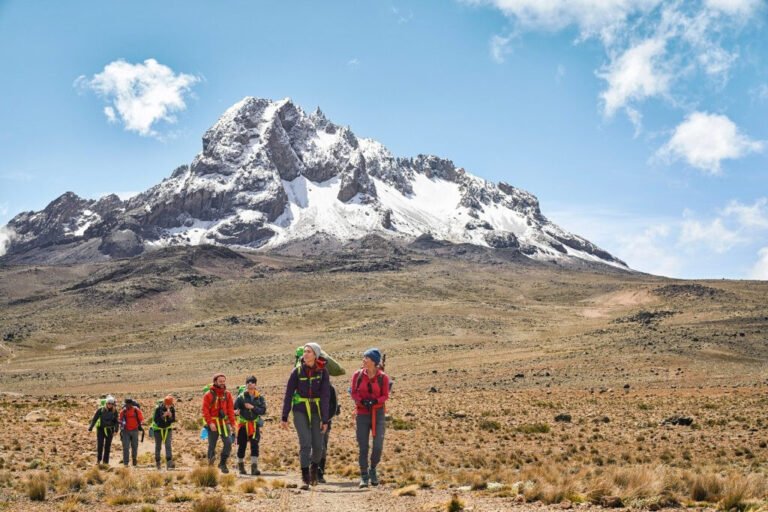
Can A 16-Year-Old Climb Kilimanjaro? Your Essential Guide 2026-2027
Discover if a 16-year-old can summit Kilimanjaro. This comprehensive guide covers age requirements, health, fitness, essential gear, and planning for younger trekkers aiming for Africa's...
View package details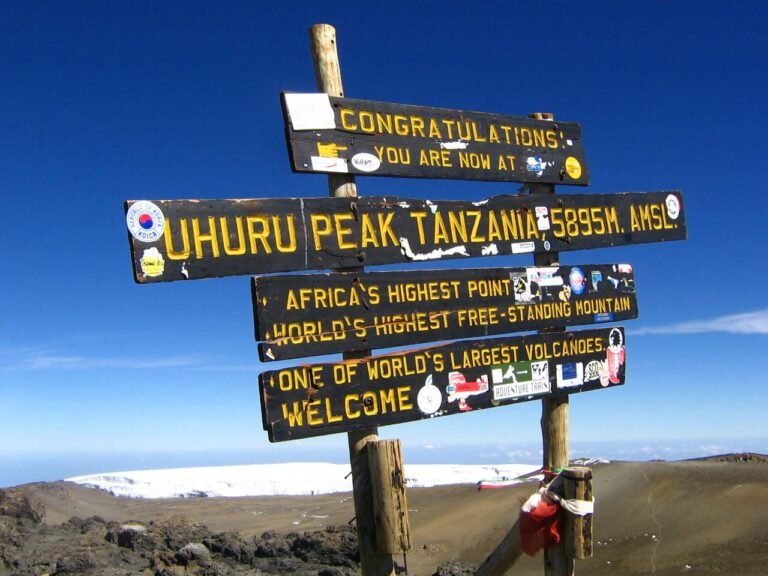
What Does Kilimanjaro Rainforest Look Like? A Trekkers Visual Guide 2026-2027
The Kilimanjaro rainforest is a vibrant, humid zone of dense vegetation, towering trees, and diverse plant life found on the mountain's lower slopes. It's the first major ecosystem trekkers...
View package details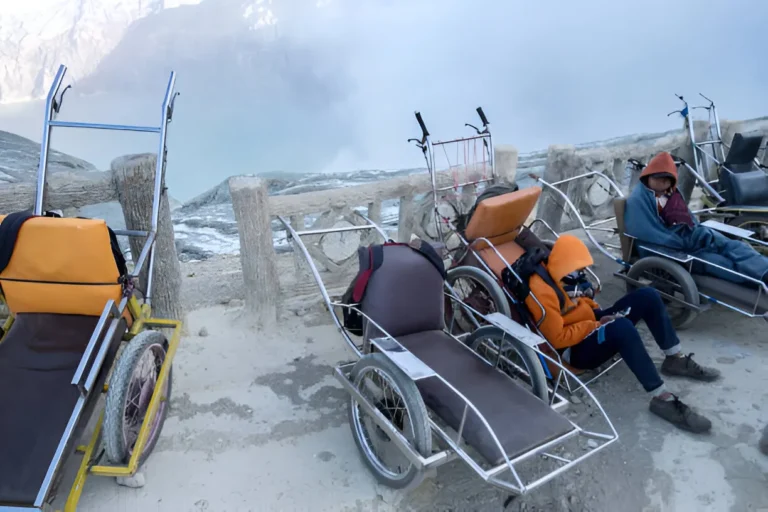
Kilimanjaro Climb With A Personal Support Assistant: Your Ultimate Guide
Climbing Mount Kilimanjaro with a personal support assistant offers unparalleled safety, comfort, and focus on your summit goals. This guide details what a personal assistant entails, its...
View package details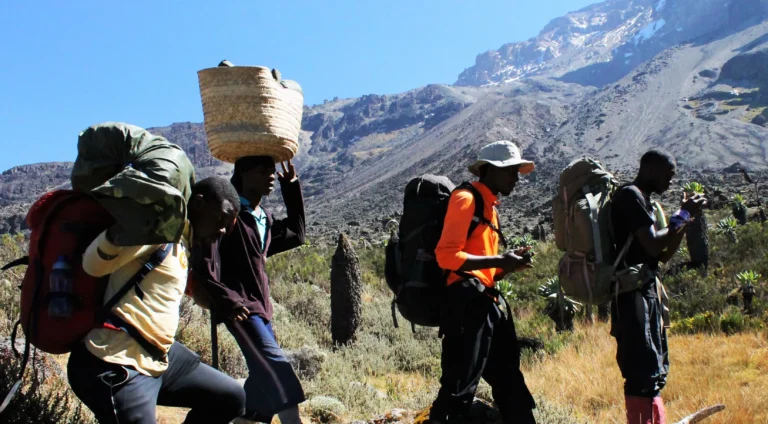
How To Know Whether You Are Ready For Kilimanjaro: A Comprehensive Guide
Climbing Mount Kilimanjaro is a significant undertaking. This guide helps you evaluate your physical, mental, and logistical readiness to ensure a safe and successful trek in 2026 or 2027...
View package details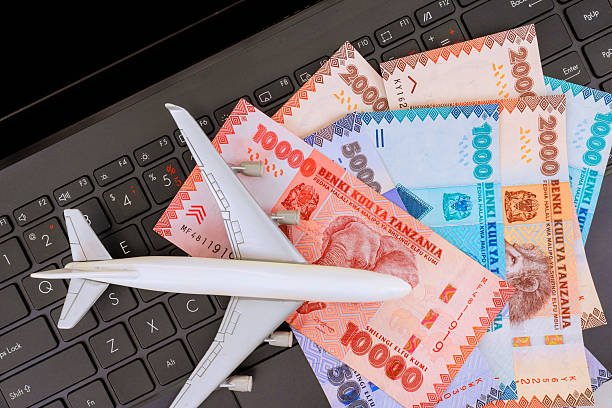
Kilimanjaro Hydration Mistakes Climbers Make And How To Avoid Them 2026-2027
Proper hydration is critical for a successful Kilimanjaro climb. This guide details common hydration mistakes climbers make, from under-drinking to choosing the wrong fluids, and provides...
View package details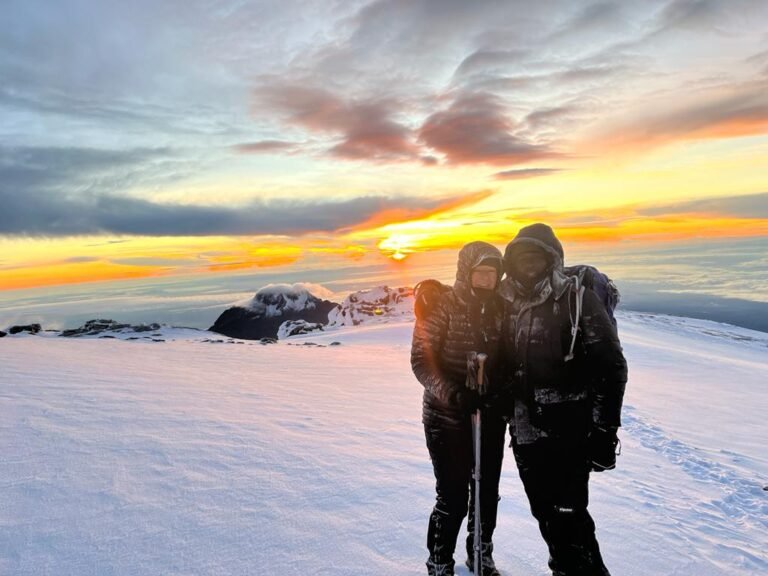
Kilimanjaro Altitude-Sickness Mistakes 2026-2027
Kilimanjaro Altitude-Sickness Mistakes is explained with current 2026-2027 planning, price, itinerary and booking information.
View package details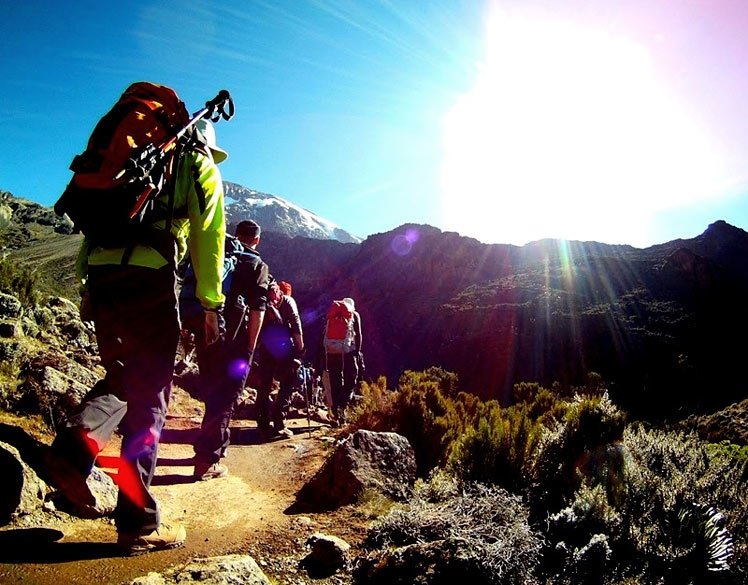
Kilimanjaro Summit-Night Mistakes To Avoid: Your Essential Guide For Climbs
Summit night on Kilimanjaro is the most challenging part of the climb. Avoiding common mistakes in acclimatization, gear, hydration, and pacing is crucial for success. This guide details...
View package details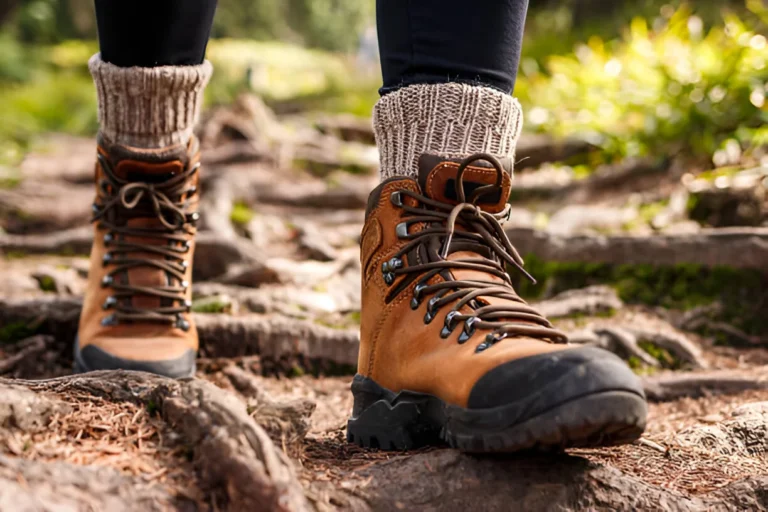
Kilimanjaro Training Mistakes That Reduce Summit Success 2026-2027
Kilimanjaro Training Mistakes that Reduce Summit Success is explained with current 2026-2027 planning, price, itinerary and booking information.
View package details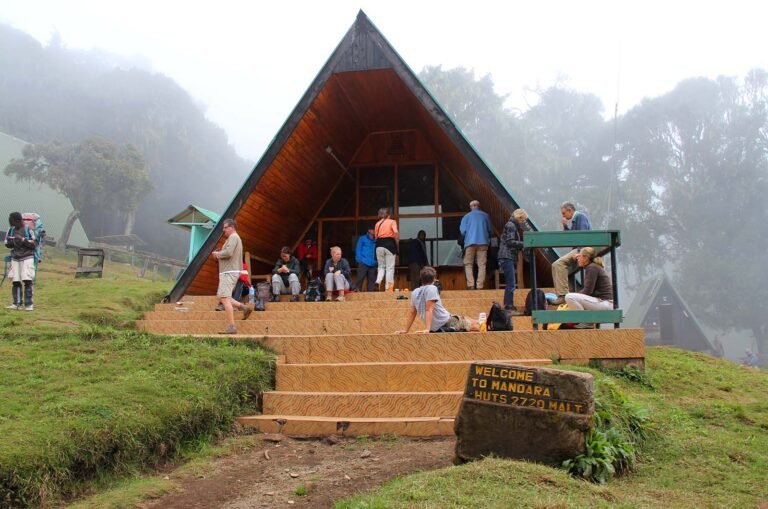
Kilimanjaro Personal Porter Vs Standard Support 2026-2027
Kilimanjaro Personal Porter vs Standard Porter Support is explained with current 2026-2027 planning, price, itinerary and booking information.
View package details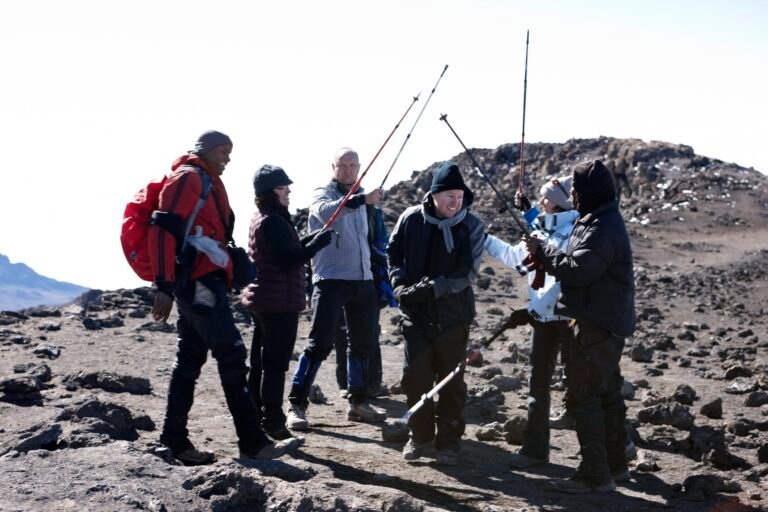
Kilimanjaro Airport Vs Arusha For Climbers: The Definitive Guide 2026-2027
A comprehensive comparison of Kilimanjaro International Airport (JRO) and Arusha Airport (ARK) for trekkers planning a Mount Kilimanjaro climb, detailing pros, cons, and booking advice for...
View package details
Kilimanjaro Climb For Retired Couples: Planning Your Adventure 2026-2027
Planning a Kilimanjaro climb as a retired couple is an achievable and rewarding goal. This guide offers in-depth advice on route selection, physical preparation, essential gear, and the...
View package detailsNo related package matches those filters. Clear one or more filters to see the other topic-matched options.



