
Updated planning guide for 2026, 2027-2028
Mount Meru Kilimanjaro And Safari From Moshi: Expert Trekking Guide
Discover the ultimate Tanzanian adventure combining Mount Meru's challenging trek with Kilimanjaro's iconic summit and thrilling safaris, all starting from Moshi. Your complete planning guide for 2026-2027.
WhatsApp +255616946642 | topguideadventures@gmail.com | info@topguideadventures.com
Mount Meru Kilimanjaro and Safari From Moshi: Your Ultimate Tanzania Adventure Guide
Moshi, Tanzania, serves as the vibrant gateway to two of Africa’s most celebrated natural wonders: Mount Meru and Mount Kilimanjaro, alongside the unforgettable wildlife experiences of the surrounding national parks. For travelers seeking a comprehensive Tanzanian adventure, combining a trek up Mount Meru, the ascent of Kilimanjaro, and an immersive safari is a popular and rewarding choice. This guide provides an in-depth look at planning and executing such a journey, focusing on the practicalities, logistics, and experiences available when starting from the bustling town of Moshi. Whether you are aiming for the summit of Kilimanjaro or seeking to conquer Meru first, this guide will help you prepare for your 2026-2027 expedition.
Quick Overview: Mount Meru, Kilimanjaro & Safari from Moshi
This combination offers a multi-faceted Tanzanian experience. Mount Meru, a dormant volcano, provides a challenging acclimatization climb and stunning views. Mount Kilimanjaro, Africa’s highest peak, is a bucket-list trek. Safari tours in nearby parks like Arusha National Park, Tarangire, Lake Manyara, and the Serengeti offer incredible wildlife viewing opportunities. Moshi is the central hub for organizing and commencing all these adventures.
Table of Contents
- Quick Facts: Meru, Kili & Safari
- Understanding the Moshi Adventure Hub
- Why Combine Mount Meru, Kilimanjaro, and Safari from Moshi?
- Best Time to Trek Meru & Kilimanjaro and Go on Safari
- Mount Meru & Kilimanjaro Area Overview
- Sample Itinerary Options
- What to Expect During Your Adventure
- Essential Preparation and Packing List
- Common Mistakes to Avoid
- Who is This Adventure Best Suited For?
- Alternatives and Variations
- Planning Your 2026-2027 Trip
- Booking Your Mount Meru Kilimanjaro and Safari Package
- Frequently Asked Questions (FAQs)
Quick Facts: Meru, Kili & Safari
| Feature | Mount Meru | Mount Kilimanjaro | Safari (Northern Circuit) |
|---|---|---|---|
| Starting Point | Moshi / Arusha National Park | Moshi | Moshi / Arusha |
| Typical Duration | 3-4 days | 5-9 days (depending on route) | 3-7 days |
| Difficulty | Challenging | Challenging | Moderate (driving) |
| Elevation | 4,566m (14,980 ft) | 5,895m (19,341 ft) | Varies (e.g., Serengeti 920-2,100m) |
| Key Activity | Trekking, acclimatization, wildlife viewing (in park) | Trekking, summiting | Wildlife viewing, game drives |
| Best For | Acclimatization, stunning views, less crowded trek | Summiting Africa’s highest peak, personal achievement | Big Five, diverse landscapes, birdlife |
Understanding the Moshi Adventure Hub
Moshi, nestled on the northern slopes of Mount Kilimanjaro, is more than just a transit point; it’s the heart of Tanzania’s adventure tourism. The town offers a unique blend of local culture, practical amenities, and essential services for trekkers and safari-goers. From here, tour operators coordinate logistics, guides and porters are recruited, and equipment is prepared. The proximity of Moshi to the national parks that house Mount Meru and Mount Kilimanjaro makes it an ideal base for planning and launching expeditions. You’ll find a range of accommodations, from budget-friendly guesthouses to comfortable lodges, and plenty of opportunities to interact with local communities.
Arusha National Park, the location of Mount Meru, is easily accessible from Moshi, typically a short drive. Kilimanjaro National Park’s gates are also close, with various trailheads starting points like Marangu and Machame accessible via roads from Moshi. For safaris, Moshi is a convenient starting point for tours heading to Tarangire National Park, Lake Manyara National Park, and the vast Serengeti National Park, as well as the Ngorongoro Conservation Area.
Why Combine Mount Meru, Kilimanjaro, and Safari from Moshi?
Combining these three elements creates a holistic and unforgettable Tanzanian experience. Here’s why this combination is so compelling:
- Acclimatization and Training: Mount Meru is often recommended as a pre-Kilimanjaro climb. Its challenging terrain and significant altitude gain (4,566m) help trekkers acclimatize to higher elevations, significantly improving their chances of summit success on Kilimanjaro and reducing the risk of altitude sickness.
- Diverse Landscapes: From the montane forests and alpine deserts of Meru and Kilimanjaro to the vast savannahs and woodlands of the safari parks, you’ll witness an incredible spectrum of Tanzanian ecosystems.
- Iconic Peaks: You get to stand at the roof of Africa twice – once on Meru’s summit and again on Kilimanjaro’s Uhuru Peak. The views from Meru, especially of Kilimanjaro itself, are breathtaking.
- Abundant Wildlife: After the physical challenge of trekking, the safari offers a chance to relax and observe Tanzania’s world-renowned wildlife. Seeing elephants, lions, giraffes, and countless other species in their natural habitat is a profound experience.
- Logistical Convenience: Moshi is well-equipped to handle these combined tours. Reputable operators based here can arrange all aspects of your trip, ensuring a smooth transition between trekking and safari.
- Cultural Immersion: Interacting with local guides, porters, and the communities around Moshi provides valuable cultural insights.
Best Time to Trek Meru & Kilimanjaro and Go on Safari
Tanzania enjoys a favorable climate for tourism for much of the year, but certain periods are better suited for trekking and safaris.
| Period | Trekking Conditions (Meru & Kili) | Safari Conditions | Notes |
|---|---|---|---|
| January – March | Generally good, but can be rainy (especially March). Cooler temperatures at higher altitudes. | Green season, lush landscapes, good for birdwatching, fewer crowds. Migratory herds may be in southern Serengeti. | Good for budget travelers. Possible short rains. |
| June – October | Dry Season. Clear skies, moderate temperatures, but can be cold at night/summit. Best trekking conditions. | Dry Season. Excellent game viewing as animals congregate around water sources. Serengeti’s Great Migration often in the Western Corridor or Northern Plains. | Peak season, higher prices, more crowds. Ideal for summit attempts. |
| November – December | Short Rains. Can have afternoon showers, but mornings often clear. Conditions are manageable. | Transition to green season. Landscapes start to revive. Good game viewing. | Shoulder season, potentially better prices. |
For trekkers, the dry seasons (June-October and January-March) are most popular due to clearer skies and less rain. However, January-March can still experience some showers. The dry season from June to October offers the most stable weather for both trekking and safari. For safaris, the dry months are excellent for spotting wildlife as they gather around waterholes. The Great Migration in the Serengeti also follows predictable patterns, which can be factored into safari planning, particularly during the calving season (Jan-Mar) in the southern Serengeti or the river crossings (July-Oct) in the north.
When planning for 2026 or 2027, aim for the June to October window for the best overall experience. If you prefer fewer crowds and potentially lower prices, consider the shoulder months of November, December, or late March. Always check specific weather patterns closer to your travel date.
Mount Meru & Kilimanjaro Area Overview
Moshi is strategically located to access both mountains and the safari parks of Northern Tanzania. Here’s a simplified overview of the area and key access points:
| Location | Key Features & Access from Moshi |
|---|---|
| Moshi Town | Primary hub for tour operators, gear rental, acclimatization, pre-trek briefings, post-trek relaxation. Gateway to Kili & Meru. |
| Mount Kilimanjaro NP | Africa’s highest peak. Gates like Marangu (Marangu Route) and Machame (Machame Route) are accessible from Moshi. Other routes include Lemosho, Shira, Rongai, Northern Circuit. |
| Mount Meru NP (Arusha NP) | Home to Mount Meru. Main gate and Momella Gate are typically accessed via Arusha, which is a short drive from Moshi. Offers shorter treks and rich wildlife. |
| Arusha NP | Base of Mount Meru. Famous for Momella Lakes, Ngurdoto Crater, and diverse wildlife including giraffes, zebras, monkeys, and buffaloes. Easy day trips or start of Meru trek. |
| Tarangire NP | Known for its large elephant herds and baobab trees. Accessible from Moshi/Arusha. |
| Lake Manyara NP | Famous for tree-climbing lions and birdlife. Located within the Great Rift Valley. Accessible from Moshi/Arusha. |
| Serengeti NP | Vast plains, iconic for wildlife viewing and the Great Migration. Requires longer safari trips, often accessed via Ngorongoro or flight from Arusha. |
| Ngorongoro Conservation Area | Home to the Ngorongoro Crater, a UNESCO World Heritage Site with exceptional wildlife density. Often combined with Serengeti. |
Sample Itinerary Options
Combining Mount Meru, Kilimanjaro, and a safari from Moshi requires careful planning to balance physical exertion, acclimatization, and wildlife viewing. Here are a few sample itinerary structures. These can be customized based on your time, fitness, and preferences for 2026-2027.
Option 1: The Complete Challenge (Approx. 15-20 Days)
This itinerary prioritizes acclimatization with Meru before the main Kili ascent, followed by a rewarding safari.
| Day | Activity | Location | Notes |
|---|---|---|---|
| 1 | Arrival in Moshi, pre-trek briefing, gear check. | Moshi | Meet your guide, finalize preparations. |
| 2 | Transfer to Arusha NP, start Mount Meru trek (Mombella Gate to Miriakamba Hut). | Arusha NP | Gentle start through forest, wildlife spotting. |
| 3 | Trek to Saddle Hut. | Mount Meru | Arrive at Saddle Hut, acclimatize, optional summit Little Meru. |
| 4 | Summit Mount Meru (4,566m), descend to Miriakamba Hut. | Mount Meru | Early start for summit, return to hut. |
| 5 | Descend to Momella Gate, transfer back to Moshi. Rest day. | Moshi | Celebratory meal, prepare for Kili. |
| 6 | Transfer to Kilimanjaro National Park (e.g., Machame Gate), begin Kilimanjaro trek. | Kilimanjaro NP | Start on Machame Route (example). |
| 7-11 | Kilimanjaro Trek (Machame Route). | Kilimanjaro NP | Acclimatize through multiple camps (e.g., Machame, Shira, Barranco, Karanga, Barafu). |
| 11 (or 12) | Summit Uhuru Peak (5,895m), descend to Mweka Camp. | Kilimanjaro NP | The ultimate challenge, requires immense effort. |
| 12 (or 13) | Descend to Mweka Gate, transfer to Moshi. | Moshi | Well-deserved rest and celebration. |
| 13 | Rest/Explore Moshi. | Moshi | Relax, visit local markets, coffee plantations. |
| 14-16 | Northern Circuit Safari (e.g., Tarangire, Lake Manyara, Ngorongoro Crater). | Safari Parks | Wildlife viewing, game drives. |
| 17 | Optional: Serengeti extension. | Serengeti NP | For dedicated wildlife enthusiasts. |
| 17 (or 18) | Transfer back to Moshi or Arusha, or depart. | Moshi/Arusha | End of tour. |
Option 2: Kilimanjaro & Safari Focus (Approx. 10-14 Days)
For those with less time or who prefer to focus on Kili and a shorter safari.
| Day | Activity | Location | Notes |
|---|---|---|---|
| 1 | Arrival in Moshi, briefing. | Moshi | Preparation for Kili. |
| 2-7 (or 8) | Kilimanjaro Trek (e.g., Marangu or Machame Route). | Kilimanjaro NP | Summit attempt. |
| 8 (or 9) | Descend Kili, transfer to Moshi. Rest. | Moshi | Recover from the trek. |
| 9-12 | Safari (e.g., Tarangire & Ngorongoro Crater). | Safari Parks | Experience Tanzania’s wildlife. |
| 13 | Transfer to Arusha or Kilimanjaro Airport for departure. | Arusha/JRO | End of adventure. |
What to Expect During Your Adventure
Trekking Mount Meru and Kilimanjaro:
- Altitude: Both mountains involve significant altitude gain. Altitude sickness is a real risk. Proper acclimatization, hydration, and listening to your body are crucial.
- Terrain: The trails vary from lush rainforests at lower elevations to rocky scree and icy conditions near the summit of Kilimanjaro. Meru offers diverse terrain, including steep sections.
- Weather: Conditions change rapidly with altitude. Expect warm and humid at the base, cool in the montane forest, cold in the alpine desert, and freezing at the summit, with potential for snow and ice.
- Support Crew: You will be accompanied by experienced guides, assistant guides, and a team of porters who carry your main luggage and set up camp. Cooks prepare meals.
- Campsites: While basic, campsites are equipped with cooking tents, dining tents (on some routes), and toilet tents. You’ll sleep in a provided tent.
- Food: Wholesome, high-energy meals are prepared by your crew, including breakfast, lunch (often packed), dinner, and snacks.
- Physical Demands: Trekking requires good cardiovascular fitness, stamina, and mental fortitude. Days can be long, with significant elevation changes.
Safari Experience:
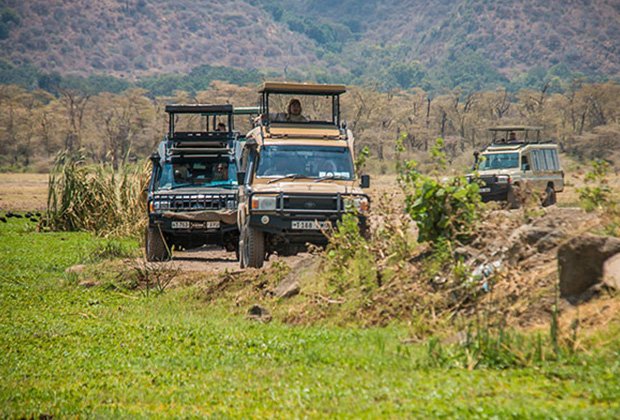
- Game Drives: You’ll typically travel in custom-built 4×4 safari vehicles with pop-up roofs for optimal viewing. Drives can last several hours.
- Wildlife: Expect to see a wide array of animals, including the Big Five (lion, leopard, elephant, rhino, buffalo), as well as giraffes, zebras, hippos, various antelopes, and abundant birdlife.
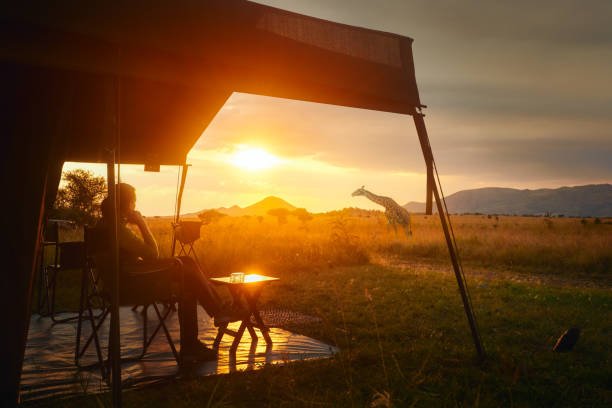
- Accommodation: Options range from comfortable tented camps that offer a more immersive experience to lodges with full amenities.
- Guides: Experienced safari guides will use their knowledge of animal behavior and tracking skills to maximize your sightings.
- Scenery: The landscapes are as varied as the wildlife, from the endless plains of the Serengeti to the dense forests of Lake Manyara and the dramatic Ngorongoro Crater.
Essential Preparation and Packing List
Proper preparation is key to a successful and enjoyable adventure. This applies to both trekking and safari components.
Physical Preparation:
- Cardiovascular Fitness: Engage in regular aerobic exercises like running, cycling, swimming, and hiking with a weighted backpack.
- Strength Training: Focus on leg strength (squats, lunges) and core stability.
- Hiking Practice: Undertake long hikes, especially with elevation changes, to simulate trekking conditions.
- Mental Preparation: Understand the challenges, especially the summit night on Kilimanjaro. Develop resilience and a positive attitude.
Gear and Packing List (Trekking Focus):
Your tour operator will provide a detailed list, but here are the essentials:
Clothing:
- Base Layers: Moisture-wicking thermal tops and bottoms (synthetic or merino wool).
- Mid Layers: Fleece jackets or insulated vests for warmth.
- Outer Layer: Waterproof and windproof jacket and trousers (Gore-Tex or similar).
- Insulation: A warm down or synthetic jacket for summit night and cold evenings.
- Trekking Trousers: Lightweight, quick-drying trousers (convertible to shorts can be useful).
- Shirts: Several moisture-wicking short and long-sleeved shirts.
- Headwear: Warm woolen hat/beanie, sun hat with a wide brim, balaclava or neck gaiter for summit.
- Gloves: Warm, waterproof gloves and thinner liner gloves.
- Socks: Several pairs of thick wool or synthetic hiking socks.
- Underwear: Moisture-wicking.
Footwear:
- Hiking Boots: Broken-in, waterproof, sturdy mid-to-high cut hiking boots.
- Camp Shoes: Comfortable trainers or sandals for evenings at camp.
- Gaiters: To keep mud and stones out of your boots.
Equipment:
- Backpack: A comfortable daypack (25-35 liters) for essentials during the day. Your main duffel bag (usually waterproof, 80-100 liters) will be carried by porters.
- Sleeping Bag: Rated to at least -10°C to -20°C (0°F to -4°F).
- Sleeping Pad: For added comfort and insulation (though often provided).
- Trekking Poles: Highly recommended for stability and reducing knee strain.
- Headlamp: With extra batteries.
- Water Bottles/Hydration Reservoir: At least 3 liters capacity.
- Water Purification: Tablets or filter (though boiled water is usually provided).
- Sunglasses: High UV protection.
- Sunscreen: High SPF.
- Lip Balm: With SPF.
- Insect Repellent: Especially for lower elevations and safari.
- First-Aid Kit: Personal medications, blister treatment, pain relievers, antiseptic wipes, bandages. Your guide will have a comprehensive kit.
- Toiletries: Biodegradable soap, toothbrush, toothpaste, wet wipes, hand sanitizer.
- Camera: With extra batteries and memory cards.
- Power Bank: To charge electronics.
- Snacks: Energy bars, nuts, dried fruit (though sufficient food is provided).
- Book/Journal: For downtime.
- Passport & Visa: Keep secure.
- Cash: For tips and personal expenses.
Safari Packing Considerations:
- Lightweight, neutral-colored clothing (khaki, green, brown).
- Binoculars are highly recommended.
- A good zoom lens for your camera.
- A light jacket or fleece for cooler mornings/evenings.
- Comfortable walking shoes for lodges/camps.
Common Mistakes to Avoid
Planning and executing a Mount Meru, Kilimanjaro, and safari trip from Moshi involves several potential pitfalls. Being aware of these can help you avoid them.
- Inadequate Physical Preparation: Underestimating the physical demands of trekking, especially Kilimanjaro, is a common mistake. This can lead to exhaustion, injury, or the need to turn back. Start training months in advance.
- Poor Acclimatization Strategy: Rushing the ascent or not allowing enough time for acclimatization significantly increases the risk of altitude sickness. Climbing Mount Meru beforehand is a smart strategy for this.
- Ignoring Altitude Sickness Symptoms: Mistaking symptoms like headaches or nausea for fatigue and pushing on can be dangerous. Communicate any discomfort immediately to your guide.
- Packing the Wrong Gear: Bringing cotton clothing (which holds moisture), inadequate footwear, or insufficient warm layers can make the trek miserable and even dangerous. Always follow the recommended packing list.
- Choosing the Cheapest Operator: While budget is a consideration, opting for the absolute cheapest tour operator can mean compromised safety standards, poor equipment, inexperienced guides, and underpaid crew. Safety and quality of service should be paramount.
- Not Hydrating Enough: Dehydration exacerbates altitude sickness. Drink plenty of water (3-4 liters per day) throughout your trek.
- Overpacking: While you need essentials, remember porters have weight limits. Pack smart and efficiently.
- Underestimating Safari Logistics: Safari routes can be long. Ensure your itinerary allows enough time at each location to truly experience it, rather than rushing from one park to another.
- Not Budgeting for Tips: Tipping the mountain crew and safari guides is customary and expected. Factor this into your overall budget.
- Ignoring Visa and Vaccination Requirements: Ensure you have the correct visa for Tanzania and any necessary vaccinations or malaria precautions well in advance of your travel dates for 2026 or 2027.
Who is This Adventure Best Suited For?
This comprehensive adventure is ideal for a range of travelers:
- Ambitious Trekkers: Those looking to conquer Africa’s highest peak and seeking a challenging, multi-day trekking experience.
- Adventure Enthusiasts: Individuals who enjoy combining physical challenges with exploration and wildlife observation.
- Nature Lovers: Anyone passionate about diverse ecosystems, from alpine environments to savannahs, and keen to see iconic African wildlife.
- Those Seeking a Comprehensive Tanzanian Experience: Travelers who want to immerse themselves deeply in the country’s natural wonders and culture in one trip.
- Groups and Couples: The shared challenge and awe-inspiring experiences make this a fantastic trip for friends or partners.
- Travelers Prioritizing Acclimatization: Those who want to maximize their chances of summiting Kilimanjaro by first conquering Mount Meru.
This trip is generally not suited for very young children, individuals with severe pre-existing health conditions that are exacerbated by altitude or strenuous activity, or those seeking a purely relaxing beach holiday.
Alternatives and Variations
While the combination of Mount Meru, Kilimanjaro, and safari is a premier experience, there are several ways to tailor this adventure:
- Kilimanjaro Only: Focus solely on climbing Kilimanjaro, choosing from various routes (Marangu, Machame, Lemosho, Rongai, Northern Circuit).
- Mount Meru Only: For a shorter, challenging trek with excellent acclimatization and stunning views, especially if time is limited.
- Safari Focus: If trekking isn’t your priority, a dedicated Northern Circuit safari (Tarangire, Manyara, Ngorongoro, Serengeti) offers unparalleled wildlife viewing.
- Kilimanjaro & Zanzibar: Combine your Kili climb with a relaxing beach holiday on the exotic island of Zanzibar.
- Mount Meru & Safari: A great option for those who want a challenging trek and wildlife experience without the full commitment of Kilimanjaro.
- Day Trips from Moshi: For very short trips, consider day hikes in Kilimanjaro National Park or Arusha National Park, or a single-day safari to a nearby park.
- Cultural Tours: Integrate visits to local villages, coffee plantations, or markets around Moshi for a deeper cultural immersion.
Planning Your 2026-2027 Trip
Booking your Mount Meru, Kilimanjaro, and safari adventure from Moshi for 2026 or 2027 requires foresight. Here are key planning considerations:
- Book in Advance: Kilimanjaro permits and accommodation in popular camps can book up, especially during peak seasons (June-October). Aim to book 6-12 months in advance for 2026-2027, particularly if you have specific dates or routes in mind.
- Choose the Right Operator: Research reputable tour operators based in Moshi or with strong local partnerships. Look for certifications, positive reviews, and clear communication regarding safety protocols, crew welfare, and inclusions.
- Select Your Kilimanjaro Route: Different routes offer varying acclimatization profiles, scenery, and difficulty levels. Machame, Lemosho, and Northern Circuit are generally considered better for acclimatization than Marangu.
- Determine Trip Duration: Allow ample time for the treks, including a rest day or two in Moshi. For the combined itinerary, 15-20 days is a good starting point.
- Consider the Season: As outlined earlier, the dry seasons (June-Oct, Jan-Mar) are ideal for trekking and generally good for safaris. Plan your 2026 or 2027 dates accordingly.
- Budgeting: Understand what is included in your tour package (permits, guides, crew, meals, accommodation, park fees, safari vehicle, driver-guide, park fees) and what is not (tips, personal gear, travel insurance, flights, visa).
- Health and Vaccinations: Consult your doctor or a travel clinic 4-6 weeks before your trip for recommended vaccinations and malaria prophylaxis.
- Travel Insurance: Ensure your policy covers high-altitude trekking and emergency evacuation. This is non-negotiable for Kilimanjaro and Meru.
Booking Your Mount Meru Kilimanjaro and Safari Package
Securing your adventure package from Moshi is a critical step. Here’s how to approach it:
- Research Tour Operators: Look for companies that specialize in Kilimanjaro treks and Tanzanian safaris. Websites like Top Guide Adventures are excellent resources. Read reviews on independent platforms.
- Request Detailed Itineraries: Ensure the proposed itinerary includes sufficient acclimatization days for Kilimanjaro and allows adequate time for safari game drives. Confirm if Mount Meru is included as a pre-climb acclimatization trek.
- Clarify Inclusions and Exclusions: Pay close attention to what is covered in the price. Key items to confirm are: park fees, rescue fees, guide and porter salaries, meals, accommodation (pre/post-trek), transfers, and safari vehicle/guide.
- Inquire About Safety Standards: Ask about guide certifications, emergency procedures, communication equipment (satellite phones), and how they handle altitude sickness. Reputable operators prioritize safety.
- Understand Crew Welfare: Ethical operators ensure their guides and porters are well-paid, fed, and equipped. This impacts their morale and performance.
- Discuss Customization: If you have specific needs or preferences (e.g., dietary restrictions, specific safari interests, preferred Kili route), discuss them with the operator.
- Payment Terms: Understand the deposit requirements and payment schedule. Most operators require a deposit to secure your booking, with the balance due closer to the travel date.
- Read the Contract Carefully: Before signing, review the terms and conditions, especially regarding cancellations, refunds, and liability.
- Contact Directly: For the most personalized service and to get your questions answered thoroughly, reach out directly to tour operators.
Get Expert Assistance for Your 2026-2027 Adventure!
Planning a multi-faceted trip like Mount Meru, Kilimanjaro, and safari from Moshi can be complex. Let experienced professionals guide you. Contact us for a customized itinerary and expert advice.
WhatsApp: +255616946642
Email: topguideadventures@gmail.com
Backup Email: info@topguideadventures.com
Frequently Asked Questions (FAQs)
General Questions
Q1: How long does a combined Mount Meru, Kilimanjaro, and safari trip typically take?
A1: A comprehensive trip combining Mount Meru (4 days), Kilimanjaro (7-9 days depending on route), and a safari (3-5 days) typically requires between 14 to 20 days. This allows for acclimatization, trekking, and wildlife viewing without feeling overly rushed.
Q2: Is Mount Meru mandatory before climbing Kilimanjaro?
A2: No, it’s not mandatory, but highly recommended. Mount Meru’s altitude (4,566m) serves as excellent acclimatization, significantly improving your chances of summiting Kilimanjaro and reducing the risk of altitude sickness. It also offers a fantastic trek in its own right.
Q3: What is the best time of year for this combined trip in 2026-2027?
A3: The dry seasons from June to October and January to March offer the most favorable conditions for both trekking and safari. The June-October period is generally considered prime time due to clear skies and stable weather.
Q4: How fit do I need to be for Mount Meru, Kilimanjaro, and safari?
A4: You need to be in good cardiovascular health and have strong stamina for the trekking portions. While safari is less physically demanding, the treks are challenging. Regular hiking with a backpack and aerobic exercise for several months prior is essential. Consult your doctor.
Q5: What are the main differences between Mount Meru and Kilimanjaro treks?
A5: Kilimanjaro is significantly higher (5,895m vs. 4,566m) and takes longer to climb. Meru is steeper and can feel more challenging day-to-day due to its rugged terrain and faster altitude gain, making it excellent training. Kilimanjaro offers more diverse vegetation zones and a true arctic summit experience.
Q6: What kind of wildlife can I expect to see on a safari from Moshi?
A6: You can expect to see a wide variety of animals, including the Big Five (lion, leopard, elephant, rhino, buffalo), as well as giraffes, zebras, wildebeest, hippos, crocodiles, cheetahs, hyenas, and numerous bird species. The specific sightings depend on the parks visited (e.g., Tarangire for elephants, Serengeti for the Great Migration, Ngorongoro Crater for density).
Q7: How much should I budget for tips for the trekking and safari crew?
A7: Tipping is customary. For Kilimanjaro, expect to tip guides, assistant guides, cooks, and porters. For safari, tip your driver-guide. Specific amounts vary, but reputable operators provide recommended tipping guidelines. It’s wise to budget several hundred dollars per trekker for Kili crew tips, and a daily amount for safari guides.
Q8: What vaccinations are recommended for Tanzania for 2027 travel?
A8: Yellow Fever vaccination is mandatory for entry into Tanzania if arriving from a country with risk of Yellow Fever. Other recommended vaccinations often include Hepatitis A, Typhoid, and routine immunizations. Malaria prophylaxis is also usually recommended. Always consult your doctor or a travel clinic well in advance for personalized advice.
Q9: Can I rent gear in Moshi?
A9: Yes, most reputable tour operators in Moshi offer gear rental services for items like sleeping bags, trekking poles, and warm jackets. It’s advisable to confirm what can be rented and reserve it in advance.
Q10: Is travel insurance essential for this trip?
A10: Absolutely. Comprehensive travel insurance that covers high-altitude trekking (up to 6,000m for Kilimanjaro) and emergency medical evacuation is crucial and non-negotiable for any trekker planning to climb Mount Meru or Kilimanjaro.
Plan Your Unforgettable Mount Meru Kilimanjaro and Safari From Moshi Adventure!
Embarking on a journey that combines the challenging ascents of Mount Meru and Mount Kilimanjaro with the breathtaking wildlife encounters of a Tanzanian safari is an experience like no other. Starting from the vibrant hub of Moshi, your adventure promises stunning landscapes, personal triumphs, and unforgettable memories. Whether you are planning for 2026, 2027, or 2028, preparation and choosing the right partner are key.
Let our team of experts at Best Tanzania Tour Operator help you craft the perfect itinerary. We specialize in creating safe, ethical, and incredible Mount Meru Kilimanjaro and Safari From Moshi packages tailored to your fitness, interests, and time constraints. From detailed planning and gear advice to ensuring the well-being of our crew, we handle every detail so you can focus on the adventure.
Contact us today to start planning your dream Tanzanian expedition:
WhatsApp: +255616946642
Email: topguideadventures@gmail.com
Backup Email: info@topguideadventures.com
We Are Arriving At Kilimanjaro Airport, What Safari Itinerary Should We Do?
Planning your safari upon arrival at Kilimanjaro Airport (JRO)? This guide provides tailored safari itineraries for 2026-2027, focusing on Northern Tanzania's iconic parks like the...
View package details
Which Local Tanzania Safari Companies Are Trustworthy In ? 2026-2027
Choosing a trustworthy local Tanzania safari company is crucial for a memorable and safe adventure. This guide helps you identify reliable operators for your 2026-2027 trip, covering...
View package detailsJoining Group Climbs On Kilimanjaro When Traveling Alone In 2026-2027
Traveling to Kilimanjaro alone? Discover how you can easily join an existing group climb, making your solo adventure more social and cost-effective for 2026-2027. Learn about departure...
View package details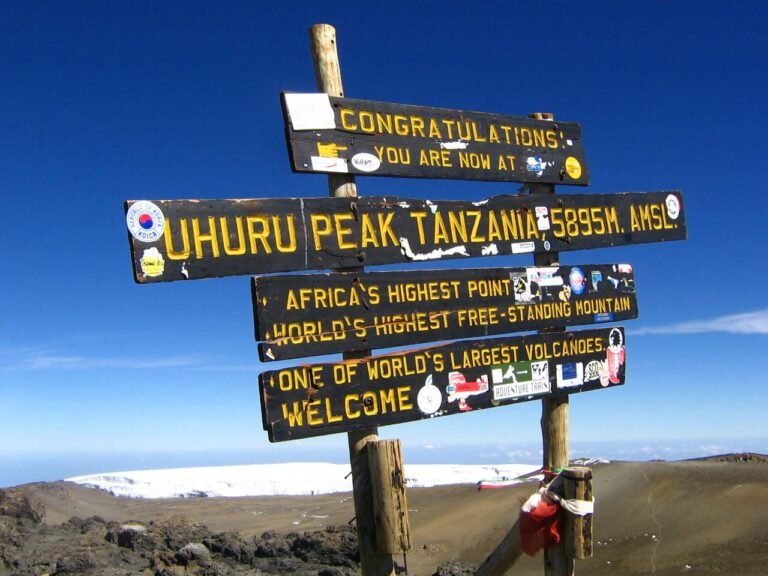
What Does Kilimanjaro Rainforest Look Like? A Trekkers Visual Guide 2026-2027
The Kilimanjaro rainforest is a vibrant, humid zone of dense vegetation, towering trees, and diverse plant life found on the mountain's lower slopes. It's the first major ecosystem trekkers...
View package details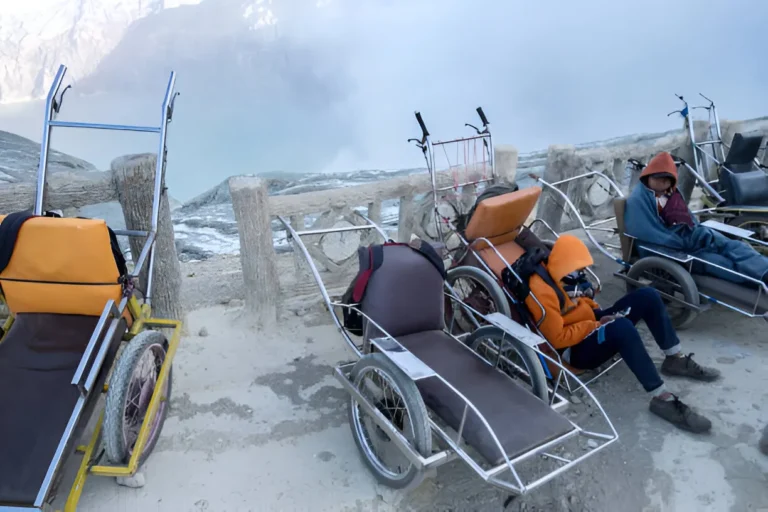
Kilimanjaro Climb With A Personal Support Assistant: Your Ultimate Guide
Climbing Mount Kilimanjaro with a personal support assistant offers unparalleled safety, comfort, and focus on your summit goals. This guide details what a personal assistant entails, its...
View package details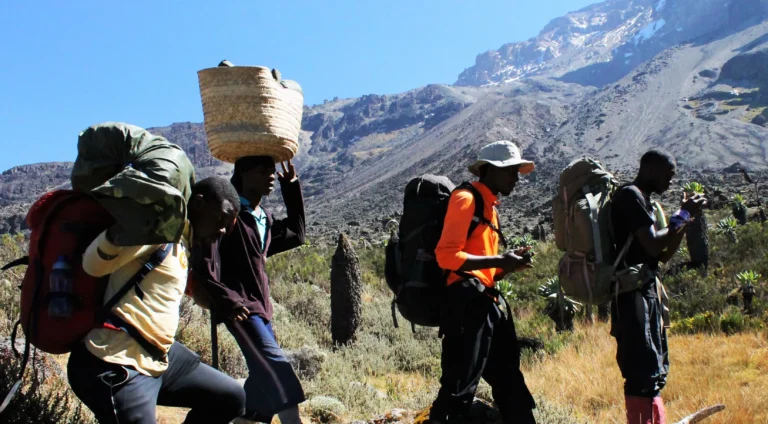
How To Know Whether You Are Ready For Kilimanjaro: A Comprehensive Guide
Climbing Mount Kilimanjaro is a significant undertaking. This guide helps you evaluate your physical, mental, and logistical readiness to ensure a safe and successful trek in 2026 or 2027...
View package details
Kilimanjaro Hydration Mistakes Climbers Make And How To Avoid Them 2026-2027
Proper hydration is critical for a successful Kilimanjaro climb. This guide details common hydration mistakes climbers make, from under-drinking to choosing the wrong fluids, and provides...
View package details
Which Tanzania Safari Gives The Best Value For Money? 2026-2027
Which Tanzania safari gives the best value for money? is explained with current 2026-2027 planning, price, itinerary and booking information.
View package details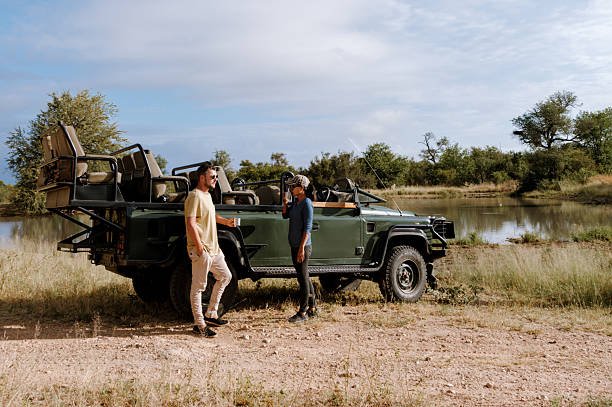
How To Avoid Safari Scams In Tanzania: A Top Guide Adventures Expert 2026-2027
Navigating a safari in Tanzania is a dream for many, but a few precautions can ensure your adventure is scam-free. This guide from Top Guide Adventures provides essential advice for...
View package detailsHow Far In Advance Should You Book A Tanzania Safari? Your Planning Guide
Securing your dream Tanzania safari requires strategic planning. This comprehensive guide details the optimal booking timeline for 2026-2027, considering peak seasons, lodge availability...
View package detailsHow Much Should I Tip My Safari Guide In Tanzania? Your 2026-2027
Understand the tipping culture for safari guides and staff in Tanzania. This guide provides clear, actionable recommendations for tipping your safari crew in 2026-2027, covering guides...
View package detailsPrivate Safari Vs Group Tanzania — Which Is Better? 2026-2027
Private safari vs group safari Tanzania — which is better? is explained with current 2026-2027 planning, price, itinerary and booking information.
View package detailsNo related package matches those filters. Clear one or more filters to see the other topic-matched options.
Plan your Mount Meru Kilimanjaro and Safari From Moshi with Top Guide Adventures
Tell us your travel dates, group size, comfort level, and dream experience. We will help you shape a clear, realistic, and memorable Tanzania itinerary.



