
Updated planning guide for 2026, 2027-2028
Kilimanjaro Foothills Village Tour: Expert Trekking Guide 2026-2027-2028
Experience authentic village life at the base of Mount Kilimanjaro. This guide details the Kilimanjaro Foothills Village Tour, offering insights into culture, daily life, and practical planning for your 2026-2027 adventure.
WhatsApp +255616946642 | topguideadventures@gmail.com | info@topguideadventures.com
Welcome to the ultimate guide for the Kilimanjaro Foothills Village Tour. Nestled on the fertile slopes of Africa’s highest peak, these villages offer a profound connection to Tanzanian culture, far removed from the well-trodden safari paths. This tour is designed for travelers seeking an immersive cultural experience, a chance to understand local life, traditions, and the unique community spirit that thrives in the shadow of Kilimanjaro. Whether you’re planning a trip in 2026, 2027, or 2028, this comprehensive guide will equip you with all the knowledge needed to make your Kilimanjaro Foothills Village Tour a memorable success.
Table of Contents
- Quick Facts: Kilimanjaro Foothills Village Tour
- What is the Kilimanjaro Foothills Village Tour?
- Why Experience a Foothills Village Tour?
- Best Time to Visit the Kilimanjaro Foothills
- Key Village Locations and Areas
- Sample Kilimanjaro Foothills Village Tour Itinerary
- What to Expect During Your Village Tour
- Deep Dive into Cultural Immersion
- Activities You Can Participate In
- Packing and Preparation Essentials
- Common Mistakes to Avoid
- Who is the Kilimanjaro Foothills Village Tour Best Suited For?
- Alternatives to the Village Tour
- Planning Your Trip for 2026-2027
- Booking Your Kilimanjaro Foothills Village Tour
- Frequently Asked Questions (FAQs)
Quick Facts: Kilimanjaro Foothills Village Tour
| Aspect | Details |
|---|---|
| Focus | Authentic cultural immersion, local community interaction, daily life observation. |
| Location | Slopes of Mount Kilimanjaro, Northern Tanzania. |
| Duration | Typically 1-3 days, can be extended. |
| Activities | Village walks, meeting local families, learning about agriculture, traditional cooking, local crafts, attending community events. |
| Accommodation | Homestays, community guesthouses, or lodges in nearby towns. |
| Best For | Culturally curious travelers, those seeking authentic experiences, photographers, responsible tourism advocates. |
| Seasonality | Year-round, with slightly better conditions during dry seasons (June-October, December-February). |
| Language | Swahili is primary; English is often spoken by guides and in tourist-interacting areas. |
What is the Kilimanjaro Foothills Village Tour?
The Kilimanjaro Foothills Village Tour is an enriching travel experience that takes you beyond the typical tourist trail to engage directly with the communities living on the lower slopes of Mount Kilimanjaro. Unlike Kilimanjaro treks that focus on the mountain itself, this tour centers on the vibrant human element. It’s an opportunity to walk through villages, visit local homes, understand agricultural practices, witness traditional crafts, and gain insights into the daily rhythms of life for the Chagga people and other ethnic groups who call this region home. You’ll interact with local residents, learn about their customs, and contribute positively to the local economy through responsible tourism. This isn’t just sightseeing; it’s about connection and understanding.
Why Experience a Foothills Village Tour?
In a world increasingly focused on superficial experiences, the Kilimanjaro Foothills Village Tour offers genuine depth. Here’s why it stands out:
- Authentic Cultural Immersion: Move beyond observing to participating. Engage in conversations, share meals, and learn directly from local people about their way of life, beliefs, and challenges. This is a chance to see Tanzania through the eyes of its residents.
- Support Local Communities: Your visit directly benefits the villages. By choosing this tour, you contribute to local economies through homestays, purchasing handicrafts, and supporting community-run initiatives. It’s a form of responsible tourism that fosters goodwill and provides tangible support.
- Unique Perspectives: Gain a nuanced understanding of life in rural Tanzania. Learn about traditional farming methods on the fertile volcanic soil, the importance of community structures, and the impact of Kilimanjaro on daily life and culture.
- Off-the-Beaten-Path Adventure: While Kilimanjaro is a major draw, the surrounding villages offer a different kind of adventure – one of human connection and cultural discovery, away from large crowds.
- Educational Value: For students, anthropologists, or anyone with a curious mind, this tour provides invaluable educational insights into social structures, economic activities, and cultural practices in East Africa.
- Meaningful Interactions: Forge lasting memories through genuine interactions with people who are often welcoming and eager to share their heritage. This human connection is often the most cherished aspect of a traveler’s journey.
Best Time to Visit the Kilimanjaro Foothills
The Kilimanjaro Foothills Village Tour can be undertaken year-round, as the climate is generally pleasant due to the altitude. However, certain periods offer a slightly more comfortable experience, particularly concerning rainfall.
Dry Seasons (Recommended):
- June to October: This is a prime dry season. Expect sunny days, cooler temperatures (especially at higher elevations on the foothills), and minimal rainfall. It’s ideal for walking and outdoor activities.
- December to February: Another dry season, though often warmer than the June-October period. This is also a good time for village visits, offering pleasant weather for exploring.
Rainy Seasons:
- March to May (Long Rains): This period sees significant rainfall, which can make some paths muddy and potentially disrupt outdoor activities. However, the landscape is incredibly lush and green, and tourist numbers are lower, offering a more serene experience if you don’t mind occasional downpours.
- November (Short Rains): Brief, intermittent showers are common. These usually don’t last long and often occur in the afternoon, leaving mornings clear for exploration.
Considerations for 2026-2027 Planning: When planning your trip for 2026 or 2027, consider these seasons. For optimal comfort and outdoor exploration, aim for the dry months. If you prefer fewer crowds and don’t mind potential rain, the shoulder seasons or even the long rains can offer unique advantages.
Key Village Locations and Areas
The Kilimanjaro region is home to numerous communities, with the Chagga people being the most prominent. Tours often focus on villages accessible from the towns of Moshi or Marangu, which serve as gateways to Kilimanjaro. Specific village names might vary depending on the tour operator, but common areas explored include:
Kilimanjaro Foothills Region Overview
General Area: Northern Tanzania, surrounding Mount Kilimanjaro.
Primary Gateway Towns: Moshi, Marangu.
Typical Village Zones:
- Marangu Region: Known for its waterfalls, coffee plantations, and proximity to Kilimanjaro National Park gates. Villages here offer insights into coffee farming and a slightly more tourist-developed infrastructure.
- Moshi Rural Areas: Surrounding the town of Moshi, these villages offer a blend of agricultural life and proximity to urban amenities. You might find communities involved in banana cultivation, livestock, and local markets.
- Kibosho, Useri, Rombo Districts: These districts, often less visited, provide even deeper dives into traditional Chagga life, with opportunities to see ancient cave dwellings and learn about historical settlement patterns.
- West Kilimanjaro: While less common for village tours, areas on the western side can offer insights into different ethnic groups and landscapes.
Note: The exact villages visited will depend on the specific tour operator and the focus of the tour. Best Tanzania Tour Operator tailors these experiences to provide authentic interactions.
Sample Kilimanjaro Foothills Village Tour Itinerary
This is a sample itinerary for a 2-day/1-night immersive village experience. Durations can be customized.
| Day | Morning | Afternoon | Evening |
|---|---|---|---|
| Day 1: Arrival and Cultural Introduction | Morning: Meet your local guide in Moshi/Marangu. Drive to a selected village. Introduction to the village elder or community representative. Short orientation walk to understand the village layout and key landmarks. | Afternoon: Visit a local family home. Learn about daily chores, perhaps helping with cooking traditional meals (e.g., Ugali, Pilau). Explore nearby banana plantations and learn about their cultivation and uses. Visit a local school (if appropriate and arranged). | Evening: Participate in preparing and sharing dinner with your host family or in a community guesthouse. Storytelling session with elders or local residents about village history and folklore. Overnight stay in a homestay or community guesthouse. |
| Day 2: Local Crafts, Agriculture, and Departure | Morning: Visit a local coffee or banana farm to understand the agricultural cycle. Learn about traditional farming techniques. Participate in a local craft demonstration (e.g., pottery, weaving, wood carving) and try your hand at it. | Afternoon: Visit the local market (if it’s market day) to experience the vibrant trade. Hike to a scenic viewpoint overlooking the foothills and Kilimanjaro (weather permitting). Farewell gathering with community members. | Late Afternoon: Depart from the village, returning to Moshi/Marangu or your next destination, filled with insights and memories. |
What to Expect During Your Village Tour
Prepare for an experience that is rich in human connection and cultural learning. It’s important to set expectations correctly:
- Authenticity Over Luxury: Accommodation is typically basic but clean and comfortable, often in homestays or community-run guesthouses. Expect shared facilities in some cases. The focus is on genuine local living, not resort-style amenities.
- Warm Hospitality: Tanzanians, particularly in rural areas, are known for their warmth and welcoming nature. You will likely be invited into homes and treated as a guest of honor.
- Simplicity of Life: Witness firsthand the rhythms of rural life, which may be slower-paced and centered around agriculture, family, and community. You’ll see how people live without many of the modern conveniences taken for granted elsewhere.
- Sensory Experience: Engage all your senses – the smells of cooking fires and fertile soil, the sounds of village life and local music, the vibrant colors of traditional clothing and market produce, and the taste of fresh, local food.
- Learning Opportunities: Every interaction is a chance to learn. Be open, ask questions respectfully, and be prepared to share aspects of your own culture as well.
- Environmental Context: Understand how the presence of Mount Kilimanjaro influences the climate, water sources, and the livelihoods of the people in the foothills.
Deep Dive into Cultural Immersion
True cultural immersion goes beyond just seeing; it’s about understanding the ‘why’ behind the ‘what’. On a Kilimanjaro Foothills Village Tour, this means:
- Understanding Social Structures: Learn about family units, the roles of elders, and community decision-making processes. Discover how traditions are passed down through generations.
- Exploring Traditional Practices: Witness or participate in traditional cooking methods, brewing local beverages (like banana beer), and understanding the medicinal uses of local plants.
- Appreciating Art and Music: Engage with local music, dance, and storytelling. Observe traditional crafts and learn about their significance, whether for daily use or cultural rituals.
- Learning About Beliefs and Spirituality: Gain insight into the spiritual beliefs that often blend traditional African religions with Christianity, and how these influence community life.
- Dietary Customs: Experience staple foods like Ugali (maize porridge), beans, greens, and local fruits. Understand the significance of communal meals.
- Language Basics: While your guide will translate, learning a few basic Swahili phrases (Jambo – Hello, Asante – Thank you, Karibu – Welcome) will be greatly appreciated and enhance your interactions.
Activities You Can Participate In
The beauty of the Kilimanjaro Foothills Village Tour lies in its interactive nature. Here are common activities:
- Guided Village Walks: Explore the village with a local guide, learning about its history, social organization, and daily life.
- Homestays: Spend a night with a local family for a truly immersive experience.
- Cooking Demonstrations: Learn to prepare traditional Tanzanian dishes using local ingredients.
- Farm Visits: Understand agriculture on the fertile slopes, focusing on crops like coffee, bananas, maize, and beans.
- Craft Workshops: Try your hand at making local crafts such as pottery, basket weaving, or carving under the guidance of local artisans.
- School Visits: Interact with students and teachers (arranged respectfully and with prior permission).
- Market Days: Experience the vibrant atmosphere of a local market, observing trade and local commerce.
- Nature Walks: Explore the surrounding natural beauty, including waterfalls, forests, and viewpoints.
- Storytelling Sessions: Listen to traditional stories, legends, and historical accounts from village elders.
- Attending Local Events: If your visit coincides with a local festival or ceremony, you may have the unique opportunity to witness it (respectfully, of course).
Packing and Preparation Essentials
Packing for a village tour requires a balance between comfort, practicality, and cultural sensitivity. Think layers and modesty.
Essential Packing List:
- Clothing: Lightweight, breathable clothing (cotton, linen). Long-sleeved shirts and long trousers are recommended for sun protection, insect repellent, and cultural modesty. Avoid overly revealing clothing. A light fleece or jacket for cooler evenings/mornings. Comfortable walking shoes/boots. Sandals or flip-flops for relaxing.
- Sun Protection: Wide-brimmed hat, sunglasses, high SPF sunscreen.
- Insect Repellent: Especially for evenings.
- Personal Toiletries: Biodegradable soap, shampoo, toothbrush, toothpaste. Hand sanitizer is crucial.
- Medications: Personal prescriptions and a basic first-aid kit (band-aids, antiseptic wipes, pain relievers, anti-diarrhea medication).
- Camera and Accessories: Extra batteries, memory cards. Remember to always ask permission before taking photos of people.
- Small Backpack: For day trips and carrying essentials.
- Water Bottle: Reusable bottle for hydration. Water purification tablets or a filter can be useful.
- Small Gifts (Optional): School supplies (pens, notebooks) for children, or small practical items for families. Avoid giving money directly unless advised by your guide; a community contribution is often better.
- Cash: Small denominations for purchasing local crafts or snacks.
- Notebook and Pen: For jotting down observations and learning.
Preparation Tips:
- Research: Learn a little about the Chagga culture or the specific ethnic group you will be visiting.
- Vaccinations and Health: Consult your doctor about recommended vaccinations (e.g., Yellow Fever, Hepatitis A, Typhoid) and malaria prophylaxis well in advance of your 2026-2027 trip.
- Travel Insurance: Ensure you have comprehensive travel insurance covering medical emergencies and evacuation.
- Mindset: Approach the experience with an open mind, curiosity, and respect. Be prepared to step outside your comfort zone.
Common Mistakes to Avoid
To ensure a respectful and rewarding experience, be mindful of these common pitfalls:
- Photography Etiquette: Never take photos of people without their explicit permission. Always ask first, and be prepared for a ‘no’.
- Cultural Insensitivity: Dressing immodestly, displaying excessive public affection, or being loud and disruptive can be seen as disrespectful. Observe local customs.
- Poverty Tourism: Avoid treating the village as a zoo or focusing solely on perceived poverty. Engage with people as equals, appreciating their culture and resilience.
- Unsolicited Advice: Do not offer unsolicited advice on how people should live their lives or run their communities.
- Gift-Giving: Avoid giving random gifts, especially money, which can create dependency or disrupt social dynamics. Consult your guide for appropriate ways to support the community.
- Ignoring Your Guide: Your local guide is invaluable. Listen to their advice regarding cultural norms, safety, and appropriate interactions.
- Expecting Western Standards: Understand that infrastructure, amenities, and pace of life will differ significantly from what you are accustomed to. Embrace the differences.
- Making Assumptions: Don’t assume you understand local customs or motivations. Ask questions and listen actively.
Who is the Kilimanjaro Foothills Village Tour Best Suited For?
This tour is ideal for a specific type of traveler who values depth and authenticity over superficial sightseeing.
- Culturally Curious Travelers: Those genuinely interested in understanding different ways of life, traditions, and social structures.
- Responsible Tourism Advocates: Individuals who want their travel to have a positive impact on local communities and economies.
- Photographers: Those looking for unique, authentic portraits and scenes of daily life (with ethical considerations).
- Students and Academics: Anthropology, sociology, or development studies students seeking firsthand experience.
- Families with Older Children: Teenagers and young adults can gain significant life lessons from such an experience.
- Travelers Seeking Connection: People who want to move beyond transactional tourism and build genuine human connections.
- Adventurous Eaters: Those eager to try authentic local cuisine.
- Anyone Seeking a Deeper Understanding of Tanzania: This tour offers a perspective that safaris and mountain treks alone cannot provide.
Alternatives to the Village Tour
While the Kilimanjaro Foothills Village Tour offers unparalleled cultural depth, other experiences in the region cater to different interests:
- Kilimanjaro Treks: For those focused on the challenge and achievement of summiting Africa’s highest peak. (e.g., Marangu Route, Machame Route).
- Safari Experiences: Explore Tanzania’s renowned national parks like Serengeti, Ngorongoro Crater, Tarangire, and Lake Manyara for incredible wildlife viewing.
- Zanzibar Holidays: Relax on the spice island’s beautiful beaches, explore Stone Town’s history, and enjoy water sports.
- Day Trips from Moshi/Arusha: Shorter excursions might include visits to waterfalls, local markets, or coffee plantations without an overnight stay.
- Cultural Heritage Tourism Programme (CHTP): While not exclusively village-focused, this government initiative often includes elements of cultural interaction and community visits across Tanzania.
- Arusha National Park Day Trip: Offers a shorter safari experience with opportunities for walking safaris and stunning views of Mount Meru and Kilimanjaro.
The village tour complements these experiences by providing a grounded, human perspective often missed on other types of trips.
Planning Your Trip for 2026-2027
Planning ahead is key for a successful trip, especially for 2026 and 2027. Here’s how to approach it:
Key Planning Considerations for 2026-2027:
- Book in Advance: Especially if you plan to travel during peak seasons (June-October, December-February) for 2026 or 2027. Reputable tour operators like Best Tanzania Tour Operator can secure the best local guides and homestays.
- Choose the Right Operator: Select a company with a strong track record in cultural tourism and community engagement. Look for operators who employ local guides and have established relationships with the villages.
- Define Your Interests: Are you most interested in agriculture, crafts, local cuisine, or community life? Communicate this to your operator to tailor the experience.
- Health Preparations: Start researching vaccinations and malaria prevention at least 2-3 months before your planned departure for 2026 or 2027.
- Visa Requirements: Check the latest visa regulations for Tanzania for your nationality. This can often be done online.
- Budgeting: While exact prices vary, factor in costs for the tour package, local crafts, optional small gifts, and tips. Understand what is included in your package.
- Flexibility: Be prepared for minor itinerary changes due to local conditions or opportunities. Embrace the spontaneity that comes with authentic travel.
- Learning Swahili: Even a few phrases can greatly enhance your interactions. Start practicing basic greetings and thank yous before you go.
Booking Your Kilimanjaro Foothills Village Tour
Selecting the right tour operator is crucial for an authentic and ethical village experience. Here’s how to approach booking:
- Research Local Operators: Look for Tanzania-based tour operators who specialize in cultural tours and have a deep understanding of the Kilimanjaro region. Local expertise is invaluable.
- Check Reviews and Testimonials: Seek out independent reviews on platforms like TripAdvisor or consult travel forums. Pay attention to feedback on cultural sensitivity, guide quality, and community impact.
- Inquire About Community Partnerships: Ask potential operators about their relationships with the villages. Do they work with community-elected representatives? Is there a clear benefit to the community from the tours?
- Understand Inclusions and Exclusions: Clarify what your tour package covers – accommodation, meals, guide fees, activities, transportation, and any entrance fees.
- Ask About Guide Qualifications: Ensure your guides are local, knowledgeable about the culture, speak good English (or your preferred language), and are trained in responsible tourism practices.
- Customization Options: Discuss your specific interests and any particular villages or cultural aspects you wish to focus on. A good operator will offer tailored experiences.
- Direct Communication: Contact operators directly. A prompt, detailed, and helpful response indicates good service.
Contact Best Tanzania Tour Operator for a Tailored Experience:
We specialize in creating authentic and meaningful cultural tours in the Kilimanjaro region. Let us help you plan your unforgettable Kilimanjaro Foothills Village Tour for 2026 or 2027. We work closely with local communities to ensure your visit is both enriching for you and beneficial for them.
Get in touch today:
- WhatsApp: +255616946642
- Email: topguideadventures@gmail.com
- Backup Email: info@topguideadventures.com
Frequently Asked Questions (FAQs)
What is the main cultural group encountered on the Kilimanjaro Foothills Village Tour?
The predominant ethnic group in the Kilimanjaro foothills is the Chagga people. They are known for their agricultural prowess, particularly coffee and banana cultivation, and their rich cultural heritage. Depending on the specific location, you might also encounter other local communities.
Is it safe to stay in a homestay during the village tour?
Yes, homestays arranged through reputable tour operators are generally very safe. The families hosting guests are vetted, and your local guide will ensure your comfort and security. It’s an opportunity for genuine cultural exchange in a protected environment.
What kind of food can I expect to eat?
You can expect traditional Tanzanian and Chagga cuisine. Staples include Ugali (a stiff maize porridge), beans, various greens (like spinach or kale), rice dishes (Pilau), and local fruits such as bananas and avocados. If you participate in cooking, you’ll learn how these dishes are prepared. Meals are typically fresh and locally sourced.
Do I need to tip my guide and hosts?
Tipping is customary and appreciated for guides and hosts who provide excellent service. Your tour operator will usually provide guidelines on appropriate tipping amounts for guides, drivers, and homestay families. It’s a way to show gratitude for their hard work and hospitality.
Can I buy local crafts?
Absolutely. Purchasing local handicrafts is a great way to support the artisans directly. You’ll often have opportunities to see crafts being made and purchase items like wooden carvings, pottery, or woven baskets. Bargaining is common, but always do so respectfully.
What if I have dietary restrictions?
It’s essential to inform your tour operator about any dietary restrictions (vegetarian, vegan, allergies) well in advance. While local ingredients are used, operators and host families will do their best to accommodate your needs. Communication is key.
How much walking is involved in a village tour?
The amount of walking varies. Village tours typically involve moderate walking through the village paths, farm visits, and potentially short hikes to viewpoints. Comfortable walking shoes are essential. The pace is generally relaxed, allowing for interaction and observation.
What is the best way to interact respectfully with locals?
Approach interactions with humility, curiosity, and respect. Always ask permission before taking photos. Learn a few basic Swahili phrases. Listen more than you speak. Show genuine interest in their lives and culture. Avoid judgment and unsolicited advice.
Are there any specific vaccinations required for Tanzania in 2026-2027?
It’s crucial to consult your doctor or a travel clinic 6-8 weeks before your trip for the most up-to-date advice on vaccinations and malaria prevention for Tanzania in 2026-2027. Recommended vaccines often include Hepatitis A, Typhoid, and sometimes Yellow Fever (depending on your travel itinerary and country of origin). Malaria prophylaxis is often advised for low-lying areas.
Can I visit a village if I’m not trekking Kilimanjaro?
Yes, the Kilimanjaro Foothills Village Tour is a standalone experience and does not require you to be trekking Kilimanjaro. It’s perfect for travelers who want to experience the local culture and daily life without climbing the mountain.
Ready to Experience Authentic Tanzania?
The Kilimanjaro Foothills Village Tour offers a unique window into the heart of Tanzanian culture. It’s an opportunity to connect, learn, and contribute in meaningful ways. Let Best Tanzania Tour Operator guide you through this enriching journey. We are dedicated to providing authentic, responsible, and unforgettable travel experiences. Whether you’re planning for 2026, 2027, or beyond, we can craft the perfect village tour tailored to your interests.
Contact us today to start planning your adventure:
- WhatsApp: +255616946642
- Email: topguideadventures@gmail.com
- Backup Email: info@topguideadventures.com
Let’s create your unforgettable Tanzanian cultural experience!
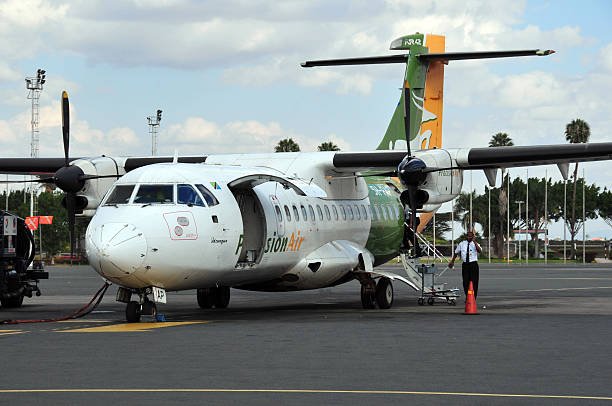
We Are Arriving At Kilimanjaro Airport, What Safari Itinerary Should We Do?
Planning your safari upon arrival at Kilimanjaro Airport (JRO)? This guide provides tailored safari itineraries for 2026-2027, focusing on Northern Tanzania's iconic parks like the...
View package details
Joining Group Climbs On Kilimanjaro When Traveling Alone In 2026-2027
Traveling to Kilimanjaro alone? Discover how you can easily join an existing group climb, making your solo adventure more social and cost-effective for 2026-2027. Learn about departure...
View package details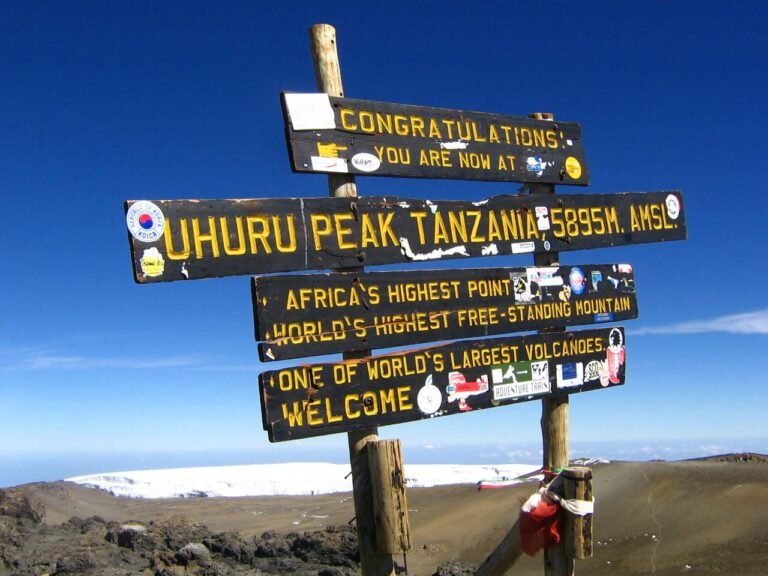
What Does Kilimanjaro Rainforest Look Like? A Trekkers Visual Guide 2026-2027
The Kilimanjaro rainforest is a vibrant, humid zone of dense vegetation, towering trees, and diverse plant life found on the mountain's lower slopes. It's the first major ecosystem trekkers...
View package details
Kilimanjaro Climb With A Personal Support Assistant: Your Ultimate Guide
Climbing Mount Kilimanjaro with a personal support assistant offers unparalleled safety, comfort, and focus on your summit goals. This guide details what a personal assistant entails, its...
View package details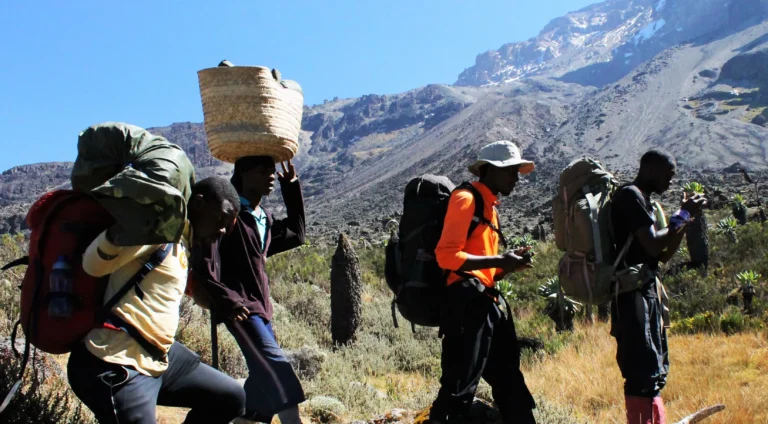
How To Know Whether You Are Ready For Kilimanjaro: A Comprehensive Guide
Climbing Mount Kilimanjaro is a significant undertaking. This guide helps you evaluate your physical, mental, and logistical readiness to ensure a safe and successful trek in 2026 or 2027...
View package details
Kilimanjaro Hydration Mistakes Climbers Make And How To Avoid Them 2026-2027
Proper hydration is critical for a successful Kilimanjaro climb. This guide details common hydration mistakes climbers make, from under-drinking to choosing the wrong fluids, and provides...
View package detailsWhich Local Tanzania Safari Companies Are Trustworthy In ? 2026-2027
Choosing a trustworthy local Tanzania safari company is crucial for a memorable and safe adventure. This guide helps you identify reliable operators for your 2026-2027 trip, covering...
View package details
How Much Should I Tip My Safari Guide In Tanzania? Your 2026-2027
Understand the tipping culture for safari guides and staff in Tanzania. This guide provides clear, actionable recommendations for tipping your safari crew in 2026-2027, covering guides...
View package details
7 Days In Tanzania: Your Expertly Planned Safari Itinerary For 2026-2027
Discover a perfectly crafted 7-day Tanzania safari itinerary for 2026-2027, designed to maximize wildlife viewing and cultural experiences in the Serengeti and Ngorongoro Crater.
View package details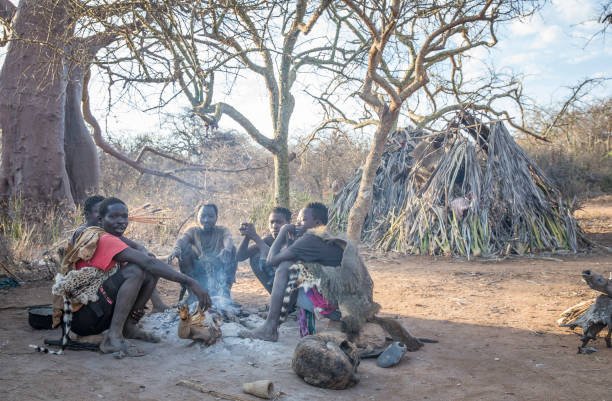
Hadzabe Chaba Lifestyle And His Wife From Arusha 2027-2028
Discover the authentic Hadzabe Chaba lifestyle and the role of their wives, with insights from Top Guide Adventures. Understand their unique hunter-gatherer culture, traditions, and daily...
View package detailsHadzabe Tribe Day Trip Cost From Moshi/Zanzibar 2026-2027
Hadzabe tribe Day trip cost from Moshi/Zanzibar is explained with current 2026-2027 planning, price, itinerary and booking information.
View package detailsHadzabe Tribe Day Trip Cost: 1 Day Tour Price 2026-2027
Planning a day trip to experience the authentic culture of the Hadzabe tribe? This guide breaks down the expected costs for 2026-2027, detailing what influences the price and what you can...
View package detailsNo related package matches those filters. Clear one or more filters to see the other topic-matched options.
Plan your Kilimanjaro Foothills Village Tour with Top Guide Adventures
Tell us your travel dates, group size, comfort level, and dream experience. We will help you shape a clear, realistic, and memorable Tanzania itinerary.



