
Updated planning guide for 2026, 2027-2028
Best Kilimanjaro Tour From Moshi For Beginners: Expert Trekking Guide
Planning your first climb up Kilimanjaro? Discover the best tours departing from Moshi, tailored for beginners. Get essential advice on routes, preparation, and what to expect for your 2026-2027 adventure.
WhatsApp +255616946642 | topguideadventures@gmail.com | info@topguideadventures.com
Your Ultimate Guide to the Best Kilimanjaro Tour from Moshi for Beginners
Reaching the Roof of Africa is a dream for many, and for first-time trekkers, choosing the right Kilimanjaro tour from Moshi is crucial. Moshi, a vibrant town nestled at the foot of the majestic mountain, serves as the primary gateway and staging point for most Kilimanjaro expeditions. This comprehensive guide is designed specifically for beginners, offering everything you need to know to select and prepare for your unforgettable climb in 2026 or 2027.
We’ll cover the essential aspects, from understanding the different routes suitable for beginners to packing advice, acclimatization strategies, and what to expect on the mountain. Our aim is to equip you with the knowledge to make an informed decision and ensure a safe and enjoyable journey.
Quick Answer: What is the Best Kilimanjaro Tour from Moshi for Beginners?
For beginners, the best Kilimanjaro tour from Moshi typically involves routes that prioritize acclimatization and offer a higher success rate. The Marangu Route (often called the Coca-Cola route) and the Machame Route are generally recommended for first-time climbers. The Marangu route is unique for its hut accommodations and gentler ascent profile, while the Machame route, though more challenging logistically, is known for excellent acclimatization and stunning scenery. The Lemosho Route, with its longer duration, also provides superior acclimatization and is a fantastic choice for those seeking a more immersive experience and better odds of reaching Uhuru Peak.
| Key Consideration | Beginner Recommendation |
|---|---|
| Route Choice | Marangu, Machame, Lemosho (longer duration) |
| Acclimatization | Prioritize routes with a ‘climb high, sleep low’ profile or longer durations. |
| Accommodation | Huts (Marangu) or camping (other routes). Camping is standard for most operators. |
| Success Rate | Longer routes (7+ days) generally have higher success rates due to better acclimatization. |
| Scenery | Machame and Lemosho are often praised for their diverse and dramatic landscapes. |
Table of Contents
- Kilimanjaro Overview for Beginners
- Why Moshi is Your Starting Point
- Best Kilimanjaro Routes from Moshi for Beginners
- Kilimanjaro Quick Facts
- Best Time to Trek Kilimanjaro in 2026-2027
- Sample Itinerary: 7-Day Machame Route Tour from Moshi
- What to Expect on Your Kilimanjaro Trek
- Typical Inclusions and Exclusions
- Essential Packing and Preparation
- Common Mistakes Beginners Make
- Who is the Best Kilimanjaro Tour from Moshi for Beginners For?
- Alternatives to Kilimanjaro
- Planning Your 2026-2027 Kilimanjaro Adventure
- Booking Your Tour: Expert Advice
- Frequently Asked Questions
- Ready to Climb? Contact Us!
Kilimanjaro Overview for Beginners
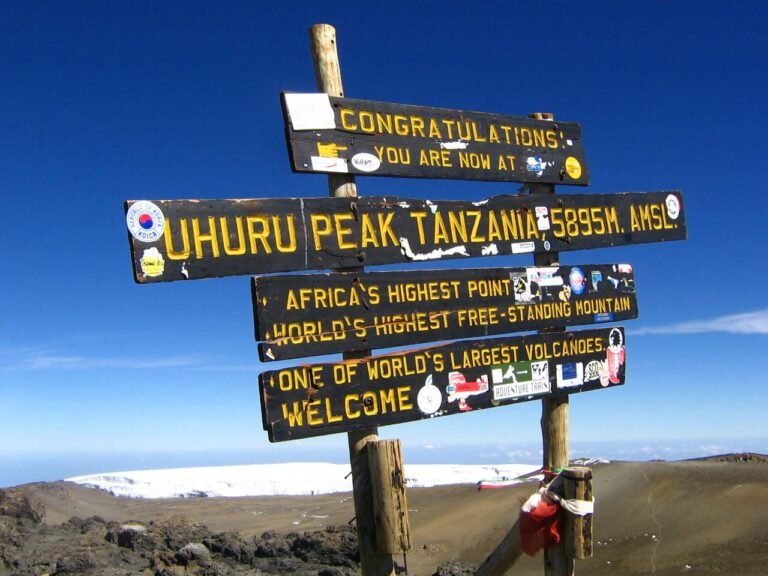
Mount Kilimanjaro, a dormant volcano in Tanzania, is Africa’s highest peak at 5,895 meters (19,341 feet) above sea level. It’s one of the world’s highest free-standing mountains and a bucket-list destination for trekkers and mountaineers alike. Unlike many other high peaks, Kilimanjaro does not require technical climbing skills, making it accessible to individuals with a good level of fitness and determination. The challenge lies primarily in the altitude and the sustained physical effort required.
For beginners, the mountain presents a significant but achievable goal. Success hinges on choosing the right route, proper preparation, and selecting a reputable tour operator. The journey is as much about the stunning landscapes and unique ecosystems you traverse as it is about reaching the summit. You’ll pass through rainforest, moorland, alpine desert, and arctic zones, each with its own distinct flora, fauna, and weather.
Why Moshi is Your Starting Point
Moshi is the quintessential gateway town for Kilimanjaro expeditions. Situated in the Kilimanjaro Region of Tanzania, it offers a convenient and well-equipped base for trekkers. Here’s why it’s the logical starting point:
- Proximity to the Mountain: Moshi is located just a short drive from the various park gates where Kilimanjaro treks begin.
- Logistical Hub: Tour operators, including us at Best Tanzania Tour Operator, are based here. This means easy access to pre-trek briefings, gear rental, and last-minute supplies.
- Accommodation Options: Moshi provides a range of hotels and guesthouses, from budget-friendly to comfortable lodges, perfect for pre- and post-trek stays.
- Local Culture: It’s a great place to experience local Tanzanian life, sample Swahili cuisine, and interact with the Chagga people, who have a deep connection to the mountain.
- Essential Services: You’ll find banks, ATMs, shops for any forgotten items, and medical facilities should you need them.
When booking your best Kilimanjaro tour from Moshi, ensure your operator provides seamless transfers from Moshi to the mountain gate and back. This is a standard inclusion for most reputable companies.
Best Kilimanjaro Routes from Moshi for Beginners
Choosing the right route is the most critical decision for a beginner. The goal is to maximize acclimatization and enjoyment while minimizing the risk of altitude sickness and failure to reach the summit. Longer routes generally offer better acclimatization and thus higher success rates.
Marangu Route (7 Days)
Often called the “Coca-Cola” route, Marangu is the oldest and most established route. It’s also the only route that offers dormitory-style hut accommodations, a significant comfort factor for some beginners.
- Duration: Typically 5 to 7 days. A 7-day trek is strongly recommended for beginners to improve acclimatization.
- Scenery: While beautiful, it ascends and descends the same path, offering less varied scenery compared to other routes.
- Difficulty: Considered one of the easier ascents due to its gradual slope and huts. However, the same-day descent on shorter treks can be taxing and reduce success rates.
- Accommodation: Mountain huts with beds and basic facilities.
- Pros for Beginners: Hut accommodation is more comfortable than camping for many; gradual ascent profile.
- Cons for Beginners: Lower success rates on shorter (5-day) itineraries due to rushed acclimatization; same path up and down.
Machame Route (6-7 Days)
The Machame Route is very popular among trekkers for its scenic beauty and excellent acclimatization profile. It’s often referred to as the “Whiskey” route.
- Duration: Typically 6 or 7 days. A 7-day itinerary is highly recommended for beginners to enhance acclimatization.
- Scenery: Offers diverse and spectacular landscapes, including the Shira Plateau, Barranco Wall, and the Karanga Valley.
- Difficulty: Moderate to challenging. It involves steep ascents and descents, requiring good physical fitness.
- Accommodation: Camping in tents.
- Pros for Beginners: Excellent acclimatization, especially on the 7-day version, leading to higher success rates; stunning and varied scenery; good ‘climb high, sleep low’ opportunities.
- Cons for Beginners: Camping is required; can be crowded.
Lemosho Route (7-8 Days)
The Lemosho Route is one of the newer routes and is highly regarded for its scenic beauty and excellent acclimatization. It offers a more remote experience in its early stages.
- Duration: Typically 7 or 8 days. Longer duration is key for optimal acclimatization.
- Scenery: Considered one of the most beautiful routes, traversing diverse landscapes and offering panoramic views.
- Difficulty: Moderate to challenging, similar to Machame, but the longer duration makes it more manageable for beginners.
- Accommodation: Camping in tents.
- Pros for Beginners: Superior acclimatization due to its longer duration; high success rates; remote and beautiful start; excellent wildlife viewing potential in the early stages.
- Cons for Beginners: Can be more expensive than Marangu or Machame; requires camping.
Other Routes to Consider (with caveats)
While Marangu, Machame, and Lemosho are the top choices for beginners, other routes exist:
- Londorosi Route: Similar to Lemosho, offering good acclimatization and scenery, typically 7-8 days.
- Northern Circuit: The longest route (9+ days), offering the best acclimatization and highest success rates, but also the most expensive. Excellent for those prioritizing success and a more relaxed pace.
- Umbwe Route: The shortest and steepest route, generally not recommended for beginners due to its rapid ascent and poor acclimatization profile.
For the best Kilimanjaro tour from Moshi as a beginner, we always advise opting for a minimum of 7 days on the mountain. Shorter treks, while cheaper, significantly increase the risk of altitude sickness and failure to summit.
Kilimanjaro Quick Facts
| Fact | Details |
|---|---|
| Elevation | 5,895 meters (19,341 feet) |
| Location | Kilimanjaro National Park, Tanzania |
| Highest Point | Uhuru Peak |
| Base Town | Moshi |
| Climbing Season | January-March, June-October |
| Recommended Duration | Minimum 7 days for beginners |
| Difficulty | Strenuous due to altitude and duration; no technical skills required. |
| Park Entry Fee | Included in tour package costs. |
| Permits | Arranged by tour operator. |
Best Time to Trek Kilimanjaro in 2026-2027
Kilimanjaro can be climbed year-round, but certain periods offer better weather conditions, increasing comfort and chances of success. The mountain experiences two main dry seasons and two shorter rainy seasons.
- Best Dry Season (Peak Season): June to October. This period offers the clearest skies, lowest humidity, and minimal rainfall. It’s ideal for trekking, though it can be cooler at higher altitudes. This is a popular time, so booking in advance for 2026 and 2027 is advisable.
- Second Dry Season (Shoulder Season): January to March. This period also has good weather, with warm temperatures and clear skies, though occasional light rain showers are possible. It’s less crowded than the peak season.
- Rainy Seasons: November to December (short rains) and April to May (long rains). These months experience significant rainfall, making trails muddy and visibility poor. While possible to trek, conditions are more challenging and less comfortable.
For beginners, aiming for the dry seasons is highly recommended. The clear views enhance the experience, and drier trails are easier to navigate. If you’re planning for 2026 or 2027, consider booking your preferred dates within these windows well in advance.
Sample Itinerary: 7-Day Machame Route Tour from Moshi
This sample itinerary provides a realistic structure for a 7-day Machame Route trek, a popular choice for beginners seeking good acclimatization and scenery. All arrangements, including transport from Moshi, park fees, guides, porters, and meals, are handled by your tour operator.
Day 1: Arrival in Moshi & Pre-Trek Briefing
Arrive at Kilimanjaro International Airport (JRO) or your Moshi accommodation. You’ll meet your lead guide for a comprehensive briefing on the trek, safety procedures, and what to expect. This is also a chance to ask questions and have your gear checked. Overnight in Moshi.
Day 2: Moshi to Machame Gate to Machame Camp
Distance: 11 km (7 miles)
Time: 5-7 hours trekking
Elevation Gain: 1,200 m (3,937 ft)
After breakfast, you’ll be driven to the Machame Gate (1,800 m / 5,905 ft). After park formalities, you begin your trek through the lush rainforest. The trail is well-maintained but can be muddy. You’ll reach Machame Camp (3,000 m / 9,842 ft) in the afternoon.
Day 3: Machame Camp to Shira 2 Camp
Distance: 5 km (3 miles)
Time: 4-6 hours trekking
Elevation Gain: 700 m (2,297 ft)
Today’s trek takes you out of the rainforest and into a heath and moorland zone. The ascent is steep in parts, but the views from Shira 2 Camp (3,850 m / 12,631 ft) are spectacular, offering your first panoramic vistas.
Day 4: Shira 2 Camp to Barranco Camp
Distance: 10 km (6 miles)
Time: 5-7 hours trekking
Elevation Gain: 500 m (1,640 ft); Descent: 650 m (2,132 ft)
This day is crucial for acclimatization, following the ‘climb high, sleep low’ principle. You’ll traverse a steep pass and then descend into the Barranco Valley. The highlight is the famous Barranco Wall, which you will scramble up. You’ll camp at Barranco Camp (3,950 m / 12,959 ft).
Day 5: Barranco Camp to Karanga Camp
Distance: 5 km (3 miles)
Time: 3-4 hours trekking
Elevation Gain: 300 m (984 ft)
After breakfast, you tackle the Barranco Wall scramble. The rest of the day involves a steady climb through alpine desert landscapes, with dramatic views of Kilimanjaro’s southern glaciers. You’ll reach Karanga Camp (4,200 m / 13,780 ft) for the night.
Day 6: Karanga Camp to Barafu Camp
Distance: 4 km (2.5 miles)
Time: 3-4 hours trekking
Elevation Gain: 500 m (1,640 ft)
A shorter trekking day allows for rest and preparation for the summit attempt. You’ll trek across a barren landscape to Barafu Camp (4,650 m / 15,256 ft), located on a rocky ridge. You’ll have an early dinner and try to rest before the midnight start.
Day 7: Summit Day! Barafu Camp to Uhuru Peak to Mweka Camp
Distance: 15 km (9 miles) – 5 km up, 10 km down
Time: 7-8 hours ascent, 4-5 hours descent to Mweka
Elevation Gain: 1,250 m (4,101 ft); Descent: 2,850 m (9,350 ft)
Your summit attempt begins around midnight. You’ll trek through scree and alpine desert, reaching Stella Point (5,756 m / 18,885 ft) at sunrise. The final push to Uhuru Peak (5,895 m / 19,341 ft) is challenging but incredibly rewarding. After celebrating at the summit, you begin your descent to Barafu Camp for a short rest, then continue down to Mweka Camp (3,100 m / 10,170 ft) for the night.
Day 8: Mweka Camp to Mweka Gate & Transfer to Moshi
Distance: 10 km (6 miles)
Time: 3-5 hours trekking
Elevation Loss: 1,300 m (4,265 ft)
The final descent takes you through the lower rainforest. You’ll reach Mweka Gate, where you’ll receive your summit certificates. A vehicle will be waiting to transfer you back to your hotel in Moshi.
What to Expect on Your Kilimanjaro Trek
Understanding the daily realities of a Kilimanjaro trek is vital for managing expectations and preparing mentally and physically.
Daily Life on the Mountain
Each day typically follows a similar rhythm: wake up, have breakfast, trek for several hours, have lunch en route or at camp, trek more, arrive at camp, have dinner, and rest. The pace is deliberately slow to aid acclimatization. Your guides will set a pace that suits the group, emphasizing ‘pole pole’ (slowly, slowly).
Food and Water
Reputable operators provide three hearty meals a day, prepared by dedicated cooks. Expect a mix of local and international dishes, including porridge, eggs, chapati, rice, pasta, vegetables, chicken, and fruit. Hydration is critical. Water is typically sourced from streams and then purified by boiling or using purification tablets. You’ll be encouraged to drink 3-5 liters of fluid daily.
Accommodation
On routes other than Marangu, you’ll sleep in comfortable, sturdy tents. Campsites are usually set up in designated areas, offering basic amenities like a mess tent for meals and a toilet tent. On the Marangu route, you’ll sleep in basic dormitory-style huts.
Guides and Porters
Your trekking team is your lifeline. Guides are experienced in navigation, altitude sickness, and first aid. Porters carry the bulk of your gear, setting up camp and preparing meals. A ratio of 1:1 or even 2:1 porters to clients is common for carrying equipment, ensuring your comfort and safety. Crew welfare is crucial; ensure your operator treats their staff ethically.
Health and Safety
Safety is paramount. Guides are trained to monitor trekkers for signs of altitude sickness and other health issues. They carry comprehensive first-aid kits and oxygen cylinders. Regular health checks are conducted. Emergency evacuations (often by helicopter) are available if needed, though they incur extra costs and are usually covered by travel insurance.
Altitude Sickness (AMS)
Acute Mountain Sickness (AMS) is the primary concern. Symptoms include headache, nausea, dizziness, and fatigue. The best prevention is slow ascent, proper hydration, and avoiding alcohol and strenuous activity. If symptoms worsen, descent is the only cure. Choosing a longer route (7+ days) significantly reduces the risk.
Important Note on AMS: While guides are trained, it’s your responsibility to communicate any symptoms immediately. Don’t ignore them!
Typical Inclusions and Exclusions
When comparing tour operators for your best Kilimanjaro tour from Moshi, understanding what’s included is vital to avoid hidden costs.
| Typically Included | Typically Excluded |
|---|---|
| Park entrance fees, camping/hut fees, rescue fees | Tips for guides, porters, and cooks |
| All meals on the mountain | Personal climbing gear (boots, clothing, sleeping bag) |
| Tented accommodation (or huts on Marangu) | Travel insurance (essential, must cover high-altitude trekking and emergency evacuation) |
| Trained guides, cooks, and porters | Lunches, drinks, and snacks in Moshi before and after the trek |
| Purified drinking water | Visa fees and flights to Tanzania |
| Campsite equipment (tents, mess tent, cooking equipment) | Personal expenses (souvenirs, laundry) |
| Transfer from Moshi to the mountain gate and back | Helicopter evacuation costs (if not covered by insurance) |
| Government taxes | Optional activities (e.g., pre- or post-trek safaris) |
Essential Packing and Preparation
Proper gear and physical conditioning are key to a successful and comfortable climb.
Gear Checklist
Quality gear is essential. While some items can be rented, investing in good personal gear is recommended.
Clothing
- Waterproof and windproof outer shell (jacket and pants)
- Insulated jacket (fleece or down)
- Mid-layer tops (e.g., fleece sweaters)
- Base layers (thermal tops and bottoms, moisture-wicking)
- Trekking trousers (quick-drying, comfortable)
- Hiking shorts (optional, for lower altitudes)
- T-shirts and long-sleeved shirts (moisture-wicking)
- Warm hat (fleece or wool)
- Sun hat or cap with a brim
- Gloves (waterproof outer, thermal liner)
- Neck gaiter or balaclava
- Socks (wool or synthetic hiking socks, 5-7 pairs)
- Camp shoes or comfortable trainers for evenings
Footwear
- Sturdy, broken-in hiking boots (waterproof, ankle support)
- Gaiters (to keep debris and snow out of boots)
Equipment
- Backpack (40-60 liters, waterproof)
- Daypack (20-30 liters, for essentials during the day)
- Sleeping bag (rated to -15°C / 0°F or lower)
- Sleeping bag liner (optional, for extra warmth)
- Trekking poles (highly recommended for ascents and descents)
- Headlamp with extra batteries
- Water bottles or hydration reservoir (at least 3 liters capacity)
- Water purification tablets or filter
- Sunglasses (UV protection)
- Sunscreen (high SPF)
- Lip balm with SPF
- Personal first-aid kit (band-aids, blister treatment, pain relievers, personal medications)
- Toiletries (biodegradable soap, toothbrush, toothpaste, wet wipes)
- Hand sanitizer
- Quick-drying towel
- Camera, power bank, adapter
- Snacks (energy bars, nuts, dried fruit)
- Passport, visa, travel insurance details
Physical Training
While you don’t need to be an elite athlete, good cardiovascular fitness is essential. Focus on:
- Cardio: Regular activities like running, cycling, swimming, or brisk walking for at least 3-4 times a week.
- Hiking: Simulate trek conditions by hiking with a weighted backpack on varied terrain (hills, stairs). Aim for longer hikes (3-5 hours) as you get closer to your trek date.
- Strength Training: Focus on legs (squats, lunges) and core strength.
- Consistency: Start training at least 2-3 months before your trek.
Mental Preparation
Kilimanjaro is as much a mental challenge as a physical one. Be prepared for cold, fatigue, and potential discomfort. Positive self-talk, visualization, and understanding the ‘why’ behind your climb can help you push through challenging moments. Accept that you might not feel 100% at altitude, and that’s normal.
Common Mistakes Beginners Make
Avoiding these common pitfalls can significantly improve your experience and success rate:
- Choosing a Short Route: Opting for 5-day treks on Marangu or Machame is a false economy. The increased risk of altitude sickness is not worth the savings.
- Inadequate Physical Training: Underestimating the physical demands leads to exhaustion and potential withdrawal.
- Poor Gear Choices: Wearing cotton, using non-waterproof boots, or not having adequate warm layers can lead to discomfort and even hypothermia.
- Not Drinking Enough Water: Dehydration exacerbates altitude sickness symptoms and impairs performance.
- Ignoring Altitude Sickness Symptoms: Pushing on when feeling unwell can lead to serious consequences. Communicate with your guides immediately.
- Rushing the Pace: The ‘pole pole’ (slowly, slowly) mantra is essential for acclimatization.
- Not Buying Travel Insurance: Essential for covering medical emergencies, including high-altitude evacuation.
- Underestimating the Summit Night: This is the coldest and most challenging part of the trek.
Who is the Best Kilimanjaro Tour from Moshi for Beginners For?
The best Kilimanjaro tour from Moshi for beginners is ideal for:
- Individuals with a moderate level of fitness who enjoy hiking.
- Those seeking a significant personal challenge and a sense of accomplishment.
- Travelers interested in experiencing unique ecosystems and breathtaking scenery.
- People who want to summit Africa’s highest peak without requiring technical climbing skills.
- Anyone willing to prepare adequately through physical training and research.
It is not suitable for:
- Individuals with serious pre-existing medical conditions that could be exacerbated by altitude or exertion (consult your doctor).
- Those who are not prepared for potentially basic camping conditions or cold weather.
- People unwilling to listen to their guides or prioritize safety.
Alternatives to Kilimanjaro
While Kilimanjaro is a unique experience, other African peaks offer incredible trekking opportunities:
- Mount Kenya: Africa’s second-highest peak, offering more technical climbing routes and stunning alpine scenery. Batian and Nelion peaks require technical climbing, but Point Lenana (4,985 m) is a non-technical trek suitable for fit hikers.
- Mount Meru: Located near Kilimanjaro, it’s a challenging but rewarding trek, often used as acclimatization for Kilimanjaro. It offers excellent wildlife viewing in its lower reaches.
- Rwenzori Mountains (Mountains of the Moon): Straddling the border of Uganda and the Democratic Republic of Congo, these mountains offer a wilder, more rugged, and often wetter trekking experience with unique flora.
However, for the iconic experience of standing on the highest point in Africa without technical climbing, Kilimanjaro remains the prime choice.
Planning Your 2026-2027 Kilimanjaro Adventure
Planning ahead is crucial, especially for popular trekking seasons in 2026 and 2027. Here’s a timeline:
12+ Months Before:
- Research tour operators.
- Start a savings plan.
- Consult your doctor about your fitness and any potential health concerns.
6-9 Months Before:
- Book your Kilimanjaro tour with a reputable operator.
- Purchase flights to Tanzania.
- Start a consistent fitness training program.
3-6 Months Before:
- Acquire essential trekking gear. Break in your hiking boots.
- Continue with your training program, increasing intensity.
- Secure comprehensive travel insurance that covers high-altitude trekking and emergency evacuation.
1-3 Months Before:
- Finalize gear purchases.
- Focus on longer training hikes.
- Plan pre- and post-trek accommodation in Moshi.
- Ensure your passport is valid for at least six months beyond your travel date and that you have any necessary visas.
1-2 Weeks Before:
- Pack your bags.
- Lighten your training, focusing on rest.
- Confirm all travel arrangements.
During the Trek:
- Listen to your guides.
- Stay hydrated and eat well.
- Go ‘pole pole’.
- Enjoy the journey!
Booking Your Tour: Expert Advice
Choosing the right tour operator is as important as choosing the right route. Here’s what to look for:
- Reputation and Experience: Look for operators with a long history of successful climbs and positive reviews.
- Safety Standards: Do they carry oxygen, have certified guides with wilderness first responder training, and have clear emergency protocols?
- Crew Welfare: Ethical treatment of guides and porters (fair wages, proper equipment, adequate food) is a sign of a responsible operator.
- Group Size: Smaller groups generally offer a more personalized experience.
- Inclusions: Clearly understand what is and isn’t included to avoid surprises.
- Price: While price is a factor, the cheapest option is rarely the best. Balance cost with quality, safety, and ethical practices. Be wary of prices that seem too good to be true.
- Communication: A good operator will be responsive to your questions and provide clear, detailed information.
For your best Kilimanjaro tour from Moshi, consider operators based locally in Tanzania. They often have a deeper understanding of the mountain and local logistics. We at Best Tanzania Tour Operator pride ourselves on our commitment to safety, client satisfaction, and ethical treatment of our mountain crew.
Frequently Asked Questions
Q1: Is Kilimanjaro difficult for beginners?
Kilimanjaro is challenging due to its altitude and the sustained physical effort required, but it is achievable for beginners with good fitness and proper preparation. Choosing a longer route (7+ days) significantly increases your chances of success and enjoyment.
Q2: What is the best route for beginners from Moshi?
The Machame Route (7 days) and the Lemosho Route (7-8 days) are highly recommended for beginners due to their excellent acclimatization profiles and scenic beauty. The Marangu Route (7 days) is also an option, particularly if you prefer hut accommodation.
Q3: How much training do I need for Kilimanjaro?
You need good cardiovascular fitness. Focus on regular cardio exercise and hiking with a weighted backpack on varied terrain for at least 2-3 months prior to your trek. Simulate the climb as much as possible.
Q4: What is the biggest risk when climbing Kilimanjaro?
The biggest risk is Acute Mountain Sickness (AMS). Other risks include exhaustion, injuries from falls, and weather-related issues like hypothermia. Reputable guides and proper acclimatization are key to mitigating these risks.
Q5: Can I climb Kilimanjaro alone?
No, it is not permitted to climb Kilimanjaro solo. You must be accompanied by a registered guide, and there’s a minimum guide-to-client ratio for safety. Booking with a tour operator ensures you have the necessary support team.
Q6: What should I pack for Kilimanjaro in 2026?
Essential items include waterproof and windproof outer layers, warm insulating layers, thermal base layers, sturdy hiking boots, a warm hat and gloves, a good sleeping bag, trekking poles, and a headlamp. Refer to our detailed gear checklist above.
Q7: How much should I tip the guides and porters in 2027?
Tipping is customary and greatly appreciated. A general guideline is around $20-25 per day for guides, $15-20 per day for cooks, and $10-15 per day for porters, per client. Your tour operator will provide specific recommendations.
Q8: What is the success rate for Kilimanjaro climbs?
Success rates vary greatly depending on the route, duration, operator, and individual preparation. Longer routes (7+ days) on Machame or Lemosho with reputable operators typically have success rates above 85%, whereas shorter routes can be as low as 40-60%.
Q9: Do I need a visa for Tanzania?
Most nationalities require a visa for Tanzania. You can obtain one upon arrival at the airport or apply online in advance. Check the latest requirements for your country.
Q10: What is the altitude of Barafu Camp?
Barafu Camp is situated at approximately 4,650 meters (15,256 feet) above sea level. It serves as the base camp for the final summit push, which usually begins in the early hours of the morning.
Ready to Climb? Contact Us!
Choosing the best Kilimanjaro tour from Moshi is the first step toward an incredible adventure. Whether you’re planning for late 2026 or early 2027, our team at Best Tanzania Tour Operator is here to help you every step of the way. We specialize in creating safe, memorable, and successful Kilimanjaro treks tailored to beginners.
Don’t hesitate to reach out with your questions or to start planning your personalized itinerary. Let us help you make your dream of conquering Kilimanjaro a reality!
Contact us today:
- WhatsApp: +255616946642
- Email: topguideadventures@gmail.com
- Backup Email: info@topguideadventures.com
What Does Kilimanjaro Rainforest Look Like? A Trekkers Visual Guide 2026-2027
The Kilimanjaro rainforest is a vibrant, humid zone of dense vegetation, towering trees, and diverse plant life found on the mountain's lower slopes. It's the first major ecosystem trekkers...
View package details
Kilimanjaro Climb With A Personal Support Assistant: Your Ultimate Guide
Climbing Mount Kilimanjaro with a personal support assistant offers unparalleled safety, comfort, and focus on your summit goals. This guide details what a personal assistant entails, its...
View package details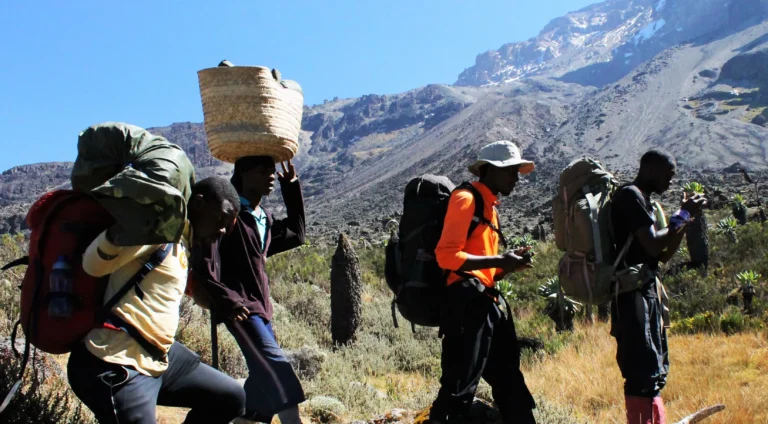
How To Know Whether You Are Ready For Kilimanjaro: A Comprehensive Guide
Climbing Mount Kilimanjaro is a significant undertaking. This guide helps you evaluate your physical, mental, and logistical readiness to ensure a safe and successful trek in 2026 or 2027...
View package details
Kilimanjaro Hydration Mistakes Climbers Make And How To Avoid Them 2026-2027
Proper hydration is critical for a successful Kilimanjaro climb. This guide details common hydration mistakes climbers make, from under-drinking to choosing the wrong fluids, and provides...
View package details
Kilimanjaro Altitude-Sickness Mistakes 2026-2027
Kilimanjaro Altitude-Sickness Mistakes is explained with current 2026-2027 planning, price, itinerary and booking information.
View package details
Kilimanjaro Summit-Night Mistakes To Avoid: Your Essential Guide For Climbs
Summit night on Kilimanjaro is the most challenging part of the climb. Avoiding common mistakes in acclimatization, gear, hydration, and pacing is crucial for success. This guide details...
View package details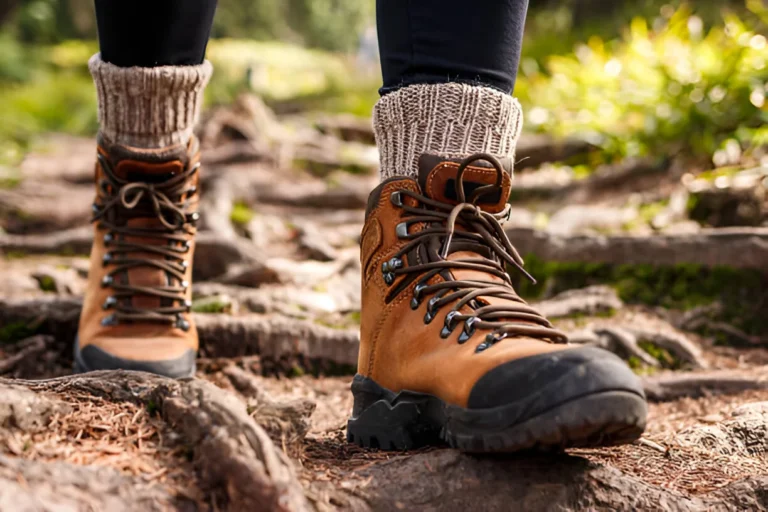
Kilimanjaro Training Mistakes That Reduce Summit Success 2026-2027
Kilimanjaro Training Mistakes that Reduce Summit Success is explained with current 2026-2027 planning, price, itinerary and booking information.
View package details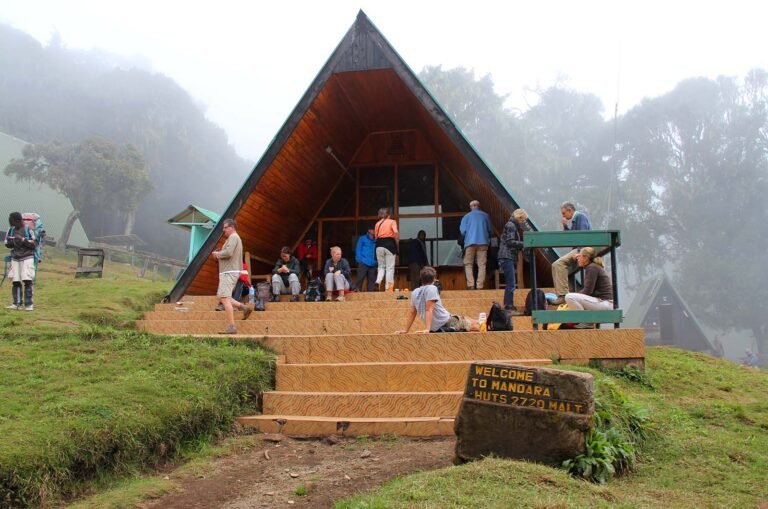
Kilimanjaro Personal Porter Vs Standard Support 2026-2027
Kilimanjaro Personal Porter vs Standard Porter Support is explained with current 2026-2027 planning, price, itinerary and booking information.
View package details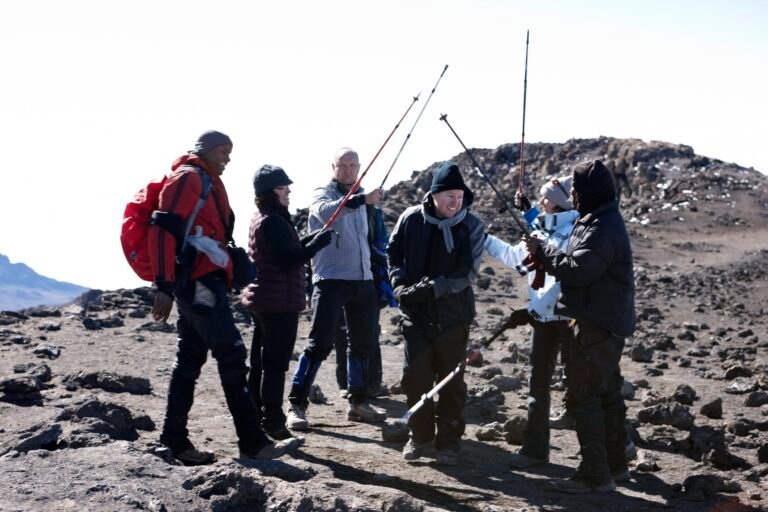
Kilimanjaro Airport Vs Arusha For Climbers: The Definitive Guide 2026-2027
A comprehensive comparison of Kilimanjaro International Airport (JRO) and Arusha Airport (ARK) for trekkers planning a Mount Kilimanjaro climb, detailing pros, cons, and booking advice for...
View package details
Kilimanjaro Climb For Retired Couples: Planning Your Adventure 2026-2027
Planning a Kilimanjaro climb as a retired couple is an achievable and rewarding goal. This guide offers in-depth advice on route selection, physical preparation, essential gear, and the...
View package details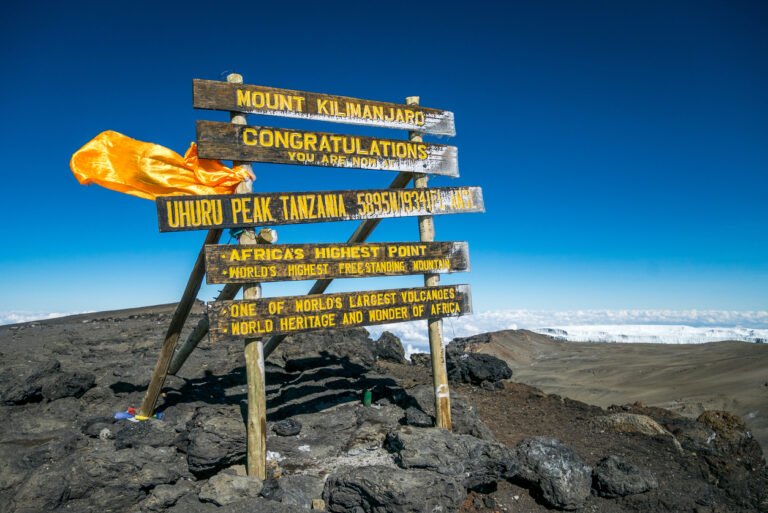
Kilimanjaro Training Plan For Climbers Over 60 2026-2027
Kilimanjaro Training Plan for Climbers over 60 is explained with current 2026-2027 planning, price, itinerary and booking information.
View package details
Can A 16-Year-Old Climb Kilimanjaro? Your Essential Guide 2026-2027
Discover if a 16-year-old can summit Kilimanjaro. This comprehensive guide covers age requirements, health, fitness, essential gear, and planning for younger trekkers aiming for Africa's...
View package detailsNo related package matches those filters. Clear one or more filters to see the other topic-matched options.
Plan your Best Kilimanjaro Tour From Moshi for Beginners with Top Guide Adventures
Tell us your travel dates, group size, comfort level, and dream experience. We will help you shape a clear, realistic, and memorable Tanzania itinerary.



