
A 5-day Ndutu Predator Photography Tour in Tanzania is specifically designed to maximize opportunities for photographing predators like lions, cheetahs, and leopards amidst the massive herds of the Great Migration, typically occurring in the Ndutu area between December and March. This focused itinerary leverages the dense predator populations during this calving season, offering photographers prime viewing and shooting conditions. Expect to spend extended periods observing animal behavior, with expert guides prioritizing photographic needs to ensure you capture the most compelling shots during your 2026-2027 safari adventure.

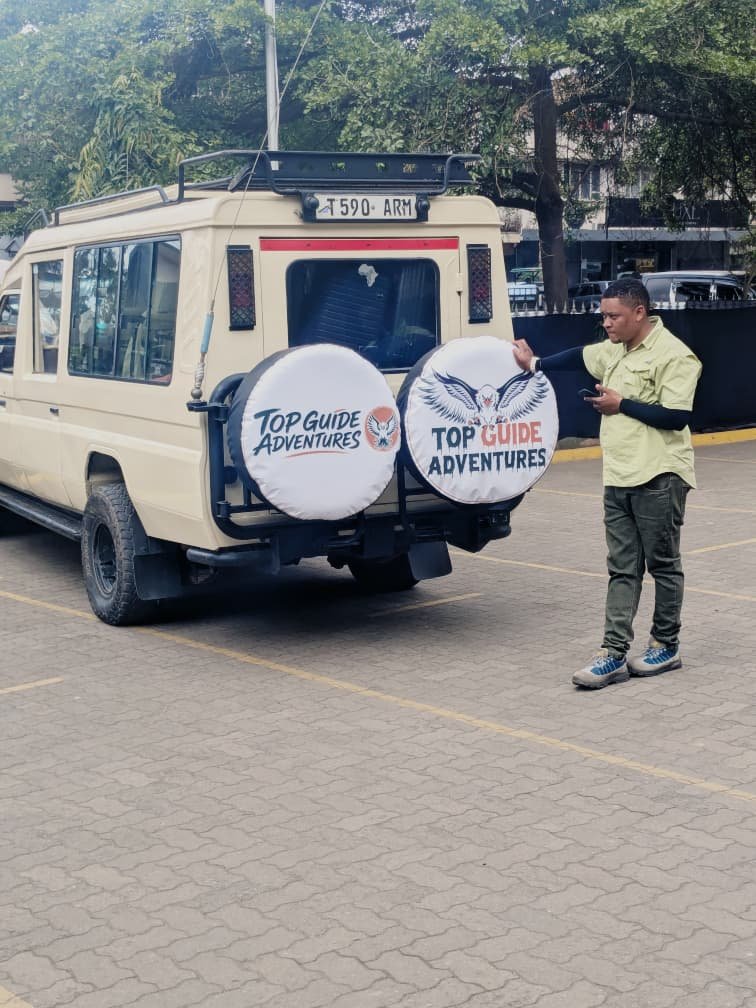
Planning Your 5-Day Ndutu Predator Photography Tour in 2026-2027
The allure of the Serengeti-Mara ecosystem, particularly the Ndutu region, during the Great Migration’s calving season is immense for wildlife photographers. A dedicated 5-Day Ndutu Predator Photography Tour provides an unparalleled chance to witness and capture dramatic predator-prey interactions, the birth of new life, and the sheer scale of millions of wildebeest and zebras. This isn’t just a safari; it’s a specialized photographic expedition focused on the raw power and beauty of African predators.
For photographers planning their trip in 2026-2027, understanding the specific dynamics of the Ndutu area during this period is crucial. This region, bordering the Ngorongoro Conservation Area and the Serengeti National Park, becomes a vibrant hub of activity from late December through March. The short, lush grasses of the southern plains attract vast numbers of wildebeest for calving, which in turn draws an impressive concentration of predators. This concentration is the primary draw for a predator-focused photography tour.
Top Guide Adventures specializes in crafting these niche photographic safaris. We understand that a photographer’s needs differ from those of a general tourist. This means longer hours in the field, strategic positioning for optimal light, patience for behavioral moments, and vehicles adapted for comfortable viewing and photography. Our guides are trained to anticipate photographic opportunities and work with you to achieve your desired shots.
Why Ndutu for Predator Photography?
Ndutu’s unique landscape and seasonal conditions create a predator’s paradise, and consequently, a photographer’s dream:
- Calving Season Abundance: From late January to February, thousands of wildebeest calves are born daily. This influx of vulnerable newborns is a magnet for predators.
- High Predator Density: The abundance of prey supports a high density of lions, cheetahs, leopards, hyenas, and wild dogs. You’re not just looking for predators; you’re often surrounded by them.
- Open Plains: The short grass plains offer relatively unobstructed views, allowing for clear photographic opportunities, especially for cheetahs and lions actively hunting.
- Dramatic Behavior: The combination of calving, territorial disputes, and hunting provides ample opportunities to capture intense, action-packed moments.
- Excellent Light: Early mornings and late afternoons offer soft, golden light that is ideal for wildlife photography, and the Ndutu landscape often provides beautiful backdrops.
What to Expect from a 5-Day Itinerary
A typical 5-Day Ndutu Predator Photography Tour is designed for maximum photographic output. While specific itineraries can be customized, a standard plan focuses on:
- Early Morning and Late Afternoon Game Drives: These are the prime times for predator activity and the best light for photography. Your days will be structured around these golden hours.
- Extended Stays in Key Areas: We’ll spend significant time in areas known for high predator concentrations, allowing for prolonged observation and tracking.
- Flexible Scheduling: Unlike standard safaris, photographic tours often allow for flexibility to wait for a specific behavior or lighting condition.
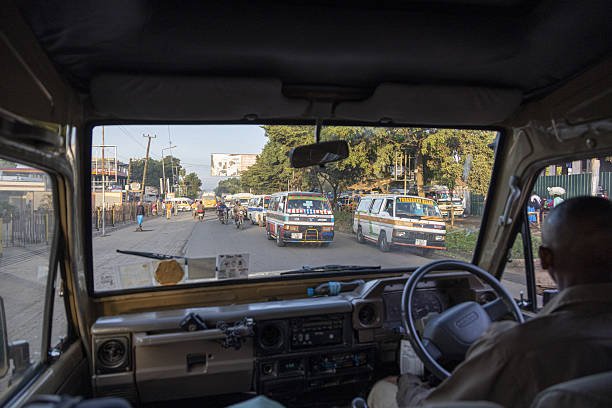
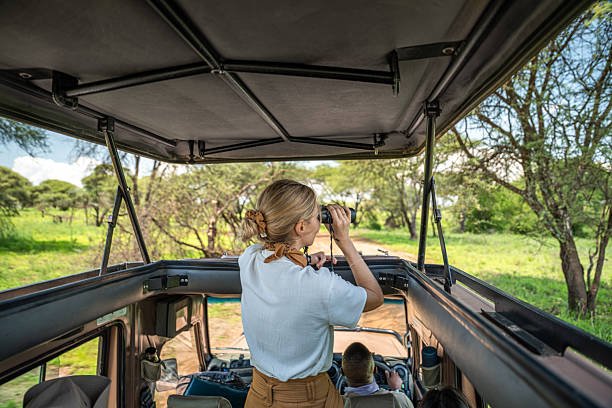
- Comfortable, Photography-Optimized Vehicles: Our safari vehicles are equipped with pop-up roofs or open sides, comfortable seating, and space for your gear, ensuring a good vantage point.
The 2026-2027 season promises to be another spectacular period for wildlife viewing in Ndutu. Booking in advance is highly recommended, especially for peak months like February.
The Heart of the Great Migration: Ndutu’s Predator Haven
The Ndutu region is a critical part of the Serengeti ecosystem, and its importance escalates dramatically during the migration’s wet season. While the Serengeti National Park is famous for its year-round wildlife, the southern plains of Ndutu, within the Ngorongoro Conservation Area, offer a unique spectacle from December to March.
Understanding the Ndutu Ecosystem
Ndutu is characterized by vast, open short-grass plains. These plains are incredibly fertile, receiving seasonal rains that spur rapid grass growth. This abundance of food is the primary reason the wildebeest migration, numbering over 1.5 million individuals, congregates here. The wildebeest arrive from the north and west, seeking fresh grazing and, crucially, the mineral-rich grasses that promote milk production for their newborns.
This concentration of prey creates a feeding frenzy for the resident predators. Lions, in particular, thrive here. The Ndutu area boasts a significant lion population, including large prides that patrol these productive territories. Cheetahs, the fastest land animals, are perfectly suited to the open plains, using their speed to hunt the gazelles and young wildebeest. Leopards, while more elusive, are also present, often found in acacia trees or rocky outcrops. Hyenas are abundant, both in large clans and as opportunistic scavengers, playing a vital role in the ecosystem.
Predator Behavior to Anticipate
A 5-Day Ndutu Predator Photography Tour offers the chance to witness a range of interesting behaviors:
- Hunting Attempts: Observing a cheetah stalk its prey across the plains, or a lion pride coordinate an attack on a wildebeest, is a highlight. These moments are often fleeting and require patience.
- Predator Interactions: Witnessing territorial disputes between prides of lions, or encounters between lions and hyenas, provides dynamic photographic subjects.
- Maternal Care: Observing lionesses with their cubs, or cheetah mothers teaching their young to hunt, offers tender and compelling photographic narratives.
- The Circle of Life: The raw reality of the wild unfolds daily. While intense, these moments are fundamental to the ecosystem’s balance and offer profound photographic subjects.
Why 2026-2027 is a Great Time to Visit
The patterns of the Great Migration are generally consistent, making 2026-2027 a predictable and excellent time for this type of photography tour. The calving season is reliably in full swing, ensuring high predator numbers. Planning your trip for February 2027, for instance, would place you at the peak of this action. The weather during these months is typically warm and dry, with occasional short showers, making game viewing comfortable.
Crafting Your Perfect 5-Day Ndutu Photography Itinerary
While a 5-Day Ndutu Predator Photography Tour is relatively short, its intensity and focus mean every hour counts. Top Guide Adventures works closely with you to tailor an itinerary that maximizes your photographic goals. Here’s a look at what a typical structure might involve:
Day 1: Arrival in Ndutu & First Encounters
You’ll typically fly into Kilimanjaro International Airport (JRO) or Arusha Airport (ARK). From there, you’ll take a light aircraft flight directly to an airstrip within the Ndutu area. Upon arrival, you’ll be met by your dedicated safari guide and vehicle. After a brief transfer to your lodge or camp, the photographic adventure begins immediately with an afternoon game drive. The focus today is on getting acquainted with the landscape and making your first predator sightings.
Day 2 & 3: Deep look at Predator Territory
These two full days are dedicated to exploring the prime predator hotspots within Ndutu. Your guide will use their extensive knowledge of the area and animal movements to position you for the best photographic opportunities. This might involve:
- Early morning drives to catch predators during their most active hunting periods.
- Mid-day breaks at your lodge or camp, allowing you to rest and review your shots, perhaps followed by a short, focused drive if activity warrants.
- Extended late afternoon drives that transition into the golden hour and twilight, capturing dramatic silhouettes and intimate predator moments.
- Tracking specific prides or individuals known to be in the area.
We emphasize patience. Your guide understands that capturing a great photograph often requires waiting for the right moment, the right light, or the right behavior. We’ll prioritize locations with good backgrounds and minimal other vehicles, ensuring a more intimate photographic experience.
Day 4: Exploring Beyond the Plains
While the open plains are Ndutu’s signature, we can also explore slightly different habitats within the conservation area. This might include areas with more acacia woodland or kopjes (rocky outcrops), which can offer different photographic opportunities and may host leopards or different lion prides. This day allows for variety, ensuring you capture the diverse wildlife and landscapes of the region.
Day 5: Final Shoot & Departure
Your final morning offers one last opportunity for an early game drive. Depending on your flight schedule, we can focus on revisiting a favorite spot or seeking out any species you may still wish to photograph. After the drive, you’ll be transferred back to the airstrip for your flight back to Arusha or Kilimanjaro, concluding your intense photographic safari.
This itinerary is a template. For your 2026-2027 trip, we can adjust the pace, focus on specific species, or extend time in certain areas based on your photographic interests.
Photography Tips for Ndutu Predators
To make the most of your 5-Day Ndutu Predator Photography Tour, consider these tips:
- Gear: A telephoto lens (300mm-500mm or longer) is essential for capturing predators from a safe distance. A wider lens (24-70mm) can be useful for landscape shots with animals in context. Bring extra batteries and memory cards.
- Camera Settings: Understand your camera’s autofocus modes for tracking moving subjects. High ISO capabilities are crucial for low-light conditions. Shoot in RAW format to maximize post-processing flexibility.
- Patience: Wildlife photography requires patience. Be prepared to wait for hours for the perfect moment.
- Light: Utilize the golden hours (early morning and late afternoon) for the best light. Learn to use backlighting and silhouettes effectively.
- Observation: Pay attention to animal behavior. Your guide will point out cues, but understanding basic predator behaviors can help anticipate action.
- Respect Wildlife: Always maintain a safe distance and never disturb the animals. Your guide will ensure ethical viewing practices are followed.
Your Top Guide Adventures guide will be an invaluable resource, offering not just tracking skills but also photographic advice tailored to the conditions.
Accommodation Options for Your Photography Tour
Choosing the right accommodation enhances your photographic experience. In Ndutu, options range from luxury tented camps to comfortable lodges, all strategically located to offer access to prime wildlife areas.
- Luxury Tented Camps: These offer an authentic safari feel with modern comforts. Expect spacious canvas tents with en-suite bathrooms, comfortable beds, and excellent dining. Many camps have excellent locations for morning and evening game drives.
- Mid-Range Lodges: Offering comfortable rooms, often with private verandas overlooking the plains, these provide a solid base for photographers. They typically have restaurants and communal areas.
- Mobile Camps (Seasonal): Sometimes, temporary camps are set up in prime migration areas. These offer a very close-to-nature experience.
When booking your 5-Day Ndutu Predator Photography Tour for 2026-2027, discuss your accommodation preferences with us. We can recommend options that best suit your budget and photographic needs, ensuring easy access to game drives and comfortable downtime.
What’s Included in Your Tour?
A comprehensive tour package is essential for a stress-free photographic safari. While specific inclusions can vary, a typical 5-Day Ndutu Predator Photography Tour with Top Guide Adventures would include:
- Accommodation: Based on your chosen level (luxury, mid-range).
- Meals: All meals (breakfast, lunch, dinner) while on safari.
- Game Drives: Daily game drives in a specially equipped 4×4 safari vehicle.
- Park Fees: All entry fees for the Ngorongoro Conservation Area (Ndutu).
- Guide Services: A professional, experienced safari guide and driver.
- Transfers: Transfers from your arrival point in Arusha/Kilimanjaro and internal flights to/from Ndutu airstrip.
- Water: Bottled drinking water during game drives.
What’s Typically Not Included?
- International flights.
- Visa fees.
- Gratuities for guides and camp staff.
- Personal expenses (souvenirs, laundry, drinks).
- Travel insurance.
- Optional activities not listed in the itinerary.
We encourage you to review the detailed itinerary provided upon booking for precise inclusions. For your 2026-2027 safari, clarity on inclusions ensures you can budget effectively.
Cost Considerations for a 5-Day Ndutu Photography Tour
The cost of a 5-Day Ndutu Predator Photography Tour can vary significantly based on several factors:
- Accommodation Level: Luxury lodges and tented camps will be more expensive than mid-range options.
- Vehicle Type: While standard safari vehicles are used, some operators might offer specialized photography vehicles at a premium.
- Season: Peak season (typically Dec-Feb) might have slightly higher rates than shoulder periods.
- Group Size: Private tours are more expensive per person than shared departures.
As a general guideline for 2026-2027:
Estimated Cost Range (per person, based on two sharing):
- Mid-Range: Approximately $2,200 – $3,000 USD
- Luxury: Approximately $3,500 – $5,500+ USD
This estimate typically includes accommodation, meals, park fees, internal flights, and game drives. It’s crucial to get a personalized quote.
Top Guide Adventures is committed to providing excellent value. We offer competitive pricing for our specialized photographic tours. Contact us directly for a detailed, personalized quote for your 2026-2027 adventure.
Booking Your 2026-2027 Ndutu Photography Safari
Securing your spot on a 5-Day Ndutu Predator Photography Tour for the 2026-2027 season requires advance planning. The peak migration season is highly sought after, and lodges and internal flights can fill up quickly.
Recommended Booking Window:
- For peak season (December-March): Book at least 6-12 months in advance. For 2027, aiming to book by mid-2026 is advisable.
Top Guide Adventures is your expert partner in planning this specialized safari. We handle all the logistics, from flights and accommodation to ensuring you have the best guides and vehicles for photographic success. Our team is passionate about creating unforgettable wildlife photography experiences.
Ready to Capture the Action?
Don’t miss the opportunity to witness and photograph the incredible predator action in Ndutu during the Great Migration. Whether you’re an experienced wildlife photographer or an enthusiast looking to capture stunning images, our 5-Day Ndutu Predator Photography Tour is designed for you.
Get in touch with us today to discuss your 2026-2027 safari plans. We’re here to answer all your questions and help you craft the perfect photographic journey.
Contact Top Guide Adventures:
- WhatsApp: +255616946642
- Email: topguideadventures@gmail.com
- Backup Email: info@topguideadventures.com
- Website: www.topguideadventures.com
Let us help you plan an extraordinary 5-Day Ndutu Predator Photography Tour that will fill your memory cards and your heart.
Check Availability for 5-Day Ndutu Predator Photography Tour: Expert Guide For 2026-2027
Ready to compare dates, prices, and the best option for your group? Send the package name and travel month so the team can reply with a clear quote, availability, and what is included.
 3-Day Ndutu Calving Season Safari: Witness The Great Migrations Peak 2026-2027A detailed 2026-2027 guide to 3-Day Ndutu Calving Season Safari, with clear planning and booking information for travelers.View package
 6-Day Northern Serengeti Photography Safari: Your Ultimate Guide 2026-2027Plan an unforgettable 6-day Northern Serengeti photography safari designed for capturing iconic wildlife moments. This guide covers optimal…View package
 5-Day Central Serengeti Photography Tour: Expert Guide 2026-2027A detailed 2026-2027 guide to 5-Day Central Serengeti Photography Tour, with clear planning and booking information for travelers.View package
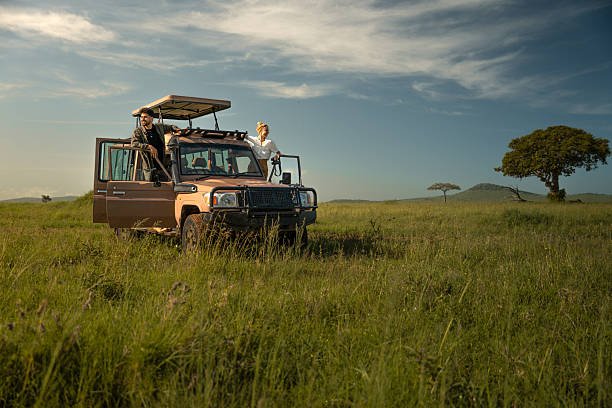 Your 4-Day Southern Serengeti Migration Safari Adventure 2026-2027Discover the wonders of a 4-day Southern Serengeti Migration safari, expertly crafted to showcase the dramatic calving season in the Ndutu…View package
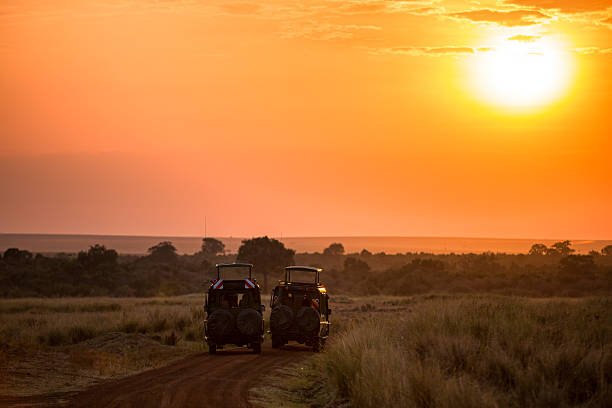 Northern Serengeti Mobile Camp Adventure: Your Ultimate Guide 2026-2027Discover the magic of a Northern Serengeti mobile camp adventure, a unique way to witness the Great Migration and abundant wildlife up close…View package
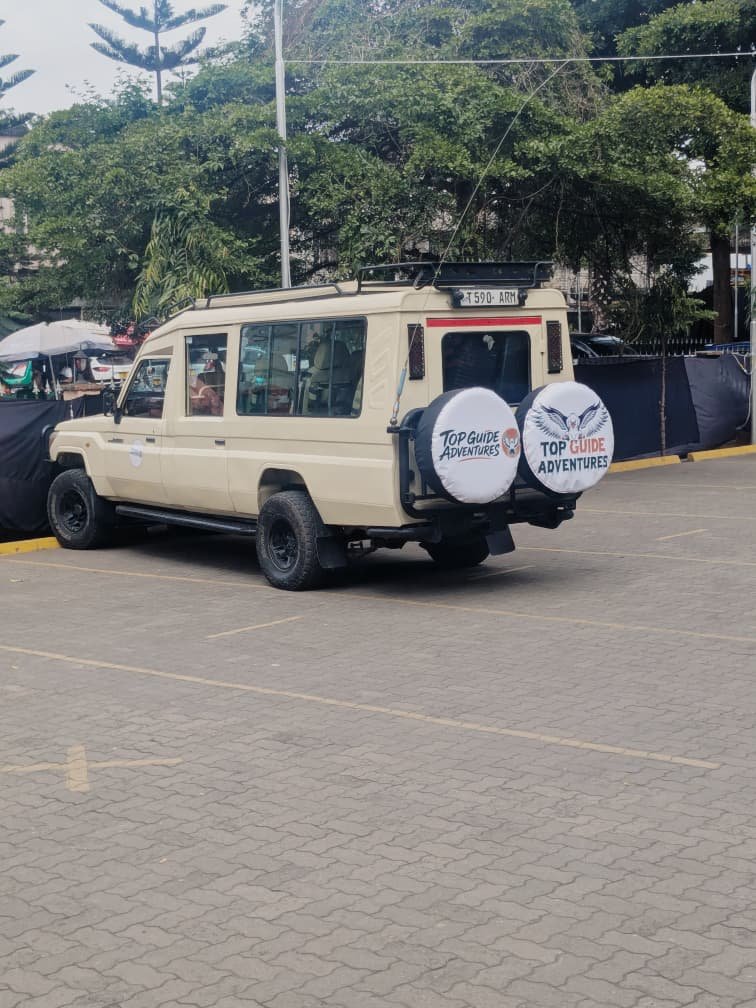 Northern Serengeti Balloon Safari: An Unforgettable Aerial Adventure 2026-2027Discover the magic of a Northern Serengeti balloon safari, offering a unique perspective on the Great Migration and vast plains. This guide…View package
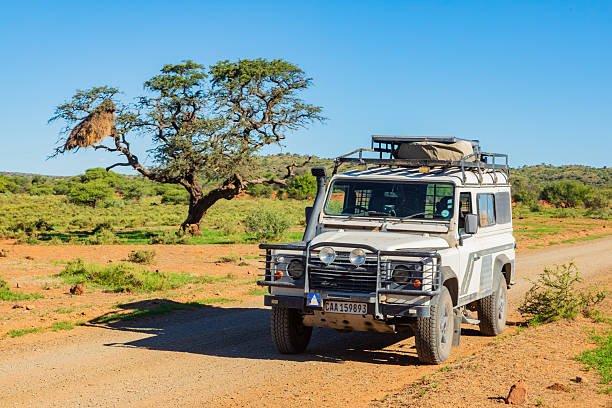 Northern Serengeti Walking Safari: An Unforgettable Wilderness ExperienceDiscover the magic of a Northern Serengeti walking safari, offering an intimate and thrilling way to explore one of Africa's most iconic…View packageNorthern Serengeti And Masai Mara Package: The Ultimate Wildlife AdventureA detailed 2026-2027 guide to Northern Serengeti and Masai Mara Package, with clear planning and booking information for travelers.View package
 Northern Serengeti Luxury Migration Safari: Ultimate Guide 2026-2027A detailed 2026-2027 guide to Northern Serengeti Luxury Migration Safari, with clear planning and booking information for travelers.View package
 4-Day Mara River Crossing Safari: Witness The Great Migration In 2026-2027A 4-day Mara River crossing safari offers a concentrated, intense experience of the Great Migration's most dramatic moments in Tanzania's…View package3-Day Northern Serengeti Migration Safari: Your Expert Guide 2026-2027Discover the thrill of a 3-day Northern Serengeti migration safari, highlighting the iconic river crossings. This guide provides essential…View package
 Northern Serengeti Safari: The Ultimate Wildlife Experience In 2026-2027The Northern Serengeti is renowned for its dramatic landscapes and exceptional wildlife viewing, particularly during the Great Migration. This…View package


