
A 6-day Northern Serengeti photography safari is an intensive photographic journey focused on capturing the dramatic landscapes and abundant wildlife of the Serengeti’s northern sector, particularly during the Great Migration river crossings. This itinerary prioritizes prime viewing and shooting opportunities, often utilizing open-top safari vehicles and experienced guides skilled in wildlife tracking and photographic needs, typically running from July to October each year, with planning for 2026-2027 expeditions starting now.
Why Choose the Northern Serengeti for Photography?
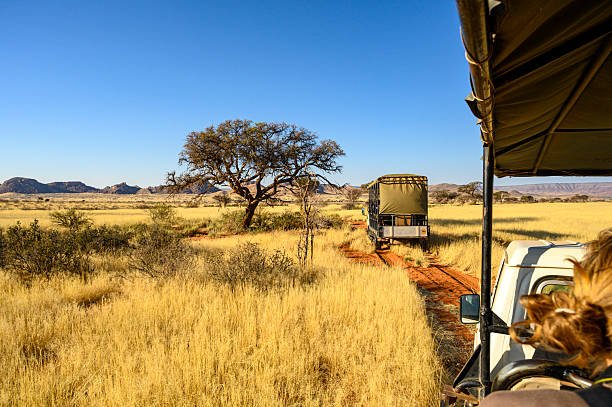
The Northern Serengeti is a world-renowned destination for wildlife photographers, and a dedicated 6-day safari here offers an unparalleled chance to capture iconic African moments. Unlike other regions, the north is famed for its dramatic river crossings of the Great Migration, offering dynamic and thrilling photographic subjects. The landscape itself, with its rolling hills, acacia woodlands, and the Mara River, provides a stunning backdrop for your shots.
The Allure of the Great Migration in the North
From roughly July to October, the vast herds of wildebeest and zebras make their perilous journey across the Mara River. This is the highlight for many photographers. Witnessing and capturing thousands of animals crossing the crocodile-infested waters is an experience unlike any other. The sheer scale, the tension, the drama – it’s a photographer’s dream. The Northern Serengeti provides front-row seats to this spectacular event.
Beyond the Migration: Resident Wildlife Opportunities
While the migration is a major draw, the Northern Serengeti is rich with resident wildlife year-round. You’ll find excellent populations of lions, leopards, cheetahs, elephants, giraffes, buffaloes, and a myriad of bird species. The more open plains and riverine forests offer different photographic challenges and opportunities compared to the central or southern Serengeti. Photographers can capture intimate predator-prey interactions, family groups of elephants, or the stealthy stalk of a leopard.
Landscape Photography Potential
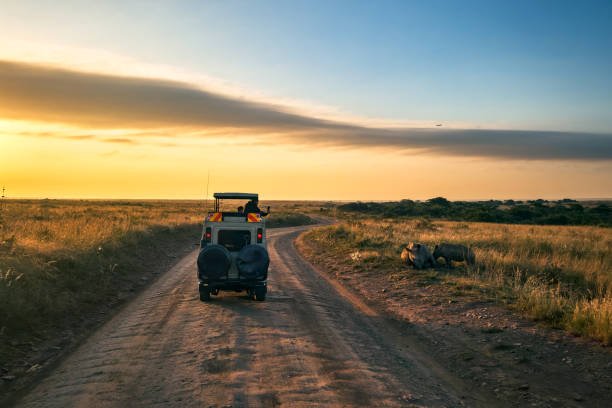
The dramatic scenery of the Northern Serengeti shouldn’t be overlooked. The Mara River gorge, the vast open plains stretching to the horizon, and the unique acacia trees create visually striking scenes. Sunrise and sunset casts a golden glow over the land, offering opportunities for impressive landscape shots that complement your wildlife photography.
Structuring Your 6-Day Northern Serengeti Photography Safari
A well-planned 6-day itinerary is crucial for maximizing photographic opportunities. The focus should be on spending ample time in prime locations, allowing for patient observation and waiting for the perfect shot. This structure prioritizes flexibility and photographic needs.
Day 1: Arrival in Kilimanjaro & Transfer to Arusha
Your photographic journey begins with your arrival at Kilimanjaro International Airport (JRO). You will be met by a representative from Top Guide Adventures and transferred to your comfortable lodge in Arusha. This day is for resting, acclimatizing, and preparing your gear for the adventure ahead. You can discuss your photographic goals with your guide, ensuring they understand your specific interests.
Day 2: Flight to Kogatende & First Game Drive
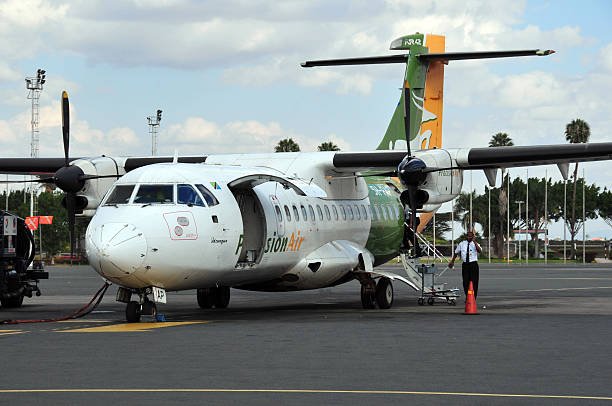
After breakfast, you’ll be transferred to Arusha Airport (ARK) for your scenic bush flight to Kogatende Airstrip in the Northern Serengeti. This flight itself offers spectacular aerial views of the Tanzanian landscape. Upon landing, you’ll be met by your dedicated safari guide and vehicle. After a short introductory game drive en route to your lodge or camp, you’ll settle in and prepare for your first afternoon photography session. The Kogatende area is renowned for its lion prides and excellent chances of witnessing river crossings.
Day 3-5: Dedicated Photography in Kogatende & Lamai Wedge
These three days are the core of your 6-day Northern Serengeti photography safari. Your schedule will be flexible, dictated by wildlife movements and photographic opportunities. Early morning and late afternoon drives are essential for the best light and animal activity. You’ll spend significant time around the Mara River and the Lamai Wedge, areas that consistently offer dramatic migration action.
- Morning Photography: Depart before sunrise to capture the ‘golden hour’ light. Focus on predators on the move, wildebeest gathering at the river, or birds in flight.
- Midday Break: Return to camp for lunch and a rest during the hottest part of the day. This is also a good time to review your photos, clean your gear, and plan for the afternoon.
- Afternoon Photography: Head out again in the late afternoon, seeking out different wildlife encounters or returning to a promising river crossing point. The ‘magic hour’ before sunset provides stunning light.
- Night Game Drives (Optional): Depending on your camp’s policy and regulations, a night game drive can offer opportunities to photograph nocturnal animals.
Day 6: Final Morning Drive & Departure
Enjoy one last early morning game drive to capture any final shots you desire. After breakfast, you’ll be transferred back to Kogatende Airstrip for your bush flight to Arusha. From Arusha, you can connect to your international flight home or continue your travels in Tanzania.
Prime Photographic Locations within the Northern Serengeti
Understanding the specific areas within the Northern Serengeti will help you appreciate the photographic potential. The key zones are:
The Mara River
This is the undisputed star of the Northern Serengeti during the migration season. The river is a natural barrier, forcing the wildebeest and zebras to confront their fears – and the lurking crocodiles – to reach the fresh grazing on the northern bank. The crossings are unpredictable, making patience and keen observation paramount. Photographers will want to position themselves at known crossing points, ready to capture the chaos, the leaps, and the dramatic moments.
Lamai Wedge
Adjacent to the Mara River, the Lamai Wedge is a prime area for viewing migration herds as they congregate before attempting a crossing. It’s also a known hunting ground for lions and leopards, offering excellent predator photography opportunities. The landscape here is characterized by rocky outcrops and open grasslands, providing varied backdrops.
Kogatende Plains
These vast plains surrounding Kogatende are home to large numbers of wildebeest, zebras, and gazelles during the migration. They are also patrolled by prides of lions, cheetahs, and hyenas. The open nature of the plains allows for tracking animals from a distance and capturing them in their natural habitat, often with dramatic skies in the background.
Grumeti River (Northern Section)
While the Grumeti River is more famous in the Central Serengeti, its northern reaches also attract wildlife. It can offer opportunities for river crossings, though typically less dramatic than the Mara. It’s also a good area for leopards and other predators.
Essential Photography Gear for Your Safari
To make the most of your 6-day Northern Serengeti photography safari, having the right gear is essential. Given the wildlife and environment, consider the following:
Camera Bodies
- DSLR or Mirrorless Camera: A camera with good low-light performance and fast autofocus is ideal. Full-frame sensors are advantageous for image quality, especially in challenging light.
- Backup Body: For a dedicated photography trip, consider bringing a second camera body to quickly switch lenses or to have a backup in case of malfunction.
Lenses
This is where careful selection is key. You’ll want a range to cover different scenarios:
- Telephoto Zoom Lens (e.g., 100-400mm, 150-600mm): This is your workhorse lens for wildlife. It allows you to get close-up shots of animals from the vehicle without disturbing them. Look for lenses with image stabilization.
- Mid-Range Zoom Lens (e.g., 24-70mm, 24-105mm): Useful for wider shots, including landscapes, larger herds, or when animals are closer.
- Prime Lens (e.g., 50mm f/1.8 or 85mm f/1.8): Excellent for low-light conditions and achieving beautiful background blur (bokeh), particularly for portraits of animals.
- Wide-Angle Lens (e.g., 16-35mm): For dramatic landscapes, sunrises, sunsets, and capturing the vastness of the Serengeti.
Accessories
- Tripod/Monopod: Essential for stability, especially with long telephoto lenses and in low light. A monopod is more practical in a vehicle.
- Extra Batteries: You’ll be shooting a lot, so pack plenty of spares.
- Memory Cards: Bring a variety of high-speed, high-capacity SD cards.
- Lens Cleaning Kit: Dust is inevitable. Wipes, a blower, and microfiber cloths are a must.
- Rain Cover: For your camera and lens, especially during the rainy seasons or for unexpected downpours.
- Polarizing Filter: Reduces glare and enhances saturation, especially useful for skies and water.
- Power Bank/Charger: To keep your batteries and devices charged on the go.
- Laptop/Tablet: For backing up photos and reviewing your work.
- Camera Bag: A comfortable and protective bag is essential for carrying your gear.
Photography Tips for the Northern Serengeti
Beyond gear, specific techniques can elevate your photography on this safari.
Mastering the Light
- Golden Hours: The periods shortly after sunrise and before sunset offer the most flattering light – soft, warm, and casting long shadows that add depth. Plan your game drives around these times.
- Midday Sun: Avoid shooting directly under the harsh midday sun, as it creates strong shadows and washes out colors. Use this time for landscapes with interesting textures or for resting.
- Backlighting: Experiment with backlighting, especially for subjects like wildebeest during river crossings, to create dramatic silhouettes or rim lighting effects.
Composition Techniques
- Rule of Thirds: Place your subject off-center to create a more balanced and engaging image.
- Leading Lines: Use natural elements like rivers, tracks, or fences to guide the viewer’s eye into the frame.
- Framing: Use foreground elements like branches or rocks to frame your subject, adding depth and context.
- Negative Space: Don’t be afraid to leave empty space around your subject to emphasize its isolation or the vastness of its environment.
- Capture Behavior: Look for moments of interaction – a mother and calf, a predator stalking, birds in flight, or the dynamics of a river crossing. These tell a story.
Vehicle-Based Photography
- Stability is Key: Use the vehicle’s support (window sill, beanbag) to stabilize your lens. A monopod can be very useful.
- Shooting Through Openings: Most safari vehicles have open tops or sides. Position yourself to shoot through these openings, minimizing obstructions.
- Respect Wildlife Distance: Your guide will ensure you maintain a safe and respectful distance. Use your telephoto lens to get close-up shots without disturbing the animals.
- Movement: Be aware of the vehicle’s movement. Try to shoot when the vehicle is stationary or moving slowly and smoothly.
Patience and Observation
Photography in the Serengeti is as much about waiting as it is about shooting. Spend time observing animal behavior. The most rewarding shots often come after periods of patient waiting for the right moment.
Best Time for a Northern Serengeti Photography Safari (2026-2027)
While the Serengeti offers incredible wildlife viewing year-round, the Northern Serengeti is most famous for the Great Migration river crossings, which typically occur between July and October. This period offers the highest chance of witnessing these dramatic events.
- July: Herds begin to arrive in the Northern Serengeti, with crossings often starting mid-month.
- August: Generally considered the peak month for river crossings. Large numbers of wildebeest and zebras are present, and crossings are frequent.
- September: Crossings continue, though numbers might start to dwindle towards the end of the month as herds move towards the Western Corridor or begin their journey south.
- October: The last month for potential crossings in the north before the herds move south and east.
For photographers specifically interested in the river crossings, planning your 6-day Northern Serengeti photography safari for August 2026 or August 2027 would be ideal. However, the Northern Serengeti also boasts excellent resident wildlife populations outside of the migration season, making it a worthwhile destination at other times for those interested in predators, leopards, and diverse birdlife.
Accommodation Options for Photographers
Your choice of accommodation can significantly impact your photographic experience. Lodges and camps in the Northern Serengeti range from luxurious tented camps to more permanent lodges. For photographers, proximity to wildlife hotspots and vehicles equipped for photography are key considerations.
Tented Camps
- Luxury Tented Camps: Offer a comfortable and authentic safari experience with spacious tents, en-suite bathrooms, and excellent service. Many are strategically located near the Mara River.
- Mobile Tented Camps: These camps move with the migration, offering the closest possible access to the action. They provide a more rustic but incredibly in-depth experience.
Lodges
- Permanent Lodges: Offer more amenities and stability. Some lodges in the north have private conservancies or exclusive access areas, providing more intimate wildlife viewing.
When booking, discuss your photographic needs with Top Guide Adventures. We can recommend accommodations that are well-positioned for wildlife viewing and offer the necessary amenities for photographers, such as power for charging batteries and comfortable common areas for reviewing photos.
Choosing the Right Safari Vehicle and Guide
For a dedicated photography safari, the vehicle and guide are as important as your camera gear.
Safari Vehicle Features for Photographers
- Open-Top Vehicles: Essential for unobstructed 360-degree views and shooting angles.
- Pop-Top Roofs: Provide height and a stable platform for shooting, especially useful for capturing herds or landscapes.
- Beanbags: Many operators provide beanbags, which are invaluable for stabilizing telephoto lenses when shooting from a vehicle.
- Lowered Sides: Some custom vehicles are designed with lower sides to allow for better shooting angles close to the ground.
Top Guide Adventures specializes in tailoring safari experiences. We can arrange for vehicles that are specifically suited for photography, ensuring you have the best platform for capturing your shots. Discuss your needs when you inquire.
The Role of Your Photography Guide
Your safari guide is your eyes and ears in the bush. For a photography safari, an experienced guide should:
- Understand Photography: They should know the best times of day for light, understand photographic composition, and be patient.
- Wildlife Tracking Skills: Excellent tracking abilities are crucial for finding wildlife, especially elusive predators like leopards.
- Knowledge of the Area: Familiarity with the Northern Serengeti’s prime locations and animal movements is essential.
- Flexibility: Be willing to spend extended time at a sighting if the photographic opportunities are good, rather than rushing to the next location.
- Communication: A good guide communicates effectively, discussing sightings and potential photo opportunities with you.
Our guides at Top Guide Adventures are trained to work with photographers, understanding the unique requirements of capturing compelling images. They are passionate about wildlife and dedicated to helping you achieve your photographic goals.
Planning Your 2026-2027 Northern Serengeti Photography Safari
Planning ahead is key, especially for peak season travel. Here’s what you need to consider for your 2026-2027 trip:
Booking Window
For the prime migration season (July-October), it’s advisable to book your 6-day Northern Serengeti photography safari at least 9-12 months in advance. This is especially true for 2026 and 2027, as popular camps and lodges fill up quickly.
Visa and Health Requirements
- Visas: Check the latest visa requirements for Tanzania well in advance. Many nationalities can obtain a visa on arrival, but applying online beforehand is often recommended.
- Vaccinations: Consult your doctor or a travel clinic regarding recommended vaccinations and malaria precautions for Tanzania. Yellow fever vaccination may be required.
Travel Insurance
Comprehensive travel insurance is essential. Ensure it covers medical emergencies, evacuation, trip cancellation, and loss or damage to your photographic equipment.
Budget Considerations
Photography safaris can be more expensive due to the need for specialized vehicles, longer game drives, and potentially higher-end accommodation. A 6-day Northern Serengeti photography safari typically falls into the mid-range to luxury category. Factors influencing cost include:
- Accommodation type: Luxury lodges and tented camps are more expensive.
- Vehicle type: Private, custom-built photography vehicles will incur higher costs.
- Time of year: Peak season (July-October) is the most expensive.
- Park fees: These are standard for all visitors.
- Flights: Internal bush flights are a significant component.
We recommend contacting us at Top Guide Adventures for a personalized quote based on your specific requirements and travel dates for 2026 or 2027. You can reach us via WhatsApp +255616946642 or Email topguideadventures@gmail.com.
What to Expect on Your 6-Day Northern Serengeti Photography Safari
This is an intensive photographic expedition. Expect long days in the field, early starts, and late finishes, all driven by the pursuit of the perfect shot. The focus is on maximizing time with wildlife and in prime locations.
Daily Schedule
Your days will revolve around the best light and animal activity. Typically, this means:
- Pre-dawn wake-up calls.
- Early morning game drive (often 6:00 AM – 11:00 AM).
- Return to camp/lodge for brunch/lunch and rest.
- Late afternoon game drive (often 3:00 PM – 6:30 PM or later).
- Dinner and discussion of the day’s sightings and plans for the next.
Wildlife Encounters
Be prepared for an incredible array of wildlife. The Northern Serengeti is particularly known for:
- Great Migration Herds: Millions of wildebeest and zebras.
- Predators: Large prides of lions, cheetahs, leopards, hyenas, and wild dogs.
- Elephants and Buffaloes: Often seen near water sources.
- Giraffes and Various Antelopes: Including impalas, gazelles, and dik-diks.
- Birdlife: A vast diversity of species, including raptors and water birds.
The River Crossing Experience
Witnessing a river crossing is an emotional and visually stunning event. It is unpredictable, and sometimes you might wait for hours or even days for a significant crossing. When it happens, it is pure, raw nature. Be ready with your camera settings adjusted for action.
Sustainability and Ethical Photography
As photographers, we have a responsibility to practice ethical wildlife viewing and photography. Top Guide Adventures is committed to responsible tourism.
- Respect Wildlife: Always maintain a safe distance. Never feed or disturb animals.
- Follow Guide’s Instructions: Your guide is trained in wildlife behavior and safety. Listen to them carefully.
- Minimize Vehicle Impact: Avoid driving off-road unless instructed by your guide for specific photographic access. Stay on designated tracks.
- No Flash Photography: Avoid using flash, especially at night, as it can startle and disorient animals.
- Leave No Trace: Take all your rubbish with you and leave the environment as you found it.
Practicing ethical photography ensures that these incredible creatures and their habitats are protected for future generations and for future photographers planning trips in 2026, 2027, and beyond.
Why Choose Top Guide Adventures for Your 6-Day Northern Serengeti Photography Safari?
Top Guide Adventures is a locally owned and operated Tanzanian company with extensive experience in organizing tailor-made safaris. We understand the nuances of the Serengeti and the specific needs of photographers.
- Expert Guides: Our guides are passionate, knowledgeable, and experienced in wildlife tracking and photography.
- Customized Itineraries: We craft each safari to meet your individual photographic goals and preferences.
- Quality Vehicles: We provide well-maintained, open-top 4×4 safari vehicles equipped with beanbags for photographers.
- Prime Accommodation: We partner with lodges and camps that offer excellent locations and comfort.
- Commitment to Excellence: Our goal is to provide an unforgettable and smooth photographic safari experience.
Let us help you plan your dream 6-Day Northern Serengeti Photography Safari for 2026-2027. Contact us today to discuss your photographic aspirations and let us create a custom itinerary that captures the magic of the Serengeti. Reach us via WhatsApp +255616946642, Email topguideadventures@gmail.com, or our backup email info@topguideadventures.com. Visit our website Top Guide Adventures for more information on our services.
Check Availability for 6-Day Northern Serengeti Photography Safari: Your Ultimate Guide 2026-2027
Ready to compare dates, prices, and the best option for your group? Send the package name and travel month so the team can reply with a clear quote, availability, and what is included.
Serengeti And Ngorongoro Safari Without Luxury: Your Options For 2026-2027
Discover how to experience the wonders of the Serengeti and Ngorongoro Crater on a safari that prioritizes incredible wildlife viewing and authentic experiences over luxury accommodations...
View package details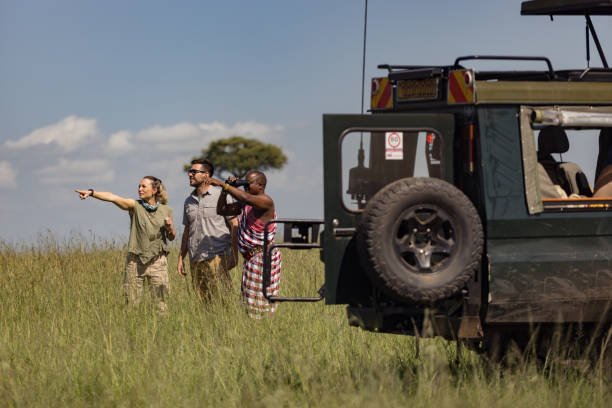
Which Local Tanzania Safari Companies Are Trustworthy In ? 2026-2027
Choosing a trustworthy local Tanzania safari company is crucial for a memorable and safe adventure. This guide helps you identify reliable operators for your 2026-2027 trip, covering...
View package details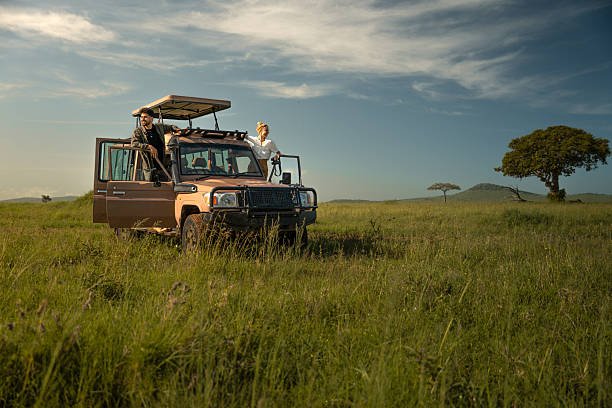
Three Days For Safari In Tanzania: Where To Go An Unforgettable Experience
If you have just three days for a safari in Tanzania, the most recommended destinations for a concentrated and rewarding wildlife experience are the Ngorongoro Conservation Area and...
View package detailsWe Are Arriving At Kilimanjaro Airport, What Safari Itinerary Should We Do?
Planning your safari upon arrival at Kilimanjaro Airport (JRO)? This guide provides tailored safari itineraries for 2026-2027, focusing on Northern Tanzania's iconic parks like the...
View package details
7 Days In Tanzania: Your Expertly Planned Safari Itinerary For 2026-2027
Discover a perfectly crafted 7-day Tanzania safari itinerary for 2026-2027, designed to maximize wildlife viewing and cultural experiences in the Serengeti and Ngorongoro Crater.
View package details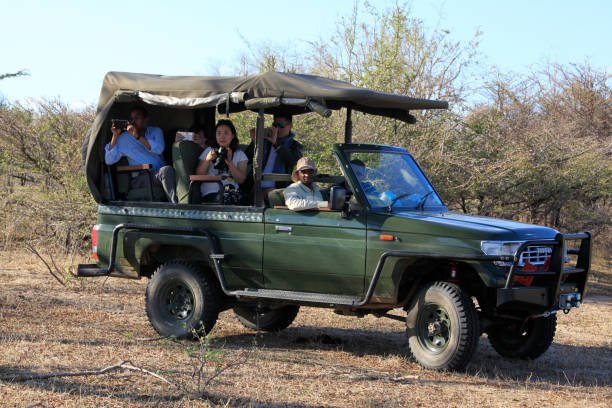
6-Day Nyerere Safari And Zanzibar Holiday: Your Ultimate Tanzania Adventure
Discover the perfect blend of adventure and relaxation with a 6-day Nyerere Safari and Zanzibar holiday. Explore the vast wilderness of Nyerere National Park, renowned for its large...
View package details
6-Day Southern Tanzania Wildlife Safari With Top Guide Adventures 2026-2027
Discover the wild heart of Tanzania on a 6-day Southern Tanzania wildlife safari. This itinerary highlights the unique ecosystems and abundant wildlife of Selous Game Reserve and Ruaha...
View package details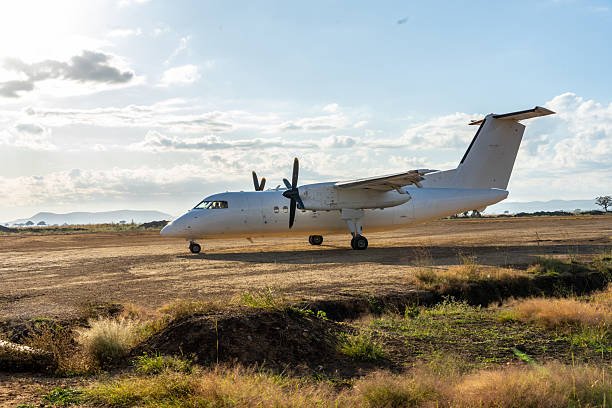
6-Day Nyerere And Ruaha Safari Guide
Discover the untamed beauty of Southern Tanzania with a 6-day safari combining the vast wilderness of Nyerere National Park (formerly Selous) and the dramatic landscapes of Ruaha National...
View package details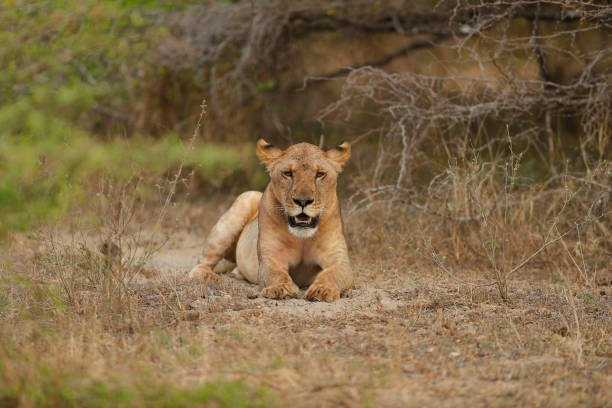
6-Day Selous, Mikumi & Udzungwa Safari: Southern Tanzanias Wildlife Trio
Discover the untamed beauty of Southern Tanzania on a 6-day safari adventure. This journey takes you through the vast Selous Game Reserve, the wildlife-rich Mikumi National Park, and the...
View package details
6-Day Nyerere And Mikumi Safari Guide
Discover the untamed beauty of Southern Tanzania on a 6-day safari adventure through Nyerere National Park (formerly Selous Game Reserve) and Mikumi National Park. This itinerary offers a...
View package details
5-Day Mikumi, Nyerere And Zanzibar Safari Package With Top Guide Adventures
Combine the thrilling wildlife encounters of Mikumi and Nyerere National Parks with the tropical allure of Zanzibar on this unforgettable 5-day safari package. This itinerary offers a...
View package details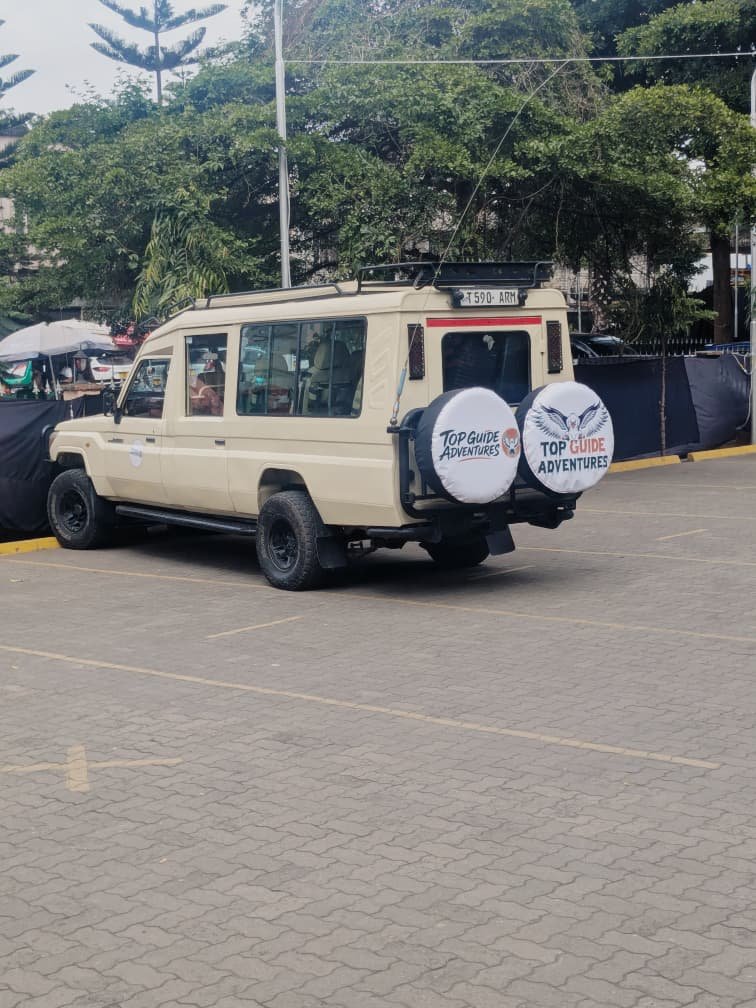
6-Day Nyerere, Mikumi, And Udzungwa Safari: Your Southern Tanzania Adventure
Explore the wild heart of Southern Tanzania on a 6-day safari adventure. This journey combines the vast wilderness of Nyerere National Park (formerly Selous), the abundant wildlife of...
View package detailsNo related package matches those filters. Clear one or more filters to see the other topic-matched options.



