
A Northern Serengeti walking safari offers an intimate, ground-level perspective on one of Africa’s most legendary wildlife destinations, allowing you to explore the vast plains, riverine forests, and kopjes on foot with experienced guides, often focusing on the smaller details of the ecosystem alongside tracking larger game, and is best experienced during the dry seasons when wildlife congregates near permanent water sources.
Understanding the Northern Serengeti Walking Safari Experience
The Northern Serengeti, particularly the Kogatende and Lamai Wedge areas, is renowned for its dramatic river crossings during the Great Migration and its resident wildlife populations that thrive year-round. A walking safari here transforms a typical game drive into a deeply personal and sensory journey. It’s about trading the enclosed vehicle for the open air, the rumble of an engine for the crunch of dry grass underfoot, and the distant view for an immediate, palpable connection with the wilderness. This isn’t just about seeing animals; it’s about understanding their tracks, their scents, the sounds of their movements, and the intricate web of life that defines this remarkable ecosystem.
For travelers in 2026-2027 seeking a profound safari experience, the Northern Serengeti walking safari stands out. It appeals to those who crave authenticity, a slower pace, and a chance to truly disconnect from the everyday. You’ll learn to read the landscape, identify flora and fauna that might otherwise be missed, and appreciate the sheer scale and raw beauty of the Serengeti from a unique vantage point. It’s an adventure that engages all your senses and leaves an indelible mark.
Why Choose the Northern Serengeti for a Walking Safari?
The Northern Serengeti offers a distinct advantage for walking safaris due to its specific geographical features and wildlife patterns. While the Serengeti as a whole is vast, the northern sector presents unique opportunities:
- The Great Migration: From approximately June to October, the Grumeti and Mara Rivers in the north become focal points for the wildebeest and zebra herds. Witnessing these epic river crossings on foot (from a safe and guided distance) is an unparalleled spectacle.
- Resident Wildlife: Beyond the migration, the north boasts significant populations of lions, leopards, cheetahs, elephants, giraffes, and a rich diversity of birdlife. Walking allows for close observation of these animals in their natural habitat, often revealing behaviors not easily seen from a vehicle.
- Diverse Landscapes: The region features a mosaic of open grasslands, acacia woodlands, rocky kopjes, and the vital riverine areas. Each landscape offers different walking opportunities and a unique set of species to discover.
- Fewer Crowds: Compared to some of the more accessible central or southern Serengeti areas, the northern sector, especially outside the peak migration months, can feel more exclusive and less crowded, enhancing the sense of wilderness.
The combination of these factors makes the Northern Serengeti an exceptional choice for those looking to combine the thrill of migration sightings with the intimate experience of walking safaris. The expertise of local guides, like those from Top Guide Adventures, is crucial in navigating these areas safely and maximizing wildlife viewing opportunities.
What to Expect on a Northern Serengeti Walking Safari
A walking safari in the Northern Serengeti is not about covering vast distances quickly. It’s a deliberate, mindful exploration. Your days will typically involve:
- Early Morning Departures: Often starting just after sunrise, when the air is cool and wildlife is most active.
- Guided Treks: Accompanied by at least two armed rangers – one lead guide and a second who covers the rear. Their knowledge of tracking, animal behavior, and bushcraft is paramount for your safety and enrichment.
- Focus on Detail: Your guide will point out animal tracks, droppings, alarm calls of birds, and the medicinal uses of plants. You’ll learn to identify different species by their spoor and understand the ecosystem’s subtle cues.
- Wildlife Encounters: While you won’t be actively seeking out dangerous game at extremely close range on foot (this is usually managed with extreme caution and specific protocols), you can expect to encounter various herbivores, smaller predators, and abundant birdlife. Should a large, potentially dangerous animal be encountered, your guide will assess the situation and ensure everyone’s safety, which might involve observing from a distance or carefully moving away.
- Picnic Lunches: Many walking safaris include a packed lunch enjoyed in a scenic spot, offering a moment of rest and reflection amidst the wilderness.
- Return to Camp: You’ll typically return to your chosen lodge or camp in the late afternoon, often with the option for a short game drive en route back.
The duration and intensity of walks can be tailored. Some days might involve a full-day expedition, while others might be shorter morning or afternoon excursions, allowing for relaxation or other safari activities.
The Role of Expert Guides
The success and safety of any walking safari hinge on the quality of your guides. In the Northern Serengeti, guides are not just trackers; they are knowledgeable naturalists, storytellers, and guardians of the wilderness. They possess:
- Extensive Training: Certified guides undergo rigorous training in tracking, wildlife behavior, first aid, navigation, and firearm handling.
- Local Knowledge: They have an intimate understanding of the specific terrain, seasonal movements of animals, and potential hazards in the Northern Serengeti.
- Safety Protocols: Guides are trained to read animal behavior, maintain safe distances, and react appropriately to any situation, ensuring your well-being is the top priority.
- Educational Insights: They enrich your experience by sharing fascinating details about the ecosystem, from the smallest insect to the largest predator, and the cultural significance of the land.
Top Guide Adventures prides itself on employing guides who are not only highly skilled but also passionate about sharing the wonders of the Serengeti. Their expertise ensures you gain the most from your walking safari, making it both thrilling and educational.
Best Time for a Northern Serengeti Walking Safari (2026-2027)
The optimal timing for a Northern Serengeti walking safari largely depends on your primary interests, especially regarding the Great Migration. However, the dry seasons are generally preferred for walking due to more predictable wildlife concentrations and easier traversing of the terrain.
Key Periods for Northern Serengeti Walking Safaris:
- June to October (Dry Season & Migration): This is peak season for witnessing the Great Migration river crossings. The landscape is drier, making walking more comfortable. Wildlife is concentrated around the Grumeti and Mara Rivers. Expect higher visitor numbers and potentially higher prices. This period is ideal for combining walking with migration viewing.
- November to May (Green Season): This period sees the wildebeest herds move south and east. While the northern sector has resident wildlife, the dramatic river crossings are absent. The landscape is lush and green, offering excellent birdwatching. It’s a quieter time with fewer tourists and potentially lower costs. Walking can be more challenging in some areas due to thicker vegetation and rain, but it offers a different, equally rewarding perspective.
For those specifically seeking the iconic river crossings and the energy of the migration, planning your 2026 or 2027 trip between June and October is highly recommended. If you prefer a more tranquil experience and are interested in the resident wildlife and the beauty of the green season, November to May can be a fantastic alternative.
Choosing Your Accommodation for a Walking Safari
Your choice of accommodation significantly impacts the walking safari experience. Lodges and tented camps in the Northern Serengeti range from rustic and remote to luxurious. For walking safaris, proximity to good walking areas and the availability of guided walks are key considerations.
- Mobile Tented Camps: These camps move seasonally to be in prime wildlife locations, often offering very close access to walking safari starting points. They provide an authentic, close-to-nature experience.
- Permanent Tented Camps: Offering more comfort and amenities than mobile camps, these are strategically located in areas with good resident game and access to walking routes.
- Luxury Lodges: For those seeking comfort and style, high-end lodges offer excellent service, fine dining, and often have private concessions or exclusive access to walking areas.
When booking with Top Guide Adventures, we can help you select the perfect camp or lodge that aligns with your desired level of comfort and your walking safari itinerary. Many of our recommended accommodations in the north are specifically geared towards offering exceptional walking experiences.
What to Pack for Your Northern Serengeti Walking Safari
Packing appropriately is essential for comfort and safety on a walking safari. The emphasis is on lightweight, neutral-colored clothing that allows for easy movement and blends into the environment.
Essential Packing List:
- Clothing: Lightweight, breathable fabrics in neutral colors (khaki, olive green, beige). Avoid bright colors and dark blue/black (which can attract tsetse flies). Pack long-sleeved shirts and trousers for sun and insect protection.
- Footwear: Comfortable, broken-in hiking boots are crucial. Also, pack comfortable shoes or sandals for camp.
- Headwear: A wide-brimmed hat for sun protection.
- Sun Protection: High SPF sunscreen, sunglasses.
- Insect Repellent: Essential, especially for evenings.
- Water Bottle: Reusable water bottles are encouraged.
- Binoculars: A must-have for spotting wildlife.
- Camera: With extra batteries and memory cards.
- Small Backpack: For day trips, carrying water, snacks, and personal items.
- Lightweight Jacket or Fleece: For cool mornings and evenings.
- Personal First-Aid Kit: Including any personal medications.
Guides will advise on specific gear, but this list covers the essentials. Remember that luggage weight restrictions may apply on light aircraft transfers to remote camps.
Safety Considerations for Walking Safaris
Safety is the absolute priority on any walking safari. The presence of armed rangers is non-negotiable, and they are trained to manage all potential risks.
- Listen to Your Guide: Always follow the instructions of your guides and rangers. They are the experts in bushcraft and animal behavior.
- Maintain Distance: Never approach wildlife, especially large or potentially dangerous animals, without your guide’s explicit instruction and assessment.
- Stay Together: Always remain within the group and follow the designated path.
- Avoid Sudden Movements: Move calmly and deliberately. Avoid loud noises or sudden actions that could startle animals.
- No Running: Running can trigger a predator’s chase instinct. If an animal approaches, your guide will instruct you on the best course of action, which usually involves standing still or slowly backing away.
- Awareness: Be aware of your surroundings at all times. Your guides are trained to spot potential dangers long before you might.
By adhering to these guidelines and trusting your guides’ expertise, a walking safari in the Northern Serengeti is an incredibly safe and rewarding adventure.
The Intangible Benefits of Walking Safaris
Beyond the thrill of wildlife sightings, walking safaris offer profound benefits that resonate long after your trip:
- Deeper Connection: Being on foot allows you to connect with the environment on a visceral level. You feel the earth beneath your feet, smell the wild sage, and hear the myriad sounds of the bush.
- Mindfulness and Presence: The slower pace encourages mindfulness. You become more observant, more present, and more attuned to the natural world.
- Understanding the Ecosystem: You gain a much greater appreciation for the smaller details – the insects, the plants, the tracks – that form the foundation of the Serengeti’s larger wildlife dramas.
- Sense of Adventure: There’s an undeniable thrill in exploring a wild landscape on foot, a primal connection to how humans have interacted with nature for millennia.
- Digital Detox: Often, remote camps have limited connectivity, offering a perfect opportunity to disconnect from technology and reconnect with yourself and nature.
These intangible benefits are what truly set a walking safari apart, offering a holistic and deeply enriching travel experience.
Combining Walking Safaris with Other Serengeti Experiences
A Northern Serengeti walking safari can be the centerpiece of a larger Tanzanian adventure. It pairs exceptionally well with other safari activities and destinations.
Potential Itinerary Combinations:
- Game Drives: Complement your walking days with traditional game drives in a 4×4 vehicle to cover larger distances and explore areas inaccessible on foot.
- Hot Air Balloon Safaris: Experience the Serengeti from a impressive aerial perspective at sunrise, offering stunning views of the landscape and wildlife, especially during the migration.
- Cultural Visits: While less common in the remote northern sector, opportunities for respectful visits to local communities can sometimes be arranged.
- Other National Parks: Combine the Northern Serengeti with other Tanzanian gems like the Ngorongoro Crater, Tarangire National Park (known for its elephants and baobabs), or Lake Manyara National Park (famous for its tree-climbing lions).
- Kilimanjaro Trekking: For the truly adventurous, combine a walking safari with a trek up Mount Kilimanjaro. Top Guide Adventures offers expert guidance for both.
- Zanzibar Relaxation: Conclude your safari with a few days of relaxation on the pristine beaches of Zanzibar.
Top Guide Adventures specializes in crafting custom itineraries that seamlessly blend these diverse experiences, ensuring you make the most of your time in Tanzania.
Planning Your 2026-2027 Northern Serengeti Walking Safari
Booking a walking safari requires careful planning, especially for peak seasons like the 2026-2027 migration. Early booking is highly recommended.
Key Planning Steps:
- Define Your Interests: Are you primarily interested in the migration river crossings, or are you happy focusing on resident wildlife and the smaller details of the bush? This will help determine the best time to visit and the specific areas within the Northern Serengeti.
- Choose Your Travel Dates: Based on your interests, select your preferred month(s). Remember that June to October is prime time for the migration.
- Select Accommodation: Decide on your preferred style of accommodation – mobile camp, permanent tented camp, or luxury lodge.
- Determine Duration: How long do you want your walking safari to be? A minimum of 3-4 nights in the Northern Serengeti is recommended to allow for sufficient exploration.
- Consult with Experts: Work with a reputable tour operator like Top Guide Adventures. We can advise on the best camps, guides, and logistics tailored to your needs.
Booking Window: For peak season travel in 2026-2027, especially during the migration months (June-October), we strongly advise booking at least 9-12 months in advance. This secures availability at the best camps and lodges, which often have limited capacity.
Cost Considerations for a Northern Serengeti Walking Safari
The cost of a Northern Serengeti walking safari can vary significantly based on several factors:
- Time of Year: Peak season (migration months) will be more expensive than the green season.
- Accommodation Level: Luxury lodges and high-end tented camps command higher prices than more basic mobile camps.
- Duration of Stay: Longer stays naturally increase the overall cost.
- Inclusions: Most safari packages include accommodation, meals, park fees, transfers within the safari area, and guided activities (walking safaris, game drives). Exclusions often include international flights, visas, tips, and personal expenses.
- Private vs. Group: Opting for a private walking safari will be more expensive per person than joining a scheduled group departure.
As a general guideline for 2026-2027, expect walking safaris in the Northern Serengeti to range from approximately $450 to $1500+ per person per day. This is a broad estimate, and a personalized quote is essential for accurate pricing. Top Guide Adventures can provide detailed quotes based on your specific requirements.
Example Cost Factors (Per Person Per Day Estimate for 2026-2027):
- Budget/Mid-Range Tented Camp: $450 – $750
- Luxury Tented Camp/Lodge: $750 – $1500+
Note: These figures typically exclude park fees, which can add a significant amount, and are subject to change. Always request a detailed quote.
When you contact Top Guide Adventures, we will work with you to create an itinerary that fits your budget while delivering an exceptional Northern Serengeti walking safari experience. You can reach us via WhatsApp +255616946642 or email at topguideadventures@gmail.com.
The Future of Walking Safaris in the Northern Serengeti (2026-2027 and Beyond)
Walking safaris are an integral part of responsible tourism in the Serengeti. As conservation efforts continue to evolve, the emphasis on low-impact, high-value tourism experiences like walking safaris will only grow. For 2026-2027 and the years following, expect continued dedication to preserving the wilderness while offering unparalleled guest experiences.
The Northern Serengeti, with its unique ecological significance and dramatic landscapes, will remain a premier destination for those seeking an authentic connection with Africa’s wild heart. Walking safaris provide a sustainable way to explore this precious environment, supporting local communities and conservation initiatives. Top Guide Adventures is committed to promoting these types of experiences, ensuring that future generations can also marvel at the wonders of the Serengeti.
Ready to Experience a Northern Serengeti Walking Safari?
If the idea of exploring the vast plains of the Northern Serengeti on foot, accompanied by expert guides, and witnessing the raw beauty of Africa up close appeals to you, then a walking safari is an experience not to be missed. It’s an opportunity to step away from the ordinary and embrace an adventure that engages your senses and leaves you with a profound appreciation for the natural world.
Whether you’re planning for 2026, 2027, or beyond, Top Guide Adventures is here to help you craft the perfect Northern Serengeti walking safari. We offer tailor-made itineraries, expert advice, and a commitment to providing unforgettable adventures. Contact us today to start planning your journey:
- WhatsApp: +255616946642
- Email: topguideadventures@gmail.com
- Backup Email: info@topguideadventures.com
- Website: Top Guide Adventures
Let us guide you on an extraordinary Northern Serengeti walking safari that will create memories to last a lifetime.
Check Availability for Northern Serengeti Walking Safari: An Unforgettable Wilderness Experience
Ready to compare dates, prices, and the best option for your group? Send the package name and travel month so the team can reply with a clear quote, availability, and what is included.
Serengeti And Ngorongoro Safari Without Luxury: Your Options For 2026-2027
Discover how to experience the wonders of the Serengeti and Ngorongoro Crater on a safari that prioritizes incredible wildlife viewing and authentic experiences over luxury accommodations...
View package details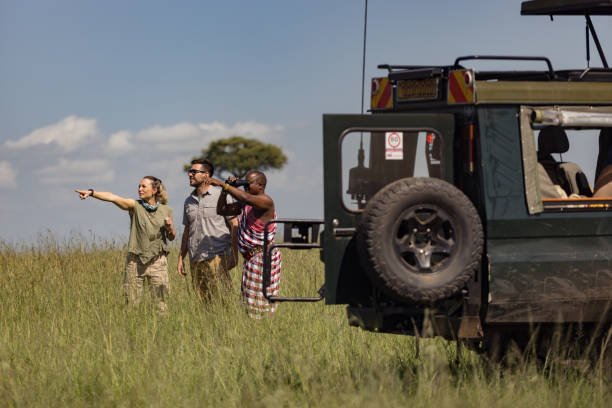
Which Local Tanzania Safari Companies Are Trustworthy In ? 2026-2027
Choosing a trustworthy local Tanzania safari company is crucial for a memorable and safe adventure. This guide helps you identify reliable operators for your 2026-2027 trip, covering...
View package details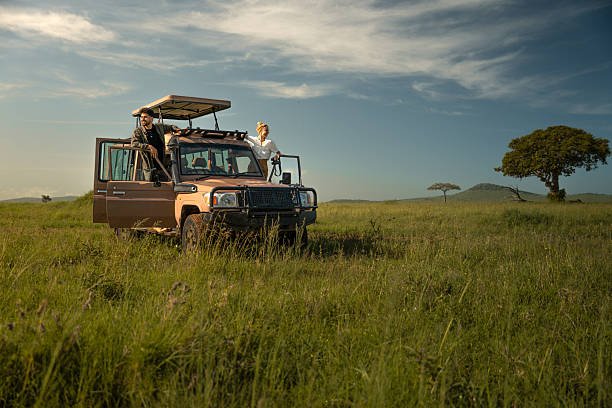
Three Days For Safari In Tanzania: Where To Go An Unforgettable Experience
If you have just three days for a safari in Tanzania, the most recommended destinations for a concentrated and rewarding wildlife experience are the Ngorongoro Conservation Area and...
View package detailsWe Are Arriving At Kilimanjaro Airport, What Safari Itinerary Should We Do?
Planning your safari upon arrival at Kilimanjaro Airport (JRO)? This guide provides tailored safari itineraries for 2026-2027, focusing on Northern Tanzania's iconic parks like the...
View package details
7 Days In Tanzania: Your Expertly Planned Safari Itinerary For 2026-2027
Discover a perfectly crafted 7-day Tanzania safari itinerary for 2026-2027, designed to maximize wildlife viewing and cultural experiences in the Serengeti and Ngorongoro Crater.
View package details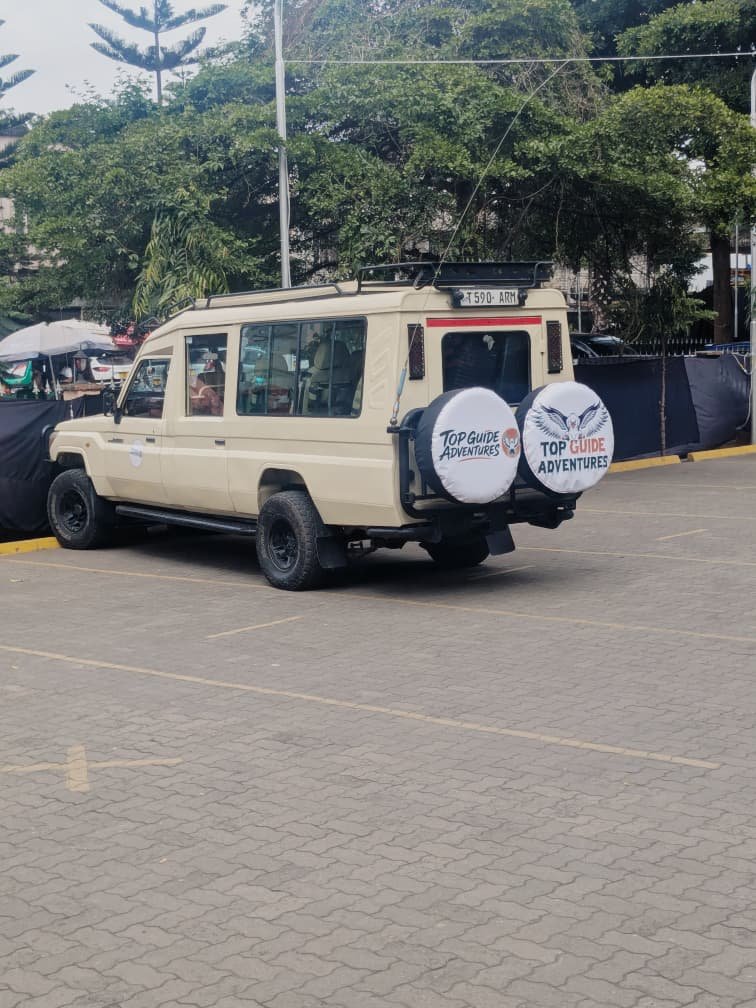
3-Day Nyerere Boat, Walking And Game Drive Safari: An Unforgettable Southern
Discover the unique blend of water and land-based wildlife viewing on a 3-day safari in Nyerere National Park (formerly Selous Game Reserve). This itinerary focuses on boat safaris along...
View package details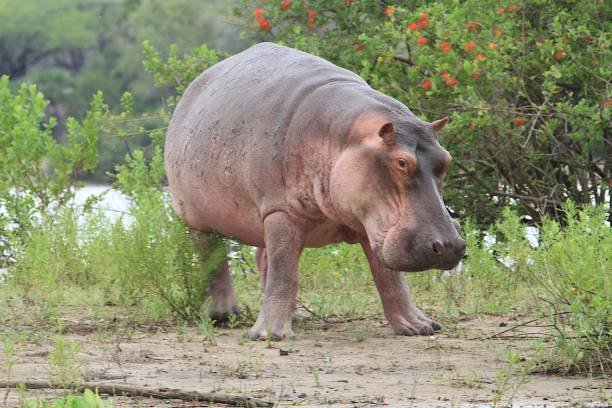
12-Day Southern Tanzania Grand Safari: An Unforgettable Adventure In 2026-2027
Discover the untamed beauty of Southern Tanzania on an epic 12-day safari. This journey explores the vast wilderness of Selous Game Reserve, the dramatic landscapes of Ruaha National Park...
View package details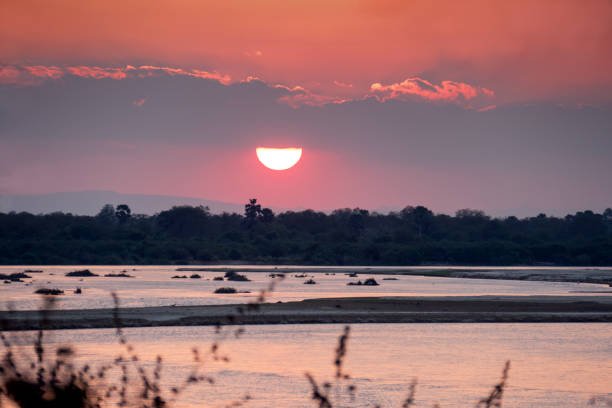
8-Day Southern Tanzania Luxury Safari: Selous & Ruaha 2026-2027
An 8-day luxury safari through Southern Tanzania's Selous Game Reserve and Ruaha National Park offers an unparalleled wildlife experience. This itinerary focuses on exclusive lodges...
View package details
6-Day Nyerere And Mikumi Safari Guide
Discover the untamed beauty of Southern Tanzania on a 6-day safari adventure through Nyerere National Park (formerly Selous Game Reserve) and Mikumi National Park. This itinerary offers a...
View package details
5-Day Selous, Mikumi & Udzungwa Safari: Your Ultimate Southern Tanzania
Plan your 5-day safari adventure covering Selous, Mikumi, and Udzungwa National Parks in Southern Tanzania. This itinerary offers a rich blend of game drives, walking safaris, and unique...
View package details
Which Tanzania Safari Gives The Best Value For Money? 2026-2027
Which Tanzania safari gives the best value for money? is explained with current 2026-2027 planning, price, itinerary and booking information.
View package detailsHow To Avoid Safari Scams In Tanzania: A Top Guide Adventures Expert 2026-2027
Navigating a safari in Tanzania is a dream for many, but a few precautions can ensure your adventure is scam-free. This guide from Top Guide Adventures provides essential advice for...
View package detailsNo related package matches those filters. Clear one or more filters to see the other topic-matched options.



