
A 3-day Ndutu calving season safari in Tanzania offers an unparalleled opportunity to witness the dramatic peak of the Great Migration, typically from late January through March, when thousands of wildebeest and zebras give birth in the nutrient-rich plains of the Southern Serengeti and Ngorongoro Conservation Area. This short, impactful trip focuses on prime viewing locations around Ndutu, maximizing your chances of seeing predator-prey interactions and the incredible spectacle of new life on the savanna, ideal for those with limited time in 2026 or 2027.
Understanding the Ndutu Calving Season Safari
The allure of a 3-day Ndutu calving season safari lies in its intensity and focus. This isn’t a sprawling, multi-park adventure; it’s a concentrated expedition into the heart of one of nature’s most profound events. From late January to March each year, the short-grass plains of the Ndutu region, straddling the border of the Serengeti National Park and the Ngorongoro Conservation Area, become the epicenter of the Great Migration. This is where the vast herds of wildebeest, zebras, and gazelles gather to calve, a phenomenon that attracts predators in large numbers, creating a dynamic and often thrilling wildlife viewing experience.
For travelers with limited time, a 3-day itinerary is perfectly suited to capture the essence of this season. It allows for focused game drives in the most productive areas, ensuring you don’t miss the crucial moments of birth, nursing, and the immediate challenges faced by the young. It’s a chance to see the savanna teeming with life, a landscape alive with the sounds and sights of thousands of newborns taking their first steps under the watchful eyes of their mothers and the ever-present threat of lions, cheetahs, hyenas, and wild dogs.
Planning a trip for the 2026-2027 calving season requires understanding the specific timing and the unique advantages of this short, impactful safari. It’s a period of intense activity, offering a raw and powerful glimpse into the cycle of life on the African plains. Unlike other times of the year when the herds are on the move, during the calving season, they are concentrated, making sightings of large numbers and predator action exceptionally high.
Why Choose Ndutu for the Calving Season?
The Ndutu region holds a special significance during the calving months. Its landscape, characterized by short, sweet grasses that are rich in minerals and protein, provides the ideal environment for wildebeest and other herbivores to give birth and nurse their young. This abundance of food attracts not only the pregnant females but also a formidable array of predators eager to capitalize on the vulnerable newborns.
Key advantages of Ndutu during calving season:
- Concentrated Wildlife: Thousands of wildebeest, zebras, and gazelles are gathered in a relatively confined area, making sightings incredibly frequent and rewarding.
- Predator Activity: The high concentration of prey naturally draws lions, cheetahs, leopards, hyenas, and wild dogs, leading to exciting and dramatic predator-prey interactions.
- Calving Spectacle: Witnessing the birth of thousands of wildebeest calves is a profoundly moving experience, a true testament to nature’s resilience.
- Photography Opportunities: The open plains offer excellent photographic vantage points, with opportunities to capture vast herds, intimate family moments, and thrilling action sequences.
- Accessibility: While remote, Ndutu is accessible for short trips, especially when combined with other Northern Circuit parks, making a 3-day focus practical.
For the 2026-2027 calving season, booking in advance is crucial, as this is a highly sought-after period. The sheer density of wildlife ensures that even a short 3-day safari can deliver an unforgettable experience, packed with sightings that might take weeks to encounter at other times of the year.
Structuring Your 3-Day Ndutu Calving Season Safari
A 3-day safari to Ndutu requires efficient planning to maximize wildlife viewing. The focus is on game drives, with early mornings and late afternoons often yielding the most activity. Here’s a potential structure that prioritizes the calving season’s highlights.
Sample 3-Day Ndutu Calving Season Itinerary
This itinerary is designed for maximum wildlife impact within a short timeframe, assuming arrival at a nearby airstrip (e.g., Seronera or Ndutu airstrip) or a drive from Arusha/Karatu.
Day 1: Arrival in Ndutu & Afternoon Game Drive
- Morning: Arrive at Ndutu Airstrip. You will be met by your guide and transfer to your chosen lodge or camp.
- Lunch: Enjoy lunch at your accommodation.
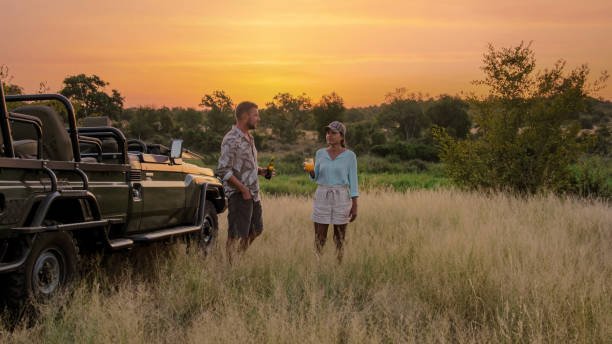
- Afternoon: start your first game drive in the Ndutu plains. This is a prime time to spot wildebeest herds, zebras, and the predators that follow them. Keep an eye out for lion prides resting under acacia trees or cheetahs scanning the grasslands.
- Evening: Return to your lodge/camp for dinner and overnight.
Day 2: Full Day of Wildlife Viewing in Ndutu
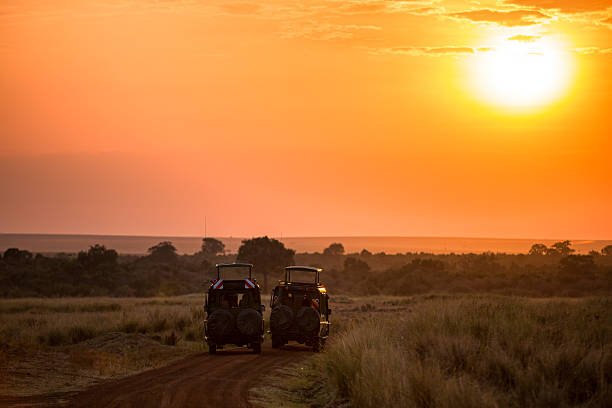
- Morning: An early start for a sunrise game drive. This is often the best time to witness predators on the hunt or mothers with their newborn calves. Explore different areas within the Ndutu ecosystem, looking for fresh tracks and signs of activity.
- Late Morning/Lunch: Return to camp for a hot lunch and a short rest, or opt for a packed lunch to maximize time in the field.
- Afternoon: Continue your game drive, focusing on areas known for high concentrations of wildebeest and their calves. You might witness dramatic chases, lionesses teaching their cubs to hunt, or large hyena clans on the move.
- Evening: Sundowners in the bush (if permitted and arranged) followed by dinner and overnight.
Day 3: Morning Game Drive & Departure
- Morning: One last early morning game drive to catch any final sights of the calving season’s drama. This could be your chance to see a rare species or a particularly compelling interaction.
- Late Morning: Return to your lodge/camp for breakfast.
- Departure: Transfer to the airstrip for your onward flight, or begin your drive back to Arusha/Karatu, filled with memories of the Ndutu calving season.
This structure prioritizes time on the ground, ensuring you make the most of every moment during this fleeting season. For the 2026-2027 calving season, flexibility is key, as wildlife movements can vary slightly year to year.
What to Expect: The Wildlife Spectacle
The Ndutu calving season is defined by its sheer numbers and the raw drama of life and death unfolding daily. Expect to see:
- Vast Herds: Imagine plains dotted with hundreds of thousands of wildebeest and zebras, a sea of moving bodies stretching to the horizon.
- Newborns: Witnessing the wobbly-legged calves of wildebeest, zebras, and gazelles taking their first steps is a highlight. You’ll see mothers fiercely protecting their young.
- Predators in Action: Lions are abundant, often seen resting with full bellies or actively hunting. Cheetahs are frequently spotted on the open plains, using their speed to catch fast-moving prey. Hyenas are a constant presence, scavenging and hunting in large clans. Wild dogs, though more elusive, can sometimes be seen on coordinated hunts.
- Birdlife: The region also attracts numerous bird species, especially during this time of plenty.
- The Landscape: The short-grass plains offer a different feel to the acacia-dotted savannas of other parts of the Serengeti. The open vistas are spectacular, especially at sunrise and sunset.
The intensity of the Ndutu calving season means that every game drive has the potential for extraordinary sightings. Whether it’s a lioness stalking a herd, a cheetah making a lightning-fast chase, or simply the quiet moments of a wildebeest mother nuzzling her calf, the experience is deeply moving.
Best Time to Visit for the Calving Season (2026-2027)
The calving season typically runs from late January through March. Within this window, the peak activity often occurs in February.
- Late January: The first calves begin to appear, and herds start concentrating in the Ndutu area.
- February: This is generally considered the peak of the calving season, with the highest numbers of births and predator activity.
- March: Calving continues, but the herds may start to show signs of movement towards the western Serengeti as the grasses are depleted. Predator action remains high.
When planning your 2026-2027 3-day Ndutu calving season safari, aim for February for the most intense experience. However, late January and March still offer exceptional wildlife viewing opportunities.
Where to Stay: Ndutu Accommodation Options
Ndutu offers a range of accommodation styles, from luxury tented camps to more rustic lodges, all designed to provide an intimate wildlife experience. The key is proximity to the calving grounds.
- Luxury Tented Camps: These offer spacious canvas tents with en-suite bathrooms, comfortable beds, and often gourmet dining. They provide a classic safari feel with modern comforts.
- Mid-Range Lodges/Camps: Comfortable and well-appointed accommodations that balance cost with a great safari experience.
- Seasonal Camps: Some camps are specifically set up for the migration seasons, offering a more mobile and closer-to-the-action experience.
Choosing your accommodation is a significant part of the safari experience. For a 3-day trip, staying within or very close to the Ndutu plains is essential to minimize travel time to game viewing areas.
Getting to Ndutu for Your Safari
Ndutu is typically accessed via a flight to a local airstrip or by road.
- By Air: The most convenient way for a short trip is to fly into Ndutu Airstrip (or Seronera Airstrip, followed by a short drive). Flights depart daily from Arusha Airport (ARK) or Kilimanjaro International Airport (JRO). This significantly reduces travel time, maximizing your time on safari.
- By Road: Driving from Arusha or Karatu takes approximately 4-6 hours, depending on road conditions and the specific gate you enter through. While scenic, this option consumes a considerable portion of a short 3-day trip.
For a 3-day Ndutu calving season safari in 2026-2027, flying is highly recommended to make the most of your limited time.
What to Pack for Your Ndutu Safari
Packing smart is crucial for a comfortable safari. Layers are key, as temperatures can vary significantly between day and night.
Packing Essentials:
- Clothing: Lightweight, neutral-colored clothing (khaki, beige, olive green) for game drives. Avoid bright colors and dark colors like black or blue, which can attract insects. Pack long-sleeved shirts and trousers for sun and insect protection.
- Outerwear: A warm fleece or jacket for cool mornings and evenings, and a waterproof jacket in case of rain.
- Footwear: Comfortable walking shoes or hiking boots (though extensive walking is not usually required on game drives) and sandals for relaxing at the lodge.
- Sun Protection: A wide-brimmed hat, sunglasses, and high SPF sunscreen.
- Insect Repellent: Essential, especially for evenings.
- Camera Equipment: Bring extra batteries, memory cards, and a zoom lens for wildlife photography. A camera bag to protect your gear is also advisable.
- Binoculars: Crucial for spotting distant wildlife.
- Personal Items: Prescription medications, basic first-aid kit, hand sanitizer, and any personal toiletries.
- Adapter: For charging electronics (most camps have charging facilities, but an adapter is useful).
- Small Backpack: For carrying essentials during game drives (water, camera, binoculars, snacks).
Remember that luggage on small bush planes is restricted, so soft duffel bags are preferred over hard suitcases.
Budgeting for a 3-Day Ndutu Calving Season Safari
Costs for a 3-day Ndutu calving season safari can vary based on accommodation level, transportation choices, and inclusions. For 2026-2027, expect the following cost factors:
Estimated Cost Factors (per person):
- Accommodation: Ranges from $250/night (mid-range) to $700+/night (luxury) during peak season.
- Park Fees: Ngorongoro Conservation Area fees are approximately $70 per person per day, plus vehicle entry fees. Ndutu falls under these fees.
- Transportation: Internal flights (e.g., Arusha to Ndutu) can cost $350-$450 round trip. Private vehicle and driver/guide costs are typically $200-$300 per day for the vehicle.
- Meals and Drinks: Usually included in lodge/camp rates, but check for specifics. Drinks might be extra.
- Activities: Game drives are usually included. Special activities like hot air balloon safaris (not typically part of a 3-day itinerary but an option) are additional.
A 3-day Ndutu calving season safari, including flights, mid-range accommodation, park fees, and a private vehicle, could range from $1,500 to $3,000+ per person. Luxury options will be higher.
For a personalized quote for your 2026-2027 safari, please contact us via WhatsApp at +255616946642 or email topguideadventures@gmail.com.
It’s important to note that the calving season is a high-demand period, so prices reflect this. Booking well in advance for 2026-2027 is highly recommended to secure availability and potentially better rates.
Tips for Enhancing Your Ndutu Safari Experience
To make the most of your short but impactful 3-day safari, consider these tips:
- Listen to Your Guide: Your guide’s expertise is invaluable. They know the terrain, animal behavior, and the best spots for sightings.
- Be Patient: Wildlife viewing sometimes involves waiting. Patience is often rewarded with incredible moments.
- Respect Wildlife: Maintain a safe distance, never feed animals, and avoid disturbing their natural behavior.
- Stay Hydrated: The African sun can be intense. Drink plenty of water.
- Embrace the Early Mornings: Dawn is a magical time for wildlife activity.
- Charge Your Camera: You won’t want to miss a moment. Ensure your batteries are charged and you have plenty of space on your memory cards.
A 3-day Ndutu calving season safari is a concentrated dose of the wild, and these tips can help ensure it’s as rewarding as possible.
Predator Encounters: The Thrill of Ndutu
The calving season isn’t just about the wildebeest; it’s a prime time to witness the incredible predator diversity and activity in the Ndutu area. The high concentration of vulnerable newborns is a feast for the resident predators.
- Lions: Ndutu is home to numerous lion prides. You’ll often see them resting during the heat of the day, but the early mornings and late afternoons are prime times to observe them hunting or playing with their cubs. Witnessing a lioness stalk a wildebeest calf is a heart-pounding experience.
- Cheetahs: The open grasslands of Ndutu are ideal hunting grounds for cheetahs. Their incredible speed makes for spectacular chases, though they are often successful only a fraction of the time. Spotting a cheetah mother teaching her cubs to hunt is a rare treat.
- Hyenas: Spotted hyenas are a dominant force in Ndutu. Their large clans can be seen on the move, scavenging kills made by other predators, or engaging in their own hunts. Their distinctive calls are a soundtrack to the African night.
- Leopards: While more elusive and preferring denser cover, leopards can still be found in Ndutu, often spotted resting in trees or hunting smaller prey.
- Wild Dogs: African wild dogs are a highly endangered species, and sightings are always special. They hunt cooperatively, and witnessing their efficient pack hunts is a remarkable experience.
The sheer abundance of prey during the calving season means that predator sightings are almost guaranteed on a 3-day Ndutu calving season safari. The interactions between these apex predators and their prey are the very essence of the African wilderness.
Conservation Efforts in Ndutu
The Ndutu region is part of the larger Ngorongoro Conservation Area (NCA), a UNESCO World Heritage Site known for its exceptional biodiversity and unique co-existence of wildlife and Maasai pastoralists. Conservation efforts here focus on:
- Habitat Protection: Ensuring the grasslands remain healthy to support the migratory herds and their young.
- Anti-Poaching: Rangers work to protect wildlife from illegal hunting.
- Community Involvement: Engaging with the Maasai community to foster sustainable tourism practices and ensure they benefit from the wildlife.
- Research: Ongoing studies help understand migration patterns, predator-prey dynamics, and the overall health of the ecosystem.
By choosing a reputable tour operator like Top Guide Adventures for your 2026-2027 3-day Ndutu calving season safari, you contribute to these conservation efforts through your park fees and support for local businesses.
Planning Your 2026-2027 Ndutu Calving Season Safari with Top Guide Adventures
As you plan your unforgettable 3-day Ndutu calving season safari for 2026 or 2027, partnering with an experienced tour operator is key. Top Guide Adventures specializes in creating bespoke Tanzanian safari experiences tailored to your interests and timeframe.
We understand the nuances of the Great Migration, the best times to visit specific locations like Ndutu, and how to craft itineraries that maximize your wildlife viewing opportunities, even within a short 3-day window. Our knowledgeable guides are passionate about sharing the wonders of the Serengeti ecosystem and ensuring your safari is both thrilling and comfortable.
Ready to witness the miracle of life on the savanna?
Contact us today to discuss your 3-day Ndutu calving season safari plans for 2026-2027. We can help you choose the perfect accommodation, arrange smooth transportation, and customize an itinerary that fits your budget and desires.
Reach out to us:
- WhatsApp: +255616946642
- Email: topguideadventures@gmail.com
- Backup Email: info@topguideadventures.com
Let Top Guide Adventures guide you to the heart of the Great Migration’s most spectacular event. We look forward to helping you plan your 3-day Ndutu calving season safari!
Check Availability for 3-Day Ndutu Calving Season Safari: Witness The Great Migrations Peak…
Ready to compare dates, prices, and the best option for your group? Send the package name and travel month so the team can reply with a clear quote, availability, and what is included.
Three Days For Safari In Tanzania: Where To Go An Unforgettable Experience
If you have just three days for a safari in Tanzania, the most recommended destinations for a concentrated and rewarding wildlife experience are the Ngorongoro Conservation Area and...
View package details
How Much Is A Three-Day Selous Safari? Costs And Whats Included In 2026-2027
Planning a short but impactful safari? A 3-day safari in Tanzania's Selous Game Reserve (now Nyerere National Park) offers a fantastic wildlife experience. Discover the typical costs...
View package details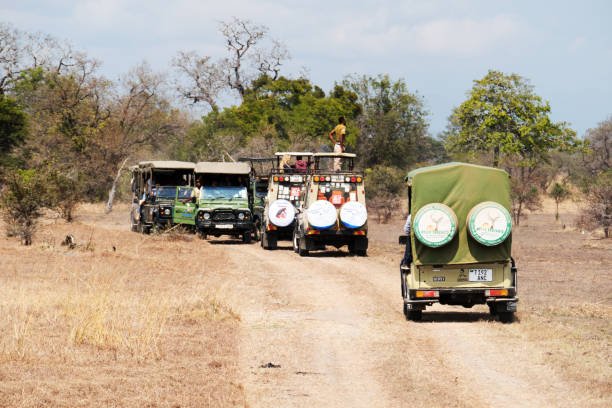
3-Day Selous Honeymoon Safari From Zanzibar: Your Ultimate Romantic Escape
A 3-day Selous honeymoon safari from Zanzibar offers newlyweds an unforgettable blend of wildlife encounters and romantic seclusion in one of Africa's most iconic parks. This short...
View package details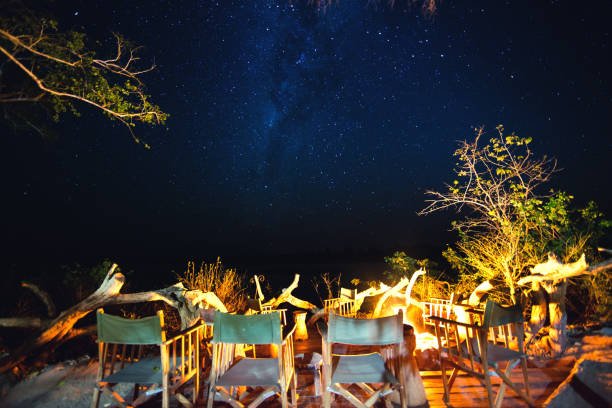
2-Day Mikumi Weekend Safari From Dar Es Salaam In 2026-2027
Discover the magic of Mikumi National Park on a convenient 2-day weekend safari from Dar es Salaam. This short trip offers incredible wildlife viewing opportunities, perfect for those with...
View package details3-Day Budget Mikumi Safari From Dar Es Salaam Guide
Discover how to experience a thrilling 3-day budget Mikumi National Park safari starting from Dar es Salaam. This guide covers everything from wildlife viewing and essential packing to...
View package details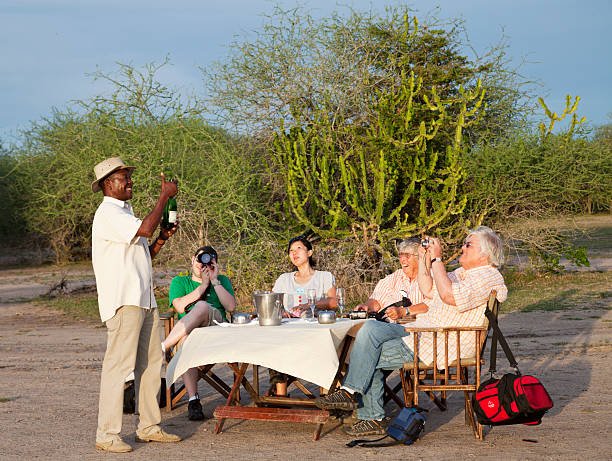
3-Day Luxury Selous Safari From Zanzibar: Your Ultimate Escape 2026-2027
Discover the magic of a 3-day luxury Selous safari departing from Zanzibar. This comprehensive guide covers itinerary options, lodge experiences, wildlife viewing, travel logistics, and...
View package details
2-Day Private Mikumi Safari From Zanzibar: Your Quick Wildlife Escape
Discover the thrill of a 2-day private Mikumi safari departing from Zanzibar. This concise adventure offers a fantastic opportunity to witness Tanzania's iconic wildlife in a short...
View package details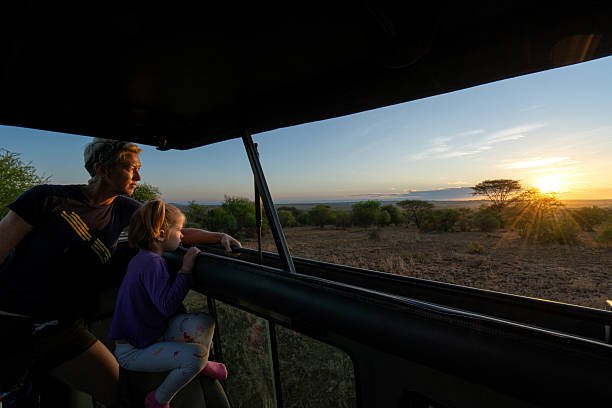
2-Day Shared Nyerere Safari From Zanzibar: Your Essential Guide 2026-2027
Discover the magic of Nyerere National Park (formerly Selous Game Reserve) with a 2-day shared safari departing from Zanzibar. This compact adventure offers a thrilling glimpse into one of...
View package details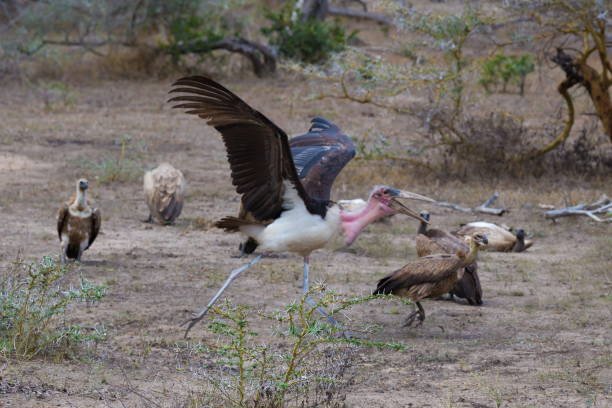
3-Day Nyerere Safari With Night Game Drive 2026-2027
3-Day Nyerere Safari with Night Game Drive is explained with current 2026-2027 planning, price, itinerary and booking information.
View package details
3-Day Nyerere Safari With Accommodation Inside The Park 2026-2027
3-Day Nyerere Safari with Accommodation Inside the Park is explained with current 2026-2027 planning, price, itinerary and booking information.
View package details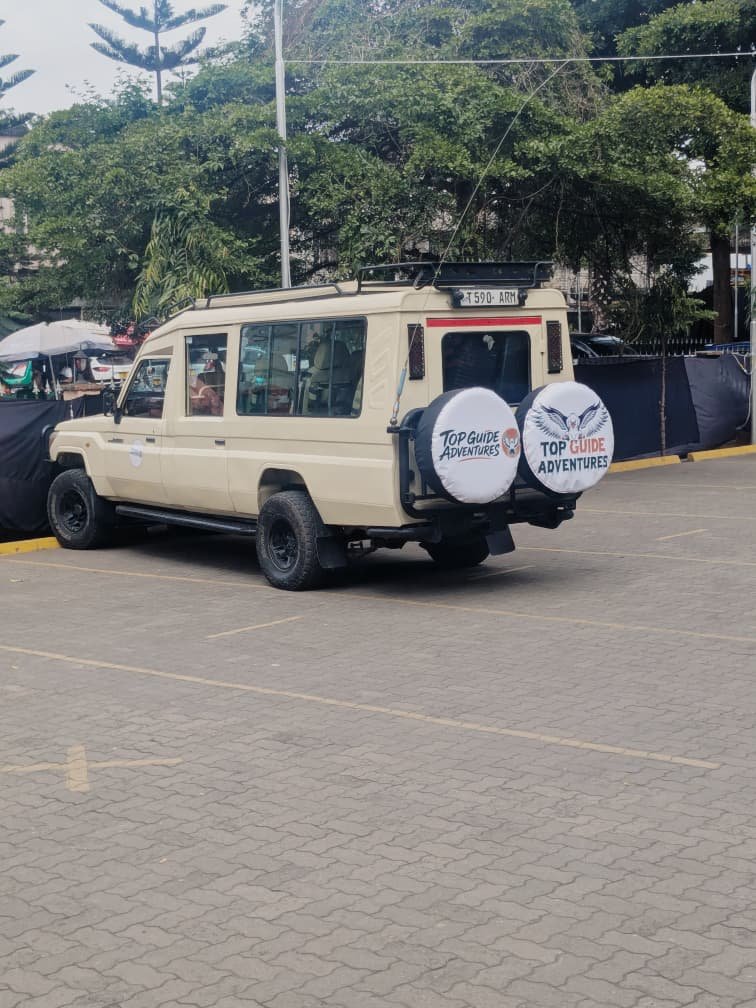
3-Day Nyerere Boat, Walking And Game Drive Safari: An Unforgettable Southern
Discover the unique blend of water and land-based wildlife viewing on a 3-day safari in Nyerere National Park (formerly Selous Game Reserve). This itinerary focuses on boat safaris along...
View package details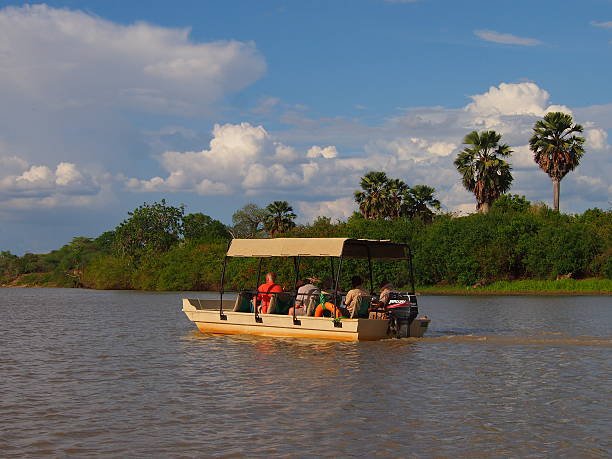
2-Day Nyerere Boat And Game Drive Safari: Your Ultimate Tanzania Adventure
Discover the wild heart of Tanzania on a 2-day Nyerere National Park safari, combining thrilling boat excursions on the Rufiji River with classic game drives. This short yet impactful...
View package detailsNo related package matches those filters. Clear one or more filters to see the other topic-matched options.



