
The Western Serengeti, also known as the Grumet or Ikoma region, is a remote and wild section of Tanzania’s famed Serengeti National Park, renowned for its year-round game viewing, dramatic river crossings during the Great Migration (typically May-July), and a more exclusive safari experience with fewer tourists compared to the central or northern areas. It’s an ideal destination for travelers seeking authentic wilderness encounters, particularly for witnessing the migration’s river crossings or enjoying the resident wildlife in a less crowded setting, especially during the 2026-2027 safari seasons.
Unveiling the Western Serengeti: A Realm of Untamed Wilderness
The vast expanse of the Serengeti National Park is a name synonymous with African safaris, conjuring images of endless plains teeming with wildlife. While the central Seronera Valley and the northern Mara River region often steal the spotlight, the Western Serengeti offers a distinct and equally compelling safari experience. Known locally by names such as the Grumet or Ikoma regions, this remote corner of the park provides a raw, authentic encounter with the African bush, characterized by its lush riverine forests, rolling hills, and a remarkable concentration of resident wildlife that makes it a year-round destination. For those planning a safari in 2026 or 2027, understanding the unique allure of the Western Serengeti is key to crafting an extraordinary adventure.
Unlike its more accessible counterparts, the Western Serengeti is less frequented by mass tourism. This translates into a more intimate and exclusive safari, where you might find yourself the only vehicle at a sighting or have vast landscapes all to yourself. This exclusivity is a significant draw for discerning travelers who prioritize solitude and a genuine connection with nature. The region’s accessibility, while more challenging than the central Serengeti, is a factor that helps preserve its pristine condition and the quality of the wildlife viewing experience.
The primary draw for many visitors to the Western Serengeti, especially during specific times of the year, is its role in the Great Migration. While the dramatic river crossings are most famously associated with the Mara River in the north, the Grumeti River in the west offers its own spectacular, albeit often earlier, spectacle. From approximately May to July, millions of wildebeest, zebras, and gazelles make their way across the Serengeti ecosystem, and the Grumeti River becomes a critical, and often perilous, crossing point. This is a prime time to witness the raw power of nature as predators, like crocodiles and lions, seize the opportunity for a meal.
Beyond the migration, the Western Serengeti boasts a rich diversity of resident wildlife. Large prides of lions, elusive leopards, cheetahs, herds of elephants, buffaloes, giraffes, and a myriad of plains game are present throughout the year. The Grumeti River and its surrounding woodlands provide vital habitat for hippos, crocodiles, and a wealth of birdlife, making it a paradise for photographers and nature enthusiasts alike.
Choosing the Western Serengeti for your 2026-2027 safari means opting for an experience that is both classic and contemporary. It’s classic in its adherence to the wild, untamed spirit of Africa, and contemporary in its offering of a more private, less-trodden path to experiencing one of the world’s greatest wildlife spectacles. This guide will navigate you through what makes the Western Serengeti so special, from the best times to visit and the wildlife you can expect, to the unique lodges and how to best plan your journey to this remarkable part of Tanzania.
Why Choose the Western Serengeti for Your 2026-2027 Safari?
When planning a Tanzanian safari, the sheer scale and fame of the Serengeti often lead travelers to the more established areas. However, the Western Serengeti presents a compelling case for those seeking a deeper, more exclusive connection with the wild. Its relative remoteness is not a deterrent but a defining feature, contributing to a safari experience that feels more authentic and less commercialized.
The Thrill of the Great Migration in the West
The Great Migration is arguably the most significant wildlife event on Earth, and the Western Serengeti plays a crucial role in its annual cycle. While the Mara River crossings in the north gain more attention, the Grumeti River in the west offers equally dramatic, and often more accessible, viewing opportunities for those visiting between May and July. Witnessing thousands of wildebeest, zebras, and antelopes bravely crossing the crocodile-infested Grumeti River is a primal spectacle that defines the essence of African wildlife drama. The sheer volume of animals attempting the crossing, the tension in the air, and the opportunistic predators make for unforgettable photographic moments and a profound understanding of nature’s cycles. For travelers aiming for the 2026 or 2027 migration season, timing a visit to coincide with these Grumeti crossings can be a highlight of their trip.
Year-Round Wildlife Abundance
Beyond the migration, the Western Serengeti is a haven for resident wildlife. The permanent presence of animals means that no matter when you visit in 2026-2027, you are almost guaranteed exceptional game viewing. The Grumeti River and its associated woodlands, grasslands, and kopjes (rocky outcrops) support a diverse array of species. Large prides of lions are a common sight, often found resting in the shade of acacia trees or stalking prey across the plains. Leopards, known for their elusive nature, frequently inhabit the riverine forests, offering lucky visitors a chance to spot these magnificent cats. Cheetahs patrol the open grasslands, while herds of elephants and buffaloes are frequently seen grazing. Hippos and crocodiles are abundant in the Grumeti River, and the region is a birdwatcher’s paradise, with numerous species to identify.
An Exclusive and Intimate Safari Experience
One of the most significant advantages of visiting the Western Serengeti is the reduced number of safari vehicles. Unlike the more popular central and northern sectors, which can see a high density of vehicles at prime sightings, the Western Serengeti offers a sense of solitude. This means more personal wildlife encounters, unhurried game drives, and the feeling of having the vast wilderness almost to yourself. This exclusivity enhances the overall safari experience, allowing for a deeper connection with the environment and its inhabitants. For travelers in 2026-2027 looking to avoid crowds and enjoy a more private safari, the Western Serengeti is an excellent choice.
Unique Landscapes and Photographic Opportunities
The Western Serengeti presents a varied topography that is a photographer’s dream. The iconic acacia-dotted plains are interspersed with dense riverine forests along the Grumeti River, rocky kopjes, and undulating hills. This diverse landscape provides stunning backdrops for wildlife photography. The interplay of light and shadow in the woodlands, the dramatic river crossings, and the sheer abundance of wildlife offer endless opportunities to capture impressive images. The lack of crowds also means more freedom to position your vehicle for the perfect shot without interference.
Accessibility and Logistics
While more remote than the central Serengeti, the Western Serengeti is accessible via a combination of flights and road transfers. Most visitors fly into the Seronera Airstrip (SEU) or a local airstrip within the Western Serengeti, such as the Ikoma Airstrip (IKO), followed by a game drive transfer to their lodge. This reduces travel time and maximizes time spent on safari. The logistics, while requiring careful planning, are well-managed by experienced tour operators, ensuring a smooth transition into this wild frontier.
The Great Migration in the Western Serengeti: Timing and Spectacle
The Great Migration is a year-round phenomenon, with millions of wildebeest, zebras, and gazelles constantly moving in a circular pattern across the Serengeti-Mara ecosystem in search of fresh grazing and water. While the iconic river crossings often capture the imagination, their timing and location vary significantly. The Western Serengeti, particularly the area around the Grumeti River, is a critical juncture for this movement, offering a spectacular, albeit time-sensitive, wildlife event.
When to Witness the Grumeti River Crossings
The Grumeti River crossings typically occur between late May and early July. During these months, the rains have usually subsided in the west, and the grasses begin to dry out. Driven by thirst and the need for better pastures, the vast herds converge on the Grumeti River. This is a period of intense activity, marked by the dramatic and often perilous crossings. The Grumeti is wider and can be more challenging to cross than the Mara River, and its waters are home to large Nile crocodiles, which lie in wait for this predictable, yet always uncertain, bounty. For those planning their 2026 or 2027 safari specifically to witness these crossings, this window is crucial.
What to Expect During a Crossing
Witnessing a Grumeti River crossing is an experience that engages all the senses. As the herds approach the river, a palpable tension builds. Stampedes can occur as animals push forward, sometimes with fatal consequences even before reaching the water. Once they enter the river, the chaos erupts. Wildebeest and zebras can be seen struggling against the current, with many falling prey to the waiting crocodiles or drowning. Lions, hyenas, and other predators often gather on the banks, ready to pick off any stragglers or weakened animals. The sheer scale of the event, the sounds of the panicked animals, and the raw display of predator-prey dynamics create a deeply moving and unforgettable spectacle. It’s a powerful reminder of the circle of life playing out on a grand scale.
Beyond the Crossings: Resident Wildlife in the West
While the migration is a major draw, the Western Serengeti’s appeal extends far beyond these specific months. The region is home to a robust population of resident wildlife, making it a fantastic safari destination year-round. The Grumeti River and its surrounding woodlands provide a permanent water source and habitat for a rich diversity of animals.
- Lions: The Western Serengeti is known for its large lion prides, often found lounging in the shade of trees or hunting in the open grasslands.
- Leopards: These elusive cats thrive in the riverine forests, and patient observers have a good chance of spotting them draped over tree branches.
- Cheetahs: The open plains are the domain of the cheetah, where they can be seen scanning the horizon for prey.
- Elephants and Buffaloes: Large herds of elephants and buffaloes are common, often found near water sources or grazing in the grasslands.
- Hippos and Crocodiles: The Grumeti River is teeming with hippos and crocodiles, which are easily viewed from the riverbanks or during boat excursions where available.
- Giraffes, Zebras, and various Antelopes: These plains game species are present in good numbers throughout the year.
- Birdlife: The diverse habitats support a vast array of bird species, making it a paradise for birdwatchers.
Therefore, whether you are visiting in January for the calving season in the southern Serengeti (which can influence movements towards the west), during the dry season from June to October when animals congregate around permanent water sources, or specifically for the Grumeti crossings in May-July, the Western Serengeti offers rewarding wildlife viewing. Planning your 2026-2027 safari with these seasonal variations in mind will help maximize your chances of experiencing the best of what this region has to offer.
Navigating the Western Serengeti: Getting There and Getting Around
The Western Serengeti’s remoteness is part of its charm, but it also means that reaching this pristine wilderness requires a bit more planning than heading to the more accessible central regions. Understanding the best ways to arrive and move around is crucial for a smooth and enjoyable safari experience in 2026-2027.
Air Travel: The Fastest Route
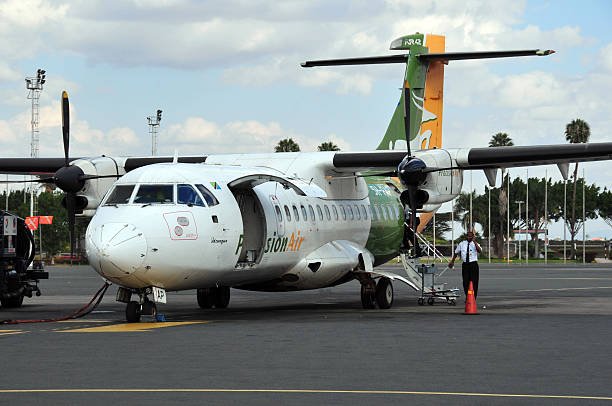
For most international visitors, the journey to the Western Serengeti begins with a flight into Kilimanjaro International Airport (JRO) or, occasionally, Julius Nyerere International Airport (DAR) in Dar es Salaam. From there, the most efficient way to reach the Western Serengeti is via a domestic bush flight. Several local airlines operate scheduled or charter flights to airstrips serving the region, most notably:
- Ikoma Airstrip (IKO): This is a key airstrip for accessing the Western Serengeti and its surrounding areas, including Ikoma Bush Camp and nearby lodges.
- Seronera Airstrip (SEU): While primarily serving the central Serengeti, Seronera can also be a convenient starting point, with transfers to Western Serengeti lodges often including a game drive en route, allowing you to start your safari immediately.
These flights typically depart from Arusha Airport (ARK) or Kilimanjaro International Airport (JRO). Booking these flights well in advance is highly recommended, especially during peak seasons in 2026-2027, as seats are limited. The flight itself offers incredible aerial views of the Serengeti plains.
Road Transfers: A Scenic, Longer Option
For the more adventurous or those looking to save on flight costs, road transfers are an option. This typically involves driving from Arusha or the Serengeti’s central region. The journey can be long, taking anywhere from 8 to 10 hours or more from Arusha, depending on road conditions and the specific lodge location. This option allows for a more gradual immersion into the Tanzanian landscape but requires a full day of travel. Often, a combination is used: driving into the Serengeti and then flying out, or vice versa.
Getting Around Within the Western Serengeti
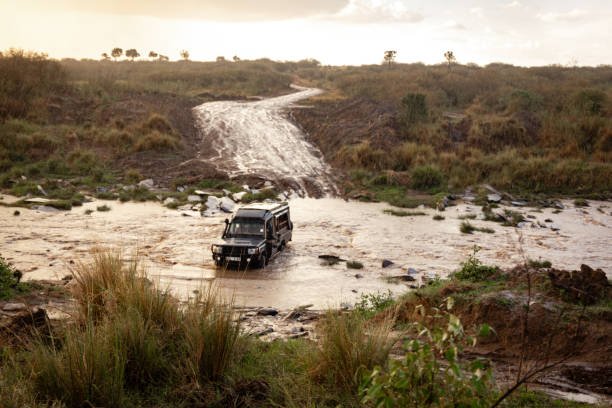
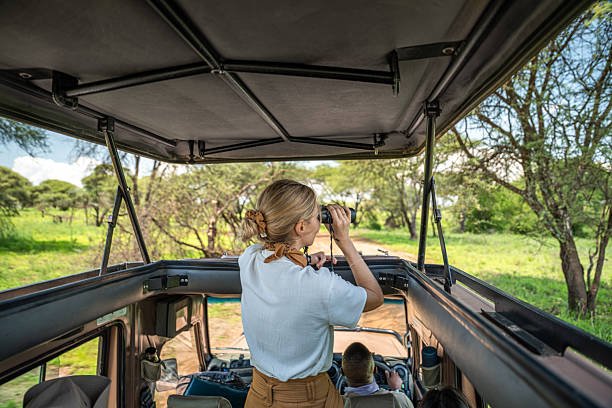
Once you are in the Western Serengeti, your primary mode of transport will be a 4×4 safari vehicle, usually a custom-built Land Cruiser or Land Rover, driven by an experienced safari guide. These vehicles are essential for navigating the rugged terrain and offer excellent vantage points for wildlife viewing. Game drives are the standard way to explore the area. Your lodge will typically arrange all your game drives. For those staying at lodges outside the park boundaries (like in the Ikoma private concession), there might be options for night drives or walking safaris, which are often restricted within the national park itself.
Important Considerations for 2026-2027 Travel:
Park Fees: Ensure your tour operator clearly outlines the Serengeti National Park entry fees, which are charged per person, per 24-hour period. These fees are substantial and contribute to conservation efforts.
Lodge Transfers: If flying into a local airstrip, your lodge will usually arrange a safari vehicle to pick you up. This transfer often doubles as your first game drive, so be ready to spot wildlife from the moment you land!
Booking Window: For peak migration seasons (May-July) in the Western Serengeti, it’s advisable to book your safari at least 9-12 months in advance for 2026-2027, especially for popular lodges and specific flight dates.
Accommodation in the Western Serengeti: From Luxury Tents to Remote Camps
The Western Serengeti offers a range of accommodation options designed to provide an intimate connection with nature while ensuring comfort and excellent service. Due to its remote location, most lodges and camps are either situated within the park boundaries or in adjacent private concessions, offering exclusive access to wildlife-rich areas. When planning your 2026-2027 safari, consider these types of properties:
Luxury Tented Camps
These are the hallmark of safari accommodation in the Western Serengeti. Expect spacious, canvas-walled tents that offer the feeling of being in the wild without sacrificing comfort. These camps often feature:
- En-suite bathrooms: With flushing toilets and hot showers.
- Comfortable bedding: King-sized beds with quality linens.
- Private verandas: Offering stunning views of the surrounding landscape.
- Fine dining: Meals are often served in a central mess tent or under the stars, featuring fresh, locally sourced ingredients.
- Exceptional service: Attentive staff catering to your every need.
Examples of luxury tented camps might include properties known for their prime locations near the Grumeti River or their commitment to sustainable tourism. These camps provide an authentic safari feel with modern amenities.
Permanent Lodges
For those preferring more solid structures, permanent lodges are also available. These offer a similar level of comfort and service as tented camps but are built with more permanent materials. They often feature:
- Spacious rooms or suites: With private bathrooms and often balconies or patios.
- Communal areas: Including lounges, dining areas, and sometimes swimming pools.
- Stunning views: Strategically located to maximize wildlife viewing opportunities.
These lodges provide a comfortable base from which to explore the Western Serengeti, ideal for families or travelers who prefer the security and amenities of a more traditional hotel setting.
Mobile Tented Camps (Seasonal)
Some operators utilize mobile tented camps that are strategically moved to follow the Great Migration. While less common in the Western Serengeti compared to other areas, these camps offer an incredibly intimate experience, placing you right in the heart of the action during migration season. They provide a more rustic yet comfortable experience, often with fewer amenities but unparalleled proximity to wildlife.
Private Concessions
Several lodges are situated within private concessions bordering the Serengeti, such as the Ikoma Private Concession. Staying in these areas can offer additional safari activities not permitted within the national park itself, including:
- Night game drives: To spot nocturnal animals like genets, civets, and owls.
- Walking safaris: Guided walks with armed rangers for a ground-level perspective of the bush.
- Off-road driving: Allowing for closer proximity to certain wildlife sightings (used responsibly).
These concessions often provide a more exclusive and flexible safari experience. For 2026-2027, booking accommodation in these areas can offer a distinct advantage for those seeking varied safari activities.
Accommodation Cost Guidance for 2026-2027
Accommodation in the Western Serengeti generally falls into the mid-range to luxury category due to its remote location and the exclusivity it offers. Expect to pay anywhere from $300 to $1,000+ per person per night, often on a full-board or all-inclusive basis (including meals, standard drinks, and sometimes game drives). Prices can fluctuate based on the season, the specific lodge or camp, and the inclusions. Booking a package through a reputable tour operator like Top Guide Adventures can often provide better value and a more smooth experience.
Wildlife Viewing in the Western Serengeti: What to See and Where
The Western Serengeti is a treasure trove for wildlife enthusiasts, offering diverse habitats that support a remarkable array of fauna. While the Great Migration’s river crossings are a seasonal highlight, the region’s resident wildlife ensures that game viewing is exceptional throughout the year. Understanding the typical sightings and the best locations within the Western Serengeti will enhance your safari experience for 2026-2027.
The Big Five and Beyond
The Western Serengeti is home to the iconic Big Five:
- Lion: Large prides are a common feature, often found hunting in the open plains or resting in the shade of trees along the Grumeti River. Areas around the river and the open grasslands are prime lion territory.
- Leopard: These elusive cats are masters of camouflage and prefer the dense riverine woodlands. Patience and a keen eye are rewarded, with sightings often occurring in the trees along the Grumeti River.
- Elephant: Herds of elephants are frequently seen, particularly near water sources like the Grumeti River. They are often found grazing in the woodlands or open plains.
- Buffalo: Cape buffalo are present in large numbers, often seen in herds grazing in the grasslands or gathering at waterholes.
- Rhinoceros: While rhinos are present in the Serengeti ecosystem, sightings in the Western Serengeti are rare. The central and northern parts of the park offer better chances for rhino viewing.
Beyond the Big Five, the Western Serengeti offers incredible opportunities to see:
- Cheetah: The open plains are their hunting grounds. Look for them scanning the horizon for gazelles and other small antelopes.
- Hyena: Both spotted and striped hyenas are common, often seen scavenging or hunting in packs.
- Wild Dog: Though less common, packs of African wild dogs can sometimes be spotted, especially on the fringes of the main migration routes.
- Hippopotamus: The Grumeti River is a haven for hippos, which can be seen in large pods basking in the water.
- Nile Crocodile: These formidable reptiles are a constant presence in the Grumeti River, especially during migration season.
- Giraffes: Masai giraffes are a common sight, often seen browsing on acacia trees.
- Various Antelopes: Including Thomson’s gazelles, Grant’s gazelles, impalas, topi, hartebeest, and eland.
Key Wildlife Viewing Areas
The diverse habitats within the Western Serengeti contribute to its rich wildlife populations:
- Grumeti River and its Woodlands: This is the heart of the Western Serengeti. The river supports a permanent population of hippos and crocodiles, and the dense riverine forests are ideal habitats for leopards, lions, and various bird species. It’s also the site of the dramatic migration river crossings from May to July.
- Open Grasslands and Savanna: These areas are perfect for spotting cheetahs on the hunt, prides of lions stalking their prey, and large herds of wildebeest, zebras, and gazelles.
- Rocky Kopjes: These granite outcrops provide vantage points for predators like lions and cheetahs and are often used as resting spots.
Birdwatching Opportunities
The Western Serengeti is a haven for ornithologists. The varied habitats, from riverine forests to open savannas, attract a wide array of bird species. Look out for:
- Raptors: Martial eagles, crowned eagles, fish eagles, and various vultures.
- Waterfowl: Herons, egrets, kingfishers, and weavers along the Grumeti River.
- Ground Birds: Ostrich, secretary birds, and guinea fowl.
- Passerines: A multitude of smaller birds, including colourful rollers, bee-eaters, and sunbirds.
For dedicated birdwatchers planning a trip in 2026-2027, the Western Serengeti offers a rewarding experience with a high chance of spotting endemic and migratory species.
Planning Your Western Serengeti Safari: Essential Tips for 2026-2027
A safari to the Western Serengeti requires careful planning to ensure you make the most of this unique destination. Considering the best time to visit, understanding the costs, and choosing the right operator are crucial steps for a successful trip in 2026 or 2027.
Best Time to Visit
While the Western Serengeti offers excellent game viewing year-round due to its resident wildlife, the timing of your visit will significantly impact the experience, especially concerning the Great Migration:
- May to July: This is prime time for witnessing the Grumeti River crossings during the Great Migration. The landscape is lush after the rains, and the drama of the crossings is at its peak. Expect higher demand and potentially higher prices.
- August to October: This is the dry season. While the main migration herds may have moved north, resident wildlife is abundant and concentrated around permanent water sources. The vegetation is less dense, offering excellent visibility. This is also a popular time for safaris across Tanzania.
- November to April: This period includes the short and long rains. The landscape is green and beautiful, and it’s the calving season for wildebeest (typically January-March). While game viewing is still good, some roads can become challenging, and lodges might offer lower rates. The migration is usually in the southern or central Serengeti during this time.
For 2026-2027, consider your priorities: migration crossings, avoiding crowds, or experiencing the green season. Each offers a different, yet rewarding, perspective.
Safari Costs and Budget Considerations
A safari to the Western Serengeti is generally more expensive than to the central Serengeti due to its remoteness, the cost of operating lodges and camps in such locations, and the often-exclusive nature of the experience. Costs can vary significantly based on:
- Accommodation: Luxury tented camps and lodges will be the most expensive.
- Time of Year: Peak season (migration crossings, dry season) commands higher prices.
- Duration of Stay: Longer stays can sometimes offer better per-day value.
- Inclusions: Full-board, all-inclusive packages, private versus shared vehicles, and included activities.
- Transportation: Bush flights are significantly more expensive than road transfers.
Estimated Safari Package Costs (per person, per day, 2026-2027):
- Mid-Range: $400 – $600 (basic but comfortable accommodation, shared vehicle, road transfers might be an option).
- Luxury: $600 – $1,000+ (high-end lodges/camps, private vehicles often available, bush flights included).
Note: These are estimates and do not include international flights, tips, visas, or personal expenses. Prices for 2026-2027 should be confirmed with your tour operator.
Choosing a Reputable Tour Operator
Selecting the right tour operator is paramount for a smooth Western Serengeti safari. Look for companies with:
- Local Expertise: Operators based in Tanzania understand the logistics, best times to visit, and have strong relationships with lodges and park authorities.
- Customization Options: The ability to tailor your itinerary to your specific interests and budget.
- Good Reviews and Reputation: Check platforms like TripAdvisor for independent feedback.
- Clear Inclusions and Exclusions: Ensure you understand what is covered in your safari package.
Top Guide Adventures specializes in creating unforgettable Tanzanian safari experiences, including in the Western Serengeti. We can help you navigate the complexities of planning your 2026-2027 adventure, ensuring you get the most value and the best possible experience. Feel free to reach out via WhatsApp +255616946642 or Email topguideadventures@gmail.com.
What to Pack
Packing for a safari requires practical, comfortable clothing suitable for varying temperatures and activities:
- Lightweight, neutral-colored clothing: Earth tones like khaki, beige, and olive green are best to blend in with the environment. Avoid bright colors and dark blue/black (which can attract insects).
- Layers: Mornings and evenings can be cool, so pack sweaters, fleeces, and a warm jacket.
- Comfortable walking shoes: For around the lodge and any optional walks.
- Sun protection: A wide-brimmed hat, sunglasses, and high-SPF sunscreen.
- Insect repellent: Especially important for evenings and near water sources.
- Binoculars: Essential for spotting wildlife at a distance.
- Camera: With extra batteries and memory cards.
- Personal first-aid kit: With any personal medications.
Pre-Safari Checklist for 2026-2027:
- Confirm visa requirements for Tanzania.
- Ensure your passport is valid for at least six months beyond your stay.
- Get necessary vaccinations and malaria precautions (consult your doctor).
- Purchase comprehensive travel insurance.
- Book flights and accommodation well in advance, especially for peak seasons.
- Finalize your safari itinerary with your chosen tour operator.
Responsible Tourism in the Western Serengeti
Visiting the Western Serengeti, like any natural wilderness area, comes with a responsibility to minimize our impact and contribute positively to conservation efforts. As travelers in 2026-2027, adopting responsible tourism practices ensures that this incredible ecosystem and its wildlife can be enjoyed by future generations.
Respecting Wildlife
- Maintain a Safe Distance: Always adhere to your guide’s instructions regarding distances from wildlife. Never approach animals, especially predators or mothers with young.
- No Feeding: It is strictly forbidden to feed any wildlife. This can alter their natural behavior and make them dependent or aggressive.
- Minimize Noise: Loud noises can disturb animals. Keep conversations at a reasonable volume during game drives.
- No Littering: Pack out everything you pack in. Leave no trace of your visit in the bush.
- No Off-Road Driving (unless permitted): Stick to designated tracks to avoid damaging fragile vegetation and disturbing wildlife habitats.
Supporting Local Communities
Many lodges and camps in and around the Western Serengeti work closely with local communities. Choosing operators and accommodations that:
- Employ local staff: Providing jobs and economic opportunities.
- Source local produce: Supporting local farmers and suppliers.
- Invest in community projects: Such as schools or healthcare initiatives.
- Offer cultural exchanges: Opportunities to respectfully interact with local people and learn about their traditions.
Visiting local markets or craft centers can provide authentic souvenirs and directly benefit the artisans. However, always be respectful and ask permission before taking photographs of people.
Choosing Sustainable Operators
When booking your 2026-2027 safari, look for tour operators and lodges that demonstrate a commitment to sustainability. This includes:
- Waste Management: Implementing effective recycling and waste disposal systems.
- Water Conservation: Employing water-saving measures, especially crucial in arid environments.
- Energy Efficiency: Utilizing solar power or other renewable energy sources where possible.
- Conservation Contributions: Actively supporting anti-poaching initiatives, wildlife research, or conservation organizations.
Top Guide Adventures is committed to responsible tourism. We work with eco-conscious lodges and prioritize low-impact safari practices. Our goal is to ensure that your visit contributes positively to the preservation of the Western Serengeti’s natural and cultural heritage. For inquiries about our sustainable safari options for 2026-2027, please contact us via Email info@topguideadventures.com.
Frequently Asked Questions About the Western Serengeti
Is the Western Serengeti good for wildlife viewing year-round?
Yes, the Western Serengeti offers excellent resident wildlife viewing throughout the year. While the Great Migration river crossings at the Grumeti River are a seasonal highlight (typically May-July), the region’s permanent water sources and diverse habitats support lions, leopards, elephants, buffaloes, and numerous other species consistently. For 2026-2027, you can expect rewarding game viewing regardless of the season, though specific animal movements might vary.
What is the best time to see the Great Migration river crossings in the Western Serengeti?
The most reliable time to witness the Great Migration river crossings at the Grumeti River in the Western Serengeti is between late May and early July. During these months, the herds converge on the river, creating dramatic and often perilous crossings. It’s advisable to book well in advance for this popular period in 2026-2027.
Is the Western Serengeti more expensive than the Central Serengeti?
Generally, yes. The Western Serengeti is often more expensive than the central Serengeti due to its remoteness, which increases transportation costs (especially bush flights) and operational expenses for lodges and camps. The accommodation tends to be more exclusive and luxurious, contributing to a higher price point. However, for travelers prioritizing fewer crowds and unique migration experiences, the cost can be justified for a 2026-2027 safari.
What kind of accommodation is available in the Western Serengeti?
Accommodation in the Western Serengeti primarily consists of luxury tented camps and some permanent lodges. These offer comfortable en-suite facilities, fine dining, and exceptional service, providing an intimate connection with the wilderness. Some lodges are located within private concessions, allowing for activities like night drives and walking safaris, which are not permitted within the national park itself.
How do I get to the Western Serengeti?
The most common way to reach the Western Serengeti is by taking a domestic bush flight from Arusha or Kilimanjaro International Airport to a local airstrip like Ikoma (IKO) or Seronera (SEU). From the airstrip, a safari vehicle from your lodge will typically meet you for a transfer that often includes a game drive. Road transfers from Arusha are possible but are very long (8-10+ hours).
Are walking safaris or night drives possible in the Western Serengeti?
Walking safaris and night drives are generally restricted within the boundaries of the Serengeti National Park itself. However, if you stay at a lodge located in an adjacent private concession (such as Ikoma), these activities may be offered. These concessions provide a more flexible safari experience. Always check with your tour operator or lodge about available activities for your 2026-2027 trip.
Your Unforgettable Western Serengeti Safari Adventure Awaits
The Western Serengeti stands apart as a destination for those seeking an authentic, uncrowded, and deeply rewarding safari experience. From the dramatic spectacle of the Great Migration’s river crossings to the year-round abundance of resident wildlife, this remote corner of Tanzania offers a profound connection with the natural world. Whether you are planning for the 2026 or 2027 safari season, the allure of the Western Serengeti is undeniable.
Choosing this region means opting for exclusivity, pristine landscapes, and the thrill of encountering wildlife in a setting that feels truly wild. The logistical considerations are more than offset by the unparalleled experiences awaiting you. Imagine waking up to the sounds of the African bush, spending your days tracking lions and leopards with an expert guide, and witnessing the sheer power of nature unfold at the Grumeti River.
At Top Guide Adventures, we are passionate about crafting bespoke safari itineraries that showcase the very best of Tanzania. We have extensive experience in organizing trips to the Western Serengeti and can help you navigate the complexities of planning, from selecting the perfect lodge to arranging smooth transportation. Let us help you create a 2026-2027 Western Serengeti safari that exceeds your expectations. Contact us today to start planning your dream adventure. Reach out via WhatsApp +255616946642, Email topguideadventures@gmail.com, or Backup Email info@topguideadventures.com. We look forward to helping you explore the wild heart of the Serengeti.
Check Availability for Western Serengeti: Your Ultimate Guide To Tanzanias Wildest Frontier…
Ready to compare dates, prices, and the best option for your group? Send the package name and travel month so the team can reply with a clear quote, availability, and what is included.
Serengeti And Ngorongoro Safari Without Luxury: Your Options For 2026-2027
Discover how to experience the wonders of the Serengeti and Ngorongoro Crater on a safari that prioritizes incredible wildlife viewing and authentic experiences over luxury accommodations...
View package details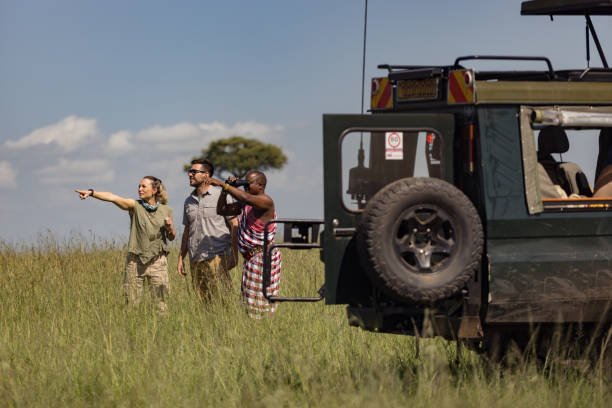
Which Local Tanzania Safari Companies Are Trustworthy In ? 2026-2027
Choosing a trustworthy local Tanzania safari company is crucial for a memorable and safe adventure. This guide helps you identify reliable operators for your 2026-2027 trip, covering...
View package details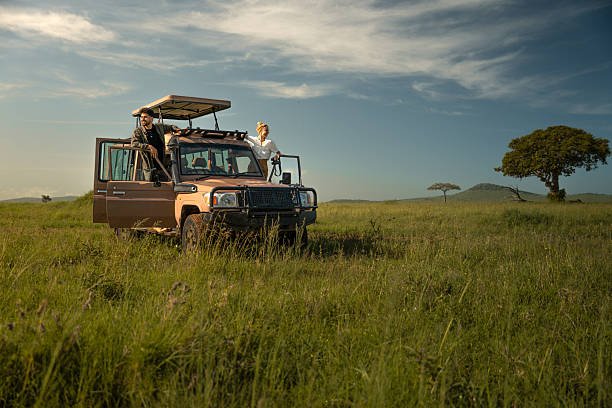
Three Days For Safari In Tanzania: Where To Go An Unforgettable Experience
If you have just three days for a safari in Tanzania, the most recommended destinations for a concentrated and rewarding wildlife experience are the Ngorongoro Conservation Area and...
View package detailsWe Are Arriving At Kilimanjaro Airport, What Safari Itinerary Should We Do?
Planning your safari upon arrival at Kilimanjaro Airport (JRO)? This guide provides tailored safari itineraries for 2026-2027, focusing on Northern Tanzania's iconic parks like the...
View package details
7 Days In Tanzania: Your Expertly Planned Safari Itinerary For 2026-2027
Discover a perfectly crafted 7-day Tanzania safari itinerary for 2026-2027, designed to maximize wildlife viewing and cultural experiences in the Serengeti and Ngorongoro Crater.
View package details
Which Tanzania Safari Gives The Best Value For Money? 2026-2027
Which Tanzania safari gives the best value for money? is explained with current 2026-2027 planning, price, itinerary and booking information.
View package details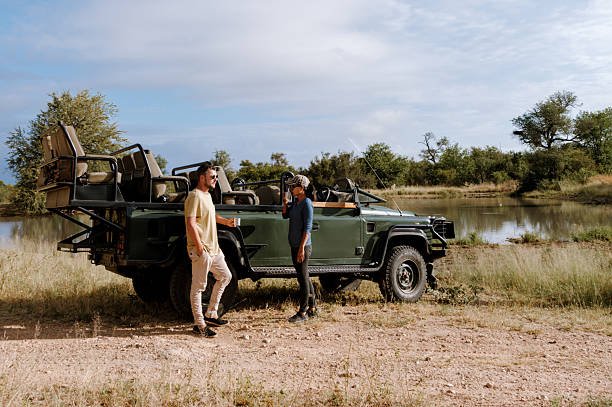
How To Avoid Safari Scams In Tanzania: A Top Guide Adventures Expert 2026-2027
Navigating a safari in Tanzania is a dream for many, but a few precautions can ensure your adventure is scam-free. This guide from Top Guide Adventures provides essential advice for...
View package detailsHow Far In Advance Should You Book A Tanzania Safari? Your Planning Guide
Securing your dream Tanzania safari requires strategic planning. This comprehensive guide details the optimal booking timeline for 2026-2027, considering peak seasons, lodge availability...
View package detailsHow Much Should I Tip My Safari Guide In Tanzania? Your 2026-2027
Understand the tipping culture for safari guides and staff in Tanzania. This guide provides clear, actionable recommendations for tipping your safari crew in 2026-2027, covering guides...
View package detailsPrivate Safari Vs Group Tanzania — Which Is Better? 2026-2027
Private safari vs group safari Tanzania — which is better? is explained with current 2026-2027 planning, price, itinerary and booking information.
View package details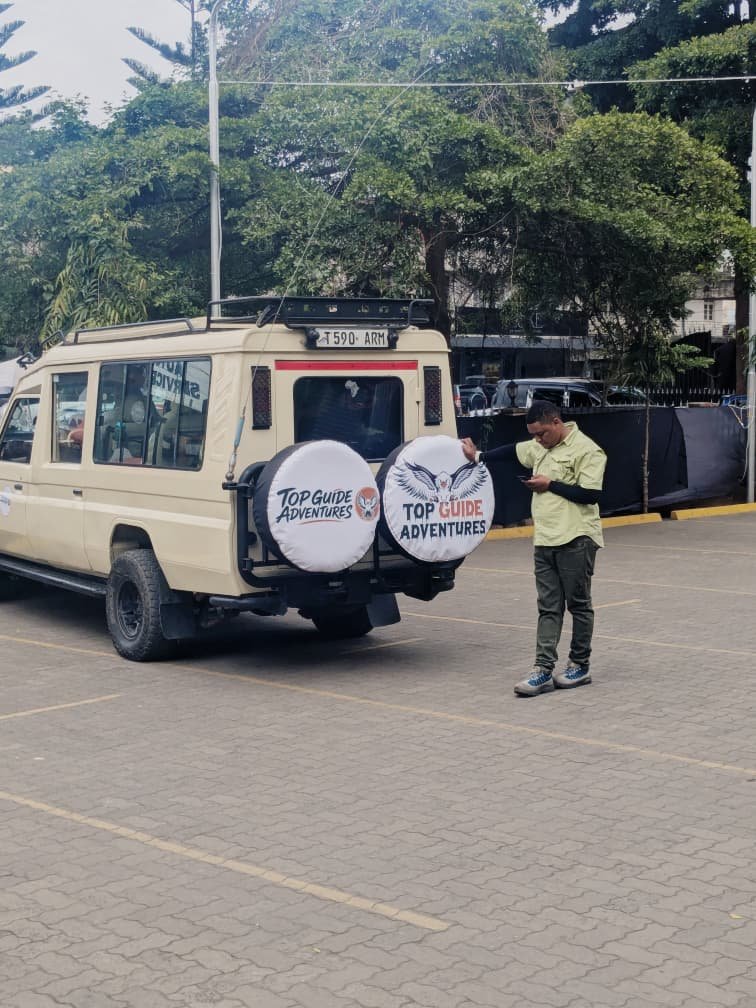
Is A Group Joining Safari In Tanzania Worth It? 2026-2027
Is a group joining safari in Tanzania worth it? is explained with current 2026-2027 planning, price, itinerary and booking information.
View package details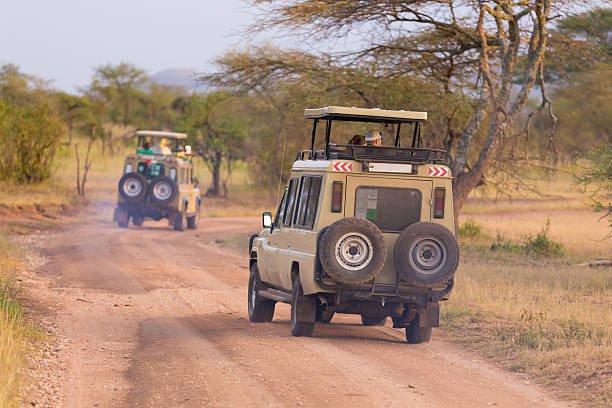
Tanzania Safari For Great Migration: Which Tour To Book In 2026-2027
Planning to witness the Great Migration in Tanzania? This guide helps you choose the perfect safari for 2026-2027, detailing the best parks, timing, and tour options for an unforgettable...
View package detailsNo related package matches those filters. Clear one or more filters to see the other topic-matched options.



