
A Southern Serengeti Green Season safari in 2026-2027 offers a unique and rewarding experience, characterized by lush, green landscapes, abundant newborn wildlife, and fewer crowds compared to the peak dry season. This period, typically from late March/April through May/June, provides excellent opportunities for game drives, especially for predator-prey interactions and birdwatching, with potential for significant savings and a more intimate safari feel.
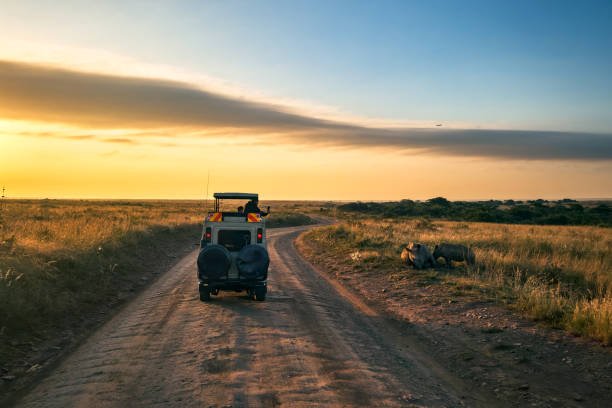
Why Choose a Southern Serengeti Green Season Safari in 2026-2027?
When planning a Tanzanian safari, most travelers immediately picture the vast, dry plains of the Serengeti during the Great Migration’s peak in July-October. However, the Serengeti’s ecosystem is dynamic and offers distinct advantages during its ‘green season’ (also known as the ‘short rains’ or ‘long rains’ season, depending on the specific months). Opting for a Southern Serengeti Green Season safari in 2026-2027 means embracing a different kind of magic – one filled with vibrant life, dramatic skies, and a sense of discovery away from the main tourist throngs.
The southern part of the Serengeti, particularly the Moru Kopjes and Ndutu areas, is a crucial calving ground for the wildebeest and zebras. This natural spectacle draws predators, creating incredible wildlife viewing opportunities. While the grass is tall and can sometimes make spotting distant animals a bit more challenging than in the dry season, the sheer abundance of life, the dramatic scenery, and the often-lower prices make the green season a compelling choice for savvy travelers in 2026-2027.
Understanding the Serengeti’s Seasons for Your 2026-2027 Trip
Tanzania’s climate, and by extension the Serengeti’s, is broadly divided into two main seasons: the dry season and the green season. Understanding these nuances is key to tailoring your safari experience.
The Dry Season (June to October): This is the most popular time to visit. The weather is generally sunny and dry, with lower humidity. The grasses are shorter, making it easier to spot wildlife. Crucially, this is when the Great Migration typically moves north and west across the Serengeti, heading towards the Grumeti and Mara Rivers for their perilous crossings. This concentration of animals and the scarcity of water sources often push wildlife towards the few remaining waterholes, leading to predictable and spectacular game viewing. However, it also means higher visitor numbers and peak season pricing.
The Green Season (November to May): This period is characterized by rainfall, though it’s rarely constant. It’s often broken into two distinct phases:
- Short Rains (November to December): These are usually brief, afternoon showers that leave the landscape refreshed.
- Long Rains (March to May): This is the period of more consistent, sometimes heavy, rainfall, particularly in April and May. This is when the southern Serengeti truly comes alive with new growth.
During the green season, the southern Serengeti, especially the Ndutu and Moru Kopjes areas, becomes a vital nursery. Millions of wildebeest and zebras gather here to give birth to their young. This influx of vulnerable newborns is a magnet for predators like lions, cheetahs, leopards, hyenas, and wild dogs. The landscape transforms into a vibrant green carpet, dotted with wildflowers, offering a photographer’s paradise with dramatic skies and softer light.
The Southern Serengeti’s Calving Season: A Wildlife Spectacle
The heart of the Southern Serengeti Green Season safari experience in 2026-2027 lies in witnessing the calving season. From roughly late December through March, the southern plains become the stage for one of nature’s most profound events.
Why the South? The nutrient-rich grasses in the southern Serengeti are ideal for nursing mothers and their young. The open plains offer good visibility, allowing herds to keep a watchful eye for predators, and the abundant rainfall ensures water availability.
The Arrival of New Life: Within a concentrated period of about three weeks, tens of thousands, sometimes hundreds of thousands, of wildebeest calves are born. Zebras also give birth to their foals. These young animals are the primary food source for the Serengeti’s predators, leading to an explosion of predatory activity.
Predator-Prey Drama: This is when you have the highest chances of witnessing intense predator-prey interactions. Lions, cheetahs, hyenas, and wild dogs all capitalize on the abundance of easy prey. Seeing a cheetah stalk and bring down a young wildebeest, or a pride of lions feasting, is a raw and unforgettable aspect of a Southern Serengeti Green Season safari.
Birding Bonanza: The green season also brings an influx of migratory birds, including European species that have flown south for the summer. Combined with the resident birdlife, the Serengeti becomes a birdwatcher’s delight, with colorful species and active nesting behaviors adding another layer to the safari experience.
When Exactly is the Southern Serengeti Green Season Safari Ideal for 2026-2027?
Pinpointing the exact timing for the Southern Serengeti Green Season safari in 2026-2027 is crucial for maximizing your wildlife viewing experience, especially concerning the calving season and the Great Migration’s movements.
- Late December to March: This is the prime time for the calving season. The southern plains, including the Ndutu Conservation Area (technically part of the Ngorongoro Conservation Area but contiguous with the Serengeti and a key part of the southern Serengeti experience), are typically teeming with wildebeest and zebras giving birth. Predators are highly active in this period.
- April to May: These months often represent the peak of the long rains. While game viewing is still excellent, especially around permanent water sources and kopjes, some areas might become less accessible due to muddy tracks. This is also when the herds begin to stir and move northwards, often in anticipation of the drier months ahead. The landscape is incredibly lush and green, and visitor numbers are at their lowest, offering a truly exclusive feel.
- Late March/Early April: This can be a transitional period. You might catch the tail end of the calving season and witness the herds beginning their northward journey. The landscape is starting to transition from the driest part of the year to the green season, with occasional showers.
For those specifically interested in the calving spectacle and high predator activity, aiming for January through March is often recommended for a Southern Serengeti Green Season safari in 2026-2027. If lush scenery, fewer people, and potential cost savings are higher priorities, April and May are excellent choices, though accessibility can be a minor consideration.
Advantages of a Southern Serengeti Green Season Safari
While the dry season gets much of the attention, the Southern Serengeti Green Season safari in 2026-2027 offers a distinct set of benefits that appeal to a wide range of travelers.
Fewer Crowds, More Intimacy
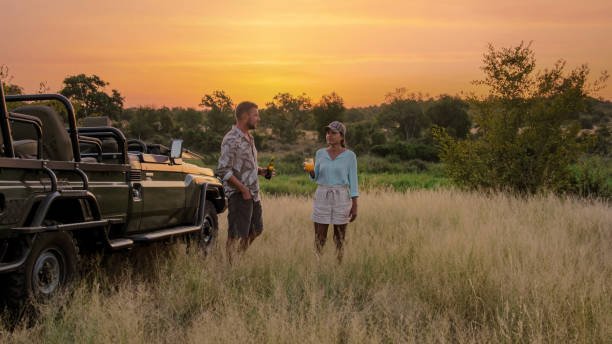
The green season is considered the ‘low season’ for tourism in Tanzania. This means significantly fewer safari vehicles and tourists in the parks, especially in the southern Serengeti. This translates to a more personal and intimate wildlife viewing experience. Imagine having a pride of lions all to yourself, or enjoying a sundowner with only the sounds of the African bush around you. This is a major draw for photographers and those seeking a more tranquil safari.
Stunning Emerald Landscapes
The rains transform the typically golden-brown plains into a vibrant, lush green paradise. The landscape is dotted with wildflowers, creating a visually stunning backdrop for wildlife photography. The dramatic cloud formations and the softer light during the green season can also lead to more evocative and beautiful images.
Exceptional Newborn Wildlife Viewing
As detailed earlier, the calving season in the southern Serengeti (late December to March) is a prime reason to visit. The abundance of vulnerable young animals means predators are highly active and visible. This period offers unparalleled opportunities to witness predator-prey interactions, lion prides with playful cubs, cheetahs on the hunt, and the sheer scale of life on the plains.
Abundant Birdlife
For birdwatching enthusiasts, the green season is a dream. Migratory birds from Europe and other parts of Africa are present, and resident birds are often in their breeding plumage, actively nesting and displaying. This makes the Southern Serengeti a fantastic destination for ornithologists and casual birdwatchers alike.
Potential Cost Savings
Because it’s the low season, you can often find better deals on accommodation and sometimes even flights for a Southern Serengeti Green Season safari in 2026-2027. Lodges and camps may offer lower rates, making a luxury safari experience more accessible. This is a great opportunity for travelers looking to get more value from their safari budget.
Potential Challenges and How to Prepare
While the green season offers many advantages, it’s important to be aware of potential challenges and prepare accordingly for your Southern Serengeti Green Season safari in 2026-2027.
Rainfall and Road Conditions
The primary challenge is the rain. While it’s rarely continuous, heavy downpours, particularly in April and May, can make some roads muddy and potentially impassable. This can sometimes lead to:
- Slightly longer game drives: Travel times between locations might increase.
- Limited access to certain areas: Some tracks might be temporarily closed if they become too difficult to navigate.
- Potential for delays: While rare, extreme weather could theoretically cause minor itinerary adjustments.
Preparation: Tour operators like Top Guide Adventures are experienced in navigating these conditions. They use 4×4 safari vehicles with experienced guides who know the terrain and alternative routes. Choosing a reputable operator is key. Your guide will always prioritize safety and the best possible wildlife viewing, adapting the plan as needed. Ensure your packing list includes waterproof gear.
Tall Grass and Wildlife Spotting
The lush vegetation that makes the green season so beautiful can also mean taller grasses, especially in the southern plains. This can sometimes make spotting smaller animals or those lying down in the grass more difficult from a distance.
Preparation: This is where a skilled guide becomes invaluable. They are trained to spot movement and signs of wildlife in the bush. They also know the animals’ habits and preferred locations. Using binoculars is essential, and your guide will often use a spotlight at dawn and dusk to help locate animals. The presence of numerous predators actively hunting in the tall grass also means you’re often close to the action, even if the grass is high.
Mosquitoes
As with any season in Tanzania, mosquitoes are present. The green season, with its increased humidity and water sources, can mean a slightly higher mosquito population, particularly around dawn and dusk.
Preparation: Pack effective insect repellent containing DEET or picaridin. Wear long sleeves and trousers, especially during dawn and dusk. Most safari lodges and camps provide mosquito nets over the beds, and many have screens on windows and doors. Taking anti-malarial medication as advised by your doctor is also recommended.
Where to Go in the Southern Serengeti During the Green Season
While the entire Serengeti ecosystem is vast, certain areas in the southern region are particularly renowned during the green season. Understanding these locations will help you visualize your safari.
Ndutu Conservation Area
Technically part of the Ngorongoro Conservation Area, Ndutu is geographically and ecologically inseparable from the southern Serengeti and is the epicenter of the calving season. From December to March, this area is the primary destination for millions of wildebeest and zebras.
- Wildlife: Unrivaled concentration of wildebeest, zebras, and their calves. High predator activity – lions, cheetahs, hyenas, wild dogs are frequently seen.
- Landscape: Open grasslands, acacia woodlands, and kopjes.
- Best for: Witnessing the calving season, predator-prey action, photography.
- Accommodation: A range of tented camps, from basic to luxury mobile camps that follow the migration, and a few permanent lodges.
Seronera Valley (Central Serengeti)
While Seronera is a year-round destination, during the green season, it can offer a slightly different experience. As herds move through, Seronera’s resident predators remain active. It’s also a good base if you want to explore both north and south.
- Wildlife: Excellent resident wildlife population including lions, leopards, elephants, giraffes, and various antelope species. You might see migrating herds passing through.
- Landscape: Riverine forests, grasslands, and kopjes.
- Best for: Year-round game viewing, leopard sightings, diverse landscapes.
- Accommodation: Numerous lodges and permanent tented camps.
Moru Kopjes
Located in the central-south part of the Serengeti, the Moru Kopjes are a series of rocky outcrops that provide shelter and water for wildlife, making them attractive to predators. They are often a stopover point for the migrating herds.
- Wildlife: Good chances of seeing lions, leopards, cheetahs, rhinos (though sightings are rare), elephants, and various plains game.
- Landscape: Rocky outcrops (kopjes) surrounded by grasslands.
- Best for: Excellent predator viewing, scenic landscapes, potential rhino sightings.
- Accommodation: A few strategically located lodges and tented camps.
The ‘Off-Season’ Advantage
Visiting in April and May, when the rains are heaviest, means you’ll likely be in areas like the central Serengeti (Seronera) or even exploring slightly further north or west as the herds begin their journey. While the southern plains might be less accessible or less populated by the main herds after March, these transitional months still offer fantastic game viewing and a truly wild, uncrowded experience. The vegetation is at its most vibrant.
Planning Your Southern Serengeti Green Season Safari in 2026-2027
A well-planned safari is key to a memorable experience. Here’s what you need to consider for your Southern Serengeti Green Season safari in 2026-2027.
Choosing the Right Timeframe
As discussed, the specific months within the green season cater to different interests:
- December – March: Peak calving season, highest predator activity.
- April – May: Lush landscapes, lowest crowds, potential for migratory movements.
Consider your priorities: are you chasing the calving drama, or do you prefer solitude and vibrant scenery? For 2026-2027, booking in advance is still recommended, especially for specific lodges or if you’re traveling during holidays like Christmas or Easter.
Accommodation Options
The southern Serengeti offers a variety of accommodation types, each providing a different safari experience:
- Tented Camps (Mobile/Seasonal): These camps are often set up in prime locations to follow the migration and calving herds. They offer an authentic safari feel, with canvas walls and basic comforts, often including en-suite bathrooms. They are typically best booked for the specific months they operate.
- Tented Camps (Permanent): These offer more robust structures, often with en-suite bathrooms, hot showers, and comfortable furnishings. They provide a blend of luxury and immersion in nature.
- Lodges: These are more permanent structures, offering the highest level of comfort and amenities, including swimming pools, restaurants, and bars. They provide a luxurious base after days of exploring.
For a Southern Serengeti Green Season safari in 2026-2027, consider camps in the Ndutu area for the calving season. For April-May, permanent camps or lodges in Seronera or near Moru Kopjes can be excellent choices.
Safari Duration
A minimum of 3-4 days is recommended for the southern Serengeti to truly appreciate the wildlife and landscape. However, for a more comprehensive experience that might include other parts of the Serengeti or nearby attractions like the Ngorongoro Crater, a 7-10 day safari is ideal. This allows for leisurely game drives, time to explore different habitats, and the flexibility to adapt to wildlife movements.
Choosing a Safari Operator
Selecting the right tour operator is paramount, especially for the green season. An experienced operator will:
- Understand the seasonal wildlife movements and best locations.
- Have relationships with the best camps and lodges, including seasonal ones.
- Possess knowledgeable guides who can navigate the terrain and maximize wildlife sightings.
- Ensure reliable 4×4 vehicles suitable for green season conditions.
- Help with park permits and logistics.
Top Guide Adventures specializes in crafting bespoke Southern Serengeti Green Season safaris in 2026-2027. We work closely with you to understand your interests and budget, ensuring a smooth and unforgettable adventure. Feel free to contact us via WhatsApp +255616946642 or Email topguideadventures@gmail.com to start planning.
Packing Essentials for the Green Season
Packing smart is crucial for comfort and enjoyment during the green season.
- Clothing: Lightweight, neutral-colored clothing (khaki, beige, green). Long-sleeved shirts and trousers for sun and mosquito protection. A fleece or warm jacket for cool mornings and evenings. Waterproof jacket or poncho.
- Footwear: Comfortable closed-toe walking shoes or hiking boots.
- Protection: Wide-brimmed hat, sunglasses, high SPF sunscreen, insect repellent (with DEET).
- Health: Personal first-aid kit, any prescribed medications, anti-malarials.
- Gear: Binoculars (essential!), camera with extra batteries and memory cards, power bank or adapter for charging. A good quality headlamp or torch.
- Documents: Passport, visa (if required), Yellow Fever certificate, travel insurance details.
Green Season Safari Packing Checklist Summary
- Neutral-colored, lightweight clothing
- Long-sleeved shirts & trousers
- Fleece/warm jacket
- Waterproof jacket/poncho
- Comfortable walking shoes
- Wide-brimmed hat & sunglasses
- High SPF sunscreen
- Insect repellent
- Personal first-aid kit
- Binoculars
- Camera & accessories
- Power bank/adapter
- Headlamp/torch
- Passport & travel documents
The Great Migration Context: Where Will They Be in 2026-2027?
Understanding the Great Migration’s cycle is vital, even when focusing on the southern Serengeti green season, as it dictates herd movements.
December – March: The vast majority of the wildebeest and zebra herds are concentrated in the southern Serengeti and Ndutu area for calving. This is the heart of the Southern Serengeti Green Season safari for observing new life and predator activity.
April – May: As the long rains begin and the grass in the south becomes too long or less palatable, the herds start their northward journey. They typically move west and then north, often crossing the Grumeti River. This is a period of transition, and game viewing can still be excellent in central and western Serengeti.
June – July: The herds are generally in the central and western Serengeti, preparing for the Mara River crossings. This is a peak time for dramatic river crossings, but also peak season for crowds and prices.
August – October: The migration moves north into the Lamai Wedge and Kogatende areas, with the Mara River crossings continuing. This is another prime time for migration viewing but is part of the dry season’s peak.
November: The herds begin their return south, often triggered by the first short rains. They may move through the central Serengeti again before reaching the southern plains by December.
For a Southern Serengeti Green Season safari in 2026-2027, focusing on December through March is ideal for the calving season. If you travel in April or May, you’ll witness the landscape at its lushest and potentially catch the very beginning of the northward movement, often finding excellent game viewing in the central Serengeti.
Photography Tips for Your Southern Serengeti Green Season Safari
The green season offers unique photographic opportunities. The lush scenery, dramatic skies, and newborn animals create a different aesthetic than the dry season.
- Capture the Landscape: Use wider lenses to include the vibrant green plains and dramatic cloud formations in your shots. The softer light is excellent for landscape photography.
- Focus on Newborns: The calving season is all about the young. Look for tender moments between mothers and calves, or the playful antics of foals.
- Predator Action: The high concentration of predators means more opportunities to capture hunting sequences or interactions. Be patient and ready.
- Use Your Guide: Your guide can position the vehicle for the best light and angles. They also know where animals are likely to be, even in tall grass.
- Gear: A versatile zoom lens (e.g., 70-300mm or 100-400mm) is ideal for wildlife. A wider lens (e.g., 24-70mm) is useful for landscapes and larger scenes. Ensure you have plenty of battery power and memory cards, as you’ll be taking a lot of photos!
- Low Light: Early mornings and late afternoons can be darker due to cloud cover or tall grass. Ensure your camera settings are adjusted, or use a lens with a wider aperture (e.g., f/2.8 or f/4).
Beyond the Southern Serengeti: Combining with Other Destinations in 2026-2027
A Southern Serengeti Green Season safari can be perfectly combined with other iconic Tanzanian destinations for a well-rounded adventure in 2026-2027.
Ngorongoro Crater
Adjacent to the southern Serengeti, the Ngorongoro Crater offers a unique, self-contained ecosystem with incredible wildlife density. It’s a fantastic addition, especially as it’s easily accessible from the Ndutu area.
- Wildlife: High chance of seeing the ‘Big Five’ (lion, leopard, elephant, rhino, buffalo) in a single day. Excellent for birdwatching.
- Landscape: A vast volcanic caldera teeming with life.
- Best for: Guaranteed Big Five sightings, unique crater experience.
Tarangire National Park
Known for its large elephant herds and iconic baobab trees, Tarangire is often visited en route to the Serengeti or as part of a Northern Circuit safari. It can be a great stop before or after the green season in the Serengeti.
- Wildlife: Huge elephant populations, diverse birdlife, predators.
- Landscape: Rolling hills, savannah, and baobab-studded plains.
- Best for: Elephant sightings, scenic landscapes.
Zanzibar
For a complete Tanzanian experience, combine your safari with a relaxing beach holiday on the spice island of Zanzibar. It’s the perfect way to unwind after the excitement of a safari.
- Activities: Pristine beaches, snorkeling, diving, Stone Town history, spice tours.
- Best for: Relaxation, culture, tropical escape.
Top Guide Adventures can seamlessly integrate these destinations into your Southern Serengeti Green Season safari itinerary for 2026-2027. We can create custom packages that include flights between locations, transfers, and accommodation, ensuring a smooth transition between your safari and beach relaxation.
Is a Southern Serengeti Green Season Safari Right for You in 2026-2027?
A Southern Serengeti Green Season safari is ideal for travelers who:
- Are passionate about witnessing the calving season and predator-prey dynamics.
- Appreciate lush, green landscapes and dramatic skies.
- Seek a more intimate and less crowded safari experience.
- Are keen photographers looking for unique lighting and subjects.
- Are birdwatching enthusiasts.
- Are looking for potentially better value for their safari budget.
- Are flexible and understand that nature dictates the pace, with occasional rain showers being part of the experience.
If you prioritize dry, open plains and predictable river crossings above all else, the dry season might be more suitable. However, for many, the unique magic of the Southern Serengeti Green Season safari in 2026-2027 offers a profoundly rewarding and authentic African wildlife encounter.
Why Book Your 2026-2027 Southern Serengeti Green Season Safari with Top Guide Adventures?
Choosing the right partner for your safari is crucial. At Top Guide Adventures, we are passionate about creating authentic and unforgettable Tanzanian experiences. For your Southern Serengeti Green Season safari in 2026-2027, we offer:
- Expert Local Knowledge: We live and breathe Tanzania. Our guides are highly experienced and know the Serengeti intimately, especially during the green season.
- Tailored Itineraries: We don’t do one-size-fits-all. We listen to your desires and craft a safari that perfectly matches your interests, budget, and travel style.
- Quality Accommodation: We partner with a range of carefully selected lodges and camps, from comfortable tented camps to luxurious lodges, ensuring you have a great place to rest after your game drives.
- Reliable Logistics: We handle all the details, from park permits and vehicle arrangements to internal flights and transfers, ensuring a stress-free journey.
- Commitment to Value: We strive to offer competitive pricing without compromising on the quality of your safari experience, especially during the value-rich green season.
Let us help you plan an extraordinary Southern Serengeti Green Season safari. Whether you’re captivated by the drama of the calving season or the tranquility of the lush landscapes, we are here to make your dream trip a reality. Contact us today to discuss your 2026-2027 adventure!
Get in touch:
WhatsApp: +255616946642
Email: topguideadventures@gmail.com
Backup Email: info@topguideadventures.com
Website: www.topguideadventures.com
Check Availability for Southern Serengeti Green Season Safari Guide
Ready to compare dates, prices, and the best option for your group? Send the package name and travel month so the team can reply with a clear quote, availability, and what is included.
Serengeti And Ngorongoro Safari Without Luxury: Your Options For 2026-2027
Discover how to experience the wonders of the Serengeti and Ngorongoro Crater on a safari that prioritizes incredible wildlife viewing and authentic experiences over luxury accommodations...
View package details
Which Local Tanzania Safari Companies Are Trustworthy In ? 2026-2027
Choosing a trustworthy local Tanzania safari company is crucial for a memorable and safe adventure. This guide helps you identify reliable operators for your 2026-2027 trip, covering...
View package details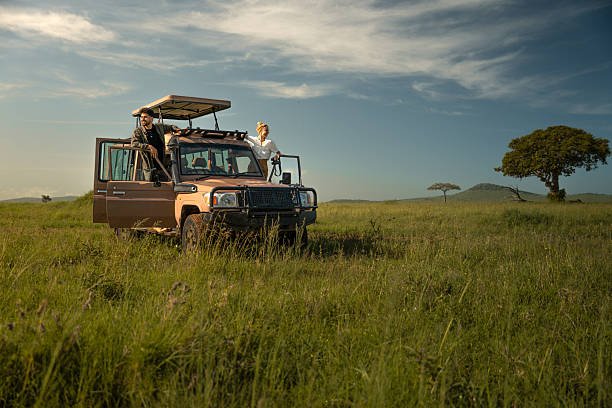
Three Days For Safari In Tanzania: Where To Go An Unforgettable Experience
If you have just three days for a safari in Tanzania, the most recommended destinations for a concentrated and rewarding wildlife experience are the Ngorongoro Conservation Area and...
View package detailsWe Are Arriving At Kilimanjaro Airport, What Safari Itinerary Should We Do?
Planning your safari upon arrival at Kilimanjaro Airport (JRO)? This guide provides tailored safari itineraries for 2026-2027, focusing on Northern Tanzania's iconic parks like the...
View package details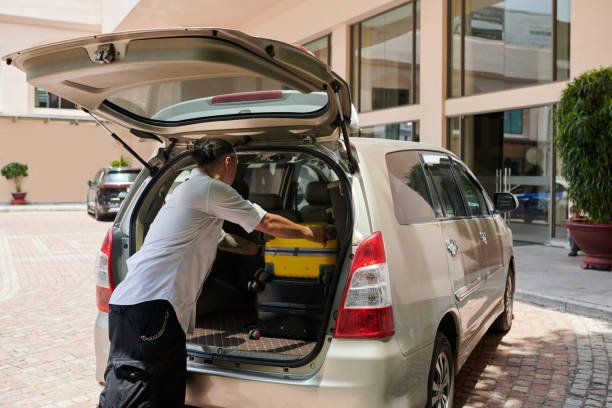
7 Days In Tanzania: Your Expertly Planned Safari Itinerary For 2026-2027
Discover a perfectly crafted 7-day Tanzania safari itinerary for 2026-2027, designed to maximize wildlife viewing and cultural experiences in the Serengeti and Ngorongoro Crater.
View package details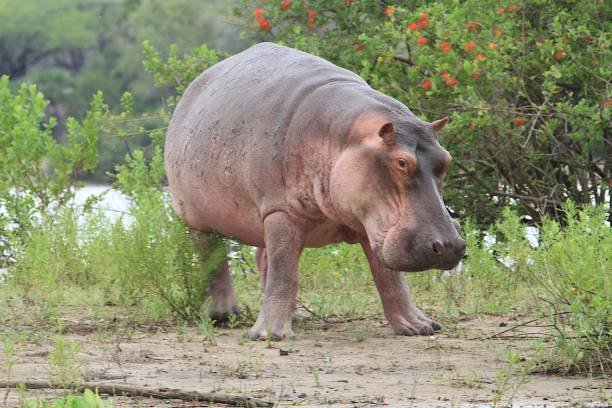
12-Day Southern Tanzania Grand Safari: An Unforgettable Adventure In 2026-2027
Discover the untamed beauty of Southern Tanzania on an epic 12-day safari. This journey explores the vast wilderness of Selous Game Reserve, the dramatic landscapes of Ruaha National Park...
View package details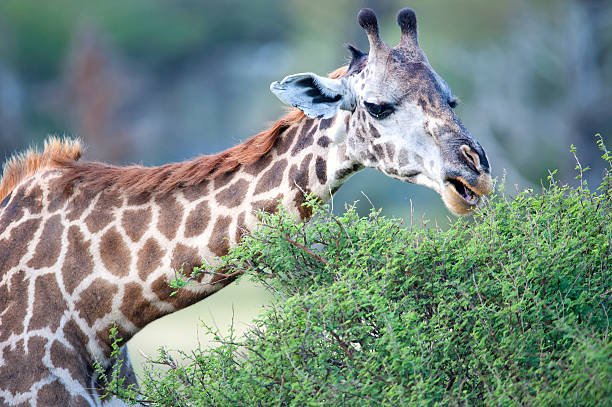
10-Day Southern Tanzania Safari And Beach Holiday 2026-2027
Discover the ultimate 10-day Southern Tanzania safari and beach holiday, blending the wild wonders of Selous and Ruaha with the serene shores of Zanzibar or Mafia Island. Perfect for...
View package details9-Day Nyerere Safari And Zanzibar Package: Ultimate Southern Tanzania
Discover the best of Tanzania's southern circuit with a 9-day Nyerere Safari and Zanzibar package. Experience thrilling game drives in Nyerere National Park, once known as Selous, followed...
View package details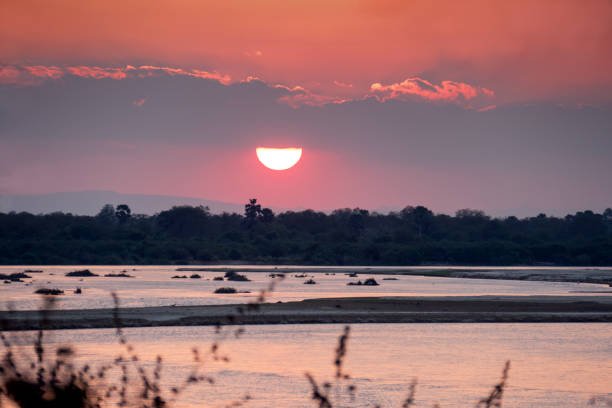
8-Day Southern Tanzania Luxury Safari: Selous & Ruaha 2026-2027
An 8-day luxury safari through Southern Tanzania's Selous Game Reserve and Ruaha National Park offers an unparalleled wildlife experience. This itinerary focuses on exclusive lodges...
View package details
7-Day Mikumi, Udzungwa & Nyerere Safari: Your Ultimate Southern Tanzania
This 7-day itinerary covers Mikumi, Udzungwa, and Nyerere National Parks, offering a comprehensive Southern Tanzania safari experience. Explore diverse ecosystems, abundant wildlife, and...
View package details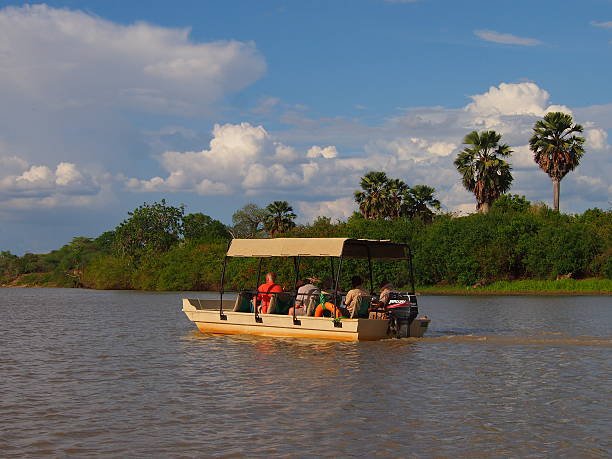
7-Day Southern Tanzania Safari: Ultimate Guide To Selous & Ruaha In 2026-2027
start an unforgettable 7-day Southern Tanzania safari adventure, exploring the vast wilderness of Selous Game Reserve and the untamed beauty of Ruaha National Park. This itinerary offers a...
View package details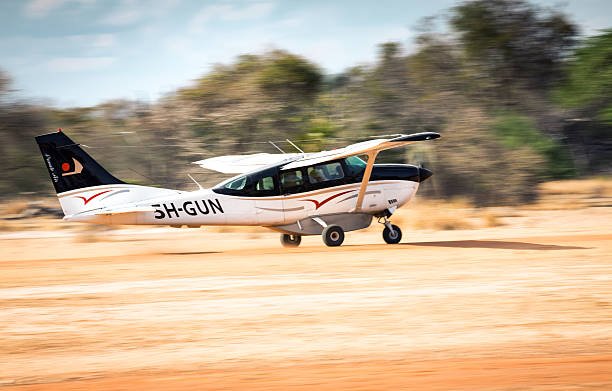
7-Day Selous And Ruaha: Southern Tanzania Safari Adventure 2026-2027
Explore the untamed wilderness of Southern Tanzania on an unforgettable 7-day safari combining the vast Selous Game Reserve and the dramatic Ruaha National Park. This itinerary offers a...
View package detailsNo related package matches those filters. Clear one or more filters to see the other topic-matched options.



