
To see the Great Migration in Tanzania, you should book a safari focused on the Serengeti National Park, strategically timing your visit to align with the herds’ movements. For 2026-2027, consider a 5-7 day Serengeti safari, with options for extending into the Ngorongoro Conservation Area. Key viewing periods include the river crossings in the Grumeti or Mara Rivers (typically July-October) and the calving season in the southern Serengeti (typically January-March). Top Guide Adventures offers tailored Serengeti safaris designed to maximize your chances of witnessing this natural spectacle.
Planning Your Great Migration Safari in Tanzania: A Comprehensive Guide for 2026-2027
The Great Migration is one of the planet’s most extraordinary wildlife events, a colossal movement of over 1.5 million wildebeest, zebras, and gazelles across the vast plains of the Serengeti ecosystem. Witnessing this spectacle is a dream for many, and understanding where and when to go is crucial for success. This guide will help you navigate the complexities of booking the right Tanzania safari for the Great Migration, with specific considerations for planning your trip in 2026 and 2027.
At Top Guide Adventures, we specialize in creating unforgettable safari experiences. We understand that seeing the Great Migration requires more than just a general safari booking; it demands precise timing, knowledge of the animals’ unpredictable paths, and selecting the right safari operator. This article aims to equip you with all the information needed to make an informed decision, ensuring your 2026 or 2027 Great Migration safari is everything you hoped for and more.
Understanding the Great Migration: The Why, When, and Where
The Great Migration is not a single event but a continuous cycle driven by the search for fresh grazing land and water. The herds traverse approximately 1,800 miles (3,000 km) annually, following the rains. This predictable yet dynamic movement dictates the best locations for viewing throughout the year.
The Annual Cycle of the Great Migration
The wildebeest migration is a year-round phenomenon, with different stages offering unique viewing opportunities. Understanding this cycle is the first step in choosing the optimal time for your 2026-2027 safari.
- December – March (Southern Serengeti & Ndutu): This is the calving season. Thousands of young wildebeest and zebras are born, concentrated in the short-grass plains of the southern Serengeti and the adjacent Ngorongoro Conservation Area (specifically the Ndutu area). This period is ideal for seeing predators in action as they prey on the vulnerable newborns. The landscape is dotted with life, offering incredible photographic opportunities.
- April – May (Central & Western Serengeti): As the dry season approaches and the southern plains become depleted, the herds begin their northward journey. They move towards the western corridor of the Serengeti, often congregating along the Grumeti River. This period can see large herds, but the vegetation is drier, and the landscape less verdant than in the south.
- June – July (Western & Northern Serengeti): The Grumeti River crossings can occur during this time, presenting a dramatic spectacle. However, the main event for many travelers – the Mara River crossings – typically begins later. The herds are spread out, moving northwards through the central and western parts of the park.
- July – October (Northern Serengeti & Masai Mara, Kenya): This is the peak season for the famous Mara River crossings. As the river becomes a barrier, wildebeest, zebras, and crocodiles engage in epic battles for survival. The herds are concentrated in the northern Serengeti, often near the border with Kenya’s Masai Mara National Reserve. This is a highly sought-after period, meaning higher demand and potentially higher prices for safaris in 2026-2027.
- November (Transition back South): Following the short rains, the herds begin their journey back south, often moving through the eastern and central Serengeti towards the southern plains, completing the cycle.
Why the Serengeti is Central to the Great Migration
The Serengeti National Park, a UNESCO World Heritage Site, is the heartland of the Great Migration. Its vast, open savannas and diverse habitats provide the necessary resources for the millions of animals. Adjacent areas like the Ngorongoro Conservation Area and, across the border, Kenya’s Masai Mara, are integral parts of the migration’s ecosystem.
For a Tanzania safari specifically focused on the Great Migration, the Serengeti is the primary destination. While other parks in Tanzania offer incredible wildlife viewing, only the Serengeti hosts this particular, world-renowned movement of herbivores.
Choosing the Right Tanzania Safari Package for the Great Migration
Booking a safari for the Great Migration involves selecting the right itinerary, accommodation type, and safari operator. Top Guide Adventures offers a range of options to suit different preferences and budgets for your 2026-2027 trip.
Safari Itinerary Length and Focus
Recommended Duration: To maximize your chances of witnessing the migration, a minimum of 5-7 days focused on the Serengeti is advisable. This allows ample time to track the herds and explore different regions within the park.
Itinerary Variations:
- Serengeti Only: A 5-day safari focusing exclusively on the Serengeti provides a deep look at the migration’s dynamics. This is ideal if you want to concentrate solely on this event.
- Serengeti & Ngorongoro Crater: A 7-10 day safari that includes both the Serengeti and the Ngorongoro Crater offers a more diverse wildlife experience. The Crater is renowned for its high density of animals, including the Big Five, and can be visited before or after your Serengeti exploration. This is a popular choice for first-time visitors to Tanzania.
- Northern Circuit Extension: For a more comprehensive Northern Circuit experience, consider adding Lake Manyara National Park and Tarangire National Park to your itinerary. While not directly on the migration’s main path, they offer excellent game viewing and unique landscapes.
Accommodation Styles for Migration Safaris
Your choice of accommodation significantly impacts your safari experience and budget. For the Great Migration, mobile tented camps are particularly valuable as they move with the herds, offering prime locations.
- Luxury Lodges: Permanent structures offering high-end amenities, fine dining, and often swimming pools. Ideal for those seeking comfort and service. Locations are fixed, so proximity to the migration depends on the season.
- Mid-Range Camps: Comfortable canvas tents with en-suite bathrooms and proper beds. Offer a good balance of comfort and authentic safari feel.
- Budget Tented Camps: Simpler canvas tents, often with shared bathroom facilities. A more rustic experience, suitable for adventurous travelers.
- Mobile Tented Camps: These are the most strategic for Great Migration viewing. They are set up in temporary locations that follow the herds’ movements, offering unparalleled access. They provide comfortable tents with beds and en-suite facilities, but their primary advantage is their location. Booking these well in advance for 2026-2027 is crucial.
Private vs. Group Safaris for the Great Migration
Top Guide Adventures offers both private and scheduled group safaris.
- Private Safaris: Offer maximum flexibility. You have a dedicated vehicle and guide, allowing you to set the pace and focus on your interests. Ideal for families, couples, or groups seeking a personalized experience. These can be tailored to your specific timing for the 2026-2027 migration.
- Group Safaris: A more economical option where you share a vehicle and costs with other travelers. These often follow fixed departure dates, which can be beneficial for planning but offer less flexibility. Check the Top Guide Adventures group departure dates for available 2026-2027 options.
When to Book Your 2026-2027 Great Migration Safari
The Great Migration is a highly popular wildlife event, and booking well in advance is essential, especially for peak seasons and specific accommodations like mobile camps. For 2026 and 2027, consider the following booking timelines:
- 12-18 Months in Advance: For peak migration seasons (July-October river crossings, January-March calving season), especially if you desire specific luxury lodges or mobile camps in prime locations, booking this far ahead is highly recommended. This ensures availability for the best options.
- 6-12 Months in Advance: This is a standard booking window for most safari types, including mid-range and budget options, and for less peak migration periods. You will still have a good selection of itineraries and accommodations.
- Less than 6 Months: While last-minute deals can sometimes be found, especially in the shoulder seasons or for less popular itineraries, relying on this timeframe for the Great Migration is risky. Popular camps and lodges, particularly those strategically located for migration viewing, will likely be fully booked.
Tip for 2026-2027: The demand for safaris is projected to remain high. Early booking for the Great Migration in 2026 and 2027 is strongly advised to secure your preferred dates and lodges.
Top Tanzania Safari Parks and Reserves for the Great Migration
While the Serengeti is the primary stage, other areas play a supporting role or offer complementary wildlife experiences.
Serengeti National Park: The Epicenter
The Serengeti is vast, and different regions offer distinct experiences depending on the time of year. Choosing accommodation within the right sector of the Serengeti is key to maximizing your Great Migration viewing.
- Central Serengeti (Seronera Valley): Excellent year-round game viewing, often with resident predators. During the migration, it can host large numbers of animals moving through.
- Western Serengeti (Grumeti River): Famous for potential river crossings and large crocodiles. Best viewed from June to August.
- Northern Serengeti (Mara River): The stage for the dramatic Mara River crossings, typically from July to October. This area is remote and requires more travel time.
- Southern Serengeti (Ndutu Area): The heart of the calving season from January to March, with vast plains teeming with newborns and predators.
- Eastern Serengeti: Less visited, but can offer good game viewing, especially during the migration’s transit periods.
Ngorongoro Conservation Area: The Natural Amphitheater
Adjacent to the Serengeti, the Ngorongoro Crater is a collapsed volcano caldera teeming with wildlife. While the main migration herds don’t permanently reside here, large numbers of wildebeest and zebras pass through, especially in the Ndutu area during the calving season (December-March). The Crater itself offers exceptional Big Five viewing year-round due to its unique ecosystem.
Masai Mara National Reserve (Kenya): The Northern Extension
For many travelers, the Great Migration experience extends into Kenya’s Masai Mara. The animals cross the Mara River to reach the greener pastures of the Mara, typically from July to October. While this guide focuses on Tanzania safaris, it’s worth noting that a combined Tanzania-Kenya safari can offer a complete migration experience, though it involves border crossings and separate park fees.
Crafting Your Ideal Great Migration Safari Itinerary
Let’s look at sample itineraries tailored for different migration viewing periods in 2026-2027.
Sample Itinerary 1: River Crossing Focus (July-October)
Duration: 7 Days / 6 Nights
Focus: Northern Serengeti & Mara River Crossings
- Day 1: Arrive Kilimanjaro International Airport (JRO), transfer to Arusha.
- Day 2: Fly from Arusha to Kogatende Airstrip (Northern Serengeti). Game drive en route to your mobile camp. Afternoon game drive.
- Day 3-5: Full days exploring the Northern Serengeti, tracking the migration and focusing on the Mara River crossings. Your guide will position you for the best viewing opportunities.
- Day 6: Morning game drive, then fly from Kogatende to Kilimanjaro or Arusha for an overnight stay.
- Day 7: Departure.
Best for: Witnessing the dramatic river crossings.
Accommodation: Mobile tented camp in Northern Serengeti.
Sample Itinerary 2: Calving Season Focus (January-March)
Duration: 7 Days / 6 Nights
Focus: Southern Serengeti & Ndutu Area
- Day 1: Arrive Kilimanjaro (JRO), transfer to Arusha.
- Day 2: Fly from Arusha to Manyara Airstrip, then transfer by road to the Ndutu area (Ngorongoro Conservation Area). Afternoon game drive.
- Day 3-5: Full days exploring the plains of Ndutu and Southern Serengeti, observing the calving herds and predator activity.
- Day 6: Morning game drive, then fly from Manyara to Kilimanjaro or Arusha.
- Day 7: Departure.
Best for: Seeing newborn animals and predator-prey interactions.
Accommodation: Tented camp or lodge in Ndutu/Southern Serengeti.
Sample Itinerary 3: Comprehensive Northern Circuit (Year-Round, migration timing varies)
Duration: 10 Days / 9 Nights
Focus: Tarangire, Lake Manyara, Ngorongoro Crater, and Central/Western Serengeti
- Day 1: Arrive JRO, transfer to Arusha.
- Day 2: Drive to Tarangire National Park. Game drive.
- Day 3: Morning game drive in Tarangire, then drive to Lake Manyara National Park. Game drive.
- Day 4: Drive to the Ngorongoro Conservation Area. Descend into the Crater for a full day game drive.
- Day 5: Drive to the Serengeti National Park (Central or Western corridor). Game drive en route to your lodge/camp.
- Day 6-7: Full days exploring the Serengeti. Depending on the time of year, focus on areas where the migration is likely to be.
- Day 8: Morning game drive in Serengeti, then fly from a Serengeti airstrip back to Arusha.
- Day 9: Buffer day in Arusha or optional day trip.
- Day 10: Departure.
Best for: A diverse wildlife experience with a good chance of seeing parts of the migration, plus iconic landscapes and other wildlife.
Accommodation: Mix of lodges and tented camps.
What to Expect on a Great Migration Safari with Top Guide Adventures
When you book a Great Migration safari with Top Guide Adventures, you can expect meticulous planning and dedicated support. We pride ourselves on offering personalized service that ensures your safari is not just a trip, but a life-changing experience.
Experienced Guides and Custom Vehicles
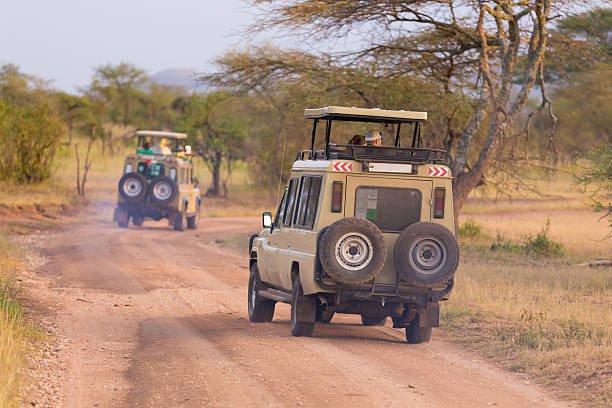
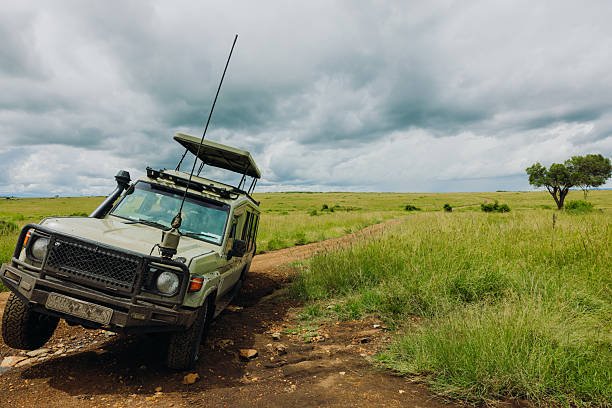
Our guides are local experts, passionate about Tanzania’s wildlife and culture. They possess intimate knowledge of the Serengeti and the migration patterns. You will be provided with a custom-built 4×4 safari vehicle, equipped for optimal game viewing with pop-up roofs and comfortable seating. For 2026-2027 bookings, we ensure our vehicles are well-maintained and our guides are updated on the latest wildlife movements.
smooth Logistics
From airport transfers to internal flights and road travel, we manage all logistics. This allows you to relax and focus on the incredible wildlife encounters. We handle park entry fees, accommodation bookings, and meal arrangements, providing a hassle-free experience.
Personalized Attention
We understand that every traveler is unique. Whether you’re a keen photographer, an avid birdwatcher, or simply wish to soak in the majesty of the migration, we tailor the safari to your interests. Our team is available to discuss your preferences and craft an itinerary that perfectly matches your desires for your 2026 or 2027 adventure.
Pricing and Budget Considerations for 2026-2027 Great Migration Safaris
The cost of a Great Migration safari can vary significantly based on several factors. Understanding these can help you budget effectively for your 2026-2027 trip.
Key Cost Factors:
- Time of Year: Peak season (July-October) is generally more expensive due to high demand. The shoulder seasons (April-May, November) can offer better value. The calving season (January-March) is also popular and can command higher prices.
- Accommodation Level: Luxury lodges and exclusive mobile camps are the most expensive. Mid-range and budget camps offer more affordable options.
- Safari Duration: Longer safaris naturally cost more due to additional days of guiding, vehicle use, park fees, and accommodation.
- Private vs. Group: Private safaris are more expensive per person than shared group departures, but offer greater flexibility and exclusivity.
- Inclusions: Ensure your safari package includes park fees, accommodation, meals, guide services, vehicle use, and internal flights if applicable. Exclusions typically include international flights, visas, travel insurance, tips, and personal expenses.
Estimated Price Ranges (per person, per day, excluding international flights):
These are approximate ranges for 2026-2027 and can vary:
- Budget Safari: $250 – $350 USD per person per day (basic tented camps, shared facilities, potentially longer drives).
- Mid-Range Safari: $400 – $600 USD per person per day (comfortable tented camps with en-suite bathrooms, good lodges).
- Luxury Safari: $700 – $1,200+ USD per person per day (high-end lodges, exclusive mobile camps, premium services).
Note: Peak season prices, especially for mobile camps in the Northern Serengeti during river crossings, can push the upper limits of these ranges or even exceed them for 2026-2027. It is always best to request a personalized quote.
Get a Personalized Quote for Your 2026-2027 Great Migration Safari
For the most accurate pricing and tailored itinerary planning for your Great Migration safari in 2026 or 2027, contact Top Guide Adventures. We will work with you to create an unforgettable experience within your budget.
WhatsApp: +255616946642
Email: topguideadventures@gmail.com
Backup Email: info@topguideadventures.com
What to Pack for Your Great Migration Safari
Packing smart is essential for comfort and enjoyment on your safari. Layering is key, as temperatures can vary significantly between day and night, and in different regions.
Clothing Essentials:
- Neutral-colored clothing: Khaki, beige, olive green. Avoid bright colors or dark blue/black, which can attract insects or be too hot.
- Lightweight long-sleeved shirts and trousers: For sun protection and insect repellent.
- T-shirts and shorts: For warmer days.
- Fleece or warm jacket: For cool mornings and evenings, especially in the Ngorongoro Crater or during shoulder seasons.
- Rain jacket: Lightweight and waterproof, useful during the rainy seasons (April-May, November).
- Comfortable walking shoes/hiking boots: For optional nature walks or around camps.
- Sandals or flip-flops: For relaxing at the lodge/camp.
- Hat: Wide-brimmed for sun protection.
- Swimsuit: For lodges with pools.
Other Essentials:
- High-SPF sunscreen
- Insect repellent (with DEET)
- Sunglasses
- Camera with extra batteries and memory cards
- Binoculars: Essential for wildlife viewing.
- Personal first-aid kit
- Reusable water bottle
- Power adapter and portable charger
- Headlamp or flashlight
- Passport, visa, flight details, and copies of important documents
- Small backpack for day trips
Note: Most safari camps and lodges offer laundry services, so you don’t need to pack excessive clothing.
Health and Safety Considerations for Tanzania Safaris
Your health and safety are paramount. Top Guide Adventures adheres to strict safety protocols. Here are some health considerations:
- Malaria Prevention: Tanzania is a malaria-endemic country. Consult your doctor about appropriate antimalarial medication well before your 2026-2027 trip.
- Vaccinations: Check with your doctor or a travel clinic about recommended vaccinations for Tanzania (e.g., Yellow Fever, Hepatitis A, Typhoid).
- Safari Safety: Always follow your guide’s instructions. Never leave the vehicle without permission, maintain a safe distance from wildlife, and be aware of your surroundings.
- Water: Drink only bottled or purified water.
- Sun Protection: The African sun is strong. Use sunscreen, wear a hat, and stay hydrated.
Frequently Asked Questions about the Great Migration Safari
Here are some common questions we receive regarding Great Migration safaris:
Q1: Will I definitely see the Great Migration?
A: While we plan safaris to maximize your chances, the Great Migration is a natural phenomenon. Its exact timing and path can vary slightly year to year based on rainfall. Our experienced guides use their knowledge and communication networks to track the herds, but sightings are never guaranteed. Booking during peak migration periods (July-October for river crossings, Jan-March for calving) significantly increases your odds.
Q2: What’s the difference between the Serengeti and Masai Mara for migration viewing?
A: Both are part of the same ecosystem. The Serengeti hosts the bulk of the migration for much of the year, with calving in the south and potential river crossings in the west and north. The Mara River crossings are a highlight, often occurring when herds move into Kenya’s Masai Mara (typically July-October). A Tanzania safari focuses on the Serengeti’s diverse landscapes and movements, while a Kenya safari offers the Mara River crossings and the Mara plains. Many travelers opt for a combined Tanzania-Kenya safari for the complete experience.
Q3: Is it safe to travel to Tanzania for a safari in 2026-2027?
A: Yes, Tanzania is considered a safe destination for tourism, particularly for organized safaris. Top Guide Adventures prioritizes client safety with experienced guides, well-maintained vehicles, and adherence to park regulations. Standard travel precautions are recommended.
Q4: How much should I budget for a Great Migration safari?
A: Budget safaris can range from $250-$350 USD per person per day, mid-range from $400-$600 USD, and luxury from $700-$1200+ USD. These costs typically cover accommodation, meals, park fees, and guide services. International flights, visas, tips, and personal expenses are usually extra. For precise 2026-2027 pricing, contact us for a custom quote.
Q5: What are the best months to see the Great Migration river crossings?
A: The most dramatic river crossings, primarily of the Mara River, typically occur between July and October. This is when the herds are concentrated in the northern Serengeti, seeking greener pastures in Kenya.
Q6: Can I see the migration outside of Serengeti National Park?
A: While the Serengeti is the primary location for the Great Migration, large numbers of wildebeest and zebras can be found in the adjacent Ndutu area of the Ngorongoro Conservation Area during the calving season (January-March). They also pass through other parts of the wider Serengeti ecosystem.
Q7: How do I book a safari with Top Guide Adventures for 2026 or 2027?
A: You can book by contacting us directly via WhatsApp at +255616946642, email at topguideadventures@gmail.com or info@topguideadventures.com. We will guide you through the planning process, helping you select the best itinerary, dates, and accommodations for your Great Migration safari.
Why Choose Top Guide Adventures for Your Great Migration Safari?
Choosing the right tour operator is as important as choosing the right time and place to see the Great Migration. Top Guide Adventures offers:
- Local Expertise: We are a Tanzanian company with deep knowledge of the country and its wildlife.
- Personalized Service: We offer tailored itineraries and dedicated support from your initial inquiry to your departure.
- Experienced Guides: Our guides are passionate, knowledgeable, and committed to providing an exceptional safari experience.
- Commitment to Quality: We partner with reputable lodges and camps and maintain our safari vehicles to the highest standards.
- Value for Money: We strive to offer competitive pricing without compromising on the quality of your safari.
We are committed to making your dream of witnessing the Great Migration a reality. Whether you are planning for 2026 or 2027, let us help you craft the perfect adventure. Our team is ready to answer your questions and start planning your unforgettable journey.
Contact us today:
WhatsApp: +255616946642
Email: topguideadventures@gmail.com
Backup Email: info@topguideadventures.com
Explore our website for more safari options and inspiration.
Check Availability for Tanzania Safari For Great Migration: Which Tour To Book In 2026-2027
Ready to compare dates, prices, and the best option for your group? Send the package name and travel month so the team can reply with a clear quote, availability, and what is included.
Three Days For Safari In Tanzania: Where To Go An Unforgettable Experience
If you have just three days for a safari in Tanzania, the most recommended destinations for a concentrated and rewarding wildlife experience are the Ngorongoro Conservation Area and...
View package details
We Are Staying In Zanzibar And Want To Do A Short Safari, What Do You
We are staying in Zanzibar and want to do a short safari, what do you recommend? is explained with current 2026-2027 planning, price, itinerary and booking.
View package details
We Are Arriving At Kilimanjaro Airport, What Safari Itinerary Should We Do?
Planning your safari upon arrival at Kilimanjaro Airport (JRO)? This guide provides tailored safari itineraries for 2026-2027, focusing on Northern Tanzania's iconic parks like the...
View package details
Combine Safari And Zanzibar With A $3,000 Per Person Tanzania Budget 2026-2027
Explore how to effectively combine a classic Tanzania safari experience with the tropical allure of Zanzibar, all while adhering to a $3,000 per person budget. This guide covers essential...
View package details
Tanzania Safari Under $2,000 Per Person: Your Dream Itinerary For 2026-2027
Explore Tanzania's incredible wildlife and landscapes on a safari designed for a $2,000 per person budget. We outline the best routes, durations, and what to expect for your 2026-2027...
View package details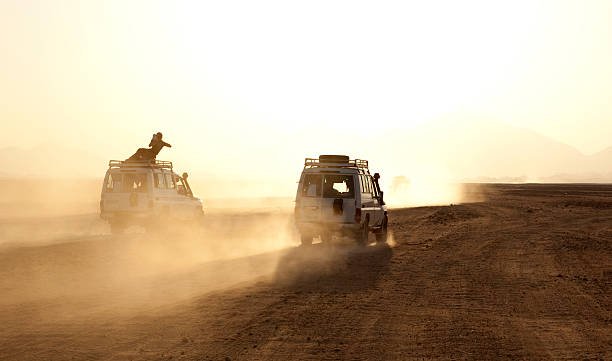
Solo Travel To Tanzania: Can I Join A Safari Group? 2026-2027
Planning a solo safari adventure in Tanzania? Discover how you can join an existing group tour, making your journey more affordable and social. Top Guide Adventures provides excellent...
View package details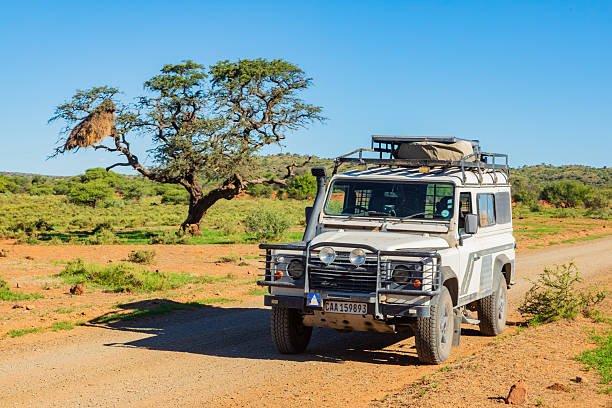
We Are A Couple Visiting Tanzania In July, What Safari Would You Recommend?
We are a couple visiting Tanzania in July, what safari would you recommend? is explained with current 2026-2027 planning, price, itinerary and booking.
View package details
7 Days In Tanzania: Your Expertly Planned Safari Itinerary For 2026-2027
Discover a perfectly crafted 7-day Tanzania safari itinerary for 2026-2027, designed to maximize wildlife viewing and cultural experiences in the Serengeti and Ngorongoro Crater.
View package details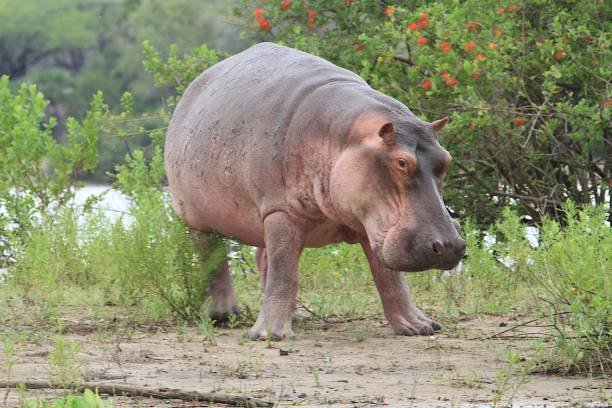
12-Day Southern Tanzania Grand Safari: An Unforgettable Adventure In 2026-2027
Discover the untamed beauty of Southern Tanzania on an epic 12-day safari. This journey explores the vast wilderness of Selous Game Reserve, the dramatic landscapes of Ruaha National Park...
View package details
10-Day Southern Tanzania Safari And Beach Holiday 2026-2027
Discover the ultimate 10-day Southern Tanzania safari and beach holiday, blending the wild wonders of Selous and Ruaha with the serene shores of Zanzibar or Mafia Island. Perfect for...
View package details9-Day Nyerere Safari And Zanzibar Package: Ultimate Southern Tanzania
Discover the best of Tanzania's southern circuit with a 9-day Nyerere Safari and Zanzibar package. Experience thrilling game drives in Nyerere National Park, once known as Selous, followed...
View package details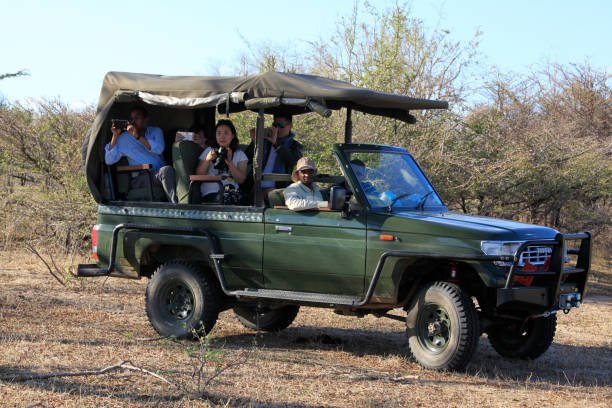
8-Day Nyerere Family Safari: The Ultimate Tanzania Adventure 2026-2027
Experience an unforgettable 8-day Nyerere Family Safari in Tanzania with Top Guide Adventures. This itinerary focuses on diverse wildlife, stunning landscapes, and family-friendly...
View package detailsNo related package matches those filters. Clear one or more filters to see the other topic-matched options.



