
Updated planning guide for 2026, 2027
Tanzania Safari And Kilimanjaro Climb: Expert Travel Guide
Discover the ultimate adventure with a Tanzania safari and Kilimanjaro climb. This comprehensive guide helps you plan every detail, from choosing the right safari circuit to conquering Africa's highest peak. Get practical advice for 2026 and 2027.
WhatsApp +255616946642 | topguideadventures@gmail.com | info@topguideadventures.com
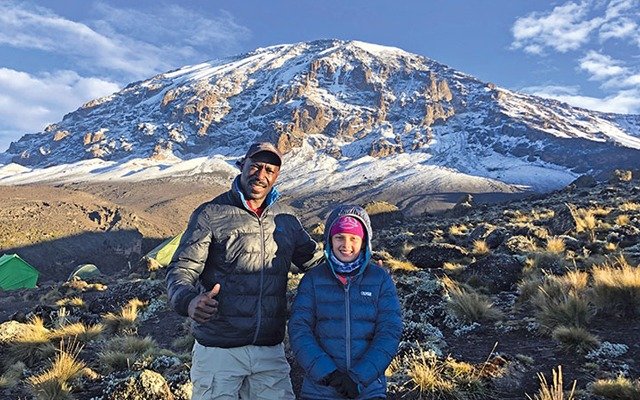
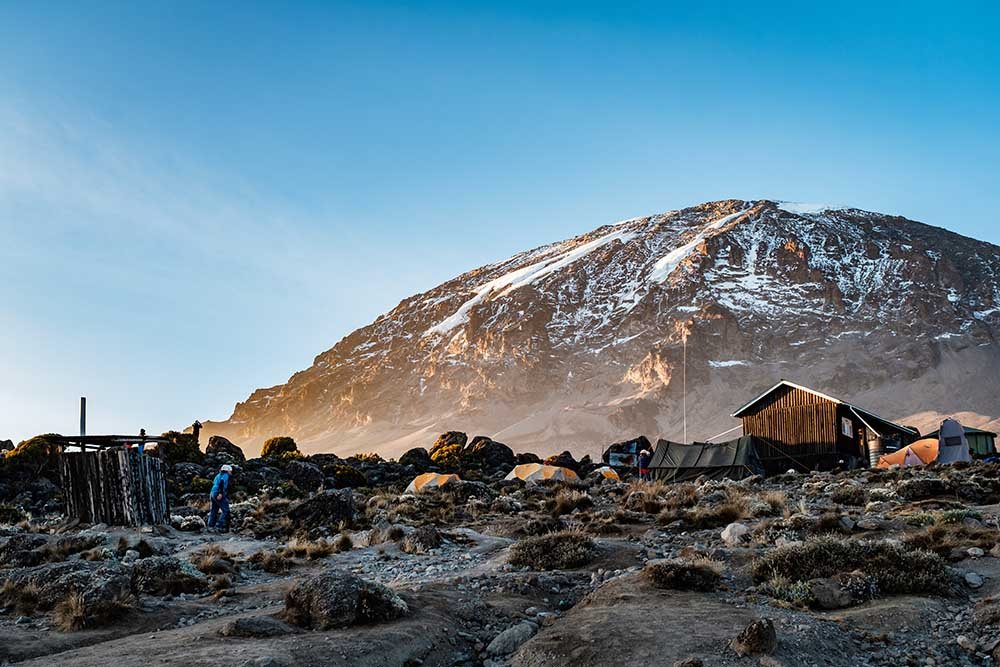
Your Ultimate Guide to a Tanzania Safari and Kilimanjaro Climb
Combining a world-class safari experience with the challenge of climbing Mount Kilimanjaro is the pinnacle of African adventure. Tanzania offers unparalleled opportunities for both, from the vast plains of the Serengeti teeming with wildlife to the majestic, snow-capped summit of Africa’s highest peak. This guide is designed to help you plan a successful and unforgettable Tanzania safari and Kilimanjaro climb, covering everything you need to know for your 2026 or 2027 adventure.
Quick Overview
A Tanzania safari and Kilimanjaro climb offers a dual experience: witnessing incredible wildlife in iconic national parks and undertaking a challenging yet rewarding trek to the Roof of Africa. It’s suitable for active travelers seeking both wildlife encounters and a significant physical achievement.
Table of Contents
- Quick Facts
- Understanding the Tanzania Safari and Kilimanjaro Climb Experience
- Why Combine Safari and Kilimanjaro?
- Best Time to Visit for Safari and Kilimanjaro
- Tanzania Safari Regions: Where to Go
- Kilimanjaro Climbing Routes Explained
- Sample Itinerary: 10-Day Tanzania Safari & Kilimanjaro Climb Combo
- What to Expect on Your Adventure
- Typical Inclusions and Exclusions
- Packing and Preparation Essentials
- Common Mistakes to Avoid
- Who is This Trip Best Suited For?
- Alternatives to a Combined Trip
- Planning Your 2026/2027 Trip
- Booking Your Tanzania Safari and Kilimanjaro Climb
- Frequently Asked Questions
Quick Facts
| Aspect | Details |
|---|---|
| Primary Activities | Wildlife viewing (safari), mountain trekking (Kilimanjaro) |
| Best Time (Safari) | June-October (Dry Season), January-February (Calving Season) |
| Best Time (Kilimanjaro) | January-March, June-October (Dry Seasons) |
| Duration | Typically 10-14 days (can be longer) |
| Difficulty (Kilimanjaro) | Moderate to Strenuous (depends on route and fitness) |
| Key Safari Parks | Serengeti, Ngorongoro Crater, Tarangire, Lake Manyara |
| Kilimanjaro Summit Elevation | 5,895 meters (19,341 feet) |
| Required Fitness | Good cardiovascular health, stamina for trekking |
Understanding the Tanzania Safari and Kilimanjaro Climb Experience
A Tanzania safari and Kilimanjaro climb is more than just a vacation; it’s an expedition. It requires careful planning, physical preparation, and a spirit of adventure. The safari portion immerses you in Tanzania’s breathtaking landscapes and diverse wildlife. You’ll traverse the legendary Serengeti, witness the Great Migration (depending on the season), and marvel at the unique ecosystem within the Ngorongoro Crater. This is complemented by the physical and mental challenge of ascending Mount Kilimanjaro, an active stratovolcano and the highest free-standing mountain in the world. The journey up the mountain is as much about acclimatization and appreciating the changing flora zones as it is about reaching the summit, Uhuru Peak.
Travelers often wonder how to best structure this dual experience. Typically, the safari portion is undertaken before or after the climb, allowing for recovery and acclimatization. Many opt for a safari first, experiencing the wildlife and then focusing their energy on the mountain challenge. Others prefer to tackle Kilimanjaro first, followed by a relaxing safari to unwind and reflect on their achievement. The decision often depends on personal preference, fitness levels, and the desired pace of the trip.
Why Combine Safari and Kilimanjaro?
The allure of combining a Tanzania safari and Kilimanjaro climb lies in the sheer diversity of experiences it offers. Tanzania is one of the few destinations on earth where you can witness the ‘Big Five’ in their natural habitat one day and stand on the highest point of a continent the next. This combination provides a comprehensive taste of what Tanzania has to offer:
- Unmatched Wildlife Encounters: From the vast savannas of the Serengeti to the dense forests of Kilimanjaro’s lower slopes, Tanzania is a biodiversity hotspot. The safari offers close-up views of lions, elephants, giraffes, zebras, and countless other species.
- A True Adventure Challenge: Climbing Kilimanjaro is a significant physical and mental achievement. It’s a non-technical climb, meaning no ropes or specialized climbing gear are needed, making it accessible to determined hikers. The reward of reaching Uhuru Peak at sunrise is legendary.
- Cultural Immersion: Both safari and Kilimanjaro treks offer opportunities to interact with local guides, porters, and communities. You’ll learn about the rich cultures and traditions of the Tanzanian people.
- Spectacular Scenery: Tanzania boasts some of the most dramatic landscapes in Africa. The plains, craters, and volcanic slopes offer breathtaking vistas at every turn.
- Efficiency: Combining these two iconic experiences in one trip maximizes your time in Tanzania, allowing you to tick off two major bucket-list items in a single journey.
Best Time to Visit for Safari and Kilimanjaro
Timing is crucial for both a successful safari and a safe Kilimanjaro climb. Fortunately, Tanzania’s dry seasons generally align, making it possible to combine both activities effectively. The best periods are:
- January to March: This is a good time for both. The short rains typically end by late December. It’s the calving season for wildebeest in the southern Serengeti, offering incredible predator-prey action. Kilimanjaro’s northern slopes are usually drier.
- June to October: This is the prime dry season and the most popular time for both safari and Kilimanjaro. The Great Migration is usually in the western or northern Serengeti, crossing rivers. Kilimanjaro experiences stable weather, clear skies, and cooler temperatures, ideal for climbing. This period sees higher prices and more crowds.
Shoulder Seasons:
- April and May: These are the long rainy months. Safaris can still be good, with lush landscapes and fewer tourists, but some roads may be difficult to navigate. Kilimanjaro climbs are generally not recommended due to heavy rain and poor visibility.
- November and December: The short rains occur during this period. Wildlife viewing remains good, and the landscape is greening up. Kilimanjaro can be climbed, but expect some rain and cloud cover, especially at higher altitudes.
For travelers planning for 2026 and 2027, aiming for the dry seasons (June-October or January-March) will offer the best conditions for both activities. Early booking for these popular periods is highly recommended.
Tanzania Safari Regions: Where to Go
A Tanzania safari often focuses on the northern circuit, famous for its concentration of iconic parks. For a combined trip, these are the most logistically sensible choices:
- Serengeti National Park: The undisputed star. Famous for the Great Migration, vast plains, and exceptional predator sightings. It offers endless opportunities for game drives.
- Ngorongoro Conservation Area: Home to the Ngorongoro Crater, a UNESCO World Heritage Site. This volcanic caldera boasts an incredibly high density of wildlife, including the Big Five, in a compact area. It’s a must-visit for any Tanzania safari.
- Tarangire National Park: Known for its large elephant herds and baobab trees. It’s particularly vibrant during the dry season when animals congregate around the Tarangire River.
- Lake Manyara National Park: Famous for its tree-climbing lions, large troops of baboons, and diverse birdlife. It’s a smaller park, often visited as a day trip or en route to other destinations.
Other regions like Ruaha or Selous (Nyerere National Park) offer different, less crowded safari experiences but are further from Kilimanjaro, making them less ideal for a combined trip focused on time efficiency.
Kilimanjaro Climbing Routes Explained
Choosing the right Kilimanjaro route is critical for acclimatization and success. The longer routes offer better acclimatization profiles and thus higher success rates. Here are the most popular options:
- Marangu Route (Coca-Cola Route): The oldest and arguably most straightforward route. It’s the only route with dormitory-style accommodation (huts) rather than camping. It’s also the shortest and most direct, but has a steep ascent and poor acclimatization, leading to lower success rates. (5-6 days)
- Machame Route (Whiskey Route): The most popular route due to its excellent acclimatization profile (‘climb high, sleep low’). It’s scenic and challenging, involving steep ascents and descents. Camping is required. (6-7 days)
- Lemosho Route: Considered one of the most beautiful routes, offering stunning views and excellent acclimatization. It’s longer and more expensive but provides a higher chance of success and a more remote experience. (7-8 days)
- Shira Route: Similar to Lemosho but starts at a higher altitude. It offers good acclimatization but skips the lower rainforest zone. (7-8 days)
- Rongai Route: The only route approaching from the north. It’s drier and less crowded, often a good option during the rainy season. It offers good acclimatization. (6-7 days)
- Northern Circuit: The longest route, offering the best acclimatization and highest success rates. It circles the mountain, providing diverse scenery and a truly remote experience. (9-10 days)
For a combined Tanzania safari and Kilimanjaro climb, the 7-day Machame or Lemosho routes are often recommended for a balance of success rate, experience, and duration. The 8 or 9-day Northern Circuit offers the best acclimatization for those seeking the highest chance of reaching Uhuru Peak.
Sample Itinerary: 10-Day Tanzania Safari & Kilimanjaro Climb Combo
This is a condensed sample itinerary. Many operators offer longer safari components. This focuses on a taste of the northern circuit and a 5-day Kilimanjaro climb for those with limited time and good fitness.
| Day | Activity | Details |
|---|---|---|
| Day 1 | Arrival & Arusha | Arrive at Kilimanjaro International Airport (JRO). Transfer to your hotel in Arusha. Briefing for Kilimanjaro climb. |
| Day 2 | Tarangire National Park Safari | Full-day game drive in Tarangire, known for elephants and baobabs. Overnight at a lodge/camp near Tarangire. |
| Day 3 | Ngorongoro Crater Tour | Descend into the Ngorongoro Crater for a 6-hour game drive. Afternoon transfer to a lodge near Karatu. |
| Day 4 | Serengeti National Park Safari | Full-day game drive in the central Serengeti. Search for predators and diverse wildlife. Overnight at a lodge/camp in Serengeti. |
| Day 5 | Kilimanjaro: Marangu Gate to Mandara Huts | Drive to Marangu Gate (approx. 3-4 hours). Begin trek through the rainforest (4-5 hours). Overnight in Mandara Huts. (Approx. 2,700m / 8,858ft) |
| Day 6 | Kilimanjaro: Mandara to Horombo Huts | Trek through moorland and heather zones (5-6 hours). Stunning views of Kibo and Mawenzi peaks. Overnight in Horombo Huts. (Approx. 3,700m / 12,140ft) |
| Day 7 | Kilimanjaro: Horombo to Kibo Huts | Trek across the alpine desert (5-6 hours). Reach Kibo Huts, the base camp for the summit push. Rest and prepare. (Approx. 4,700m / 15,420ft) |
| Day 8 | Kilimanjaro: Kibo Huts to Uhuru Peak & Descent | Midnight start for the summit push (8-10 hours). Reach Uhuru Peak (5,895m / 19,341ft) at sunrise. Descend to Horombo Huts for overnight. (Approx. 3,700m / 12,140ft) |
| Day 9 | Kilimanjaro: Horombo Huts to Marangu Gate & Departure | Descend to Marangu Gate (5-6 hours). Transfer to Arusha for a hot shower and celebration. Optional overnight or transfer to JRO for evening flight. |
| Day 10 | Departure | Depart from Kilimanjaro International Airport (JRO). |
Note: This itinerary uses the Marangu route for brevity. For better acclimatization and higher success rates, a 6 or 7-day trek on Machame or Lemosho is recommended, which would extend the trip duration.
What to Expect on Your Adventure
On Safari: Expect early morning and late afternoon game drives when animals are most active. Your safari vehicle will be a comfortable 4×4 with a pop-up roof for optimal viewing. Guides are knowledgeable and will help you spot wildlife and understand their behavior. Accommodation ranges from luxury lodges to comfortable tented camps, often with stunning views.
On Kilimanjaro: The climb is physically demanding. Days involve long hours of trekking, often on steep and rocky terrain. Acclimatization is key; you’ll feel the effects of altitude, including shortness of breath and potential headaches. The weather can change rapidly, from sunshine to rain, wind, and cold. Summit night is the most challenging part, involving a very early start and a strenuous ascent in the dark and cold. Support crew (guides, cooks, porters) are essential and highly experienced. Expect camping in designated campsites, with meals prepared by your dedicated cook.
The combination means you’ll transition from the comfort of safari lodges to the rugged simplicity of mountain camping. Both require adaptability and a positive attitude.
Typical Inclusions and Exclusions
Understanding what’s included in your tour package is vital. For a Tanzania safari and Kilimanjaro climb, packages vary, but here’s a general breakdown:
| Typical Inclusions | Typical Exclusions |
|---|---|
| Safari: Park entrance fees, vehicle and driver-guide, all meals (full board), accommodation, bottled water in vehicle. | Safari: Drinks (alcoholic/soft), tips for guide, personal expenses, travel insurance. |
| Kilimanjaro: Park entrance fees, rescue fees, camping/hut fees, qualified guides, cook, porters, all meals on the mountain, purified drinking water, camping equipment (tents, sleeping mats), transfer to/from the mountain gate. | Kilimanjaro: Tips for guides, cook, porters (crucial and often a significant cost), sleeping bag, trekking poles, personal clothing/gear, travel insurance, summit bonus (optional). |
| Airport transfers. | International flights, visa fees, vaccinations. |
| Pre-climb briefing. | Optional activities (e.g., hot air balloon safari). |
Always confirm specific inclusions with your tour operator. For Kilimanjaro, the cost of tips for the crew is a significant budget item and should be factored in.
Packing and Preparation Essentials
Proper packing and preparation are non-negotiable for a successful Tanzania safari and Kilimanjaro climb.
Physical Preparation:
- Cardiovascular Fitness: Focus on activities like running, cycling, swimming, and hiking.
- Strength Training: Strengthen your legs, core, and upper body.
- Hiking Practice: Go on long hikes, ideally with elevation gain, wearing the boots and backpack you intend to use. Practice hiking on consecutive days if possible.
- Altitude Acclimatization: While impossible to fully simulate, good fitness helps your body cope better.
Packing List – Safari:
- Lightweight, neutral-colored clothing (khaki, beige, green).
- Comfortable walking shoes or sneakers.
- Hat with a brim for sun protection.
- Sunglasses.
- Light jacket or fleece for cooler evenings.
- Camera with extra batteries and memory cards.
- Binoculars (highly recommended).
- Sunscreen, insect repellent.
- Personal first-aid kit.
Packing List – Kilimanjaro:
- Layering is Key:
- Base Layers: Moisture-wicking thermal underwear (tops and bottoms).
- Mid Layers: Fleece jackets or trousers for insulation.
- Outer Layer: Waterproof and windproof jacket and trousers (Gore-Tex or similar).
- Insulation Layer: Warm down or synthetic jacket for summit night.
- Headwear: Warm hat, balaclava, sun hat, sunglasses.
- Handwear: Warm gloves (liners and waterproof outer gloves).
- Footwear: Broken-in, waterproof hiking boots; comfortable camp shoes/sandals; warm socks (wool or synthetic).
- Sleeping Bag: Rated to at least -10°C (0°F), preferably -20°C (-4°F) for summit night.
- Backpack: Daypack (30-40 liters) for essentials; duffel bag (80-100 liters) for porters.
- Trekking Poles: Highly recommended for ascents and descents.
- Headlamp: With extra batteries.
- Water Bottles/Hydration Reservoir: At least 3 liters capacity. Insulated covers for bottles are useful.
- Sunscreen & Lip Balm: High SPF.
- Toiletries: Biodegradable soap, toothbrush, toothpaste, wet wipes.
- Personal First-Aid Kit: Including blister treatment, pain relievers, altitude sickness medication (consult your doctor).
- Snacks: Energy bars, nuts, dried fruit (optional, meals are provided).
Important Note: Porters carry the bulk of your gear on Kilimanjaro. There are strict weight limits for duffel bags (usually around 15kg/33lbs). Your daypack should contain essentials for the day: water, snacks, camera, rain gear, warm layers, sunscreen, and first-aid.
Common Mistakes to Avoid
Planning a Tanzania safari and Kilimanjaro climb involves many details. Avoiding these common pitfalls can significantly improve your experience:
- Underestimating Kilimanjaro’s Altitude: Altitude sickness is real and can affect anyone. Rushing the climb or ignoring symptoms can lead to serious health issues and descent. Choose a longer route for better acclimatization.
- Inadequate Physical Preparation: Kilimanjaro is a serious trek. Lack of fitness will make the climb much harder and increase the risk of failure or injury.
- Not Packing Properly: Insufficient warm clothing or inappropriate footwear can make the climb miserable and dangerous. Layering is essential for Kilimanjaro.
- Ignoring Acclimatization Principles: ‘Pole pole’ (slowly, slowly) is the mantra on Kilimanjaro. Ascend gradually, stay hydrated, and rest.
- Choosing the Cheapest Operator: While budget is a consideration, extremely low prices for Kilimanjaro climbs often mean underpaid guides and porters, inadequate equipment, or poor food quality, which compromises safety and success rates. For safaris, it can mean older vehicles or less experienced guides.
- Not Budgeting for Tips: Kilimanjaro crew tips are substantial and expected. Failing to budget for them can cause awkward situations.
- Rushing the Itinerary: Trying to cram too much into a short time increases the risk of altitude sickness or fatigue, detracting from the enjoyment of both the safari and the climb. Allow for rest days and buffer time.
- Not Getting Travel Insurance: Comprehensive travel insurance covering high-altitude trekking and emergency evacuation is essential for Kilimanjaro.
- Forgetting Visas and Vaccinations: Research entry requirements well in advance for Tanzania.
Who is This Trip Best Suited For?
A Tanzania safari and Kilimanjaro climb is an ideal trip for:
- Adventurous Travelers: Those who seek both wildlife encounters and a physical challenge.
- Active Individuals: People with a good level of fitness who enjoy hiking and the outdoors.
- Bucket-List Dreamers: Individuals looking to tick off two of Africa’s most iconic experiences.
- Nature Enthusiasts: Those fascinated by diverse ecosystems, from savanna to alpine environments.
- Those Seeking a Challenge: Individuals who want to test their endurance and mental fortitude.
It is generally not suitable for:
- Travelers with significant health issues, especially heart or respiratory conditions.
- Individuals seeking a purely relaxing holiday.
- Families with very young children (though older teens can participate in Kilimanjaro climbs with proper preparation).
- Those with a fear of heights or extreme physical exertion.
Alternatives to a Combined Trip
If a combined Tanzania safari and Kilimanjaro climb seems too demanding or time-consuming, consider these alternatives:
- Safari Only: Focus solely on exploring Tanzania’s incredible national parks. You could spend more time in the Serengeti, Ngorongoro, Tarangire, and perhaps add parks like Lake Manyara or even venture to Ruaha or Nyerere National Park for a more diverse safari experience.
- Kilimanjaro Climb Only: Dedicate your trip entirely to climbing Kilimanjaro, allowing for more acclimatization days, different routes, or post-climb relaxation in Arusha or Zanzibar.
- Safari and Zanzibar: Combine a thrilling safari with a relaxing beach holiday on the spice island of Zanzibar. This offers a perfect blend of adventure and relaxation.
- Kilimanjaro and Zanzibar: Conquer Kilimanjaro and then unwind on the pristine beaches of Zanzibar, enjoying its history, culture, and turquoise waters.
- Other African Peaks: For a challenging climb combined with wildlife, consider Mount Kenya or Mount Meru (often used for acclimatization before Kilimanjaro), or treks in Uganda or Rwanda combined with gorilla trekking.
Planning Your 2026/2027 Trip
Planning ahead is crucial, especially for popular travel years like 2026 and 2027. Here’s a timeline and key considerations:
- 12+ Months in Advance: Start researching tour operators and potential itineraries. Decide on the duration of your safari and the Kilimanjaro route. Book during peak season (June-October) well in advance.
- 9-12 Months in Advance: Book your chosen tour operator and confirm your dates. Secure flights. Begin your Kilimanjaro training program.
- 6-9 Months in Advance: Purchase necessary gear for Kilimanjaro (boots, backpack, sleeping bag, layering clothing). Consult your doctor about vaccinations and altitude medication.
- 3-6 Months in Advance: Continue rigorous training. Finalize any visa requirements. Ensure your passport is valid for at least six months beyond your stay.
- 1-3 Months in Advance: Purchase travel insurance. Arrange airport transfers. Confirm all booking details with your operator.
- 1 Month Before: Pack your bags. Get a final medical check-up. Inform your bank of your travel dates.
- During the Trip: Stay hydrated, listen to your body, and embrace the experience!
Booking early for 2026 and 2027 will give you the best choice of dates, routes, and operators, and potentially better pricing before demand surges.
Booking Your Tanzania Safari and Kilimanjaro Climb
Choosing the right tour operator is paramount for a safe and enjoyable Tanzania safari and Kilimanjaro climb. Here’s what to look for:
- Experience and Reputation: Look for operators with a long history in Tanzania and positive reviews regarding both safari and Kilimanjaro operations.
- Safety Standards: For Kilimanjaro, ensure the operator adheres to strict safety protocols, has experienced guides trained in first aid and altitude sickness management, and carries adequate oxygen and medical kits. They should be members of relevant associations like KPAP (Kilimanjaro Porters Assistance Project) to ensure ethical treatment of porters.
- Itinerary Customization: Can they tailor the trip to your preferences, fitness level, and time constraints?
- Inclusions: Clearly understand what is covered in the price, especially park fees, rescue fees, and crew tips for Kilimanjaro.
- Communication: The operator should be responsive and provide clear, detailed information throughout the booking process.
- Price vs. Value: Don’t just choose the cheapest option. Investigate what’s included and the quality of service provided. A slightly higher price can often mean better equipment, more experienced guides, and a safer experience.
Top Guide Adventures specializes in crafting unforgettable Tanzania experiences, including expertly guided safaris and Kilimanjaro climbs. We prioritize safety, ethical practices, and personalized service to ensure your adventure is everything you dreamed of and more. For inquiries and custom quotes for your Tanzania safari and Kilimanjaro climb in 2026 or 2027, reach out to us.
Contact Us to Plan Your Adventure
Ready to plan your ultimate Tanzania safari and Kilimanjaro climb? Get in touch with our expert team for personalized advice and a custom itinerary.
WhatsApp: +255 616 946 642
Email: topguideadventures@gmail.com
Backup Email: info@topguideadventures.com
Frequently Asked Questions
What is the best route for a first-time Kilimanjaro climber?
For first-time climbers, the Machame or Lemosho routes (6-7 days) are highly recommended. They offer excellent acclimatization profiles (‘climb high, sleep low’) and beautiful scenery, leading to higher success rates compared to shorter routes.
How fit do I need to be for Kilimanjaro?
You need good cardiovascular fitness and stamina. While it’s not technical climbing, you’ll be trekking for 5-9 hours a day for several days, with summit night being particularly demanding. Regular hiking, running, or cycling in the months leading up to your climb is essential.
What is the success rate for climbing Kilimanjaro?
Success rates vary significantly by route, operator, and individual. Shorter routes like Marangu (5 days) might have success rates around 60-70%, while longer routes like Machame or Lemosho (7 days) can be 80-90%. The Northern Circuit (9 days) often boasts success rates over 95% due to superior acclimatization.
Can I combine Kilimanjaro with a safari in 2026?
Absolutely. Many travelers combine a Tanzania safari and Kilimanjaro climb. It’s best to do the safari before or after the climb. A common approach is 3-4 days of safari followed by a 6-7 day climb, making it a 10-12 day trip. Ensure you have buffer time between activities.
How much should I budget for Kilimanjaro crew tips?
Tips are a significant part of the porters’ and guides’ income. A general guideline is around $250-$350 USD per climber for a 7-day climb, split among the head guide, assistant guides, cook, and porters. Your operator will provide specific recommendations.
What are the essential vaccinations for Tanzania?
Yellow Fever vaccination is often required if arriving from or transiting through a country with a risk of Yellow Fever. Consult your doctor or a travel clinic about recommended vaccinations like Hepatitis A, Typhoid, and Malaria prophylaxis. Tetanus and Polio boosters are also advised.
Can I get altitude sickness on Kilimanjaro?
Yes, altitude sickness (Acute Mountain Sickness – AMS) is common. Symptoms include headache, nausea, dizziness, and fatigue. The best prevention is slow ascent (‘pole pole’), proper hydration, and avoiding alcohol. Guides are trained to monitor climbers and manage AMS.
What is the Great Migration and when is the best time to see it?
The Great Migration is the annual movement of over 1.5 million wildebeest, zebras, and gazelles across the Serengeti ecosystem. The best time to witness the migration depends on the season: calving season is Jan-Mar in the south, river crossings are typically June-August in the west and north.
What kind of accommodation can I expect on safari?
Safari accommodation ranges from luxury lodges with swimming pools and fine dining to comfortable mid-range lodges and authentic tented camps (both permanent and mobile). All offer a unique way to experience the wilderness.
Is it safe to climb Kilimanjaro with a reputable operator?
Yes, climbing with a reputable operator significantly enhances safety. They employ experienced guides, carry necessary safety equipment (oxygen, first aid), and follow established safety protocols. Choosing an operator committed to porter welfare also ensures a more ethical and positive experience for the entire team.
When should I book my Tanzania safari and Kilimanjaro climb for 2027?
For peak seasons (June-October) in 2027, booking 9-12 months in advance is highly recommended. For shoulder seasons or off-peak times, 6-9 months notice might suffice, but early booking is always advisable for the best availability and planning.
Ready for Your Tanzanian Adventure?
A Tanzania safari and Kilimanjaro climb is an epic journey that combines the thrill of wildlife encounters with the profound achievement of conquering Africa’s highest peak. With careful planning and the right guidance, your adventure will be safe, rewarding, and unforgettable. Whether you’re aiming for Uhuru Peak or seeking out the Big Five, Tanzania offers an experience like no other.
Let us help you craft the perfect itinerary for your Tanzania safari and Kilimanjaro climb. Our expert team is dedicated to providing safe, ethical, and memorable travel experiences. We can help you choose the best Kilimanjaro route, tailor your safari to your interests, and ensure all logistics are handled smoothly for your 2026 or 2027 adventure.
Start Planning Your Dream Trip Today!
Contact us to discuss your personalized Tanzania safari and Kilimanjaro climb itinerary:
WhatsApp: +255 616 946 642
Email: topguideadventures@gmail.com
Backup Email: info@topguideadventures.com
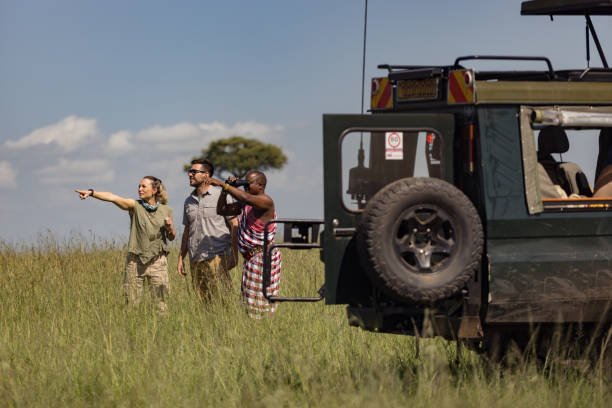
Which Local Tanzania Safari Companies Are Trustworthy In ? 2026-2027
Choosing a trustworthy local Tanzania safari company is crucial for a memorable and safe adventure. This guide helps you identify reliable operators for your 2026-2027 trip, covering...
View package details
We Are Arriving At Kilimanjaro Airport, What Safari Itinerary Should We Do?
Planning your safari upon arrival at Kilimanjaro Airport (JRO)? This guide provides tailored safari itineraries for 2026-2027, focusing on Northern Tanzania's iconic parks like the...
View package detailsJoining Group Climbs On Kilimanjaro When Traveling Alone In 2026-2027
Traveling to Kilimanjaro alone? Discover how you can easily join an existing group climb, making your solo adventure more social and cost-effective for 2026-2027. Learn about departure...
View package details
Kilimanjaro Climb With A Personal Support Assistant: Your Ultimate Guide
Climbing Mount Kilimanjaro with a personal support assistant offers unparalleled safety, comfort, and focus on your summit goals. This guide details what a personal assistant entails, its...
View package details
Kilimanjaro Hydration Mistakes Climbers Make And How To Avoid Them 2026-2027
Proper hydration is critical for a successful Kilimanjaro climb. This guide details common hydration mistakes climbers make, from under-drinking to choosing the wrong fluids, and provides...
View package details
How To Know Whether You Are Ready For Kilimanjaro: A Comprehensive Guide
Climbing Mount Kilimanjaro is a significant undertaking. This guide helps you evaluate your physical, mental, and logistical readiness to ensure a safe and successful trek in 2026 or 2027...
View package details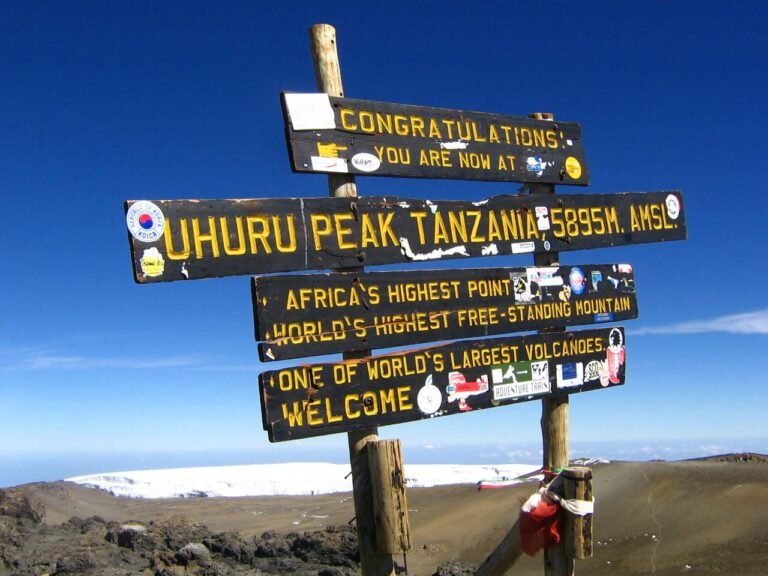
What Does Kilimanjaro Rainforest Look Like? A Trekkers Visual Guide 2026-2027
The Kilimanjaro rainforest is a vibrant, humid zone of dense vegetation, towering trees, and diverse plant life found on the mountain's lower slopes. It's the first major ecosystem trekkers...
View package details
Which Tanzania Safari Gives The Best Value For Money? 2026-2027
Which Tanzania safari gives the best value for money? is explained with current 2026-2027 planning, price, itinerary and booking information.
View package details
How To Avoid Safari Scams In Tanzania: A Top Guide Adventures Expert 2026-2027
Navigating a safari in Tanzania is a dream for many, but a few precautions can ensure your adventure is scam-free. This guide from Top Guide Adventures provides essential advice for...
View package detailsHow Far In Advance Should You Book A Tanzania Safari? Your Planning Guide
Securing your dream Tanzania safari requires strategic planning. This comprehensive guide details the optimal booking timeline for 2026-2027, considering peak seasons, lodge availability...
View package detailsHow Much Should I Tip My Safari Guide In Tanzania? Your 2026-2027
Understand the tipping culture for safari guides and staff in Tanzania. This guide provides clear, actionable recommendations for tipping your safari crew in 2026-2027, covering guides...
View package detailsPrivate Safari Vs Group Tanzania — Which Is Better? 2026-2027
Private safari vs group safari Tanzania — which is better? is explained with current 2026-2027 planning, price, itinerary and booking information.
View package detailsNo related package matches those filters. Clear one or more filters to see the other topic-matched options.
Plan your tanzania safari and kilimanjaro climb with Top Guide Adventures
Tell us your travel dates, group size, comfort level, and dream experience. We will help you shape a clear, realistic, and memorable Tanzania itinerary.



