
Updated planning guide for 2026, 2027
Ngorongoro Crater Vs Serengeti: Which Is Better?: Best Safari Guide
Choosing between the Ngorongoro Crater and Serengeti for your Tanzanian safari? This comprehensive guide breaks down the differences, helps you decide which is best for your trip, and offers practical planning tips.
WhatsApp +255616946642 | topguideadventures@gmail.com | info@topguideadventures.com
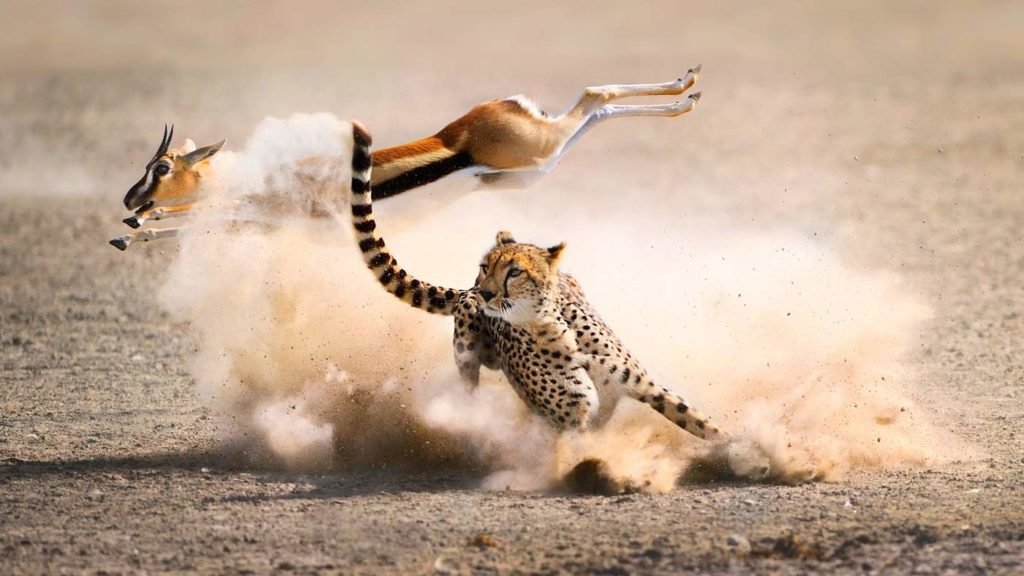
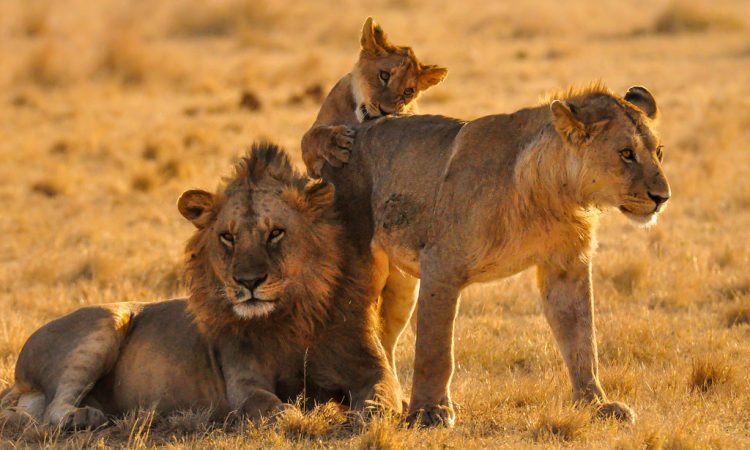
Ngorongoro Crater vs Serengeti: Which is Better for Your Tanzania Safari?
Tanzania is a dream destination for wildlife enthusiasts, and at its heart lie two iconic locations: the Ngorongoro Crater and the Serengeti National Park. Both offer incredible safari experiences, but they are distinctly different. Deciding between them, or how to best combine them, is a crucial step in planning your unforgettable Tanzanian adventure. This guide will help you understand the unique appeal of each, compare their strengths, and make an informed choice for your 2026 or 2027 safari.
Understanding Your Safari Goals
Before diving into the specifics of Ngorongoro Crater versus Serengeti, consider what you hope to gain from your safari. Are you focused on seeing the Big Five in a compact area? Do you dream of vast plains teeming with migrating herds? Are you looking for a unique geological wonder? Your priorities will significantly influence which park, or combination of parks, is the right fit.
Quick Facts: Ngorongoro Crater vs. Serengeti
| Feature | Ngorongoro Crater | Serengeti National Park |
|---|---|---|
| Type | Caldera/Crater floor | Vast savanna plains, acacia woodlands, kopjes |
| Size | Approx. 260 sq km (crater floor) | Approx. 14,750 sq km |
| Wildlife Concentration | Extremely high, all year round | High, varies with migration |
| Big Five Probability | Very High (rhino often seen) | High, but can be more spread out |
| Scenery | Unique volcanic caldera, dramatic cliffs | Expansive plains, iconic acacia trees, kopjes |
| Visitor Experience | More controlled, shorter game drives within crater | More freedom, longer drives, diverse habitats |
| Best For | High chance of seeing Big Five (including rhino), unique landscapes, shorter visits | Great Migration, vastness, diverse game viewing, birdlife |
| Typical Stay | 1-2 nights (often as a day trip from Karatu or Arusha) | 3-5 nights or more |
Ngorongoro Crater: The “Eighth Wonder of the World”
The Ngorongoro Crater is a UNESCO World Heritage Site and a truly remarkable natural phenomenon. It’s not a typical crater in the geological sense, but rather the caldera of a massive, extinct volcano that collapsed millions of years ago. The crater floor, about 19 kilometers (12 miles) in diameter, is a self-contained ecosystem teeming with an astonishing density of wildlife.
What Makes Ngorongoro Crater Special?
The primary draw of the Ngorongoro Crater is its incredible concentration of animals within a relatively small area. Imagine descending over 600 meters (2,000 feet) from the rim to a landscape dotted with grasslands, swamps, a soda lake, and acacia woodlands. This diverse habitat supports an estimated 25,000 large mammals.
Unparalleled Big Five Opportunities
For many travelers, seeing the Big Five (lion, leopard, elephant, rhino, and buffalo) is a top priority. The Ngorongoro Crater offers one of the highest probabilities of spotting all five in a single day. Notably, it is one of the best places in Tanzania to see the critically endangered black rhinoceros. The dense population of predators, particularly lions and hyenas, also makes for exciting sightings.
Unique Landscape and Scenery
The sheer visual impact of the Ngorongoro Crater is breathtaking. Standing on the rim, looking down at the vast expanse below, is an awe-inspiring experience. The descent into the caldera reveals a landscape that feels both wild and ancient. The soda lake, often frequented by flamingos, adds a splash of color to the green and brown hues of the savanna.
Accessibility and Convenience
Ngorongoro Crater is relatively easy to access, often visited as part of a northern circuit safari. It’s a manageable drive from Arusha, and many itineraries include stays in lodges or tented camps on the crater rim or in nearby Karatu. This makes it a convenient stop, especially for those on shorter safaris.
What to Expect on a Ngorongoro Crater Safari
Game drives within the Ngorongoro Crater are typically conducted in 4×4 safari vehicles. Due to conservation regulations, driving is restricted to specific tracks, and game drives are usually limited to a few hours. You’ll descend into the crater in the morning, spend several hours exploring the floor, and then ascend back out. The experience is intense, with constant wildlife sightings.
Wildlife Viewing Dynamics
The wildlife on the crater floor is accustomed to vehicles, often allowing for very close and prolonged viewing. You can expect to see large herds of wildebeest and zebras, elephants (often with impressive tusks), buffalo, hippos in the lake, and a variety of antelopes. Predators like lions, cheetahs, and hyenas are also frequently encountered.
Conservation and Regulations
The Ngorongoro Conservation Area (NCAA) is managed to balance wildlife conservation with the needs of the local Maasai people. Strict rules are in place to protect the fragile ecosystem. This includes limits on the number of vehicles allowed on the crater floor at any one time and restrictions on off-road driving and overnight stays within the crater itself.
Best Time to Visit Ngorongoro Crater
The Ngorongoro Crater is a year-round destination. The wildlife is resident, meaning you don’t need to time your visit for a specific migration. However, the dry seasons (June to October and December to February) generally offer the best game viewing as animals congregate around water sources. The shoulder months can also be excellent with fewer crowds.
Serengeti National Park: The “Endless Plains”
The Serengeti, meaning “endless plains” in the Maasai language, is Tanzania’s oldest and most famous national park. It’s a vast expanse of acacia-dotted savannas, woodlands, and riverine forests, covering an area larger than many European countries. The Serengeti is synonymous with the Great Migration and offers a quintessential African safari experience.
What Makes the Serengeti Unique?
The sheer scale of the Serengeti is its defining characteristic. This immense park provides a home to an incredible diversity of wildlife and offers a sense of wildness and remoteness that is hard to match.
The Great Migration: A Natural Spectacle
The Serengeti is most famous for hosting the Great Migration, a breathtaking natural phenomenon where over 1.5 million wildebeest, along with hundreds of thousands of zebras and gazelles, move in a continuous cycle in search of fresh grazing. This epic journey, which spans over 2,000 miles, is a constant drama of life and death, with predators like lions, cheetahs, hyenas, and crocodiles playing their part.
Diverse Habitats and Wildlife
Beyond the migration, the Serengeti boasts an astonishing array of wildlife. Its varied landscapes – from the open plains of the south to the more wooded areas of the west and the kopjes (rocky outcrops) scattered throughout – support a rich biodiversity. You can find large prides of lions, elusive leopards, cheetahs, elephants, giraffes, buffalo, hippos, crocodiles, and over 500 species of birds.
Freedom and Immersion
Unlike the more controlled environment of the Ngorongoro Crater, the Serengeti offers a sense of freedom. Game drives can be longer, covering vast distances. You can explore different regions of the park, each with its unique character and wildlife concentrations, depending on the time of year and the migration’s location.
What to Expect on a Serengeti Safari
A safari in the Serengeti is about immersion in the wild. Days are spent exploring the plains in open-top 4×4 vehicles, tracking animals, and enjoying the stunning scenery. The experience is less about ticking off a checklist and more about observing natural behaviors and the rhythm of the ecosystem.
Wildlife Viewing Throughout the Year
While the migration is a major draw, the Serengeti offers fantastic game viewing year-round. The resident wildlife ensures that even outside of migration season, there are abundant opportunities to see lions, elephants, and other predators. The timing of your visit will determine where the migration is located and what dramatic events, like river crossings, you might witness.
Accommodation Options
The Serengeti offers a wide range of accommodation, from luxury tented camps that provide an intimate wilderness experience to more permanent lodges. Many camps are strategically located to follow the migration or are situated in areas known for resident wildlife, offering excellent game viewing right from your doorstep.
Best Time to Visit Serengeti
The best time to visit the Serengeti depends on what you want to see. For the Great Migration river crossings (Grumeti and Mara rivers), June to October is ideal. For the calving season (when wildebeest give birth), December to March in the southern Serengeti is spectacular. The shoulder seasons (April-May and November) often offer fewer crowds and lush green landscapes.
Ngorongoro Crater vs. Serengeti: A Direct Comparison
To help you visualize the differences and make a decision, let’s break down the key aspects:
Wildlife Density and Variety
Ngorongoro Crater: Offers unparalleled density of wildlife, especially mammals, within a confined space. High chance of seeing the Big Five, including rhinos, in a single visit. Less variety in terms of antelope species compared to the Serengeti’s vastness.
Serengeti: While wildlife is abundant, it is more spread out across a much larger area. The sheer numbers during the migration are astounding. Offers a greater diversity of species and habitats. Seeing the Big Five is very likely, but the probability of seeing a rhino is much lower than in Ngorongoro.
Landscape and Scenery
Ngorongoro Crater: Unique, dramatic caldera landscape. Visually stunning descent and panoramic views from the rim. A single, distinct ecosystem.
Serengeti: Vast, sweeping plains, acacia woodlands, kopjes, riverine forests. Offers a sense of immense space and raw, untamed wilderness. Scenery changes dramatically depending on the region and season.
Safari Experience and Activities
Ngorongoro Crater: More structured game drives within the crater floor. Limited time and area for drives. Focus on concentrated wildlife viewing. Often experienced as a day trip or short overnight stay.
Serengeti: More freedom to explore large areas. Longer game drives. Opportunities for bush walks (in specific areas), hot air balloon safaris, and overnight stays in mobile camps that follow the migration. Offers a deeper immersion into the ecosystem.
Visitor Numbers and Crowds
Ngorongoro Crater: Can get crowded, especially during peak season, as many tourists visit the same relatively small area. Strict limits are in place, but popular viewpoints and animal sightings can attract many vehicles.
Serengeti: While popular areas can be busy, the sheer size of the park means it’s easier to find solitude. Different regions offer varying levels of visitor traffic. Mobile camps that follow the migration can offer more exclusive experiences.
Logistics and Time
Ngorongoro Crater: More accessible for shorter trips. Can be visited in a day from Arusha or as a stop between other destinations. Ideal for those with limited time who want a high chance of Big Five sightings.
Serengeti: Requires more time to explore properly. Best experienced with at least 3-5 nights to cover different regions and appreciate its scale. Usually accessed by internal flight from Arusha or a long drive.
Cost Considerations
Both destinations involve park fees, vehicle costs, and accommodation. Ngorongoro Crater fees can be significant, and the limited time on the floor contributes to its cost-effectiveness for seeing a lot in a short period. Serengeti costs can vary widely based on accommodation choice and the number of days spent. Longer stays in the Serengeti can sometimes offer better value per day if you choose mid-range or budget options, but luxury camps can be very expensive.
Sample Itinerary Logic: Combining Ngorongoro and Serengeti
For many travelers, the ideal Tanzanian safari involves experiencing both the Ngorongoro Crater and the Serengeti. They complement each other beautifully, offering different but equally spectacular facets of Tanzania’s wildlife and landscapes. Here’s a common itinerary logic:
Option 1: Classic Northern Circuit (e.g., 7-10 days)
- Day 1: Arrival in Arusha. Meet your guide, safari briefing. Overnight in Arusha.
- Day 2: Arusha to Tarangire National Park. Game drive in Tarangire, known for its large elephant herds and baobab trees. Overnight near Tarangire.
- Day 3: Tarangire to Lake Manyara National Park. Explore Lake Manyara, famous for its tree-climbing lions and diverse birdlife. Continue to Karatu or Ngorongoro rim. Overnight in Karatu/Ngorongoro rim.
- Day 4: Ngorongoro Crater. Full day game drive on the crater floor. Overnight in Karatu/Ngorongoro rim.
- Day 5: Ngorongoro to Serengeti National Park. Drive to Serengeti, perhaps stopping at Olduvai Gorge. Begin game drives in Serengeti. Overnight in central Serengeti.
- Day 6-7: Serengeti National Park. Explore different regions of Serengeti (central, north, or south depending on migration). Game drives, optional hot air balloon safari. Overnight in Serengeti.
- Day 8: Serengeti to Arusha. Morning game drive, then fly or drive back to Arusha. Departure or overnight.
Itinerary Note: The exact route and duration can be customized. For instance, if the migration is in the north, you might spend more time in the northern Serengeti. If you have less time, you might skip Tarangire or Manyara to focus on Ngorongoro and Serengeti.
Ngorongoro Crater vs. Serengeti: Who is Each Best For?
| Traveler Type | Best Suited For | Why |
|---|---|---|
| First-Time Safari Goers | Both, but Ngorongoro Crater offers a high-impact introduction. | Ngorongoro provides a concentrated, high-probability Big Five experience. Serengeti offers the iconic vastness and migration drama. Combining them is ideal. |
| Time-Constrained Travelers | Ngorongoro Crater | Can be experienced in a day or with a short overnight, offering a significant wildlife experience without extensive travel time. |
| Wildlife Photographers | Both, with different focuses. | Ngorongoro for close-up, high-density mammal shots. Serengeti for vast landscapes, predator action, and migration photography. |
| Those Seeking Rhinos | Ngorongoro Crater | Highest concentration and best chance of seeing black rhinos. |
| Nature Enthusiasts & Birders | Serengeti | Greater diversity of habitats supports a wider range of bird species and ecosystems. |
| Travelers Seeking Vastness & Solitude | Serengeti | The sheer scale of the Serengeti allows for more exploration and opportunities to find quieter spots. |
| Luxury Travelers | Both | Both offer exceptional luxury lodges and tented camps, providing unparalleled service and unique locations. |
| Budget Travelers | Serengeti (with careful planning) | While still expensive, the Serengeti offers more options for budget-friendly camps and lodges compared to the more exclusive Ngorongoro rim accommodations. Camping is an option. |
Planning Your 2026/2027 Tanzania Safari
Planning a safari to Tanzania requires careful consideration, especially when comparing these two premier destinations. Here are key planning aspects for your 2026 or 2027 trip:
Best Time to Visit for Ngorongoro vs. Serengeti
Ngorongoro Crater: Year-round destination. Dry seasons (June-Oct, Dec-Feb) are excellent for game viewing due to animals congregating at water. Shoulder seasons (March-May, Nov) can be good with fewer crowds, though there might be rain.
Serengeti:
- December – March: Southern Serengeti for calving season, lush green landscapes.
- June – October: Western and Northern Serengeti for river crossings (Grumeti and Mara Rivers), dry season game viewing.
- April – May: Green season, fewer tourists, beautiful landscapes, but some areas can be wet and roads muddy.
Accommodation Choices
Ngorongoro Crater: Lodges on the crater rim offer spectacular views but are expensive and book up far in advance. Lodges and camps in nearby Karatu town or the surrounding highlands are more affordable and still offer good access.
Serengeti: A wide spectrum from budget-friendly public campsites (requiring own equipment or specific operators) to mid-range lodges, luxury tented camps, and ultra-luxury lodges. Mobile tented camps are set up in different locations to follow the migration, offering a very immersive experience.
Getting Around
Safaris in Tanzania are almost exclusively done in 4×4 safari vehicles, usually Land Cruisers or Land Rovers, driven by experienced guides. For the Ngorongoro Crater, specific park rules dictate vehicle types and access. Within the Serengeti, you’ll have more flexibility for longer drives.
Park Fees and Conservation Levies
Park fees are a significant part of your safari budget. These are set by Tanzania National Parks (TANAPA) and the Ngorongoro Conservation Area Authority (NCAA). Fees are typically charged per person per day, plus a vehicle entrance fee. Operators like Best Tanzania tour operator will include these in your package.
Safari Styles
Classic Safari: This is the most common style, involving daily game drives in a 4×4 vehicle with a private guide or as part of a small group. Accommodation ranges from mid-range lodges to luxury tented camps.
Walking Safaris: Available in specific areas outside the main parks or in designated zones within some parks (like parts of the Serengeti), offering a different perspective. Requires a special guide and is often combined with fly-camping.
Balloon Safaris: A popular, albeit pricey, addition to a Serengeti safari. Offers a breathtaking aerial view of the plains at sunrise.
Common Mistakes to Avoid When Choosing Ngorongoro vs. Serengeti
Making the right choice between these two gems, or how to best combine them, can significantly enhance your safari. Here are common pitfalls to sidestep:
- Only Visiting One: Many travelers regret not experiencing both. They offer such distinct environments and wildlife viewing opportunities that missing one is a missed opportunity.
- Underestimating Travel Time: Tanzania is vast. Driving between parks can take several hours. Factor in travel days and consider internal flights to maximize game viewing time, especially for the Serengeti.
- Not Timing for the Migration (if it’s a priority): If seeing the Great Migration river crossings is a must, research the best months and regions in the Serengeti for your specific travel dates.
- Overcrowding Concerns: While the Serengeti is vast, popular spots can be busy. Choosing less-visited regions or traveling in the shoulder seasons can help. Ngorongoro Crater’s popularity means it will always have more vehicles, especially during peak times.
- Not Considering Logistics for Short Trips: If you have only 3-4 days, trying to fit in both might feel rushed. Prioritizing one or focusing on a more accessible area like Ngorongoro might be better.
- Booking Too Late: Especially for peak seasons (June-October, December-February) and popular lodges (like Ngorongoro rim lodges), booking 6-12 months in advance is highly recommended for 2026 and 2027 safaris.
Packing and Preparation for Your Safari
Packing for a Tanzania safari is about comfort, practicality, and blending in. Neutral colors are best to avoid startling wildlife. Layering is key due to changing temperatures.
Essential Items:
- Clothing: Lightweight, long-sleeved shirts and trousers (khaki, green, brown). T-shirts. A warm fleece or jacket for cool mornings and evenings. A hat with a wide brim for sun protection. Comfortable walking shoes. Sandals or flip-flops for camp.
- Footwear: Comfortable closed-toe shoes for game drives.
- Health: Insect repellent (DEET-based), sunscreen (high SPF), personal first-aid kit, any prescription medications. Consult your doctor about malaria prophylaxis and necessary vaccinations well in advance.
- Optics: Binoculars are essential for spotting wildlife at a distance.
- Photography: Camera with extra batteries and memory cards. A zoom lens is highly recommended. Power bank for charging devices.
- Documents: Passport, visa (if required), vaccination certificates, travel insurance details, copies of important documents.
- Other: Reusable water bottle, small backpack for day trips, headlamp or flashlight.
What to Leave Behind:
- Brightly colored clothing (red, yellow, white).
- Camouflage clothing (often prohibited).
- Expensive jewelry.
- Too many formal clothes.
Frequently Asked Questions (FAQs)
Q1: Ngorongoro Crater vs. Serengeti: Which is better for seeing lions?
Both parks have healthy lion populations. The Ngorongoro Crater often offers very close encounters due to their habituation and the confined space. The Serengeti provides opportunities to see lions in more varied habitats and in larger prides, especially during certain times of the year.
Q2: Can I see the Great Migration in Ngorongoro Crater?
No, the Great Migration occurs on the vast plains of the Serengeti and Maasai Mara (Kenya). The Ngorongoro Crater has a resident population of animals and does not experience the large-scale migration.
Q3: Is it possible to do a day trip to Ngorongoro Crater from the Serengeti?
It’s geographically possible, but not recommended. The drive is long (several hours each way), and you would only get a few hours on the crater floor, making for a very rushed and tiring day, and you’d miss the best of the Serengeti. It’s better to stay overnight near the crater.
Q4: Which park is better for elephants?
The Serengeti is renowned for its large elephant herds, particularly in areas like Tarangire (often visited en route to Serengeti and Ngorongoro) and certain parts of the Serengeti itself. The Ngorongoro Crater also has elephants, including some magnificent tuskers, but their numbers are fewer than in the Serengeti or Tarangire.
Q5: What are the main differences in safari vehicles used?
In both parks, 4×4 safari vehicles are standard. For Ngorongoro Crater, specific regulations might dictate the type of vehicle and ensure it’s suitable for the descent and the terrain. In the Serengeti, you’ll experience more open-top drives for better viewing and photography.
Q6: How much time should I allocate for each park?
For Ngorongoro Crater, 1-2 nights (or a long day trip if absolutely necessary) is usually sufficient to experience the crater floor. For the Serengeti, a minimum of 3 nights is recommended to explore different regions and appreciate its scale, with 4-5 nights being ideal.
Q7: Are there walking safaris in Ngorongoro Crater or Serengeti?
Walking safaris are not permitted on the Ngorongoro Crater floor itself. In the Serengeti, walking safaris are available in certain designated areas, often outside the main park boundaries or in specific conservancies, and are usually an add-on activity.
Q8: What is the best way to book a safari covering both Ngorongoro and Serengeti for 2026?
The most effective way is to contact a reputable local tour operator like Best Tanzania tour operator. They can help design a custom itinerary based on your interests, budget, and desired travel dates for 2026 or 2027, handling all logistics including park fees, accommodation, and guides.
Q9: Is Ngorongoro Crater always crowded?
Ngorongoro Crater can experience significant visitor numbers, particularly during peak tourist seasons. While the NCAA manages visitor flow, you will encounter other safari vehicles, especially at popular viewpoints and when animals are sighted. The Serengeti, due to its vastness, generally offers more opportunities for solitude.
Q10: Are there any alternatives to Ngorongoro Crater or Serengeti?
Yes, Tanzania offers other incredible safari destinations. For more off-the-beaten-path experiences, consider Ruaha National Park (known for its large predators and elephants) or Selous Game Reserve (now Nyerere National Park, famous for boat safaris and walking safaris). These offer different landscapes and wildlife viewing opportunities.
Making Your Decision: Ngorongoro Crater vs. Serengeti
The choice between Ngorongoro Crater and Serengeti, or more likely, how to best combine them, depends on your priorities. If you have limited time and want a high chance of seeing the Big Five, especially rhinos, in a dramatic setting, the Ngorongoro Crater is a must-see. If you dream of vast plains, the drama of the Great Migration, and a sense of boundless wilderness, the Serengeti is unparalleled.
For most travelers planning a comprehensive Tanzanian safari for 2026 or 2027, the ideal approach is to include both. They offer complementary experiences that together create a rich and varied picture of East Africa’s incredible wildlife. A typical 7-10 day northern circuit safari effectively balances these two iconic destinations with other parks like Tarangire and Lake Manyara.
Book Your Dream Tanzania Safari
Ready to plan your adventure? Whether you’re leaning towards the dense wildlife of the Ngorongoro Crater, the endless plains of the Serengeti, or a combination of both, our expert team is here to help. We specialize in crafting tailor-made safari experiences that match your interests, budget, and travel style. Let us help you create an unforgettable journey for 2026 or 2027.
Contact Us to Plan Your Safari
Let’s discuss your dream Tanzania safari. We can help you navigate the options and create the perfect itinerary comparing Ngorongoro Crater vs Serengeti for your needs.
WhatsApp: +255616946642
Email: topguideadventures@gmail.com
Backup Email: info@topguideadventures.com
Serengeti And Ngorongoro Safari Without Luxury: Your Options For 2026-2027
Discover how to experience the wonders of the Serengeti and Ngorongoro Crater on a safari that prioritizes incredible wildlife viewing and authentic experiences over luxury accommodations...
View package details
Which Local Tanzania Safari Companies Are Trustworthy In ? 2026-2027
Choosing a trustworthy local Tanzania safari company is crucial for a memorable and safe adventure. This guide helps you identify reliable operators for your 2026-2027 trip, covering...
View package details
Three Days For Safari In Tanzania: Where To Go An Unforgettable Experience
If you have just three days for a safari in Tanzania, the most recommended destinations for a concentrated and rewarding wildlife experience are the Ngorongoro Conservation Area and...
View package detailsWe Are Arriving At Kilimanjaro Airport, What Safari Itinerary Should We Do?
Planning your safari upon arrival at Kilimanjaro Airport (JRO)? This guide provides tailored safari itineraries for 2026-2027, focusing on Northern Tanzania's iconic parks like the...
View package details
7 Days In Tanzania: Your Expertly Planned Safari Itinerary For 2026-2027
Discover a perfectly crafted 7-day Tanzania safari itinerary for 2026-2027, designed to maximize wildlife viewing and cultural experiences in the Serengeti and Ngorongoro Crater.
View package detailsPrivate Safari Vs Group Tanzania — Which Is Better? 2026-2027
Private safari vs group safari Tanzania — which is better? is explained with current 2026-2027 planning, price, itinerary and booking information.
View package details
Which Tanzania Safari Gives The Best Value For Money? 2026-2027
Which Tanzania safari gives the best value for money? is explained with current 2026-2027 planning, price, itinerary and booking information.
View package details
Tanzania Safari For Great Migration: Which Tour To Book In 2026-2027
Planning to witness the Great Migration in Tanzania? This guide helps you choose the perfect safari for 2026-2027, detailing the best parks, timing, and tour options for an unforgettable...
View package details
Which Is More Affordable: Mikumi Or Nyerere? 2026-2027
Which Is More Affordable: Mikumi or Nyerere? is explained with current 2026-2027 planning, price, itinerary and booking information.
View package details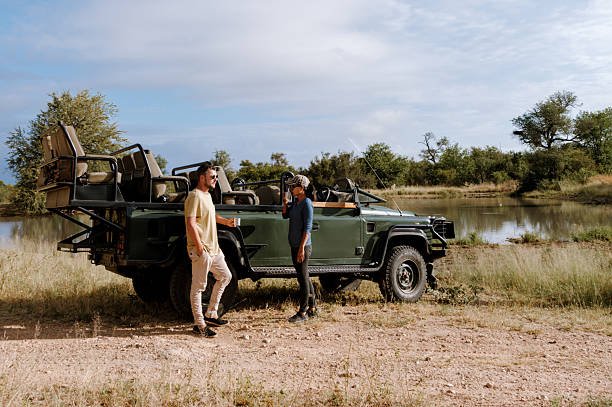
How To Avoid Safari Scams In Tanzania: A Top Guide Adventures Expert 2026-2027
Navigating a safari in Tanzania is a dream for many, but a few precautions can ensure your adventure is scam-free. This guide from Top Guide Adventures provides essential advice for...
View package detailsHow Far In Advance Should You Book A Tanzania Safari? Your Planning Guide
Securing your dream Tanzania safari requires strategic planning. This comprehensive guide details the optimal booking timeline for 2026-2027, considering peak seasons, lodge availability...
View package detailsHow Much Should I Tip My Safari Guide In Tanzania? Your 2026-2027
Understand the tipping culture for safari guides and staff in Tanzania. This guide provides clear, actionable recommendations for tipping your safari crew in 2026-2027, covering guides...
View package detailsNo related package matches those filters. Clear one or more filters to see the other topic-matched options.
Plan your Ngorongoro Crater vs Serengeti: Which Is Better? with Top Guide Adventures
Tell us your travel dates, group size, comfort level, and dream experience. We will help you shape a clear, realistic, and memorable Tanzania itinerary.



