
Updated planning guide for 2026, 2027
Ngorongoro Crater Day Trip From Arusha: Essential Travel Guide
Your comprehensive guide to an unforgettable Ngorongoro Crater day trip from Arusha. Learn everything you need to know for planning your safari adventure, from what to pack to the best time to visit.
WhatsApp +255616946642 | topguideadventures@gmail.com | info@topguideadventures.com
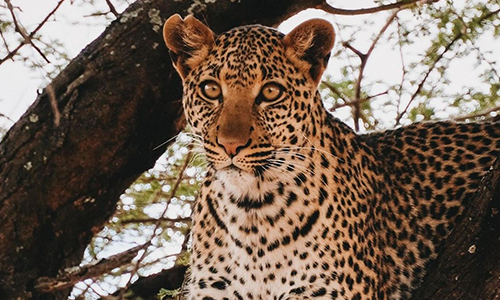
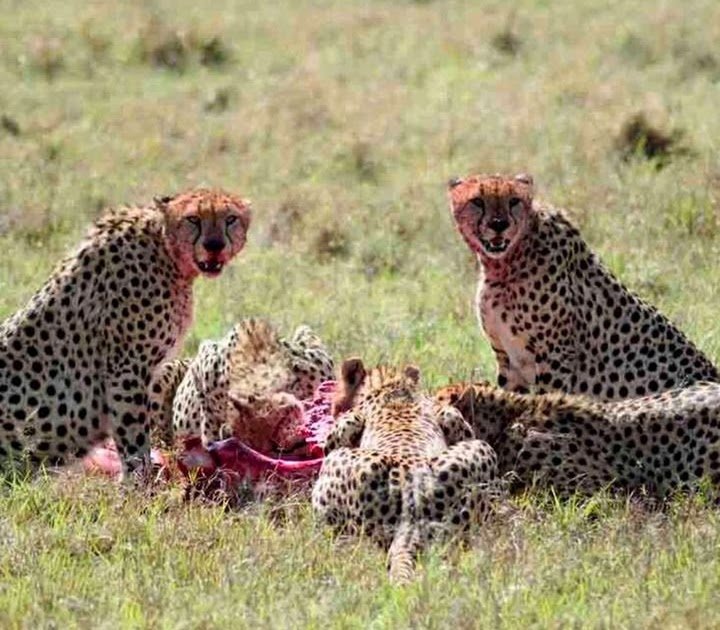
Ngorongoro Crater Day Trip from Arusha: The Ultimate Guide
A Ngorongoro Crater day trip from Arusha offers a concentrated dose of Tanzania’s unparalleled wildlife and geological wonders. For travelers with limited time or those seeking a focused safari experience, this excursion packs an incredible punch. Situated a few hours’ drive from Arusha, the Ngorongoro Crater, a UNESCO World Heritage Site, is a collapsed volcano caldera teeming with an astonishing density of wildlife. This guide provides everything you need to know to plan and execute a memorable day trip, ensuring you make the most of your precious time in this natural marvel.
| Feature | Details |
|---|---|
| Origin Point | Arusha, Tanzania |
| Destination | Ngorongoro Crater Floor |
| Travel Time (one way) | Approx. 3-4 hours by road |
| Primary Activity | Wildlife viewing (game drive) |
| Key Wildlife | Big Five (lion, leopard, elephant, rhino, buffalo), wildebeest, zebras, hippos, flamingos, diverse birdlife |
| Crater Size | Approx. 260 sq km |
| Altitude | Crater floor: ~1,700m (5,600 ft) |
| Best Time to Visit | Dry seasons (June-October, December-February) for easier wildlife spotting, but rewarding year-round. |
| Typical Duration | Full day (approx. 10-12 hours including travel) |
Why Choose a Ngorongoro Crater Day Trip?
The Ngorongoro Crater stands out as a unique safari destination. Its natural enclosure means a high concentration of animals, offering exceptional game viewing opportunities. For many, seeing the Big Five in a single day is a realistic possibility here. A day trip is ideal for:
- Travelers with tight schedules who are already in Arusha.
- Those who want a focused wildlife experience without the need for overnight stays.
- Budget-conscious travelers looking for a high-impact safari without extensive travel logistics.
- Individuals or couples seeking a dramatic and visually stunning natural wonder.
The sheer density of wildlife within the crater walls provides an almost guaranteed safari success. Unlike more sprawling parks where animals can be elusive, the contained environment of the Ngorongoro Crater maximizes your chances of encountering lions, elephants, rhinos, buffaloes, and hippos, along with vast herds of wildebeest and zebras, especially during migration seasons.
Understanding the Ngorongoro Conservation Area
The Ngorongoro Conservation Area (NCA) is not just the crater itself. It’s a vast, protected region managed by the Ngorongoro Conservation Area Authority (NCAA). It’s a unique place where wildlife and human populations (primarily the Maasai people) coexist. The conservation area is part of the larger Serengeti ecosystem and is famous for its biodiversity. The Ngorongoro Crater is the main attraction, but the journey to and from it offers glimpses of the wider NCA landscape, including the Olmoti and Empakaai craters, and the vast plains dotted with Maasai villages.
The crater was formed approximately two to three million years ago when a large volcano exploded and then collapsed inwards on itself. This geological event created a natural amphitheater, a caldera, that is now home to an estimated 25,000 large animals. The floor is a mix of grassland, swamps, forests, and a salt lake, providing diverse habitats that support this incredible array of wildlife.
Table of Contents
- Overview of the Ngorongoro Crater Day Trip
- Why Choose a Ngorongoro Crater Day Trip?
- Understanding the Ngorongoro Conservation Area
- Ngorongoro Crater Day Trip: Route Overview
- Sample Ngorongoro Crater Day Trip Itinerary
- What to Expect on Your Day Trip
- Ngorongoro Crater Wildlife Highlights
- Best Time to Visit Ngorongoro Crater
- Preparation and Packing for Your Day Trip
- Common Mistakes to Avoid
- Who is a Ngorongoro Crater Day Trip Best Suited For?
- Alternatives to a Day Trip
- Planning Your Trip for 2026 and 2027
- Booking Your Ngorongoro Crater Day Trip
- Frequently Asked Questions (FAQs)
Ngorongoro Crater Day Trip: Route Overview
The journey from Arusha to the Ngorongoro Crater is an integral part of the experience, offering a visual introduction to the Tanzanian landscape. Typically, the route involves:
Arusha Town → (Main Arusha-Dodoma Road) → Karatu Town (gateway to NCA) → NCAA Gate (entry point) → Crater Rim Descent Road → Ngorongoro Crater Floor (game drive) → Crater Rim Ascent Road → NCAA Gate → Karatu Town → Arusha Town
The drive from Arusha takes approximately 3 to 4 hours each way, depending on road conditions and traffic. You’ll pass through bustling towns, agricultural landscapes, and eventually ascend into the highlands. The road leading down into the crater is steep and winding, offering dramatic first views of the caldera floor. Similarly, the ascent offers panoramic vistas. Most day trips include a dedicated game drive on the crater floor, lasting around 4-6 hours, which is ample time to explore this rich ecosystem.
Sample Ngorongoro Crater Day Trip Itinerary
This is a typical schedule for a Ngorongoro Crater day trip from Arusha. Timings can be adjusted based on your preferences and the tour operator.
- 6:00 AM – 6:30 AM: Pick-up from your hotel in Arusha. Meet your guide and driver, and begin the journey.
- 6:30 AM – 10:00 AM: Drive from Arusha to the Ngorongoro Conservation Area. Stop for brief photo opportunities or to purchase snacks if needed.
- 10:00 AM – 10:30 AM: Arrive at the Ngorongoro Conservation Area gate. Complete park entry formalities.
- 10:30 AM – 11:00 AM: Descend the steep crater rim road to the crater floor. Enjoy the scenic views as you go down.
- 11:00 AM – 4:00 PM: Ngorongoro Crater game drive. Explore the diverse habitats on the crater floor, searching for wildlife. This includes a picnic lunch break, usually enjoyed at a designated picnic spot.
- 4:00 PM – 4:30 PM: Begin the ascent from the crater floor back up to the rim.
- 4:30 PM – 7:30 PM: Drive back from Ngorongoro Crater to Arusha.
- 7:30 PM onwards: Drop-off at your hotel in Arusha.
The total time spent on the crater floor is crucial. Regulations limit the time vehicles can spend inside the crater to ensure conservation. A typical 5-hour game drive allows for thorough exploration without feeling rushed.
What to Expect on Your Day Trip
Your day trip will be conducted in a sturdy 4×4 safari vehicle, equipped with a pop-up roof for optimal game viewing and photography. You will have a knowledgeable driver-guide who is experienced in spotting wildlife and navigating the crater. Expect bumpy roads, especially on the crater floor. The weather can change quickly; mornings can be cool and misty, while midday can be warm and sunny. The air at the crater floor is fresh and the scenery is breathtaking.
The game drive is your main activity. Your guide will track animals, often communicating with other guides to locate predators or rare sightings. You’ll likely see large herds of herbivores, various bird species, and potentially predators. Remember that wildlife sightings are not guaranteed, but the Ngorongoro Crater offers some of the highest probabilities in Africa.
A picnic lunch is standard. This is usually enjoyed at a designated picnic site, often overlooking a waterhole or scenic landscape. It’s a chance to stretch your legs, though you must remain within the immediate vicinity of the vehicle for safety.
Ngorongoro Crater Wildlife Highlights
The Ngorongoro Crater is renowned for its exceptionally high density of wildlife, making it a prime location for spotting the iconic African animals. During your Ngorongoro Crater day trip from Arusha, you have an excellent chance of seeing:
- The Big Five: Lion, Leopard, Elephant, Black Rhinoceros, and Cape Buffalo. The rhino is particularly special here, as it’s one of the few places in Tanzania where you can reliably find black rhinos.
- Large Mammal Herds: Vast numbers of wildebeest, zebras, gazelles (Thomson’s and Grant’s), and hartebeest graze on the crater floor.
- Predators: Lions are abundant, and cheetahs and hyenas are also frequently spotted. Leopards are more elusive but present.
- Aquatic Life: Hippos are found in the permanent water sources, including the Ngoitokitok and Gorigor swamps, and Lake Magadi.
- Birds: Over 400 species of birds have been recorded, including flamingos on Lake Magadi, ostriches, secretary birds, various eagles, and many smaller species.
The crater’s diverse habitats – from open grasslands to acacia woodlands, marshes, and the soda lake – support this incredible biodiversity. The seasonal migration also plays a role, though many animals remain within the crater year-round due to the permanent water sources and abundant food supply.
Best Time to Visit Ngorongoro Crater
While the Ngorongoro Crater offers excellent wildlife viewing year-round, certain periods are considered optimal for different reasons:
| Season | Months | Pros | Cons |
|---|---|---|---|
| Dry Season (Peak) | June – October | Clear skies, excellent wildlife viewing as animals congregate around water sources, easier game drives on dry, less muddy tracks. Ideal for spotting predators. | Higher visitor numbers, can be cooler in the mornings and evenings. |
| Short Rains | November – December | Fewer crowds, lush green landscapes, good wildlife viewing. | Occasional rain showers can interrupt drives. |
| Long Rains | March – May | Very few tourists, dramatic landscapes, abundant birdlife, calving season for wildebeest and zebras (though this is more prominent in the Serengeti). | Heavy rains can make roads muddy and difficult to traverse, potentially limiting game drive access and duration. Some animals may disperse. |
| Dry Season (Secondary) | December – February | Good wildlife viewing, pleasant temperatures, though can be hot. | Can coincide with holiday travel, leading to increased visitor numbers. |
For a day trip, the dry seasons (June-October and December-February) are generally preferred because road conditions are better, and wildlife is concentrated. However, even during the green season (rainy months), the crater’s unique ecosystem ensures that wildlife remains abundant and accessible. For planning your 2026 or 2027 trip, consider that the dry seasons offer the most predictable conditions for a day trip.
Preparation and Packing for Your Day Trip
Given the limited time on a day trip, thorough preparation is key. You’ll spend most of your time in the safari vehicle, but comfort and readiness are essential.
Day Trip Packing Checklist:
- Lightweight Clothing: Pack layers. A light long-sleeved shirt and trousers are good for sun protection and cooler mornings.
- Warm Layer: A fleece jacket or sweater is essential for the cool mornings and evenings, especially during the drive and at the crater rim.
- Comfortable Shoes: You won’t be doing much walking, but comfortable closed-toe shoes are recommended.
- Sun Protection: Wide-brimmed hat, sunglasses, and high-SPF sunscreen are crucial. The sun is strong at altitude.
- Insect Repellent: While malaria risk is lower at higher altitudes, mosquitoes can still be present, especially near water.
- Camera and Extra Batteries/Memory Cards: You’ll want to capture the incredible wildlife. Binoculars are also highly recommended.
- Reusable Water Bottle: Stay hydrated. Your tour operator will likely provide water.
- Small Backpack: To carry your essentials.
- Snacks: While lunch is provided, having a few personal snacks can be helpful.
- Hand Sanitizer/Wipes: For hygiene.
- Identification: Passport copy or ID.
- Cash: For tips or souvenirs (though most operators prefer card payments for tours).
Remember to wear neutral-colored clothing to avoid startling wildlife. Avoid bright colors or camouflage patterns. Ensure your camera is ready and batteries are charged the night before. Confirm with your tour operator what is included (water, lunch, park fees) to avoid surprises.
Common Mistakes to Avoid
To ensure your Ngorongoro Crater day trip from Arusha is as smooth and enjoyable as possible, be aware of these common pitfalls:
- Underestimating Travel Time: The drive from Arusha is long. Start early to maximize your time on the crater floor.
- Not Packing Appropriately: Forgetting layers for the cool mornings or sun protection for the hot midday sun can make the trip uncomfortable.
- Over-reliance on Luck: While the crater is dense with wildlife, understanding that sightings are not always guaranteed manages expectations. Your guide’s expertise is key.
- Ignoring Park Rules: Do not feed animals, do not litter, and stay inside your vehicle unless at a designated picnic spot. Violations can result in fines.
- Booking with Unreputable Operators: Choose a licensed and experienced tour operator to ensure safety, proper vehicle maintenance, and knowledgeable guides.
- Not Bringing a Camera with Enough Storage: You will take hundreds of photos! Ensure your devices are ready.
- Expecting to See Specific Animals: While the Big Five are possible, focus on enjoying the overall experience rather than fixating on one animal.
- Forgetting Cash for Tips: While not mandatory, tipping your guide is customary for good service.
Careful planning and awareness can prevent these common issues, leading to a more fulfilling safari experience.
Who is a Ngorongoro Crater Day Trip Best Suited For?
A Ngorongoro Crater day trip from Arusha is an excellent option for several types of travelers:
- Time-Constrained Travelers: Those on a short safari circuit, on a business trip with a spare day, or who have limited vacation days.
- Active Adventurers: While not strenuous, it’s a full day of exploration and wildlife spotting.
- Photography Enthusiasts: The dense wildlife and stunning landscapes offer unparalleled photographic opportunities.
- First-Time Safari Goers: It provides an accessible and high-impact introduction to African wildlife.
- Families: Children are often fascinated by the animals, and the contained nature of the crater can be less overwhelming than larger parks.
- Budget-Conscious Travelers: It’s a more economical way to experience the Ngorongoro Crater compared to multi-day tours, though park fees are significant.
- Those Staying in Arusha or Karatu: If you are already based in or near these towns, a day trip is logistically straightforward.
It is less suited for travelers who wish to deeply explore the entire Ngorongoro Conservation Area, experience multiple ecosystems within the NCA, or have a more relaxed pace with overnight stays and multiple game drives.
Alternatives to a Day Trip
While a day trip is fantastic, consider these alternatives if your schedule or interests allow:
- Overnight Stay in the Crater: Camping or staying in lodges on the crater rim or floor offers a more immersive experience, allowing for early morning and late afternoon game drives when animals are most active. This is ideal for photographers.
- Ngorongoro Crater & Serengeti Combination: Combine the crater with a visit to the Serengeti National Park for a more comprehensive Northern Circuit safari. This typically requires 3-5 days minimum.
- Tarangire National Park Day Trip: If the Ngorongoro Crater is inaccessible or you prefer a different landscape, Tarangire offers excellent elephant viewing and diverse birdlife, with a shorter drive from Arusha.
- Lake Manyara National Park Day Trip: Known for its tree-climbing lions, diverse birdlife, and scenic lake, Lake Manyara is another excellent day trip option closer to Arusha than Ngorongoro.
- Cultural Tours: Combine a day trip with visits to Maasai villages or local markets near Arusha or Karatu for a cultural dimension.
Each alternative offers a different perspective and experience. The best choice depends on your available time, budget, and what you hope to see and do.
Planning Your Trip for 2026 and 2027
Planning ahead is wise, especially for popular destinations like the Ngorongoro Crater. For your 2026 or 2027 trip:
- Book in Advance: Especially if you plan to travel during peak seasons (June-October, December-February), book your safari operator and any desired accommodation (if extending your stay) several months ahead.
- Research Tour Operators: Look for reputable companies with good reviews and clear communication. Ensure they are licensed and experienced in operating day trips to Ngorongoro.
- Understand Inclusions: Clarify what your day trip package covers. Typically, this includes park fees, vehicle hire, guide services, and picnic lunch. Exclusions might be tips, drinks, and souvenirs.
- Consider Vehicle Type: A 4×4 safari vehicle with a pop-up roof is standard and recommended for comfort and viewing.
- Health Precautions: Consult your doctor about necessary vaccinations and malaria prophylaxis well in advance of your travel dates.
- Visa Requirements: Check the latest visa regulations for Tanzania for your nationality. This can often be done online.
- Travel Insurance: Comprehensive travel insurance is highly recommended for any safari trip.
By starting your planning early for 2026 and 2027, you increase your chances of securing your preferred dates and operators, and you can take advantage of any early booking discounts that might be available.
Booking Your Ngorongoro Crater Day Trip
Booking your Ngorongoro Crater day trip from Arusha with a reliable tour operator is crucial for a successful experience. Here’s how to approach it:
- Choose a Licensed Operator: Ensure the company is registered with the Tanzanian tourism authorities. Look for affiliations with organizations like AUTO (Association of Tourism Operators).
- Read Reviews: Check independent review sites for feedback on customer service, guide quality, vehicle condition, and overall satisfaction.
- Get Detailed Itineraries: Request a clear day-by-day itinerary, including timings, what’s included, and what’s excluded.
- Inquire About Guides: Ask about the qualifications and experience of their guides. A good guide significantly enhances the safari.
- Understand Payment Terms: Clarify deposit requirements, payment methods, and cancellation policies.
- Ask About Vehicle Type: Confirm you will be in a 4×4 safari vehicle with a pop-up roof.
- Confirm Park Fees: Ensure all necessary park entrance fees, crater service fees, and vehicle fees are included in the quote. These are significant costs.
For a trusted and expert-led Ngorongoro Crater day trip, consider contacting us. We specialize in creating memorable Tanzanian adventures and can tailor a day trip to your specific needs. Reach out via WhatsApp at +255616946642 or email us at topguideadventures@gmail.com or info@topguideadventures.com.
Frequently Asked Questions (FAQs)
1. How long does the drive from Arusha to Ngorongoro Crater take?
The drive typically takes between 3 to 4 hours each way, depending on road conditions and traffic. This includes time for entry at the park gate.
2. What is the best time of day for a Ngorongoro Crater day trip?
The best time to depart Arusha is early morning (around 6:00 AM) to maximize your time on the crater floor. The game drive itself usually lasts about 5-6 hours, with lunch included.
3. Can I see the Big Five on a Ngorongoro Crater day trip?
Yes, it is highly possible to see all of the Big Five (lion, leopard, elephant, rhino, buffalo) on a single day trip due to the high concentration of animals within the crater. However, sightings are never guaranteed.
4. What should I wear for a day trip to Ngorongoro Crater?
Pack layers. Wear comfortable, neutral-colored clothing. Include a warm jacket or fleece for the cool mornings and evenings, a hat, sunglasses, and sunscreen for sun protection.
5. Is lunch included in a Ngorongoro Crater day trip?
Yes, most reputable tour operators include a picnic lunch as part of the day trip package. You will usually eat at a designated picnic site within the conservation area.
6. What are the park fees for Ngorongoro Crater?
Park fees are a significant part of the cost and are usually included in the tour price. They are set by the Ngorongoro Conservation Area Authority and include conservation fees, crater service fees, and vehicle fees. These can change, so confirm with your operator.
7. Can I get out of the vehicle inside the crater?
You are generally not allowed to exit the vehicle on the crater floor except at designated picnic sites. For safety reasons and to protect the environment, you must remain in your safari vehicle during game drives.
8. What if it rains during my day trip?
Rain showers are possible, especially during the green season. Safari vehicles are equipped to handle rain, and your guide will make decisions based on safety and road conditions. Wildlife viewing can still be excellent, and the landscape is beautiful when wet.
9. Is it safe to do a Ngorongoro Crater day trip?
Yes, it is safe when organized with a reputable tour operator. Guides are trained in wildlife behavior and safety protocols. The main safety considerations involve respecting wildlife distances and following guide instructions.
10. Can I book a Ngorongoro Crater day trip for 2026 or 2027?
Absolutely. It is highly recommended to book your Ngorongoro Crater day trip from Arusha for 2026 or 2027 well in advance, especially if you plan to travel during peak tourist seasons.
Ready for Your Ngorongoro Crater Adventure?
A Ngorongoro Crater day trip from Arusha promises an unforgettable encounter with nature’s grandeur. From the dramatic descent into the caldera to the incredible density of wildlife, it’s an experience that will stay with you long after you return to Arusha. Don’t miss the chance to witness one of Africa’s most iconic natural wonders.
Let us help you plan the perfect day trip. We are a leading Tanzania tour operator with extensive experience in creating exceptional safari experiences. Contact us today to discuss your tailor-made itinerary:
WhatsApp: +255616946642
Email: topguideadventures@gmail.com
Backup Email: info@topguideadventures.com
1-Day Nyerere Safari From Zanzibar For Couples: Your Ultimate Escape 2026-2027
Discover the magic of a 1-day safari trip from Zanzibar to Nyerere National Park (formerly Selous Game Reserve), perfect for couples seeking adventure and wildlife encounters. This guide...
View package details
1-Day Shared Mikumi Safari From Zanzibar: Your Ultimate Day Trip Guide
Discover the thrill of a 1-day shared safari to Mikumi National Park, departing from Zanzibar. This guide covers everything you need to know for an unforgettable wildlife encounter in...
View package details
bEST Mikumi Safari Group Departures, Choose 1 Day, 2 Days, 3 Days 2026-2027
Discover the best Mikumi safari group departures for 2026-2027 with Top Guide Adventures. This comprehensive guide helps you find shared safaris, compare itineraries, and understand costs...
View package details
All-Inclusive Nyerere Day Trip Price Guide 2026-2027
Planning an all-inclusive Nyerere Day Trip? This comprehensive guide breaks down the expected prices for 2026-2027, detailing what's typically included and how to get the best value.
View package details
Affordable 1-Day Selous Safari From Zanzibar: Your Ultimate Day Trip Guide
Discover the feasibility and details of an affordable 1-day Selous Safari departing from Zanzibar. This guide covers logistics, wildlife, costs, and what to expect for your quick wildlife...
View package details
14-Day Selous, Mikumi, Ruaha And Beach Holiday In Tanzania 2026-2027
This 14-day itinerary combines the incredible wildlife viewing of Southern Tanzania's parks – Selous Game Reserve, Mikumi National Park, and Ruaha National Park – with a relaxing beach...
View package details
12-Day Nyerere Safari And Zanzibar Honeymoon: The Ultimate Romantic Escape
A 12-day Nyerere Safari and Zanzibar Honeymoon offers an unparalleled blend of thrilling wildlife encounters in one of Africa's largest game reserves and serene relaxation on the exotic...
View package details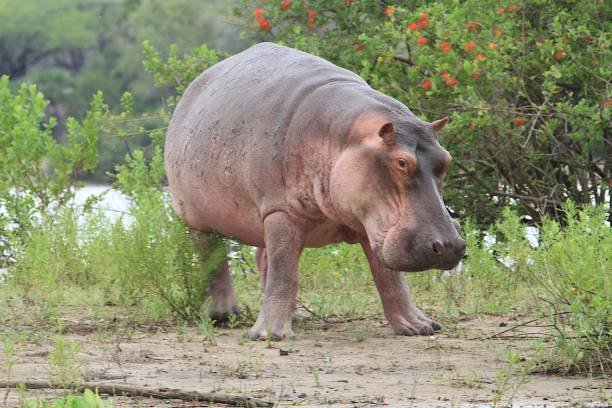
12-Day Southern Tanzania Grand Safari: An Unforgettable Adventure In 2026-2027
Discover the untamed beauty of Southern Tanzania on an epic 12-day safari. This journey explores the vast wilderness of Selous Game Reserve, the dramatic landscapes of Ruaha National Park...
View package details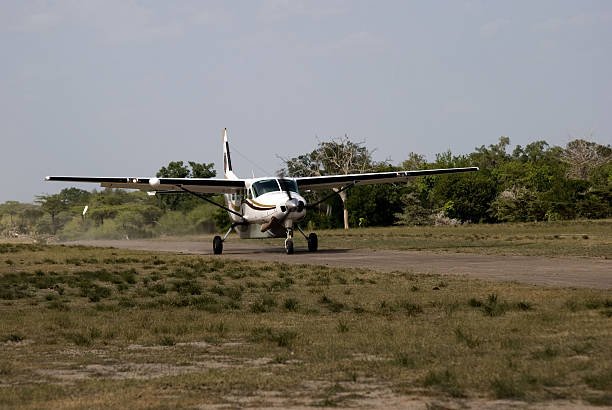
10-Day Selous, Mikumi And Ruaha Safari Guide
Discover the untamed beauty of southern Tanzania with a 10-day safari combining Selous Game Reserve, Mikumi National Park, and Ruaha National Park. This itinerary offers a comprehensive...
View package details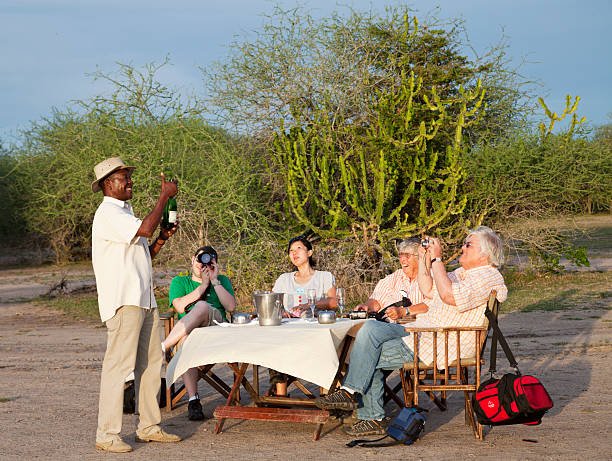
10-Day Nyerere, Ruaha & Zanzibar Package: Ultimate Southern Tanzania Adventure
Discover the best of Southern Tanzania with a meticulously crafted 10-day package combining the vast wilderness of Nyerere National Park (formerly Selous) and Ruaha National Park with the...
View package details10-Day Southern Tanzania Safari And Beach Holiday 2026-2027
Discover the ultimate 10-day Southern Tanzania safari and beach holiday, blending the wild wonders of Selous and Ruaha with the serene shores of Zanzibar or Mafia Island. Perfect for...
View package details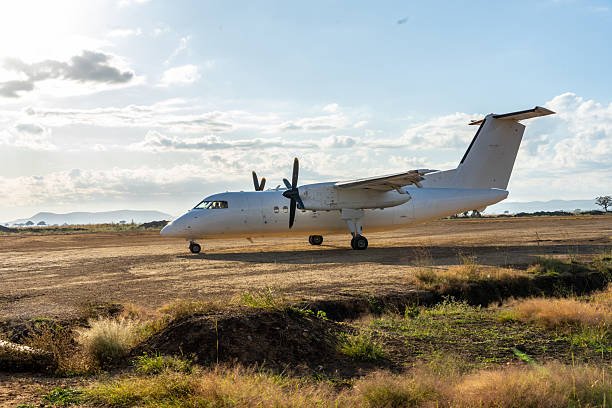
9-Day Mikumi, Nyerere And Zanzibar Tour: The Ultimate Southern Tanzania
Discover the magic of Southern Tanzania with a 9-day journey through Mikumi National Park, Nyerere National Park (formerly Selous Game Reserve), and the spice island of Zanzibar. This tour...
View package detailsNo related package matches those filters. Clear one or more filters to see the other topic-matched options.
Plan your Ngorongoro Crater Day Trip from Arusha with Top Guide Adventures
Tell us your travel dates, group size, comfort level, and dream experience. We will help you shape a clear, realistic, and memorable Tanzania itinerary.



