
Updated planning guide for 2026, 2027-2028
Kilimanjaro Lower Slopes Hiking Tour From Moshi: Expert Trekking Guide
Discover the magic of Kilimanjaro's lower slopes on a hiking tour from Moshi. This comprehensive guide covers everything you need to know for an unforgettable adventure, from planning and preparation to the best routes and what to expect.
WhatsApp +255616946642 | topguideadventures@gmail.com | info@topguideadventures.com
Kilimanjaro Lower Slopes Hiking Tour From Moshi: Your Complete Adventure Guide
The allure of Mount Kilimanjaro, Africa’s highest peak, draws adventurers from across the globe. While many dream of summiting, a significant and deeply rewarding experience lies in exploring its lower slopes. A Kilimanjaro lower slopes hiking tour from Moshi offers a unique perspective on this majestic mountain, allowing you to immerse yourself in its diverse ecosystems, vibrant local culture, and stunning scenery without the extreme challenges of a full ascent. This guide provides an in-depth look at planning, preparing for, and enjoying these accessible treks, perfect for those seeking a taste of Kilimanjaro’s grandeur.
Moshi, a bustling town nestled at the foot of Kilimanjaro, serves as the primary gateway for most Kilimanjaro expeditions. It’s from here that your journey into the mountain’s lower reaches will begin. Whether you’re a seasoned hiker or a beginner looking for an accessible mountain experience, the lower slopes present an array of options, from gentle day hikes to multi-day treks that offer a more immersive experience.
This comprehensive guide is designed to help you understand every facet of a Kilimanjaro lower slopes hiking tour from Moshi. We will cover what makes these treks special, the best times to visit, potential routes, what to pack, how to prepare, and crucial advice for booking your adventure for 2026 and 2027. Let’s explore the possibilities that await you on the magnificent flanks of Kilimanjaro.
Quick Facts: Kilimanjaro Lower Slopes Hiking
| Activity | Hiking and trekking on the lower altitudes of Mount Kilimanjaro |
|---|---|
| Starting Point | Moshi, Tanzania |
| Altitude Range | Approximately 800m to 3,000m (can vary by route) |
| Duration | Day trips to 3-5 day treks |
| Best For | Beginners, families, those with limited time, acclimatization hikes, nature lovers |
| Key Attractions | Rainforests, coffee plantations, waterfalls, local villages, panoramic views |
| Physical Demands | Low to moderate |
Understanding the Kilimanjaro Lower Slopes Experience
The lower slopes of Kilimanjaro are a world away from the stark, alpine desert of the summit zone. Here, life thrives. You’ll trek through lush, vibrant rainforests teeming with diverse flora and fauna. The air is fresh, filled with the sounds of exotic birds and the rustling of leaves. As you ascend, the landscape gradually changes, transitioning through montane forests, heath, and moorland zones.
A Kilimanjaro lower slopes hiking tour from Moshi is not about conquering a peak; it’s about experiencing the mountain’s living heart. These treks are designed to be accessible, enjoyable, and educational. You’ll encounter local communities, learn about their way of life, and witness firsthand the symbiotic relationship between people and this colossal natural wonder. Many tours include visits to coffee plantations, local villages, and stunning waterfalls, offering a rich cultural and scenic immersion.
The benefits of choosing a lower slopes tour are numerous:
- Accessibility: Suitable for a wider range of fitness levels and ages.
- Shorter Duration: Can be completed in a single day or over a few days, fitting into shorter travel itineraries.
- Lower Altitude: Significantly reduces the risk of altitude sickness compared to summit attempts.
- Biodiversity: Offers incredible opportunities to see unique plant life and wildlife in the montane forests.
- Cultural Immersion: Provides genuine interactions with local communities and insights into their lives.
- Stunning Views: Even from the lower slopes, the panoramic vistas of the surrounding plains and the upper reaches of Kilimanjaro are breathtaking.
Why Choose a Lower Slopes Tour from Moshi?
Moshi is the quintessential starting point for any Kilimanjaro adventure. Its proximity to the mountain, established tourism infrastructure, and vibrant local culture make it the ideal base. When you opt for a Kilimanjaro lower slopes hiking tour from Moshi, you benefit from:
- Convenience: Moshi offers easy access via Kilimanjaro International Airport (JRO) and has a range of accommodations. Tour operators based here are well-versed in logistics.
- Local Expertise: Companies in Moshi have deep knowledge of the mountain, its trails, and the surrounding communities.
- Logistical Hub: All necessary preparations, gear rentals, and team formations happen in Moshi.
- Cultural Gateway: The town itself provides a rich cultural introduction to Tanzania before you even set foot on the mountain.
For travelers in 2026 and 2027, choosing a well-established operator in Moshi ensures a reliable and professionally managed experience. They understand the nuances of lower slope treks and can tailor them to your specific interests, whether that’s bird watching, photography, cultural exchange, or simply enjoying the natural beauty.
Best Time for Your Kilimanjaro Lower Slopes Hike
While Kilimanjaro can be visited year-round, certain periods offer more favorable weather conditions for hiking its lower slopes. The mountain experiences distinct wet and dry seasons. The lower slopes, particularly the rainforest zone, can receive rain at any time, but the intensity and frequency vary.
Kilimanjaro Lower Slopes Seasonality Guide
| Season | Months | Weather on Lower Slopes | Pros | Cons |
|---|---|---|---|---|
| Dry Season (Peak) | January – March | Clear skies, moderate temperatures, minimal rain. Can be cooler in higher sections. | Excellent visibility, comfortable hiking conditions, ideal for photography. | Can be busier with other trekkers. |
| Long Rains | April – May | Frequent and heavy rainfall, especially in the rainforest zone. Can be muddy. | Fewer crowds, lush green landscapes. | Trails can be slippery and challenging, visibility may be reduced. |
| Dry Season (Secondary) | June – October | Generally dry with sunshine, but can experience occasional showers. Temperatures are pleasant. | Good visibility, less crowded than Jan-Mar, diverse wildlife sightings. | October can see a slight increase in rain. |
| Short Rains | November – December | Sporadic rain showers, often in the afternoon. Can be humid. | Fewer tourists, vibrant vegetation. | Rain can disrupt hiking plans, trails may be wet. |
For 2026 and 2027: The dry seasons (January-March and June-October) are generally recommended for the most comfortable hiking experience on the lower slopes. However, if you prefer fewer crowds and don’t mind occasional rain, the shoulder seasons can also be rewarding. Always be prepared for changeable weather, as mountain microclimates are unpredictable.
Popular Routes for Kilimanjaro Lower Slopes Hiking Tours from Moshi
While the main Kilimanjaro climbing routes (Marangu, Machame, Lemosho, etc.) start higher up the mountain, several trails and areas on the lower slopes are perfect for day hikes or shorter multi-day treks. These often start from villages or park gates closer to Moshi.
1. Marangu Waterfalls and Caves Day Hike
This is one of the most popular and accessible day trips from Moshi. It focuses on the foothills of the Marangu route.
- Starting Point: Marangu Gate (approx. 1,800m).
- Highlights: Beautiful waterfalls (like Ndoro Waterfalls), a visit to the Chagga caves (historical hiding places used during tribal wars), and scenic views of the surrounding landscape and coffee plantations.
- Duration: Typically 4-6 hours.
- Difficulty: Easy to moderate.
2. Materuni Waterfalls and Coffee Tour
Located on the northeastern slopes, this tour offers a blend of natural beauty and cultural insight.
- Starting Point: Materuni Village (approx. 1,500m).
- Highlights: A hike to the impressive Materuni Waterfalls, where you can swim in the cool waters. A significant part of the tour involves learning about and participating in the traditional process of making coffee, from bean to cup, with the local Chagga community.
- Duration: Typically 4-5 hours.
- Difficulty: Easy to moderate, with some uphill walking.
3. Shira Plateau Day Trip (Upper Lower Slopes)
For those wanting to experience higher altitudes without a full climb, a day trip towards the Shira Plateau can be arranged. This typically involves driving partway up the mountain and then hiking.
- Starting Point: Usually involves a drive towards the Londorossi Gate or Simba Gate area, then hiking.
- Highlights: Vast moorland landscapes, unique montane vegetation, and potentially stunning views of Kibo and Mawenzi peaks on clear days. You might encounter unique flora like giant groundsels.
- Duration: Full day (can be long due to driving and hiking).
- Difficulty: Moderate to challenging due to altitude and distance. Requires good fitness.
4. Mweka Wildlife College and Forest Walk
This option provides a chance to learn about conservation efforts and experience the montane forest ecosystem.
- Starting Point: Near Mweka Gate (around 1,400m).
- Highlights: Visit the College of African Wildlife Management, Mweka, and then take a guided walk through the lower montane forest, looking for birds and smaller mammals.
- Duration: Half-day to full-day.
- Difficulty: Easy to moderate.
5. Multi-Day Treks (e.g., Short Marangu or Mweka routes)
Some operators offer simplified, shorter versions of the main climbing routes that focus on the lower sections, often for acclimatization or a less strenuous trekking experience.
- Example: A 2-3 day trek on the Marangu route to the Mandara Huts (approx. 2,700m) and back.
- Highlights: Experience camping or hut accommodation on the mountain, trek through rainforest and moorland, and get a feel for mountain life.
- Duration: 2-4 days.
- Difficulty: Moderate. Requires multi-day hiking stamina.
Kilimanjaro Lower Slopes Area Overview
General Location: Northern Tanzania, south of the Kenya border, east of Arusha.
Town Base: Moshi is located on the southern plains, offering direct access to the southern and southeastern slopes.
Key Access Points (Gates/Trailheads):
- Marangu Gate: (approx. 1,800m) – Eastern side, entry for Marangu Route, popular for waterfall hikes.
- Mweka Gate: (approx. 1,400m) – Southern side, entry for Mweka Route (descent), good for forest walks.
- Londorossi Gate: (approx. 2,200m) – Western side, entry for Lemosho and Shira Routes, often used for higher altitude day trips.
- Kilimanjaro National Park Headquarters (Lyamungu): Administrative point, often used for information.
- Materuni Village: Northeast slopes, access for coffee tours and waterfall hikes.
Ecological Zones Accessible:
- Cultivation Zone: Lowest level, farms, villages, coffee plantations (up to ~1,200m).
- Rainforest Zone: Dense, humid forests, abundant wildlife and birdlife (approx. 1,200m – 2,800m).
- Heath Zone: Open moorland, heather, grasses, giant groundsels (approx. 2,800m – 4,000m). Lower parts of this zone are accessible on lower slope hikes.
What to Expect on Your Tour
A Kilimanjaro lower slopes hiking tour from Moshi promises an engaging and often surprising experience. While less demanding than a summit climb, it still requires preparation and awareness.
The Trekking Experience
- Trails: Trails can range from well-trodden paths to muddy tracks, especially after rain. You’ll walk on earth, roots, and sometimes rocky sections.
- Scenery: Expect lush rainforests with towering trees, vibrant flowers, and the possibility of spotting monkeys (like Colobus monkeys), various bird species, and other small forest dwellers. As you gain altitude, the vegetation changes to open moorland with unique giant plants.
- Views: On clear days, the views across the plains of Tanzania, and towards the snow-capped peaks of Kilimanjaro (Kibo and Mawenzi), are spectacular. These vistas are a significant reward.
- Guides and Porters: You will be accompanied by experienced local guides who are knowledgeable about the flora, fauna, and local culture. For multi-day treks, porters will carry your main luggage and camping equipment.
- Accommodation: Day trips return to Moshi. Multi-day treks might involve camping in designated campsites or staying in basic mountain huts (like on the Marangu route).
Physical Demands and Acclimatization
The physical demands are considerably lower than a summit climb. You can expect to walk for several hours a day, with some uphill sections. The primary challenge on the lower slopes is not altitude sickness, but rather the terrain and duration of the walk. However, even at lower altitudes, it’s wise to stay hydrated and listen to your body.
For those considering a future summit attempt, a lower slopes hike can serve as excellent practice and a gentle introduction to trekking at altitude, helping your body adapt gradually.
Cultural Interactions
Many lower slopes tours are designed to include cultural elements. You might visit Chagga villages, learn about traditional farming practices (especially coffee cultivation), and interact with local people. These interactions are often highlights of the trip, offering genuine insights into Tanzanian life.
Packing and Preparation Essentials
While you won’t need the extensive gear for a summit climb, proper preparation and packing are still crucial for comfort and safety on a lower slopes hike. This is especially true for multi-day treks.
Essential Packing List for Lower Slopes Hikes
- Footwear: Comfortable, broken-in hiking boots or sturdy trail shoes.
- Socks: Moisture-wicking hiking socks (wool or synthetic).
- Clothing Layers:
- Moisture-wicking base layers (t-shirts, long sleeves).
- Mid-layer fleece or warm jacket.
- Waterproof and windproof outer jacket (essential for unpredictable weather).
- Hiking trousers (quick-drying, comfortable). Avoid jeans.
- Shorts (optional, for warmer sections).
- Headwear:
- Sun hat or cap for sun protection.
- Warm beanie or hat for cooler mornings/evenings (especially for multi-day treks).
- Accessories:
- Sunglasses.
- Reusable water bottle or hydration reservoir (at least 1-2 liters capacity).
- Sunscreen (high SPF).
- Insect repellent (especially for rainforest sections).
- Small backpack (daypack) for essentials during the hike.
- Trekking poles (optional, but recommended for stability on descents).
- Personal first-aid kit (band-aids, antiseptic wipes, pain relievers, blister treatment).
- Headlamp or flashlight (for multi-day treks).
- Camera and extra batteries/power bank.
- Documents & Money:
- Passport copy.
- Visa (if required).
- Small amount of cash (for tips, souvenirs).
- For Multi-Day Treks:
- Sleeping bag (rated for cool temperatures).
- Toiletries (biodegradable soap, toothbrush, toothpaste).
- Quick-dry towel.
Physical Preparation
While not as demanding as a summit climb, a reasonable level of fitness is beneficial. Regular walking, hiking, or cardio exercises in the weeks leading up to your trip will help you enjoy the experience more fully. Focus on:
- Cardiovascular Fitness: Activities like jogging, cycling, or brisk walking.
- Leg Strength: Squats, lunges, and stair climbing.
- Endurance: Practice walking for 3-5 hours with some inclines.
Mental Preparation
Be prepared for variable weather, potentially muddy trails, and the physical exertion of walking. Embrace the experience, stay positive, and enjoy the natural beauty and cultural encounters. Hydration and proper nutrition are key to maintaining energy levels.
Common Mistakes to Avoid
Even for shorter hikes on Kilimanjaro’s lower slopes, travelers can make common errors that detract from their experience. Being aware of these can help ensure a smoother, more enjoyable trip.
Top Mistakes to Avoid on Lower Slopes Hikes:
- Underestimating the Weather: Mountain weather is notoriously changeable. Always pack waterproofs and warm layers, even if the forecast is clear.
- Inadequate Footwear: Wearing brand new or unsuitable shoes can lead to blisters and discomfort. Always break in hiking boots or shoes beforehand.
- Not Carrying Enough Water: Dehydration can occur even in cool weather. Ensure you have sufficient water for the duration of your hike.
- Ignoring Local Guidance: Your guides are experts. Follow their advice regarding trail conditions, wildlife, and cultural etiquette.
- Overpacking for Day Hikes: For day trips, pack only essentials to keep your daypack light and manageable.
- Not Informing Your Operator of Health Conditions: Disclose any pre-existing medical conditions to your tour operator before booking.
- Failing to Use Sun Protection: The sun at altitude, even on lower slopes, can be intense. Use sunscreen, a hat, and sunglasses.
- Disrespecting Local Culture: Be mindful of local customs, dress modestly when visiting villages, and always ask permission before taking photos of people.
Who is a Kilimanjaro Lower Slopes Hiking Tour Best For?
This type of tour is incredibly versatile and appeals to a broad range of travelers:
- Beginner Hikers: Those new to trekking or who want an easier introduction to mountain environments.
- Families: Many lower slopes hikes are suitable for children (with appropriate supervision and consideration for their stamina).
- Time-Constrained Travelers: Perfect for those on a shorter safari or holiday in Tanzania who want to experience Kilimanjaro without a full climb.
- Photography Enthusiasts: The diverse landscapes, flora, fauna, and panoramic views offer excellent photographic opportunities.
- Nature Lovers: Ideal for appreciating the rich biodiversity of the montane rainforest and moorland zones.
- Cultural Explorers: Tours that incorporate village visits and coffee farm experiences are great for cultural immersion.
- Acclimatization Treks: Those planning a future summit attempt can use these hikes to help their bodies adjust to altitude gradually.
- Travelers Seeking Views Without the Grind: If you want to see the mountain and its surroundings without the extreme physical challenge of summiting, this is the perfect option.
The flexibility of these tours means they can be customized to suit different interests and fitness levels, making them a popular choice for many visiting Tanzania in 2026 and 2027.
Alternatives to Lower Slopes Hiking
If a lower slopes hike isn’t quite what you’re looking for, consider these related experiences:
- Full Kilimanjaro Ascent: For the ultimate challenge, choose one of the established climbing routes (Marangu, Machame, Lemosho, etc.) aiming for the summit. This requires significant physical and mental preparation and typically takes 5-9 days.
- Mount Meru Trekking: Located near Arusha, Mount Meru is a stunning standalone peak (4,566m) often used for acclimatization before Kilimanjaro. It offers a challenging trek with diverse wildlife in its lower reaches.
- Usambara Mountains Day Hikes: Situated further east, the Usambara Mountains offer beautiful hiking through lush forests, tea plantations, and traditional villages, with a different cultural feel.
- Day Trips from Moshi: Beyond Kilimanjaro’s slopes, Moshi is a base for day trips to places like Kikuletwa Hot Springs, or exploring Moshi town itself.
Planning Your Kilimanjaro Lower Slopes Tour for 2026-2027
Planning ahead is key to a successful and memorable trip. Here’s a guide to help you prepare for your Kilimanjaro lower slopes hiking tour from Moshi in the coming years.
Choosing the Right Tour Operator
Selecting a reputable tour operator is paramount. Look for companies that:
- Are based in Moshi or have a strong local presence.
- Have experienced, certified guides.
- Prioritize safety and ethical trekking practices.
- Offer clear itineraries and inclusions/exclusions.
- Provide excellent customer service and communication.
- Have positive reviews and a good track record.
For your 2026 or 2027 adventure, consider contacting local operators directly. This often provides the best value and most authentic experience. Best Tanzania Tour operator, with contacts like WhatsApp +255616946642 and Email topguideadventures@gmail.com (backup: info@topguideadventures.com), is a reliable choice known for its local expertise and commitment to quality tours.
Booking Process and Timeline
It’s advisable to book your tour several months in advance, especially if you are traveling during peak seasons in 2026 or 2027.
- 6-12 Months Ahead: Research operators, compare options, and make your initial booking. This secures your preferred dates and allows ample time for preparation.
- 3-6 Months Ahead: Finalize details, make payments as required by the operator, and begin your physical training.
- 1-3 Months Ahead: Purchase necessary gear, confirm visa requirements, and arrange travel insurance.
- 1 Month Ahead: Start packing, confirm flight details, and inform your operator of any last-minute needs.
Budget Considerations
Costs for lower slopes tours vary depending on the duration, inclusions, and the operator. Generally, they are significantly more affordable than full Kilimanjaro climbs.
- What’s Typically Included: Guide fees, park entrance fees (for multi-day treks), meals (for multi-day treks), camping/hut fees (for multi-day treks), transport from Moshi to the trailhead.
- What’s Typically Excluded: Flights to/from Tanzania, visa fees, travel insurance, tips for guides and porters, personal gear (rentals may be available), meals and drinks in Moshi before/after the trek.
Always request a detailed quote that clearly outlines what is included and what is not. Be wary of prices that seem too low, as they may compromise on safety, guide quality, or environmental practices.
Visa and Health Requirements
- Visa: Check the latest visa requirements for Tanzania for your nationality well in advance. Many nationalities can obtain a visa on arrival or apply online.
- Health: Consult your doctor or a travel clinic about recommended vaccinations and malaria precautions for Tanzania. While lower slopes hikes are less prone to altitude sickness, discuss any personal health concerns.
- Travel Insurance: Comprehensive travel insurance is essential. Ensure it covers medical emergencies, evacuation, trip cancellation, and lost belongings.
Sample Itinerary: 3-Day Lower Slopes Rainforest & Waterfalls Trek
This is a sample itinerary for a multi-day trek focusing on the rainforest and cultural aspects. It can be customized.
Day 1: Moshi to Forest Camp (via Marangu Gate)
- Morning: Meet your guide in Moshi for a briefing. Transfer to Marangu Gate (approx. 1,800m). Complete park formalities.
- Hike: Begin trekking through the vibrant rainforest. Look for Colobus monkeys and diverse birdlife. The trail is often muddy but scenic.
- Afternoon: Arrive at Mandara Huts (approx. 2,700m) or a designated campsite just below for a shorter trek. Settle in.
- Optional: Short walk to the nearby Maundi Crater for initial views of the plains and potentially Mount Kenya on a very clear day.
- Evening: Dinner and overnight at the camp/huts.
- Duration: Approx. 4-5 hours hiking.
- Distance: Approx. 8-10 km.
Day 2: Mandara Huts to Forest Exploration & Return to Marangu
- Morning: After breakfast, enjoy a final short trek within the rainforest, perhaps visiting a waterfall if accessible and time permits.
- Descend: Begin the descent back towards Marangu Gate. The forest environment changes as you lose altitude.
- Afternoon: Arrive back at Marangu Gate. Meet your transport and transfer back to Moshi.
- Optional: Visit a local coffee plantation or Chagga village near Marangu for a cultural experience.
- Evening: Check back into your hotel in Moshi.
- Duration: Approx. 3-4 hours hiking.
- Distance: Approx. 8-10 km.
Day 3: Materuni Waterfalls and Coffee Tour
- Morning: After breakfast in Moshi, drive to Materuni Village (approx. 1,500m).
- Hike: A pleasant walk through lush scenery to the impressive Materuni Waterfalls. Enjoy the opportunity to swim in the refreshing pool at the base.
- Cultural Experience: Participate in a traditional coffee-making process with local Chagga people. Learn about the cultivation, roasting, and grinding of beans, and enjoy the freshly made coffee.
- Lunch: Enjoy a traditional Chagga lunch.
- Afternoon: Return to Moshi.
- Duration: Full day trip.
This itinerary provides a good balance of trekking, nature, and cultural interaction, showcasing the best of Kilimanjaro’s lower slopes accessible from Moshi.
Frequently Asked Questions (FAQs)
Your Questions Answered
Q1: Is a Kilimanjaro lower slopes hike suitable for complete beginners?
A: Absolutely. Tours focusing on the lower slopes, like waterfall hikes or coffee tours, are designed for people with little to no hiking experience. They involve moderate walking on clear paths and are a great way to enjoy the mountain’s beauty without extreme exertion. For multi-day lower slope treks, a basic level of fitness is recommended.
Q2: What is the risk of altitude sickness on lower slopes tours?
A: The risk of altitude sickness is very low on most lower slopes tours. These treks typically stay below 3,000 meters, often much lower. Altitude sickness becomes a significant concern above 2,500-3,000 meters, and serious symptoms are rare below 3,000 meters. However, staying hydrated and listening to your body is always good practice.
Q3: How much should I tip my guide and porters for a lower slopes tour in 2026?
A: Tipping is customary and greatly appreciated. For day tours, a tip of $10-$20 USD for the guide is common. For multi-day lower slopes treks, tips are usually calculated per trekker per day. A general guideline might be $10-$15 USD per day for the lead guide, $8-$12 USD for assistant guides, and $5-$8 USD per day for porters. Your tour operator will provide specific recommendations. It’s best to tip at the end of the trek.
Q4: Can I rent hiking gear in Moshi?
A: Yes, most reputable tour operators in Moshi offer gear rental services for items like trekking poles, sleeping bags, and rain gear. This is convenient if you don’t want to purchase everything yourself. Confirm availability and prices when booking your tour for 2027.
Q5: What are the main differences between lower slopes hikes and summit climbs?
A: The primary differences are altitude, duration, and physical difficulty. Summit climbs reach over 5,800 meters, require 5-9 days, and involve extreme cold, technical terrain, and significant risk of altitude sickness. Lower slopes hikes are shorter (day trips to a few days), stay at much lower altitudes (below 3,000m), and are less physically demanding, focusing more on rainforest ecosystems and cultural experiences.
Q6: Do I need travel insurance for a lower slopes hike?
A: Yes, comprehensive travel insurance is highly recommended for any trip to Tanzania, including lower slopes hikes. Ensure your policy covers medical emergencies, evacuation (which can be costly), trip cancellation, and lost or stolen belongings. Confirm that it covers trekking activities.
Q7: What kind of wildlife can I expect to see?
A: In the rainforest zone, you can often spot various monkey species (like the black and white Colobus monkey), numerous exotic birds, and smaller mammals. As you move into the moorland zones on higher lower slopes, you might see unique insects and possibly larger animals like antelopes or even elephants at a distance, though sightings are less common on shorter treks.
Q8: How important is hydration on these hikes?
A: Hydration is crucial regardless of the altitude or difficulty. Even in cooler rainforest environments, you lose fluids through sweat and respiration. Aim to drink plenty of water throughout your hike to maintain energy levels and prevent dehydration. Your guide will advise on safe water sources and purification methods for multi-day treks.
Q9: Can I combine a lower slopes hike with a safari?
A: Absolutely. Many travelers combine a Kilimanjaro lower slopes hiking tour from Moshi with a safari in nearby national parks like Tarangire, Lake Manyara, or the Serengeti. Moshi is strategically located for such combinations, offering a great way to experience Tanzania’s diverse attractions.
Q10: What should I do if I get sick or injured during the hike?
A: Immediately inform your guide. Guides are trained to assess medical situations and administer basic first aid. For serious issues, they will initiate evacuation procedures. This is where good travel insurance is vital. For minor ailments, they can provide advice and assistance.
Book Your Kilimanjaro Lower Slopes Hiking Tour From Moshi
A Kilimanjaro lower slopes hiking tour from Moshi offers an accessible, enriching, and unforgettable way to experience the majesty of Africa’s highest peak. Whether you seek stunning natural beauty, cultural insights, or a gentle introduction to trekking, these tours deliver.
Ready to plan your adventure for 2026 or 2027? Contact us to create a personalized itinerary that matches your interests and fitness level. Our team in Moshi is dedicated to providing safe, enjoyable, and authentic experiences on the slopes of Kilimanjaro.
Get in touch today:
- WhatsApp: +255616946642
- Email: topguideadventures@gmail.com
- Backup Email: info@topguideadventures.com
Let us help you discover the magic of Kilimanjaro’s lower slopes!
Kilimanjaro Climb With A Personal Support Assistant: Your Ultimate Guide
Climbing Mount Kilimanjaro with a personal support assistant offers unparalleled safety, comfort, and focus on your summit goals. This guide details what a personal assistant entails, its...
View package details
How To Know Whether You Are Ready For Kilimanjaro: A Comprehensive Guide
Climbing Mount Kilimanjaro is a significant undertaking. This guide helps you evaluate your physical, mental, and logistical readiness to ensure a safe and successful trek in 2026 or 2027...
View package details
Kilimanjaro Hydration Mistakes Climbers Make And How To Avoid Them 2026-2027
Proper hydration is critical for a successful Kilimanjaro climb. This guide details common hydration mistakes climbers make, from under-drinking to choosing the wrong fluids, and provides...
View package details
Kilimanjaro Summit-Night Mistakes To Avoid: Your Essential Guide For Climbs
Summit night on Kilimanjaro is the most challenging part of the climb. Avoiding common mistakes in acclimatization, gear, hydration, and pacing is crucial for success. This guide details...
View package details
Kilimanjaro Airport Vs Arusha For Climbers: The Definitive Guide 2026-2027
A comprehensive comparison of Kilimanjaro International Airport (JRO) and Arusha Airport (ARK) for trekkers planning a Mount Kilimanjaro climb, detailing pros, cons, and booking advice for...
View package details
Kilimanjaro Climb For Retired Couples: Planning Your Adventure 2026-2027
Planning a Kilimanjaro climb as a retired couple is an achievable and rewarding goal. This guide offers in-depth advice on route selection, physical preparation, essential gear, and the...
View package details
Can A 16-Year-Old Climb Kilimanjaro? Your Essential Guide 2026-2027
Discover if a 16-year-old can summit Kilimanjaro. This comprehensive guide covers age requirements, health, fitness, essential gear, and planning for younger trekkers aiming for Africa's...
View package details
Content For Parents And Young Climbers: Conquering Kilimanjaro Safely
Planning a Kilimanjaro climb with children or as a young climber requires special attention. This guide provides comprehensive content for parents and young adventurers, covering...
View package detailsHow Tourism Supports Kilimanjaro Communities: A Deep Dive With Top Guide
Explore the vital link between Kilimanjaro tourism and the well-being of local communities. Learn how your trek contributes to sustainable development, economic growth, and cultural...
View package detailsKilimanjaro Tree-Planting Climbing Package Guide
Combine your dream Kilimanjaro climb with a meaningful conservation effort. Our Kilimanjaro Tree-Planting Climbing Package allows you to ascend Africa's highest peak while actively...
View package details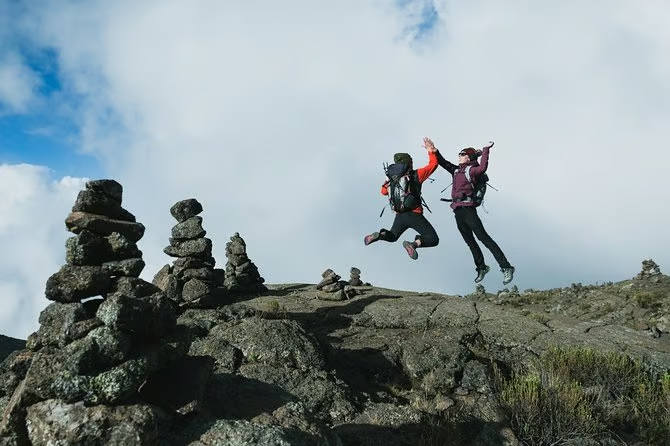
What Does The View From Uhuru Peak Look Like? Your Ultimate Kilimanjaro
The view from Uhuru Peak, Kilimanjaro's highest point, is a surreal panorama of stark volcanic rock, glacial ice, and an endless sea of clouds stretching below. At dawn, it offers a...
View package details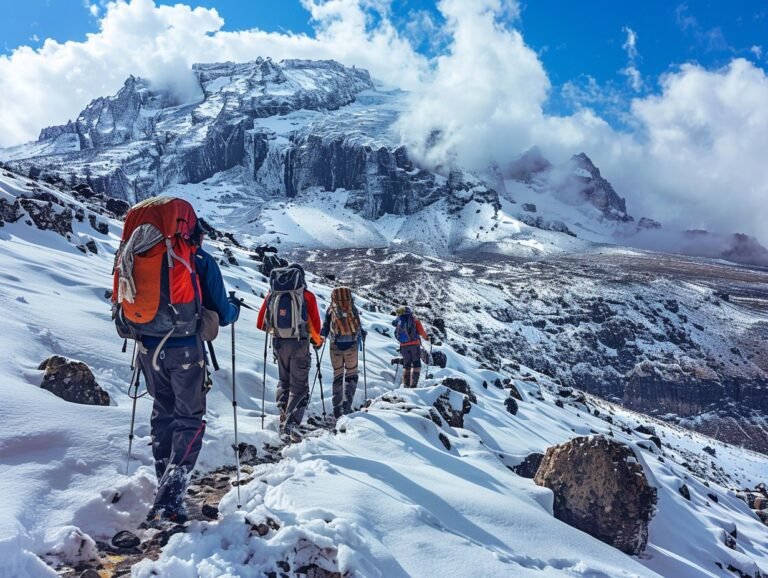
Is Kosovo Camp Better Than Barafu On Kilimanjaro? A Detailed Comparison
A comprehensive comparison of Kosovo Camp and Barafu Camp on Mount Kilimanjaro, detailing their pros and cons for climbers in 2026-2027. Understand the key differences to make an informed...
View package detailsNo related package matches those filters. Clear one or more filters to see the other topic-matched options.
Plan your Kilimanjaro Lower Slopes Hiking Tour From Moshi with Top Guide Adventures
Tell us your travel dates, group size, comfort level, and dream experience. We will help you shape a clear, realistic, and memorable Tanzania itinerary.



