
Updated planning guide for 2026, 2027
Kilimanjaro 6-Day Vs 7-Day Climb: Which Is Better? Guide
Choosing between a 6-day and 7-day climb on Mount Kilimanjaro is a critical decision for trekkers. This comprehensive guide explores the nuances of each option, helping you make an informed choice for your 2026 or 2027 adventure.
WhatsApp +255616946642 | topguideadventures@gmail.com | info@topguideadventures.com
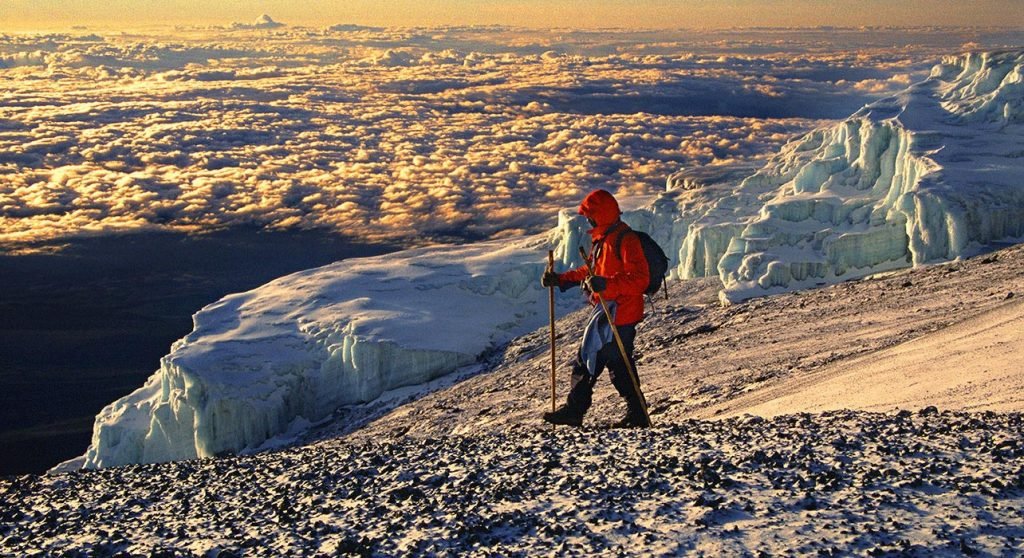
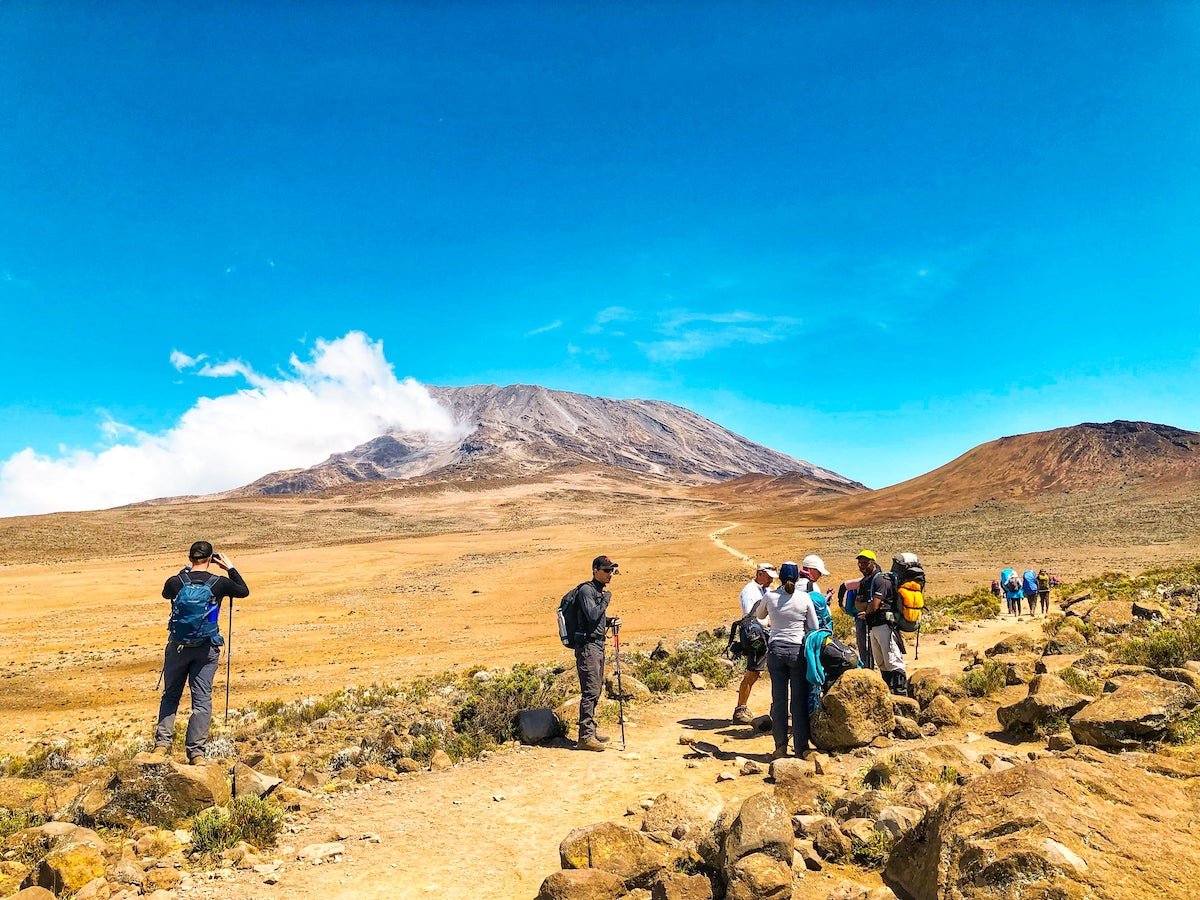
Kilimanjaro 6-Day vs 7-Day Climb: Which Is Better?
Mount Kilimanjaro, the Roof of Africa, beckons adventurers from around the globe. Its summit, Uhuru Peak, is a dream destination for many. When planning your ascent, one of the first significant decisions you’ll face is the duration of your trek. The most common options are a 6-day or a 7-day climb. While both routes aim for the same summit, the extra day on the 7-day itinerary can make a substantial difference in your experience, acclimatization, and overall success rate. This guide will deeply explore the Kilimanjaro 6-day vs 7-day climb debate, helping you determine which is the better choice for your personal goals and physical readiness.
Table of Contents
- Quick Facts: 6-Day vs 7-Day Kilimanjaro Climbs
- Understanding Kilimanjaro Climb Durations
- Why the Extra Day Matters: Acclimatization and Success
- Common Routes and Their Standard Durations
- Sample 6-Day Kilimanjaro Itinerary (e.g., Marangu/Machame)
- Sample 7-Day Kilimanjaro Itinerary (e.g., Machame/Lemosho)
- What to Expect on Each Itinerary
- Typical Inclusions and Exclusions
- Essential Packing and Preparation
- Common Mistakes to Avoid
- Who is the 6-Day Climb Best For?
- Who is the 7-Day Climb Best For?
- Alternatives to 6-Day and 7-Day Climbs
- Planning Your 2026-2027 Kilimanjaro Adventure
- Booking Your Kilimanjaro Climb
- Frequently Asked Questions
Quick Facts: 6-Day vs 7-Day Kilimanjaro Climbs
| Feature | 6-Day Climb | 7-Day Climb |
|---|---|---|
| Ascent Speed | Faster, less acclimatization time. | Slower, more gradual acclimatization. |
| Success Rate | Generally lower, especially for less experienced trekkers. | Significantly higher due to better acclimatization. |
| Physical Demand | Higher perceived difficulty due to rapid ascent. | More manageable, less strenuous daily. |
| Cost | Slightly lower due to one less day of park fees and staff. | Slightly higher for the additional day. |
| Typical Routes | Marangu (often 5 or 6 days), Machame (can be 6 days), Rongai (can be 6 days). | Machame, Lemosho, Shira, Rongai (can be 7 days). |
| Best For | Experienced trekkers with excellent fitness and prior high-altitude experience. | Most trekkers, including beginners, those seeking better acclimatization and a higher chance of summit success. |
Understanding Kilimanjaro Climb Durations
Mount Kilimanjaro can be climbed via several routes, each with varying lengths and difficulty levels. The most popular routes, like Machame, Lemosho, and Rongai, are often offered in both 6-day and 7-day variations. The Marangu route is unique in that it’s typically offered as a 5-day or 6-day trek, but it’s generally considered to have a lower success rate due to its steep ascent and less focus on acclimatization.
The core difference between a 6-day and a 7-day climb on routes like Machame or Lemosho lies in the pacing. An extra day means either a shorter daily distance, a longer rest day during the trek, or a more gradual ascent profile. This additional time is crucial for your body to adapt to the decreasing oxygen levels as you gain altitude, a process known as acclimatization.
Why the Extra Day Matters: Acclimatization and Success
Altitude sickness, or Acute Mountain Sickness (AMS), is the primary concern for any Kilimanjaro trekker. It’s caused by ascending too quickly, not allowing your body enough time to adjust to the lower atmospheric pressure and reduced oxygen. Symptoms can range from mild headaches and nausea to severe, life-threatening conditions like High Altitude Pulmonary Edema (HAPE) and High Altitude Cerebral Edema (HACE).
The general rule of thumb for high-altitude trekking is to ascend slowly and descend quickly. A 7-day itinerary allows for a more gradual ascent, giving your body more time to produce red blood cells and adapt to the thinner air. This slower pace significantly reduces the risk of AMS and greatly increases your chances of reaching Uhuru Peak. Many studies and experienced guides attest that climbers on 7-day itineraries have a considerably higher success rate compared to those on 6-day treks, especially on popular routes like Machame or Lemosho.
Consider this: the final push to the summit from Kibo Hut (or Barafu Camp on other routes) begins around midnight. You’ll be trekking in darkness, in the cold, and at extreme altitude. If your body is not properly acclimatized, this final ascent can become overwhelmingly difficult, if not impossible. The extra day on a 7-day climb helps prepare your body for this demanding final stage.
Common Routes and Their Standard Durations
Several routes lead to Kilimanjaro’s summit, and their standard durations often dictate whether a 6-day or 7-day option is readily available and advisable.
- Marangu Route (Coca-Cola Route): Often considered the easiest route due to its gradual slope and hut accommodations. Standard durations are 5 or 6 days. The 5-day option is strongly discouraged due to its very rapid ascent and low success rate. The 6-day option is better but still less ideal for acclimatization than longer routes.
- Machame Route (Whiskey Route): One of the most popular routes, known for its scenic beauty and good acclimatization profile. It is commonly offered as a 6-day or 7-day trek. The 7-day Machame is highly recommended over the 6-day version for better acclimatization.
- Lemosho Route: A longer, more scenic, and remote route offering excellent acclimatization. It’s typically offered as a 7-day or 8-day trek. A 6-day Lemosho is possible but less common and compromises acclimatization.
- Rongai Route: Approaches from the north, often drier and less crowded. It’s usually offered as a 6-day or 7-day option. The 7-day Rongai offers better acclimatization.
- Shira Route: Similar to Lemosho but starts at a higher altitude. Often offered as 7 or 8 days, with 6-day options being less advisable for acclimatization.
- Northern Circuit: The longest and slowest route, offering the best acclimatization. Typically 8 or 9 days, it’s not usually offered in 6 or 7-day formats.
For the Kilimanjaro 6-day vs 7-day climb discussion, we’ll focus on routes like Machame, Lemosho, and Rongai, where both durations are common choices.
Kilimanjaro Route Overview (Simplified)
This is a conceptual representation of common routes and their general progression.
| Marangu (6-Day Focus) | Marangu Gate -> Mandara Hut -> Horombo Hut -> Kibo Hut -> Summit -> Horombo Hut -> Marangu Gate |
| Machame (6-Day Focus) | Machame Gate -> Machame Camp -> Shira Camp -> Barranco Camp -> Barafu Camp -> Summit -> Mweka Camp -> Mweka Gate |
| Machame (7-Day Focus) | Machame Gate -> Machame Camp -> Shira Camp -> Barranco Camp -> Karanga Camp -> Barafu Camp -> Summit -> Mweka Camp -> Mweka Gate |
| Lemosho (7-Day Focus) | Lemosho Gate -> Mti Mkubwa Camp -> Shira Camp -> Barranco Camp -> Karanga Camp -> Barafu Camp -> Summit -> Mweka Camp -> Mweka Gate |
| Rongai (7-Day Focus) | Rongai Gate -> Simba Camp -> Kikelewa Caves -> Mawenzi Tarn -> Kibo Camp -> Summit -> Horombo Hut -> Marangu Gate |
Sample 6-Day Kilimanjaro Itinerary (Machame Route Example)
A 6-day Machame itinerary is designed for efficiency but demands good physical condition and acclimatization awareness.
6-Day Machame Route Itinerary
| Day | Route Segment | Camp/Hut | Approx. Hiking Time | Altitude Gain | Notes |
|---|---|---|---|---|---|
| 1 | Machame Gate to Machame Camp | Machame Camp (3,050m) | 5-7 hours | +1,100m | Forest zone, steady climb. |
| 2 | Machame Camp to Shira 2 Camp | Shira 2 Camp (3,850m) | 4-6 hours | +800m | Crosses a ridge, open moorland. |
| 3 | Shira 2 Camp to Barranco Camp | Barranco Camp (3,950m) | 5-7 hours | +100m (net, with descent) | High point at 4,000m, then descends to Barranco. Crucial acclimatization day. |
| 4 | Barranco Camp to Barafu Camp | Barafu Camp (4,650m) | 6-8 hours | +700m | The ‘Barranco Wall’ climb, then across alpine desert. Long day. |
| 5 | Summit Attempt & Descent to Mweka Camp | Mweka Camp (3,100m) | 10-15 hours (total) | +1,250m (to summit), -2,750m (to Mweka) | Summit push (Uhuru Peak 5,895m) from midnight. Descend past Barafu to Mweka. Very challenging day. |
| 6 | Mweka Camp to Mweka Gate | (End of Trek) | 3-4 hours | -795m | Forest descent, celebration. |
Sample 7-Day Kilimanjaro Itinerary (Machame Route Example)
Adding an extra day allows for a more relaxed pace and better acclimatization, significantly boosting chances of summit success.
7-Day Machame Route Itinerary
| Day | Route Segment | Camp/Hut | Approx. Hiking Time | Altitude Gain | Notes |
|---|---|---|---|---|---|
| 1 | Machame Gate to Machame Camp | Machame Camp (3,050m) | 5-7 hours | +1,100m | Forest zone, steady climb. |
| 2 | Machame Camp to Shira 2 Camp | Shira 2 Camp (3,850m) | 4-6 hours | +800m | Crosses a ridge, open moorland. |
| 3 | Shira 2 Camp to Barranco Camp | Barranco Camp (3,950m) | 5-7 hours | +100m (net, with descent) | High point at 4,000m, then descends to Barranco. Crucial acclimatization day. |
| 4 | Barranco Camp to Karanga Camp | Karanga Camp (4,000m) | 3-5 hours | +50m | Shorter day, allows for rest and acclimatization after Barranco Wall. |
| 5 | Karanga Camp to Barafu Camp | Barafu Camp (4,650m) | 4-6 hours | +650m | Steady climb through alpine desert to base camp. Preparation for summit. |
| 6 | Summit Attempt & Descent to Mweka Camp | Mweka Camp (3,100m) | 10-15 hours (total) | +1,245m (to summit), -2,745m (to Mweka) | Summit push (Uhuru Peak 5,895m) from midnight. Descend past Barafu to Mweka. Very challenging day. |
| 7 | Mweka Camp to Mweka Gate | (End of Trek) | 3-4 hours | -795m | Forest descent, celebration. |
What to Expect on Each Itinerary
The experience on a 6-day vs 7-day Kilimanjaro climb differs primarily in its pacing and the physical feeling of acclimatization.
On a 6-Day Climb:
- Faster Pace: Daily hiking distances can feel longer, and there’s less time for rest at camps.
- Higher Altitude Exposure Sooner: You reach higher altitudes more quickly, increasing the risk of AMS symptoms.
- More Demanding Summit Night: Your body may be less prepared for the extreme exertion of the summit push due to less acclimatization.
- Potentially Lower Success Rate: While not guaranteed, the chances of turning back due to altitude sickness are higher.
- Slightly Lower Cost: Fewer days mean fewer park fees and potentially less staff time.
On a 7-Day Climb:
- More Gradual Ascent: Daily hikes are generally shorter or involve more time spent at intermediate altitudes.
- Better Acclimatization: Your body has more time to adapt to the altitude, significantly reducing AMS risk.
- More Comfortable Trekking: Less fatigue on daily hikes means you can enjoy the scenery more.
- Increased Summit Success: A well-acclimatized body is better equipped for the demanding summit night.
- More Enjoyable Experience: The overall journey is often perceived as more pleasant and less rushed.
- Slightly Higher Cost: One additional day adds to park fees and operational costs.
The crucial element that distinguishes the Kilimanjaro 6-day vs 7-day climb is the strategic inclusion of an extra day for acclimatization. This often translates to a day spent at a mid-altitude camp, like Karanga Camp on the Machame route, allowing your body to adjust before ascending further.
Typical Inclusions and Exclusions
When comparing tour operators, understanding what’s included in your Kilimanjaro package is vital. Costs can vary significantly based on these inclusions.
Standard Inclusions
- Park entrance fees (Kilimanjaro National Park, Conservation fees)
- Camping fees or hut accommodation fees
- Salaries for your guide(s), assistant guide(s), cook, and porters
- All meals during the trek (breakfast, lunch, dinner)
- Drinking water (purified or boiled)
- Tents (for camping routes), mess tent, tables, chairs
- Transfer from/to Moshi/Arusha and the mountain gate
- Crowning certificate upon successful summit
Common Exclusions
- Flights to and from Kilimanjaro International Airport (JRO)
- Visa fees
- Travel insurance (mandatory for high altitude)
- Personal climbing gear (boots, warm clothing, sleeping bag, etc.)
- Tips for guides, porters, and cook (a significant part of their income)
- Lunches and drinks in Moshi/Arusha before and after the trek
- Personal expenses (souvenirs, snacks, etc.)
- Optional accommodation before/after the trek
- Emergency evacuation fees (though most reputable operators include this in their package or have it as a mandatory addition)
Essential Packing and Preparation
Regardless of whether you choose a 6-day or 7-day Kilimanjaro climb, preparation is key. Your gear and physical condition will significantly impact your experience.
Physical Preparation:
- Cardiovascular Fitness: Focus on activities like hiking, running, cycling, or swimming for at least 3-4 months prior.
- Strength Training: Include exercises for your legs, core, and back.
- Hiking Practice: Go on long hikes with a weighted backpack, ideally on varied terrain and inclines. Practice hiking on consecutive days if possible.
- Altitude Training: If you live at high altitude, this is a significant advantage. If not, focus on the best possible fitness.
Essential Gear:
- Layering System: Base layers (thermals), mid-layers (fleece), and outer layers (waterproof and windproof jacket and trousers).
- Footwear: Broken-in, waterproof hiking boots with good ankle support.
- Headwear: Warm hat, sun hat, balaclava or neck gaiter.
- Handwear: Warm gloves or mittens, liner gloves.
- Sleeping Bag: A 4-season sleeping bag rated to at least -10°C (14°F).
- Backpack: A comfortable daypack (25-35 liters) for essentials during the hike, and a larger duffel bag (80-100 liters) for porters to carry.
- Headlamp: With extra batteries for summit night and early mornings.
- Sun Protection: High SPF sunscreen, sunglasses, lip balm.
- Hydration: Water bottles or a hydration reservoir (at least 3 liters capacity).
- First-Aid Kit: Personal medications, blister treatment, pain relievers, altitude sickness medication (consult your doctor).
- Trekking Poles: Highly recommended for stability and reducing strain on knees.
Your tour operator will provide a detailed packing list. Ensure you review it thoroughly and invest in quality gear. For the Kilimanjaro 6-day vs 7-day climb, the gear requirements are identical; only the duration of use differs.
Common Mistakes to Avoid
Many trekkers make similar errors when planning or executing their Kilimanjaro climb. Being aware of these can save you discomfort, money, and disappointment.
Mistakes to Avoid:
- Choosing a 6-day climb when you’re a beginner: While possible, it significantly increases AMS risk. A 7-day climb is a safer bet for most.
- Underestimating the altitude: Kilimanjaro is serious high altitude. Don’t assume your fitness alone will prevent altitude sickness.
- Not training adequately: Lack of physical preparation leads to exhaustion and can hinder acclimatization.
- Bringing improper gear: Inadequate clothing or ill-fitting boots can lead to hypothermia or blisters, forcing an early exit.
- Going too fast (‘Pole Pole’): Your guides will urge you to walk slowly. This is critical for acclimatization.
- Not drinking enough water: Dehydration exacerbates altitude sickness symptoms. Aim for 4-5 liters per day.
- Ignoring AMS symptoms: Don’t push through severe symptoms. Communicate openly with your guide.
- Choosing the cheapest operator: Extremely low prices often mean cutting corners on safety, food, porter welfare, or guide experience. This is a critical safety issue.
- Not buying travel insurance that covers high-altitude trekking and emergency evacuation.
Who is the 6-Day Climb Best For?
The 6-day Kilimanjaro climb is best suited for a specific type of trekker:
- Experienced Hikers/Climbers: Individuals who have successfully completed multi-day treks at high altitudes (e.g., >4,000m) and understand their body’s response to altitude.
- Very Fit Individuals: Those with exceptional cardiovascular fitness and stamina, who can handle sustained physical exertion.
- Time-Constrained Trekkers: People with limited vacation time who need to complete the climb within a shorter window.
- Those Prioritizing Cost: While the difference isn’t huge, a 6-day trek is marginally less expensive.
Even for these individuals, the 7-day option is often still recommended for improved acclimatization and a more enjoyable experience. The Kilimanjaro 6-day vs 7-day climb decision should always weigh success and safety over perceived speed or minor cost savings.
Who is the 7-Day Climb Best For?
The 7-day Kilimanjaro climb is the recommended option for the vast majority of trekkers, including:
- First-Time High-Altitude Trekkers: Anyone new to trekking at significant altitudes.
- Average Fitness Levels: Individuals who are reasonably fit but may not be elite athletes.
- Those Prioritizing Success: Trekkers whose primary goal is to reach the summit and enjoy the journey.
- Adventurers Seeking a Comfortable Experience: People who want to enjoy the scenery and the challenge without being pushed to their absolute physical limit daily.
- Families or Groups with Mixed Abilities: The slower pace is more accommodating for a wider range of fitness levels.
The extra day provides a buffer, a more relaxed pace, and crucially, better acclimatization. This makes the 7-day Kilimanjaro climb a more sensible and often more rewarding choice for most people planning their adventure for 2026 or 2027.
Alternatives to 6-Day and 7-Day Climbs
While 6 and 7-day treks are standard, other options exist:
- 5-Day Marangu Route: Generally not recommended due to very poor acclimatization and low success rates.
- 8-Day or Longer Routes (e.g., Lemosho, Northern Circuit): These offer even better acclimatization and higher success rates, often with more scenic and less crowded paths. They are ideal for those who have more time and want the best possible chance of summiting comfortably.
- Shorter Treks (not to the summit): Some operators offer treks to specific points on Kilimanjaro for those who don’t wish to attempt the summit or have very limited time.
When considering your options, always ask your tour operator for their recommended itinerary duration based on the chosen route and your experience level. For many, the 7-day Machame or Lemosho routes are excellent choices.
Planning Your 2026-2027 Kilimanjaro Adventure
Planning your Kilimanjaro climb for 2026 or 2027 requires foresight. Booking in advance is highly recommended, especially if you have specific dates in mind or are traveling during peak seasons.
2026-2027 Planning Checklist:
- Choose Your Route: Decide between the 6-day vs 7-day climb based on this guide. Consider routes like Machame or Lemosho for better acclimatization.
- Select Your Operator: Research reputable tour operators. Look for those prioritizing safety, guide training, porter welfare, and good equipment. Read reviews and compare inclusions carefully.
- Book Your Trek: Aim to book 6-12 months in advance, especially for peak seasons (January-March, June-October). This secures your spot and allows time for preparation.
- Arrange Flights: Book international flights to Kilimanjaro International Airport (JRO) once your trek is confirmed.
- Secure Visas: Check visa requirements for Tanzania for your nationality.
- Purchase Travel Insurance: Ensure it covers high-altitude trekking and emergency medical evacuation.
- Physical Training: Begin your fitness regimen at least 3-4 months before your trek.
- Gear Acquisition: Start gathering or purchasing your essential trekking gear. Renting some items is also an option.
- Consult Your Doctor: Discuss altitude sickness prevention and any necessary vaccinations.
- Finalize Logistics: Arrange accommodation before and after the trek if needed.
Early planning for your 2026 or 2027 Kilimanjaro expedition ensures a smoother experience and allows you to focus on the exciting preparation rather than last-minute scrambles.
Booking Your Kilimanjaro Climb
Choosing the right tour operator is paramount. For your Kilimanjaro 6-day vs 7-day climb decision, and for your overall trip safety and enjoyment, partner with a company that understands the mountain and prioritizes your well-being.
When contacting potential operators:
- Ask about their safety protocols: Do they carry oxygen cylinders? Do they have trained guides in first aid and altitude sickness management?
- Inquire about porter welfare: Reputable companies treat their porters well, providing adequate food, shelter, and fair wages.
- Clarify what’s included: Ensure you understand all costs, especially park fees and meals.
- Discuss the 6-day vs 7-day climb: A good operator will guide you towards the best option for your experience and goals, likely recommending the 7-day climb for most.
Consider operators like Top Guide Adventures, a Tanzanian-based company with extensive experience and a strong commitment to client safety and satisfaction. They can provide expert advice on the best routes and durations for your planned 2026 or 2027 trek.
To discuss your specific needs and get a personalized quote for your Kilimanjaro adventure, reach out to Top Guide Adventures:
- WhatsApp: +255616946642
- Email: topguideadventures@gmail.com
- Backup Email: info@topguideadventures.com
They are ready to help you plan the perfect Kilimanjaro 6-day vs 7-day climb, or any other Tanzanian adventure.
Frequently Asked Questions
Common Questions about Kilimanjaro Climbs
Q1: Is a 6-day or 7-day Kilimanjaro climb better for beginners?
A1: A 7-day climb is significantly better for beginners. The extra day allows for much-improved acclimatization, reducing the risk of altitude sickness and increasing your chances of reaching the summit comfortably. The 6-day option is generally too fast for most first-time high-altitude trekkers.
Q2: What is the success rate for a 6-day vs 7-day Kilimanjaro climb?
A2: While exact figures vary by route and operator, success rates for 7-day climbs are generally considered to be substantially higher (often 70-85% or more) than for 6-day climbs (which can be 50-70% or lower), primarily due to better acclimatization. This is a key factor when deciding between the Kilimanjaro 6-day vs 7-day climb.
Q3: How much more expensive is a 7-day climb than a 6-day climb?
A3: A 7-day climb is typically only slightly more expensive than a 6-day climb. The difference is mainly due to one additional day of park fees, guide/porter wages, and food. The increase is usually around 5-10% of the total tour cost.
Q4: Can I choose the 6-day Kilimanjaro climb if I am very fit?
A4: If you are very fit and have prior high-altitude trekking experience, a 6-day climb might be feasible. However, even fit individuals can suffer from altitude sickness. The 7-day itinerary still offers benefits in terms of enjoyment and a higher probability of summit success, even for the fittest.
Q5: Which routes are best suited for a 6-day climb?
A5: Routes like Machame and Rongai are most commonly offered in a 6-day format. However, it’s crucial to understand that even on these routes, the 7-day option provides superior acclimatization. The Marangu route is often done in 5 or 6 days, but it’s known for its lower success rate.
Q6: Which routes are best suited for a 7-day climb?
A6: Popular routes like Machame, Lemosho, and Rongai are excellent choices for a 7-day climb. The Lemosho route, in particular, is often recommended for its excellent acclimatization profile over 7 or 8 days.
Q7: What are the risks of choosing a 6-day climb for my 2026 or 2027 trip?
A7: The primary risk is a higher chance of experiencing moderate to severe altitude sickness, which could prevent you from reaching the summit or, in rare cases, lead to serious health complications. It can also make the trek significantly more uncomfortable.
Q8: Does the extra day on a 7-day climb involve significant extra hiking?
A8: Not necessarily. The extra day is often used to shorten daily hiking distances, add a rest day at a mid-altitude camp, or allow for a more gradual ascent profile. For instance, on the Machame route, the 7-day version adds a day at Karanga Camp, breaking up the ascent to Barafu Camp.
Q9: What should I do if I experience altitude sickness symptoms on a 6-day climb?
A9: Communicate immediately with your guide. The standard advice is ‘climb high, sleep low’ and to descend if symptoms worsen. On a 6-day itinerary, there’s less flexibility to descend and recover compared to a longer trek.
Q10: Is it possible to extend a 6-day climb to 7 days mid-trek?
A10: This is generally not feasible or advisable. The itineraries are planned with specific camp locations and logistics in mind. Attempting to add a day mid-trek would likely disrupt the schedule, incur significant extra costs, and might not solve underlying acclimatization issues.
Q11: What are the best months to climb Kilimanjaro in 2026 or 2027?
A11: The best months are generally the dry seasons: January to March and June to October. These periods offer clearer skies and less rainfall. Avoid the rainy seasons (April-May and November-December).
Q12: What is the most important factor when deciding between a Kilimanjaro 6-day vs 7-day climb?
A12: The most important factor is acclimatization and your personal safety and success rate. For the vast majority of trekkers, the 7-day climb provides the necessary time for your body to adjust to the altitude, leading to a safer, more enjoyable, and more successful summit attempt. Prioritize this over saving a day or a small amount of money.
Ready to Conquer Kilimanjaro?
The decision between a Kilimanjaro 6-day vs 7-day climb is significant, impacting your acclimatization, comfort, and chances of summit success. For most adventurers, especially those planning their trip for 2026 or 2027, the 7-day itinerary offers a superior experience with better acclimatization and a higher likelihood of reaching Uhuru Peak. Don’t compromise on your dream climb; choose the option that best supports your body’s needs.
Top Guide Adventures is a leading Tanzanian tour operator specializing in Kilimanjaro treks, safaris, and Zanzibar holidays. Our experienced guides and commitment to safety ensure an unforgettable adventure. We can help you choose the perfect route and duration, whether it’s a 6-day or 7-day climb, and tailor your entire Tanzanian experience.
Contact us today to discuss your Kilimanjaro plans:
- WhatsApp: +255616946642
- Email: topguideadventures@gmail.com
- Backup Email: info@topguideadventures.com
Let us help you plan your incredible journey to the Roof of Africa!
Kilimanjaro Climb With A Personal Support Assistant: Your Ultimate Guide
Climbing Mount Kilimanjaro with a personal support assistant offers unparalleled safety, comfort, and focus on your summit goals. This guide details what a personal assistant entails, its...
View package details
Kilimanjaro Hydration Mistakes Climbers Make And How To Avoid Them 2026-2027
Proper hydration is critical for a successful Kilimanjaro climb. This guide details common hydration mistakes climbers make, from under-drinking to choosing the wrong fluids, and provides...
View package details
Kilimanjaro Summit-Night Mistakes To Avoid: Your Essential Guide For Climbs
Summit night on Kilimanjaro is the most challenging part of the climb. Avoiding common mistakes in acclimatization, gear, hydration, and pacing is crucial for success. This guide details...
View package details
Kilimanjaro Airport Vs Arusha For Climbers: The Definitive Guide 2026-2027
A comprehensive comparison of Kilimanjaro International Airport (JRO) and Arusha Airport (ARK) for trekkers planning a Mount Kilimanjaro climb, detailing pros, cons, and booking advice for...
View package details
Kilimanjaro Climb For Retired Couples: Planning Your Adventure 2026-2027
Planning a Kilimanjaro climb as a retired couple is an achievable and rewarding goal. This guide offers in-depth advice on route selection, physical preparation, essential gear, and the...
View package details
Can A 16-Year-Old Climb Kilimanjaro? Your Essential Guide 2026-2027
Discover if a 16-year-old can summit Kilimanjaro. This comprehensive guide covers age requirements, health, fitness, essential gear, and planning for younger trekkers aiming for Africa's...
View package details
Content For Parents And Young Climbers: Conquering Kilimanjaro Safely
Planning a Kilimanjaro climb with children or as a young climber requires special attention. This guide provides comprehensive content for parents and young adventurers, covering...
View package details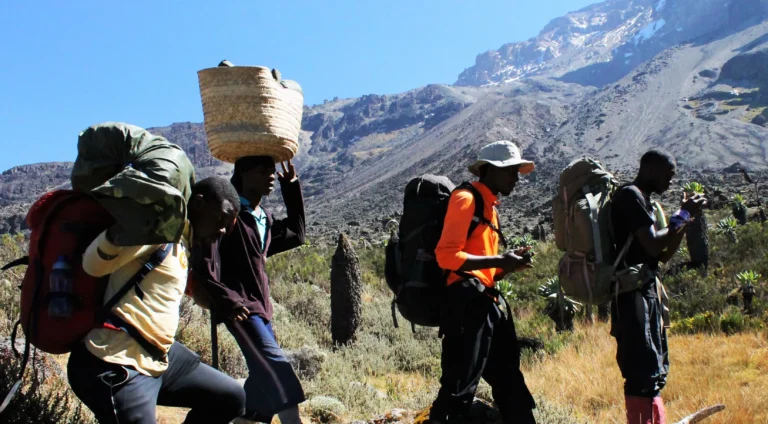
Kilimanjaro Tree-Planting Climbing Package Guide
Combine your dream Kilimanjaro climb with a meaningful conservation effort. Our Kilimanjaro Tree-Planting Climbing Package allows you to ascend Africa's highest peak while actively...
View package details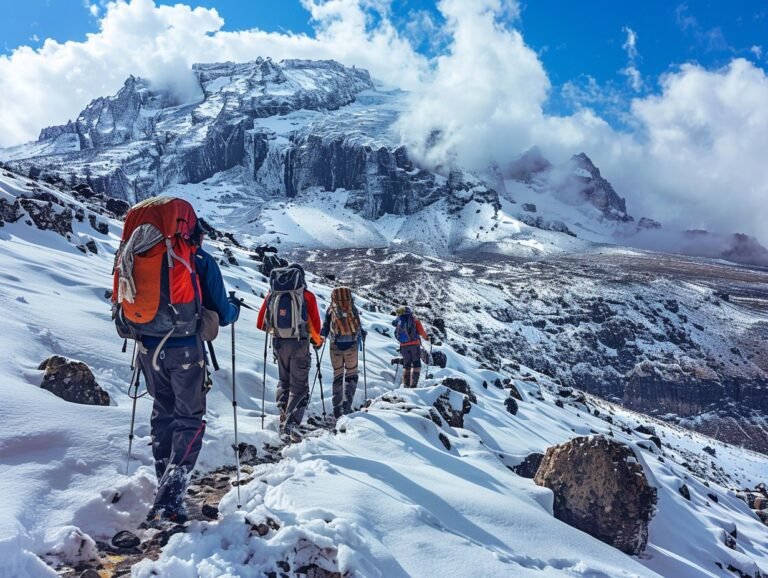
Is Kosovo Camp Better Than Barafu On Kilimanjaro? A Detailed Comparison
A comprehensive comparison of Kosovo Camp and Barafu Camp on Mount Kilimanjaro, detailing their pros and cons for climbers in 2026-2027. Understand the key differences to make an informed...
View package detailsHow To Know Whether You Are Ready For Kilimanjaro: A Comprehensive Guide
Climbing Mount Kilimanjaro is a significant undertaking. This guide helps you evaluate your physical, mental, and logistical readiness to ensure a safe and successful trek in 2026 or 2027...
View package detailsHow Tourism Supports Kilimanjaro Communities: A Deep Dive With Top Guide
Explore the vital link between Kilimanjaro tourism and the well-being of local communities. Learn how your trek contributes to sustainable development, economic growth, and cultural...
View package details
What Does The View From Uhuru Peak Look Like? Your Ultimate Kilimanjaro
The view from Uhuru Peak, Kilimanjaro's highest point, is a surreal panorama of stark volcanic rock, glacial ice, and an endless sea of clouds stretching below. At dawn, it offers a...
View package detailsNo related package matches those filters. Clear one or more filters to see the other topic-matched options.
Plan your Kilimanjaro 6-Day vs 7-Day Climb: Which Is Better? with Top Guide Adventures
Tell us your travel dates, group size, comfort level, and dream experience. We will help you shape a clear, realistic, and memorable Tanzania itinerary.



