
Updated planning guide for 2026, 2027-2028
Best Cultural Tour From Moshi For Students: Complete Guide 2026-2027-2028
Planning a cultural immersion from Moshi? This comprehensive guide details the best tours for students, covering itineraries, what to expect, costs, and booking advice for 2026-2027.
WhatsApp +255616946642 | topguideadventures@gmail.com | info@topguideadventures.com
Best Cultural Tour From Moshi: Your Essential Guide
Moshi, a vibrant town nestled at the foot of Mount Kilimanjaro, serves as a popular gateway for adventurers and cultural explorers alike. While many associate Moshi with climbing Africa’s highest peak, its true richness lies in the surrounding communities and the authentic cultural experiences they offer. For students looking to connect with local life, understand traditions, and gain a deeper appreciation for Tanzania beyond the tourist trails, a well-chosen cultural tour from Moshi is an unparalleled opportunity. This guide is designed to help you find and plan the best cultural tour from Moshi, specifically tailored for students seeking meaningful interactions and educational insights in 2026 and 2027.
Choosing the right cultural tour means moving beyond superficial sightseeing. It involves engaging with local people, learning about their daily lives, understanding their customs, and supporting their communities directly. For students, this type of travel is not just a vacation; it’s an educational journey that broadens perspectives and fosters global citizenship. We’ll cover everything you need to know, from understanding what constitutes a genuine cultural experience to practical planning steps, potential itineraries, and how to make the most of your trip.
Quick Answer: What is the Best Cultural Tour From Moshi for Students?
The best cultural tour from Moshi for students typically involves a combination of community visits, traditional craft workshops, local market exploration, and potentially a homestay experience. Tours focusing on the Chagga people, the indigenous group of the Kilimanjaro region, are highly recommended. These tours prioritize authentic interaction, cultural exchange, and support for local initiatives. Look for operators who emphasize responsible tourism and offer educational components. For 2026-2027 planning, prioritizing tours that offer flexibility and deep engagement will yield the most rewarding experiences.
Table of Contents
- Quick Facts About Cultural Tours from Moshi
- Cultural Tours from Moshi: An Overview
- Why Cultural Tours from Moshi Matter for Students
- Best Time to Take a Cultural Tour from Moshi
- Cultural Tour Areas Around Moshi
- Sample Cultural Tour Itinerary (3-Day Example)
- What to Expect on a Cultural Tour
- Inclusions, Packing, and Preparation
- Common Mistakes to Avoid
- Who is a Cultural Tour from Moshi Best Suited For?
- Alternatives to a Dedicated Cultural Tour
- Planning Your Cultural Tour in 2026-2027
- Booking Your Cultural Tour: Expert Advice
- Frequently Asked Questions (FAQs)
Quick Facts About Cultural Tours from Moshi
| Aspect | Details |
|---|---|
| Primary Focus | Community interaction, local life, traditions, crafts, agriculture. |
| Duration | Typically 1 to 5 days, adaptable to student schedules. |
| Key Ethnic Groups | Chagga, Maasai (nearby regions). |
| Popular Activities | Village walks, coffee farm tours, local cooking, school visits, homestays. |
| Student Benefits | Cultural understanding, practical learning, community support, unique experiences. |
| Seasonality | Year-round, with dry seasons (June-Oct, Dec-Feb) offering more comfortable travel. |
| Logistics | Usually starts and ends in Moshi; transport arranged by tour operator. |
| Cost Considerations | Varies based on duration, accommodation (homestay vs. lodge), and activities. |
Cultural Tours from Moshi: An Overview
A cultural tour from Moshi is an opportunity to step away from the typical tourist narrative and immerse yourself in the daily rhythms of Tanzanian life. Unlike a safari, which focuses on wildlife, or a Kilimanjaro climb, which is a physical challenge, a cultural tour centers on human connection and understanding. These tours are designed to be educational, interactive, and respectful of local customs and traditions.
The Kilimanjaro region is predominantly inhabited by the Chagga people, known for their rich agricultural heritage, particularly coffee cultivation, and their intricate history of resistance against colonial rule. Cultural tours often explore these aspects through visits to Chagga villages, where you can learn about traditional housing, farming techniques, and social structures. You might visit a local family’s home, participate in preparing a traditional meal, or learn about the process of making and brewing coffee from bean to cup.
Beyond the Chagga heartland, some tours might extend to neighboring areas to offer glimpses into other cultures, such as the Maasai. While Maasai cultural bomas (villages) are common tourist attractions, a well-organized tour will ensure these visits are conducted ethically, providing genuine benefit to the community and offering a respectful interaction rather than a staged performance.
For students, these tours offer a chance to see theory in practice – whether it’s understanding development issues, learning about sustainable agriculture, or simply experiencing a different way of life. The focus is on participation and learning, making it an enriching experience that complements academic studies or personal growth goals.
Why Cultural Tours from Moshi Matter for Students
In an increasingly interconnected world, understanding different cultures is more vital than ever. For students, a cultural tour from Moshi offers a unique educational platform that goes far beyond classroom learning. Here’s why these experiences are particularly valuable:
- Deepened Cultural Understanding: Direct interaction with local communities provides firsthand insights into customs, beliefs, social structures, and daily life that cannot be replicated through books or documentaries. You’ll learn about the Chagga people’s history, their resilience, and their enduring connection to the land.
- Personal Growth and Perspective: Experiencing life in a different cultural context challenges preconceived notions and broadens one’s worldview. Students often return with a greater appreciation for diversity, enhanced problem-solving skills, and a more nuanced understanding of global issues.
- Language Immersion (Limited): While not formal language classes, spending time with locals provides opportunities to pick up basic Swahili phrases and understand the nuances of communication in a different linguistic environment.
- Support for Local Economies: Responsible cultural tours ensure that tourist spending directly benefits local communities. This can include purchasing local crafts, dining at local eateries, and contributing to community projects, fostering sustainable tourism practices.
- Contextual Learning: For students studying anthropology, sociology, international development, agriculture, or even art and history, these tours provide invaluable real-world context. Seeing agricultural practices firsthand, understanding community governance, or observing traditional art forms can bring academic subjects to life.
- Developing Empathy and Intercultural Competence: Engaging with people from different backgrounds fosters empathy and builds crucial intercultural communication skills, essential for navigating a diverse global workforce and society in 2026 and beyond.
- Authentic Storytelling: Instead of relying on secondhand accounts, students can gather their own stories, observations, and insights, leading to a more profound and personal connection with Tanzania.
Best Time to Take a Cultural Tour from Moshi
Tanzania’s climate is generally favorable for travel year-round, but certain periods offer more comfortable conditions for cultural exploration around Moshi. Understanding these nuances can help you plan your trip for 2026 or 2027 for the best experience.
- Dry Seasons (June to October and December to February): These are generally considered the best times to visit. The weather is typically sunny and pleasant, with lower humidity and less rainfall. This makes village walks, outdoor activities, and exploring coffee farms more enjoyable. These periods also coincide with peak tourist seasons for safaris and Kilimanjaro, so expect more travelers.
- Shoulder Seasons (March to May and November): These months fall within the rainy seasons. March to May often sees the ‘long rains’, which can be substantial, making some roads difficult to navigate and outdoor activities less appealing. November can be unpredictable, with shorter, lighter rains. However, these seasons offer fewer crowds and potentially lower prices. For students with flexible schedules, these can be excellent times to visit if they are prepared for occasional rain.
Considerations for Students:
- University Holidays: Align your travel plans with your university’s breaks. The long summer break (June-August) often falls within the dry season, making it ideal. Shorter breaks might fall during shoulder seasons, requiring flexibility with weather.
- Community Life: While weather is a factor, remember that life in the villages continues regardless of the season. Agricultural activities, market days, and community events happen year-round.
Cultural Tour Areas Around Moshi
Cultural tours from Moshi typically focus on the areas immediately surrounding the town and the slopes of Mount Kilimanjaro, where the majority of the Chagga population resides. Some tours may venture further afield to offer broader cultural perspectives.
Here’s a simplified illustration of common cultural tour routes:
| Region/Area | Key Cultural Highlights | Typical Activities |
|---|---|---|
| Moshi Town | Local markets, artisan shops, historical sites, meeting points. | Market visits, craft shopping, initial briefing, cultural center visits. |
| Chagga Villages (e.g., Marangu, Machame, Rombo) | Traditional housing (shambas), coffee plantations, banana farms, local schools, community centers. | Coffee farm tours & tasting, learning about Chagga history, visiting local homes, experiencing traditional farming, school interactions. |
| Waterfalls & Natural Sites (e.g., Materuni, Kikuletwa Hot Springs) | Scenic beauty, local legends, community-managed natural resources. | Hiking to waterfalls, swimming, learning about water management, enjoying natural landscapes. |
| Maasai Bomas (Further Afield, e.g., near Arusha/Longido) | Traditional Maasai dwellings, livestock keeping, cultural rituals, beadwork. | Visiting Maasai villages, learning about their nomadic lifestyle, understanding their social structure, observing or participating in dances (respectfully). |
Note: The exact locations and routes will vary significantly depending on the tour operator and the specific focus of the tour. Some tours might focus exclusively on the Chagga culture, while others might include a day trip to a Maasai community.
Sample Cultural Tour Itinerary (3-Day Example)
This sample itinerary is designed for students looking for a concentrated cultural immersion. It can be customized based on interests and available time. For 2026-2027, booking flexibility is key, so check with operators about tailoring options.
| Day | Morning | Afternoon | Evening |
|---|---|---|---|
| Day 1: Arrival in Moshi & Chagga Introduction | Arrive in Moshi. Meet your guide and get a local orientation. Visit the bustling Moshi town market to experience local commerce and see diverse produce. | Travel to a nearby Chagga village (e.g., Marangu area). Visit a traditional Chagga home and learn about their unique architecture and family life. Participate in preparing a simple, traditional meal. | Enjoy the prepared meal with a local family. Share stories and learn about daily routines. Overnight in a community guesthouse or homestay. |
| Day 2: Coffee, Culture & Crafts | Visit a local coffee plantation. Learn the entire process from bean to cup, including harvesting, washing, drying, roasting, and brewing. Enjoy a tasting session. | Engage in a Chagga craft workshop – perhaps learning basic weaving, pottery, or wood carving techniques from local artisans. Visit a local school (if arrangements are made and appropriate) to interact with students and teachers. | Attend a cultural performance or storytelling session with community elders. Discuss local traditions and historical perspectives. Dinner at the guesthouse/homestay. |
| Day 3: Waterfalls & Departure | Hike to a beautiful waterfall (e.g., Materuni). Learn about the importance of water sources for the community and enjoy the natural scenery. Option to swim in the cool waters. | Enjoy a final traditional lunch. Participate in a brief exchange about conservation efforts or community development projects. Begin your return journey to Moshi. | Arrive back in Moshi for onward travel or departure. |
Note: This is a sample. Some tours might include a visit to a Maasai village, which would typically require an additional day and travel further from Moshi.
What to Expect on a Cultural Tour
A cultural tour from Moshi is an immersive experience that offers a stark contrast to life back home. Understanding these differences will help you prepare mentally and practically.
- Authentic Interactions: Expect genuine conversations with local people. While guides facilitate communication, be prepared for spontaneous encounters and the warmth of Tanzanian hospitality. English is widely spoken in tourist areas and by guides, but learning a few Swahili greetings (Jambo, Habari, Asante sana) is greatly appreciated.
- Basic Amenities: Accommodation in villages or homestays might be simpler than what you’re accustomed to. Expect clean, basic rooms, possibly with shared bathrooms and limited electricity or running hot water. This is part of the authentic experience.
- Dietary Experiences: Meals will be traditional Tanzanian fare, often featuring staples like Ugali (maize porridge), rice, beans, vegetables, and occasionally chicken or goat. Be open to trying new flavors and dishes. If you have dietary restrictions, inform your tour operator well in advance.
- Pace of Life: Life in rural Tanzania often moves at a slower pace. Embrace this rhythm. Patience is key, and flexibility will be rewarded.
- Sensory Experience: Be ready for a full sensory engagement – the sights of vibrant markets, the sounds of village life, the smells of cooking fires and fresh produce, and the textures of local crafts.
- Learning Opportunities: Every interaction is a learning opportunity. Ask questions respectfully, listen actively, and be observant. Your guide will be invaluable in providing context and answering questions you might not know to ask.
- Cultural Sensitivity: You will be a guest in someone’s home and community. Dress modestly, especially when visiting villages or interacting with elders. Always ask permission before taking photographs of people. Be mindful of local customs and traditions.
Inclusions, Packing, and Preparation
To ensure a smooth and enjoyable cultural tour, thorough preparation is essential. Here’s what to consider regarding inclusions and packing, especially for trips planned for 2026 or 2027.
Typical Inclusions:
What your tour operator usually covers:
- Experienced local guide (often fluent in English and Swahili).
- All ground transportation from Moshi and back.
- Accommodation (homestay, community guesthouse, or lodge depending on the tour).
- Most meals as per the itinerary (usually breakfast, lunch, and dinner).
- Activities and entrance fees (e.g., coffee farm tours, waterfall visits, workshop materials).
- Community contribution fees (if applicable).
What to Pack:
Focus on practical, comfortable, and respectful items.
Clothing:
- Lightweight, breathable clothing: Long-sleeved shirts and trousers are good for sun protection and mosquito repellent, and also for modesty.
- Modest outfits: Pack at least one outfit that covers your shoulders and knees for village visits. A light scarf can be useful.
- Comfortable walking shoes: Essential for village walks and hikes.
- Sandals or flip-flops: For relaxing at your accommodation.
- Light jacket or fleece: Evenings can be cooler, especially at higher altitudes.
- Rain jacket or poncho: Especially if traveling during the shoulder seasons.
Health & Hygiene:
- Personal first-aid kit: Include essentials like pain relievers, antiseptic wipes, bandages, and any personal medications.
- Hand sanitizer: Crucial for maintaining hygiene when facilities are limited.
- Insect repellent: With DEET or Picaridin.
- Sunscreen and hat: The equatorial sun is strong.
- Any personal toiletries: While basic soap and water are usually available, bring your preferred items.
Other Essentials:
- Reusable water bottle: To stay hydrated and reduce plastic waste. Many lodges and guides can refill it.
- Camera and extra batteries/power bank: To capture memories.
- Small backpack: For day trips and carrying essentials.
- Adapter and power bank: For charging electronics.
- Small notebook and pen: For jotting down observations or learning phrases.
- Copies of important documents: Passport, visa, insurance.
- Small amount of cash (Tanzanian Shillings): For small purchases like local crafts or tips.
Preparation:
- Research: Learn a little about Chagga culture and history before you go.
- Vaccinations and Health Advice: Consult your doctor or a travel clinic about recommended vaccinations and malaria precautions for Tanzania.
- Travel Insurance: Ensure you have comprehensive travel insurance that covers medical emergencies and trip cancellations.
- Visa Requirements: Check the visa requirements for Tanzania for your nationality well in advance of your 2026-2027 travel dates.
Common Mistakes to Avoid
To maximize the value and respectfulness of your cultural tour, be aware of common pitfalls:
- Treating it as a spectacle: Avoid viewing local life as an exotic show. Engage with respect and genuine curiosity.
- Being unprepared for simplicity: Expect basic amenities in homestays. If you require luxury, a cultural tour might not be the best fit.
- Taking photos without permission: Always ask before photographing people, especially children. Be mindful of their privacy.
- Haggling aggressively: While bargaining is common in markets, do so respectfully. Remember that for many, these sales are crucial for their livelihood.
- Ignoring cultural norms: Dress modestly, be polite, and follow your guide’s advice on local etiquette.
- Expecting constant entertainment: Cultural immersion involves quiet observation and participation, not non-stop activities. Embrace the slower pace.
- Not learning basic Swahili phrases: Even a few words show respect and effort, making interactions smoother.
- Assuming all tours are equal: Research operators carefully. Some focus on genuine exchange, while others may offer more superficial experiences.
- Overpacking or underpacking: Pack smart and light, focusing on practical items suitable for the climate and activities.
- Not being open-minded: Be ready to encounter different perspectives, customs, and ways of life. Approach with an open mind and a willingness to learn.
Who is a Cultural Tour from Moshi Best Suited For?
A cultural tour from Moshi is an excellent choice for a specific type of traveler, particularly students who are eager for a deeper understanding of Tanzania.
- Curious Students: Those studying subjects like anthropology, sociology, international relations, development studies, agriculture, or education will find immense value in the practical, real-world context provided.
- Culturally Sensitive Travelers: Individuals who prioritize respectful interaction, learning, and contributing positively to the communities they visit.
- Adventurous Spirits: Those who are comfortable with basic accommodations, simple meals, and stepping outside their comfort zone to experience authentic life.
- Ethical Tourists: Travelers who want to ensure their tourism dollars directly benefit local people and communities.
- Those Seeking Meaningful Connections: Individuals looking for more than just sightseeing – they want to connect with people, understand their stories, and gain a genuine appreciation for a different culture.
- Budget-Conscious Travelers: Cultural tours, especially those involving homestays, can often be more affordable than luxury lodges or extensive safari packages, making them accessible for student budgets in 2026-2027.
This type of tour is less suitable for travelers seeking luxury resorts, non-stop adventure activities (like extreme sports), or those who prefer to remain detached observers.
Alternatives to a Dedicated Cultural Tour
While a dedicated cultural tour offers deep immersion, other options from Moshi can provide cultural elements:
- Day Trips with Cultural Components: Many day tours from Moshi include visits to local villages, coffee farms, or craft markets as part of a larger itinerary (e.g., a day trip to Materuni waterfalls often includes a coffee tour and village visit). These offer a taste of culture but lack the depth of an overnight stay or multi-day tour.
- Kilimanjaro Treks: While primarily a physical challenge, trekking Kilimanjaro involves passing through villages and interacting with local guides and porters. This offers incidental cultural exposure but isn’t the focus.
- Safari Trips: Safaris in nearby national parks (like Arusha National Park) might include a stop at a Maasai village en route or upon return. However, the main focus remains wildlife viewing.
- Volunteering Programs: For a longer-term immersion, consider reputable volunteering programs in schools or community projects around Moshi. These offer deep engagement but require a significant time commitment.
- Self-Guided Exploration (with caution): While possible to visit local markets independently, deeper cultural engagement requires guided interaction. Relying solely on public transport and independent exploration might miss the nuances and opportunities for meaningful connection.
For students prioritizing cultural learning, a dedicated tour is generally the most effective way to achieve this goal.
Planning Your Cultural Tour in 2026-2027
Planning ahead is crucial, especially for student travel and for trips booked in advance for 2026 and 2027. Here’s a step-by-step approach:
| Planning Stage | Action Items | Timeline (Approx.) |
|---|---|---|
| Research & Inspiration | Identify your interests (e.g., coffee, crafts, community life). Research tour operators specializing in cultural tours from Moshi. Read reviews, focusing on those from student travelers if possible. | 12-18 months before travel |
| Define Your Budget | Determine how much you can realistically spend on the tour, considering accommodation, activities, and any personal expenses. | 10-15 months before travel |
| Choose Your Operator & Tour | Contact your shortlisted operators. Ask detailed questions about itineraries, inclusions, group sizes, and their approach to responsible tourism. Select the tour that best fits your interests, budget, and values. For 2026-2027, book popular slots early. | 8-12 months before travel |
| Book & Secure Deposit | Confirm availability and book your chosen tour. Pay the required deposit. Understand the cancellation policy. | 6-10 months before travel |
| Arrange Flights & Visas | Book your international flights to Kilimanjaro International Airport (JRO). Apply for your Tanzanian visa if required. | 5-9 months before travel |
| Health Preparations | Consult your doctor for vaccinations and malaria advice. Obtain any necessary prescriptions. | 3-6 months before travel |
| Final Payments & Insurance | Make the final payment for your tour. Purchase comprehensive travel insurance. | 1-3 months before travel |
| Packing & Final Briefing | Start packing based on recommendations. Reconfirm details with your tour operator. Learn a few Swahili phrases. | 2-4 weeks before travel |
| Departure | Travel to Tanzania! | Travel Dates |
Booking Your Cultural Tour: Expert Advice
Selecting the right tour operator and understanding the booking process is critical for a successful cultural tour. Here’s how to approach it:
- Prioritize Local Operators: Companies based in Moshi or Tanzania often have deeper connections with local communities, better understand the cultural nuances, and ensure more direct economic benefits. Look for operators with a strong local presence and team.
- Look for Specialization: Does the operator focus on cultural immersion, or is it an add-on to safaris? Specialization often means a more authentic and well-thought-out experience.
- Inquire About Community Partnerships: Ask how the operator works with the communities they visit. Do they have long-term relationships? Do they contribute to community projects? Are visits respectful and non-intrusive?
- Read Reviews Critically: Look for recent reviews, especially from travelers who share similar interests (like students). Pay attention to comments about guide quality, authenticity of interactions, and accommodation standards.
- Ask About Group Size: Smaller groups (ideally 4-10 people) generally allow for more intimate and meaningful interactions with local people. Larger groups can be more disruptive.
- Understand the Itinerary’s Flexibility: While structure is good, cultural tours should allow for spontaneous moments. A good operator will build in some flexibility.
- Clarify Inclusions and Exclusions: Ensure you know exactly what is covered (transport, meals, activities, guide fees) and what is not (tips, personal purchases, some drinks).
- Payment Terms: Understand the deposit amount, when the final balance is due, and the cancellation policy. Reputable operators will have clear terms.
- Communication is Key: Choose an operator that communicates clearly and promptly. Your primary contact for booking and planning is crucial. Don’t hesitate to ask questions via WhatsApp or email.
For your 2026-2027 cultural tour from Moshi, consider contacting operators like Top Guide Adventures. They specialize in authentic Tanzanian experiences and can tailor itineraries to suit student interests.
Contact Top Guide Adventures for Booking:
- WhatsApp: +255616946642
- Email: topguideadventures@gmail.com
- Backup Email: info@topguideadventures.com
Frequently Asked Questions (FAQs)
What is the best cultural tour from Moshi for students in 2026?
The best cultural tour from Moshi for students in 2026 is one that focuses on genuine community interaction, offers educational components about Chagga culture and traditions, and is managed by a responsible tour operator. Look for tours that include village visits, coffee farm experiences, and opportunities to learn from local guides. Homestay options can provide deeper immersion.
How long should a cultural tour from Moshi be?
For students, a 1-day tour can offer a good introduction, but a 2 to 3-day tour allows for more in-depth engagement and a richer experience. Longer tours of 4-5 days are also available for those with more time.
Is it safe to take a cultural tour from Moshi?
Yes, cultural tours from Moshi are generally safe when booked with reputable operators. Guides are experienced, and communities are accustomed to visitors. Standard travel safety precautions should always be followed, such as being aware of your surroundings and informing someone of your plans.
What is the cost of a cultural tour from Moshi?
Costs vary significantly based on the duration, accommodation type (homestay vs. lodge), and included activities. A 1-day tour might range from $50-$150 per person, while a 3-day tour could be $200-$500 or more. Exact prices depend on the operator and specific inclusions. For 2027, expect similar pricing structures but always get a detailed quote.
What currency should I use for expenses on a cultural tour?
The local currency is the Tanzanian Shilling (TZS). While your tour package likely covers major expenses, it’s useful to have Shillings for small purchases like local crafts, snacks, or tips. USD can be used for larger payments or sometimes accepted, but Shillings are best for local markets.
Do I need to tip my guide and hosts?
Tipping is customary and appreciated for guides and drivers. For hosts in homestays, a small gift or a contribution to the household can be a thoughtful gesture, though not always expected. Your tour operator can provide specific guidance on tipping practices.
What should I wear on a cultural tour?
Pack light, breathable clothing. Long trousers and long-sleeved shirts are recommended for sun and insect protection, and for modesty when visiting villages. Comfortable walking shoes are essential. Avoid overly revealing clothing.
Can I arrange a homestay as part of the tour?
Yes, many cultural tours offer the option of homestays. This provides a fantastic opportunity for deeper immersion and direct interaction with a local family. Ensure this is arranged with your tour operator in advance.
What are the benefits of a cultural tour for students in 2027?
Cultural tours offer students invaluable real-world learning experiences, foster cross-cultural understanding, develop empathy, broaden perspectives, and provide practical insights into different ways of life. They are a unique educational supplement to academic studies.
How do I choose a responsible tour operator for a cultural tour from Moshi?
Look for operators with strong local ties, transparent community partnerships, positive reviews highlighting authentic experiences, and a commitment to sustainable tourism practices. Direct communication via WhatsApp or email is a good indicator of responsiveness.
Ready to Experience Authentic Tanzania?
A cultural tour from Moshi offers a unique chance for students to connect with the heart of Tanzania, learn from local communities, and gain perspectives that last a lifetime. Whether you’re planning for 2026 or 2027, this kind of travel promises rich rewards.
Don’t miss the opportunity to discover the vibrant culture, warm hospitality, and rich traditions of the Kilimanjaro region. Let us help you craft the best cultural tour from Moshi for your student adventure.
Get in touch with our expert team today to start planning your unforgettable Tanzanian experience:
- WhatsApp: +255616946642
- Email: topguideadventures@gmail.com
- Backup Email: info@topguideadventures.com
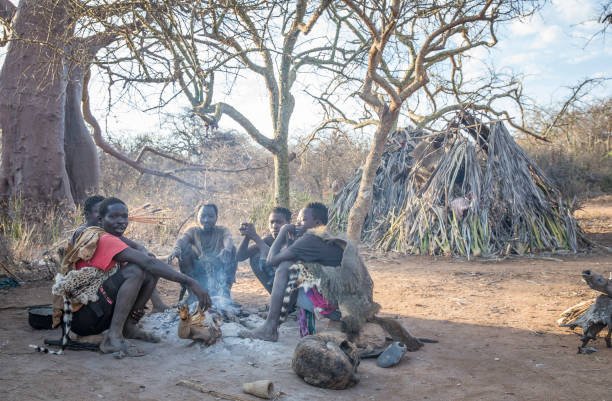
Hadzabe Tribe Day Trip Cost From Moshi/Zanzibar 2026-2027
Hadzabe tribe Day trip cost from Moshi/Zanzibar is explained with current 2026-2027 planning, price, itinerary and booking information.
View package details
How Much Should I Tip My Safari Guide In Tanzania? Your 2026-2027
Understand the tipping culture for safari guides and staff in Tanzania. This guide provides clear, actionable recommendations for tipping your safari crew in 2026-2027, covering guides...
View package details
7 Days In Tanzania: Your Expertly Planned Safari Itinerary For 2026-2027
Discover a perfectly crafted 7-day Tanzania safari itinerary for 2026-2027, designed to maximize wildlife viewing and cultural experiences in the Serengeti and Ngorongoro Crater.
View package detailsHadzabe Chaba Lifestyle And His Wife From Arusha 2027-2028
Discover the authentic Hadzabe Chaba lifestyle and the role of their wives, with insights from Top Guide Adventures. Understand their unique hunter-gatherer culture, traditions, and daily...
View package detailsHadzabe Tribe Day Trip Cost: 1 Day Tour Price 2026-2027
Planning a day trip to experience the authentic culture of the Hadzabe tribe? This guide breaks down the expected costs for 2026-2027, detailing what influences the price and what you can...
View package details
10-Day Southern Tanzania Safari And Zanzibar Package 2026-2027
Discover the ultimate 10-day Southern Tanzania safari and Zanzibar package, combining the wild heart of Africa with the tropical allure of the Spice Island. This itinerary offers an...
View package detailsNo related package matches those filters. Clear one or more filters to see the other topic-matched options.
Plan your Best Cultural Tour From Moshi for Students with Top Guide Adventures
Tell us your travel dates, group size, comfort level, and dream experience. We will help you shape a clear, realistic, and memorable Tanzania itinerary.



