
The Hadzabe Chaba lifestyle, a unique hunter-gatherer culture in Tanzania, involves deep knowledge of the land, traditional hunting with bows and arrows, gathering edible plants, and a strong community bond. Their wives play integral roles in family sustenance, childcare, and maintaining social structures, with many communities living in areas accessible from Arusha, offering insightful cultural tours for visitors in 2026-2027.
Understanding the Hadzabe Chaba: A Glimpse into an Ancient Way of Life
The Hadzabe people, often referred to by names like Chaba, represent one of Africa’s last remaining hunter-gatherer tribes. Their existence is intrinsically tied to the rhythms of nature, a stark contrast to the modern world that increasingly encroaches upon their ancestral lands. For travelers seeking authentic cultural encounters in Tanzania, understanding the Hadzabe Chaba lifestyle is paramount. Top Guide Adventures specializes in facilitating respectful and enriching interactions with this remarkable community, often based around the geographical proximity to cities like Arusha, a major gateway for tourism in Northern Tanzania. This deep dive aims to illuminate their daily routines, spiritual beliefs, social structures, and the vital role of their wives, providing a comprehensive picture for those planning a visit in 2026 or 2027.
The Essence of Hadzabe Chaba Daily Life
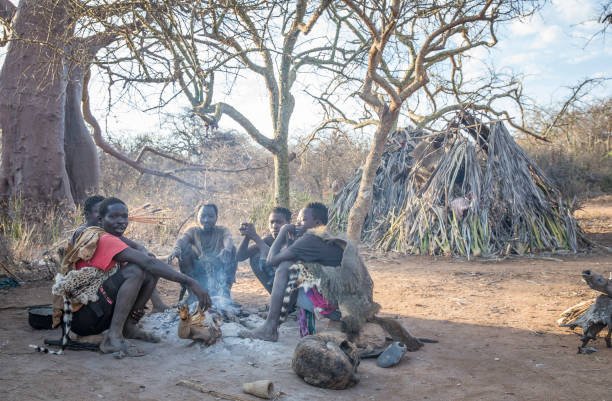
A typical day for the Hadzabe Chaba begins with the first light. Their existence is dictated by the immediate needs for food and water, and the seasonal availability of resources. Unlike settled agricultural societies, their movements are nomadic, following game trails and the fruiting seasons of various plants. The core of their sustenance comes from hunting small game, birds, and gathering honey, tubers, berries, and baobab fruits. This requires an intimate understanding of the local ecosystem, passed down through generations.
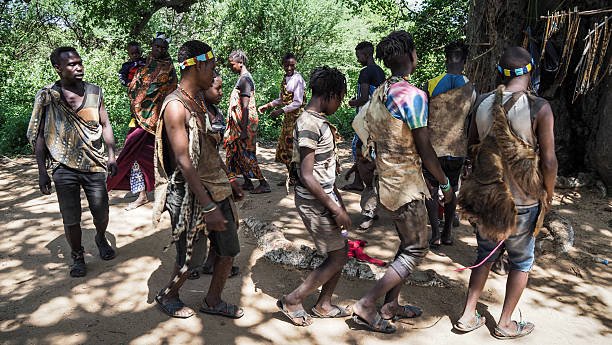
Men typically lead the hunting expeditions, armed with their distinctive bows and arrows, often tipped with iron or bone. The hunt is not merely for sustenance but is also imbued with ritual and social significance. Success in hunting brings prestige, and the sharing of meat is a cornerstone of their communal living. Women, on the other hand, are primarily responsible for gathering, which forms a substantial part of their diet. They possess extensive knowledge of medicinal plants and edible roots, often foraging in groups, which also serves as a social bonding activity and a way to teach younger generations.
The Central Role of Hadzabe Wives
The Hadzabe societal structure is largely egalitarian, but within this framework, women, including the wives of the Chaba, hold significant influence and responsibility. While men focus on hunting, women are the primary gatherers. This role is far from passive; it requires deep ecological knowledge, patience, and skill. They identify, dig up, and prepare a variety of tubers, berries, and other plant-based foods that are crucial for the tribe’s survival, especially during periods when hunting is less successful. Gathering often involves extensive travel within their territory, and women frequently work in cooperative groups, sharing knowledge and childcare duties.
Beyond sustenance, Hadzabe wives are the custodians of family life and community well-being. They are responsible for preparing meals, managing the household (which typically consists of simple brush huts called ‘manyattas’), and ensuring the upbringing and education of the children. The passing down of traditions, storytelling, and basic survival skills to the younger generation often falls heavily on the women. Their role in social cohesion is vital; they mediate disputes, provide emotional support, and are active participants in decision-making processes that affect the community.
In many Hadzabe communities, polygyny is practiced, meaning a man may have multiple wives. Each wife typically has her own living space or hut, but they are all part of a larger family unit, sharing responsibilities and contributing to the collective good. The relationships between co-wives are generally cooperative rather than competitive, reflecting the broader communal ethos of the Hadzabe.
Connection to Arusha and Tourism Opportunities
While the Hadzabe primarily inhabit areas around Lake Eyasi, their traditional territories can extend towards regions accessible from Arusha. This proximity makes Arusha an ideal starting point for cultural tourism experiences that include visiting Hadzabe communities. Top Guide Adventures understands the delicate balance required for such visits, ensuring that interactions are respectful, ethical, and beneficial for both the travelers and the Hadzabe people.
For travelers planning trips in 2026 or 2027, a visit to the Hadzabe can be integrated into a broader Northern Tanzania safari itinerary. This might include iconic destinations like the Serengeti, Ngorongoro Crater, and Tarangire National Park, followed by a cultural immersion day or overnight stay with the Hadzabe. Such experiences offer a profound contrast to the wildlife-focused safaris, providing a deeper understanding of Tanzania’s rich human heritage.
Top Guide Adventures prioritizes authentic encounters. This means avoiding staged performances and instead facilitating genuine interactions where visitors can observe and learn about the Hadzabe Chaba lifestyle firsthand. This might involve accompanying a gathering party, witnessing a hunt (though success is never guaranteed), or simply sitting with the community to learn about their customs and beliefs. The presence of their wives and children in these interactions offers a holistic view of family and community life.
The Hadzabe Language and Culture
The Hadzabe language is unique and unrelated to the Bantu or Cushitic languages spoken by most other Tanzanian ethnic groups. It belongs to the Khoisan language family, characterized by its distinctive click consonants. Learning even a few basic phrases can significantly enhance the interaction with the Hadzabe people, showing respect and a genuine interest in their culture. Guides provided by Top Guide Adventures are trained to facilitate communication, bridging any linguistic gaps.
Their spiritual beliefs are animistic, centering on a deep reverence for the natural world. They believe in ancestral spirits and various natural forces. Their traditions are passed down orally through stories, songs, and rituals. Dance and music play an important role in their social gatherings and ceremonies, often performed around a communal fire, a central point for social interaction and storytelling, especially for the wives and children.
Challenges and the Future of the Hadzabe Chaba Lifestyle
Like many indigenous communities worldwide, the Hadzabe face challenges from modernization, land encroachment, and changing lifestyles. The pressures of development, agricultural expansion, and tourism can impact their traditional territories and way of life. Top Guide Adventures is committed to responsible tourism practices that aim to support the Hadzabe community sustainably, ensuring that cultural tourism provides economic benefits without disrupting their essential traditions.
The future of the Hadzabe Chaba lifestyle is a subject of ongoing observation. While some younger generations may be drawn to more modern lifestyles, the core values and practices of the Hadzabe remain strong. Visitors in 2026-2027 will have the opportunity to witness a way of life that has endured for millennia, offering a unique perspective on human adaptation and resilience.
Planning Your Hadzabe Cultural Experience with Top Guide Adventures
When planning a trip to Tanzania that includes a visit to the Hadzabe, several factors are crucial. Top Guide Adventures works closely with local guides who have established relationships with the Hadzabe communities. This ensures that visits are welcomed, respectful, and conducted in a manner that honors Hadzabe customs.
Itinerary Considerations for 2026-2027:
- Duration: A day trip can offer a glimpse, but an overnight stay provides a deeper immersion into the Hadzabe Chaba lifestyle and the daily lives of their wives and families.
- Location: Visits are typically arranged around the Lake Eyasi region, accessible from Arusha, Karatu, or Manyara.
- Activities: Depending on the community’s activities and the season, visitors might witness hunting practices, participate in gathering expeditions, learn about traditional fire-making, or simply share stories around a campfire.
- Logistics: Transportation from Arusha or other safari locations will be arranged by Top Guide Adventures. Accommodation for overnight stays can range from basic camping near the community to more comfortable lodges in nearby areas, depending on client preference.
What to Expect During Your Visit:
- Authenticity: We focus on genuine interactions, not staged performances. You will see the Hadzabe Chaba lifestyle as it is lived.
- Respect: Your guide will ensure all interactions are respectful of Hadzabe customs and privacy. Photography may be permitted, but always ask for permission first.
- Learning: This is an educational experience. You’ll learn about their survival techniques, social structures, and their relationship with the environment.
- Community Benefit: A portion of the tour cost directly supports the Hadzabe community, contributing to their well-being and the preservation of their culture.
Preparing for Your Cultural Encounter
To make the most of your Hadzabe cultural experience, preparation is key. Top Guide Adventures provides comprehensive pre-trip information to all clients.
Packing Essentials:
- Lightweight, neutral-colored clothing.
- Comfortable walking shoes.
- Sun protection (hat, sunscreen).
- Insect repellent.
- A reusable water bottle.
- A small backpack for day use.
- Any personal medications.
Cultural Etiquette:
- Ask Permission: Always ask before taking photos of people, especially the Hadzabe wives and children.
- Be Patient: Interactions may be slow-paced; embrace the moment and observe.
- Listen Attentively: Your guide will interpret, but direct observation and listening are invaluable.
- Avoid Judgment: Understand that their lifestyle is adapted to their environment and has sustained them for centuries.
Comparing Hadzabe Cultural Tourism Options for 2026-2027
When considering cultural tours, it’s important to distinguish between truly authentic experiences and those that might be overly commercialized. Top Guide Adventures prides itself on offering genuine encounters that respect the integrity of the Hadzabe Chaba lifestyle. Our tours are designed to provide travelers with a deep understanding of the community, including the vital roles played by the wives and elders, without turning their daily lives into a spectacle.
Compared to visits with more settled communities, the Hadzabe experience is unique due to their nomadic hunter-gatherer existence. This means that the specific activities and interactions can vary greatly depending on the day and the season. Our guides are skilled at navigating these variations, ensuring that our clients have a meaningful experience regardless of the day’s events.
The Future of Hadzabe Cultural Tourism in 2027
As Tanzania’s tourism sector continues to grow, the demand for authentic cultural experiences is also increasing. For 2027, Top Guide Adventures remains committed to developing and offering responsible tourism products that benefit the Hadzabe community. This involves working closely with community leaders to ensure that tourism activities are sustainable, culturally sensitive, and provide tangible economic advantages.
We are constantly evaluating our tour offerings to ensure they align with the evolving needs and desires of both our clients and the Hadzabe people. This includes exploring ways to deepen the educational aspect of the tours, perhaps through more in-depth workshops or discussions facilitated by knowledgeable guides and community members. The aim is always to foster mutual understanding and respect.
Hadzabe Tools and Techniques: A Testament to Ingenuity
The Hadzabe Chaba lifestyle is a masterclass in sustainable living, heavily reliant on their ingenuity and deep understanding of natural materials. Their tools are simple yet incredibly effective, honed over countless generations.
Bows and Arrows: The most iconic Hadzabe tools. The bows are typically made from the wood of the Cordia ovalis tree, known for its strength and flexibility. The bowstrings are crafted from animal sinew or gut. Arrows are usually made from thin, straight branches, often of the Grewia species. The arrowheads are where much of their ingenuity lies. Traditionally, they used sharpened bone or wood. In more recent times, they have incorporated scavenged metal, often from discarded vehicle parts or other human refuse, shaping it into effective arrowheads. These are often coated with a mild poison derived from plant roots or the larvae of the Diamphidia beetle, which paralyzes rather than kills instantly, making it easier to track wounded game. The effectiveness of these tools is a direct reflection of the skill of the Hadzabe hunters.
Gathering Tools: For the women, who are the primary gatherers, tools are equally important. They use digging sticks, often made from hard, fire-hardened wood, to excavate tubers and roots from deep within the soil. These sticks are simple but essential for accessing staple food sources. They also use woven baskets and gourds for carrying gathered foods, water, and other necessities. The weaving techniques employed are traditional, passed down from mother to daughter, showcasing a different form of practical skill within the Hadzabe Chaba lifestyle.
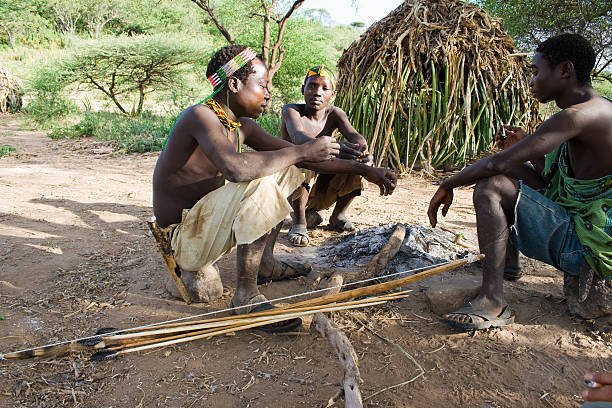
Fire Making: The ability to make fire is critical for survival, used for cooking, warmth, and protection. The Hadzabe traditionally use a fire drill method, involving a wooden spindle spun rapidly against a hearth board to create friction and ignite tinder. This skill requires practice and coordination, often performed by groups of women or men.
The Social Fabric: Community and Kinship
The Hadzabe society is characterized by its communal nature. While individual families form the basic unit, the sense of community is paramount. There is a strong emphasis on sharing resources, particularly food. If a hunt is successful, the meat is distributed among the community. Similarly, gathered foods are shared, ensuring that no one goes hungry.
Leadership within the Hadzabe is generally informal and based on respect for elders and skilled individuals, rather than formal authority. Decisions are often made through consensus. This egalitarian structure extends to the roles of men and women; while tasks are divided, there is a mutual respect for each other’s contributions to the community’s survival. The wives are integral to this social fabric, contributing not only through their labor but also through their social connections and influence within the community.
Kinship and Marriage: Marriage among the Hadzabe is often arranged, but individual choice can also play a role. Polygyny is common, as mentioned, with a man potentially having multiple wives. These marriages help to strengthen alliances between different family groups within the tribe. Divorce is also possible and relatively straightforward if the marriage is not working.
Dietary Habits and Nutritional Knowledge
The Hadzabe diet is diverse and depends heavily on seasonal availability. It’s a testament to their deep ecological knowledge.
- Meat: From small antelope and warthogs to birds and rodents, meat is a prized source of protein. The hunting process, while challenging, is central to their culture.
- Honey: The Hadzabe are renowned honey collectors. They have an exceptional ability to locate beehives, often using the calls of specific birds that lead them to honey. Honey is a vital source of calories and provides a sweet treat.
- Tubers and Roots: Women’s gathering efforts yield a variety of starchy tubers and roots, which are a staple food. These are often cooked or roasted in the fire.
- Fruits and Berries: During the rainy seasons, various wild fruits and berries become available, adding vitamins and minerals to their diet.
- Baobab Fruit: The baobab tree is a vital resource, providing not only fruit but also edible leaves and bark. The fruit’s pulp is rich in Vitamin C.
- Insects: Grubs and other insects are also consumed, providing additional protein.
Their understanding of nutrition is empirical, developed over millennia of observation and practice. They know which plants are edible, which are medicinal, and how to prepare them safely. This knowledge is crucial for the health and survival of the entire community, including the wives and children.
Spiritual Beliefs and Rituals
The spiritual life of the Hadzabe is deeply intertwined with the natural world. They believe in the existence of spirits, particularly ancestral spirits, and hold a reverence for the land, animals, and natural phenomena.
The Sky God: While not a singular, anthropomorphic deity in the Western sense, the Hadzabe often refer to ‘Huba’ or ‘Huwai’, a sky god associated with the sun and rain, crucial elements for their survival. Their prayers and rituals often invoke these forces for good fortune in hunting and gathering.
Ancestral Spirits: They believe that the spirits of their ancestors watch over them and can influence their lives. Offerings and rituals are sometimes performed to appease or honor these spirits.
Rituals and Ceremonies: Rituals are often associated with significant life events such as births, coming-of-age ceremonies, and hunting expeditions. While not as elaborate as in some other cultures, these rituals serve to reinforce community bonds and spiritual connections. The ‘Hadzabe dance’, a rhythmic, often trance-like performance, is a key element in many of their social and spiritual gatherings.
Role of Shamans: While the Hadzabe have a relatively egalitarian structure, certain individuals may possess a deeper connection to the spiritual world and act as intermediaries or healers. These individuals are respected for their knowledge and abilities.
Hadzabe Interaction with Other Tribes and Modern Society
The Hadzabe’s traditional territories often overlap with those of neighboring tribes, such as the Datoga and Maasai pastoralists. Historically, there have been periods of both cooperation and conflict, often related to land and resources. The Hadzabe’s nomadic lifestyle means they must navigate these interactions carefully.
With the encroachment of modern society, the Hadzabe also interact with settled agricultural communities and national park authorities. These interactions can be complex, sometimes leading to disputes over land use and resource access. Top Guide Adventures works to ensure that any interaction facilitated through our tours is positive and respectful, contributing to better understanding between the Hadzabe and the outside world.
The Impact of Tourism on the Hadzabe Chaba Lifestyle
Responsible tourism, as practiced by Top Guide Adventures, aims to provide economic benefits to the Hadzabe community while minimizing negative impacts. This can include:
- Direct Financial Support: Fees paid for cultural visits contribute to the community’s economy, helping them acquire goods or resources they may need.
- Cultural Preservation: By showcasing their way of life, tourism can foster a sense of pride and encourage the continuation of traditional practices.
- Education and Awareness: Visitors gain a unique perspective, becoming ambassadors for the Hadzabe’s right to maintain their cultural identity.
However, it’s crucial to be aware of potential downsides if tourism is not managed correctly:
- Cultural Commodification: The risk of traditional practices becoming staged performances for tourists.
- Land Pressure: Increased visitor numbers can put pressure on traditional hunting and gathering grounds.
- Dependency: Over-reliance on tourism income could undermine traditional subsistence activities.
Top Guide Adventures is committed to ethical tourism. We work with local guides who understand the community’s needs and ensure that interactions are genuine and respectful. Our goal is to create a positive impact, supporting the Hadzabe Chaba lifestyle and the integral roles of their wives and families, for years to come, including through 2026 and 2027.
Why Choose Top Guide Adventures for Your Hadzabe Experience in 2026-2027?
Choosing the right tour operator is crucial for an authentic and respectful cultural encounter. Top Guide Adventures stands out for several reasons:
- Local Expertise: We have deep roots in Tanzania and strong, established relationships with the Hadzabe communities. Our guides are not just knowledgeable about wildlife but also deeply understand the cultural nuances.
- Ethical Practices: We are committed to responsible tourism that benefits local communities. We ensure that our visits to the Hadzabe are conducted with the utmost respect for their traditions and privacy.
- Tailored Experiences: Whether you’re combining a Hadzabe visit with a Serengeti safari or a Kilimanjaro climb, we can customize your itinerary to include this unique cultural dimension.
- Safety and Comfort: We prioritize your safety and comfort throughout your journey, from transportation to any necessary arrangements for overnight stays.
- Commitment to 2026-2027 Travel: We are already planning and booking for the upcoming seasons, ensuring you can secure your preferred dates for an unforgettable experience.
A visit to the Hadzabe Chaba people, understanding the life and contributions of their wives, is more than just a tourist activity; it’s an opportunity to connect with a part of human history that is rapidly changing. It offers a unique perspective on resilience, adaptation, and the profound relationship between people and their environment. Let Top Guide Adventures guide you on this incredible trip.
Contact us today to start planning your 2026 or 2027 adventure to Tanzania and experience the remarkable Hadzabe culture firsthand. You can reach us via WhatsApp at +255616946642 or email us at topguideadventures@gmail.com. For alternative inquiries, our backup email is info@topguideadventures.com.
Check Availability for Hadzabe Chaba Lifestyle And Wife From Arusha: A Cultural Deep Dive With Top
Ready to compare dates, prices, and the best option for your group? Send the package name and travel month so the team can reply with a clear quote, availability, and what is included.
Hadzabe Tribe Day Trip Cost From Moshi/Zanzibar 2026-2027
Hadzabe tribe Day trip cost from Moshi/Zanzibar is explained with current 2026-2027 planning, price, itinerary and booking information.
View package detailsHadzabe Tribe Day Trip Cost: 1 Day Tour Price 2026-2027
Planning a day trip to experience the authentic culture of the Hadzabe tribe? This guide breaks down the expected costs for 2026-2027, detailing what influences the price and what you can...
View package details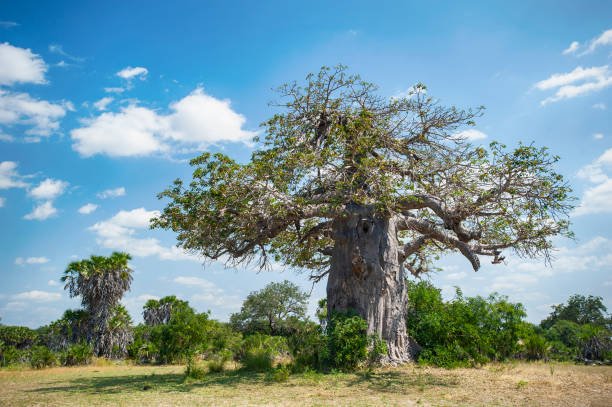
10-Day Southern Tanzania Safari And Zanzibar Package 2026-2027
Discover the ultimate 10-day Southern Tanzania safari and Zanzibar package, combining the wild heart of Africa with the tropical allure of the Spice Island. This itinerary offers an...
View package details
How Tourism Supports Kilimanjaro Communities: A Deep Dive With Top Guide
Explore the vital link between Kilimanjaro tourism and the well-being of local communities. Learn how your trek contributes to sustainable development, economic growth, and cultural...
View package detailsNo related package matches those filters. Clear one or more filters to see the other topic-matched options.



