
Updated planning guide for 2026, 2027-2028
Best Group Joining Safari From Moshi For Backpackers: Guide 2026-2027-2028
Discover the best group joining safaris departing from Moshi, Tanzania, perfect for backpackers. This comprehensive guide offers detailed planning, itinerary options, cost considerations, and booking tips for your 2026-2027 adventure.
WhatsApp +255616946642 | topguideadventures@gmail.com | info@topguideadventures.com
Best Group Joining Safari From Moshi: Essential Travel Guide
For backpackers and budget-conscious travelers looking to experience the unparalleled wildlife of Tanzania, a group joining safari from Moshi presents an excellent opportunity. Moshi, the gateway town to Mount Kilimanjaro, is a vibrant hub for adventurers, and many tour operators here offer shared safari packages. These tours are designed to reduce costs by dividing them among a group, making iconic destinations like the Serengeti, Ngorongoro Crater, and Tarangire National Park accessible without a hefty private tour price tag. This guide provides an in-depth look at choosing, planning, and enjoying the best group joining safari from Moshi, specifically tailored for the independent traveler aiming for value and authentic experiences in 2026 and 2027.
Quick Answer: What is a Group Joining Safari from Moshi?
A group joining safari from Moshi is a pre-arranged safari tour where independent travelers or small groups can book individual spots on a larger shared vehicle and itinerary. This method significantly lowers the per-person cost compared to a private safari. Operators in Moshi frequently organize these tours to popular Northern Circuit parks, especially for backpackers seeking affordable wildlife viewing experiences.
Table of Contents
- Quick Facts About Group Safaris from Moshi
- Understanding Group Joining Safaris from Moshi
- Why Choose a Group Safari from Moshi for Backpackers?
- Best Time for a Group Joining Safari from Moshi
- Popular Routes & National Parks
- Sample Group Joining Safari Itinerary (4 Days/3 Nights)
- What to Expect on a Group Safari
- Typical Inclusions and Exclusions
- Packing and Preparation Essentials
- Common Mistakes to Avoid
- Who is a Group Joining Safari Best For?
- Alternatives to Group Joining Safaris
- Planning Your 2026-2027 Safari from Moshi
- Booking Your Group Safari: Expert Tips
- Frequently Asked Questions
- Ready to Book Your Moshi Safari?
Quick Facts About Group Safaris from Moshi
| Aspect | Details |
|---|---|
| Departure Point | Moshi, Tanzania |
| Primary Destinations | Serengeti National Park, Ngorongoro Conservation Area, Tarangire National Park, Lake Manyara National Park |
| Vehicle Type | Typically 4×4 Land Cruisers or Land Rovers (shared) |
| Group Size | Varies, often 4-7 travelers per vehicle, sometimes up to 8 |
| Accommodation | Budget-friendly lodges, tented camps, or camping (depending on package) |
| Duration | Commonly 3 to 7 days, but customizable |
| Target Traveler | Backpackers, budget travelers, solo adventurers, small groups seeking value |
| Booking Window | Can be booked relatively close to departure, but booking 1-3 months ahead is recommended for 2026-2027. |
Understanding Group Joining Safaris from Moshi
The concept of a group joining safari, often referred to as a “shared safari” or “budget safari,” is straightforward. Instead of chartering an entire safari vehicle and guide for yourself, you pay for a seat and a share of the operational costs. Tour operators in Moshi, recognizing the significant demand from backpackers and solo travelers who often start their Tanzanian journey in this town due to Kilimanjaro climbs, have developed these packages. They pool bookings from multiple individuals to fill their safari vehicles, thereby lowering the per-person price considerably. This model is particularly effective for popular routes like the Northern Circuit, which covers the most renowned parks.
These safaris typically operate on fixed itineraries and departure dates. When you inquire about a group joining safari, the operator will inform you of upcoming departure dates. If your desired date aligns with an existing or forming group, you can join. If not, they might suggest a different date or, in some cases, try to fill a new departure with other interested travelers. This flexibility, or lack thereof, is a key aspect of group joining tours.
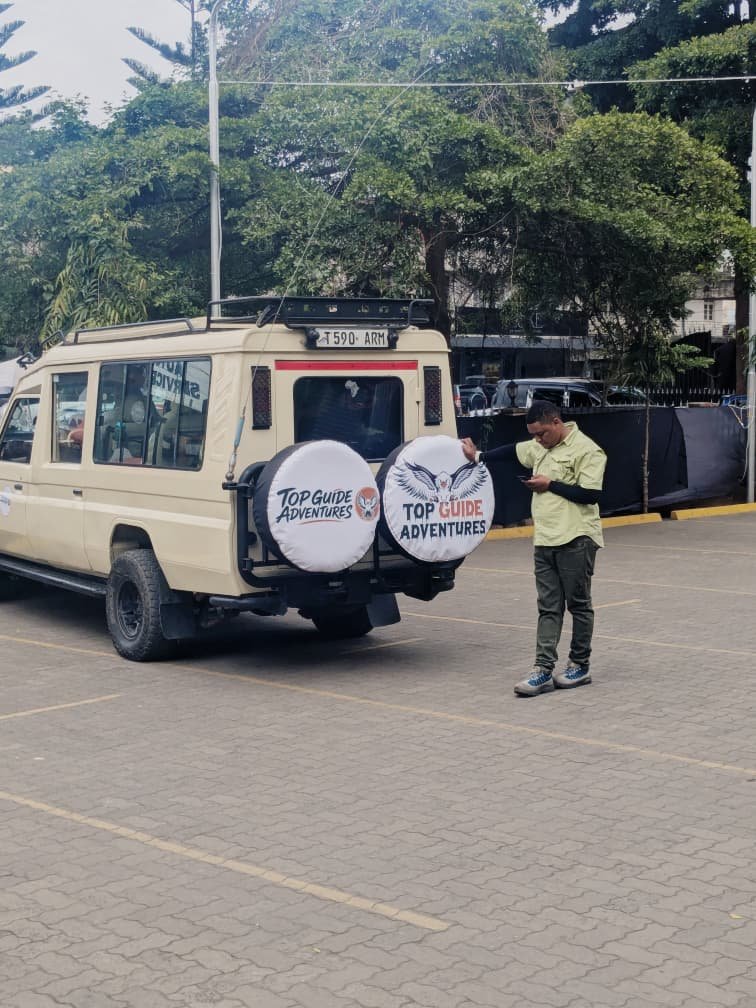
The vehicles used are usually sturdy 4×4 Land Cruisers or Land Rovers, equipped with pop-up roofs for optimal game viewing and photography. The group shares the vehicle, the guide’s expertise, and the overall safari experience. Accommodation options range from basic but clean tented camps and lodges to more adventurous camping under the stars, depending on the specific package and price point. This shared approach is what makes it an attractive option for those mindful of their travel budget.
Why Choose a Group Safari from Moshi for Backpackers?
Moshi is a natural starting point for many African adventures, especially for those who have just completed or are preparing for a Kilimanjaro trek. For backpackers, the primary draw of a group joining safari is undoubtedly the cost-effectiveness. A private safari can be prohibitively expensive for a solo traveler or a couple on a tight budget. By sharing the costs of the vehicle, guide, fuel, park fees, and accommodation, the per-person price is dramatically reduced.
Beyond the financial benefits, group joining safaris offer a social dimension. You’ll travel with other like-minded adventurers from around the world. This can lead to shared experiences, new friendships, and a more communal travel atmosphere. For solo travelers, this is a significant advantage, providing built-in companionship for the duration of the safari.
Convenience is another factor. Operators in Moshi handle all the logistics: park permits, vehicle arrangements, guide services, and accommodation bookings. This means less planning stress for you, allowing you to focus on the excitement of the safari itself. You can often book these tours directly in Moshi a few days before departure, offering flexibility for travelers with fluid itineraries, though pre-booking is advisable for popular periods in 2026 and 2027.
Finally, these safaris provide access to Tanzania’s most iconic wildlife destinations. The Northern Circuit, which these tours typically cover, is home to the Big Five and offers incredible biodiversity. You get to witness the vast plains of the Serengeti, the unique ecosystem of the Ngorongoro Crater, and the abundant elephant herds of Tarangire, all through a cost-effective shared experience.
Best Time for a Group Joining Safari from Moshi
The best time to go on a group joining safari from Moshi depends on your priorities, primarily wildlife viewing, weather, and crowd levels. Tanzania’s Northern Circuit, which these safaris focus on, experiences distinct seasons.
| Period | Weather | Wildlife Viewing | Crowds | Notes |
|---|---|---|---|---|
| June – October (Dry Season) | Cooler temperatures, sunny days, very little rain. Dry landscapes. | Excellent. Animals congregate around water sources. Easier to spot predators. The Great Migration is typically in the western Serengeti or heading north. | High season. More vehicles and people. | Ideal for general game viewing. Good for photographers. Popular for 2026 travel. |
| November – May (Wet Season) | Warm to hot temperatures. Short rains (Nov-Dec) can be brief showers. Long rains (Mar-May) can bring sustained rainfall, making some roads difficult. | Good, especially in the early wet season. Lush green landscapes. Newborn animals are common (Jan-Feb). Serengeti migration is often in the south. | Low season. Fewer tourists, potentially lower prices. | March-May can be challenging due to rain. Jan-Feb is excellent for newborn animals and greener scenery. Consider for late 2026 or early 2027. |
| Great Migration Peak (variable) | Depends on the season. | The migration moves year-round. Key periods include calving season in the south (Jan-Feb) and river crossings in the west (May-July) or north (July-Oct). | Very high during migration events. | Requires specific itinerary planning to witness. |
For backpackers seeking a balance of good weather and wildlife, the dry season (June to October) is generally preferred, despite being busier. If you’re looking for fewer crowds and potentially lower prices, the shoulder months like November, December, and potentially parts of February and March (before the long rains) can be excellent. Planning for 2026 or 2027 should factor in these seasonal differences. For instance, if witnessing the Great Migration river crossings is a priority, aim for July to October.
Popular Routes & National Parks
Group joining safaris from Moshi primarily focus on the famous Northern Circuit of Tanzania. This circuit is renowned for its high concentration of wildlife and diverse landscapes. Here are the key parks typically included:
Northern Circuit Safari Route Overview
Moshi (Starting Point)
→ Tarangire National Park (Known for elephants and baobab trees)
→ Lake Manyara National Park (Famous for tree-climbing lions and birdlife)
→ Ngorongoro Conservation Area (The “Eighth Wonder of the World”, a caldera teeming with wildlife)
→ Serengeti National Park (Vast plains, iconic wildlife, Great Migration)
→ Moshi (Return)
1. Tarangire National Park: Often the first stop, Tarangire is particularly famous for its large elephant herds, especially during the dry season when they gather around the Tarangire River. The park also boasts impressive baobab trees, giving it a unique, ancient feel. It’s a great introduction to Tanzanian wildlife.
2. Lake Manyara National Park: This park is smaller but incredibly diverse. It’s known for its elusive tree-climbing lions, large troops of baboons, and a stunning array of birdlife, especially around the alkaline Lake Manyara. It offers a different landscape, with groundwater forests and acacia woodlands.
3. Ngorongoro Conservation Area: This UNESCO World Heritage Site is home to the Ngorongoro Crater, a massive volcanic caldera that shelters an astonishing density of wildlife. You can often see the Big Five (lion, leopard, elephant, rhino, buffalo) in a single day here. The scenery within the crater is breathtaking.
4. Serengeti National Park: The crown jewel of Tanzanian safaris. “Serengeti” means “endless plains” in the Maasai language, and it truly lives up to its name. It’s famous for the annual Great Migration of wildebeest and zebras, and for offering some of the best lion, cheetah, and leopard sightings in Africa. Depending on the safari duration, you might spend several days exploring different regions of the Serengeti.
Some shorter itineraries might omit Serengeti or focus only on parts of it, while longer ones allow for more in-depth exploration of all these parks. The order can also vary based on the tour operator and logistical considerations.
Sample Group Joining Safari Itinerary (4 Days/3 Nights)
This is a common itinerary structure for a group joining safari from Moshi, designed to give a taste of the Northern Circuit’s highlights. It’s a popular choice for backpackers with limited time and budget.
4-Day Northern Circuit Safari: Moshi to Moshi
-
Day 1: Moshi to Tarangire National Park
After breakfast in Moshi, you’ll be picked up by your safari vehicle and driver-guide. The drive to Tarangire National Park takes several hours, often with a stop for lunch en route or upon arrival. You’ll spend the afternoon on a game drive in Tarangire, looking for elephants, giraffes, zebras, and various antelope species. The park’s large baobab trees are a distinctive feature. Accommodation will be at a lodge or tented camp near the park or within its vicinity. -
Day 2: Tarangire to Ngorongoro Crater via Lake Manyara (Optional)
The morning might include another game drive in Tarangire or a drive towards the Ngorongoro area. Depending on the operator’s plan, you might visit Lake Manyara National Park for a few hours in the morning or head directly to the Ngorongoro Conservation Area. You’ll descend into the Ngorongoro Crater for an afternoon game drive. This is a prime location to spot rhinos, lions, hippos, elephants, and buffaloes in a relatively small area. After the game drive, you’ll ascend and stay at a lodge or camp on the crater rim or in the nearby Karatu area. -
Day 3: Ngorongoro to Serengeti National Park
After breakfast, you’ll drive to the Serengeti National Park, often entering through the Ngorongoro Conservation Area and potentially stopping at viewpoints or a Maasai village (optional, usually at extra cost). The drive into the Serengeti itself is a game drive. Depending on the time of year and the location of the Great Migration, you’ll explore the plains searching for predators like lions, cheetahs, and leopards, as well as vast herds of wildebeest and zebras. Accommodation will be in a tented camp or lodge within the Serengeti. -
Day 4: Serengeti to Moshi
Enjoy an early morning game drive in the Serengeti, maximizing your chances of seeing wildlife activity at its peak. After the game drive and breakfast, you will begin the long drive back to Moshi. This typically involves driving back through the Ngorongoro Conservation Area and potentially stopping for lunch. You will arrive back in Moshi in the late afternoon or early evening.
Note: This is a sample. Durations can vary (e.g., 3-day trips might skip Serengeti, 5-day trips might add more Serengeti time or include Lake Manyara more extensively). Some operators might reverse the order of parks or adjust routes based on migration patterns or road conditions.
What to Expect on a Group Safari
Group joining safaris are designed for efficiency and affordability. Here’s what you can generally expect:
- Shared Vehicle & Space: You will be sharing a 4×4 safari vehicle with other travelers. While operators aim for comfortable seating, expect to share the space. Usually, a maximum of 6-7 people per vehicle is standard, ensuring everyone has a window seat and reasonable access to the pop-up roof for viewing and photography.
- Fixed Itinerary: The route and daily schedule are generally fixed. While guides are flexible in terms of game drives (e.g., spending more time at a sighting), they cannot deviate significantly from the planned route or overnight locations without impacting the whole group.
- Guide’s Role: Your driver-guide is crucial. They are experienced in tracking wildlife, knowledgeable about animal behavior, and responsible for the vehicle and safety. They are usually happy to answer questions and share insights.
- Accommodation: Expect basic but clean and safe accommodation. This could be public campsites with shared facilities, budget-friendly tented camps with private tents and shared bathrooms, or simple lodges. For backpackers, camping is often the most affordable and adventurous option.
- Meals: Meals are typically provided at your accommodation or as packed lunches during game drives. They are usually simple but filling, catering to a range of tastes.
- Pace: The pace is usually dictated by the itinerary. Early mornings are common for game drives to catch animals when they are most active. Days can be long, involving significant driving between parks.
- Group Dynamics: Traveling with strangers means adapting to different personalities and preferences. Be prepared to share the experience, respect others’ space, and be punctual for group departures.
Typical Inclusions and Exclusions
Understanding what’s included and what’s not is vital for budgeting and avoiding surprises. Always ask for a detailed list from your tour operator.
| Included | Typically Excluded |
|---|---|
| Park entrance fees (for designated parks) | Tips for guide and cook/staff |
| Accommodation during the safari (as per itinerary) | Drinks (alcoholic and non-alcoholic) |
| 3 Meals per day (breakfast, lunch, dinner) while on safari | Personal expenses (souvenirs, laundry, etc.) |
| 4×4 Safari Vehicle with pop-up roof | Optional activities (e.g., hot air balloon safari, Maasai village visit) |
| Professional English-speaking driver-guide | Travel insurance |
| Shared fuel costs | Gratuities for lodge/camp staff |
| Crater service fee (for Ngorongoro) | Visa fees |
| Bottled water during game drives (often limited per person per day) | Flights to and from Kilimanjaro International Airport (JRO) |
| Transfer from Moshi to the starting point of the safari | Accommodation in Moshi before/after the safari |
Important Note: For camping safaris, sleeping bags, mats, and tents are usually provided. For lodge/tented camp safaris, accommodation is provided. Always clarify these details.
Packing and Preparation Essentials
Packing smart is key for any safari, especially when space in a shared vehicle can be limited. Focus on practical, lightweight items.
Safari Packing Checklist
- Clothing:
- Lightweight, neutral-colored clothing (khaki, beige, green). Avoid bright colors and dark colors like blue/black which can attract tsetse flies.
- Long-sleeved shirts and trousers (for sun protection and cooler evenings)
- T-shirts and shorts
- Fleece or warm jacket (for cool mornings/evenings, especially in Ngorongoro)
- Rain jacket or poncho (even in dry season, unexpected showers can occur)
- Swimsuit (if your lodge has a pool)
- Footwear:
- Comfortable walking shoes or hiking boots (if you plan any short walks)
- Sandals or flip-flops for relaxing at camp/lodge
- Accessories:
- Sun hat with a wide brim
- Sunglasses
- Sunscreen (high SPF)
- Insect repellent (with DEET)
- Binoculars (essential for wildlife viewing!)
- Camera with extra batteries and memory cards
- Headlamp or flashlight (for navigating at night, especially when camping)
- Reusable water bottle
- Small backpack or daypack for essentials during game drives
- Power bank or car charger for electronics
- Health & Hygiene:
- Personal first-aid kit (band-aids, antiseptic wipes, pain relievers, motion sickness medication)
- Any personal prescription medications
- Hand sanitizer
- Wet wipes
- Toiletries (biodegradable if possible)
- Documents & Money:
- Passport and visa (if required)
- Copies of passport and visa
- Flight details
- Yellow fever vaccination certificate (if required)
- Cash (USD is widely accepted for tips and extras; bring smaller denominations)
- Credit/debit cards (for emergencies or larger purchases)
- For Camping Safaris:
- Sleeping bag (can often be rented)
- Small towel
Tip: Pack light, preferably in a duffel bag rather than a hard-shell suitcase, as space in safari vehicles can be limited.
Common Mistakes to Avoid
Even with the best intentions, travelers can make mistakes when booking or going on a group joining safari. Here are a few to watch out for:
- Not Reading Inclusions/Exclusions Carefully: This is the most common pitfall. Assuming park fees or meals are included when they are not can lead to unexpected costs. Always get a detailed list.
- Booking the Cheapest Option Without Research: The lowest price might mean compromises on vehicle quality, guide experience, accommodation standards, or even safety. Research the operator’s reputation.
- Expecting a Private Safari Experience: While group safaris offer value, they are inherently shared. Be prepared to compromise on privacy and pace compared to a private tour.
- Overpacking: Limited space in safari vehicles means you should pack only essentials. Large suitcases are cumbersome.
- Ignoring Seasonality: Booking a safari during the peak of the long rains (March-May) might result in difficult road conditions and less enjoyable game viewing.
- Not Booking in Advance (for peak seasons): While last-minute bookings are sometimes possible, popular dates in 2026 and 2027, especially during peak dry season or migration events, can fill up quickly.
- Forgetting Essential Items: Binoculars, sunscreen, and insect repellent are often overlooked but are critical for comfort and enjoyment.
- Not Clarifying Accommodation Type: Ensure you know whether you’ll be camping, staying in basic lodges, or mid-range tented camps.
Who is a Group Joining Safari Best For?
Group joining safaris from Moshi are ideally suited for:
- Backpackers: Travelers with budget constraints who want to see Tanzania’s wildlife without breaking the bank.
- Solo Travelers: Those looking for companionship and a shared experience, making the journey more social and often safer.
- Young Adventurers: Individuals or couples seeking an exciting and affordable way to explore Africa’s iconic landscapes and wildlife.
- Budget-Conscious Travelers: Anyone prioritizing value for money over luxury or complete customization.
- Short-Term Visitors: Travelers with limited time who want to maximize their wildlife viewing opportunities on a fixed schedule.
- Students and Gap Year Travelers: Groups or individuals on extended trips looking for cost-effective ways to experience major attractions.
If you value flexibility, luxury, private game drives, or highly customized itineraries, a private safari might be a better fit, though it will come at a significantly higher cost.
Alternatives to Group Joining Safaris
While group joining safaris offer great value, other options exist if your needs differ:
- Private Safari: You have your own vehicle, guide, and customized itinerary. This offers maximum flexibility and comfort but is the most expensive option.
- Custom Group Safari: If you are a small group of friends or family, you can book a private safari and share the costs among yourselves. This offers customization at a potentially lower per-person cost than a fully solo private tour.
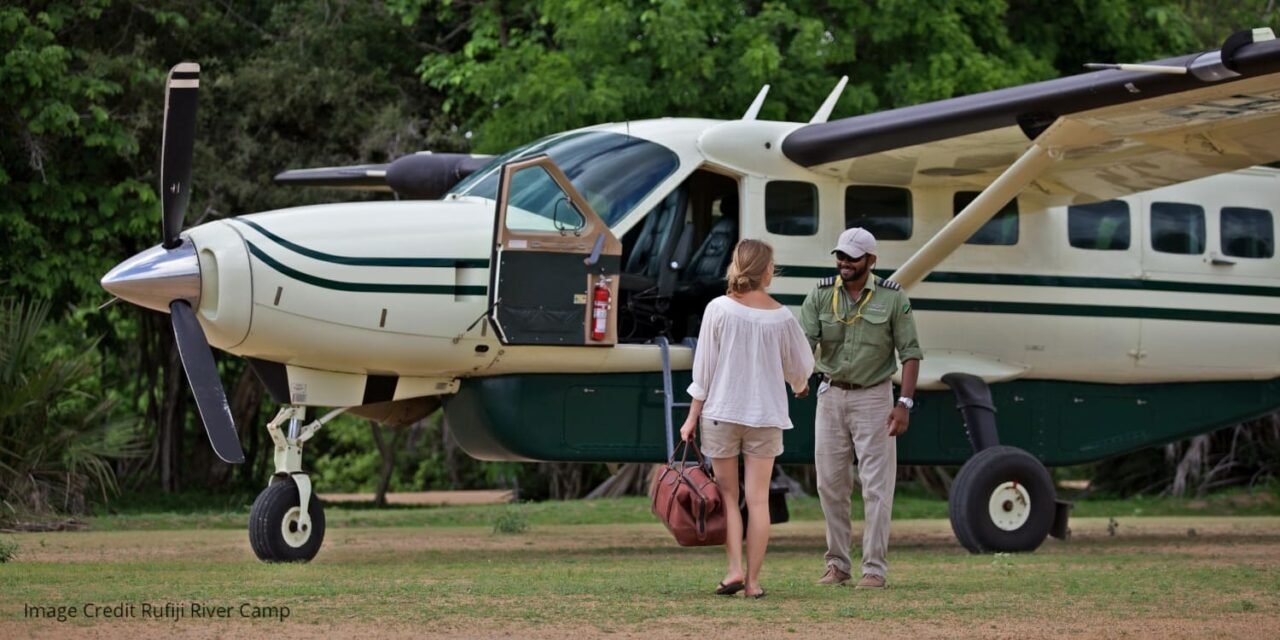
- Fly-in Safaris: These involve flying between national parks, saving significant driving time. They are generally more expensive and often cater to a higher-end market.
- Budget Camping Safaris (without group joining): Some operators offer camping safaris where you can book as a private group, but the camping style itself is budget-friendly.
- Self-Drive Safaris: Not common or recommended in Tanzania for international visitors due to road conditions, navigation challenges, and the need for local permits. Generally not an option for the Northern Circuit.
For backpackers specifically, the group joining safari from Moshi remains the most practical and economical choice for experiencing the Northern Circuit.
Planning Your 2026-2027 Safari from Moshi
Planning ahead is always beneficial, even for budget-friendly options. Here’s how to approach your 2026-2027 group joining safari planning:
2026-2027 Safari Planning Checklist
- Define Your Priorities: What do you want to see? Are you focused on the Great Migration, Big Five, birdlife, or scenery? This helps choose the right itinerary and timing.
- Determine Your Budget: Group joining safaris offer a range. Know your maximum spend to select appropriate packages (camping vs. lodge).
- Choose Your Travel Dates: Consider seasonality (weather, wildlife, crowds). For 2026-2027, book popular periods like July-October well in advance.
- Research Tour Operators: Look for reputable operators based in Moshi or Arusha. Check reviews, ask for detailed itineraries, and compare inclusions.
- Inquire About Departure Dates: Ask operators for their upcoming group departure dates. Be flexible if possible.
- Ask Specific Questions: Don’t hesitate to ask about vehicle type, group size limits, accommodation details, guide experience, and what is and isn’t included.
- Book Accommodation in Moshi: If you arrive a day or two before your safari, book your accommodation in Moshi.
- Arrange Transfers: Confirm how you will get from your Moshi accommodation to the safari starting point.
- Health Preparations: Consult your doctor about necessary vaccinations (e.g., Yellow Fever) and malaria precautions.
- Travel Insurance: Ensure you have comprehensive travel insurance that covers medical emergencies, trip cancellations, and lost belongings.
- Visa Requirements: Check Tanzania’s visa requirements for your nationality.
- Currency: Plan for tips and personal expenses. USD is widely accepted for tips, but Tanzanian Shillings are useful for local markets.
Booking Timeline for 2026-2027: While last-minute bookings are sometimes possible for group joining safaris, especially during the low season, it’s wise to book at least 1-3 months in advance for popular periods. For peak season (June-October 2026 or 2027) or specific migration viewing times, booking 4-6 months ahead is recommended to secure a spot on a desirable departure date.
Booking Your Group Safari: Expert Tips
Securing the right group joining safari requires a bit of savvy. Here are tips from experts:
- Start with Reputable Operators: Look for companies with a good online presence, positive reviews (on TripAdvisor, Google, etc.), and clear communication. Operators based in Moshi or Arusha often have the best local knowledge and pricing for group tours.
- Direct Communication is Key: Email or call the tour operator directly. This allows you to ask detailed questions and get a feel for their responsiveness. WhatsApp is also a very common and effective communication channel in Tanzania.
- Compare Detailed Itineraries: Don’t just compare prices. Ensure the itineraries cover the parks you want to see and for the duration you desire. Pay close attention to the number of days spent in each park.
- Clarify Group Size: Ask about the maximum number of people per vehicle. A smaller group (e.g., 4-6) generally offers a better experience than a crowded vehicle (e.g., 8 people).
- Understand Accommodation Levels: Be explicit about whether you are booking a camping safari, budget lodge safari, or mid-range tented camp safari. Request photos or descriptions of typical accommodations.
- Ask About Park Fees: These are often the largest single expense. Ensure they are clearly stated as included or excluded.
- Payment Terms: Most operators require a deposit (e.g., 30-50%) to confirm your booking, with the balance due before the safari starts. Understand their cancellation policy.
- Confirm Guide Qualifications: While most guides are excellent, you can inquire about their experience and knowledge, especially if you have specific interests (e.g., birding).
- Get Everything in Writing: Once you agree on a package, ensure you receive a detailed booking confirmation outlining the itinerary, inclusions, exclusions, dates, and total cost.
- Be Wary of Extremely Low Prices: If a price seems too good to be true, it often is. It might indicate hidden costs, poor vehicle maintenance, inexperienced guides, or substandard accommodation.
Example Contact Information for Inquiries:
For reliable group joining safari options from Moshi, consider reaching out to local experts. You can contact them via:
- WhatsApp: +255616946642
- Email: topguideadventures@gmail.com
- Backup Email: info@topguideadventures.com
Frequently Asked Questions
Q1: Can I book a group joining safari from Moshi for 2026 or 2027 with short notice?
A: While it’s sometimes possible, especially during the low season, booking 1-3 months in advance is highly recommended for 2026-2027. This ensures you get a spot on your preferred departure date and itinerary, particularly for popular times like the dry season or migration viewing periods.
Q2: What is the typical group size for a group joining safari?
A: The group size typically ranges from 4 to 7 travelers per vehicle. Some operators might allow up to 8, but it’s always best to clarify this when booking. Smaller groups generally offer a more comfortable experience.
Q3: Are park entrance fees included in the price of a group joining safari?
A: This varies significantly between operators. Most reputable operators include park fees in their quotes, as they are a substantial cost. However, always verify this explicitly in the tour’s inclusions list to avoid unexpected expenses.
Q4: What kind of accommodation can I expect on a budget group safari?
A: For backpackers, this usually means camping in public or special campsites with shared facilities, or staying in budget-friendly tented camps or basic lodges. The specific type will depend on the package you choose and the operator.
Q5: How much should I tip my safari guide?
A: Tipping is customary and appreciated. A general guideline is $15-$25 USD per person per day for the driver-guide. For cooks on camping safaris, a smaller tip ($10-$15 USD per day) is also common. Pool the tips if you are part of a group.
Q6: Can I customize a group joining safari?
A: Generally, group joining safaris follow fixed itineraries and departure dates. Customization is usually limited. If you need flexibility, a private safari is a better option, though it costs more.
Q7: What is the difference between a group joining safari and a private safari?
A: A group joining safari means you share a vehicle and itinerary with other travelers to reduce costs. A private safari means you have your own vehicle, guide, and a completely customized itinerary, offering more flexibility but at a higher price.
Q8: Is it safe to travel alone on a group joining safari?
A: Yes, group joining safaris are very safe for solo travelers. You are with a professional guide and a group of fellow travelers, which enhances security and provides companionship.
Q9: What currency should I bring for tips and personal expenses?
A: US Dollars are widely accepted for tips and larger purchases. It’s good to have smaller USD denominations for this purpose. You may also want some Tanzanian Shillings for smaller local purchases in towns.
Q10: What if my safari dates don’t match an existing group departure?
A: Most operators will try to form a new group if there is enough interest. They might offer you a slightly different date or require a minimum number of people to open a new departure. Alternatively, they may suggest a private safari if you are on a strict timeline.
Ready to Book Your Moshi Safari?
Experiencing the magic of Tanzania’s wildlife on a group joining safari from Moshi is an unforgettable adventure. It’s an accessible and cost-effective way for backpackers and budget travelers to explore iconic national parks like the Serengeti and Ngorongoro Crater. By understanding the options, planning carefully, and choosing a reputable operator, you can ensure a rewarding and memorable journey.
If you’re looking for a reliable and experienced tour operator to arrange your group joining safari from Moshi, consider getting in touch. They specialize in creating incredible safari experiences tailored for adventurers like you, ensuring value, safety, and a true taste of Tanzania’s wild heart. Plan your adventure for 2026 or 2027 and create memories that will last a lifetime.
Contact us today to get a personalized quote or discuss your safari plans:
- WhatsApp: +255616946642
- Email: topguideadventures@gmail.com
- Backup Email: info@topguideadventures.com
Is A Group Joining Safari In Tanzania Worth It? 2026-2027
Is a group joining safari in Tanzania worth it? is explained with current 2026-2027 planning, price, itinerary and booking information.
View package details
5-Day Southern Tanzania Group Joining Safari: Your Ultimate Adventure
Discover the wild heart of Southern Tanzania on a 5-day group joining safari. This adventure offers incredible wildlife viewing in Selous Game Reserve and Ruaha National Park, perfect for...
View package details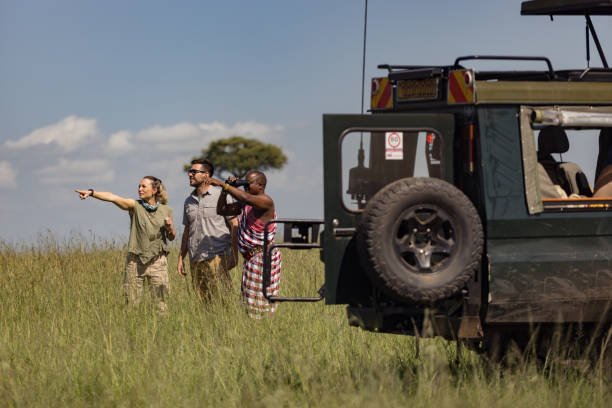
Private Safari Vs Group Tanzania — Which Is Better? 2026-2027
Private safari vs group safari Tanzania — which is better? is explained with current 2026-2027 planning, price, itinerary and booking information.
View package details
Solo Travel To Tanzania: Can I Join A Safari Group? 2026-2027
Planning a solo safari adventure in Tanzania? Discover how you can join an existing group tour, making your journey more affordable and social. Top Guide Adventures provides excellent...
View package details
bEST Mikumi Safari Group Departures, Choose 1 Day, 2 Days, 3 Days 2026-2027
Discover the best Mikumi safari group departures for 2026-2027 with Top Guide Adventures. This comprehensive guide helps you find shared safaris, compare itineraries, and understand costs...
View package detailsBest Mikumi Safari Group Departures | Fly or Drive Option 2026-2027
Discover the best Mikumi safari group departures for 2026-2027 with Top Guide Adventures. This comprehensive guide helps you find shared safaris, compare itineraries, and understand costs...
View package details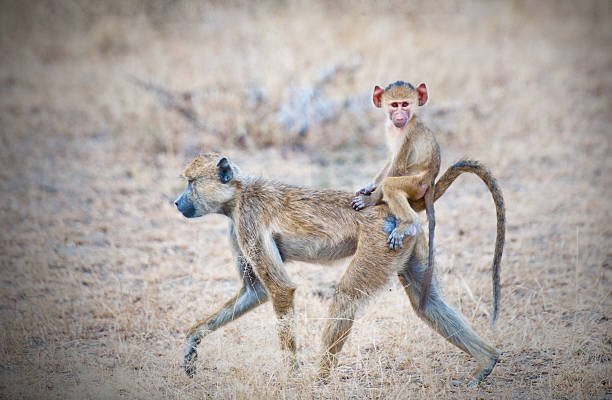
Best Nyerere Safari Group Departures Date, Table Price 2026-2027
Best Nyerere Safari Group Departures Date, Table Price is explained with current 2026-2027 planning, price, itinerary and booking information.
View package details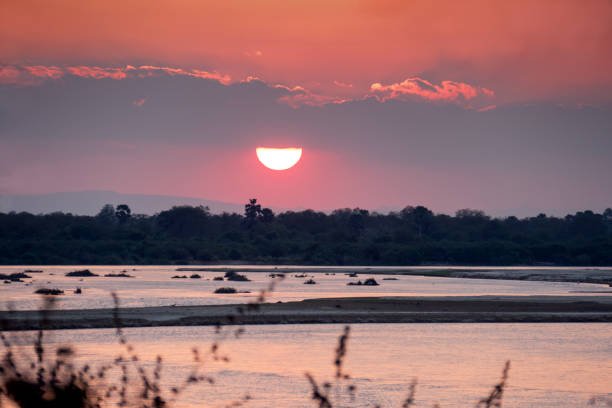
Best Selous Safari Group Departures & Table Price Guide 2026-2027
Discover the most affordable and exciting Selous safari group departures for 2026-2027. This comprehensive guide offers a transparent look at shared safari costs, itineraries, and booking...
View package details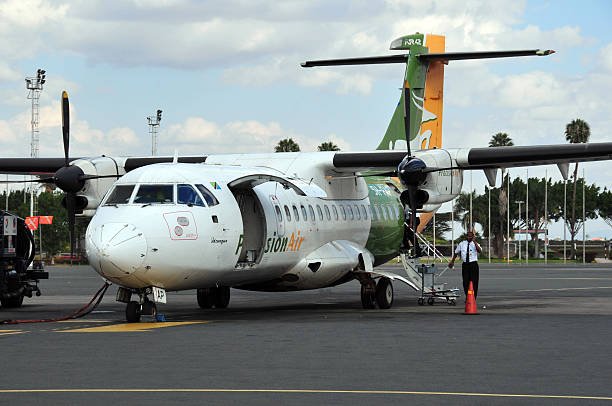
Serengeti And Ngorongoro Safari Without Luxury: Your Options For 2026-2027
Discover how to experience the wonders of the Serengeti and Ngorongoro Crater on a safari that prioritizes incredible wildlife viewing and authentic experiences over luxury accommodations...
View package details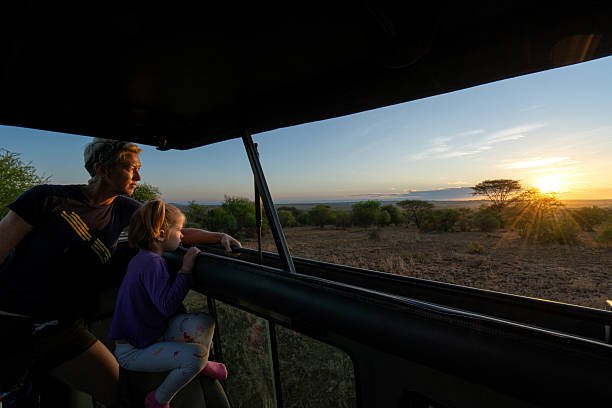
How Much Is A Shared Mikumi Safari? Pricing & Planning Guide 2026-2027
Planning a shared safari in Mikumi National Park? This guide breaks down the expected costs for 2026-2027, detailing what influences pricing and what's typically included for...
View package details1-Day Shared Mikumi Safari From Zanzibar: Your Ultimate Day Trip Guide
Discover the thrill of a 1-day shared safari to Mikumi National Park, departing from Zanzibar. This guide covers everything you need to know for an unforgettable wildlife encounter in...
View package details2-Day Shared Nyerere Safari From Zanzibar: Your Essential Guide 2026-2027
Discover the magic of Nyerere National Park (formerly Selous Game Reserve) with a 2-day shared safari departing from Zanzibar. This compact adventure offers a thrilling glimpse into one of...
View package detailsNo related package matches those filters. Clear one or more filters to see the other topic-matched options.
Plan your Best Group Joining Safari From Moshi for Backpackers with Top Guide Adventures
Tell us your travel dates, group size, comfort level, and dream experience. We will help you shape a clear, realistic, and memorable Tanzania itinerary.



