
Yes, solo travelers can absolutely join group climbs on Kilimanjaro. Most tour operators, including Top Guide Adventures, regularly schedule group departures throughout the year, specifically designed for individuals who are traveling alone or for small groups that wish to join a larger party. This is a very common and practical way for solo adventurers to experience Kilimanjaro, offering companionship, shared costs, and a structured expedition. You can find available group climb dates for 2026 and 2027 on operator websites, allowing you to book a spot on an upcoming trek that matches your preferred dates and route.
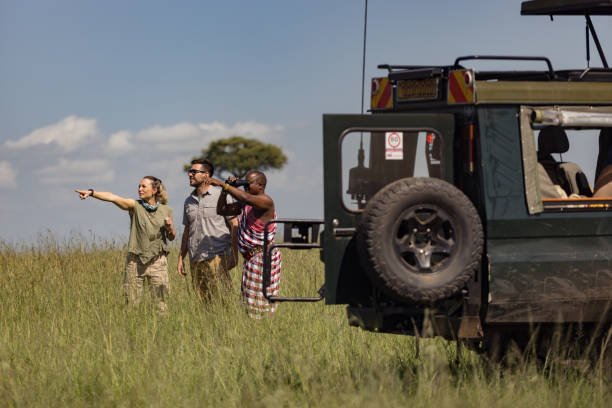
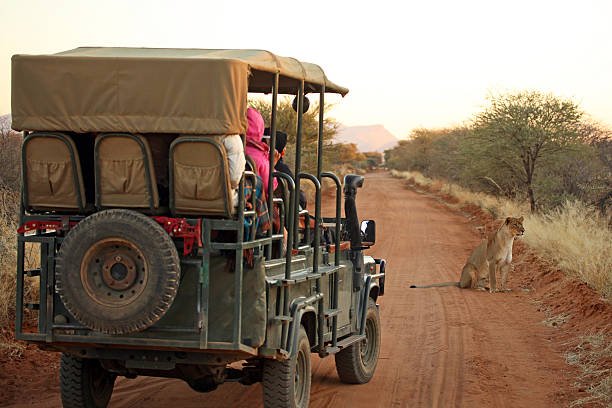
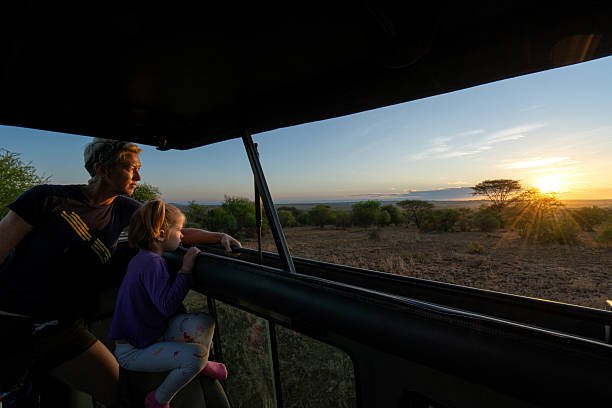
Finding and Joining Kilimanjaro Group Climbs as a Solo Traveler
The allure of Mount Kilimanjaro, Africa’s highest peak, draws adventurers from across the globe. For many, the journey to its summit is a personal quest, a challenge to be conquered. However, the logistics and costs associated with a solo expedition can sometimes be daunting. This is precisely why the option to join a Kilimanjaro group climb when traveling alone is so popular and widely available. It provides a fantastic solution for solo travelers seeking both the camaraderie of a group and a more economical approach to their adventure. Top Guide Adventures specializes in facilitating these shared experiences, ensuring that whether you’re a party of one or a small, independent group, you can connect with like-minded trekkers on the mountain.
When you decide to climb Kilimanjaro solo, one of your primary considerations will likely be how to make the experience as enjoyable and feasible as possible. Joining a group climb is the most straightforward answer. These expeditions are pre-scheduled by tour operators, meaning they have a fixed departure date, a set itinerary, and a planned number of participants. By booking a spot on one of these departures, you step into an existing expedition, surrounded by fellow climbers who are also heading towards Uhuru Peak. This arrangement eliminates the need to form your own group or to charter a private climb, which can be significantly more expensive.
The demand for these group departures is high, especially during the optimal climbing seasons. Operators like Top Guide Adventures plan these expeditions months, and often years, in advance, particularly for popular routes and peak seasons in 2026 and 2027. This forward planning ensures that solo travelers have ample opportunity to find a suitable departure date that aligns with their travel plans. The key is to research operator schedules, understand the different routes offered, and book your spot early to secure your preferred climb.
Why Choose a Group Climb for Your Solo Kilimanjaro Adventure?
Opting for a group climb when you’re traveling alone to Kilimanjaro offers a multitude of benefits that extend beyond just cost savings. These advantages cater to both the practical and psychological aspects of undertaking such a significant trek.
- Companionship and Shared Experience: The most immediate benefit is the built-in social aspect. Climbing Kilimanjaro is an intense physical and emotional journey. Sharing the highs and lows, the challenges and the triumphs, with a group of fellow trekkers creates strong bonds and a shared sense of accomplishment. For solo travelers, this can transform the experience from potentially isolating into a deeply communal one. You’ll have people to share stories with on the trail, celebrate milestones with, and offer mutual encouragement when the going gets tough.
- Cost-Effectiveness: This is often the primary driver for solo travelers choosing group departures. Tour operators have a base cost for organizing a climb, which includes permits, park fees, guide and porter salaries, equipment, food, and transport. When this cost is spread across a group of 8-12 people, the per-person price becomes considerably lower than if you were to book a private climb for yourself. This makes the dream of climbing Kilimanjaro more accessible for budget-conscious solo travelers.
- Logistical Simplicity: Joining a group climb means the tour operator handles all the intricate planning. You don’t need to worry about coordinating permits, booking accommodation before and after the climb, arranging transport to the trailhead, or ensuring you have enough guides and porters. These elements are all pre-arranged for the scheduled group departure, allowing you to focus entirely on your training and preparation for the climb itself.
- Safety and Support: Group climbs inherently have a higher level of safety oversight. With more guides and porters accompanying a larger group, there’s a greater capacity to manage the team’s well-being. In the event of altitude sickness or any other medical issue, a larger support crew means quicker response and more resources available. Operators are experienced in managing group dynamics and ensuring everyone is looked after, providing peace of mind for solo trekkers.
- Networking and New Friendships: Kilimanjaro attracts a diverse range of people from all walks of life and from different countries. Joining a group climb is an excellent opportunity to meet new people, share cultural perspectives, and potentially forge lasting friendships. Many solo travelers find that their Kilimanjaro climb becomes a social highlight, not just a physical achievement.
Understanding Kilimanjaro Group Departures
Group departures for Kilimanjaro climbs are essentially scheduled expeditions that operators set up with specific dates and routes. These are not random gatherings; they are carefully planned operations designed to facilitate climbing for individuals and small groups who want to join forces. Top Guide Adventures, like other reputable operators, publishes a calendar of these group departures, making it easy for you to find a climb that fits your schedule.
How Group Climbs Are Structured
A typical group climb will have a minimum and maximum number of participants. The minimum is often set to ensure the climb is financially viable for the operator, while the maximum is usually determined by park regulations and the desire to maintain a manageable group size for safety and efficiency. For example, a group might range from 6 to 12 trekkers, accompanied by a team of experienced guides, assistant guides, cooks, and porters. The specific ratio of guides to climbers is dictated by regulations, ensuring adequate supervision for everyone.
When you book a spot on a group climb, you are essentially reserving your place on a pre-existing itinerary. This means you’ll be joining others who have also booked onto the same departure date and route. You might meet your fellow climbers for the first time on the day of the briefing before the trek begins, or perhaps at the starting point of the climb itself. The tour operator will facilitate introductions and ensure everyone is prepared.
Choosing the Right Route for Your Group Climb
Kilimanjaro offers several distinct routes, each with its own characteristics in terms of difficulty, scenery, acclimatization profile, and cost. When joining a group climb, you’ll typically choose from the most popular routes that operators schedule for group departures. These are usually routes that offer a good balance of success rates and accessibility.
- Machame Route: Often called the “Whiskey Route,” this is one of the most popular choices for group climbs due to its excellent acclimatization profile and stunning scenery. It’s a 6-day or 7-day trek that offers a high success rate. Top Guide Adventures frequently schedules Kilimanjaro group departures Machame Route, making it a prime option for solo travelers.
- Lemosho Route: This route is known for its beauty and excellent acclimatization, typically taking 7 to 8 days. It starts on the western side of the mountain and joins the Machame route. Lemosho offers a more remote trekking experience in its initial stages.
- Marangu Route: Also known as the “Coca-Cola Route,” this is the oldest and most established route. It’s known for its “huts” accommodation rather than camping, which appeals to some trekkers. It’s often the shortest (5-day option) but has a lower success rate due to a less gradual ascent. While less common for group departures aiming for higher success rates, it is still available.
- Northern Circuit: The longest route, offering the best acclimatization and highest success rates. It circles the mountain, providing diverse views. While typically chosen for private climbs due to its duration, operators may offer scheduled group departures for this route for those seeking a more comprehensive experience.
When looking for group climbs Kilimanjaro solo, check which routes are offered on the scheduled departure dates. The Machame and Lemosho routes are frequently available for group bookings and are highly recommended for their success rates and acclimatization profiles.
When to Join a Group Climb: 2026-2027 Seasons
The best times to climb Kilimanjaro are during the dry seasons, which generally occur from January to March and from June to October. These periods offer the clearest skies and the most stable weather conditions, making them ideal for summit attempts. Consequently, group departures are most numerous during these months.
- Peak Season (June – October): This is the most popular time, with consistently good weather. Expect higher numbers of trekkers and potentially more crowded trails. Kilimanjaro group climb dates 2026 and 2027 will be heavily concentrated in these months.
- Shoulder Season (January – March): Another dry season, offering good climbing conditions. It’s often slightly less crowded than the June-October peak. Group departures are also common during this period.
- Wet Seasons (April – May & November – December): These months experience more rainfall, making climbing more challenging and potentially less enjoyable. While some operators might offer group departures, they are less frequent and often come with lower prices.
For solo travelers planning their climb for 2026 or 2027, booking well in advance is crucial, especially if you aim for the peak seasons. Popular group departure dates can fill up quickly.
Booking Your Solo Spot on a Group Climb
To join a group climb, you’ll typically visit the website of a reputable tour operator like Top Guide Adventures. Look for a section detailing their Kilimanjaro group climb calendar or scheduled departures. You’ll see a list of dates, routes, and prices. Simply select a departure that suits you and follow the booking procedure. You’ll need to provide your details and make a deposit to secure your place. Operators will then provide you with detailed pre-departure information.
Top Guide Adventures: Your Partner for Solo Kilimanjaro Group Climbs
At Top Guide Adventures, we understand the unique needs of solo travelers. We are committed to making your Kilimanjaro adventure safe, enjoyable, and memorable. Our extensive experience in organizing treks in Tanzania means we know how to create the best possible environment for a successful climb, whether you’re joining one of our scheduled group departures or opting for a private trek.
Scheduled Group Departures for 2026-2027
We offer a comprehensive calendar of group climbs Kilimanjaro throughout the year, designed to accommodate solo travelers. Our schedule is carefully planned to align with the optimal climbing seasons, ensuring the best possible conditions for your ascent. You can find our upcoming Kilimanjaro group departure dates 2026 and 2027 listed on our website. These departures are available on popular routes such as Machame, Lemosho, and Marangu, offering various durations to suit your fitness and time availability.
When you book a spot on one of our group climbs, you are joining a team of fellow adventurers who share your goal. Our groups are typically small to medium-sized, fostering a sense of community while remaining manageable for our expert guides. This ensures that you receive personal attention and support throughout the trek. We pride ourselves on fostering a positive and encouraging atmosphere, making solo travelers feel completely at ease and integrated into the group from day one.
Understanding Pricing for Group Climbs
The pricing for our Kilimanjaro group climbs is designed to be competitive and transparent. As a solo traveler joining a group, you benefit from shared operational costs, making it significantly more affordable than a private climb. Our pricing generally includes:
- Park entrance fees, camping fees, and rescue fees
- All meals during the climb
- Boiled water
- Accommodation in tents during the climb
- Experienced, licensed mountain guides and support crew (porters and cook)
- Portable toilet for the group
- Transfer to and from Kilimanjaro International Airport (JRO) and Moshi/Arusha
- Pre-climb briefing
Exclusions typically include:
- Flights to and from Tanzania
- Visa fees
- Travel insurance (mandatory)
- Personal climbing gear
- Tips for guides, porters, and cook (budget around $250-350 per climber for a standard tip)
- Personal expenses (e.g., souvenirs, alcoholic drinks)
- Optional accommodation before and after the climb
Exact pricing varies based on the route duration and specific inclusions. We encourage you to check our Kilimanjaro group climb schedule 2026 and 2027 for detailed pricing on each departure. For a personalized quote or to discuss options, please contact us directly.
Our Commitment to Solo Travelers
We go the extra mile to ensure that solo travelers feel supported and well-integrated. Our guides are trained to foster a team spirit, encouraging interaction among all group members. You are never truly alone on a Top Guide Adventures group climb. We facilitate introductions, organize group meals and discussions, and ensure that everyone is comfortable and motivated.
Our team provides:
- Pre-departure support: We offer detailed packing lists, training advice, and are available to answer all your questions before you travel.
- Experienced Guides: Our guides are not only skilled mountaineers but also excellent communicators, adept at managing group dynamics and ensuring a positive experience for everyone.
- Safety First: The safety and well-being of every climber, especially solo travelers, are our top priorities. We adhere to strict safety protocols and have emergency procedures in place.
We also understand that some solo travelers may prefer a higher degree of privacy or have specific needs. While our group climbs are excellent for social interaction and cost savings, we also offer private climbs. However, for the purpose of joining others, our group departures Kilimanjaro solo are the ideal choice.
Pre-Climb Preparation for Solo Travelers
Regardless of whether you join a group or opt for a private climb, thorough preparation is key to a successful Kilimanjaro ascent. As a solo traveler, you might feel a greater responsibility to be fully prepared, and we are here to support you every step of the way.
- Physical Training: Focus on cardiovascular fitness and strength training. Long hikes with a backpack, stair climbing, and endurance exercises are highly recommended. Aim to train consistently for at least 2-3 months before your climb.
- Acclimatization Knowledge: Understand the principles of altitude sickness (Acute Mountain Sickness – AMS) and how to manage it. “Pole pole” (slowly, slowly) is the mantra on Kilimanjaro. Listen to your body and communicate any symptoms to your guide immediately.
- Gear Checklist: Proper gear is essential for comfort and safety. We provide a comprehensive packing list, but key items include waterproof and windproof outer layers, warm mid-layers (fleece, down jacket), thermal base layers, sturdy hiking boots, a warm hat and gloves, sunglasses, sunscreen, and a headlamp.
- Mental Preparation: Kilimanjaro is as much a mental challenge as a physical one. Prepare for long days of hiking, cold temperatures, and potential discomfort. A positive attitude and determination are invaluable.
- Travel Insurance: Ensure your insurance covers high-altitude trekking and emergency medical evacuation. This is non-negotiable.
- Vaccinations and Health: Consult your doctor about recommended vaccinations and malaria prophylaxis for Tanzania.
What to Expect on a Kilimanjaro Group Climb as a Solo Traveler
Joining a group climb means you’ll be part of a team, but your individual experience is still paramount. Here’s a breakdown of what you can anticipate:
Daily Trekking Routine
Your days will typically start early. After breakfast at the campsite, you’ll pack your daypack and begin hiking. The pace is deliberately slow and steady (“pole pole”) to aid acclimatization. You’ll take breaks for snacks and lunch. The guides will manage the group’s pace, ensuring no one is left behind and that everyone is comfortable. Evenings are spent at the campsite, where the cook prepares hot meals, and guides brief the group on the next day’s plan.
Group Dynamics and Social Interaction
While you are a solo traveler, you are part of a collective effort. The guides will encourage interaction. Conversations will flow naturally during hikes, around the campfire, and during meal times. You’ll likely find common ground with other trekkers, sharing stories, experiences, and motivations. Our aim is to foster a supportive environment where everyone feels included. You’ll share a mess tent for meals and a campsite with the group, providing ample opportunities for connection.
Accommodation and Facilities
Most Kilimanjaro routes involve camping. You will be provided with a personal tent, typically a spacious 3-person tent for 2 people to ensure comfort and space for gear. Shared facilities include a mess tent for dining and a portable toilet tent that follows the group. For the Marangu route, you’ll sleep in basic huts, which are a different experience but still communal.
Summit Night
Summit night is the most challenging part of the climb. It usually begins around midnight, with the group hiking in single file under the stars. Headlamps illuminate the path ahead. The guides will closely monitor everyone’s condition. This is where the group’s mutual support is most vital. Reaching Stella Point and then Uhuru Peak together is an incredibly powerful shared moment.
Comparing Group Climbs vs. Private Climbs for Solo Travelers
While this article focuses on joining group climbs, it’s useful to briefly compare them with private climbs to highlight the advantages for solo travelers seeking companionship and cost savings.
Key Differences: Group vs. Private Kilimanjaro Climbs
| Feature | Group Climb | Private Climb |
|---|---|---|
| Cost | More affordable due to shared operational costs. | Significantly more expensive; you bear all operational costs. |
| Companionship | Built-in social environment with fellow trekkers. Ideal for solo travelers wanting company. | Can be isolating for solo travelers unless they specifically request a private guide who is trained to be highly interactive. |
| Departure Dates | Fixed dates set by the operator; requires booking in advance. | Flexible; you choose your own start date. |
| Group Size | Typically 6-12 trekkers (variable). | Your party only (can be just you, or you and friends/family). |
| Logistics | Operator handles all planning for scheduled departures. | Operator handles all planning, but you have more input on timings and pace. |
| Ideal For | Solo travelers, budget-conscious travelers, those seeking social interaction. | Families, friends, those with very specific dates or high-end luxury requirements, or those who prefer absolute privacy. |
For a solo traveler, the primary motivations for choosing a group climb are usually the cost savings and the desire for companionship. If your goal is to meet new people and share the experience, a group climb is the superior option. If your priority is flexibility or absolute privacy, a private climb might be considered, though it comes at a significantly higher price point for a solo individual.
Planning Your 2026-2027 Kilimanjaro Group Climb
As you look ahead to your Kilimanjaro adventure in 2026 or 2027, planning is key to a smooth and successful journey. Here are some actionable steps and considerations:
Step 1: Choose Your Route and Duration
As discussed, routes like Machame and Lemosho are highly recommended for their acclimatization and scenery. For solo travelers joining group climbs, 6-day or 7-day options on these routes are most common and offer a good balance of challenge and success rate. A 7-day climb generally provides better acclimatization than a 6-day one.
Step 2: Select Your Operator and Departure Date
Research reputable tour operators. Look for companies with strong safety records, experienced guides, and positive reviews, especially from solo travelers. Top Guide Adventures is a trusted choice, known for its personalized service and excellent support. Once you’ve identified an operator, review their Kilimanjaro group departure dates 2026 and 2027. Book your preferred date as early as possible, especially for peak seasons.
Example Group Departure Search:
- Visit the Top Guide Adventures website.
- Navigate to the Kilimanjaro climbs section.
- Look for the “Group Departures” or “Scheduled Treks” page.
- Filter by route (e.g., Machame) or view the calendar for all available dates in 2026 and 2027.
- Compare prices, inclusions, and route details.
Step 3: Book Your Climb and Make Arrangements
Once you’ve chosen your departure, proceed with the booking process. This typically involves filling out a form and paying a deposit. After booking, you’ll receive detailed information regarding visas, vaccinations, packing lists, and travel insurance requirements. Start planning your flights to Kilimanjaro International Airport (JRO).
Step 4: Focus on Training and Preparation
Begin your physical training regimen well in advance. Ensure you have all the necessary gear. Mentally prepare yourself for the challenge and the adventure ahead. Connect with your tour operator if you have any questions or concerns about your preparation.
Step 5: Arrive in Tanzania and Prepare
Arrive in Moshi or Arusha a day or two before your climb starts. This allows time to rest, acclimate to the local environment, and attend the pre-climb briefing. During the briefing, you’ll meet your guides, go over the itinerary, and have a chance to ask any final questions. This is also a great opportunity to meet your fellow group members.
Top Guide Adventures Contact Information
For personalized advice on joining our Kilimanjaro group climbs for solo travelers, or to inquire about specific 2026-2027 departure dates, please do not hesitate to reach out:
- WhatsApp: +255616946642
- Email: topguideadventures@gmail.com
- Backup Email: info@topguideadventures.com
- Website: www.topguideadventures.com
- Instagram: @top_guide_adventures
We are dedicated to helping you plan an unforgettable Kilimanjaro expedition. Whether you’re traveling alone and looking to join a group or have specific questions about our treks for 2026 and 2027, our team is ready to assist you.
Frequently Asked Questions About Solo Kilimanjaro Group Climbs
Here are some common questions solo travelers ask about joining group climbs on Kilimanjaro:
Q1: Will I be the only solo traveler on the group climb?
A: Not necessarily. Our group departures often attract a mix of travelers, including several solo adventurers, couples, and small groups of friends. It’s quite common for solo travelers to find themselves in a group with other individuals who are also traveling alone. This can lead to easy camaraderie.
Q2: How is accommodation handled for solo travelers in a group tent?
A: On camping routes, you will typically be assigned your own tent or share a spacious 3-person tent with one other group member. Operators ensure that solo travelers are accommodated comfortably. If you prefer a private tent, this can sometimes be arranged for an additional fee, though it’s less common for standard group departures.
Q3: What if I don’t get along with my group mates?
A: While most people on Kilimanjaro climbs are friendly and supportive, it’s rare for significant conflicts to arise. The shared goal and challenging environment tend to foster cooperation. Our guides are experienced in managing group dynamics and ensuring a positive atmosphere for everyone. If any issues do arise, they will address them professionally.
Q4: Is it safe for a solo female traveler to join a group climb?
A: Yes, it is very safe. Kilimanjaro attracts a diverse range of climbers, and safety is a top priority for reputable operators. Our guides are trained to ensure the well-being of all climbers, regardless of gender or solo status. You’ll be part of a professional team with strict safety protocols.
Q5: Can I choose my own pace on a group climb?
A: The general principle on Kilimanjaro is “pole pole” (slowly, slowly), which suits most trekkers. Guides manage the group’s pace to ensure everyone acclimatizes safely. While you can’t dictate a significantly faster or slower pace that would disrupt the group, your guide will ensure you are moving at a comfortable and sustainable speed for you, within the group context.
Q6: What happens if I get sick on a group climb?
A: Altitude sickness and other illnesses are managed closely by your guides. They are trained to recognize symptoms and will make decisions based on your health and safety. If necessary, you may be advised to descend. The group will continue its ascent while you receive appropriate care and support from guides and porters. Your travel insurance should cover medical emergencies and evacuation.
Q7: How much should I budget for tips on a group climb?
A: Tipping is customary and greatly appreciated. A general guideline for a 7-day climb is approximately $250-$350 per climber, distributed among the guides, assistant guides, porters, and cook. Your tour operator will provide a more specific tipping guideline during the pre-climb briefing.
Conclusion: Embrace Your Solo Kilimanjaro Adventure with a Group
Traveling alone to Kilimanjaro does not mean you have to climb alone. Joining a group climb is a well-established, practical, and highly recommended approach for solo adventurers. It offers the perfect blend of shared experience, cost-effectiveness, and built-in companionship, transforming a personal challenge into a memorable collective journey. With Top Guide Adventures, you can be confident that your solo Kilimanjaro group climb in 2026 or 2027 will be expertly managed, safe, and incredibly rewarding.
We invite you to explore our Kilimanjaro group departure dates for 2026 and 2027 and find the perfect trek for you. Don’t let traveling solo deter you from conquering Africa’s highest peak. Connect with us, join a group, and start an adventure that promises impressive views, personal achievement, and new friendships.
For more information or to book your Kilimanjaro group climb, please reach out to our dedicated team:
- WhatsApp: +255616946642
- Email: topguideadventures@gmail.com
We look forward to helping you achieve your Kilimanjaro dream!
Check Availability for Joining Group Climbs On Kilimanjaro When Traveling Alone In 2026-2027
Ready to compare dates, prices, and the best option for your group? Send the package name and travel month so the team can reply with a clear quote, availability, and what is included.
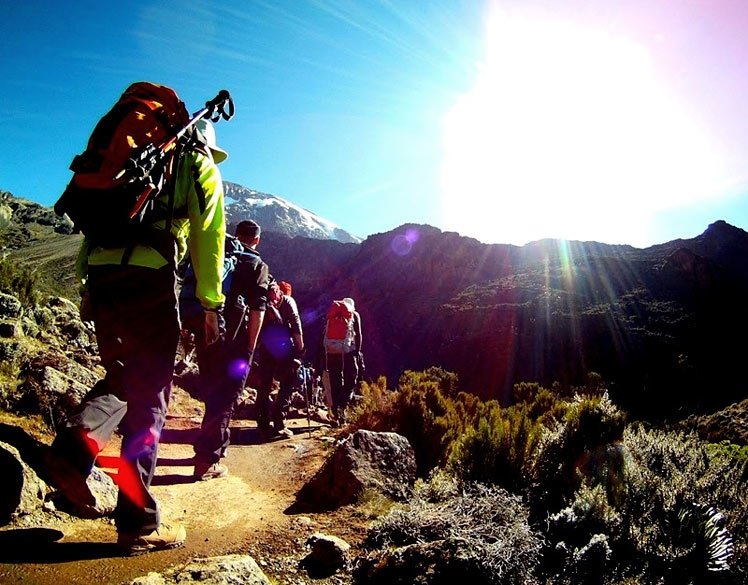
Kilimanjaro Summit-Night Mistakes To Avoid: Your Essential Guide For Climbs
Summit night on Kilimanjaro is the most challenging part of the climb. Avoiding common mistakes in acclimatization, gear, hydration, and pacing is crucial for success. This guide details...
View package details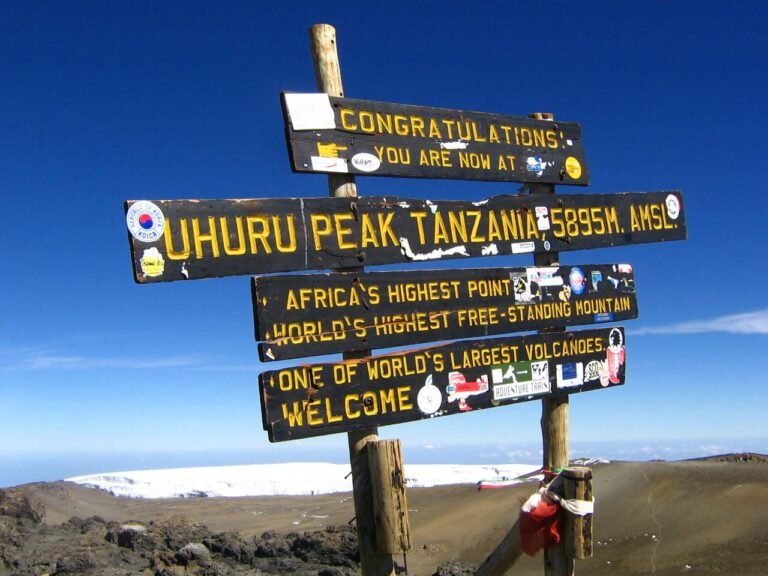
What Does Kilimanjaro Rainforest Look Like? A Trekkers Visual Guide 2026-2027
The Kilimanjaro rainforest is a vibrant, humid zone of dense vegetation, towering trees, and diverse plant life found on the mountain's lower slopes. It's the first major ecosystem trekkers...
View package details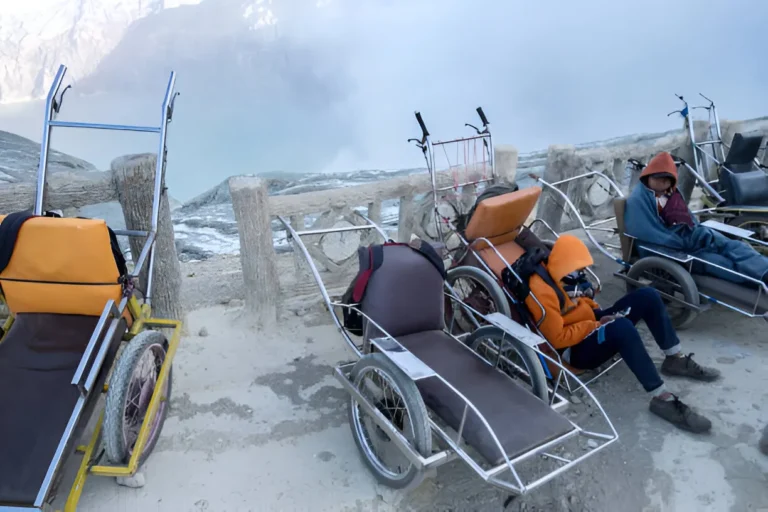
Kilimanjaro Climb With A Personal Support Assistant: Your Ultimate Guide
Climbing Mount Kilimanjaro with a personal support assistant offers unparalleled safety, comfort, and focus on your summit goals. This guide details what a personal assistant entails, its...
View package details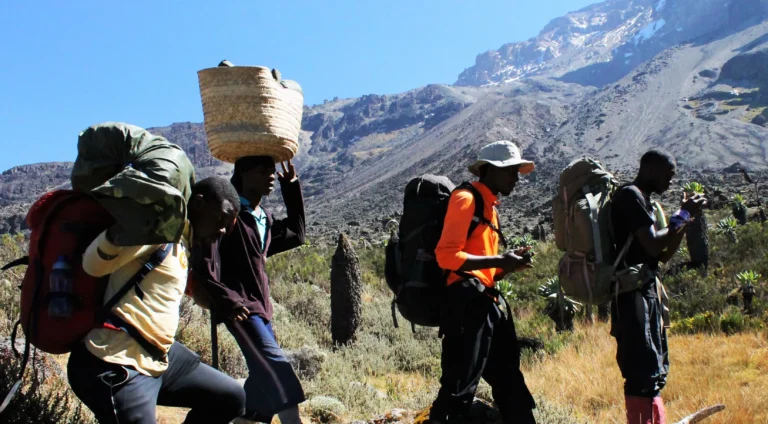
How To Know Whether You Are Ready For Kilimanjaro: A Comprehensive Guide
Climbing Mount Kilimanjaro is a significant undertaking. This guide helps you evaluate your physical, mental, and logistical readiness to ensure a safe and successful trek in 2026 or 2027...
View package details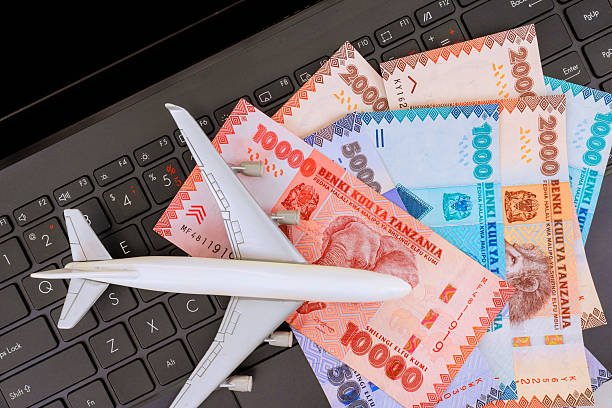
Kilimanjaro Hydration Mistakes Climbers Make And How To Avoid Them 2026-2027
Proper hydration is critical for a successful Kilimanjaro climb. This guide details common hydration mistakes climbers make, from under-drinking to choosing the wrong fluids, and provides...
View package details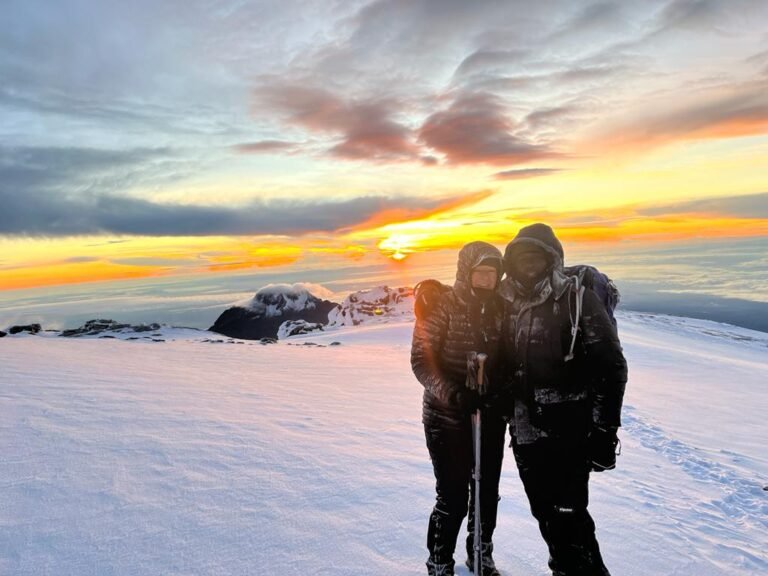
Kilimanjaro Altitude-Sickness Mistakes 2026-2027
Kilimanjaro Altitude-Sickness Mistakes is explained with current 2026-2027 planning, price, itinerary and booking information.
View package details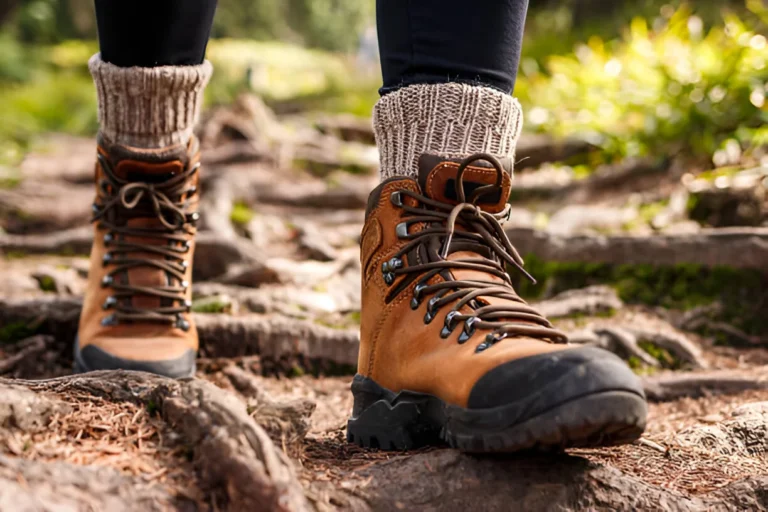
Kilimanjaro Training Mistakes That Reduce Summit Success 2026-2027
Kilimanjaro Training Mistakes that Reduce Summit Success is explained with current 2026-2027 planning, price, itinerary and booking information.
View package details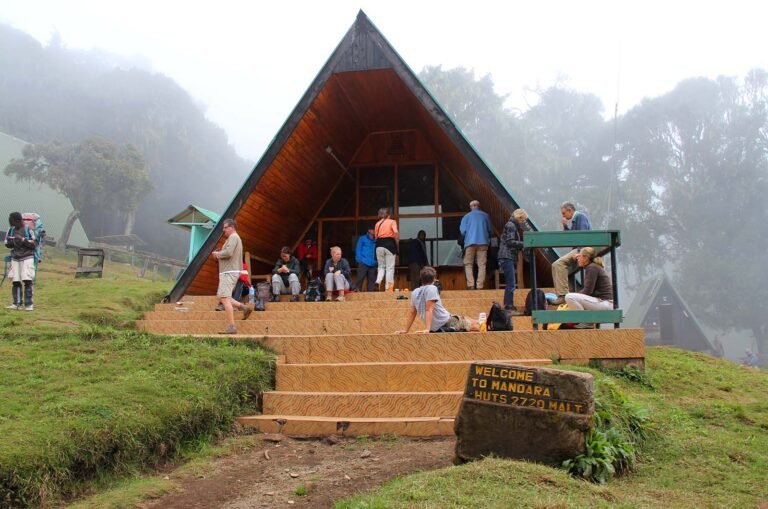
Kilimanjaro Personal Porter Vs Standard Support 2026-2027
Kilimanjaro Personal Porter vs Standard Porter Support is explained with current 2026-2027 planning, price, itinerary and booking information.
View package details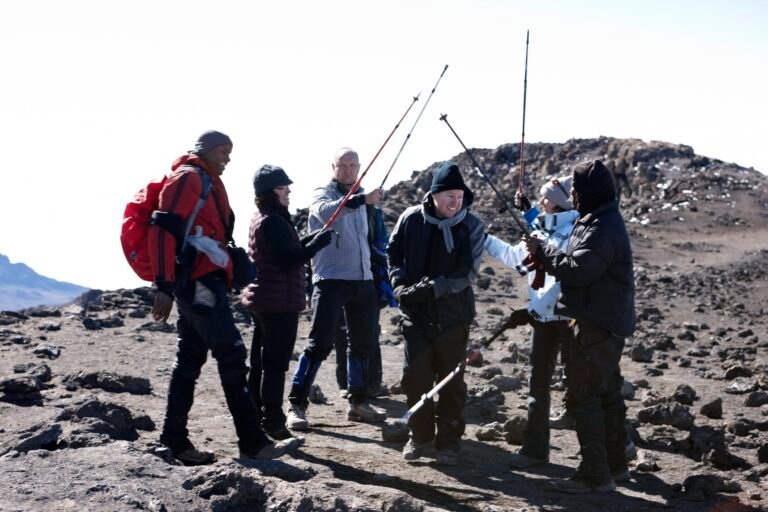
Kilimanjaro Airport Vs Arusha For Climbers: The Definitive Guide 2026-2027
A comprehensive comparison of Kilimanjaro International Airport (JRO) and Arusha Airport (ARK) for trekkers planning a Mount Kilimanjaro climb, detailing pros, cons, and booking advice for...
View package details
Kilimanjaro Climb For Retired Couples: Planning Your Adventure 2026-2027
Planning a Kilimanjaro climb as a retired couple is an achievable and rewarding goal. This guide offers in-depth advice on route selection, physical preparation, essential gear, and the...
View package details
Kilimanjaro Training Plan For Climbers Over 60 2026-2027
Kilimanjaro Training Plan for Climbers over 60 is explained with current 2026-2027 planning, price, itinerary and booking information.
View package details
Can A 16-Year-Old Climb Kilimanjaro? Your Essential Guide 2026-2027
Discover if a 16-year-old can summit Kilimanjaro. This comprehensive guide covers age requirements, health, fitness, essential gear, and planning for younger trekkers aiming for Africa's...
View package detailsNo related package matches those filters. Clear one or more filters to see the other topic-matched options.



