
Climbing Kilimanjaro in April 2027 means preparing for the peak of the long rainy season, which typically brings significant rainfall, especially at lower elevations, and can affect visibility and trail conditions. While challenging, April is still a viable month for a trek if you choose the right route, pack appropriate gear, and go with an experienced operator like Top Guide Adventures, as trails remain open and the mountain is less crowded than during dry seasons.
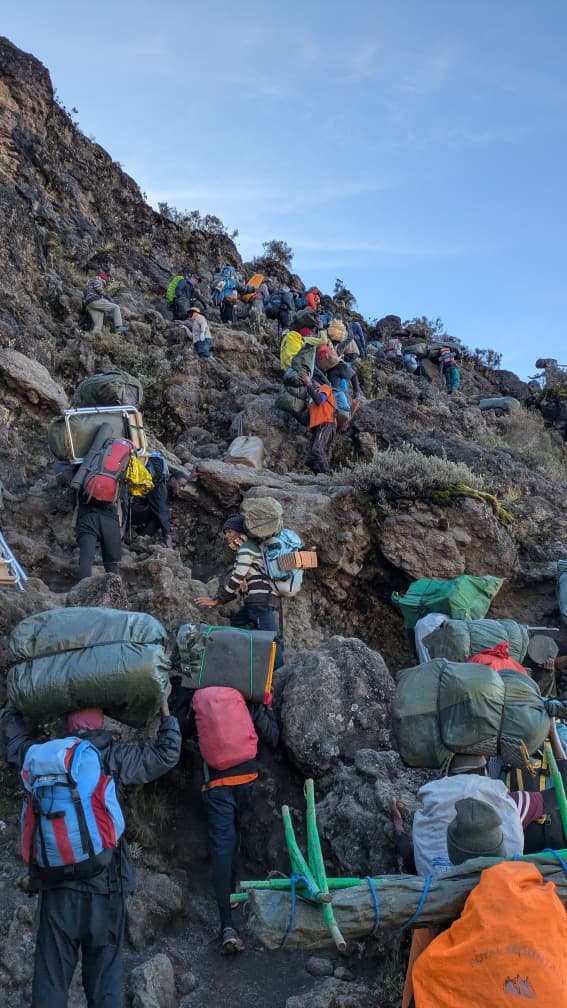
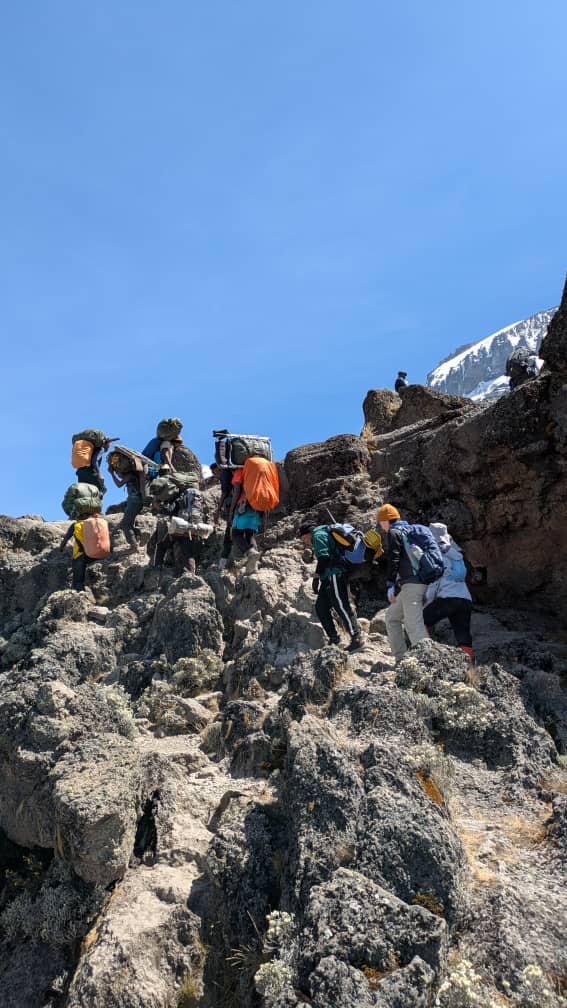
Understanding Kilimanjaro’s April Weather Patterns for 2027
When considering Kilimanjaro climbing in April 2027, it’s crucial to understand that April falls squarely within the mountain’s long rainy season. This period, generally spanning from March to May, is characterized by heavy precipitation. However, ‘rainy season’ on Kilimanjaro doesn’t necessarily mean constant downpours that prevent climbing. Instead, expect a mix of heavy showers, often occurring in the afternoons and evenings, interspersed with periods of sunshine and clearer skies, particularly in the mornings. The higher altitudes, above the cloud forest, might experience snow or sleet rather than rain, but the overall moisture content in the atmosphere is high.
For 2027, meteorological patterns can shift, but the general expectation for April remains consistent with historical data. This means higher humidity, cloud cover, and increased chances of rain or snow. Visibility can be reduced, potentially impacting the stunning panoramic views often associated with Kilimanjaro. However, the mountain’s unique microclimates mean that conditions can vary significantly from one zone to another. The rainforest zone (1,800m – 2,800m) will likely be the wettest, while the alpine desert and arctic summit zones might experience cold, mist, and snow.
Despite these conditions, Kilimanjaro remains open for climbing year-round. The key to a successful April 2027 ascent lies in thorough preparation, realistic expectations, and choosing the right trekking company. Top Guide Adventures has extensive experience guiding clients through the rainy season, ensuring safety and maximizing the chances of reaching the summit.
Pros and Cons of Kilimanjaro Climbing in April 2027
Deciding to climb Kilimanjaro in April 2027 involves weighing the advantages against the disadvantages. Understanding these trade-offs will help you make an informed decision and prepare adequately.
Advantages of an April 2027 Climb:
- Fewer Crowds: Unlike the peak dry seasons (January-February and June-October), April sees significantly fewer trekkers on the mountain. This offers a more solitary and peaceful experience, allowing for greater connection with nature and a less congested summit path.
- Lush Scenery: The rains nourish the mountain’s vegetation, particularly in the lower rainforest zones. Expect vibrant green landscapes, blooming flowers, and a generally more verdant environment, which can be visually stunning.
- Potential for Lower Prices: While not always the case, some tour operators might offer slightly more competitive pricing during the shoulder and low seasons, though safety and quality should never be compromised for cost.
- Experienced Guides: Reputable companies like Top Guide Adventures have seasoned guides who are adept at navigating and managing conditions during the rainy season, ensuring your safety and well-being.
Disadvantages of an April 2027 Climb:
- Increased Rainfall: This is the primary challenge. Expect frequent rain, which can make trekking strenuous, slow down progress, and increase the risk of hypothermia if not properly managed.
- Reduced Visibility: Cloud cover and mist are common, especially at higher altitudes. This can obscure the magnificent views of the surrounding landscape and potentially affect the psychological experience of being on the summit.
- Muddy and Slippery Trails: The rain turns trails into muddy paths, making them slippery and more demanding. This requires careful footing and can increase the risk of minor injuries like slips and falls.
- Colder Temperatures: While not a blizzard, the combination of rain, wind, and higher altitudes can make the perceived temperature much colder, requiring robust cold-weather gear.
- Potential for Trail Closures (Rare): In extreme cases of heavy flooding or landslides, certain sections of trails could be temporarily affected, though this is very uncommon for the main Kilimanjaro routes.
For those determined to climb Kilimanjaro in April 2027, the advantages of fewer crowds and unique scenery can outweigh the challenges, provided you are well-prepared and choose a reliable operator.
Choosing the Best Kilimanjaro Route for April 2027
The choice of route is paramount when planning Kilimanjaro climbing in April 2027, as some routes offer better shelter and more gradual acclimatization, which can be beneficial during the rainy season. While all routes remain open, certain ones are generally considered more suitable for adverse weather conditions.
Recommended Routes for April 2027:
- Lemosho Route: Known for its scenic beauty and high success rates, the Lemosho route offers a longer acclimatization period, which is crucial for any trek, especially in challenging weather. It starts on the western side and traverses the Shira Plateau before joining the Machame route. Its length allows for better acclimatization, increasing your chances of reaching the summit. The varied terrain also offers different microclimates.
- Machame Route: Often called the ‘Whiskey Route’, Machame is the most popular route and is also known for good acclimatization due to its ‘climb high, sleep low’ strategy. It approaches from the south-west. While popular, its popularity means more potential for interaction, but during April 2027, crowds will be minimal. The varied scenery and good acclimatization profile make it a strong contender.
- Northern Circuit: This is the longest route, offering the best acclimatization profile and the highest success rates. It circles the mountain, offering diverse views and passing through different ecological zones. Its length makes it ideal for those seeking a more comprehensive and less rushed experience, which can be advantageous in potentially difficult weather.
Routes to Consider with Caution:
- Marangu Route: While famous for its ‘huts’ which offer shelter from rain, the Marangu route is a direct ascent with poorer acclimatization. The steepness and faster ascent profile can be more challenging in wet conditions, and the views are often obscured due to its direct path through cloudier areas. The huts can be a significant comfort during heavy rain, however.
- Rongai Route: This route approaches from the north, which is generally drier. However, it joins the Marangu route for the final ascent. While it might offer a drier start, the latter half of the climb is subject to the same weather patterns as the Marangu route. Its main advantage is potentially less rain in the initial stages.
For Kilimanjaro climbing in April 2027, Top Guide Adventures recommends routes that prioritize acclimatization and offer diverse landscapes. The Lemosho and Northern Circuit routes are particularly well-suited due to their longer duration and systematic ascent profiles, providing better chances of success and a more comfortable experience despite the rain.
Essential Gear for Kilimanjaro Climbing in April 2027
Proper gear is non-negotiable for Kilimanjaro climbing in April 2027. The combination of rain, wind, and cold at high altitudes requires a robust layering system and waterproof outer shells. Investing in quality equipment will significantly enhance your comfort, safety, and chances of success.
Layering System: The Key to Comfort
The foundation of staying warm and dry is a good layering system. Avoid cotton, which absorbs moisture and loses its insulating properties. Opt for synthetic or wool materials.
- Base Layer: Moisture-wicking thermal tops and bottoms (long johns). These should fit snugly against the skin to draw sweat away. Merino wool or synthetic fabrics are ideal.
- Mid Layer: Insulating layers to trap body heat. Fleece jackets (e.g., Polartec 200 or 300) or down/synthetic insulated jackets are excellent choices. You might need one or two mid-layers depending on the temperature.
- Outer Layer (Shell): This is your primary defense against rain and wind. A high-quality, waterproof and breathable jacket and trousers are essential. Look for Gore-Tex or similar membranes. The jacket should have a hood, and the trousers should be full-length zips for easy on/off over boots.
Headwear and Handwear: Crucial for Warmth
Extremities lose heat quickly, so protecting your head and hands is vital.
- Head: A warm, waterproof hat (like a beanie) for cold and a sun hat or cap for sunny periods. A balaclava or neck gaiter (buff) is also highly recommended for protecting your face and neck from wind and cold.
- Hands: Layering is key here too. Thin liner gloves (wool or synthetic) worn inside waterproof, insulated gloves or mittens. Mittens are generally warmer than gloves. Bring at least two pairs of gloves in case one gets wet.
Footwear: The Most Important Item
Your feet are your lifeline on the mountain. Proper footwear prevents blisters, provides support, and keeps you warm and dry.
- Boots: Sturdy, waterproof, broken-in hiking boots with good ankle support are essential. They should be waterproofed regularly.
- Socks: Several pairs of thick, wool or synthetic hiking socks. Avoid cotton. Bring liner socks to prevent blisters.
- Gaiters: Waterproof gaiters are crucial for April 2027 climbs to prevent water, mud, and scree from entering your boots.
- Camp Shoes: Comfortable shoes or sandals for wearing around camp after a long day’s trek.
Other Essential Items:
- Backpack: A comfortable daypack (30-40 liters) for essentials you need during the day (water, snacks, extra layers, camera).
- Duffel Bag: A large, waterproof duffel bag (80-100 liters) for your main gear, carried by porters.
- Sleeping Bag: A four-season sleeping bag rated to at least -10°C (15°F) or -20°C (-4°F) is recommended for April 2027.
- Water Bottles/Bladder: At least 2-3 liters capacity. Insulated covers for water bottles or bladders are advised to prevent freezing at higher altitudes.
- Headlamp: With extra batteries. Essential for pre-dawn summit attempts.
- Sun Protection: High SPF sunscreen, lip balm with SPF, and sunglasses (UV protection).
- Personal First-Aid Kit: Including blister treatment, pain relievers, antiseptic wipes, and any personal medications.
- Trekking Poles: Highly recommended to reduce strain on knees and improve balance, especially on slippery descents.
- Waterproof Bags/Dry Sacks: To keep electronics, clothing, and sleeping bags dry inside your duffel bag.
Top Guide Adventures provides a detailed packing list to all clients. We can also assist with gear rental for items like sleeping bags and waterproof jackets if needed, ensuring you are fully equipped for Kilimanjaro climbing in April 2027.
Training and Fitness for an April 2027 Kilimanjaro Climb
Successfully climbing Kilimanjaro, especially during the challenging conditions of April 2027, requires a dedicated fitness training regimen. The focus should be on cardiovascular endurance, strength, and mental preparedness.
Cardiovascular Endurance: The Foundation
Kilimanjaro is a marathon, not a sprint. You need to build stamina to sustain long days of trekking, often for 5-8 hours, with significant elevation gain.
- Hiking: Aim for regular, long hikes (4-6 hours) on varied terrain, including hills and stairs, carrying a weighted backpack (5-10 kg). This simulates the actual climbing experience. Try to do at least one long hike per week in the months leading up to your trek.
- Running/Cycling/Swimming: Incorporate 3-4 sessions per week of moderate to high-intensity cardio activities. These build aerobic capacity and leg strength.
- Stair Climbing: Use stair machines at the gym or find local stairs to climb repeatedly. This is excellent training for the sustained uphill effort.
Strength Training: Supporting Your Body
Strong legs and a stable core are essential for navigating steep ascents and descents, especially on slippery trails.
- Leg Exercises: Squats, lunges, step-ups (with weight), calf raises.
- Core Exercises: Planks, Russian twists, leg raises. A strong core improves balance and posture.
- Back Exercises: Rows, pull-ups (or assisted pull-ups). This helps carry the backpack comfortably.
Acclimatization Training: Simulating Altitude
While true altitude acclimatization can only happen on the mountain, you can prepare your body for the physiological stress.
- High-Intensity Interval Training (HIIT): Short bursts of intense exercise followed by brief recovery periods can improve your body’s efficiency at utilizing oxygen.
- Consistency is Key: Start your training at least 3-4 months before your April 2027 climb. Gradually increase the intensity and duration of your workouts.
Mental Preparation: The Unsung Hero
Climbing Kilimanjaro is as much a mental challenge as a physical one. The rainy season can add psychological pressure.
- Visualize Success: Imagine yourself reaching the summit, overcoming obstacles, and enjoying the experience.
- Practice Mindfulness: Learn techniques to stay present and focused, especially during difficult moments.
- Build Resilience: Understand that there will be tough moments. Focus on taking it one step at a time, one day at a time.
Important Note: Consult with your doctor before starting any new rigorous training program, especially if you have pre-existing health conditions. They can provide personalized advice for your Kilimanjaro climbing preparation for April 2027.
Health and Safety Considerations for April 2027
Health and safety are paramount for Kilimanjaro climbing in April 2027, especially given the potential for challenging weather conditions. Altitude sickness (Acute Mountain Sickness – AMS) remains the primary concern, but the rainy season introduces additional factors.
Altitude Sickness (AMS): Prevention and Recognition
AMS is caused by ascending too quickly to a higher altitude without allowing the body to acclimatize. Symptoms can range from mild headaches and nausea to severe, life-threatening conditions like HACE (High Altitude Cerebral Edema) and HAPE (High Altitude Pulmonary Edema).
- Prevention: The best prevention is slow ascent and proper acclimatization. Choosing longer routes like Lemosho or Northern Circuit significantly aids this. Staying well-hydrated (3-4 liters per day) and avoiding alcohol and caffeine are also crucial. Diamox (acetazolamide) is a prescription medication that can help prevent AMS symptoms; consult your doctor about its suitability for you.
- Recognition: Be aware of the symptoms: headache, nausea, dizziness, fatigue, loss of appetite, and difficulty sleeping. If symptoms appear, do not ascend further. Rest, hydrate, and consider descending if symptoms worsen. Inform your guide immediately if you feel unwell.
- Management: The only definitive cure for AMS is descent. Your guides are trained to monitor climbers for AMS and will make critical decisions regarding descent if necessary.
Rainy Season Specific Health Risks:
- Hypothermia: This is a significant risk during the rainy season. If your clothing becomes wet and you are exposed to wind, your body temperature can drop dangerously low. Layering with waterproof and windproof outer shells, carrying spare dry layers, and staying active are key preventative measures.
- Slips and Falls: Muddy and slippery trails increase the risk of injuries. Trekking poles provide stability, and careful, deliberate steps are essential, especially on descents.
- Waterborne Illnesses: Ensure all drinking water is purified (boiled, filtered, or chemically treated). Top Guide Adventures ensures all water provided is safe.
- Exposure: Prolonged exposure to cold, wet, and windy conditions can lead to frostnip or frostbite, particularly on extremities. Proper gloves, hats, and waterproof gear are vital.
Choosing a Reputable Operator for April 2027:
The expertise and protocols of your tour operator are critical for safety. Top Guide Adventures prioritizes safety above all else:
- Experienced Guides: Our guides are certified, experienced in high-altitude trekking, and trained in wilderness first aid and AMS management. They constantly monitor weather conditions and client well-being.
- Emergency Procedures: We have established emergency evacuation plans and carry comprehensive first-aid kits and oxygen on all climbs.
- Quality Equipment: We ensure our guides are well-equipped, and we can assist clients with ensuring their personal gear meets the demands of the rainy season.
- Communication: We maintain communication channels with base operations to monitor conditions and coordinate any necessary support.
For Kilimanjaro climbing in April 2027, proactive health management, adherence to safety guidelines, and choosing a trusted operator like Top Guide Adventures are essential for a successful and safe expedition.
A Day-by-Day Itinerary Example for April 2027 (Lemosho Route)
To illustrate the experience of Kilimanjaro climbing in April 2027, here is a sample 8-day Lemosho Route itinerary. This route is often recommended for its excellent acclimatization profile, which is beneficial during the rainy season.
Day 1: Arrival in Moshi & Pre-Climb Briefing
Arrive at Kilimanjaro International Airport (JRO). You will be met by a Top Guide Adventures representative and transferred to your hotel in Moshi. Today is for resting, acclimatizing to the local climate, and attending a detailed pre-climb briefing where you’ll meet your guide, review gear, and ask any final questions. This is also an opportunity to rent any necessary equipment.
Day 2: Lemosho Trailhead to Mti Mkubwa Camp
Distance: 6 km / 4 miles
Time: 3-4 hours
Altitude: Camp at 2,820m / 9,250 ft
After breakfast, drive to the Lemosho Gate (approx. 3-4 hours). Complete park formalities before starting your trek through the lush rainforest. The trail is gentle, and you’ll likely encounter diverse wildlife and plant life. The focus today is on enjoying the walk and starting your acclimatization. Expect rain, so waterproof gear is essential from the start. Your first night will be spent camping at Mti Mkubwa (‘Big Tree’).
Day 3: Mti Mkubwa Camp to Shira 2 Camp
Distance: 10 km / 6 miles
Time: 5-7 hours
Altitude: Camp at 3,850m / 12,630 ft
The trail ascends steeply out of the forest and into a moorland zone. The landscape opens up, offering potentially spectacular views if the clouds permit. You’ll cross streams and ascend ridges. The day involves significant elevation gain, testing your stamina. Arrive at Shira 2 Camp, a plateau situated in the Shira Ridge. This camp offers stunning views and is a good spot to witness sunset if conditions are clear. Be prepared for potentially cooler temperatures and wind.
Day 4: Shira 2 Camp to Barranco Camp
Distance: 8 km / 5 miles
Time: 5-7 hours
Altitude: Camp at 3,970m / 13,025 ft
Today features a scenic traverse across the Shira Plateau, heading east towards Kilimanjaro’s central cone. You’ll pass the Shira Cathedral and enjoy the changing vegetation. The route then descends slightly towards the Barranco Valley. The highlight of the day is reaching Barranco Camp, located at the base of the imposing Barranco Wall. While the day’s trekking is moderate, the altitude is significant. Expect rain and cooler temperatures.
Day 5: Barranco Camp to Karanga Camp
Distance: 5 km / 3 miles
Time: 4-5 hours
Altitude: Camp at 4,000m / 13,125 ft
This is a challenging but rewarding day. You will tackle the famous Barranco Wall, a scramble that requires using your hands. While it looks daunting, it’s a well-trodden path and manageable for most trekkers with the assistance of guides. After the wall, the route continues with ups and downs towards Karanga Valley and then ascends to Karanga Camp. This ‘climb high, sleep low’ principle aids acclimatization. Be prepared for potentially wet conditions and significant temperature drops.
Day 6: Karanga Camp to Barafu Camp
Distance: 4 km / 2.5 miles
Time: 3-4 hours
Altitude: Camp at 4,640m / 15,225 ft
A shorter trekking day allows for rest and preparation for the summit attempt. The trail ascends through a rocky landscape, becoming increasingly barren. You’ll reach Barafu Camp, the base camp for the summit push, located on a narrow, exposed ridge. The views from Barafu are often spectacular, but the weather can change rapidly. Temperatures here are significantly colder, and wind is common. It’s crucial to stay hydrated and conserve energy for the final ascent.
Day 7: Summit Day! Barafu Camp to Uhuru Peak & Descent to Mweka Camp
Distance: 7 km / 4 miles (ascent) + 23 km / 14 miles (descent)
Time: 7-8 hours (ascent) + 10-12 hours (descent)
Altitude: Uhuru Peak at 5,895m / 19,341 ft; Mweka Camp at 3,100m / 10,170 ft
This is the most demanding day. You’ll start your ascent around midnight, trekking in the dark with headlamps. The path is steep and challenging, often on scree. You’ll pass Stella Point (5,756m) on the crater rim before continuing to Uhuru Peak, the highest point in Africa. Celebrate your achievement! The descent is long and arduous, retracing your steps down past Barafu Camp to Mweka Camp. Expect freezing temperatures, wind, and potentially snow/ice on the upper slopes. Waterproof gear is essential. This day is physically and mentally taxing.
Day 8: Mweka Camp to Mweka Gate & Departure
Distance: 10 km / 6 miles
Time: 4-5 hours
Altitude: Mweka Gate at 1,640m / 5,380 ft
After breakfast, you’ll descend through the remaining rainforest to Mweka Gate. The air will be warmer and more humid. You’ll be met by your Top Guide Adventures team, receive your climbing certificates, and transfer back to your hotel in Moshi for a well-deserved rest and celebration. From here, you can arrange onward travel or further adventures in Tanzania.
This itinerary provides a framework for Kilimanjaro climbing in April 2027. Remember that weather can influence daily timings and conditions. Top Guide Adventures ensures flexibility and prioritizes safety throughout the trek.
What to Expect on the Summit Night in April 2027
Summit night is the culmination of your Kilimanjaro climbing journey, and for those attempting it in April 2027, it presents unique challenges and rewards. This is typically the coldest and most demanding part of the trek, usually occurring on Day 7 of an 8-day itinerary.
The Midnight Start
You’ll be woken around midnight at Barafu Camp (or a similar high-altitude camp depending on the route). After a light snack and ensuring you have your headlamp, warm layers, and water, you’ll begin the ascent. The goal is to reach the crater rim by sunrise. The path is steep, often on loose scree, and the darkness requires focused concentration. Trekking poles are invaluable for stability.
Extreme Cold and Wind
Temperatures on summit night in April 2027 can plummet to between -15°C and -25°C (5°F to -13°F), and this is before wind chill. The wind can be relentless, making it feel significantly colder. This is where your extreme cold-weather gear, including insulated and waterproof outer layers, warm gloves and mittens, and a balaclava, becomes critical. Staying dry is paramount to preventing hypothermia.
The Challenge of Altitude
You’ll be climbing in the ‘death zone’ (above 8,000 meters / 26,000 feet), where oxygen levels are roughly half of those at sea level. This makes every step a significant effort. Altitude sickness symptoms can worsen at these heights. It’s vital to maintain a slow, steady pace – often referred to as ‘pole pole’ (slowly, slowly) – and to breathe deeply. Your guides will monitor you closely.
Visibility and Views
In April 2027, visibility on summit night can be variable. While clear nights offer impressive views of the stars and the curvature of the earth, cloud cover and mist are common. Reaching Stella Point on the crater rim by sunrise can still be a spectacular experience, even if the wider landscape is obscured by clouds. The reward is the immense sense of accomplishment.
The Final Push to Uhuru Peak
After reaching the crater rim (usually Stella Point), there’s still a further 1-2 hour walk along the rim to Uhuru Peak (5,895m / 19,341 ft), the true summit. This section can feel particularly gruelling as you are already at extreme altitude and have been trekking for several hours. The views from Uhuru Peak, if clear, are unparalleled, with glaciers surrounding the summit marker.
The Descent: A Marathon in Reverse
The descent is often underestimated. While physically less demanding than the ascent, it is long (typically 10-12 hours total for summit night and descent to Mweka Camp) and can be hard on the knees and feet. The scree slopes that were challenging to climb can be treacherous on the way down, especially if wet. Your guides will help navigate this section safely.
Key Advice for Summit Night in April 2027:
- Stay Hydrated: Sip water regularly, even if you don’t feel thirsty.
- Eat Energy-Rich Snacks: Take small, frequent bites of high-energy food.
- Keep Moving: Even a slow, steady pace is better than stopping for too long, which allows the cold to set in.
- Communicate: Inform your guide of any discomfort or symptoms immediately.
- Trust Your Guides: They have the experience to manage the ascent and make critical safety decisions.
While summit night in April 2027 requires significant preparation and resilience, the achievement of standing on top of Africa is an unforgettable experience, made even more special by overcoming the challenges of the rainy season.
Post-Climb Considerations and Recovery
After successfully completing your Kilimanjaro climbing adventure in April 2027, the focus shifts to recovery and enjoying the rest of your time in Tanzania. Proper care after the trek ensures a smooth transition back to normal life and helps your body recuperate.
Immediate Post-Climb:
- Celebration and Rest: Top Guide Adventures typically arranges a celebration dinner upon your return to Moshi. This is a time to relax, share stories, and celebrate your achievement. Prioritize getting a good night’s sleep in a comfortable bed.
- Hydration and Nutrition: Continue to drink plenty of water and eat nourishing meals. Your body has been through significant stress, and replenishing fluids and nutrients is vital for recovery.
- Hygiene: Take a long, hot shower or bath. Many climbers experience skin issues due to sweat and dirt, so thorough cleaning is important.
Physical Recovery:
- Muscle Soreness: Expect muscle soreness (DOMS – Delayed Onset Muscle Soreness) for several days after the climb, particularly in your legs and glutes. Gentle stretching, light activity (like short walks), and adequate rest will help alleviate this.
- Blister Care: If you developed blisters, keep them clean and covered. Avoid picking at them.
- Listen to Your Body: Avoid strenuous activities for at least a few days. Your body needs time to heal and recover from the exertion and altitude exposure.
Potential Long-Term Effects (Rare):
While most effects of Kilimanjaro climbing are temporary, some individuals might experience lingering issues, though these are uncommon:
- Lingering Headaches: If you experienced headaches at altitude, they may take a day or two to fully subside after descending.
- Fatigue: It can take up to a week or more for some individuals to feel fully recovered from the physical and mental demands of the climb.
- Changes in Sensation: Very rarely, some climbers might experience temporary changes in sensation in their fingers or toes due to prolonged cold exposure.
Further Adventures in Tanzania:
Many travelers combine their Kilimanjaro climb with a safari or a visit to Zanzibar. If you plan to do so immediately after your trek:
- Allow buffer time: If possible, schedule a day or two of rest in Moshi before embarking on a safari or heading to Zanzibar. This allows for a more relaxed transition and ensures you are well-rested for subsequent adventures.
- Hydration and Sun Protection: Continue to prioritize hydration and sun protection, especially on safari where you’ll be exposed to the elements during game drives.
- Monitor Health: If any
Check Availability for Kilimanjaro Climbing In April : Rainy-Season Guide 2026-2027
Ready to compare dates, prices, and the best option for your group? Send the package name and travel month so the team can reply with a clear quote, availability, and what is included.
7 closely related packages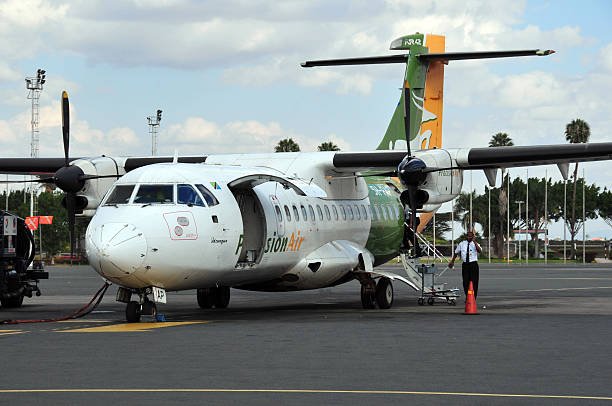
We Are Arriving At Kilimanjaro Airport, What Safari Itinerary Should We Do?
Planning your safari upon arrival at Kilimanjaro Airport (JRO)? This guide provides tailored safari itineraries for 2026-2027, focusing on Northern Tanzania's iconic parks like the...
View package details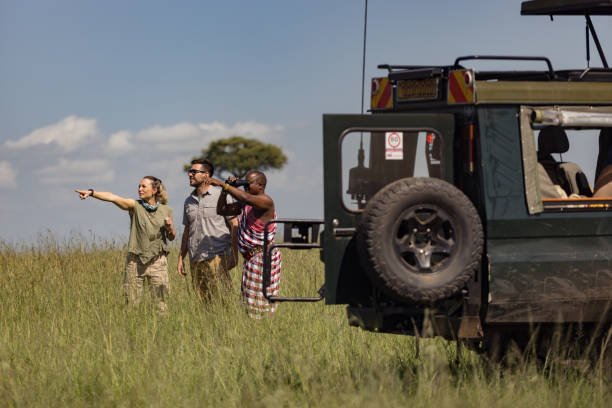
Joining Group Climbs On Kilimanjaro When Traveling Alone In 2026-2027
Traveling to Kilimanjaro alone? Discover how you can easily join an existing group climb, making your solo adventure more social and cost-effective for 2026-2027. Learn about departure...
View package details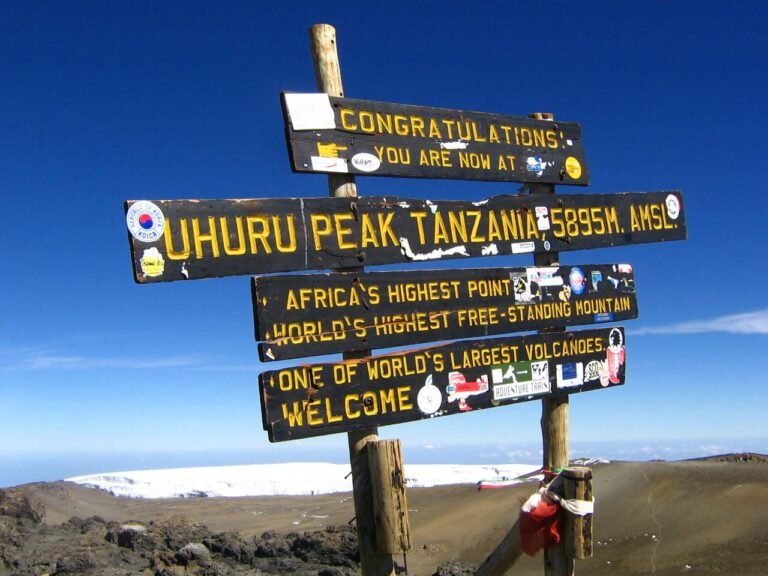
What Does Kilimanjaro Rainforest Look Like? A Trekkers Visual Guide 2026-2027
The Kilimanjaro rainforest is a vibrant, humid zone of dense vegetation, towering trees, and diverse plant life found on the mountain's lower slopes. It's the first major ecosystem trekkers...
View package details
Kilimanjaro Climb With A Personal Support Assistant: Your Ultimate Guide
Climbing Mount Kilimanjaro with a personal support assistant offers unparalleled safety, comfort, and focus on your summit goals. This guide details what a personal assistant entails, its...
View package details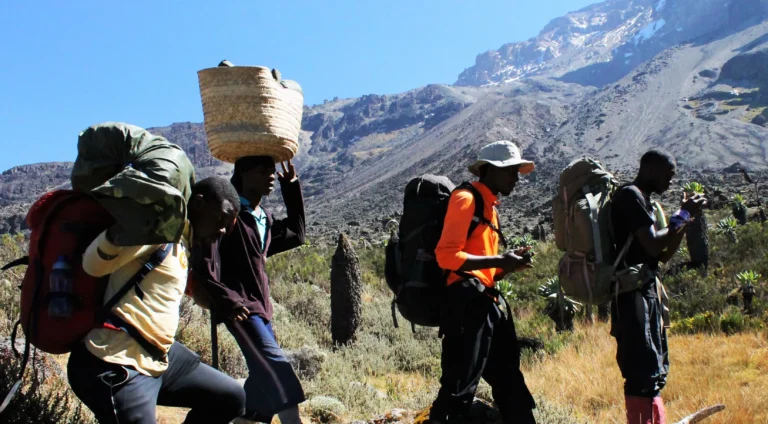
How To Know Whether You Are Ready For Kilimanjaro: A Comprehensive Guide
Climbing Mount Kilimanjaro is a significant undertaking. This guide helps you evaluate your physical, mental, and logistical readiness to ensure a safe and successful trek in 2026 or 2027...
View package details
Kilimanjaro Hydration Mistakes Climbers Make And How To Avoid Them 2026-2027
Proper hydration is critical for a successful Kilimanjaro climb. This guide details common hydration mistakes climbers make, from under-drinking to choosing the wrong fluids, and provides...
View package detailsWhich Local Tanzania Safari Companies Are Trustworthy In ? 2026-2027
Choosing a trustworthy local Tanzania safari company is crucial for a memorable and safe adventure. This guide helps you identify reliable operators for your 2026-2027 trip, covering...
View package detailsNo related package matches those filters. Clear one or more filters to see the other topic-matched options.



