
Updated planning guide for 2026-2027
6-Day Family Kilimanjaro Trek — Kid-Friendly Itinerary Guide
Discover a practical guide to a 6-day family Kilimanjaro trek with a kid-friendly itinerary. Learn about preparation, routes, safety, and what to expect for your 2026-2027 journey.
WhatsApp +255616946642 | topguideadventures@gmail.com | info@topguideadventures.com
6-Day Family Kilimanjaro Trek: Kid-Friendly Itinerary Essential Guide
Considering a 6-day family Kilimanjaro trek for an unforgettable adventure? Climbing Kilimanjaro with children is a remarkable feat, and with the right approach, it can be an incredibly rewarding experience for the whole family. This guide provides a detailed look at a kid-friendly itinerary, preparation tips, safety considerations, and everything you need to know for a successful 2026-2027 trek.
While Kilimanjaro is Africa’s highest peak, its accessibility via well-established routes means that with careful planning and a suitable itinerary, even younger adventurers can reach the summit. A 6-day trek is often considered the minimum viable duration for Kilimanjaro, and for families, it offers a balance between challenge and manageable acclimatization. This guide focuses on making that shorter trek achievable and enjoyable for families.
Quick Facts: 6-Day Family Kilimanjaro Trek
| Feature | Details |
|---|---|
| Mountain | Mount Kilimanjaro, Tanzania |
| Highest Point | Uhuru Peak (5,895m / 19,341ft) |
| Typical Duration | 6-9 days (this guide focuses on 6 days) |
| Kid-Friendly Route Focus | Marangu (often called the Coca-Cola route) or Machame (modified for pace) |
| Difficulty | Challenging, but achievable with proper preparation and pace |
| Best Time to Trek | January-March and June-October (dry seasons) |
| Age Recommendation | Generally 10+ years, but depends on child’s fitness and maturity |
| Accommodation | Huts (Marangu) or Camping (other routes) |
Understanding the 6-Day Kilimanjaro Trek for Families
A 6-day Kilimanjaro trek is at the shorter end of the recommended durations. For families, this means careful consideration of the chosen route and a commitment to a slower, more deliberate pace. The primary goal is not just to reach the summit, but to ensure the safety, health, and enjoyment of every family member. This itinerary prioritizes acclimatization over speed.
When considering a 6-day family Kilimanjaro trek, the Marangu route is often highlighted for its use of dormitory-style huts, which can feel more comfortable and secure for families compared to camping. However, the Marangu route has a lower success rate due to its rapid ascent profile. Therefore, even on a 6-day trek, it’s crucial to select a route that allows for gradual acclimatization. Some operators may offer modified versions of routes like Machame or Lemosho for families, ensuring sufficient rest days and shorter daily hiking distances.
Why Choose a 6-Day Family Trek?
- Time Efficiency: For families with limited vacation time, a 6-day trek fits into a more manageable schedule.
- Introduction to High-Altitude Trekking: It serves as an excellent introduction to high-altitude environments for children and teens.
- Shared Achievement: Completing a Kilimanjaro trek together builds incredible family bonds and a shared sense of accomplishment.
- Focus on Experience: A shorter trek can encourage a focus on the journey, the scenery, and the camaraderie rather than just the summit.
Choosing the Right Route for a Kid-Friendly 6-Day Kilimanjaro Trek
Selecting the appropriate route is paramount for a successful and safe family trek. For a 6-day itinerary, the options are limited, and the focus must be on acclimatization. The Marangu route is often suggested for its huts, but its rapid ascent is a significant drawback for family trekking. A modified Machame route or a very specific 6-day Lemosho itinerary might be more suitable, though these are less common and require a highly reputable operator.
The Marangu Route (Coca-Cola Route)
Pros for Families:
- Uses comfortable hut accommodation, eliminating the need for camping gear and providing a more stable sleeping environment.
- Generally considered less physically demanding in terms of terrain.
- Often has more established facilities and a higher volume of trekkers, which can feel safer for some families.
Cons for Families:
- The standard 6-day itinerary has a very fast ascent profile, leading to poor acclimatization and a lower success rate.
- The descent is on the same path, meaning you don’t experience different scenery on the way down.
- Can feel more crowded.
For a 6-day Marangu trek to be kid-friendly, an operator must emphasize a very slow pace, and it’s often recommended to add an extra day to make it a 7-day trek for better acclimatization.
The Machame Route (Whiskey Route) – Modified for 6 Days
Pros for Families:
- Higher success rates due to its ‘climb high, sleep low’ acclimatization profile.
- Offers more scenic variety than Marangu.
- Generally considered more visually appealing.
Cons for Families:
- Requires camping, meaning more gear and potentially less comfort than huts.
- The standard Machame is 7 days, so a 6-day version will be very fast-paced and potentially push acclimatization limits for children.
- Steeper sections, especially on the Barranco Wall.
A 6-day Machame trek for families is only advisable if the operator specifically designs it with extremely short hiking days and emphasizes a slow, steady pace. It’s generally better suited for 7 days.
Considerations for a 6-Day Itinerary
Given the constraints of a 6-day trek, the absolute priority is acclimatization. This means a slower pace, shorter hiking days, and a route that facilitates ‘climb high, sleep low’ principles where possible. For families, comfort and safety are paramount. If choosing a camping route, ensure high-quality tents and experienced guides who are adept at managing children’s needs.
Sample 6-Day Family Kilimanjaro Trek Itinerary (Marangu Route Focus)
This sample itinerary focuses on the Marangu route, often chosen for its hut accommodation. However, it incorporates a slower pace and emphasizes acclimatization. For a truly optimized family experience, extending this to 7 days is highly recommended. This 6-day version is aggressive and requires careful monitoring of children’s well-being.
| Day | Route Stage | Altitude Gain | Approx. Hiking Time | Accommodation | Notes for Families |
|---|---|---|---|---|---|
| Day 1 | Marangu Gate (1,860m) to Mandara Huts (2,700m) | +840m | 4-5 hours | Huts | Start slow and steady. Focus on hydration and enjoying the rainforest. Shorter day to ease into the trek. |
| Day 2 | Mandara Huts (2,700m) to Horombo Huts (3,720m) | +1,020m | 6-7 hours | Huts | Significant altitude gain. Take frequent breaks. Encourage children to eat and drink. Monitor for any signs of altitude sickness. |
| Day 3 | Acclimatization Day: Horombo Huts (3,720m) | – | 2-3 hours (optional hike) | Huts | Crucial acclimatization. Hike to Zebra Rocks (3,900m) and back. Focus on ‘pole pole’ (slowly, slowly). Rest and hydrate. This day is vital for a 6-day trek. |
| Day 4 | Horombo Huts (3,720m) to Kibo Huts (4,720m) | +1,000m | 7-8 hours | Huts | Longest day before summit. Pace is critical. Children may feel the altitude significantly. Ensure guides are experienced with pediatric altitude sickness. |
| Day 5 | Summit Attempt: Kibo Huts (4,720m) to Uhuru Peak (5,895m) and down to Horombo Huts (3,720m) | +1,175m / -2,175m | 10-12 hours (summit day) | Huts | Start midnight. Extreme cold and altitude. Constant encouragement. Turn back if any child is struggling severely. Descend to Horombo for much-needed rest. This is a very demanding day for anyone, especially children. |
| Day 6 | Horombo Huts (3,720m) to Marangu Gate (1,860m) | -1,860m | 5-6 hours | N/A (Return to Hotel) | Long descent. Celebrate the achievement! Reflect on the journey. Ensure proper rehydration. |
Important Note on This 6-Day Itinerary:
This 6-day Marangu itinerary is aggressive. The acclimatization day (Day 3) is essential and cannot be skipped. Many operators recommend a 7-day Marangu trek for better acclimatization, especially for families. If you are considering a 6-day trek, ensure your chosen operator has extensive experience with family treks and can adapt to the pace required for children.
Preparing Your Family for Kilimanjaro
Preparation is key for any Kilimanjaro trek, but especially so when children are involved. The physical and mental demands of high-altitude trekking require thorough preparation. Start planning at least 6-12 months in advance.
Physical Training
- Cardiovascular Fitness: Regular aerobic exercise like running, swimming, cycling, and hiking is crucial. Aim for 3-4 sessions per week.
- Strength Training: Focus on leg and core strength. Squats, lunges, and step-ups are beneficial.
- Hiking Practice: The most important training is hiking. Gradually increase the duration and difficulty of your hikes. Include hikes with significant elevation gain, carrying a daypack.
- Practice with Gear: Wear your hiking boots and backpack on training hikes to break them in and get used to the weight.
Mental Preparation
- Set Realistic Expectations: Discuss the challenges of altitude, cold, and long hiking days with your children.
- Build Excitement: Watch documentaries, read books about Kilimanjaro, and talk about the amazing experience they will have.
- Focus on Teamwork: Emphasize that the family will support each other throughout the trek.
Health and Medical Considerations
- Consult a Doctor: Schedule a pre-trek medical check-up for all family members. Discuss altitude sickness and get advice on preventative medication like Diamox.
- Vaccinations: Ensure all routine vaccinations are up to date. Consult your doctor about recommended travel vaccinations for Tanzania.
- First-Aid Kit: Pack a comprehensive family first-aid kit, including blister treatment, pain relievers, antiseptic wipes, bandages, and any personal medications.
What to Expect on a 6-Day Family Kilimanjaro Trek
The Kilimanjaro experience is unique and can be challenging, especially at altitude. Understanding what to expect helps manage expectations and prepare for the journey.
Altitude Sickness (AMS)
Acute Mountain Sickness (AMS) is the most common ailment on Kilimanjaro. Symptoms include headache, nausea, dizziness, and fatigue. The best prevention is a slow ascent and adequate hydration. For children, symptoms can be harder to detect. It’s vital to communicate openly with your children and guides about how they are feeling. Operators will have protocols for managing AMS, which may include medication, rest, or descent.
Daily Trekking Life
- Wake-up Calls: Usually early, around 6-7 AM.
- Breakfast: A hearty meal to fuel the day’s trek.
- Hiking: Typically 5-8 hours per day, depending on the stage. The pace is slow and steady (‘pole pole’).
- Lunch: Packed lunches are common, enjoyed during a break on the trail.
- Arrival at Camp/Hut: Usually in the afternoon.
- Rest and Hydration: Crucial for acclimatization.
- Dinner: A communal meal, often followed by a briefing for the next day.
- Sleep: Early to bed to conserve energy.
The Summit Night
Summit night is the most challenging part of the trek. It involves an early morning start (around midnight), hiking in the dark with headlamps, and ascending steeply in extreme cold. The thin air makes every step an effort. For children, this is particularly demanding. The focus must be on their well-being. If a child is struggling significantly, the decision to turn back must be made without hesitation.
Packing List for a 6-Day Family Kilimanjaro Trek
Proper gear is essential for comfort and safety. Layering is key to managing temperature changes. Here’s a comprehensive packing list:
Clothing (Layering System)
- Base Layers: Moisture-wicking thermal tops and bottoms (merino wool or synthetic). 2-3 sets.
- Mid Layers: Fleece jacket or insulated jacket for warmth. 1-2.
- Outer Layer (Shell): Waterproof and windproof jacket and trousers.
- Insulated Jacket: A warm down or synthetic puffy jacket for evenings and summit night.
- Trekking Trousers: Comfortable, quick-drying hiking pants. 2 pairs.
- Trekking Shirts: Long-sleeved and short-sleeved moisture-wicking shirts. 3-4.
- Socks: Wool or synthetic hiking socks. 5-7 pairs.
- Underwear: Moisture-wicking.
Footwear
- Hiking Boots: Waterproof, broken-in, mid-to-high ankle support.
- Camp Shoes: Comfortable shoes or sandals for evenings.
- Gaiters: To keep mud and stones out of boots.
Headwear & Handwear
- Warm Hat: Fleece or wool, covers ears.
- Sun Hat: Wide-brimmed for sun protection.
- Balaclava or Buff: For face protection against wind and cold.
- Gloves: Lightweight liner gloves and warm, waterproof outer gloves or mittens.
Gear & Equipment
- Backpack: 30-40 liter daypack for carrying essentials during the day.
- Duffel Bag: 70-90 liter waterproof duffel bag for porters to carry.
- Sleeping Bag: Rated to -15°C (0°F). Consider a liner for extra warmth.
- Trekking Poles: Highly recommended for stability and reducing knee strain.
- Headlamp: With extra batteries. Essential for summit night.
- Water Bottles/Hydration Reservoir: At least 2-3 liters capacity. Insulated covers recommended for cold.
- Sunglasses: High UV protection.
- Sunscreen: High SPF.
- Lip Balm: With SPF.
- Insect Repellent: Especially for lower altitudes.
- Personal First-Aid Kit: As mentioned above.
- Toiletries: Biodegradable soap, toothbrush, toothpaste, wet wipes, hand sanitizer.
- Camera: With extra batteries and memory cards.
- Power Bank: To charge electronic devices.
- Snacks: High-energy snacks your children enjoy (chocolate, nuts, dried fruit, energy bars).
- Book/Journal: For downtime.
- Passport and Visa: Keep in a waterproof bag.
- Cash: For tips and personal expenses.
Important Note for Children:
Ensure children have comfortable, well-fitting gear. Special attention should be paid to their boots, gloves, and hats, as they can be more susceptible to cold.
Safety First: Prioritizing Family Well-being
Safety is the absolute top priority on any Kilimanjaro trek, and even more so with children. Reputable tour operators will have stringent safety protocols in place.
Choosing a Reputable Operator
When booking your 6-day family Kilimanjaro trek, select a tour operator that:
- Has extensive experience with family treks and children on Kilimanjaro.
- Employs certified, experienced guides trained in high-altitude medicine and first aid.
- Has a clear emergency evacuation plan and potentially access to oxygen on the mountain.
- Provides sufficient porters and cooks to ensure a comfortable experience.
- Prioritizes slow pacing and acclimatization, even on shorter itineraries.
Guide’s Role
Your guides are your lifeline on the mountain. They are trained to:
- Monitor trekkers for signs of altitude sickness.
- Manage pace and ensure ‘pole pole’ is maintained.
- Make critical decisions regarding safety and descent if necessary.
- Provide encouragement and support.
Communication with Children
Encourage your children to communicate openly about how they are feeling. Don’t let them feel pressured to hide symptoms. Regular check-ins from parents and guides are essential.
Emergency Procedures
Understand the operator’s emergency procedures. This typically involves rapid descent, evacuation by stretcher if needed, and potentially helicopter evacuation for critical situations. Ensure you have adequate travel insurance that covers high-altitude trekking and emergency evacuation.
Who is a 6-Day Family Kilimanjaro Trek Best For?
This type of trek is suitable for families with children who:
- Are at least 10-12 years old (though some operators may accept younger children on a case-by-case basis, it’s generally not recommended for a 6-day trek).
- Are in good physical condition and have participated in regular physical activity.
- Have prior hiking experience, ideally with some elevation gain.
- Are mentally prepared for the challenges of altitude, cold, and basic living conditions.
- Are adventurous and eager to experience a unique challenge together.
- Have a flexible attitude and can adapt to changing conditions or decisions made for safety.
It is generally not recommended for families with very young children, children with pre-existing medical conditions, or those who are not accustomed to physical exertion.
Common Mistakes to Avoid on a Family Kilimanjaro Trek
Avoiding common pitfalls can significantly improve the chances of a successful and enjoyable trek for the whole family.
- Rushing the Ascent: Trying to push too fast is the number one cause of altitude sickness. Always prioritize ‘pole pole’.
- Inadequate Preparation: Not training sufficiently or not breaking in hiking boots.
- Poor Hydration: Not drinking enough water is a major contributor to altitude sickness.
- Ignoring Symptoms: Dismissing signs of altitude sickness in oneself or one’s children.
- Packing Inappropriately: Not having the right gear, especially for layering and warmth.
- Choosing the Wrong Route/Duration: Opting for a too-short or too-fast itinerary like a standard 6-day trek without modifications.
- Not Listening to Guides: Overriding the advice of experienced guides.
- Lack of Communication: Not fostering an environment where children feel comfortable expressing concerns.
Alternatives to a 6-Day Kilimanjaro Trek
If a 6-day Kilimanjaro trek feels too ambitious for your family, or if you’re looking for slightly less intense high-altitude experiences, consider these alternatives:
Longer Kilimanjaro Treks
7-Day or 8-Day Treks: These longer itineraries (e.g., 7-day Machame, 7-day Lemosho, 8-day Lemosho) offer significantly better acclimatization and higher success rates. They are generally more suitable for families, even with children, as they allow for a more relaxed pace.
Mount Meru Trek
Mount Meru is a beautiful volcanic mountain near Kilimanjaro. It’s often used as a training climb for Kilimanjaro. A 3-4 day trek is achievable and offers stunning views and wildlife sightings in its lower reaches. It’s a good option for families looking for a high-altitude challenge without the extreme height of Kili.
Mount Kenya Treks
While Mount Kenya’s highest peaks require technical climbing, its lower peaks like Point Lenana (4,985m) can be reached via trekking. Some routes are suitable for fit trekkers and can be completed in 4-5 days, offering a challenging yet rewarding experience with diverse scenery.
Safari and Cultural Experiences
Tanzania offers incredible safari experiences in parks like the Serengeti and Ngorongoro Crater. Combining a shorter, less demanding trek with a safari can be a fantastic family adventure, offering diverse experiences without the extreme physical demands of Kilimanjaro.
Planning Your 2026-2027 Family Kilimanjaro Trek
Planning ahead is crucial for a successful 6-day family Kilimanjaro trek, especially with the target years of 2026-2027. Booking early secures preferred dates and operators.
Best Time to Trek in 2026-2027
The best times to climb Kilimanjaro are during the dry seasons:
- January to March: Generally dry and clear, though can be cold at higher altitudes.
- June to October: The longest dry season, with pleasant temperatures but can be busier.
Avoid the rainy seasons (April-May and November-early December) for a more comfortable trek.
Booking Timeline for 2026-2027
12-18 Months Before: Research tour operators, discuss options with your family, and start physical training. Book your trek.
6-12 Months Before: Continue training. Purchase essential gear like hiking boots and backpack. Finalize travel insurance.
3-6 Months Before: Focus on consistent training. Acquire remaining gear. Confirm flight bookings.
1-3 Months Before: Intensify training. Pack your duffel bag and daypack. Get any necessary vaccinations.
1-2 Weeks Before: Final packing. Double-check all gear. Confirm all travel arrangements.
Booking your 6-day family Kilimanjaro trek well in advance for 2026-2027 will give you peace of mind and the best selection of dates and guides.
Booking Your Family Kilimanjaro Trek: What to Look For
When selecting a tour operator for your family’s Kilimanjaro adventure, consider these factors:
Operator Credentials and Experience
- Local vs. International: Local Tanzanian operators often offer better value and more authentic experiences. Ensure they are government-licensed and have a proven track record.
- Safety Record: Inquire about their safety protocols, emergency procedures, and guide training.
- Reviews and Reputation: Look for independent reviews, particularly from families.
Inclusions and Exclusions
Understand what is included in the price. Typically, this includes:
- Park fees
- Guides, porters, and cook salaries
- All meals on the mountain
- Accommodation on the mountain (huts or camping equipment)
- Ground transport to and from the mountain
- Water and purification
Exclusions often include:
- Flights to Kilimanjaro International Airport (JRO)
- Visa fees
- Travel insurance
- Tips for guides, porters, and cooks
- Personal gear (sleeping bag, clothing, etc.)
- Lunches and dinners before/after the trek
- Alcoholic beverages and bottled water (unless specified)
Customization for Families
A good operator will be willing to customize the itinerary, pace, and even menu to suit your family’s needs. Discuss your children’s ages, fitness levels, and any dietary requirements.
Ready to plan your family’s Kilimanjaro adventure for 2026-2027? Contact us to discuss a tailored 6-day family Kilimanjaro trek itinerary.
Contact Us for Your Family Kilimanjaro Trek:
WhatsApp: +255616946642
Email: topguideadventures@gmail.com
Backup Email: info@topguideadventures.com
We specialize in creating safe, memorable, and fun Kilimanjaro treks for families. Let us help you plan an unforgettable experience!
Frequently Asked Questions (FAQs)
Q1: What is the minimum age for a child to trek Kilimanjaro?
While there’s no official age limit set by the park, most reputable tour operators recommend a minimum age of 10 or 12 years for a 6-day family Kilimanjaro trek. This is due to the physical demands and the risks associated with altitude sickness. The child’s maturity, physical fitness, and prior hiking experience are critical factors.
Q2: Is a 6-day Kilimanjaro trek enough for acclimatization, especially for children?
A 6-day trek is the minimum duration and is considered aggressive for acclimatization. It carries a higher risk of altitude sickness compared to longer treks. For families, it’s strongly recommended to opt for a 7-day or 8-day itinerary to allow for better acclimatization, reduced risk, and a more enjoyable experience. If a 6-day trek is the only option, ensure the route chosen and the operator’s pace are specifically designed for slow acclimatization.
Q3: How can I prepare my child for the altitude?
The best preparation for altitude is physical fitness and gradual ascent. Ensure your child is well-hydrated during the trek, eats well, and gets enough rest. Practicing hiking at higher elevations if possible, or at least engaging in consistent cardiovascular and strength training, will help their body cope. Discussing altitude sickness openly and teaching them to communicate any symptoms is also vital.
Q4: What are the risks of altitude sickness in children?
Children may have difficulty articulating their symptoms clearly. They can be more susceptible to severe forms of altitude sickness. Symptoms can include headache, nausea, vomiting, loss of appetite, dizziness, and unusual fatigue or irritability. It’s crucial for parents and guides to constantly monitor children for any changes in behavior or physical condition. Prompt recognition and action, including descent if necessary, are key.
Q5: Which Kilimanjaro route is best for a family on a 6-day trek in 2026-2027?
For a 6-day trek, the Marangu route is often chosen for its hut accommodation, which can be more comfortable for families. However, its rapid ascent is a drawback. A carefully managed 6-day Machame route, or a specifically designed itinerary by an experienced operator focusing on slow pace and ‘climb high, sleep low’, might be considered. For families, a 7-day Machame or Lemosho route is generally a safer and more recommended option.
Q6: What kind of gear is essential for children on Kilimanjaro?
Children need the same layering system as adults: moisture-wicking base layers, warm mid-layers, and waterproof/windproof outer shells. Crucially, they need good quality, waterproof, insulated gloves and mittens, a warm hat that covers their ears, and well-fitting, broken-in waterproof hiking boots. High SPF sunscreen, lip balm, and sunglasses are also vital.
Q7: How much should we tip the crew on Kilimanjaro?
Tipping is customary and a significant part of the crew’s income. Tour operators usually provide recommended tipping guidelines, often broken down per crew member (guide, assistant guide, cook, porter). For a 6-day trek, expect to tip around $200-300 USD per trekker, distributed among the team. It’s best to tip at the end of the trek, usually at the final hotel. Always use crisp USD bills.
Q8: Can we use Diamox (Acetazolamide) for altitude sickness on children?
Diamox can be prescribed for children to help with acclimatization, but it must be done under the strict guidance of a doctor. They will determine the correct dosage based on the child’s age and weight and discuss potential side effects. It is not a substitute for slow ascent and proper acclimatization but can aid the process.
Q9: What if my child gets sick or injured on the mountain?
Reputable operators have emergency protocols. Guides are trained to assess the situation and administer first aid. If necessary, they will arrange for the child to be carried down by porters or evacuated. Having comprehensive travel insurance that covers high-altitude trekking and emergency medical evacuation is non-negotiable for families.
Q10: What is the food like on Kilimanjaro for families?
Meals on Kilimanjaro are generally nutritious and filling, prepared by cooks. Expect a variety of carbohydrates, proteins, and vegetables. Breakfast might include porridge, eggs, or pancakes. Lunches are often packed meals like sandwiches or rice dishes. Dinners can include soups, stews, pasta, or rice with meat or vegetables. Operators can usually cater to specific dietary needs, so communicate this in advance. High-energy snacks that your children enjoy are also very useful.
Your Unforgettable 6-Day Family Kilimanjaro Trek Awaits!
Planning a 6-day family Kilimanjaro trek is a significant undertaking, but with the right preparation and a trusted partner, it can be an incredibly rewarding experience for your family. We are dedicated to ensuring the safety, enjoyment, and success of your Kilimanjaro adventure.
Let us help you craft the perfect itinerary for 2026-2027, focusing on your family’s specific needs and ensuring a memorable journey up Africa’s highest peak.
Contact us today to discuss your 6-day family Kilimanjaro trek:
WhatsApp: +255616946642
Email: topguideadventures@gmail.com
Backup Email: info@topguideadventures.com
We look forward to helping you achieve this incredible family goal!
Joining Group Climbs On Kilimanjaro When Traveling Alone In 2026-2027
Traveling to Kilimanjaro alone? Discover how you can easily join an existing group climb, making your solo adventure more social and cost-effective for 2026-2027. Learn about departure...
View package details
Kilimanjaro Climb With A Personal Support Assistant: Your Ultimate Guide
Climbing Mount Kilimanjaro with a personal support assistant offers unparalleled safety, comfort, and focus on your summit goals. This guide details what a personal assistant entails, its...
View package details
How To Know Whether You Are Ready For Kilimanjaro: A Comprehensive Guide
Climbing Mount Kilimanjaro is a significant undertaking. This guide helps you evaluate your physical, mental, and logistical readiness to ensure a safe and successful trek in 2026 or 2027...
View package details
Kilimanjaro Hydration Mistakes Climbers Make And How To Avoid Them 2026-2027
Proper hydration is critical for a successful Kilimanjaro climb. This guide details common hydration mistakes climbers make, from under-drinking to choosing the wrong fluids, and provides...
View package details
We Are Arriving At Kilimanjaro Airport, What Safari Itinerary Should We Do?
Planning your safari upon arrival at Kilimanjaro Airport (JRO)? This guide provides tailored safari itineraries for 2026-2027, focusing on Northern Tanzania's iconic parks like the...
View package details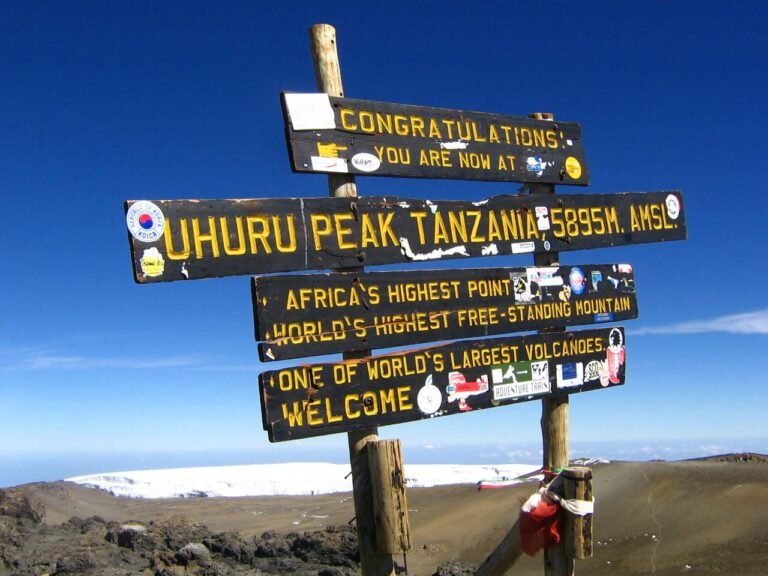
What Does Kilimanjaro Rainforest Look Like? A Trekkers Visual Guide 2026-2027
The Kilimanjaro rainforest is a vibrant, humid zone of dense vegetation, towering trees, and diverse plant life found on the mountain's lower slopes. It's the first major ecosystem trekkers...
View package detailsWhich Local Tanzania Safari Companies Are Trustworthy In ? 2026-2027
Choosing a trustworthy local Tanzania safari company is crucial for a memorable and safe adventure. This guide helps you identify reliable operators for your 2026-2027 trip, covering...
View package detailsNo related package matches those filters. Clear one or more filters to see the other topic-matched options.
Plan your 6-Day Family Kilimanjaro Trek — Kid-Friendly Itinerary with Top Guide Adventures
Tell us your travel dates, group size, comfort level, and dream experience. We will help you shape a clear, realistic, and memorable Tanzania itinerary.



