
Updated planning guide for 2026-2027
5-Day Cultural Homestay & Village Trek In Masai Region: Expert Trekking Guide
Discover the heart of Maasai culture with a 5-day homestay and village trek. This comprehensive guide covers everything from planning and itineraries to cultural insights and practical tips for your 2026-2027 adventure.
WhatsApp +255616946642 | topguideadventures@gmail.com | info@topguideadventures.com
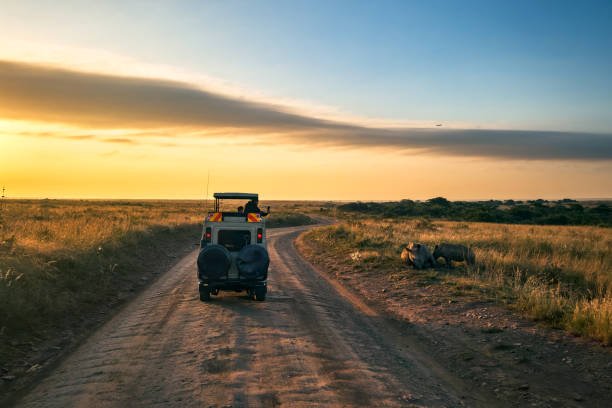
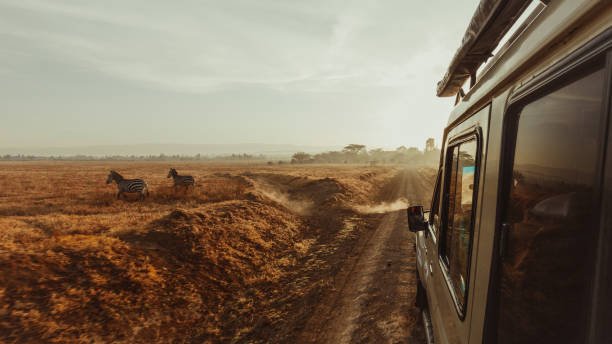
Your Essential Guide to a 5-Day Cultural Homestay & Village Trek in the Masai Region
Imagine waking to the sounds of the African savanna, sharing stories around a crackling fire, and walking ancient paths alongside the proud Maasai people. A 5-day cultural homestay and village trek in the Masai Region offers a profound connection to one of Africa’s most iconic cultures. This isn’t just a trip; it’s an immersive experience that goes beyond typical safari tours, allowing you to witness daily life, traditions, and the breathtaking landscapes of northern Tanzania through the eyes of its original stewards.
This detailed guide is designed for travelers seeking an authentic and enriching encounter. We’ll cover what to expect, how to prepare, potential itineraries, cultural etiquette, and practical considerations for planning your 2026-2027 journey. Whether you’re an experienced trekker or new to cultural immersion, this resource will equip you to make the most of this extraordinary adventure.
Quick Facts About the 5-Day Cultural Homestay & Village Trek
| Aspect | Details |
|---|---|
| Duration | 5 Days / 4 Nights |
| Location | Masai Region, Northern Tanzania (e.g., near Arusha, Manyara, or Ngorongoro Conservation Area peripheries) |
| Primary Activities | Homestay with Maasai families, guided village walks, cultural exchanges, learning traditional skills, short treks through savanna/semi-arid landscapes. |
| Accommodation | Traditional Maasai bomas (huts) or basic guesthouses within villages. |
| Best Time to Visit | Dry seasons: June to October and December to February. |
| Physical Fitness | Moderate; involves walking on uneven terrain. |
| Cultural Sensitivity | High importance; respect for customs and traditions is paramount. |
Understanding the 5-Day Cultural Homestay & Village Trek Experience
A 5-day cultural homestay and village trek in the Masai Region is fundamentally different from a standard safari. While safaris focus on wildlife viewing from vehicles, this experience places you directly within a community. You’ll live alongside Maasai families, participate in their daily routines, and learn about their rich heritage firsthand. The trekking component typically involves guided walks through the surrounding areas, offering insights into the Maasai’s traditional knowledge of the land, medicinal plants, and their relationship with the environment.
This type of travel fosters genuine human connection. It provides an opportunity to understand the challenges and joys of life in a Maasai village, to witness their resilience, and to appreciate their enduring cultural practices. It’s an educational journey that promotes cultural understanding and responsible tourism.
Why Choose a Cultural Homestay & Village Trek?
- Authentic Immersion: Live with Maasai families, eat their food, and participate in daily activities.
- Deep Cultural Understanding: Learn directly from elders and community members about their history, beliefs, and way of life.
- Support Local Communities: Your visit directly contributes to the economic well-being of the host families and villages.
- Unique Perspectives: See the Tanzanian landscape through the lens of its indigenous inhabitants.
- Meaningful Connections: Forge genuine relationships with people, creating lasting memories.
- Off-the-Beaten-Path: Experience a side of Tanzania often missed by mainstream tourists.
Best Time for Your Masai Cultural Trek in 2026-2027
The ideal time for a 5-day cultural homestay and village trek in the Masai Region aligns with Tanzania’s dry seasons. These periods offer more comfortable trekking conditions and clearer skies.
| Season | Months | Pros | Cons |
|---|---|---|---|
| Long Dry Season | June – October | Pleasant temperatures, minimal rain, ideal for walking and wildlife viewing (if combined with safari elements). This is peak tourist season. | Higher demand, potentially busier areas. |
| Short Rains | November | Landscapes become greener, fewer tourists. | Unpredictable rainfall can disrupt trekking. |
| Short Dry Season | December – February | Warm, sunny days, can be good for trekking. | Can be hot, especially in January and February. |
| Long Rains | March – May | Lush green scenery, very few tourists, lower prices. | Heavy rainfall can make trekking difficult and roads impassable. |
For a 5-day cultural homestay and village trek, the long dry season (June-October) and the short dry season (December-February) are generally recommended for 2026 and 2027. If you don’t mind occasional light showers and prefer fewer crowds, November or early March can also be viable. Avoid the peak of the long rains (April-May) if possible.
Sample Itinerary: 5-Day Cultural Homestay & Village Trek
This is a sample itinerary. Actual experiences can vary based on the specific community, your pace, and the interests of your hosts. This plan focuses on immersion and learning.
| Day | Morning | Afternoon | Evening |
|---|---|---|---|
| Day 1: Arrival & Welcome to the Boma | Arrive in Arusha or nearest town. Meet your guide. Drive to the selected Maasai village. Initial introductions and welcome ceremony. | Settle into your allocated traditional hut (boma). Brief orientation to village life and customs. Learn about the structure of a Maasai family and their homes. | Participate in preparing a traditional Maasai meal. Share dinner with your host family. Learn basic greetings and phrases. Storytelling around the fire. |
| Day 2: Daily Life & Village Exploration | Wake early. Assist with morning chores like fetching water or tending to livestock. Learn about traditional Maasai diet and food preparation. | Guided walk around the village. Visit the elder’s homestead. Learn about Maasai social structure, roles of men and women, and education system. Observe or participate in beadwork. | Learn about traditional Maasai music and dance. Participate in a communal dance if invited. Dinner with the family. Discuss daily observations and learnings. |
| Day 3: Trekking & Traditional Skills | After breakfast, set out on a guided trek into the surrounding landscape. Learn about local flora and fauna, medicinal plants, and tracking techniques. | Continue trek, perhaps to a scenic viewpoint or a water source. Learn about traditional Maasai hunting (historical context) and survival skills. Packed lunch amidst nature. | Return to the village. Participate in learning a traditional Maasai skill, such as making fire with sticks, preparing ochre for body paint, or learning basic spear throwing techniques. |
| Day 4: Community Engagement & Cultural Exchange | Visit the local school (if accessible and appropriate) to understand the educational aspects for Maasai children. Engage in simple activities or observe classes. | Participate in a community activity, which might include helping with livestock herding, assisting in building or repairing a boma, or learning about traditional Maasai crafts in more detail. | Farewell dinner and cultural performance. Share your experiences and express gratitude. Receive blessings or well wishes from the elders. |
| Day 5: Departure & Reflection | Enjoy a final Maasai breakfast. Opportunity for last-minute souvenir shopping (crafts made by the women). | Bid farewell to your host family and the village. Drive back to Arusha or your next destination, reflecting on the profound cultural insights gained. | — |
Understanding the Route and Area
The Masai Region is vast, encompassing areas within and around national parks like Tarangire, Lake Manyara, and the Ngorongoro Conservation Area, as well as private conservancies and community lands. For a 5-day cultural homestay and village trek, tours typically focus on communities located on the peripheries of these protected areas or in designated cultural tourism zones. These locations offer a blend of traditional Maasai life and accessible natural landscapes.
General Geographical Overview:
| Region | Key Characteristics | Proximity to Cultural Sites |
|---|---|---|
| Arusha Region | Gateway to Northern Circuit safaris. Varied landscapes from fertile highlands to dry savanna. | Several Maasai communities are accessible within a few hours’ drive, offering cultural visits and homestays. |
| Manyara Region | Home to Lake Manyara National Park. Known for its rift valley escarpment and diverse ecosystems. | Areas south and west of the park host Maasai communities involved in cultural tourism initiatives. |
| Ngorongoro Conservation Area (NCA) | Iconic crater, diverse wildlife, and significant Maasai population living alongside wildlife. | Maasai villages are situated within the NCA, offering opportunities for cultural interaction, though often integrated with safari itineraries. Trekking may be more restricted in certain zones. |
| Simanjiro District (Manyara/Arusha) | Expansive savanna plains, traditional Maasai lands. | This area is a heartland for Maasai culture and is a prime location for authentic homestays and village treks away from major tourist hubs. |
Your trek will likely involve walking on dusty, uneven terrain, crossing dry riverbeds, and traversing open grasslands. The views are expansive, often dotted with acacia trees and distant mountains.
What to Expect During Your Homestay and Trek
This experience is about authenticity, which means embracing simplicity and cultural differences. It’s crucial to set expectations correctly for a 2026-2027 trip.
Accommodation
You will stay in a traditional Maasai boma, usually a circular dwelling made of mud, dung, and thatch. These are simple, often dark, and may not have electricity or running water. Expect a basic bed, perhaps a mattress on the floor, and shared bathing facilities (often a bucket shower) and pit latrines outside the boma. It’s cozy and communal, offering a genuine glimpse into daily life.
Food
Meals are prepared by your host family using local ingredients. This typically includes ugali (a stiff maize porridge), beans, vegetables, and sometimes goat meat. If you have dietary restrictions, inform your tour operator well in advance. Milk and milk products are staples, and you might be offered traditional fermented milk (mala).
Daily Activities
Expect to be involved. Mornings often start early with chores. You might help herd cattle, collect firewood, or assist in food preparation. The treks are guided and focus on learning about the environment, local plants, and traditional Maasai practices. Evenings are for communal activities, storytelling, and cultural exchange.
Cultural Interactions
Respect is key. Your hosts are opening their homes and lives to you. Learn basic Maasai greetings, dress modestly, and always ask permission before taking photos of people. Be open to learning, ask questions respectfully, and be prepared to share about your own culture too. Elders hold a position of great respect.
Trekking Conditions
The treks are not strenuous mountain climbs but rather walks across varied terrain. You’ll be walking on dirt paths, sandy soil, and rocky ground. Distances can vary from a few kilometers to over 10-15 km per day, depending on the itinerary and your group’s pace. You’ll be exposed to the elements – sun, wind, and potentially dust.
What to Pack for Your 5-Day Cultural Homestay & Village Trek
Packing smart is essential for comfort and respect. Focus on lightweight, practical items.
| Category | Recommended Items | Notes |
|---|---|---|
| Clothing | Lightweight, breathable long-sleeved shirts and trousers (2-3 pairs). T-shirts. A warm fleece or sweater for evenings. A light rain jacket. Comfortable walking shorts (for relaxing, not trekking). Modest dresses or skirts for women (knee-length or longer). | Pack neutral colors to blend in and avoid attracting insects. Long sleeves and trousers protect from sun and insects. Avoid revealing clothing. |
| Footwear | Comfortable, broken-in hiking boots or sturdy walking shoes. Sandals or flip-flops for around the boma. Good quality walking socks (3-4 pairs). | Boots are essential for trekking on uneven ground. |
| Headwear | Wide-brimmed hat or cap for sun protection. A bandana or scarf can be useful. | Sun protection is crucial. |
| Personal Items | Sunscreen (high SPF). Insect repellent (with DEET). Personal toiletries (biodegradable if possible). Hand sanitizer. Small personal first-aid kit. Lip balm with SPF. | Many villages have limited access to supplies. |
| Documents & Money | Passport and visa copies. Travel insurance details. Small amount of local currency (Tanzanian Shilling) for small purchases or tips. Credit/debit cards (for emergencies). | Keep copies separate from originals. Inform your bank of your travel dates. |
| Gear | Small backpack or daypack. Reusable water bottle or hydration pack. Headlamp or flashlight with extra batteries. Camera and extra memory cards/batteries. Power bank for charging devices (electricity can be scarce). Small travel towel. | Pack light; you may have limited luggage space. |
| Gifts/Donations | School supplies (pens, notebooks), basic medical supplies (band-aids, antiseptic wipes), or small crafts. | Discuss appropriate gifts with your tour operator. Avoid giving sweets directly to children. |
Preparation and Health
Consult your doctor about necessary vaccinations and malaria prophylaxis well in advance of your 2026-2027 trip. Ensure you are up-to-date with routine immunizations. Drink plenty of water to stay hydrated, especially in the dry climate. Be prepared for basic sanitation and hygiene standards.
Cultural Etiquette and Respect
Your visit is an honor, and showing respect for Maasai culture is paramount. Here are key points to remember:
- Greetings: Learn basic Maasai greetings like “Supa” (Hello). Always greet elders first.
- Dress Code: Dress modestly. Avoid short skirts, revealing tops, or tight clothing. Long skirts, dresses, and trousers are appropriate.
- Photography: Always ask permission before taking photos of people, especially children. Some communities may request a small fee for photos.
- Eating: Eat with your right hand or use utensils if provided. If eating from a communal plate, take only from your side.
- Gifts: Discuss appropriate gifts with your tour operator. Practical items for the community or school are often more appreciated than trinkets.
- Elders: Show utmost respect to elders. Listen attentively when they speak and avoid interrupting.
- Sanitation: Use designated latrines. Wash your hands frequently, especially before eating.
- Participation: Be willing to participate in activities, but never feel pressured.
- Language: While many Maasai speak Swahili and some English, showing an effort to learn a few Maasai words is highly appreciated.
Common Mistakes to Avoid
To ensure a respectful and enriching experience, be aware of these common pitfalls:
- Treating it like a zoo: This is a living community, not an exhibit. Behave with respect and humility.
- Disrespecting elders: Elders are highly revered. Always show them deference.
- Taking photos without permission: This is a significant breach of privacy and respect.
- Giving sweets to children: This can create dental problems and dependency. Opt for educational gifts instead.
- Expecting Western comforts: Embrace the simplicity. Lack of electricity, running water, or private bathrooms is part of the authentic experience.
- Being loud or disruptive: Maintain a calm and respectful demeanor.
- Making assumptions: Every community is unique. Avoid generalizing Maasai culture.
- Not being prepared for the climate: Pack appropriate clothing for sun, heat, and potential cool evenings.
- Ignoring health precautions: Consult your doctor about necessary vaccinations and malaria prevention.
Who is This Trek Best Suited For?
A 5-day cultural homestay and village trek is ideal for:
- Curious Travelers: Those genuinely interested in understanding different cultures and ways of life.
- Responsible Tourists: Individuals who want their travel to have a positive impact on local communities.
- Adventurous Spirits: People comfortable with basic amenities and stepping outside their comfort zone.
- Cultural Enthusiasts: Travelers seeking deep immersion rather than superficial sightseeing.
- Families (with older children): Parents looking to educate their children about global diversity and respect. Ensure children are mature enough to appreciate the experience.
- Solo Travelers: This type of trip offers a safe and structured way for solo travelers to connect with local people.
It might be less suitable for travelers who require luxury accommodations, extensive modern facilities, or are primarily focused on wildlife spotting.
Alternatives to a Cultural Homestay & Village Trek
If a full homestay isn’t your preference, or you wish to combine it with other experiences, consider these alternatives:
| Option | Description | Pros | Cons |
|---|---|---|---|
| Maasai Cultural Boma Visit (Day Trip) | A shorter visit to a Maasai village, often including a demonstration of dance, beadwork, and a brief explanation of their lifestyle. Usually part of a larger safari itinerary. | Convenient, accessible, provides a glimpse into Maasai life. | Less immersive, often more staged for tourists, limited interaction. |
| Maasai Cultural Tourism Programs (Multi-day) | Organized programs that might include staying in a designated cultural lodge near a village, with guided visits and activities. More structured than a homestay. | Comfortable accommodation, curated cultural experiences, good balance. | Can be less ‘raw’ or spontaneous than a homestay. |
| Cultural Village Stays (Non-Maasai) | Similar homestay experiences with other Tanzanian ethnic groups (e.g., Hadzabe, Datoga, Chagga). | Diverse cultural learning opportunities, unique traditions. | Requires travel to different regions of Tanzania. |
| Walking Safaris (e.g., in conservancies) | Guided treks focused on the natural environment and tracking wildlife on foot, often with overnight camping. Cultural interaction is minimal. | Excellent for nature lovers, physical activity, unique wildlife encounters. | Little to no direct cultural immersion. |
Planning Your 2026-2027 Trip: Key Considerations
Planning ahead is crucial for securing the best experiences, especially for unique trips like a 5-day cultural homestay and village trek. For 2026 and 2027, here are planning tips:
Booking Your Tour
It is highly recommended to book through a reputable tour operator specializing in Tanzanian travel. They have established relationships with Maasai communities, ensuring ethical practices and authentic experiences. They will handle logistics, guides, and community arrangements.
Itinerary Customization
Discuss your interests with the operator. Do you want to focus more on traditional crafts, learn about their relationship with livestock, or understand their spiritual beliefs? Customization can enhance your experience.
Group Size
Smaller groups (4-8 people) generally allow for more intimate interactions and a less intrusive presence in the village. Inquire about the typical group size for the tour you are considering.
Guides
Your guide will be your link to the Maasai community. Ensure they are knowledgeable, speak English fluently, and have a deep understanding of Maasai culture and etiquette. Many guides are from Maasai communities themselves, offering invaluable insights.
Community Benefits
Understand how your tour fee benefits the local community. Reputable operators ensure a fair portion of the cost goes directly to the host families and community development projects.
Frequently Asked Questions (FAQs)
What is the average cost of a 5-day cultural homestay and village trek?
Exact prices vary significantly based on the tour operator, inclusions, and the specific community visited. However, for a 5-day cultural homestay and village trek in the Masai Region in 2026-2027, you might expect a range from approximately $600 to $1200+ per person. This typically covers accommodation, meals, guided activities, community fees, and local transportation. It’s important to clarify what is included.
Is it safe to stay in a Maasai village?
Yes, these experiences are generally very safe when organized through reputable tour operators. Maasai communities are welcoming, and your guide will ensure your safety and well-being. Standard travel precautions apply, but the communities themselves are peaceful and hospitable.
What should I do if I get sick during the trek?
Your tour operator will have emergency protocols in place. Your guide will be equipped with a basic first-aid kit and will know how to contact medical assistance or transport you to the nearest clinic or hospital if necessary. Ensure you have comprehensive travel insurance that covers medical emergencies and evacuation.
Can I drink the water in the village?
No, you should not drink tap water or water directly from village sources. Always drink bottled water, boiled water provided by your guide, or water purified using a personal filter or purification tablets. Your tour operator will advise on safe drinking water.
What language is spoken in the Masai Region?
The primary indigenous language is Maa. However, many Maasai also speak Swahili, the national language of Tanzania, and some individuals, especially those involved in tourism, will speak English. Your guide will facilitate communication.
Are there toilets and showers available?
Expect basic facilities. Toilets are typically pit latrines. Showers, if available, are usually simple bucket showers with cold water. Some homestays might offer a more developed facility, but it’s best to be prepared for very basic amenities.
How much should I tip my guide and hosts?
Tipping is customary. Your tour operator can provide specific guidelines. A general recommendation is to tip your local Maasai guide separately from the tour operator’s fee. For hosts, a small contribution to the community or a gift is more appropriate than direct cash, but discuss this with your guide.
What is the electricity situation like?
Most Maasai villages do not have grid electricity. Some may have solar power for limited lighting or charging, but it’s not guaranteed. Bringing a power bank is highly recommended for charging your camera and phone.
Can I combine this trek with a safari in 2026 or 2027?
Absolutely. This is a very popular combination. You can easily add a 5-day cultural homestay and village trek to a longer safari itinerary that includes parks like the Serengeti, Ngorongoro, or Tarangire. Many operators offer packages that blend these experiences.
What if I’m not very fit? Can I still do the trek?
The trekking is generally moderate, involving walking on uneven terrain rather than steep climbs. If you have concerns about your fitness, discuss them with your tour operator. They can often adjust the walking distances or provide support if needed. A reasonable level of mobility is required.
Book Your Unforgettable 5-Day Cultural Homestay & Village Trek
A 5-day cultural homestay and village trek in the Masai Region is a journey of discovery, connection, and deep appreciation. It’s an opportunity to step away from the ordinary and engage with a rich, ancient culture in a meaningful way. For an authentic and well-organized experience in 2026-2027, partner with experts who understand the nuances of cultural tourism and community relations.
Ready to plan your immersive adventure?
Contact us today to discuss your interests and create a personalized itinerary. We are dedicated to providing responsible, enriching, and unforgettable travel experiences.
WhatsApp: +255616946642
Email: topguideadventures@gmail.com
Backup Email: info@topguideadventures.com
How Much Should I Tip My Safari Guide In Tanzania? Your 2026-2027
Understand the tipping culture for safari guides and staff in Tanzania. This guide provides clear, actionable recommendations for tipping your safari crew in 2026-2027, covering guides...
View package details
Joining Group Climbs On Kilimanjaro When Traveling Alone In 2026-2027
Traveling to Kilimanjaro alone? Discover how you can easily join an existing group climb, making your solo adventure more social and cost-effective for 2026-2027. Learn about departure...
View package details
7 Days In Tanzania: Your Expertly Planned Safari Itinerary For 2026-2027
Discover a perfectly crafted 7-day Tanzania safari itinerary for 2026-2027, designed to maximize wildlife viewing and cultural experiences in the Serengeti and Ngorongoro Crater.
View package details
Hadzabe Chaba Lifestyle And His Wife From Arusha 2027-2028
Discover the authentic Hadzabe Chaba lifestyle and the role of their wives, with insights from Top Guide Adventures. Understand their unique hunter-gatherer culture, traditions, and daily...
View package detailsHadzabe Tribe Day Trip Cost From Moshi/Zanzibar 2026-2027
Hadzabe tribe Day trip cost from Moshi/Zanzibar is explained with current 2026-2027 planning, price, itinerary and booking information.
View package detailsHadzabe Tribe Day Trip Cost: 1 Day Tour Price 2026-2027
Planning a day trip to experience the authentic culture of the Hadzabe tribe? This guide breaks down the expected costs for 2026-2027, detailing what influences the price and what you can...
View package details
10-Day Southern Tanzania Safari And Zanzibar Package 2026-2027
Discover the ultimate 10-day Southern Tanzania safari and Zanzibar package, combining the wild heart of Africa with the tropical allure of the Spice Island. This itinerary offers an...
View package details
Kilimanjaro Climb With A Personal Support Assistant: Your Ultimate Guide
Climbing Mount Kilimanjaro with a personal support assistant offers unparalleled safety, comfort, and focus on your summit goals. This guide details what a personal assistant entails, its...
View package details
How To Know Whether You Are Ready For Kilimanjaro: A Comprehensive Guide
Climbing Mount Kilimanjaro is a significant undertaking. This guide helps you evaluate your physical, mental, and logistical readiness to ensure a safe and successful trek in 2026 or 2027...
View package details
Kilimanjaro Hydration Mistakes Climbers Make And How To Avoid Them 2026-2027
Proper hydration is critical for a successful Kilimanjaro climb. This guide details common hydration mistakes climbers make, from under-drinking to choosing the wrong fluids, and provides...
View package details
What Does Kilimanjaro Rainforest Look Like? A Trekkers Visual Guide 2026-2027
The Kilimanjaro rainforest is a vibrant, humid zone of dense vegetation, towering trees, and diverse plant life found on the mountain's lower slopes. It's the first major ecosystem trekkers...
View package detailsWhich Local Tanzania Safari Companies Are Trustworthy In ? 2026-2027
Choosing a trustworthy local Tanzania safari company is crucial for a memorable and safe adventure. This guide helps you identify reliable operators for your 2026-2027 trip, covering...
View package detailsNo related package matches those filters. Clear one or more filters to see the other topic-matched options.
Plan your 5-Day Cultural Homestay & Village Trek in Masai Region with Top Guide Adventures
Tell us your travel dates, group size, comfort level, and dream experience. We will help you shape a clear, realistic, and memorable Tanzania itinerary.



