
Updated planning guide for 2026-2027
4-Day Rwenzori Base Camp Trek & Glacial Views: Expert Trekking Guide 2026-2027
Discover the magic of the Rwenzori Mountains on a 4-day Base Camp trek. This comprehensive guide covers everything you need to know for an unforgettable adventure, including itineraries, preparation, and booking advice for 2026-2027.
WhatsApp +255616946642 | topguideadventures@gmail.com | info@topguideadventures.com
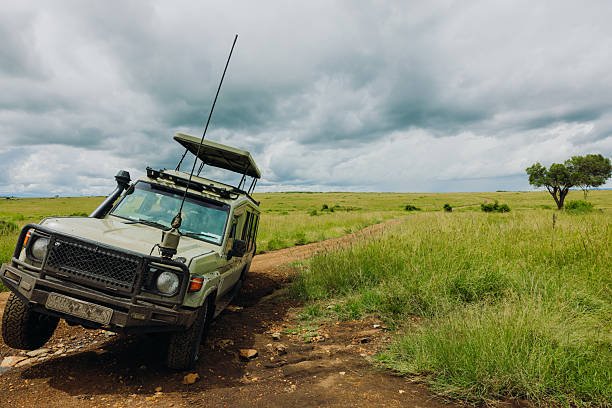
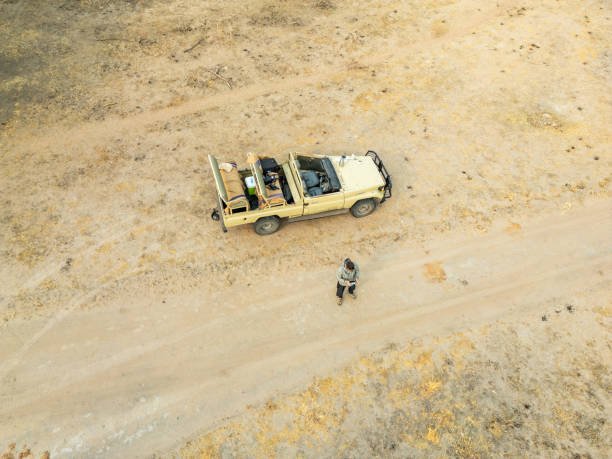
Your Ultimate Guide to the 4-Day Rwenzori Base Camp Trek & Glacial Views
The Rwenzori Mountains, often called the ‘Mountains of the Moon,’ present one of Africa’s most spectacular and challenging trekking destinations. For adventurers seeking raw, untamed beauty and a genuine wilderness experience, the 4-day Rwenzori Base Camp trek & glacial views offers a concentrated taste of this unique mountain range. While longer expeditions explore the higher peaks, this shorter itinerary provides access to the lower glacial zones, showcasing dramatic landscapes, diverse flora, and the imposing presence of permanent ice. This guide aims to equip you with all the necessary information to plan and execute a successful trek in 2026-2027, from understanding the route and what to pack to preparing for the conditions and making informed booking decisions.
This trek is not for the faint of heart. It demands good physical fitness, a spirit of adventure, and a willingness to embrace the unpredictable mountain weather. However, the rewards are immense: unparalleled scenery, a sense of accomplishment, and memories that last a lifetime. Whether you’re a seasoned trekker or looking for a unique challenge, the Rwenzori Mountains await.
| Duration | 4 Days / 3 Nights |
| Starting Point | Kasese Town, Uganda |
| Ending Point | Kasese Town, Uganda |
| Altitude Gain (Max) | Approx. 3,500 – 3,800 meters (11,500 – 12,500 ft) to Base Camp areas |
| Difficulty Level | Strenuous / Challenging |
| Key Highlights | Lower glacial valleys, alpine vegetation, mountain streams, rugged terrain, potential for glacial views. |
| Best Time to Trek | Dry Seasons: June-August & December-February |
| Accommodation | Mountain huts or camping |
| Permits Required | Rwenzori Mountains National Park Entry & Trekking Permits |
Understanding the Rwenzori Mountains National Park
The Rwenzori Mountains National Park, a UNESCO World Heritage Site, spans the border between Uganda and the Democratic Republic of Congo. These mountains are not volcanic, but rather a geological uplift, resulting in unique ecosystems and dramatic topography. The park is renowned for its exceptionally high biodiversity, including endemic species and a remarkable altitudinal zonation of vegetation. From montane forests at the base to bamboo zones, then heather and moorland, and finally to the afro-alpine zone with mosses, lichens, and the iconic giant groundsels and lobelias, the landscape changes dramatically with altitude.
The 4-day Rwenzori Base Camp trek & glacial views typically focuses on the Ugandan side, often using the Central Circuit trail’s lower sections or specific routes leading towards areas like Sine Hut, Samalira Camp, or potentially towards the Stanley Plateau’s lower reaches, depending on the operator and exact itinerary. It’s crucial to understand that reaching the highest Rwenzori peaks (Margherita, Speke, Stanley) requires significantly longer expeditions (7-12 days or more) and advanced mountaineering skills. This 4-day trek is designed to offer an immersive experience of the mountain’s lower alpine environments and a glimpse of its glacial heritage without requiring technical climbing.
Why Choose a 4-Day Rwenzori Base Camp Trek?
For many travelers, a full 7-10 day expedition is simply not feasible due to time constraints or budget. The 4-day itinerary offers a compelling alternative for several reasons:
- Accessibility to Alpine Zones: It allows trekkers to reach altitudes where the vegetation dramatically changes, experiencing the unique afro-alpine flora and the raw, rugged beauty of the mountains.
- Glacial Proximity: While not reaching the summit glaciers, this trek brings you close enough to witness the impact of glaciation, see ice formations (especially in cooler months), and understand the mountain’s icy crown.
- Challenging Yet Achievable: It provides a significant physical challenge without the extreme demands of high-altitude mountaineering, making it suitable for fit hikers looking for a serious trek.
- Immersive Wilderness: Even in four days, you can disconnect from the modern world and immerse yourself in a remote, stunning natural environment.
- Cost-Effective Introduction: It’s a more budget-friendly way to experience the Rwenzori Mountains compared to longer, more technical treks.
Best Time to Plan Your 4-Day Rwenzori Base Camp Trek (2026-2027)
The Rwenzori Mountains experience two distinct seasons, making timing crucial for a successful trek:
- Dry Seasons (Peak Seasons):
- June to August: This is a prime trekking window with generally clearer skies and less rainfall, though mountain weather is always unpredictable.
- December to February: Another dry period, offering good trekking conditions. Temperatures can be colder during this time.
- Wet Seasons (Off-Peak Seasons):
- March to May: Characterized by heavy rainfall, making trails muddy, slippery, and potentially hazardous. Visibility can be poor.
- September to November: Rainfall increases, though it might not be constant. Trails can still be wet and challenging.
For the 4-day Rwenzori Base Camp trek & glacial views, aiming for the dry seasons (June-August or December-February) is highly recommended for better trekking conditions and improved chances of clear views. Planning your trip for 2026 or 2027 during these months will offer the best experience.
| Season | Months | Conditions | Pros | Cons |
|---|---|---|---|---|
| Dry (Peak) | June-Aug | Clearer skies, less rain, cooler temperatures | Best views, safer trails | Higher demand, potentially busier (though Rwenzori is never truly crowded) |
| Wet | Mar-May | Heavy rainfall, muddy, slippery trails | Lower prices, fewer trekkers | Difficult trekking, poor visibility, increased risk |
| Dry (Peak) | Dec-Feb | Dry, can be very cold, potential for frost/ice | Good trekking conditions, festive period | Colder temperatures, requires more warm gear |
| Wet/Transitional | Sep-Nov | Increasing rainfall, can be mixed | Moderate demand | Trails can be wet, visibility variable |
Sample 4-Day Rwenzori Base Camp Trek Itinerary
This is a sample itinerary. Actual routes and camps may vary depending on the tour operator, park regulations, and current trail conditions. This itinerary focuses on reaching the lower alpine zones for a taste of glacial influence.
Day 1: Arrival in Kasese & Trek to Nyabitaba Camp (Approx. 2,650m / 8,694ft)
- Morning: Arrive in Kasese, meet your trekking team (guide, porters). Briefing on the trek.
- Transfer: Drive to Nyakalengijo Park Headquarters (approx. 1,700m / 5,577ft).
- Trek Start: Begin your trek through the montane forest. This is a steep ascent, often muddy.
- Encounter: Look out for primates, birds, and unique forest flora.
- Arrival: Reach Nyabitaba Camp, a basic shelter offering stunning views of the Rwenzori foothills.
- Trekking Time: Approx. 4-6 hours.
- Distance: Approx. 8-10 km.
Day 2: Nyabitaba Camp to Nyamileju Hut or Similar (Approx. 3,100m / 10,170ft)
- Morning: Depart Nyabitaba, continuing the ascent through the bamboo forest zone.
- Trail: The trail becomes steeper and can be challenging with slippery sections.
- Vegetation: Transition into the heather and moorland zone, with giant heathers and lobelias.
- Nyamileju: Reach Nyamileju Hut, a strategic point offering dramatic mountain vistas. This is a good base for exploring higher areas on subsequent days. Some itineraries may push further towards a ‘base camp’ area depending on the route chosen.
- Trekking Time: Approx. 4-5 hours.
- Distance: Approx. 6-8 km.
Day 3: Exploration & Ascent Towards Lower Glacial Zones / Base Camp Area (Approx. 3,500m – 3,800m / 11,500 – 12,500ft)
- Morning: This day is dedicated to exploring the higher reaches. Depending on the specific itinerary and your guide’s assessment, you will ascend further into the afro-alpine zone.
- Objective: Aim for areas that provide views of the lower glaciers or glacial valleys. This might involve trekking towards the base of peaks like Mount Stanley or Mount Speke’s lower slopes, or specific viewpoints overlooking glacial cirques.
- Scenery: Experience the stark beauty of the alpine zone, with mosses, lichens, and perhaps distant views of ice. This is where you’ll get the closest to the ‘glacial views’ promised.
- Return: Descend back to Nyamileju Hut or a designated camp for the night.
- Trekking Time: Approx. 6-8 hours (round trip).
- Distance: Approx. 8-12 km (depending on exploration route).
Day 4: Descent to Nyakalengijo & Transfer to Kasese
- Morning: Begin your descent from Nyamileju Hut.
- Trail: Retrace your steps down through the bamboo and montane forests. The descent can be faster but still requires careful footing.
- Arrival: Reach Nyakalengijo Park Headquarters.
- Transfer: Meet your vehicle for the transfer back to Kasese town.
- Trekking Time: Approx. 4-6 hours.
- Distance: Approx. 14-18 km.
Rwenzori Base Camp Trek Area Overview
This text-based map illustrates the general progression of a 4-day trek:
- Kasese Town (Start/End) -> Drive to Nyakalengijo Park HQ
- Nyakalengijo Park HQ (1,700m) -> Trek through Montane Forest -> Nyabitaba Camp (2,650m)
- Nyabitaba Camp (2,650m) -> Trek through Bamboo Zone -> Nyamileju Hut (3,100m)
- Nyamileju Hut (3,100m) -> Ascend to Alpine Zone / Glacial Views (up to ~3,800m) -> Return to Nyamileju Hut (3,100m)
- Nyamileju Hut (3,100m) -> Descend through Bamboo & Montane Forest -> Nyakalengijo Park HQ -> Drive to Kasese Town
What to Expect on the 4-Day Rwenzori Base Camp Trek
Prepare for an adventure that is as demanding as it is beautiful:
- Terrain: Expect steep ascents and descents, often on muddy, slippery, and root-covered trails. You’ll navigate through dense forests, bamboo thickets, and open moorlands. In higher sections, the ground can be rocky and uneven.
- Weather: Mountain weather is notoriously unpredictable. You can experience sunshine, heavy rain, fog, and even frost or snow at higher altitudes, sometimes all within the same day. Temperatures can drop significantly at night.
- Altitude: While this trek doesn’t reach extreme altitudes, ascending to around 3,800 meters can still affect some individuals. Acclimatization is important, and being aware of altitude sickness symptoms is crucial.
- Remoteness: The Rwenzori Mountains are a wild and remote place. You will be far from modern amenities. Expect basic conditions at the mountain huts or campsites.
- Flora and Fauna: The biodiversity is a major highlight. Keep an eye out for various monkey species (like the Blue Monkey), forest elephants (though sightings are rare), duikers, and an incredible array of birdlife. The unique plant life, including giant heathers, groundsels, and lobelias, is a spectacle in itself.
- Glacial Views: The ‘glacial views’ refer to the landscapes shaped by historical glaciation and the presence of remnant glaciers at the very highest peaks. On a clear day, from certain vantage points on this trek, you can see these ice caps and the dramatic U-shaped valleys carved by ancient glaciers. Direct access to active glaciers is limited on a 4-day trek.
Essential Gear and Packing List
Proper gear is critical for safety and comfort. Pack smart and light, as porters will carry the bulk of your luggage, but you’ll need a daypack for essentials.
Clothing:
- Base Layers: Thermal tops and bottoms (synthetic or merino wool)
- Mid Layers: Fleece jacket or similar insulating layer
- Outer Layer: Waterproof and windproof jacket and trousers (Gore-Tex or similar)
- Trekking Trousers: Quick-drying, comfortable hiking pants (2 pairs)
- Trekking Shirts: Moisture-wicking short and long-sleeved shirts (2-3)
- Insulated Jacket: Down or synthetic insulated jacket for evenings and higher altitudes
- Headwear: Warm woolen hat, sun hat or cap, buff/neck gaiter
- Gloves: Warm, waterproof gloves
Footwear:
- Hiking Boots: Sturdy, waterproof, broken-in hiking boots with good ankle support
- Camp Shoes: Lightweight shoes or sandals for use at camp
- Socks: Wool or synthetic hiking socks (4-5 pairs)
- Gaiters: To keep mud and water out of your boots
Equipment:
- Backpack: 40-60 liter backpack (porters will carry your main duffel)
- Daypack: 20-30 liter daypack for essentials (water, snacks, camera, rain gear)
- Duffel Bag: Waterproof duffel bag (approx. 80-100 liters) for porters
- Sleeping Bag: 3-season or 4-season sleeping bag (rated to at least -5°C / 23°F)
- Sleeping Pad: If camping, a comfortable sleeping pad
- Headlamp/Torch: With extra batteries
- Trekking Poles: Highly recommended for stability and reducing knee strain
- Water Bottles/Hydration Reservoir: At least 2 liters capacity
- Water Purification: Tablets, filter, or UV purifier
- Sunscreen: High SPF
- Insect Repellent: Especially for lower forest sections
- Sunglasses: With UV protection
- Personal First-Aid Kit: Including blister treatment, pain relievers, any personal medications
- Toiletries: Biodegradable soap, toothbrush, toothpaste, wet wipes
- Quick-Dry Towel
- Camera: With extra batteries and memory cards
- Snacks: High-energy snacks (nuts, energy bars, dried fruit)
- Trash Bags: To pack out all your waste
Physical and Mental Preparation
The 4-day Rwenzori Base Camp trek & glacial views is physically demanding. Proper preparation is key:
- Cardiovascular Fitness: Engage in regular aerobic activities like running, cycling, swimming, or hiking for at least 3-4 months prior. Focus on endurance.
- Strength Training: Strengthen your legs (squats, lunges) and core muscles.
- Hiking Practice: Go on long hikes, ideally with hills or stairs, wearing the boots and backpack you intend to use. Practice hiking for consecutive days if possible.
- Altitude Acclimatization: While this trek is shorter, if you are coming from sea level, spending a day or two at moderate altitude (e.g., Kampala or Kasese itself) before starting can help.
- Mental Fortitude: Be prepared for challenging conditions, fatigue, and basic living. A positive attitude and determination are essential.
Safety Considerations
Safety is paramount in the Rwenzori Mountains:
- Experienced Guides: Always trek with licensed, experienced guides who know the mountains, weather patterns, and emergency procedures. Your tour operator should provide this.
- Porter Support: Porters are not just for carrying gear; they are invaluable for trail navigation and assistance.
- Communication: Mobile phone reception is non-existent in most of the park. Your guide will carry a satellite phone or radio for emergencies. Ensure your operator has a clear emergency plan.
- Altitude Sickness (AMS): While less common on a 4-day trek than longer ones, it’s still a risk. Symptoms include headache, nausea, dizziness, and fatigue. Descend if symptoms worsen. Stay hydrated and avoid alcohol.
- Trail Conditions: Trails can be extremely slippery, especially after rain. Use trekking poles and take your time.
- Wildlife: While large predators are rare, be aware of your surroundings. Follow your guide’s instructions regarding wildlife encounters.
- Weather: Be prepared for sudden changes. Hypothermia is a risk if you get wet and cold at higher altitudes.
Common Mistakes to Avoid
Planning a Rwenzori trek requires attention to detail. Avoid these common pitfalls:
- Underestimating the Difficulty: Many people are surprised by the steepness and challenging terrain. Do not treat this as a casual hike.
- Inadequate Gear: Poor footwear, insufficient waterproofs, or a sleeping bag that isn’t warm enough can ruin your experience and pose a safety risk.
- Poor Physical Preparation: Arriving unfit will lead to exhaustion and may force you to turn back.
- Ignoring Weather Warnings: Mountain weather can change rapidly. Always listen to your guide.
- Not Packing Enough Water/Purification: While water sources exist, they need to be treated. Carry enough to start and have a reliable purification method.
- Booking with Unreliable Operators: Ensure your tour operator is reputable, experienced in the Rwenzori, and prioritizes safety.
- Attempting the Trek Solo: The Rwenzori Mountains are not suitable for solo trekking due to the challenging terrain, unpredictable weather, and remoteness.
Who is the 4-Day Rwenzori Base Camp Trek Best Suited For?
This trek is ideal for:
- Fit Hikers: Individuals with good cardiovascular fitness and stamina who enjoy challenging terrain.
- Adventure Seekers: Those looking for an authentic wilderness experience away from crowds.
- Nature Enthusiasts: People interested in unique mountain ecosystems, flora, and fauna.
- Time-Constrained Trekkers: Travelers who want a taste of the Rwenzori’s alpine beauty but have limited time.
- Those Seeking a Challenge: Anyone looking for a significant physical accomplishment in a stunning natural setting.
It is generally not recommended for:
- Individuals with serious heart or respiratory conditions.
- People with a significant fear of heights or enclosed spaces (forest sections can feel dense).
- Those who are not prepared for basic accommodation and challenging weather.
- Absolute beginners with no prior hiking experience.
Alternatives to the 4-Day Rwenzori Trek
If the 4-day trek isn’t quite right, consider these options:
- Shorter Day Hikes: Some operators offer guided day hikes from the park entrance into the lower montane forest, providing a glimpse of the environment without overnighting.
- 7-Day Rwenzori Trek (Central Circuit): This is the most popular and comprehensive trek, taking you through all vegetation zones, past lakes, and to the foothills of the highest peaks, offering more extensive glacial views and alpine experiences.
- Mount Kilimanjaro Trek: For those seeking a high-altitude summit experience with less technicality, Kilimanjaro is a popular choice, though the landscape and environment are very different from the Rwenzori.
- Mount Kenya Trekking: Mount Kenya offers various routes, from trekking to Point Lenana (a non-technical summit) to technical climbs on its higher peaks. It provides a different alpine experience.
Planning Your 2026-2027 Rwenzori Adventure
Booking your 4-day Rwenzori Base Camp trek & glacial views well in advance is highly recommended, especially if you plan to travel during the peak seasons of 2026 or 2027.
- Choose a Reputable Tour Operator: This is the most crucial step. Look for operators with specific Rwenzori experience, good safety records, and positive reviews. They will handle permits, guides, porters, park fees, and logistics.
- Permits: Your tour operator will secure the necessary park entry and trekking permits. These need to be arranged in advance.
- Travel Insurance: Ensure your travel insurance covers high-altitude trekking and emergency evacuation.
- Visas: Check Uganda visa requirements for your nationality well in advance.
- Vaccinations: Consult your doctor about recommended vaccinations, including Yellow Fever, Hepatitis A & B, Typhoid, and Malaria prophylaxis.
- Physical Fitness: Start your training program at least 3-4 months before your trek.
- Gear Procurement: Purchase or rent necessary gear well before your departure.
Booking Your Trek: What to Look For
When selecting a tour operator for your 4-day Rwenzori Base Camp trek & glacial views, consider the following:
- Experience: Do they have a proven track record in the Rwenzori Mountains?
- Guides: Are the guides certified, experienced, and knowledgeable about the Rwenzori?
- Safety Protocols: What emergency procedures do they have in place? Do they carry satellite communication devices?
- Inclusions: What is included in the price? Typically, this should cover park fees, permits, guide and porter services, meals on the mountain, and accommodation (huts/camping).
- Exclusions: Be clear on what’s not included, such as travel to/from Kasese, tips for staff, personal gear, and insurance.
- Group Size: Smaller groups often offer a more intimate experience.
- Customization: Can they tailor the itinerary slightly if needed?
Contacting a reputable local operator like Top Guide Adventures is a good starting point. They can provide detailed itineraries, current pricing estimates, and advice tailored to your needs for 2026-2027.
Contact Top Guide Adventures for Your Rwenzori Trek:
- WhatsApp: +255616946642
- Email: topguideadventures@gmail.com
- Backup Email: info@topguideadventures.com
Frequently Asked Questions (FAQs)
1. Is the 4-day Rwenzori Base Camp trek difficult?
Yes, the 4-day Rwenzori Base Camp trek is considered strenuous. It involves steep ascents and descents on challenging, often muddy and slippery terrain. Good physical fitness is essential.
2. What are the ‘glacial views’ on a 4-day trek?
On a 4-day trek, you typically won’t reach the main glaciers at the highest peaks. However, you will ascend to the afro-alpine zone where the landscape is heavily sculpted by past glaciation. From strategic viewpoints, you can often see the distant ice caps and glacial valleys, offering impressive ‘glacial views’ and a sense of the ice-covered peaks.
3. Can I trek the Rwenzori Mountains in 2026-2027?
Absolutely. The Rwenzori Mountains are open for trekking year-round, but the best times for the 4-day Rwenzori Base Camp trek & glacial views are during the dry seasons (June-August and December-February) for optimal conditions in 2026 and 2027.
4. What is the highest altitude reached on this trek?
The highest point typically reached on a 4-day trek to the ‘Base Camp’ areas or for glacial views is around 3,500 to 3,800 meters (approximately 11,500 to 12,500 feet). This is high enough to experience alpine conditions but generally below the altitude where severe altitude sickness is common for well-prepared trekkers.
5. Do I need special mountaineering equipment?
For the 4-day Base Camp trek, technical mountaineering equipment like ropes, ice axes, and crampons are usually not required, as you are not attempting summit climbs. However, sturdy waterproof hiking boots, good quality waterproofs, warm layers, and trekking poles are essential.
6. How much should I tip the guides and porters?
Tipping is customary and appreciated. Your tour operator will usually provide guidelines. A general range might be $10-$15 per day for the guide and $7-$10 per day for each porter, though this can vary. It’s often pooled and distributed at the end of the trek.
7. What are the accommodation facilities like?
Accommodation on the Rwenzori is basic. You will likely stay in simple mountain huts (dormitory style) or tents, depending on the specific route and operator. Facilities are minimal, with no running water or electricity at most camps. You will need to bring your own sleeping bag.
8. Is it possible to trek solo?
No, it is not advisable or typically permitted to trek the Rwenzori Mountains solo. All trekkers must be accompanied by licensed guides and porters for safety reasons due to the challenging terrain and remoteness.
9. What is the typical cost for a 4-day Rwenzori trek?
Exact prices vary significantly based on the operator, inclusions, and current park fees. For a 4-day Rwenzori Base Camp trek & glacial views, expect costs to generally range from $600 to $1200 USD per person, covering park fees, permits, guides, porters, and meals. It’s best to get a personalized quote from your chosen operator for 2026-2027.
10. What vaccinations are recommended for Uganda?
Recommended vaccinations often include Yellow Fever (required for entry in some cases), Hepatitis A, Typhoid, and Tetanus. Malaria prophylaxis is also strongly advised. Consult your doctor or a travel clinic at least 4-6 weeks before your trip.
Ready for Your Rwenzori Adventure?
The 4-day Rwenzori Base Camp trek & glacial views offers an extraordinary journey into one of Africa’s most magnificent and least explored mountain ranges. It’s a chance to test your limits, immerse yourself in pristine wilderness, and witness landscapes that evoke a sense of wonder. With careful planning, proper preparation, and the right team, this trek can be an unforgettable highlight of your travels.
Don’t miss the opportunity to experience the ‘Mountains of the Moon’ in 2026 or 2027. Contact Top Guide Adventures today to start planning your personalized Rwenzori trekking adventure. They have the expertise to guide you through the planning process and ensure a safe and memorable expedition.
Get in Touch with Top Guide Adventures:
- WhatsApp: +255616946642
- Email: topguideadventures@gmail.com
- Backup Email: info@topguideadventures.com
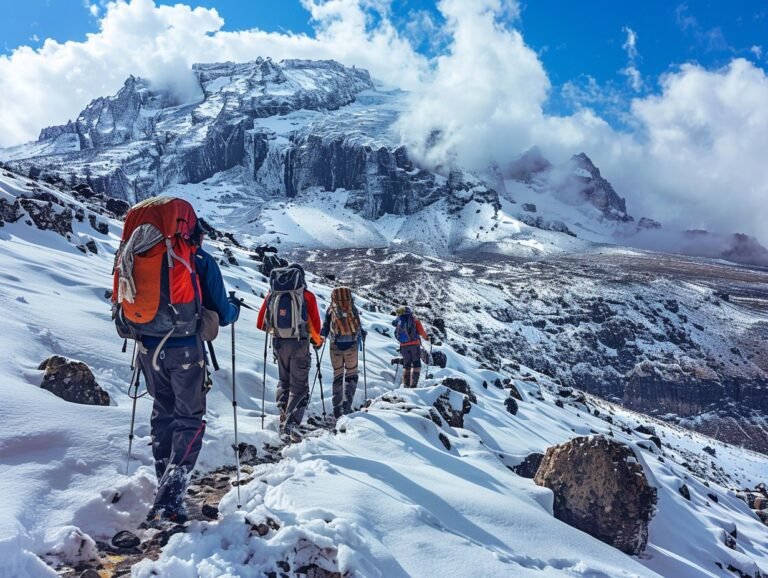
Is Kosovo Camp Better Than Barafu On Kilimanjaro? A Detailed Comparison
A comprehensive comparison of Kosovo Camp and Barafu Camp on Mount Kilimanjaro, detailing their pros and cons for climbers in 2026-2027. Understand the key differences to make an informed...
View package details
Kilimanjaro Climb With A Personal Support Assistant: Your Ultimate Guide
Climbing Mount Kilimanjaro with a personal support assistant offers unparalleled safety, comfort, and focus on your summit goals. This guide details what a personal assistant entails, its...
View package details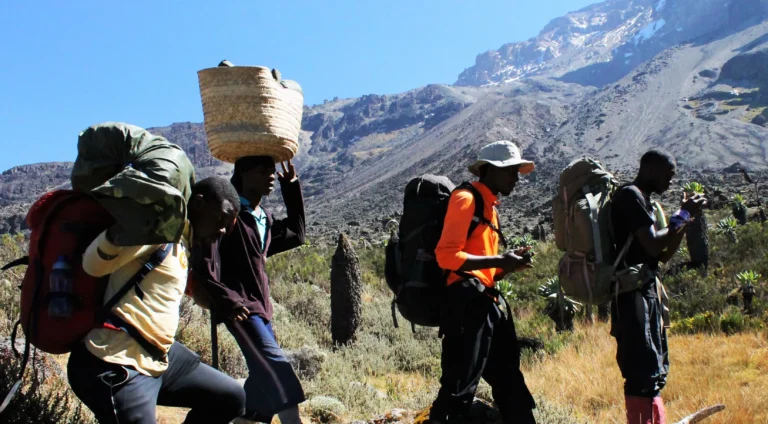
How To Know Whether You Are Ready For Kilimanjaro: A Comprehensive Guide
Climbing Mount Kilimanjaro is a significant undertaking. This guide helps you evaluate your physical, mental, and logistical readiness to ensure a safe and successful trek in 2026 or 2027...
View package details
Kilimanjaro Hydration Mistakes Climbers Make And How To Avoid Them 2026-2027
Proper hydration is critical for a successful Kilimanjaro climb. This guide details common hydration mistakes climbers make, from under-drinking to choosing the wrong fluids, and provides...
View package details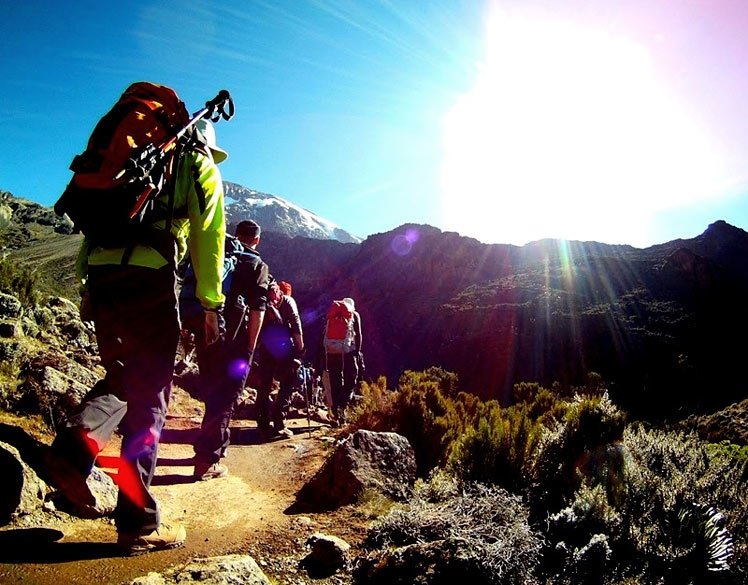
Kilimanjaro Summit-Night Mistakes To Avoid: Your Essential Guide For Climbs
Summit night on Kilimanjaro is the most challenging part of the climb. Avoiding common mistakes in acclimatization, gear, hydration, and pacing is crucial for success. This guide details...
View package details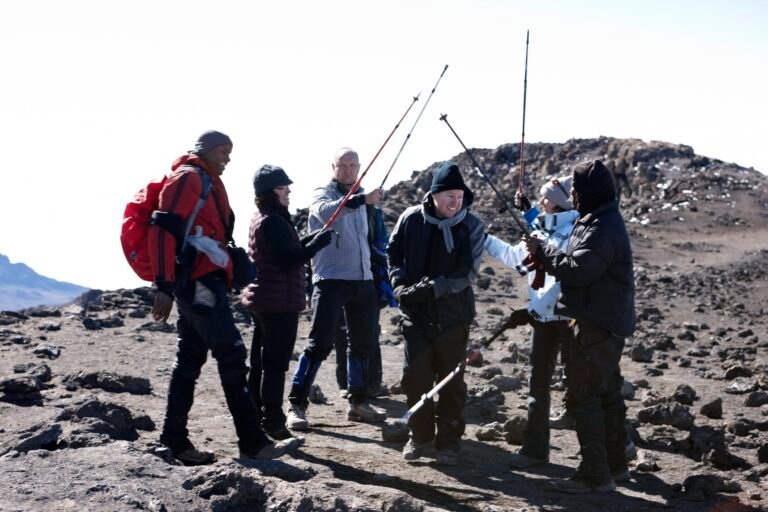
Kilimanjaro Airport Vs Arusha For Climbers: The Definitive Guide 2026-2027
A comprehensive comparison of Kilimanjaro International Airport (JRO) and Arusha Airport (ARK) for trekkers planning a Mount Kilimanjaro climb, detailing pros, cons, and booking advice for...
View package details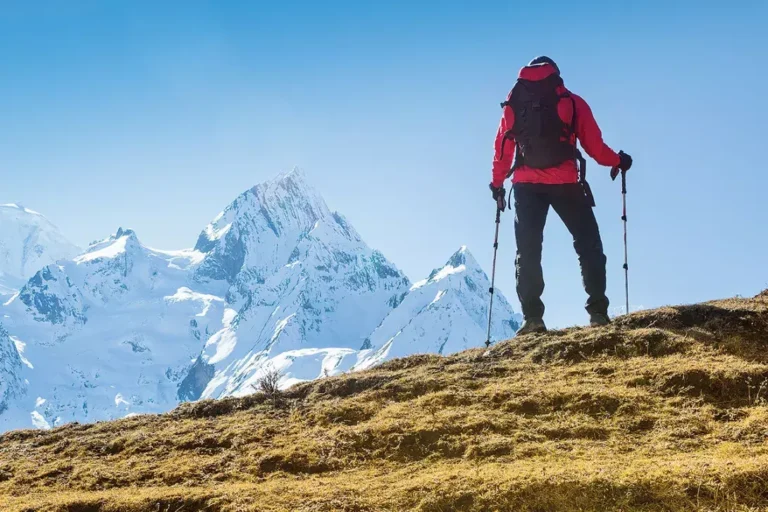
Kilimanjaro Climb For Retired Couples: Planning Your Adventure 2026-2027
Planning a Kilimanjaro climb as a retired couple is an achievable and rewarding goal. This guide offers in-depth advice on route selection, physical preparation, essential gear, and the...
View package details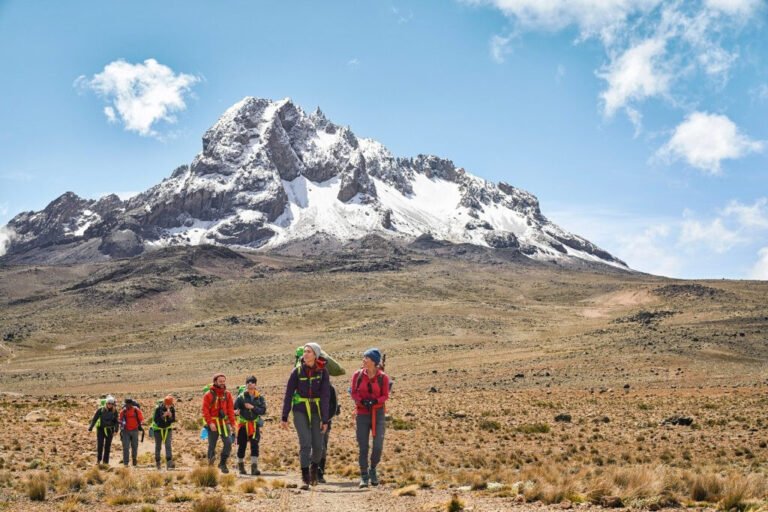
Can A 16-Year-Old Climb Kilimanjaro? Your Essential Guide 2026-2027
Discover if a 16-year-old can summit Kilimanjaro. This comprehensive guide covers age requirements, health, fitness, essential gear, and planning for younger trekkers aiming for Africa's...
View package details
Content For Parents And Young Climbers: Conquering Kilimanjaro Safely
Planning a Kilimanjaro climb with children or as a young climber requires special attention. This guide provides comprehensive content for parents and young adventurers, covering...
View package detailsHow Tourism Supports Kilimanjaro Communities: A Deep Dive With Top Guide
Explore the vital link between Kilimanjaro tourism and the well-being of local communities. Learn how your trek contributes to sustainable development, economic growth, and cultural...
View package detailsKilimanjaro Tree-Planting Climbing Package Guide
Combine your dream Kilimanjaro climb with a meaningful conservation effort. Our Kilimanjaro Tree-Planting Climbing Package allows you to ascend Africa's highest peak while actively...
View package details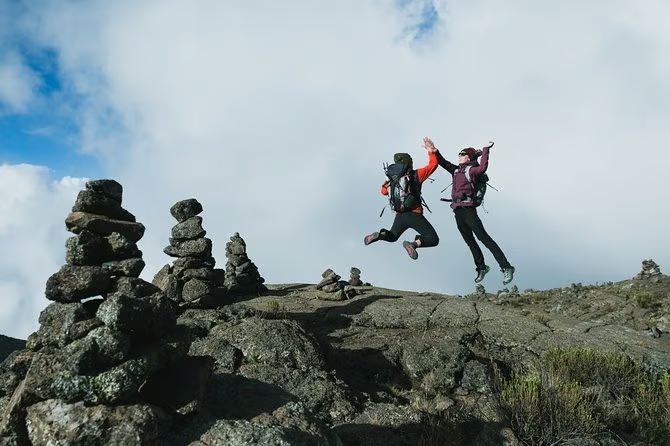
What Does The View From Uhuru Peak Look Like? Your Ultimate Kilimanjaro
The view from Uhuru Peak, Kilimanjaro's highest point, is a surreal panorama of stark volcanic rock, glacial ice, and an endless sea of clouds stretching below. At dawn, it offers a...
View package detailsNo related package matches those filters. Clear one or more filters to see the other topic-matched options.
Plan your 4-Day Rwenzori Base Camp Trek & Glacial Views with Top Guide Adventures
Tell us your travel dates, group size, comfort level, and dream experience. We will help you shape a clear, realistic, and memorable Tanzania itinerary.



