
Updated planning guide for 2026, 2027
Western Serengeti Guide: Grumeti River And Migration: Best Safari
Discover the magic of the Western Serengeti, a prime location for witnessing the Great Migration along the Grumeti River. This comprehensive guide helps you plan your unforgettable safari adventure in Tanzania.
WhatsApp +255616946642 | topguideadventures@gmail.com | info@topguideadventures.com
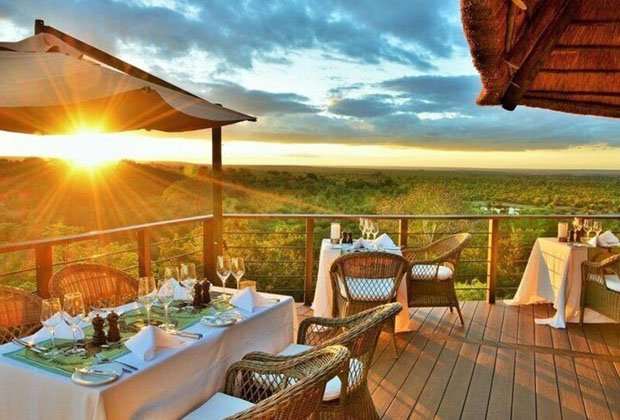

Western Serengeti Guide: Grumeti River and Migration
The Western Serengeti, particularly the area around the Grumeti River, offers a distinct and often less crowded safari experience compared to other parts of this vast ecosystem. It’s a region celebrated for its dramatic river crossings during the Great Migration, its resident prides of lions, and its unique wildlife populations. For travelers seeking an in-depth encounter with the wild heart of Tanzania, understanding this specific area is key to planning a successful and memorable safari.
Quick Facts: Western Serengeti
| Aspect | Details |
|---|---|
| Location | Western corridor of the Serengeti National Park, Tanzania |
| Key Feature | Grumeti River, Great Migration river crossings, large crocodile populations |
| Best Time to Visit (Migration) | May to July for river crossings |
| Key Wildlife | Wildebeest, zebras, lions, leopards, cheetahs, hippos, Nile crocodiles, elephants, giraffes |
| Typical Safari Style | Game drives, walking safaris (in certain areas), luxury tented camps, lodges |
| Accessibility | Airstrip access (e.g., Grumeti Airstrip), driving from Central Serengeti or Arusha |
Understanding the Western Serengeti and the Grumeti River
The Serengeti National Park is a UNESCO World Heritage Site and one of Africa’s most iconic wildlife destinations. While many associate the park with the vast plains of the central and southern regions, the Western Serengeti presents a different, yet equally compelling, landscape. This corridor is characterized by acacia woodlands, rolling hills, and the vital Grumeti River, which acts as a significant geographical and ecological barrier.
The Grumeti River is not just a waterway; it’s a crucial element in the life cycle of the Great Migration. From roughly May to July, the vast herds of wildebeest and zebras, having grazed their way north from the southern plains, arrive at the Grumeti. Here, they face a formidable challenge: crossing the river. This is where the park’s formidable population of Nile crocodiles, some reaching lengths of over 5 meters, lie in wait. These crossings are some of the most dramatic and intense wildlife spectacles on Earth, offering unparalleled photographic opportunities and a raw display of nature’s power.
Beyond the migration, the Western Serengeti is home to a rich diversity of resident wildlife. Large prides of lions are common, often found lounging in the shade of acacia trees. Leopards are elusive but present, and cheetahs can be spotted on the open plains. Elephants, giraffes, buffaloes, and hippos are also regular sightings. The river itself teems with hippos and crocodiles, adding another layer to the wildlife viewing experience.
Why the Grumeti River and Western Serengeti are Special
Several factors make a safari focused on the Western Serengeti and the Grumeti River a standout choice:
- The Great Migration River Crossings: Witnessing wildebeest and zebra herds braving the crocodile-infested Grumeti River is a bucket-list wildlife event. It’s a primal struggle for survival that defines the African savanna.
- Fewer Crowds: Compared to the central and southern Serengeti, the Western Corridor is generally less visited, offering a more intimate and exclusive safari feel, especially outside the peak migration months.
- Diverse Habitats: The mix of woodlands, riverine forests, and open plains supports a wide array of animal species, providing varied viewing opportunities.
- Exceptional Predator Sightings: The abundance of prey, particularly during the migration, attracts large numbers of predators, leading to excellent opportunities to see lions, leopards, and cheetahs.
- Luxury and Remote Lodging: The Western Serengeti is home to some of Tanzania’s most exclusive and luxurious tented camps and lodges, offering a high level of comfort and service in a remote setting.
Planning Your 2026/2027 Safari to the Western Serengeti
Successful safari planning involves understanding seasonality, logistics, and what to expect. For the Western Serengeti, timing is particularly crucial if your primary goal is to witness the migration river crossings.
Best Time to Visit for Grumeti River Crossings
The most significant draw for the Western Serengeti is the potential to see the wildebeest and zebra herds crossing the Grumeti River. This typically occurs between May and July. As the herds move north after the calving season in the south and the subsequent rains, they are funneled towards the western corridor. The Grumeti River acts as a natural barrier, and when the herds are ready to cross, either to reach fresh grazing on the other side or as part of their circular migration, the spectacle unfolds.
Other times of the year:
- January to March: Calving season in the southern Serengeti. While not in the Western Serengeti, this is a prime time for predator action.
- April to May: The ‘long rains’ season. This is a quieter period, with lush landscapes and fewer tourists. Some camps may close or operate with reduced services. Wildlife is dispersed.
- August to October: The migration has moved further north and east, often heading towards the Mara River in the Northern Serengeti. However, resident wildlife is abundant in the Western Serengeti year-round. This period can offer excellent game viewing with fewer crowds than the peak migration months in the west.
- November to December: The ‘short rains’ season. Grass begins to grow, and wildlife is still relatively concentrated. The herds may start their movement south.
For those specifically targeting the Grumeti River crossings, aim for June or July. However, be aware that these are popular months, and booking well in advance is essential for 2026 and 2027 safaris.
Getting to the Western Serengeti
Access to the Western Serengeti is primarily by air or by road.
- By Air: This is the most convenient and time-efficient method. Several airstrips serve the Western Serengeti, with Grumeti Airstrip being a key one. Flights typically depart from Arusha Airport (ARK) or Kilimanjaro International Airport (JRO). Several local air charter companies operate these routes. The flight itself offers spectacular aerial views of the Serengeti plains.
- By Road: Driving from Arusha to the Western Serengeti is a long journey, often taking a full day or more, depending on road conditions and the specific lodge location. The route usually passes through the Central Serengeti, offering game viewing opportunities along the way. This option is more suitable if you are combining your Western Serengeti visit with other regions of the park or national parks like Lake Manyara or Tarangire, and you don’t mind longer travel days. 4×4 safari vehicles are essential for these routes.
Sample Itinerary: Western Serengeti & Grumeti River Migration Focus (7 Days / 6 Nights)
This itinerary is designed to maximize your chances of witnessing the Grumeti River crossings and experiencing the unique environment of the Western Serengeti. It assumes arrival into Kilimanjaro International Airport (JRO) and departure from the same.
Day 1: Arrival in Tanzania & Transfer to Arusha
- Arrive at Kilimanjaro International Airport (JRO).
- Met by your safari guide and transferred to your comfortable lodge in Arusha.
- Briefing on your upcoming safari adventure.
- Overnight in Arusha.
Day 2: Fly to Western Serengeti & First Game Drive
- After breakfast, transfer to Arusha Airport (ARK) for your scheduled flight to the Western Serengeti (e.g., Grumeti Airstrip).
- Upon arrival, you will be met by your lodge’s safari vehicle and guide.
- Check into your luxury tented camp or lodge.
- Enjoy your first game drive in the Western Corridor, exploring the areas around the Grumeti River. Keep an eye out for resident wildlife and potential early signs of migration activity.
- Dinner and overnight in the Western Serengeti.
Day 3-5: Exploring the Grumeti River and Western Corridor
- These days are dedicated to exploring the Western Serengeti. Your experienced guide will focus on areas known for migration activity and predator sightings.
- Morning and afternoon game drives: Search for herds of wildebeest and zebra, lions, leopards, cheetahs, elephants, and other plains game.
- Grumeti River Excursions: Spend significant time near the Grumeti River, looking for dramatic river crossings, especially if the herds are present. Observe the large Nile crocodiles and hippos.
- Walking Safaris (Optional, subject to lodge and park regulations): Some camps offer guided walking safaris for a different perspective on the bush.
- Sundowners: Enjoy drinks and snacks in scenic locations as the sun sets over the savanna.
- All meals and overnight stays in the Western Serengeti.
Day 6: Final Game Drive & Fly to Arusha
- Enjoy an early morning game drive, perhaps a last chance to witness the Serengeti’s wonders.
- Return to the lodge for breakfast.
- Transfer to the airstrip for your flight back to Arusha.
- Upon arrival in Arusha, you will be met and transferred to your hotel.
- Optional: Visit local markets or relax.
- Farewell dinner.
- Overnight in Arusha.
Day 7: Departure
- After breakfast, depending on your flight schedule, you might have time for some last-minute souvenir shopping.
- Transfer to Kilimanjaro International Airport (JRO) for your international departure.
What to Expect During a Western Serengeti Safari
A safari in the Western Serengeti offers a rich and varied experience. Here’s what you can generally expect:
- Wildlife Abundance: Even outside the peak migration months, the Western Serengeti is a wildlife haven. You’ll see large herds of plains game and an impressive array of predators.
- River Crossings: If you visit between May and July, the possibility of witnessing a Grumeti River crossing is high. These events are unpredictable but incredibly thrilling. Be prepared for long waits and intense action.
- Landscape: The terrain is more varied than the open plains of the central Serengeti, with woodlands, kopjes, and the prominent Grumeti River cutting through the landscape. This offers different photographic opportunities.
- Accommodation: The Western Serengeti is known for its exclusive, high-end lodges and tented camps. These often provide luxurious amenities, exceptional service, and prime locations.
- Driving Time: Game drives can involve significant time spent in the vehicle, especially when tracking animals or waiting for migration events.
- Weather: The weather can be variable. Expect warm days and cooler mornings and evenings. The dry season (June to October) is generally pleasant, while the wet season brings rain showers.
Inclusions and Packing Essentials
When booking a safari, understanding what is typically included is vital. For a Western Serengeti safari, this usually covers:
Typical Inclusions
| Item | Description |
|---|---|
| Accommodation | Lodge or tented camp stays (full board) |
| Park Fees | Serengeti National Park entrance fees |
| Game Drives | Shared or private game drives in a 4×4 safari vehicle |
| Guides | Professional, English-speaking safari guide |
| Internal Flights | Flights from Arusha to Western Serengeti and back (often included in packages) |
| Airport Transfers | Transfers between airports and hotels/lodges |
What to Pack:
Packing Checklist for Your Safari
- Clothing: Neutral colors (khaki, beige, olive green) are best for game drives. Avoid bright colors and dark blue/black. Pack light, breathable layers. Include long-sleeved shirts and trousers for sun protection and cooler evenings.
- Footwear: Comfortable walking shoes or hiking boots (if walking safaris are planned), and sandals or flip-flops for camp.
- Outerwear: A fleece jacket or warm sweater for early mornings and evenings, and a lightweight, waterproof rain jacket.
- Sun Protection: Wide-brimmed hat, sunglasses, and high SPF sunscreen.
- Insect Repellent: High DEET content is recommended.
- Camera Equipment: Bring extra batteries, memory cards, and a zoom lens. A dust-proof bag is useful.
- Binoculars: Essential for spotting wildlife at a distance.
- Personal Items: Prescription medications, basic first-aid kit, hand sanitizer, wet wipes, and any personal toiletries.
- Adapter: For charging electronics (most camps have charging facilities, but adapters are useful).
- Headlamp or Torch: Handy for navigating around camp at night.
- Documents: Passport, visa, flight tickets, travel insurance details, vaccination certificates.
- Cash: For tips to guides and lodge staff, and for souvenirs. USD is widely accepted.
Common Mistakes to Avoid
Planning a safari can be complex. Here are some common pitfalls to steer clear of:
- Focusing Solely on the Migration: While the migration is spectacular, the Serengeti offers incredible wildlife viewing year-round. Don’t dismiss other seasons if your dates are fixed.
- Underestimating Travel Times: Tanzania is a large country. Internal flights are often necessary to maximize your time on safari, especially for regions like the Western Serengeti.
- Not Booking in Advance: Especially for peak season (June-August) and exclusive lodges in the Western Serengeti, bookings can fill up a year or more ahead for 2026 and 2027.
- Packing Inappropriately: Forgetting layers, sun protection, or insect repellent can significantly impact your comfort.
- Expecting Guarantees: Wildlife sightings, especially river crossings, are natural events and cannot be guaranteed. Patience and flexibility are key.
- Choosing the Wrong Camp/Lodge: Location is crucial. Ensure your accommodation is strategically placed for the wildlife viewing you desire.
- Not Considering a Private Vehicle: While shared vehicles are common, a private vehicle offers flexibility in terms of timing, pace, and photography stops.
Who is a Western Serengeti Safari Best For?
A safari focusing on the Western Serengeti and the Grumeti River is ideal for several types of travelers:
- Wildlife Enthusiasts: Those who want to witness one of the most dramatic wildlife events on Earth – the river crossings.
- Photographers: The action, landscapes, and diverse wildlife offer incredible photographic opportunities.
- Travelers Seeking Exclusivity: The Western Corridor generally has fewer vehicles, offering a more private and less commercialized experience.
- Luxury Travelers: The region boasts some of the most luxurious tented camps and lodges in Tanzania, offering unparalleled comfort and service.
- Repeat Safari-Goers: Those who have experienced other parts of the Serengeti or East Africa and are looking for a different perspective and unique spectacles.
- Travelers with Specific Timing: If your travel window aligns with the May-July period, this region becomes a prime target.
Alternatives to the Western Serengeti
While the Western Serengeti is exceptional, other regions of Tanzania and Kenya offer different, but equally rewarding, safari experiences:
Comparison of Serengeti Regions & Alternatives
| Region/Park | Best Time (Migration) | Key Highlights | Crowds | Travel Style |
|---|---|---|---|---|
| Western Serengeti | May – July (River Crossings) | Grumeti River crossings, large crocodiles, lions, leopards, exclusive camps | Moderate (peak migration) to Low | Luxury, Photography, Wildlife spectacle |
| Central Serengeti | Year-round resident wildlife; Migration passes through Jan-Mar & July-Oct | Abundant resident wildlife, excellent predator sightings, varied landscapes, access to Seronera River | High (especially Seronera) | Classic Safari, Photography, All interests |
| Southern Serengeti | Dec – March (Calving Season) | Vast plains, calving wildebeest, cheetahs, lions, huge herds | Moderate (peak calving) to High | Predator Action, Photography, Classic Landscape |
| Northern Serengeti | July – Oct (Mara River Crossings) | Mara River crossings, large crocodile populations, vast herds, remote feel | High (peak migration) | Migration Spectacle, Photography, Remote feel |
| Masai Mara, Kenya | July – Oct (Mara River Crossings) | Similar migration spectacles to Northern Serengeti, high predator density, hot air balloon safaris | Very High (peak migration) | Migration Spectacle, Photography, Luxury, Balloon Safaris |
| Tarangire National Park | Dry Season (July – Oct) | Large elephant herds, baobab trees, diverse birdlife, good for dry season viewing | Moderate | Elephant Focus, Birding, Dry Season Safari |
Planning for 2026 and 2027 Safaris
Booking your safari for 2026 or 2027, especially for a popular destination like the Western Serengeti during migration season, requires foresight. Here are some tips:
- Book Early: For peak travel dates in 2026 and 2027, particularly June, July, and August, aim to book at least 12-18 months in advance. This secures your preferred accommodation and flights.
- Consider Shoulder Seasons: If your schedule allows, traveling just before or after the peak migration season (late April-May or late July-August) can offer a great experience with potentially fewer crowds and better availability.
- Customization is Key: Work with a reputable tour operator who can tailor your itinerary to your specific interests, budget, and travel dates. They can advise on the best lodges and flight schedules.
- Budget Wisely: Safaris, especially in exclusive areas like the Western Serengeti, represent a significant investment. Understand what is included and factor in potential extras like tips, drinks, and souvenirs.
- Travel Insurance: Ensure you have comprehensive travel insurance that covers medical emergencies, trip cancellations, and lost luggage.
- Vaccinations and Health: Consult your doctor or a travel clinic well in advance of your 2026 or 2027 trip regarding necessary vaccinations (e.g., Yellow Fever) and malaria precautions.
Booking Your Western Serengeti Safari
Choosing the right tour operator is paramount for a successful and stress-free safari. Look for a company with deep local knowledge, a strong reputation, and a commitment to responsible tourism.
When you’re ready to plan your unforgettable Western Serengeti safari, focusing on the Grumeti River and the incredible migration spectacle, our expert team is here to assist. We specialize in crafting bespoke Tanzanian adventures that cater to your unique desires.
We can help you with:
- Tailoring itineraries to match your interests and budget.
- Arranging internal flights and lodge bookings.
- Providing expert advice on the best times to visit and what to expect.
- Ensuring a smooth and memorable safari experience from start to finish.
Get in touch with us today to start planning your dream safari for 2026 or 2027:
WhatsApp: +255616946642
Email: topguideadventures@gmail.com
Backup Email: info@topguideadventures.com
Frequently Asked Questions (FAQs)
FAQs about the Western Serengeti and Grumeti River
Q1: When is the best time to see the wildebeest river crossings on the Grumeti River?
The prime time for potential Grumeti River crossings is generally between May and July. This is when the large herds are moving northwards through the Western Corridor of the Serengeti.
Q2: Is the Western Serengeti crowded?
Compared to the Central and Northern Serengeti during peak migration, the Western Serengeti tends to be less crowded. However, during the months of potential river crossings (May-July), it can become busier, and booking well in advance is recommended for 2026 and 2027.
Q3: What wildlife can I expect to see in the Western Serengeti?
Besides wildebeest and zebras during migration season, you can expect to see large prides of lions, leopards, cheetahs, elephants, buffaloes, hippos, and the famous large Nile crocodiles in and around the Grumeti River. Resident wildlife is abundant year-round.
Q4: How do I get to the Western Serengeti?
The most convenient way is by a scheduled light aircraft flight from Arusha Airport (ARK) to Grumeti Airstrip or a nearby airstrip. Driving from Arusha is possible but takes a full day or more.
Q5: Are walking safaris available in the Western Serengeti?
Yes, some high-end lodges and camps in the Western Serengeti offer guided walking safaris. These are typically conducted in designated areas and are subject to park regulations and guide availability.
Q6: What kind of accommodation is available in the Western Serengeti?
The Western Serengeti is known for its luxury tented camps and lodges. These offer excellent service, comfortable amenities, and often prime locations for wildlife viewing, including close proximity to the Grumeti River.
Q7: Can I combine a Western Serengeti safari with other parks?
Absolutely. It’s common to combine the Western Serengeti with the Central Serengeti, or with other Northern Circuit parks like Tarangire, Lake Manyara, and the Ngorongoro Crater. This often involves internal flights between regions.
Q8: What are the risks of river crossings?
River crossings are dangerous for the animals. They face the risk of drowning, being preyed upon by crocodiles, or stampedes. For observers, the main risks are the unpredictability of the event and the intense nature of the wildlife action.
Q9: How far in advance should I book my 2027 Western Serengeti safari?
For popular safari destinations and peak seasons like the Grumeti River crossings, it’s advisable to book your 2027 safari at least 12 to 18 months in advance to secure the best lodges and flights.
Q10: What is the difference between the Grumeti and Mara River crossings?
Both are part of the Great Migration’s river crossings. The Grumeti River crossings typically occur between May and July in the Western Serengeti and are known for their dramatic encounters with large crocodiles. The Mara River crossings occur further north, typically between July and October, and are also famous for crocodile activity and the sheer scale of the herds.
Conclusion: Your Western Serengeti Adventure Awaits
The Western Serengeti, with the mighty Grumeti River at its heart, offers a safari experience that is both thrilling and deeply rewarding. It’s a place where the raw power of nature is on full display, particularly during the migration’s dramatic river crossings. Whether you are a seasoned safari-goer or planning your first African adventure, this region promises unforgettable wildlife encounters and a sense of profound connection with the wild.
Let us help you craft the perfect Western Serengeti Guide experience for your 2026 or 2027 journey. Our expertise ensures you get the most out of your safari, from planning to execution.
Contact us to plan your Western Serengeti safari:
WhatsApp: +255616946642
Email: topguideadventures@gmail.com
Backup Email: info@topguideadventures.com
14-Day Selous, Mikumi, Ruaha And Beach Holiday In Tanzania 2026-2027
This 14-day itinerary combines the incredible wildlife viewing of Southern Tanzania's parks – Selous Game Reserve, Mikumi National Park, and Ruaha National Park – with a relaxing beach...
View package details
12-Day Nyerere Safari And Zanzibar Honeymoon: The Ultimate Romantic Escape
A 12-day Nyerere Safari and Zanzibar Honeymoon offers an unparalleled blend of thrilling wildlife encounters in one of Africa's largest game reserves and serene relaxation on the exotic...
View package details
12-Day Southern Tanzania Grand Safari: An Unforgettable Adventure In 2026-2027
Discover the untamed beauty of Southern Tanzania on an epic 12-day safari. This journey explores the vast wilderness of Selous Game Reserve, the dramatic landscapes of Ruaha National Park...
View package details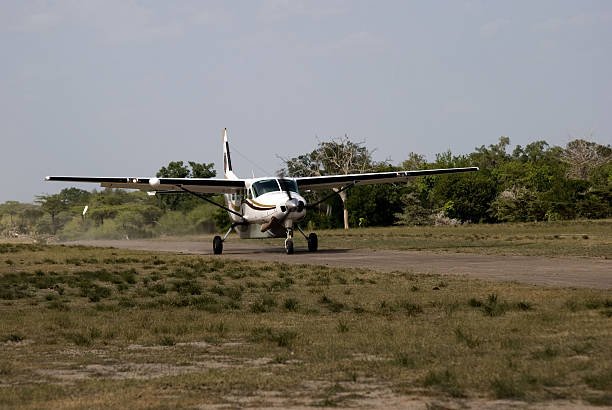
10-Day Selous, Mikumi And Ruaha Safari Guide
Discover the untamed beauty of southern Tanzania with a 10-day safari combining Selous Game Reserve, Mikumi National Park, and Ruaha National Park. This itinerary offers a comprehensive...
View package details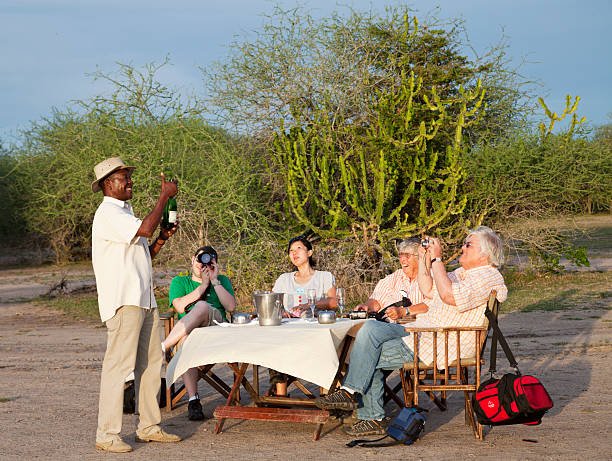
10-Day Nyerere, Ruaha & Zanzibar Package: Ultimate Southern Tanzania Adventure
Discover the best of Southern Tanzania with a meticulously crafted 10-day package combining the vast wilderness of Nyerere National Park (formerly Selous) and Ruaha National Park with the...
View package details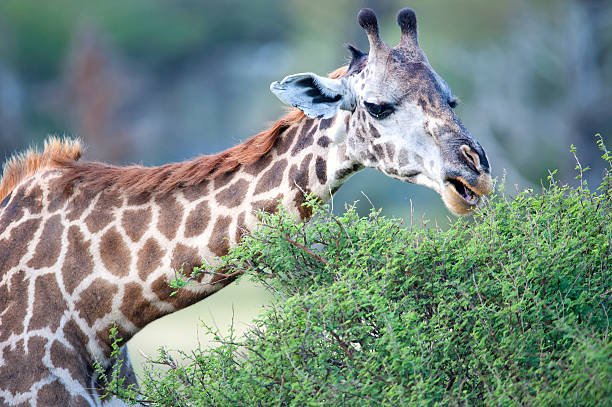
10-Day Southern Tanzania Safari And Beach Holiday 2026-2027
Discover the ultimate 10-day Southern Tanzania safari and beach holiday, blending the wild wonders of Selous and Ruaha with the serene shores of Zanzibar or Mafia Island. Perfect for...
View package details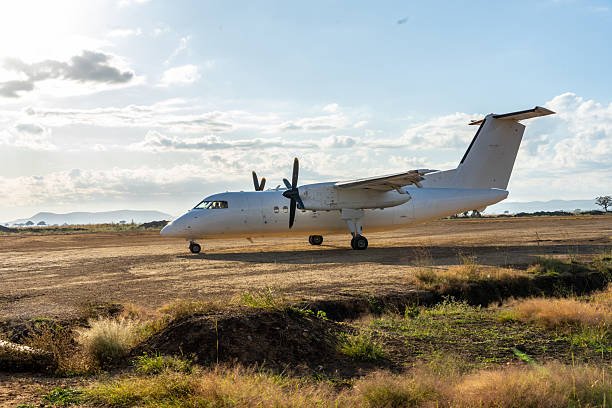
9-Day Mikumi, Nyerere And Zanzibar Tour: The Ultimate Southern Tanzania
Discover the magic of Southern Tanzania with a 9-day journey through Mikumi National Park, Nyerere National Park (formerly Selous Game Reserve), and the spice island of Zanzibar. This tour...
View package details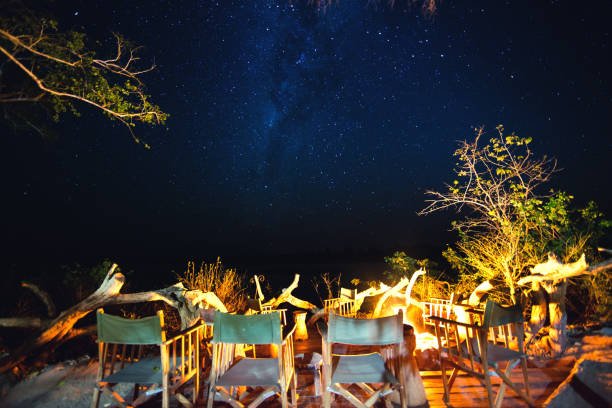
9-Day Selous Glamping And Spice Island Holiday: Your Ultimate Tanzania Escape
Combine the thrill of a luxury glamping safari in Selous Game Reserve with the serene beauty of Zanzibar's Spice Islands on this 9-day Tanzania adventure. Perfect for 2026-2027 planning.
View package details9-Day Nyerere Safari And Zanzibar Package: Ultimate Southern Tanzania
Discover the best of Tanzania's southern circuit with a 9-day Nyerere Safari and Zanzibar package. Experience thrilling game drives in Nyerere National Park, once known as Selous, followed...
View package details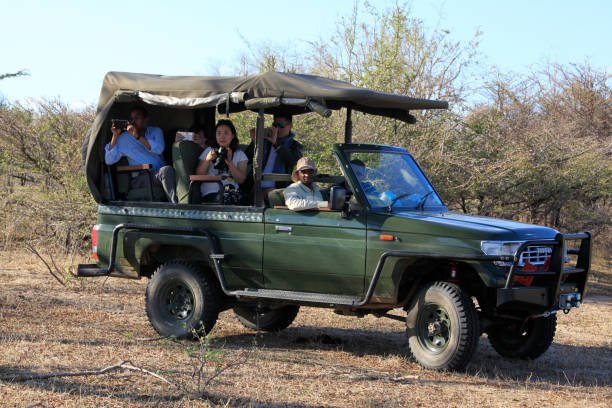
8-Day Nyerere Family Safari: The Ultimate Tanzania Adventure 2026-2027
Experience an unforgettable 8-day Nyerere Family Safari in Tanzania with Top Guide Adventures. This itinerary focuses on diverse wildlife, stunning landscapes, and family-friendly...
View package details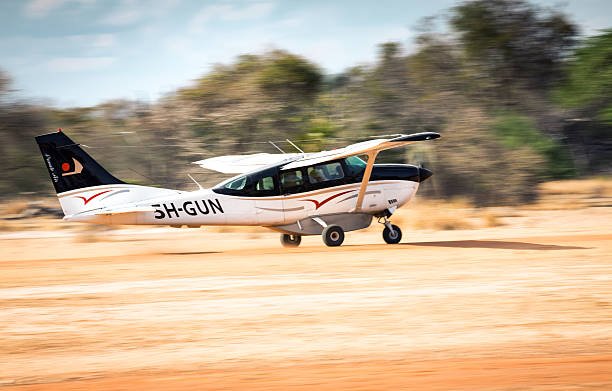
8-Day Selous Safari And Zanzibar Holiday: Your Ultimate Tanzania Adventure
An 8-day adventure perfectly blending the wild heart of Selous Game Reserve with the tropical allure of Zanzibar. This itinerary offers an unforgettable Tanzanian experience, combining...
View package details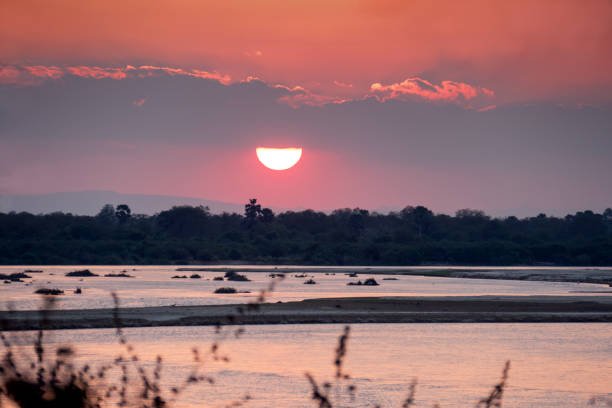
8-Day Southern Tanzania Luxury Safari: Selous & Ruaha 2026-2027
An 8-day luxury safari through Southern Tanzania's Selous Game Reserve and Ruaha National Park offers an unparalleled wildlife experience. This itinerary focuses on exclusive lodges...
View package detailsNo related package matches those filters. Clear one or more filters to see the other topic-matched options.
Plan your Western Serengeti Guide: Grumeti River and Migration with Top Guide Adventures
Tell us your travel dates, group size, comfort level, and dream experience. We will help you shape a clear, realistic, and memorable Tanzania itinerary.



