
Updated planning guide for 2026, 2027-2028
Volunteer And Safari Tour From Moshi: Best Guide 2026-2027-2028
Discover how to combine meaningful volunteer work with an unforgettable safari adventure starting from Moshi, Tanzania. This guide provides detailed planning information for 2026-2027.
WhatsApp +255616946642 | topguideadventures@gmail.com | info@topguideadventures.com
Volunteer and Safari Tour From Moshi: The Complete Guide
Combining a desire to give back with the thrill of exploring Tanzania’s natural wonders is a powerful way to experience this incredible country. A volunteer and safari tour from Moshi offers a unique blend of cultural immersion, community support, and wildlife encounters. Moshi, a vibrant town nestled at the foot of Mount Kilimanjaro, serves as an ideal starting point for such journeys, providing access to both local projects and the world-renowned national parks of Northern Tanzania. This guide is designed to help you plan every aspect of your volunteer and safari tour from Moshi, ensuring a rewarding and well-organized trip for 2026 and 2027.
Quick Answer: What is a Volunteer and Safari Tour from Moshi?
A volunteer and safari tour from Moshi is a multi-faceted travel experience that integrates hands-on community service or conservation work with traditional safari excursions. Travelers typically spend a portion of their trip contributing to local projects, such as those in education, healthcare, or environmental conservation, before heading out on safaris to witness Tanzania’s iconic wildlife in parks like Serengeti, Ngorongoro Crater, and Tarangire. The tour originates from Moshi, a hub for both volunteer opportunities and safari departures.
Quick Facts: Volunteer and Safari Tour from Moshi
| Aspect | Details |
|---|---|
| Origin Point | Moshi, Tanzania |
| Core Activities | Community volunteering, wildlife safaris |
| Primary Safari Destinations | Serengeti National Park, Ngorongoro Conservation Area, Tarangire National Park, Lake Manyara National Park |
| Volunteer Project Types | Education (schools), healthcare (clinics), conservation (environmental projects), community development |
| Typical Duration | 10 days to 3 weeks (can be customized) |
| Best Time to Travel | June to October (dry season, good for safaris and volunteering) and January to February (short rains, fewer crowds) |
| Accommodation | Homestays or local guesthouses during volunteering; lodges or tented camps during safari |
Understanding the Volunteer and Safari Tour Concept
The appeal of a combined volunteer and safari tour lies in its ability to offer a deeper, more authentic connection to Tanzania. Unlike a standard safari, this type of trip allows you to engage with local communities, understand their daily lives, and contribute positively. Following this immersive experience, the safari portion provides a starkly beautiful contrast, showcasing the country’s unparalleled natural heritage. Moshi’s strategic location makes it a natural nexus for these activities, offering a gateway to both rural projects and the northern safari circuit.
Why Choose a Volunteer and Safari Tour from Moshi?
- Meaningful Impact: Directly contribute to community development or conservation efforts.
- Cultural Immersion: Live and work alongside local people, gaining genuine insights.
- Diverse Experiences: Balance altruistic work with breathtaking wildlife viewing.
- Convenient Base: Moshi offers excellent infrastructure for both volunteer placements and safari departures.
- Stunning Scenery: Experience the majestic Mount Kilimanjaro and the vast plains of the Serengeti.
- Educational Value: Learn about conservation challenges, local culture, and sustainable tourism.
Volunteer Opportunities Available from Moshi
Moshi and its surrounding areas host a variety of volunteer projects catering to different interests and skill sets. The types of programs available will influence the duration and focus of your volunteer phase. It’s crucial to choose a project that aligns with your personal goals and offers genuine benefit to the local community.
Common Volunteer Project Areas:
- Education: Assisting in local schools, teaching English, supporting teachers, or helping with school infrastructure projects. This is a popular choice for those interested in cultural exchange and education.
- Healthcare: Working in local clinics or hospitals, providing basic medical care, supporting health education programs, or assisting with community health initiatives. Medical professionals or students often find these placements rewarding.
- Conservation: Participating in environmental projects, such as tree planting, wildlife monitoring (in non-intrusive ways), waste management initiatives, or supporting local conservation organizations.
- Community Development: Assisting with projects aimed at improving living conditions, such as building community centers, supporting microfinance initiatives, or helping with agricultural projects.
The duration of your volunteer placement can vary, from a few days to several weeks. Shorter placements might focus on specific tasks, while longer commitments allow for deeper engagement and more substantial contributions. It’s important to partner with reputable organizations that ensure volunteer work is ethical, sustainable, and genuinely beneficial.
Safari Destinations Accessible from Moshi
Once your volunteer phase is complete, the adventure shifts to the iconic wildlife reserves of Northern Tanzania. Moshi provides excellent access to the country’s most famous parks, forming the Northern Safari Circuit. The logistics of reaching these parks are well-established, making it straightforward to transition from your volunteer work to your safari experience.
Key Safari Parks and Reserves:
- Serengeti National Park: World-renowned for its vast plains and the Great Migration. It’s a quintessential safari destination offering incredible opportunities to see lions, leopards, elephants, buffalo, and rhinos, along with millions of wildebeest and zebras.
- Ngorongoro Conservation Area (including the Crater): A UNESCO World Heritage Site, the Ngorongoro Crater is a collapsed volcano caldera that hosts an astonishing density of wildlife, including the rare black rhino. It’s a compact yet incredibly rich ecosystem.
- Tarangire National Park: Famous for its large elephant herds and iconic baobab trees. It’s particularly vibrant during the dry season when animals congregate around the Tarangire River.
- Lake Manyara National Park: Known for its tree-climbing lions, large troops of baboons, and diverse birdlife. The park features a stunning alkaline lake and a variety of habitats.
Your safari itinerary will be designed to maximize wildlife viewing opportunities, often including game drives in 4×4 safari vehicles. The order and duration spent in each park can be customized based on your interests and the time available.
Sample Northern Tanzania Safari Route from Moshi
This is a conceptual route; actual routes are customized.
- Day 1: Arrive in Moshi. Meet your guide, briefing.
- Day 2-7: Volunteer activities in and around Moshi.
- Day 8: Depart Moshi for Tarangire National Park. Afternoon game drive.
- Day 9: Full day game drive in Tarangire.
- Day 10: Drive to Ngorongoro Conservation Area. Descend into the Crater for a full day game drive.
- Day 11: Drive to Serengeti National Park (Central or Southern sector depending on migration). Afternoon game drive.
- Day 12-13: Full days exploring Serengeti National Park.
- Day 14: Morning game drive in Serengeti. Drive back towards Arusha/Moshi.
- Day 15: Departure or further travel.
Planning Your Volunteer and Safari Tour from Moshi
Successful planning is key to a fulfilling volunteer and safari tour. This involves understanding the best time to travel, considering the duration, and making informed choices about your volunteer placement and safari itinerary. For trips planned for 2026 and 2027, starting your research and booking process well in advance is highly recommended.
Best Time to Travel for Volunteer and Safari Tours
Tanzania has distinct seasons, each offering different experiences for both volunteering and safaris.
Seasonality for Volunteer and Safari Tours
| Period | Weather | Safari Conditions | Volunteer Conditions | Crowds |
|---|---|---|---|---|
| June – October (Dry Season) | Cooler temperatures, dry, sunny days. Minimal rain. | Excellent. Wildlife congregates around water sources. Great for spotting animals. The Great Migration is often in the Western Corridor or Northern Serengeti. | Generally good, though some outdoor projects might be affected by dust. Community activities are less impacted by rain. | Moderate to High. Peak tourist season. |
| November – December (Short Rains) | Brief, localized showers, usually in the afternoon. Warmer. | Good. Landscapes turn green. Wildlife is more dispersed but still visible. Good for birdwatching. | Can be challenging with rain impacting outdoor work, but indoor activities are fine. | Moderate. Shoulder season. |
| January – February (Long Rains / Dry Spell) | Can be hot and humid, with short, heavy downpours or sometimes extended dry spells. | Excellent for calving season in the Southern Serengeti (if timed correctly). Fewer tourists. Landscapes are lush. | Variable. Heavy rains can disrupt outdoor projects, but dry spells are good. | Low to Moderate. |
| March – May (Long Rains) | Heavy and prolonged rainfall, often making roads impassable in some areas. | Challenging for safaris due to rain and muddy roads. Wildlife disperses. Generally not recommended for safaris. | Very challenging for outdoor volunteer work. Indoor activities are possible but limited. | Low. Off-peak season. |
For a volunteer and safari tour from Moshi, the dry season (June to October) is generally the most popular and recommended period. It offers the best combination of favorable weather for both volunteering and optimal wildlife viewing during the safari portion. However, the shoulder months of November-December and January-February can also be excellent, offering fewer crowds and potentially lower costs, provided you are prepared for occasional rain showers.
Duration of Your Trip
The length of your volunteer and safari tour from Moshi depends on your availability and goals. A typical trip might look like this:
- 1 Week: Primarily focused on volunteering with a short, nearby safari (e.g., a day trip to a local park or a 2-day trip to Arusha National Park).
- 10-14 Days: A balanced experience with 4-7 days of volunteering and a 5-7 day safari covering 2-3 major parks.
- 3 Weeks or More: Allows for deeper engagement in volunteering, longer safari excursions, and potentially adding other Tanzanian destinations like Zanzibar.
When planning for 2026 or 2027, consider how much time you can realistically allocate. Remember to factor in travel time to and from Tanzania, as well as acclimatization upon arrival.
Choosing Your Volunteer Project
Selecting the right volunteer project is crucial for a rewarding experience. Research organizations thoroughly. Look for those with clear project goals, good communication, and a demonstrated commitment to ethical practices. Consider your skills, interests, and what you hope to achieve. Some organizations may require specific qualifications or experience, while others welcome general volunteers. It’s advisable to confirm that the organization has a positive impact on the community and doesn’t displace local workers.
Structuring Your Safari Itinerary
Work with your tour operator to design a safari itinerary that complements your volunteer experience. Consider:
- Parks of Interest: Which parks are essential for you to visit?
- Wildlife Focus: Are you keen on seeing the Great Migration, specific animals like rhinos, or diverse birdlife?
- Pace: Do you prefer a faster-paced trip covering more ground, or a more relaxed pace with more time in fewer locations?
- Accommodation Style: From budget-friendly tented camps to luxury lodges, choose options that fit your comfort and budget.
What to Expect During Your Volunteer and Safari Tour
A volunteer and safari tour from Moshi offers a rich, often intense, but profoundly rewarding experience. Understanding what to expect can help you prepare mentally and practically.
During Your Volunteer Phase:
- Accommodation: Often involves homestays with local families or stays in basic guesthouses or volunteer houses. This provides an authentic cultural experience but may differ significantly from Western standards. Expect shared facilities, simple meals, and a closer connection to daily life.
- Daily Routine: You’ll typically work weekdays, with weekends free for rest, local exploration, or cultural activities. Your tasks will depend on your project placement.
- Cultural Differences: Be prepared for different customs, communication styles, and social norms. Open-mindedness and respect are paramount.
- Language: While English is spoken in tourist areas and by many educated Tanzanians, learning a few basic Swahili phrases (like ‘Jambo’ for hello, ‘Asante’ for thank you) will be greatly appreciated.
During Your Safari Phase:
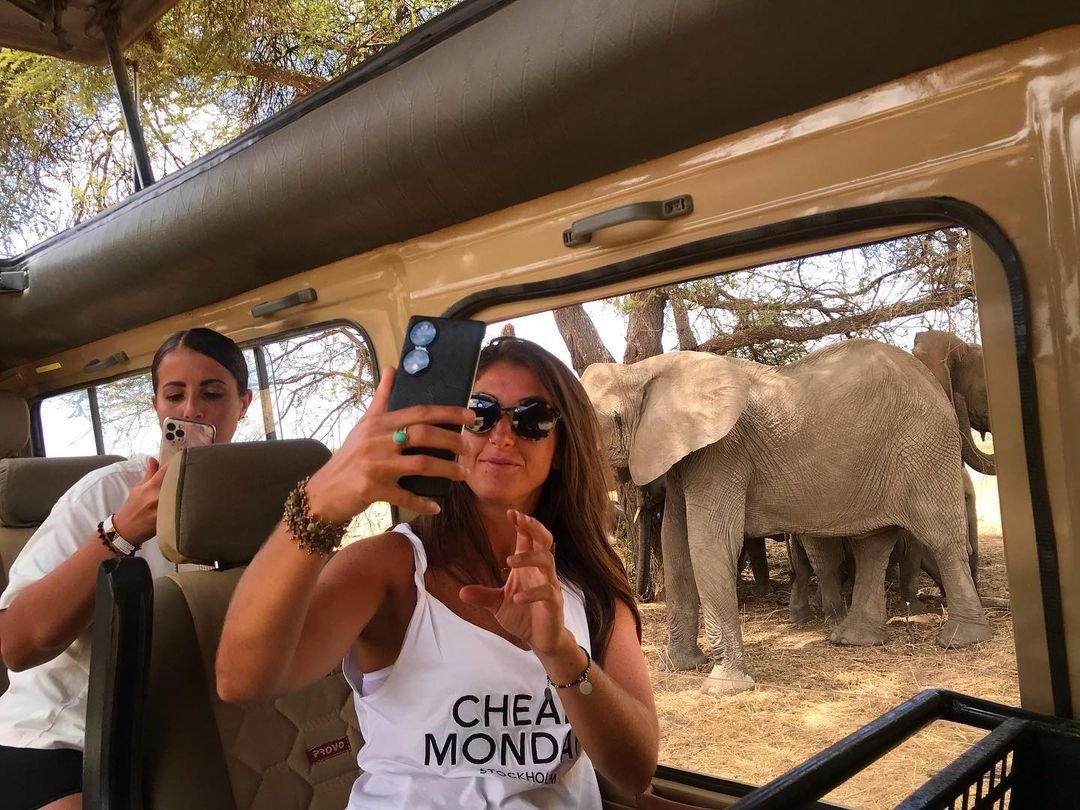
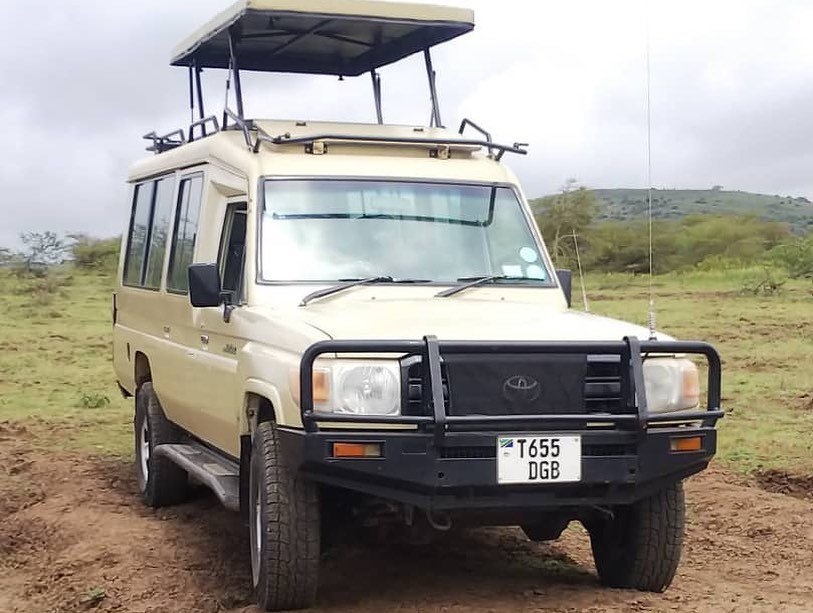
- Game Drives: You’ll typically travel in a specially equipped 4×4 safari vehicle with a knowledgeable guide. Game drives involve early mornings and late afternoons to maximize wildlife viewing opportunities.
- Accommodation: Safari accommodations range from comfortable tented camps to luxurious lodges, often situated within or near national parks. Expect meals to be provided at your accommodation.
- Wildlife Encounters: While safaris offer incredible chances to see animals, sightings are never guaranteed. Patience and flexibility are key. Your guide’s expertise will be invaluable in tracking animals.
- Safety: Safari operators adhere to strict safety protocols. You will be briefed on necessary precautions, such as staying inside the vehicle during game drives and following guide instructions.
Packing and Preparation for Your Trip
Proper packing is essential for comfort and practicality, especially when transitioning between volunteer work and a safari. Consider the climate, activities, and cultural sensitivities.
Essential Items:
- Clothing for Volunteering: Comfortable, modest clothing suitable for manual work if required. Lightweight, breathable fabrics are best. Include long trousers and shirts to protect from sun and insects.
- Clothing for Safari: Neutral-colored clothing (khaki, beige, green) is recommended to blend in with the environment. Avoid bright colors. Pack layers as mornings and evenings can be cool. Include a light to medium-weight jacket or fleece.
- Footwear: Comfortable walking shoes or sturdy trainers for volunteering. Closed-toe shoes are essential for safaris. Sandals can be useful for relaxing at camp.
- Sun Protection: High SPF sunscreen, a wide-brimmed hat, and sunglasses are non-negotiable.
- Insect Repellent: A strong repellent containing DEET is crucial, especially for evenings and during the rainy seasons.
- Health and First-Aid: A personal first-aid kit with any necessary prescription medications, pain relievers, antiseptic wipes, bandages, and anti-diarrhea medication. Consult your doctor about necessary vaccinations and malaria prophylaxis well in advance of your 2026-2027 trip.
- Toiletries: Biodegradable toiletries are a good choice. Hand sanitizer is very useful.
- Camera and Accessories: Camera, extra batteries, memory cards, and a portable charger or power bank. Binoculars are highly recommended for wildlife viewing.
- Documents: Passport (with at least six months’ validity), visa (if required), flight details, travel insurance documents, vaccination certificates, and copies of important documents.
- Money: Some local currency (Tanzanian Shillings) for small purchases, tips, and personal expenses. US Dollars are widely accepted for larger payments and are often preferred. Inform your bank of your travel dates.
Pre-Trip Planning Checklist (for 2026-2027 travel)
- [ ] Research and select a reputable volunteer organization.
- [ ] Book flights to Kilimanjaro International Airport (JRO) or a nearby hub.
- [ ] Secure necessary visas for Tanzania.
- [ ] Consult your doctor for vaccinations and malaria advice.
- [ ] Purchase comprehensive travel insurance covering medical emergencies and trip cancellations.
- [ ] Confirm your volunteer placement details and arrival instructions in Moshi.
- [ ] Arrange your safari portion with a tour operator, discussing itinerary and accommodation.
- [ ] Pack appropriate clothing and gear.
- [ ] Exchange some currency or plan for ATM withdrawals.
- [ ] Inform your bank and credit card companies of your travel dates.
- [ ] Make digital and physical copies of important documents.
- [ ] Learn a few basic Swahili phrases.
Common Mistakes to Avoid
To ensure your volunteer and safari tour from Moshi is as smooth and enjoyable as possible, be aware of common pitfalls:
- Underestimating the Intensity: Volunteering can be physically and emotionally demanding. Safaris require early starts. Be prepared for both.
- Inadequate Research: Not thoroughly vetting volunteer organizations or tour operators can lead to disappointment or even unsafe situations.
- Ignoring Health Advice: Failing to get necessary vaccinations or take malaria precautions can have serious consequences.
- Packing Inappropriately: Bringing unsuitable clothing or forgetting essential items like sunscreen or insect repellent can impact your comfort.
- Cultural Insensitivity: Disregarding local customs and dress codes can cause offense. Always be respectful.
- Expecting Western Standards: Especially during the volunteer phase, be prepared for simpler living conditions and different service levels.
- Not Budgeting for Extras: While tours often include accommodation and meals, personal expenses, tips, souvenirs, and optional activities need to be factored in.
- Last-Minute Booking: For popular times like 2026-2027, booking well in advance is crucial for securing preferred volunteer placements and safari vehicles/lodges.
Who is a Volunteer and Safari Tour From Moshi Best For?
This type of trip is ideal for travelers who seek more than just a typical vacation. It appeals to:
- Conscious Travelers: Those who want their travel to have a positive impact and contribute to local communities or conservation efforts.
- Adventure Seekers: Individuals who enjoy diverse experiences, from hands-on work to thrilling wildlife encounters.
- Culturally Curious Individuals: People eager to immerse themselves in local life, understand different perspectives, and connect with Tanzanian people.
- Gap Year Students & Young Adults: Those looking for meaningful experiences, personal growth, and an opportunity to make a difference.
- Experienced Travelers: Individuals who have seen many destinations and are looking for a deeper, more impactful way to explore Africa.
- Families (with older children): Some programs can be adapted for families, offering educational and bonding experiences.
It is generally less suited for travelers seeking a purely luxurious resort experience or those who prefer to remain completely detached from local realities. The combination requires a degree of flexibility, adaptability, and a willingness to step outside one’s comfort zone.
Alternatives to a Combined Volunteer and Safari Tour
If a combined tour isn’t quite right, consider these alternatives:
- Pure Volunteer Trip: Focus solely on volunteer work in or around Moshi, allowing for deeper immersion in community projects.
- Classic Tanzania Safari: Concentrate on exploring the Northern Circuit (Serengeti, Ngorongoro, etc.) or other parks like Ruaha or Selous for an unparalleled wildlife experience.
- Kilimanjaro Trekking: Moshi is the gateway to climbing Mount Kilimanjaro. This can be combined with a shorter safari or volunteer experience.
- Cultural Tours: Engage in tours focused on learning about local cultures, visiting villages, and understanding traditional life around Moshi.
- Zanzibar Holiday: Combine a safari with a relaxing beach holiday on the Spice Island of Zanzibar.
Planning Your Volunteer and Safari Tour for 2026-2027
Planning ahead is crucial for a successful and stress-free trip, especially for trips scheduled for 2026 and 2027. Early booking allows you to secure the best volunteer placements, safari options, and potentially better prices.
Booking Timeline Recommendations:
- 12+ Months Prior: Begin researching volunteer organizations and tour operators. Identify potential projects and safari routes.
- 9-12 Months Prior: Make initial contact with organizations and operators. Discuss your interests and desired dates. Start saving for your trip.
- 6-9 Months Prior: Finalize your choice of volunteer program and safari itinerary. Book your international flights.
- 4-6 Months Prior: Confirm all bookings. Apply for your Tanzanian visa if required.
- 2-3 Months Prior: Consult your doctor for vaccinations and malaria prophylaxis. Purchase travel insurance.
- 1 Month Prior: Finalize packing. Inform your bank of your travel plans. Learn basic Swahili phrases.
- 1-2 Weeks Prior: Confirm all arrangements. Pack your bags.
Flexibility is also important. While planning is key, be prepared for unexpected changes, which are common in travel, especially in developing countries. A good tour operator will help you navigate these situations.
Costs and Budget Considerations
The cost of a volunteer and safari tour from Moshi can vary significantly based on the duration, the type of volunteer program, the quality of safari accommodation, and the number of parks visited. It is important to understand what is typically included and excluded.
Typical Inclusions:
- Volunteer program fees (often cover accommodation, meals, project support).
- Safari vehicle, driver-guide, and fuel.
- Park entrance fees.
- Accommodation during the safari (lodges or tented camps).
- Most meals during the safari.
- Airport transfers.
Typical Exclusions:
- International flights.
- Visa fees.
- Travel insurance.
- Vaccinations and malaria medication.
- Tips for guides, drivers, and lodge staff.
- Personal expenses (souvenirs, drinks, laundry).
- Optional activities (e.g., hot air balloon safari).
- Some meals (especially lunch and dinner in Moshi/Arusha before or after the main tour).
When budgeting for 2026-2027, factor in a daily budget for personal expenses and tips. Reputable organizations and tour operators will provide a clear breakdown of costs and inclusions. It’s wise to get quotes from several providers to compare offerings and prices.
Safety and Health Considerations
Your safety and health are paramount. Tanzania is generally safe for tourists, but it’s essential to take precautions.
Health:
- Vaccinations: Consult the CDC or your national health authority for recommended vaccinations (e.g., Hepatitis A, Typhoid, Tetanus). Yellow Fever vaccination may be required if arriving from or transiting through certain countries.
- Malaria: Tanzania is a malaria-risk area. Discuss appropriate antimalarial medication with your doctor. Use insect repellent diligently, especially at dawn and dusk.
- Food and Water: Drink only bottled or purified water. Be cautious with street food. Ensure fruits are peeled.
- Sun Exposure: The equatorial sun is intense. Protect yourself with sunscreen, hats, and sunglasses.
Safety:
- Tour Operators: Use licensed and reputable tour operators and volunteer organizations.
- Valuables: Keep valuables secure and avoid displaying them openly.
- Solo Travel: If traveling alone, especially during the volunteer phase, be aware of your surroundings and avoid walking alone at night in unfamiliar areas.
- Wildlife: Always follow your guide’s instructions during safaris. Never approach or feed wild animals.
- Community Engagement: Be respectful of local customs and traditions. Ask permission before taking photos of people.
Booking Your Volunteer and Safari Tour with Experts
Choosing the right partner for your volunteer and safari tour from Moshi is critical. A reliable tour operator will handle the complex logistics, ensuring a safe, well-organized, and enriching experience. Look for operators with a strong local presence, excellent reviews, and a clear commitment to sustainable and ethical tourism.
Top Tanzania Tour Operator specializes in creating tailor-made volunteer and safari experiences from Moshi. We understand the nuances of combining community engagement with exceptional wildlife viewing. Our team is dedicated to providing personalized service, ensuring every aspect of your trip, from project selection to safari logistics, is handled with professionalism and care.
Ready to plan your unforgettable volunteer and safari tour from Moshi for 2026 or 2027?
Contact us today to discuss your interests and design your perfect itinerary.
WhatsApp: +255616946642
Email: topguideadventures@gmail.com
Backup Email: info@topguideadventures.com
Frequently Asked Questions (FAQs)
Q1: How much does a volunteer and safari tour from Moshi typically cost?
A: Costs vary greatly. A 10-day trip might range from $1500 to $3000+ per person, depending on the volunteer program’s fees, safari itinerary, accommodation choices, and included services. For 2026-2027 bookings, it’s best to get personalized quotes.
Q2: Do I need any special skills to volunteer?
A: Many volunteer positions require no specific skills and welcome general volunteers. However, some roles in healthcare or education might prefer or require relevant qualifications or experience. Always check the specific requirements of the project.
Q3: What is the best way to handle money in Tanzania?
A: It’s advisable to carry a mix of US Dollars (for larger payments like tour fees and park entries) and Tanzanian Shillings (for local markets, tips, and small purchases). ATMs are available in larger towns like Moshi and Arusha, but can be unreliable. Inform your bank about your travel plans.
Q4: Is it safe to drink tap water in Tanzania?
A: No, it is not recommended to drink tap water. Always drink bottled, purified, or boiled water. Be cautious with ice in drinks if you are unsure of the water source.
Q5: What is the best time of year for a volunteer and safari tour from Moshi in 2027?
A: The dry season, from June to October, is generally best for safaris due to abundant wildlife and easier travel. January and February also offer good safari conditions with fewer crowds. For volunteering, the dry season is also more comfortable for outdoor work.
Q6: How far in advance should I book my 2026 volunteer and safari tour?
A: It is highly recommended to book at least 6-9 months in advance, especially if you are traveling during peak season or have specific volunteer project requirements. This ensures availability for both your volunteer placement and safari arrangements.
Q7: What kind of accommodation can I expect during the volunteer phase?
A: Accommodation during the volunteer phase is typically basic but clean and safe. Options include homestays with local families, volunteer guesthouses, or shared dormitories. This allows for a more authentic cultural experience.
Q8: What should I pack for a volunteer and safari trip?
A: Pack light, breathable clothing in neutral colors for safari, and modest, comfortable clothing for volunteering. Essentials include sunscreen, insect repellent, a hat, comfortable walking shoes, a first-aid kit, and any personal medications. A good camera and binoculars are also recommended.
Q9: Can I combine a volunteer and safari tour with climbing Mount Kilimanjaro?
A: Yes, this is a popular combination. You could volunteer for a week, then embark on a Kilimanjaro trek, followed by a safari. This requires at least 3-4 weeks of total travel time.
Q10: What kind of wildlife can I expect to see on safari from Moshi?
A: On a safari in Northern Tanzania, you can expect to see the “Big Five” (lion, leopard, elephant, rhino, buffalo), as well as giraffes, zebras, wildebeest, hippos, crocodiles, cheetahs, and a vast array of bird species. The specific sightings depend on the park and time of year.
Q11: Will I need a visa for Tanzania?
A: Most nationalities require a visa for Tanzania. This can often be obtained online in advance (e-Visa) or upon arrival at the airport. Check the latest requirements for your nationality well before your planned trip in 2027.
Q12: How important are tips for guides and staff?
A: Tipping is customary and greatly appreciated in Tanzania for guides, drivers, cooks, and lodge staff. Your tour operator can provide guidance on appropriate amounts and how to distribute tips.
Start Planning Your Meaningful Tanzania Adventure
A volunteer and safari tour from Moshi offers a unique way to connect with Tanzania, its people, and its incredible wildlife. Whether you’re looking to contribute to a local community, explore breathtaking landscapes, or both, this journey promises an experience that is both enriching and unforgettable. Let us help you craft the perfect itinerary for your 2026 or 2027 adventure.
Contact us today to begin planning your volunteer and safari tour from Moshi:
WhatsApp: +255616946642
Email: topguideadventures@gmail.com
Backup Email: info@topguideadventures.com

Which Tanzania Safari Gives The Best Value For Money? 2026-2027
Which Tanzania safari gives the best value for money? is explained with current 2026-2027 planning, price, itinerary and booking information.
View package details
How To Avoid Safari Scams In Tanzania: A Top Guide Adventures Expert 2026-2027
Navigating a safari in Tanzania is a dream for many, but a few precautions can ensure your adventure is scam-free. This guide from Top Guide Adventures provides essential advice for...
View package details
Which Local Tanzania Safari Companies Are Trustworthy In ? 2026-2027
Choosing a trustworthy local Tanzania safari company is crucial for a memorable and safe adventure. This guide helps you identify reliable operators for your 2026-2027 trip, covering...
View package detailsHow Far In Advance Should You Book A Tanzania Safari? Your Planning Guide
Securing your dream Tanzania safari requires strategic planning. This comprehensive guide details the optimal booking timeline for 2026-2027, considering peak seasons, lodge availability...
View package detailsHow Much Should I Tip My Safari Guide In Tanzania? Your 2026-2027
Understand the tipping culture for safari guides and staff in Tanzania. This guide provides clear, actionable recommendations for tipping your safari crew in 2026-2027, covering guides...
View package detailsPrivate Safari Vs Group Tanzania — Which Is Better? 2026-2027
Private safari vs group safari Tanzania — which is better? is explained with current 2026-2027 planning, price, itinerary and booking information.
View package details
Is A Group Joining Safari In Tanzania Worth It? 2026-2027
Is a group joining safari in Tanzania worth it? is explained with current 2026-2027 planning, price, itinerary and booking information.
View package details
Serengeti And Ngorongoro Safari Without Luxury: Your Options For 2026-2027
Discover how to experience the wonders of the Serengeti and Ngorongoro Crater on a safari that prioritizes incredible wildlife viewing and authentic experiences over luxury accommodations...
View package details
Tanzania Safari For Great Migration: Which Tour To Book In 2026-2027
Planning to witness the Great Migration in Tanzania? This guide helps you choose the perfect safari for 2026-2027, detailing the best parks, timing, and tour options for an unforgettable...
View package details
Three Days For Safari In Tanzania: Where To Go An Unforgettable Experience
If you have just three days for a safari in Tanzania, the most recommended destinations for a concentrated and rewarding wildlife experience are the Ngorongoro Conservation Area and...
View package details
We Are Staying In Zanzibar And Want To Do A Short Safari, What Do You
We are staying in Zanzibar and want to do a short safari, what do you recommend? is explained with current 2026-2027 planning, price, itinerary and booking.
View package detailsWe Are Arriving At Kilimanjaro Airport, What Safari Itinerary Should We Do?
Planning your safari upon arrival at Kilimanjaro Airport (JRO)? This guide provides tailored safari itineraries for 2026-2027, focusing on Northern Tanzania's iconic parks like the...
View package detailsNo related package matches those filters. Clear one or more filters to see the other topic-matched options.
Plan your Volunteer and Safari Tour From Moshi with Top Guide Adventures
Tell us your travel dates, group size, comfort level, and dream experience. We will help you shape a clear, realistic, and memorable Tanzania itinerary.



