
Updated planning guide for 2026, 2027
Tanzania Safari Packing List: What To Wear And Bring: Best Guide
Prepare for your dream Tanzania safari with our expert packing guide. From clothing essentials to essential gear, we cover everything you need for an unforgettable adventure in 2026 and 2027.
WhatsApp +255616946642 | topguideadventures@gmail.com | info@topguideadventures.com
Tanzania Safari Packing List: What to Wear and Bring
Planning a safari in Tanzania is an exciting prospect. The vast plains, iconic wildlife, and diverse landscapes promise an experience like no other. To ensure your adventure is comfortable and memorable, having the right gear is crucial. This detailed guide will walk you through everything you need to pack for a Tanzania safari, covering clothing, essential items, and important considerations for your 2026 or 2027 trip.
Table of Contents
- Quick Facts About Tanzania Safaris
- Tanzania Safari: An Overview
- Why Your Tanzania Safari Packing List Matters
- Best Time to Visit Tanzania for Your Safari
- Key Safari Regions in Tanzania
- Sample 7-Day Northern Circuit Safari Itinerary
- What to Expect on Your Tanzania Safari
- Clothing Essentials for Your Tanzania Safari Packing List
- Footwear Considerations
- Essential Accessories and Gear
- Toiletries and Health Items
- Documents and Money
- Electronics and Photography Gear
- Smart Packing Tips for Tanzania Safaris
- Common Packing Mistakes to Avoid
- Who is a Tanzania Safari Best Suited For?
- Alternatives to a Classic Tanzania Safari
- Planning Your 2026-2027 Tanzania Safari: Key Considerations
- Booking Your Tanzania Safari: Expert Advice
Quick Facts About Tanzania Safaris
| Category | Details |
|---|---|
| Primary Wildlife Viewing | Big Five (Lion, Leopard, Elephant, Rhino, Buffalo), Great Migration, diverse birdlife. |
| Popular Parks | Serengeti, Ngorongoro Crater, Tarangire, Lake Manyara, Selous Game Reserve (Nyerere), Ruaha. |
| Best Time for Wildlife | June-October (dry season, migration), January-February (calving season). |
| Typical Safari Duration | 3 days to 3 weeks, depending on scope. |
| Accommodation Styles | Luxury lodges, tented camps (permanent & mobile), budget guesthouses. |
| Activities | Game drives (day & night), walking safaris, hot air ballooning, cultural visits. |
| Travel Style | Can cater to budget, mid-range, luxury, family, adventure, and photography tours. |
Tanzania Safari: An Overview
Tanzania is synonymous with safari. Home to the iconic Serengeti National Park, the breathtaking Ngorongoro Crater, and the vast Selous Game Reserve (now Nyerere National Park), it offers some of the most spectacular wildlife viewing opportunities on the planet. Whether you dream of witnessing the Great Migration, spotting the elusive leopard, or simply immersing yourself in the raw beauty of the African wilderness, Tanzania delivers. Safaris here typically involve game drives in custom-built 4×4 vehicles, guided by experienced local drivers and guides who possess an intimate knowledge of the animals and their habitats. The experience can be tailored to various interests, from photography-focused trips to family adventures and even walking safaris for a more intimate encounter with nature.
Why Your Tanzania Safari Packing List Matters
Packing correctly for a Tanzania safari is more than just about comfort; it’s about practicality, safety, and making the most of your experience. The African climate can be unpredictable, and you’ll encounter diverse environments, from dusty plains to cooler highlands. The right clothing ensures you stay comfortable during long game drives, protect yourself from the sun and insects, and blend in with your surroundings, which is often preferred for wildlife viewing. Essential gear can range from binoculars for spotting distant animals to a reliable camera for capturing memories. Furthermore, many safari lodges and camps have specific luggage restrictions, often requiring soft-sided bags due to limited space in safari vehicles and small aircraft transfers. A well-thought-out Tanzania safari packing list helps you avoid unnecessary purchases, ensures you have what you need when you need it, and allows you to focus on the incredible wildlife and landscapes.
Best Time to Visit Tanzania for Your Safari
The ‘best’ time to visit Tanzania for a safari often depends on what you hope to see and experience. The country has two main seasons: the dry season and the wet season.
The Dry Season (June to October): This is generally considered the peak safari season. The weather is pleasant, with sunny days and cooler evenings. Vegetation is less dense, making wildlife spotting easier as animals congregate around water sources. This is also the prime time to witness the Great Migration in the Serengeti, with the wildebeest and zebra herds moving across the plains, often crossing rivers. The Ngorongoro Crater is excellent for wildlife viewing year-round, but particularly so during the dry season.
The Wet Season (November to May): This period sees rainfall, which varies across the country. The northern parks experience shorter rains from November to December and longer rains from March to May. The southern and western parks (like Selous/Nyerere and Ruaha) have their main rains from November to April. While game drives can sometimes be challenging during heavy downpours, the wet season offers lush green landscapes, fewer crowds, and often lower prices. It’s also the calving season for wildebeest in the southern Serengeti (January-February), a spectacular time to see predators in action. Birdwatching is also exceptional during this time.
For 2026 and 2027, consider these periods based on your priorities. If witnessing the Great Migration is paramount, aim for June-October. For birdwatching or a more budget-friendly trip with dramatic landscapes, consider the shoulder months of the wet season.
Key Safari Regions in Tanzania
Tanzania is a vast country with several world-renowned safari destinations. Understanding these regions helps in planning your itinerary and packing accordingly.
| Region/Park | Highlights | Best For |
|---|---|---|
| Serengeti National Park | Great Migration, vast plains, big cats, diverse wildlife. | Classic safari, Great Migration viewing, photography. |
| Ngorongoro Conservation Area | Ngorongoro Crater (a caldera teeming with wildlife), Maasai people. | High density of wildlife, birdwatching, unique crater ecosystem. |
| Tarangire National Park | Large elephant herds, baobab trees, diverse birdlife. | Excellent for elephants, unique landscapes, dry season viewing. |
| Lake Manyara National Park | Tree-climbing lions, large baboon troops, flamingos, diverse birdlife. | Shorter game drives, diverse habitats (forest, lake, savanna). |
| Nyerere National Park (formerly Selous) | Vast wilderness, boat safaris on Rufiji River, wild dogs, elephants. | Off-the-beaten-path, boat safaris, walking safaris. |
| Ruaha National Park | Largest park, large lion and elephant populations, remote. | True wilderness experience, large predator sightings, remote adventure. |
Sample 7-Day Northern Circuit Safari Itinerary
This is a classic itinerary focusing on the most popular Northern Circuit parks, ideal for first-time visitors. It offers a great mix of landscapes and wildlife.
Day 1: Arrival in Arusha & Transfer to Lodge
Arrive at Kilimanjaro International Airport (JRO), meet your guide, and transfer to your lodge in Arusha. Relax and prepare for your safari.
Day 2: Arusha to Tarangire National Park
After breakfast, drive to Tarangire National Park, famous for its large elephant herds and baobab trees. Enjoy a full day of game drives.
Day 3: Tarangire to Lake Manyara National Park
Morning game drive in Tarangire, then head to Lake Manyara National Park. Explore the park, known for its tree-climbing lions and diverse birdlife, including flamingos.
Day 4: Lake Manyara to Serengeti National Park
Drive to the legendary Serengeti National Park, with a stop at a Maasai village or a craft market if desired. Begin your game drives in the Serengeti, searching for predators and plains game.
Day 5: Full Day Serengeti Exploration
Spend the entire day exploring the vast Serengeti plains. Depending on the time of year, you’ll focus on areas where the Great Migration is likely to be found.
Day 6: Serengeti to Ngorongoro Crater Rim
Enjoy a final morning game drive in the Serengeti before driving to the Ngorongoro Conservation Area. You’ll stay at a lodge on the crater rim, offering spectacular views.
Day 7: Ngorongoro Crater Descent & Departure
Descend into the Ngorongoro Crater for a morning game drive. This caldera is a natural amphitheater teeming with wildlife. After your game drive, you’ll be transferred back to Arusha or directly to Kilimanjaro Airport (JRO) for your onward journey.
What to Expect on Your Tanzania Safari
A Tanzania safari is an immersive experience. You can anticipate:
- Early Starts: Safaris often begin at dawn to catch animals when they are most active and for the best light for photography.
- Long Game Drives: Expect to spend several hours each day in a safari vehicle, exploring different areas of the parks.
- Varying Conditions: Roads can be bumpy and dusty, especially during the dry season. Vehicles are designed for comfort, but expect some jostling.
- Wildlife Encounters: You will see a lot of animals, from large herds of herbivores to predators. Patience is key for spotting rarer animals like leopards.
- Incredible Scenery: The landscapes are as much a part of the experience as the wildlife, with vast savannas, acacia woodlands, and dramatic geological features.
- Accommodation: Lodges and tented camps range from rustic to ultra-luxurious, but all offer a unique connection to the natural environment. Expect comfortable beds, en-suite facilities (in most), and delicious meals.
- Guides: Your safari guide is your window into the ecosystem. They are knowledgeable about animal behavior, tracks, and the local culture.
Clothing Essentials for Your Tanzania Safari Packing List
When packing clothing, think layers, comfort, and practicality. Neutral colors are best to avoid startling wildlife. Avoid bright colors and camouflage patterns.
Tops:
- T-shirts/Short-sleeved shirts: 5-7. Lightweight, breathable fabrics like cotton or moisture-wicking synthetics.
- Long-sleeved shirts: 2-3. Essential for sun protection during the day and for warmth in the evenings. They also help protect against insects. Lightweight linen or cotton blends are ideal.
- Lightweight fleece or sweater: 1-2. For cooler mornings and evenings, especially at higher altitudes like the Ngorongoro Crater rim.
- Lightweight, waterproof and windproof jacket: 1. Crucial for unexpected rain showers or chilly winds.
Bottoms:
- Lightweight trousers: 2-3 pairs. Comfortable, breathable fabrics like cotton or hiking trousers. Zip-off legs can be versatile. Avoid jeans as they are heavy and slow to dry.
- Comfortable shorts or capris: 1-2 pairs. For warmer days, though long trousers are often preferred for sun and insect protection.
Other Clothing:
- Underwear and socks: Enough for your trip, plus a few extra. Consider moisture-wicking socks to prevent blisters.
- Pajamas: Lightweight and comfortable.
- Swimsuit: If your lodge or camp has a pool.
- Scarf or sarong: Versatile for sun protection, warmth, or modesty.
Color Palette: Stick to neutral colors like khaki, beige, olive green, brown, and muted earth tones. White can get dirty quickly, and dark colors like black and navy can attract tsetse flies in some areas.
Footwear Considerations
Comfortable and practical footwear is essential for your Tanzania safari packing list.
- Comfortable walking shoes or hiking boots: 1 pair. These should be broken in before your trip. They are useful for walking safaris (if offered) and for navigating around camps and lodges. Ensure they have good ankle support and grip.
- Comfortable trainers or sandals: 1 pair. For relaxing at the lodge or for light walking around camp.
- Flip-flops or slip-on shoes: Optional, for easy wear around your accommodation.
Essential Accessories and Gear
These items will significantly enhance your safari experience.
- Binoculars: Absolutely essential! A good pair (e.g., 8×32 or 10×42) will bring wildlife closer. Consider a pair with good low-light performance.
- Camera and accessories: A good camera with a zoom lens is highly recommended. Bring extra batteries, memory cards, and a charger. A dust-proof bag for your camera is also a good idea.
- Sun hat: Wide-brimmed is best for maximum sun protection.
- Sunglasses: Protect your eyes from the strong sun.
- Reusable water bottle: Many lodges provide filtered water for refilling.
- Small backpack or daypack: For carrying essentials like water, snacks, camera, sunscreen, and a jacket during game drives.
- Insect repellent: With DEET or picaridin, especially for evenings and areas near water.
- Sunscreen: High SPF, broad-spectrum.
- Lip balm with SPF: Protect your lips from sun and wind.
- Headlamp or small flashlight: Useful for navigating around camps at night.
- Personal first-aid kit: See below for details.
- Hand sanitizer: For use when facilities are not immediately available.
- Wet wipes: Useful for freshening up.
- Small binoculars for children: If traveling with family.
- Travel pillow: For comfort during long drives.
- Book or e-reader: For downtime at lodges.
- Ziploc bags: For protecting electronics from dust and moisture.
Toiletries and Health Items
While most lodges provide basic toiletries, it’s wise to bring your preferred items and necessary medications.
- Personal toiletries: Toothbrush, toothpaste, shampoo, conditioner, soap/body wash, deodorant. Consider travel-sized, biodegradable options.
- Personal medication: Prescription medications (with copies of prescriptions), pain relievers (e.g., ibuprofen, paracetamol), antidiarrheal medication (e.g., Imodium), antihistamines, motion sickness medication.
- Basic first-aid kit: Band-aids, antiseptic wipes, gauze pads, medical tape, tweezers, blister treatment, any personal medical supplies.
- Malaria precautions: Consult your doctor about malaria prophylaxis well in advance of your trip.
- Hand sanitizer: A must-have.
- Face masks: Consider bringing a few for dusty conditions or if you prefer.
Documents and Money
Keep these secure and easily accessible.
- Passport: Valid for at least six months beyond your stay, with sufficient blank pages.
- Visas: Check visa requirements for your nationality well in advance. Many nationalities can obtain a visa on arrival or online.
- Yellow Fever Certificate: May be required if arriving from or transiting through a country with a risk of yellow fever. Check current regulations.
- Flight tickets and itinerary: Printed copies and digital versions.
- Travel insurance details: Policy number and emergency contact information. Ensure it covers medical evacuation.
- Credit/Debit cards: Inform your bank of your travel dates.
- US Dollars: Widely accepted for tips, souvenirs, and some park fees. Bring smaller denominations. Avoid large denominations of older bills.
- Tanzanian Shillings: For local purchases in towns or smaller markets.
- Emergency contact list: For family, friends, and your tour operator.
Electronics and Photography Gear
Stay connected and capture memories.
- Mobile phone and charger: Ensure international roaming is set up or consider a local SIM card.
- Power bank/Portable charger: Very useful for charging devices on the go, especially during long drives or in areas with limited power access.
- Universal travel adapter: Tanzania uses Type D and Type G sockets (230V). A universal adapter is convenient.
- Camera: As mentioned, with spare batteries and memory cards.
- Optional: GoPro or action camera, drone (check regulations for flying drones in national parks).
- E-reader or tablet: For entertainment during downtime.
Smart Packing Tips for Tanzania Safaris
Maximize your packing efficiency.
- Soft-sided luggage: Most safari operators require duffel bags or soft-sided suitcases. These are easier to fit into safari vehicles and small bush planes. Avoid hard-shell suitcases.
- Pack light: Most lodges offer laundry services, so you don’t need to pack a change of clothes for every day. Check with your operator about laundry availability and cost.
- Layering is key: Temperatures can fluctuate significantly from day to night and with altitude.
- Roll your clothes: This saves space and reduces wrinkles.
- Waterproof bags: Use dry bags or Ziploc bags to protect electronics and important documents from dust and moisture.
- Consider weight limits: If flying between locations, there are often strict weight limits for luggage (typically 15-20kg per person).
- Leave valuables at home: Avoid bringing expensive jewelry or excessive cash.
Common Packing Mistakes to Avoid
Don’t let packing errors disrupt your trip.
- Bringing too much: Overpacking is a common mistake. Remember laundry services and the need for soft bags.
- Packing bright or dark colors: Stick to neutrals to blend in and avoid attracting unwanted attention from insects.
- Forgetting essentials: Binoculars, sunscreen, insect repellent, and a hat are often overlooked but crucial.
- Not breaking in shoes: New hiking boots can lead to painful blisters.
- Bringing hard-shell luggage: This can be a major inconvenience or even prevent you from boarding small aircraft.
- Not checking visa and vaccination requirements: Do this months in advance.
- Carrying too much cash: Rely on cards where possible and carry small amounts of USD for tips and local purchases.
Who is a Tanzania Safari Best Suited For?
Tanzania safaris are incredibly versatile and can appeal to a wide range of travelers:
- Wildlife Enthusiasts: This is the primary audience. If you dream of seeing iconic African animals in their natural habitat, Tanzania is a top choice.
- Nature Lovers: Beyond the animals, the landscapes are breathtaking and offer endless opportunities for appreciation.
- Photographers: From the Great Migration to unique species and dramatic sunsets, Tanzania is a photographer’s paradise.
- Families: Safaris can be educational and exciting for children, offering a chance to learn about nature and conservation. Many lodges offer family-friendly accommodations and activities.
- Adventure Seekers: Beyond game drives, activities like hot air ballooning, walking safaris, and climbing Kilimanjaro offer an adrenaline rush.
- Couples and Honeymooners: Romantic lodges, stunning sunsets, and the magic of the wild create an unforgettable experience.
- Solo Travelers: Safaris are generally safe and well-organized, making them suitable for solo adventurers. Group tours can also be a great way to meet people.
- Luxury Travelers: Tanzania boasts some of the most exclusive lodges and camps in Africa, offering unparalleled service and comfort.
- Budget Travelers: While luxury safaris are popular, more budget-friendly options exist, including camping safaris and mid-range accommodations.
Alternatives to a Classic Tanzania Safari
While Tanzania is a premier safari destination, other African countries offer incredible wildlife experiences:
- Kenya: Famous for the Maasai Mara and the Great Migration, offering similar wildlife viewing to the Serengeti.
- Botswana: Known for its pristine wilderness, Okavango Delta, and exclusive, high-end safari experiences.
- South Africa: Offers a wide range of safari experiences, including Kruger National Park, with excellent infrastructure and malaria-free options.
- Uganda/Rwanda: The go-to destinations for gorilla trekking and chimpanzee encounters, often combined with shorter safaris.
- Zambia: Renowned for walking safaris and the wild, less-trodden paths of South Luangwa National Park.
Each destination offers a unique flavor of the African wilderness, and the best choice depends on your specific interests, budget, and desired experience.
Planning Your 2026-2027 Tanzania Safari: Key Considerations
Planning ahead is crucial for securing the best experiences, especially for popular times like the peak seasons in 2026 and 2027. Here are some key points:
- Book Early: For peak seasons (June-October) and special events like the Great Migration, book at least 6-12 months in advance. This is especially true for 2026 and 2027 as travel rebounds.
- Choose Your Operator Wisely: Research tour operators thoroughly. Look for local companies with good reviews, knowledgeable guides, and a commitment to sustainable tourism.
- Define Your Interests: Are you focused on specific animals, photography, cultural experiences, or a mix? This will shape your itinerary and park choices.
- Consider Your Budget: Tanzania offers options from budget camping to ultra-luxury lodges. Be clear about your spending limits.
- Health and Vaccinations: Consult your doctor or a travel clinic 4-6 weeks before your trip regarding necessary vaccinations and malaria prophylaxis.
- Visa Requirements: Check the latest visa regulations for Tanzania for your nationality.
- Travel Insurance: Ensure it covers medical emergencies, trip cancellations, and importantly, medical evacuation.
- Pack Smart: Refer to this comprehensive Tanzania safari packing list to ensure you have everything you need.
- Flexibility: While planning is important, be prepared for the unexpected. Wildlife sightings are never guaranteed, and weather can change. Embrace the adventure!
Booking Your Tanzania Safari: Expert Advice
Choosing the right tour operator and understanding the booking process can make all the difference.
When you’re ready to book your dream safari, consider working with a reputable local operator. They have invaluable on-the-ground knowledge, can offer competitive pricing, and often provide a more authentic experience.
What to Look For in a Tour Operator:
- Local Expertise: A deep understanding of Tanzania’s parks, wildlife, and logistics.
- Experienced Guides: Qualified guides who are passionate and knowledgeable.
- Customization: Ability to tailor itineraries to your specific interests and budget.
- Reputation: Check reviews and testimonials from previous clients.
- Responsiveness: Prompt and clear communication.
- Sustainability: A commitment to responsible tourism practices.
The Booking Process:
1. Initial Inquiry: Contact your chosen operator with your desired dates, interests, budget, and group size.
2. Itinerary Proposal: The operator will propose a custom itinerary, including suggested parks, accommodation, and activities.
3. Refinement: Discuss the proposal, make any necessary adjustments, and confirm the final itinerary.
4. Quotation: You’ll receive a detailed quotation outlining what is included and excluded.
5. Deposit: A deposit (typically 20-50%) is usually required to confirm your booking and secure accommodations.
6. Final Payment: The remaining balance is usually due 30-60 days before your safari begins.
7. Pre-departure Information: You’ll receive detailed information about your trip, including your guide’s contact details, packing lists, and any final arrangements.
For a personalized safari experience in 2026 or 2027, don’t hesitate to reach out to our expert team. We specialize in creating unforgettable Tanzania safari adventures, Kilimanjaro treks, and Zanzibar holidays tailored to your dreams.
Ready to Plan Your Tanzania Safari?
Let us help you craft the perfect Tanzania safari packing list and an unforgettable adventure. Contact us today!
WhatsApp: +255616946642
Email: topguideadventures@gmail.com
Backup Email: info@topguideadventures.com
We look forward to helping you plan your 2026-2027 safari!
Tanzania Safari Under $2,000 Per Person: Your Dream Itinerary For 2026-2027
Explore Tanzania's incredible wildlife and landscapes on a safari designed for a $2,000 per person budget. We outline the best routes, durations, and what to expect for your 2026-2027...
View package details
We Are A Couple Visiting Tanzania In July, What Safari Would You Recommend?
We are a couple visiting Tanzania in July, what safari would you recommend? is explained with current 2026-2027 planning, price, itinerary and booking.
View package details
Which Tanzania Safari Gives The Best Value For Money? 2026-2027
Which Tanzania safari gives the best value for money? is explained with current 2026-2027 planning, price, itinerary and booking information.
View package details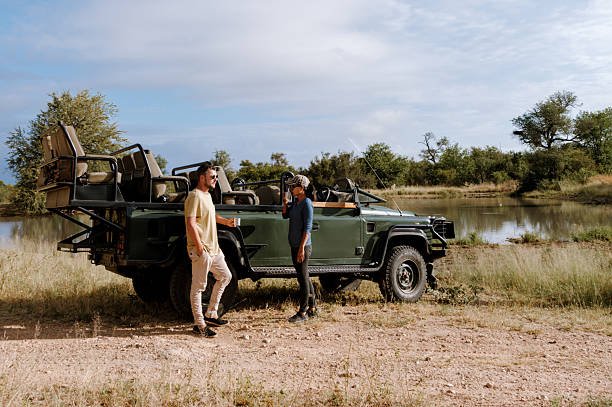
How To Avoid Safari Scams In Tanzania: A Top Guide Adventures Expert 2026-2027
Navigating a safari in Tanzania is a dream for many, but a few precautions can ensure your adventure is scam-free. This guide from Top Guide Adventures provides essential advice for...
View package details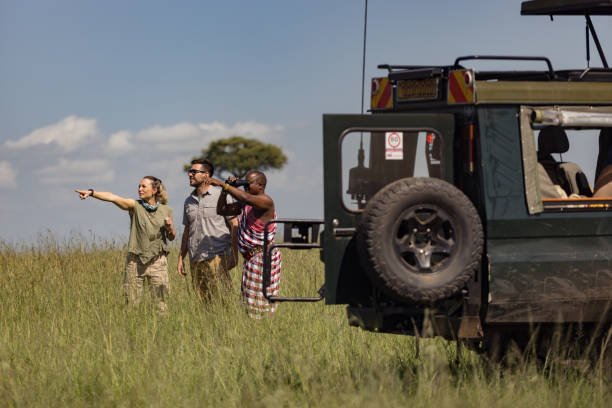
Which Local Tanzania Safari Companies Are Trustworthy In ? 2026-2027
Choosing a trustworthy local Tanzania safari company is crucial for a memorable and safe adventure. This guide helps you identify reliable operators for your 2026-2027 trip, covering...
View package detailsHow Far In Advance Should You Book A Tanzania Safari? Your Planning Guide
Securing your dream Tanzania safari requires strategic planning. This comprehensive guide details the optimal booking timeline for 2026-2027, considering peak seasons, lodge availability...
View package detailsHow Much Should I Tip My Safari Guide In Tanzania? Your 2026-2027
Understand the tipping culture for safari guides and staff in Tanzania. This guide provides clear, actionable recommendations for tipping your safari crew in 2026-2027, covering guides...
View package detailsPrivate Safari Vs Group Tanzania — Which Is Better? 2026-2027
Private safari vs group safari Tanzania — which is better? is explained with current 2026-2027 planning, price, itinerary and booking information.
View package details
Is A Group Joining Safari In Tanzania Worth It? 2026-2027
Is a group joining safari in Tanzania worth it? is explained with current 2026-2027 planning, price, itinerary and booking information.
View package details
Serengeti And Ngorongoro Safari Without Luxury: Your Options For 2026-2027
Discover how to experience the wonders of the Serengeti and Ngorongoro Crater on a safari that prioritizes incredible wildlife viewing and authentic experiences over luxury accommodations...
View package details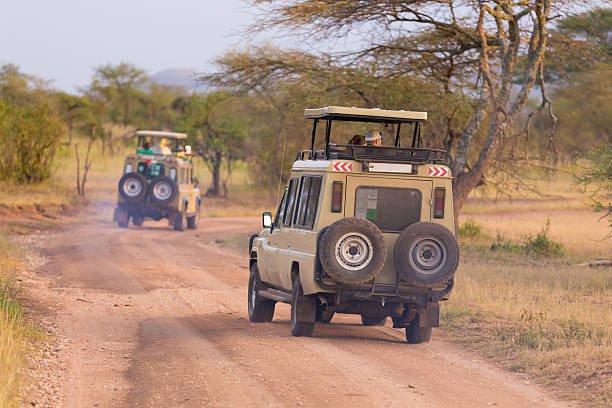
Tanzania Safari For Great Migration: Which Tour To Book In 2026-2027
Planning to witness the Great Migration in Tanzania? This guide helps you choose the perfect safari for 2026-2027, detailing the best parks, timing, and tour options for an unforgettable...
View package details
Three Days For Safari In Tanzania: Where To Go An Unforgettable Experience
If you have just three days for a safari in Tanzania, the most recommended destinations for a concentrated and rewarding wildlife experience are the Ngorongoro Conservation Area and...
View package detailsNo related package matches those filters. Clear one or more filters to see the other topic-matched options.
Plan your Tanzania Safari Packing List: What to Wear and Bring with Top Guide Adventures
Tell us your travel dates, group size, comfort level, and dream experience. We will help you shape a clear, realistic, and memorable Tanzania itinerary.



