
Updated planning guide for 2026, 2027
Tanzania Safari Guide: Everything You Need To Know: Best
Planning a Tanzania safari? This in-depth guide covers everything you need to know to create an unforgettable wildlife adventure. Learn about top parks, best times to visit, itinerary ideas, packing essentials, and how to book your perfect safari for 2026 and 2027.
WhatsApp +255616946642 | topguideadventures@gmail.com | info@topguideadventures.com
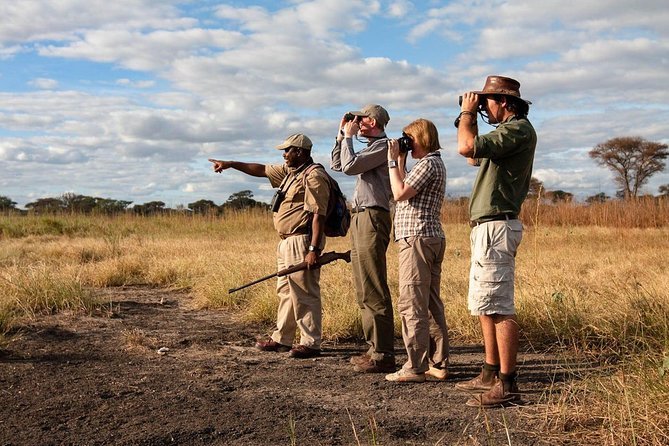
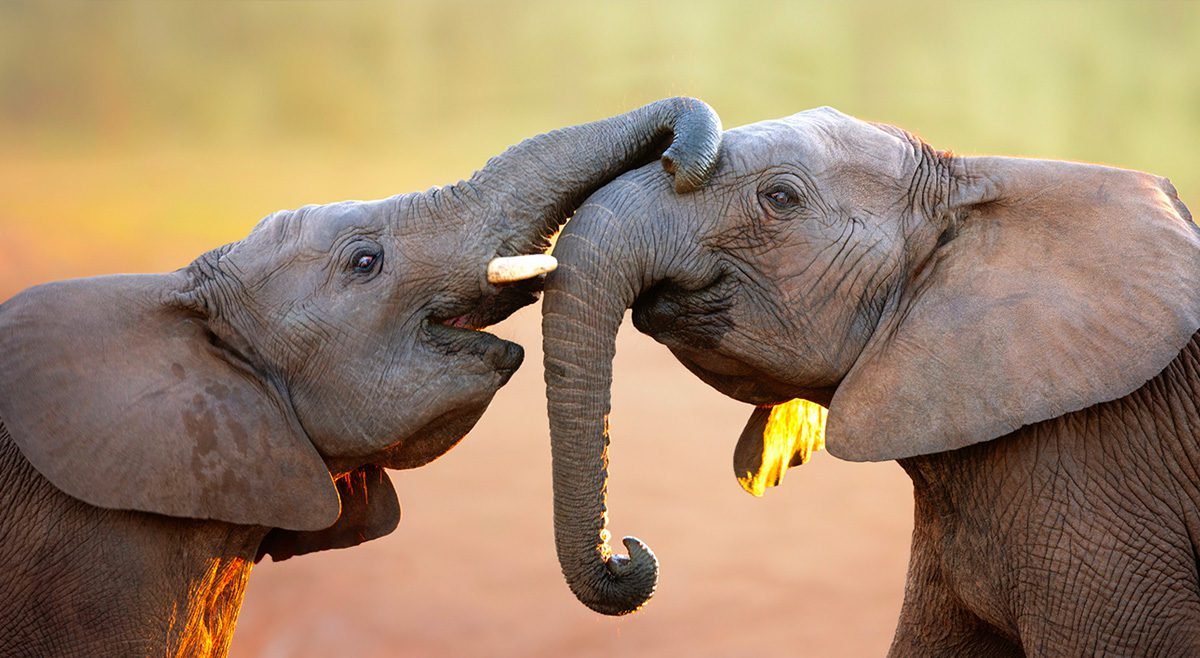
Tanzania Safari Guide: Everything You Need to Know
A Tanzania safari is more than just a holiday; it’s an immersion into the wild heart of Africa. Famous for the Great Migration, vast savannas teeming with wildlife, and iconic landscapes, Tanzania offers an unparalleled safari experience. Whether you dream of witnessing the drama of the Serengeti, the unique ecosystem of the Ngorongoro Crater, or the diverse wildlife of Tarangire, proper planning is key to making your adventure truly special. This comprehensive Tanzania safari guide will walk you through every step, from initial inspiration to booking your unforgettable journey for 2026 and 2027.
Table of Contents
- Quick Answer
- Tanzania Safari Quick Facts
- Tanzania Safari Overview
- Why Choose Tanzania for Your Safari?
- Best Time to Visit Tanzania for a Safari
- Top Tanzania National Parks & Reserves
- Tanzania Safari Route Planning
- Sample Tanzania Safari Itineraries
- What to Expect on a Tanzania Safari
- Safari Accommodation Options
- What to Pack for Your Tanzania Safari
- Pre-Safari Preparation Checklist
- Common Tanzania Safari Mistakes to Avoid
- Who is a Tanzania Safari Best Suited For?
- Tanzania Safari Alternatives
- Planning Your Tanzania Safari for 2026 & 2027
- Booking Your Tanzania Safari: Expert Advice
- Frequently Asked Questions (FAQs)
Quick Answer
A Tanzania safari involves visiting national parks like the Serengeti and Ngorongoro Crater to see wildlife. The best time depends on what you want to see, but generally, the dry seasons (June-October and December-February) are ideal. Planning involves choosing parks, duration, accommodation, and a reputable tour operator. Packing light, neutral-colored clothing and essential items is crucial. Booking well in advance, especially for peak seasons in 2026 and 2027, is highly recommended.
| Aspect | Details |
|---|---|
| Primary Draw | Abundant wildlife, Great Migration, diverse landscapes, Ngorongoro Crater. |
| Top Parks | Serengeti, Ngorongoro Conservation Area, Tarangire, Lake Manyara, Selous (Nyerere), Ruaha. |
| Best Time | June-October (dry season, migration peak), December-February (calving season, good weather). |
| Typical Duration | 5-10 days for Northern Circuit; longer for Southern/Western Circuit combinations. |
| Accommodation | Tented camps (luxury to budget), lodges, permanent hotels. |
| Activities | Game drives (4×4 vehicles), walking safaris, cultural visits, hot air balloon rides. |
| Travel Style | Customizable: budget, mid-range, luxury, family, photographic, honeymoon. |
Tanzania Safari Overview
Tanzania is a vast East African nation renowned for its exceptional wildlife viewing opportunities. Its safari circuit is broadly divided into two main regions: the Northern Circuit and the Southern Circuit (now often including the connected Nyerere National Park, formerly Selous Game Reserve, and Ruaha National Park). The Northern Circuit is the most popular, encompassing the Serengeti National Park, Ngorongoro Conservation Area, Lake Manyara National Park, and Tarangire National Park. This region is famous for the annual Great Migration of wildebeest and zebras, its high density of predators, and the unique Ngorongoro Crater, a caldera teeming with wildlife. The Southern Circuit offers a more remote and less crowded experience, with vast wilderness areas and incredible biodiversity, particularly in Nyerere and Ruaha.
A typical safari involves traveling between these parks in specially equipped 4×4 safari vehicles, guided by experienced local drivers. Days are spent on game drives, seeking out lions, elephants, leopards, rhinos, buffalo (the Big Five), as well as countless other species of mammals, birds, and reptiles. Evenings are spent relaxing at lodges or tented camps, listening to the sounds of the bush.
Why Choose Tanzania for Your Safari?
Tanzania stands out for several compelling reasons that make it a top safari destination:
- The Great Migration: Witnessing millions of wildebeest and zebras traverse the plains of the Serengeti and Masai Mara (across the border in Kenya) is a bucket-list event. The timing and location of this natural spectacle are crucial for planning.
- Ngorongoro Crater: This UNESCO World Heritage Site is a natural amphitheater of wildlife. Its dense population of animals, including the rare black rhino, means game viewing is often spectacular and relatively easy.
- Biodiversity: Tanzania boasts an incredible array of wildlife, with over 110 species of mammals and more than 1,000 species of birds recorded. The sheer numbers and variety are astounding.
- Vast Wilderness: From the endless plains of the Serengeti to the remote corners of Ruaha, Tanzania offers immense, unspoiled wilderness that provides a true sense of adventure and escape.
- Variety of Landscapes: Safaris here range from acacia-dotted savannas and vast grasslands to lush forests, soda lakes, and dramatic escarpments, each offering unique wildlife viewing opportunities.
- Excellent Guiding: Tanzania has a well-established tourism infrastructure with highly trained and knowledgeable safari guides who are essential for a successful and informative trip.
- Combination Options: Easily combine a safari with a climb up Mount Kilimanjaro or a relaxing beach holiday on the exotic island of Zanzibar.
Best Time to Visit Tanzania for a Safari
The ‘best’ time to visit Tanzania for a safari largely depends on your priorities, especially if witnessing the Great Migration is paramount. However, the country is a year-round destination with distinct advantages in different seasons.
| Period | Weather | Wildlife Highlights | Crowds & Prices |
|---|---|---|---|
| June – October (Dry Season) | Cooler temperatures, minimal rain, clear skies. Ideal for game viewing as animals congregate around water sources. | Great Migration is typically in the Western Corridor (June/July) and then moves north towards the Mara River crossings (July-October). Excellent predator sightings. | Peak season. Higher prices, book well in advance for 2026/2027. Can be crowded in popular areas. |
| November (Short Rains) | Brief, intermittent showers. Landscapes become greener. | Migration continues its southern journey. Birdlife is excellent. Fewer crowds. | Shoulder season. Prices may be slightly lower. |
| December – March (Long Rains/Green Season) | Generally warm and sunny with afternoon/evening rains. Landscapes are lush and vibrant. | Calving Season in the Southern Serengeti (Jan-Feb) is a major highlight, with thousands of newborns. Predator activity is high. Good for birdwatchers. | Lower season. Fewer crowds, potentially lower prices. Good for photographic safaris with dramatic skies. |
| April – May (Long Rains) | Heavier, prolonged rainfall. Some roads can be difficult to access. | Migration moves west and north. Excellent time for birding. Landscapes are incredibly green. | Low season. Lowest prices. Some lodges may close. Not ideal if you prioritize easy game viewing and accessibility. |
For 2026 and 2027 planning: If the Great Migration river crossings are your priority, aim for July-October. If you want to see the wildebeest calving, target January-February. For a balance of good weather, wildlife, and fewer crowds, consider the shoulder months of June or November.
Top Tanzania National Parks & Reserves
Tanzania is home to a remarkable network of protected areas. Here are the most popular and rewarding destinations for a Tanzania safari:
Serengeti National Park
The undisputed star of Tanzania’s safari circuit. The Serengeti is famous for its vast, rolling plains and its central role in the Great Migration. It’s home to an immense concentration of wildlife, including all the Big Five, cheetahs, hyenas, and a dazzling array of birdlife. The sheer scale and the constant movement of animals make it a truly awe-inspiring place.
Ngorongoro Conservation Area (NCA)
A UNESCO World Heritage Site, the NCA is unique. It encompasses the Ngorongoro Crater, a large volcanic caldera that hosts an astonishing density of wildlife. Within its confines, you can find lions, elephants, rhinos (including the endangered black rhino), hippos, buffalo, and a variety of antelopes. The Maasai people also live within the NCA, adding a cultural dimension. A full-day game drive within the crater is a highlight for many visitors.
Tarangire National Park
Known for its large elephant herds and iconic baobab trees, Tarangire is a must-visit, especially during the dry season (June-October). The Tarangire River attracts animals from far and wide, making it a fantastic spot for game viewing. It’s also a haven for birdwatchers, with over 500 species recorded.
Lake Manyara National Park
Though smaller, Lake Manyara offers a diverse landscape of groundwater forest, savanna, and a shallow alkaline lake. It’s famous for its tree-climbing lions (though not always seen), large troops of baboons, and abundant birdlife. The park is also home to significant elephant and buffalo populations.
Nyerere National Park (formerly Selous Game Reserve)
The largest national park in Tanzania, Nyerere offers a wilder, more remote safari experience. It’s known for its vast wilderness, large elephant and buffalo populations, and excellent chances of spotting wild dogs. Boat safaris on the Rufiji River are a unique highlight, offering close-up views of hippos, crocodiles, and diverse bird species.
Ruaha National Park
Tanzania’s second-largest park, Ruaha, is a true wilderness gem. It’s renowned for its large predator populations, particularly lions and wild dogs, and its impressive herds of elephants and buffalos. The landscape is rugged and dramatic, with rocky hills and dry riverbeds.
Tanzania Safari Route Planning
Most first-time safari-goers focus on the Northern Circuit due to its accessibility and high concentration of iconic wildlife. A typical route allows you to experience the best of this region within a manageable timeframe.
Northern Circuit Route Illustration:
| Start Point | Day 1-2 | Day 3-4 | Day 5-6 | Day 7 | End Point |
| Arusha (Arrival/Prep) | Tarangire National Park Game drives, baobabs, elephants. |
Lake Manyara National Park Forest drives, tree-climbing lions, lake views. |
Serengeti National Park Central Serengeti (Seronera) or migration viewing based on season. |
Ngorongoro Crater Full-day crater tour. |
Arusha/Kilimanjaro Airport (Departure) |
Variations and Extensions:
- Adding the Northern Serengeti: For migration river crossings (July-October), extend your Serengeti stay to the northern sector.
- Southern Circuit Focus: For a more remote experience, consider Nyerere and Ruaha. This typically requires longer trip durations and often involves light aircraft flights between parks.
- Combining Circuits: It is possible but logistically complex and time-consuming to combine the Northern and Southern Circuits in a single trip. It usually requires internal flights.
When planning for 2026 or 2027, consider the seasonal movements of the Great Migration when choosing your parks and itinerary order.
Sample Tanzania Safari Itineraries
Here are a few sample itineraries to give you an idea of what’s possible. These are customizable based on your interests, budget, and time.
Classic Northern Circuit (7 Days / 6 Nights)
Day 1: Arrive Kilimanjaro International Airport (JRO), transfer to Arusha. Overnight in Arusha.
Day 2: Arusha to Tarangire National Park. Full day game drive. Overnight near Tarangire.
Day 3: Tarangire to Lake Manyara National Park. Morning game drive in Tarangire, then transfer to Lake Manyara for afternoon game drive. Overnight near Lake Manyara.
Day 4: Lake Manyara to Serengeti National Park. Morning drive towards Serengeti, game drive en route. Overnight in Central Serengeti (Seronera).
Day 5: Full day game drive in Serengeti National Park. Explore different areas based on wildlife movements. Overnight in Central Serengeti.
Day 6: Serengeti to Ngorongoro Conservation Area. Morning game drive in Serengeti, then drive to the Ngorongoro rim. Overnight at a lodge on the crater rim or nearby.
Day 7: Ngorongoro Crater tour. Descend into the crater for a 5-6 hour game drive. Ascend and drive back to Arusha for departure or overnight.
Migration Focus – Northern Circuit (10 Days / 9 Nights)
Day 1: Arrive JRO, transfer to Arusha.
Day 2: Arusha to Tarangire National Park. Full day game drive.
Day 3: Tarangire to Lake Manyara. Morning game drive, then transfer to Lake Manyara.
Day 4: Lake Manyara to Central Serengeti. Drive to Serengeti, game drive en route.
Day 5: Full day game drive in Central Serengeti.
Day 6: Serengeti to Northern Serengeti (Kogatende/Lamai). Drive north, game drives en route, seeking migration and river crossings (July-Oct).
Day 7: Full day game drive in Northern Serengeti, focusing on migration and river crossings.
Day 8: Northern Serengeti to Ngorongoro Conservation Area. Morning game drive, then drive towards Ngorongoro.
Day 9: Ngorongoro Crater tour. Full day game drive. Overnight near Karatu or Arusha.
Day 10: Arusha. Departure or optional activities.
Southern Circuit Explorer (8 Days / 7 Nights)
Day 1: Arrive JRO, transfer to Arusha.
Day 2: Fly from Arusha to Nyerere National Park (Selous). Afternoon boat safari on the Rufiji River.
Day 3: Full day game drives in Nyerere National Park.
Day 4: Optional walking safari or game drive in Nyerere. Fly to Ruaha National Park.
Day 5: Full day game drives in Ruaha National Park.
Day 6: Full day game drives in Ruaha National Park.
Day 7: Fly from Ruaha back to Arusha/Kilimanjaro. Transfer to your lodge.
Day 8: Departure from JRO.
What to Expect on a Tanzania Safari
A Tanzania safari is an adventure that blends raw nature with comfort and expert guidance. Here’s what you can generally expect:
- Early Mornings: Safaris often start early, typically around sunrise, to take advantage of the cooler temperatures and when animals are most active.
- Game Drives: You’ll spend significant time in a 4×4 safari vehicle, usually with a pop-up roof, driven by your guide. These drives can last several hours.
- Wildlife Sightings: While Tanzania is renowned for its wildlife, sightings are never guaranteed. Your guide’s expertise is crucial in tracking animals. Patience is rewarded.
- The Big Five: Many travelers aim to see the Big Five: lion, leopard, elephant, rhino, and buffalo. While lions, elephants, and buffalo are commonly seen, leopards and rhinos are more elusive.
- Sounds and Smells: Be prepared for the symphony of the bush – the roar of a lion, the trumpeting of an elephant, the chirping of insects. The air can carry the scent of dust, rain, and wild vegetation.
- Camp/Lodge Life: Evenings are spent at your accommodation. This can range from rustic tented camps to luxurious lodges. Expect communal dining or private meals, and often breathtaking views.
- Dust and Heat: Tanzania can be dusty and hot, especially during the dry season. Your clothing and gear should be practical for these conditions.
- Limited Connectivity: In most remote areas, Wi-Fi and mobile phone reception are scarce or non-existent. Embrace the digital detox.
- Cultural Interactions: Depending on your itinerary, you might have opportunities to visit Maasai villages or interact with local communities.
Safari Accommodation Options
Choosing the right accommodation significantly impacts your safari experience. Tanzania offers a wide range:
- Luxury Tented Camps: These offer the feeling of being close to nature with canvas walls but provide high-end amenities like en-suite bathrooms, comfortable beds, and gourmet dining.
- Safari Lodges: Permanent structures, often built with local materials, offering comfortable rooms, dining areas, lounges, and sometimes swimming pools. They provide a more solid shelter and often stunning views.
- Mid-Range Camps/Lodges: A good balance of comfort and value. They offer essential amenities and a pleasant safari experience without the premium price tag of luxury options.
- Budget Camps/Tented Camps: Basic but clean facilities, often with shared bathrooms or simpler en-suite facilities. Ideal for travelers on a tighter budget who still want an authentic safari feel.
- Mobile Tented Camps: In some areas, particularly for migration viewing, temporary camps are set up and moved seasonally. These offer a very immersive experience.
When booking for 2026 or 2027, it’s advisable to book accommodation in popular parks well in advance, as the best options fill up quickly.
What to Pack for Your Tanzania Safari
Packing smart is essential for comfort and practicality on a safari. The key is to pack light and in neutral colors.
| Category | Items | Notes |
|---|---|---|
| Clothing | Lightweight trousers (2-3 pairs), Long-sleeved shirts (2-3), T-shirts/Tops (3-4), Warm fleece or jacket, Light waterproof jacket, Comfortable shorts (for lodge/camp), Pyjamas. | Neutral colors (khaki, beige, olive green, brown). Avoid bright colors and black/dark blue (attract insects). Layers are key. |
| Footwear | Comfortable walking shoes or hiking boots (broken in), Sandals or flip-flops (for camp). | Closed-toe shoes are best for game drives. |
| Headwear | Wide-brimmed hat or cap, Bandana or scarf. | Essential for sun protection. |
| Accessories | Sunglasses, Binoculars (crucial!), Camera with extra batteries and memory cards, Power bank/adapter, Headlamp or flashlight, Reusable water bottle. | A good pair of binoculars is a game-changer for wildlife viewing. |
| Toiletries | Sunscreen (high SPF), Insect repellent (with DEET), Personal medications, Basic first-aid kit, Hand sanitizer, Wet wipes. | Most lodges provide basic toiletries, but bring your preferred brands and any personal medical items. |
| Documents | Passport, Visa (if required), Flight tickets, Travel insurance details, Vaccination certificates (e.g., Yellow Fever), Copies of all important documents. | Keep originals and copies separate. |
| Money | USD cash (small denominations for tips), Credit/Debit cards. | USD is widely accepted for park fees and tips. Inform your bank of travel dates. |
Important Note: Most internal flights within Tanzania have strict luggage weight limits (usually 15kg per person in a soft-sided bag). Pack accordingly.
Pre-Safari Preparation Checklist
Proper preparation ensures a smooth and enjoyable safari experience. Here’s a checklist:
- Consult Your Doctor: Discuss necessary vaccinations (e.g., Yellow Fever, Hepatitis A, Typhoid) and malaria prophylaxis well in advance.
- Book Your Safari: Secure your tour operator and dates, especially if planning for peak seasons in 2026 or 2027.
- Obtain Visas: Check visa requirements for your nationality and apply if necessary.
- Purchase Travel Insurance: Ensure it covers medical emergencies, evacuation, trip cancellation, and lost luggage.
- Pack Appropriately: Use the packing list above. Focus on neutral colors and light, breathable fabrics.
- Camera Gear: Charge all batteries, format memory cards, and consider a telephoto lens if you’re serious about photography.
- Learn Basic Swahili Phrases: A few greetings like ‘Jambo’ (Hello) and ‘Asante’ (Thank you) are always appreciated.
- Currency: Get some US Dollars in small denominations for tips and souvenirs. Inform your bank about your travel plans.
- Physical Fitness: While not strenuous, being reasonably fit helps with early mornings and longer days in the vehicle.
- Inform Your Operator: Share any dietary restrictions, medical conditions, or special requests with your tour operator.
Common Tanzania Safari Mistakes to Avoid
To maximize your safari experience, be aware of common pitfalls:
- Overpacking: Especially if flying internally, excess luggage can be a costly issue. Stick to soft bags and the weight limits.
- Wearing Bright Colors: Bright clothing can scare wildlife and draw unwanted attention from insects. Stick to muted, natural tones.
- Not Bringing Binoculars: You’ll miss so much without them! They are essential for spotting distant animals or details.
- Ignoring Your Guide: Your guide is an expert. Listen to their advice on where to sit, what to do, and when to be quiet. They know the wildlife and the parks best.
- Expecting Guaranteed Sightings: Wildlife is wild. Don’t get discouraged if you don’t see everything on your first day. Patience and trusting your guide are key.
- Not Booking in Advance: For popular times (like migration season in 2026 or 2027), accommodations and popular safari slots get booked up months, even a year, ahead.
- Relying Solely on One Park: Tanzania has diverse parks. A varied itinerary offers a richer experience than focusing on just one location.
- Forgetting Sun Protection: The African sun is intense. Sunburn can ruin your trip. Always wear a hat, sunscreen, and sunglasses.
- Disrespecting Wildlife: Never feed animals or try to approach them too closely. Maintain a safe and respectful distance.
- Not Planning for Tips: Tipping guides and lodge staff is customary and appreciated. Have small USD bills ready.
Who is a Tanzania Safari Best Suited For?
A Tanzania safari appeals to a wide range of travelers, but it’s particularly well-suited for:
- Wildlife Enthusiasts: Anyone with a passion for animals and nature will be in paradise.
- Photographers: The stunning landscapes and abundant wildlife offer endless photographic opportunities.
- Adventure Seekers: The thrill of spotting rare animals in their natural habitat, the vastness of the wilderness, and optional activities like hot air ballooning cater to adventurers.
- Nature Lovers: Those who appreciate stunning landscapes, diverse ecosystems, and the raw beauty of the African continent.
- Families: With careful planning, safaris can be incredibly educational and exciting for children (ages usually 6-8+ depending on the operator and itinerary). Many lodges offer family-friendly accommodations and activities.
- Honeymooners & Couples: Romantic lodges, stunning sunsets, and the privacy of exclusive camps make Tanzania a dream honeymoon destination.
- Travelers Seeking Unique Experiences: From witnessing the Great Migration to exploring the Ngorongoro Crater, Tanzania offers experiences found nowhere else.
- Those Seeking a ‘Classic’ African Safari: Tanzania embodies the quintessential image of an African safari with its iconic wildlife and landscapes.
Tanzania Safari Alternatives
While Tanzania is exceptional, other African countries offer incredible safari experiences. If Tanzania doesn’t perfectly fit your needs, consider:
- Kenya: Famous for the Masai Mara, which hosts the Great Migration alongside Tanzania’s Serengeti. Offers excellent wildlife viewing, balloon safaris, and cultural experiences.
- Botswana: Known for its high-end, low-impact tourism model. Offers exclusive Okavango Delta experiences, abundant wildlife, and unique water-based safaris. Generally more expensive.
- South Africa: Offers a wide range of safari experiences, from the Kruger National Park (easily accessible, self-drive options) to private game reserves with luxurious lodges and guaranteed Big Five sightings. Often more developed infrastructure.
- Namibia: Offers a different kind of safari, focusing on desert-adapted wildlife, vast desert landscapes (Sossusvlei), and unique geological formations. Etosha National Park is a highlight.
- Uganda/Rwanda: Best known for gorilla trekking and chimpanzee tracking, offering a unique primate-focused wildlife experience alongside classic savanna safaris.
Each destination offers a distinct flavor of the African wilderness. Tanzania’s draw remains its unparalleled combination of the Great Migration, the Ngorongoro Crater, and vast, wild landscapes.
Planning Your Tanzania Safari for 2026 & 2027
Planning a safari for the near future, like 2026 or 2027, requires looking ahead. Here are some key considerations:
- Book Early for Peak Seasons: If you’re set on the prime migration months (July-October) or the calving season (January-February), start researching and booking at least 12-18 months in advance. Popular lodges and camps, especially in the Serengeti and Ngorongoro, are highly sought after.
- Consider Shoulder Seasons: For a good balance of wildlife, weather, and fewer crowds, look at months like June or November. These periods can offer excellent experiences and potentially better availability for 2026/2027 bookings.
- Flexibility is Key: While you can plan a detailed itinerary, be open to adjustments. Wildlife movements and weather can influence daily plans, and your guide will adapt to ensure the best experience.
- Budgeting: Safari costs can vary significantly. Decide on your budget early – this will influence your choice of parks, accommodation style, and tour operator. Factor in park fees, accommodation, transport, meals, activities, and tips.
- Health Preparations: Start looking into vaccinations and malaria prevention now. Consult your doctor at least 2-3 months before your planned travel date for 2026 or 2027.
- Visa Requirements: Stay updated on any changes to visa regulations for Tanzania.
- Choose Your Operator Wisely: Research tour operators thoroughly. Look for experience, good reviews, responsiveness, and clear communication. A reliable operator is your best asset for a smooth trip.
Booking Your Tanzania Safari: Expert Advice
Booking a safari can feel daunting, but with the right approach, it’s straightforward. Here’s how to approach it:
- Research Tour Operators: Look for local Tanzanian operators who have in-depth knowledge of the country and its parks. They often offer better value and direct support. Check their online presence, reviews, and affiliations.
- Get Multiple Quotes: Contact 2-3 reputable operators with your desired dates, duration, budget, and interests. Compare their proposed itineraries, inclusions, and accommodation options carefully.
- Understand Inclusions: Ensure you know exactly what your safari package covers. Typically, this includes park fees, accommodation, meals, a 4×4 safari vehicle, and a guide. Exclusions often involve international flights, visas, tips, drinks, and optional activities.
- Ask Questions: Don’t hesitate to ask your operator about their vehicles, guides’ experience, cancellation policies, and payment terms. Clear communication is vital.
- Confirm Dates and Availability: Especially for popular times like 2026 and 2027 migration season, confirm availability for both accommodations and safari vehicles.
- Read the Contract Carefully: Before paying any deposit, review the booking terms and conditions thoroughly.
- Payment Schedule: Most operators require a deposit (e.g., 30-50%) upon booking, with the balance due closer to the travel date (e.g., 30-60 days prior).
- Trust Your Gut: Choose an operator you feel comfortable with and who provides clear, timely responses.
For a personalized and expertly managed Tanzania safari guide experience, consider reaching out to us. We specialize in crafting unforgettable adventures tailored to your dreams.
Ready to Plan Your Dream Tanzania Safari?
Let us help you create an unforgettable journey through Tanzania’s spectacular wildlife reserves. Whether you’re planning for 2026, 2027, or beyond, our expert team is here to guide you.
Contact us today:
- WhatsApp: +255616946642
- Email: topguideadventures@gmail.com
- Backup Email: info@topguideadventures.com
We look forward to helping you plan your adventure!
Frequently Asked Questions (FAQs)
1. Is a Tanzania safari safe?
Yes, Tanzania safaris are generally very safe when conducted with reputable tour operators. Your guide is trained to handle wildlife encounters and ensure your safety. Standard precautions apply, such as not leaving the vehicle unless instructed and respecting wildlife. For health, consult your doctor about necessary vaccinations and malaria precautions.
2. What is the best time of year for a Tanzania safari?
The best time depends on your priorities. For the Great Migration river crossings, July to October is ideal. For the calving season, January to February. The dry season (June to October) offers excellent game viewing and pleasant weather. The green season (December to March) is good for birding and fewer crowds.
3. How much does a Tanzania safari cost?
Safari costs vary widely based on duration, accommodation style (budget, mid-range, luxury), parks visited, and activities. A mid-range safari can range from $300-$600 per person per day, while luxury options can exceed $800-$1000+ per person per day. Park fees, accommodation, meals, and guide/vehicle are typically included.
4. What is the Great Migration?
The Great Migration is the annual movement of over 1.5 million wildebeest, zebras, and gazelles across the Serengeti-Mara ecosystem in search of fresh grazing and water. It’s a continuous cycle, with different events occurring throughout the year in various locations.
5. Do I need a visa for Tanzania?
Most nationalities require a visa to enter Tanzania. You can often obtain a visa on arrival at Kilimanjaro International Airport (JRO) or apply for an e-visa in advance. Check the latest requirements with the Tanzanian embassy in your country.
6. What vaccinations are recommended for Tanzania?
Recommended vaccinations typically include Yellow Fever (often required if arriving from a country with risk of transmission), Hepatitis A, Typhoid, and Tetanus. Malaria prophylaxis is also usually advised. Consult your doctor or a travel clinic at least 4-6 weeks before your trip.
7. Can children go on safari in Tanzania?
Yes, children can go on safari, but most operators have a minimum age requirement (often 6-8 years old) due to the nature of game drives and remote locations. Some lodges may have their own age restrictions. It’s a fantastic educational experience for families.
8. How much should I tip my safari guide?
Tipping is customary and appreciated. For a private safari, a common guideline is $20-$30 per day for your driver-guide, and $10-$15 per day per guest for camp/lodge staff. Your tour operator can provide specific recommendations.
9. What’s the difference between a lodge and a tented camp?
Lodges are permanent structures, often with solid walls and roofs, and may have amenities like swimming pools. Tented camps offer a more immersive experience with canvas walls, but can range from basic to extremely luxurious, often featuring en-suite bathrooms and comfortable furnishings.
10. How much luggage can I bring on internal flights?
Internal flights within Tanzania typically have a strict luggage limit of 15 kg (33 lbs) per person, usually in a soft-sided duffel bag. Hard suitcases are often not permitted. Pack light and efficiently!
11. Is it possible to see the Big Five on a Tanzania safari in 2026?
It is certainly possible to see the Big Five (lion, leopard, elephant, rhino, buffalo) on a Tanzania safari, but sightings are never guaranteed. The Ngorongoro Crater offers a high chance of seeing all of them due to its dense wildlife population. The Serengeti also offers excellent opportunities, though rhinos can be more elusive there.
12. What should I do if I get sick on safari?
Inform your guide or lodge staff immediately. Reputable operators have protocols for medical emergencies. Ensure your travel insurance covers medical evacuation, which might be necessary for serious conditions. Your guide will help arrange transport to the nearest medical facility if needed.
Book Your Unforgettable Tanzania Safari Adventure
This comprehensive Tanzania safari guide is designed to help you plan the trip of a lifetime. From the endless plains of the Serengeti to the depths of the Ngorongoro Crater, Tanzania offers an experience like no other. We are passionate about creating tailor-made safaris that exceed expectations.
Let us handle the details so you can focus on the adventure. We specialize in custom safaris, Kilimanjaro climbs, and Zanzibar holidays.
Get in touch with our safari experts today:
- WhatsApp: +255616946642
- Email: topguideadventures@gmail.com
- Backup Email: info@topguideadventures.com
We are excited to help you plan your dream safari for 2026, 2027, and beyond!
Which Tanzania Safari Gives The Best Value For Money? 2026-2027
Which Tanzania safari gives the best value for money? is explained with current 2026-2027 planning, price, itinerary and booking information.
View package details
How To Avoid Safari Scams In Tanzania: A Top Guide Adventures Expert 2026-2027
Navigating a safari in Tanzania is a dream for many, but a few precautions can ensure your adventure is scam-free. This guide from Top Guide Adventures provides essential advice for...
View package details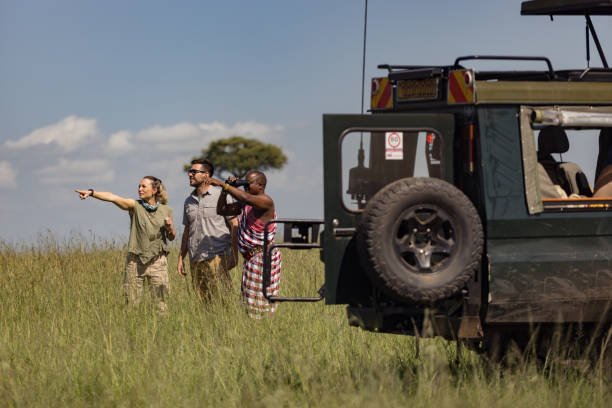
Which Local Tanzania Safari Companies Are Trustworthy In ? 2026-2027
Choosing a trustworthy local Tanzania safari company is crucial for a memorable and safe adventure. This guide helps you identify reliable operators for your 2026-2027 trip, covering...
View package detailsHow Far In Advance Should You Book A Tanzania Safari? Your Planning Guide
Securing your dream Tanzania safari requires strategic planning. This comprehensive guide details the optimal booking timeline for 2026-2027, considering peak seasons, lodge availability...
View package detailsHow Much Should I Tip My Safari Guide In Tanzania? Your 2026-2027
Understand the tipping culture for safari guides and staff in Tanzania. This guide provides clear, actionable recommendations for tipping your safari crew in 2026-2027, covering guides...
View package detailsPrivate Safari Vs Group Tanzania — Which Is Better? 2026-2027
Private safari vs group safari Tanzania — which is better? is explained with current 2026-2027 planning, price, itinerary and booking information.
View package details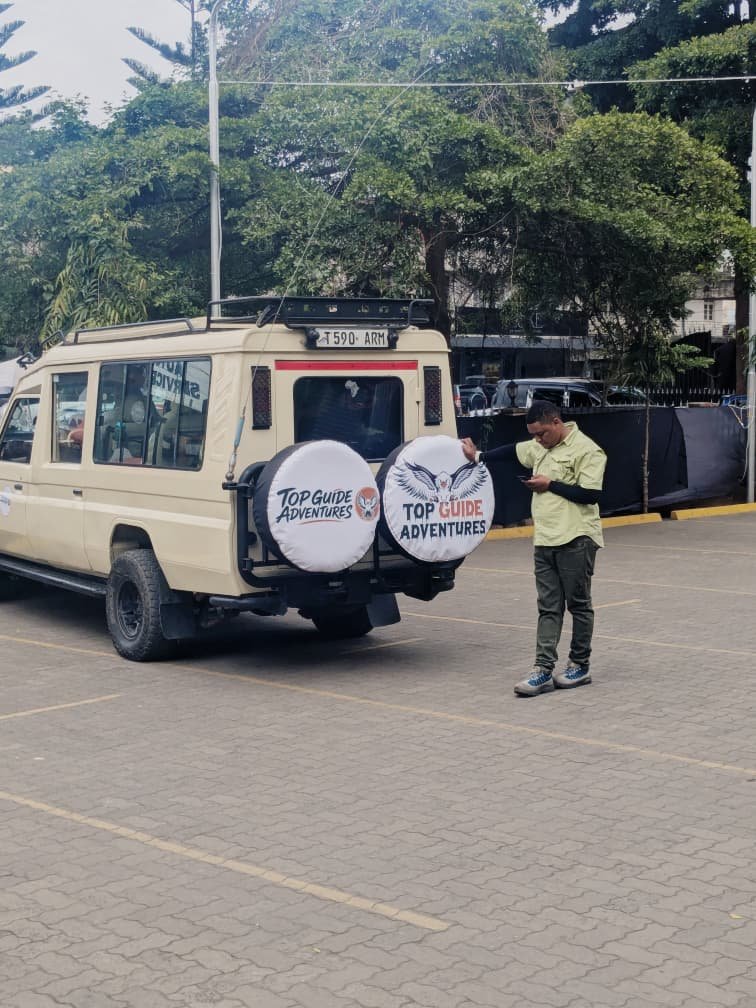
Is A Group Joining Safari In Tanzania Worth It? 2026-2027
Is a group joining safari in Tanzania worth it? is explained with current 2026-2027 planning, price, itinerary and booking information.
View package details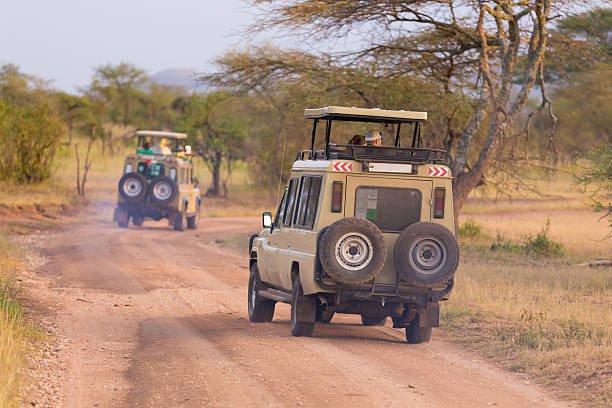
Tanzania Safari For Great Migration: Which Tour To Book In 2026-2027
Planning to witness the Great Migration in Tanzania? This guide helps you choose the perfect safari for 2026-2027, detailing the best parks, timing, and tour options for an unforgettable...
View package details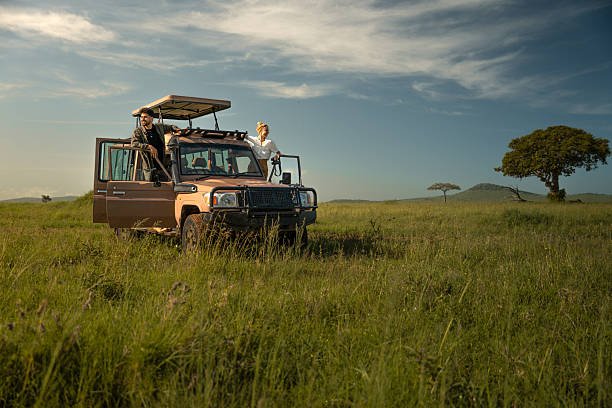
Three Days For Safari In Tanzania: Where To Go An Unforgettable Experience
If you have just three days for a safari in Tanzania, the most recommended destinations for a concentrated and rewarding wildlife experience are the Ngorongoro Conservation Area and...
View package details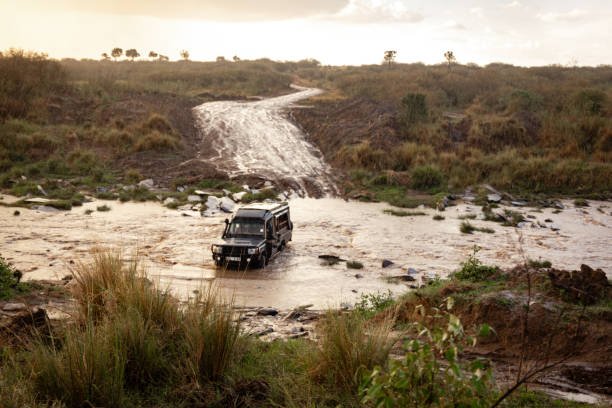
Combine Safari And Zanzibar With A $3,000 Per Person Tanzania Budget 2026-2027
Explore how to effectively combine a classic Tanzania safari experience with the tropical allure of Zanzibar, all while adhering to a $3,000 per person budget. This guide covers essential...
View package details
Tanzania Safari Under $2,000 Per Person: Your Dream Itinerary For 2026-2027
Explore Tanzania's incredible wildlife and landscapes on a safari designed for a $2,000 per person budget. We outline the best routes, durations, and what to expect for your 2026-2027...
View package details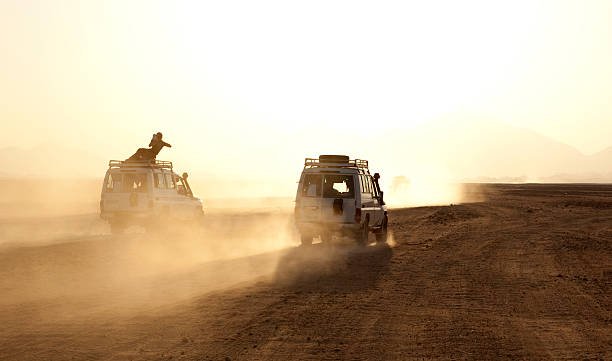
Solo Travel To Tanzania: Can I Join A Safari Group? 2026-2027
Planning a solo safari adventure in Tanzania? Discover how you can join an existing group tour, making your journey more affordable and social. Top Guide Adventures provides excellent...
View package detailsNo related package matches those filters. Clear one or more filters to see the other topic-matched options.
Plan your Tanzania Safari Guide: Everything You Need to Know with Top Guide Adventures
Tell us your travel dates, group size, comfort level, and dream experience. We will help you shape a clear, realistic, and memorable Tanzania itinerary.



