
A Tanzania safari experience is more than just a holiday; it’s an immersion into a world of raw, untamed beauty, breathtaking wildlife encounters, and landscapes that have shaped our planet. For many, it represents the pinnacle of African travel, a lifelong dream brought to vivid, unforgettable life. Whether you envision the Great Migration thundering across the Serengeti plains, the majestic silhouette of Mount Kilimanjaro against a sunrise, or the intimate interactions with a pride of lions, Tanzania delivers these moments with an authenticity that is increasingly rare.
Planning your safari for 2026 or 2027 offers a fantastic opportunity to secure prime accommodations and expert guides, ensuring you get the most from this incredible destination. As a leading Tanzania tour operator, we understand the nuances that transform a good safari into an exceptional one. This guide will walk you through everything you need to know to craft your perfect Tanzania safari experience, from choosing the right parks and timing your visit to understanding costs and what to expect on the ground.
Understanding the Allure: Why Tanzania for Your Safari?
Tanzania is consistently ranked among the top safari destinations globally, and for good reason. Its commitment to conservation has preserved vast tracts of wilderness, creating sanctuaries where wildlife thrives. This dedication means that visitors can witness an astonishing diversity of animals in their natural habitats, often with minimal human interference.
- Unrivaled Wildlife Density: From the iconic Big Five (lion, leopard, elephant, rhino, buffalo) to countless other species, Tanzania boasts some of the highest concentrations of wildlife on Earth.
- Iconic Landscapes: The country is home to some of Africa’s most famous natural wonders, including the endless plains of the Serengeti, the dramatic Ngorongoro Crater, the vast Selous Game Reserve (now Nyerere National Park), and the unique ecosystem of Lake Manyara.
- The Great Migration: Witnessing the annual wildebeest and zebra migration is a bucket-list event for many. Tanzania is the primary stage for this incredible natural phenomenon, offering dramatic river crossings and calving season spectacles.
- Diverse Ecosystems: Beyond the savannas, Tanzania offers varied environments, from lush forests and acacia woodlands to soda lakes teeming with flamingos and the rugged slopes of Kilimanjaro.
- Cultural Richness: Encounters with local communities, such as the Maasai people, add another layer of depth to your Tanzania safari experience, offering insights into traditional ways of life.
Crafting Your Itinerary: Key Safari Destinations in Tanzania
The sheer scale and diversity of Tanzania mean that a comprehensive safari often involves visiting multiple parks. The most popular circuit, often referred to as the Northern Circuit, offers a concentrated and highly rewarding experience. For those seeking a more remote adventure, the Southern and Western Circuits present unique opportunities.
The Northern Circuit: The Crown Jewels of Tanzania Safaris
This is the most sought-after region for a reason. It offers a high density of wildlife, spectacular scenery, and excellent infrastructure for tourism. Planning your Tanzania safari experience around the Northern Circuit is ideal for first-time visitors and those who want to maximize their wildlife viewing opportunities.
Serengeti National Park: The Endless Plains
The Serengeti is synonymous with safari. Its name, derived from the Maasai word ‘Siringet,’ meaning ‘endless plains,’ perfectly captures its vastness. This park is the heart of the Great Migration, a year-round event as millions of wildebeest, zebras, and gazelles follow the rains in search of fresh grazing. The drama of predators hunting their prey, the sheer scale of the herds, and the breathtaking sunrises and sunsets make the Serengeti an absolute must-visit.
- Key Attractions: Great Migration, predators (lions, leopards, cheetahs), vast open plains, diverse birdlife.
- Best Time to Visit (for Migration):
- December-March: Calving season in the southern Serengeti, with large herds and newborn calves. Excellent for predator sightings.
- May-June: The herds begin to move north and west, often gathering to cross rivers.
- July-October: The dramatic river crossings of the Grumeti and Mara Rivers, particularly in the western and northern Serengeti. This is peak season for spectacular viewing.
- Accommodation: Ranges from luxury tented camps and lodges to more budget-friendly options, often strategically located to follow the migration.
Ngorongoro Conservation Area: The ‘Eighth Wonder of the World’
A UNESCO World Heritage Site, the Ngorongoro Crater is a geological marvel. This ancient volcanic caldera, the largest intact caldera in the world, is a self-contained ecosystem supporting an incredible density of wildlife. The crater floor is home to an estimated 25,000 large animals, including the rare black rhino, which is a major draw for visitors. The landscape within the crater is stunningly beautiful, with lush grasslands, permanent water sources, and a backdrop of steep crater walls.
- Key Attractions: High concentration of the Big Five (especially black rhino), diverse birdlife, unique caldera ecosystem, Maasai villages (outside the crater rim).
- Best Time to Visit: Year-round. The wildlife is largely resident within the crater, making it an excellent destination regardless of the season.
- Accommodation: Lodges and tented camps are situated on the crater rim, offering spectacular views, or on the surrounding highlands.
Tarangire National Park: Land of Giants
Famous for its large elephant herds and iconic baobab trees, Tarangire National Park is a fantastic addition to any Northern Circuit safari. During the dry season (July to October), the Tarangire River becomes a vital water source, attracting a huge concentration of wildlife, including elephants, zebras, wildebeest, buffalo, and various predators. The park’s landscape is a mix of acacia woodlands, savannas, and rocky hills.
- Key Attractions: Large elephant herds, baobab trees, diverse birdlife (including endemic species), predators.
- Best Time to Visit: June to October (dry season) for concentrated wildlife viewing, particularly around the river.
- Accommodation: Tented camps and lodges are available both inside and just outside the park.
Lake Manyara National Park: Tree-Climbing Lions and Flamingos
While smaller than its neighbours, Lake Manyara offers a diverse and rewarding safari experience. It’s renowned for its elusive tree-climbing lions, a behaviour not commonly seen elsewhere. The park is also famous for its large population of flamingos that gather on the alkaline lake, creating a spectacular pink spectacle. The dense groundwater forest provides a different habitat, supporting a variety of primates, antelopes, and birds.
- Key Attractions: Tree-climbing lions, large flamingo populations, diverse birdlife, baboon troops, groundwater forest.
- Best Time to Visit: Year-round, though wildlife is more concentrated during the dry season (July to October). The birdlife is particularly vibrant during the wet season.
- Accommodation: Lodges are available just outside the park, with stunning views over the lake.
Arusha National Park: Mount Meru’s Foothills
Close to Kilimanjaro International Airport, Arusha National Park is often overlooked but offers beautiful scenery and diverse wildlife. It’s home to Mount Meru, Tanzania’s second-highest peak, and features alkaline lakes, dense forest, and the Ngurdoto Crater. It’s an excellent destination for walking safaris and canoeing, offering a different perspective from traditional game drives.
- Key Attractions: Mount Meru, diverse birdlife, colobus monkeys, buffalo, giraffes, walking safaris, canoeing.
- Best Time to Visit: Year-round, though the dry season (June to October) offers the clearest views of Mount Meru.
- Accommodation: Limited options within the park, with more available in Arusha town.
The Southern Circuit: Wild and Remote Adventures
For travellers seeking a less crowded, more wild experience, Tanzania’s Southern Circuit offers incredible opportunities. These parks are vast, rugged, and offer a true sense of wilderness.
Nyerere National Park (formerly Selous Game Reserve): Africa’s Largest Wildlife Sanctuary
Nyerere National Park is one of the largest game reserves in Africa and offers a unique safari experience, particularly known for its boat safaris on the Rufiji River. This allows for intimate wildlife viewing, including hippos, crocodiles, elephants, and abundant birdlife. The park also boasts significant populations of wild dogs, cheetahs, and lions. Its sheer size means that you can often feel like you have the entire park to yourself.
- Key Attractions: Boat safaris, Rufiji River, large elephant and buffalo herds, wild dogs, diverse birdlife.
- Best Time to Visit: June to October (dry season) for concentrated wildlife viewing along the river.
- Accommodation: A range of lodges and tented camps, many offering unique riverfront locations.
Ruaha National Park: Tanzania’s Largest National Park
Ruaha is a park of dramatic landscapes and wild, untamed beauty. It’s known for its large elephant herds, impressive predator populations (including a high density of lions and wild dogs), and its rugged, remote feel. The Great Ruaha River is a central feature, with dramatic gorges and a lifeline for wildlife during the dry season.
- Key Attractions: Large elephant herds, significant predator populations (lions, wild dogs), dramatic landscapes, remote wilderness.
- Best Time to Visit: June to October (dry season) when animals congregate around water sources.
- Accommodation: Primarily high-end, remote lodges offering an exclusive safari experience.
The Western Circuit: Chimpanzees and Forests
For those interested in primate trekking, Tanzania’s Western Circuit offers unique opportunities, most notably chimpanzee encounters.
Gombe Stream National Park & Mahale Mountains National Park
These parks, located on the shores of Lake Tanganyika, are world-renowned for their chimpanzee populations. Gombe Stream is famous for the research conducted by Jane Goodall, and Mahale Mountains offers a more remote and visually stunning chimpanzee trekking experience, with mountains plunging into the lake.
- Key Attractions: Chimpanzee trekking, diverse primate species, stunning lake scenery, unique forest ecosystems.
- Best Time to Visit: Dry season (June to October) for easier trekking.
- Accommodation: Limited, often basic, lodges or tented camps.
Planning Your Tanzania Safari Experience for 2026-2027: Key Considerations
A successful safari hinges on careful planning. Considering the years 2026 and 2027, you have ample time to research, book, and prepare for an exceptional adventure. Here are the critical factors to consider:
When is the Best Time to Visit?
Tanzania offers incredible safari opportunities year-round, but the ‘best’ time depends on what you want to see and experience. The two main seasons are the dry season and the wet season.
- Dry Season (June to October): This is generally considered the peak safari season. Vegetation is thinner, making wildlife spotting easier. Animals congregate around water sources, leading to predictable viewing. It’s also the time for dramatic river crossings during the Great Migration (July-October). Expect pleasant temperatures and sunny days, but cooler evenings. This is also a popular time for Kilimanjaro climbs.
- Wet Season (November to May): This period sees lush green landscapes and fewer crowds. The ‘short rains’ occur in November and December, followed by the ‘long rains’ from March to May. While game viewing can be more challenging due to thicker vegetation and scattered wildlife, it’s a fantastic time for birdwatching, photography (lush scenery), and witnessing the calving season of the Great Migration (December-March). Prices can be lower during this period.
For 2026 and 2027 planning: If witnessing the Great Migration river crossings is your priority, aim for July to October 2026 or 2027. If you prefer fewer crowds and greener landscapes, consider the shoulder months like November 2026 or April/May 2027. The calving season (December 2026 – March 2027) offers incredible predator action.
Safari Styles and Accommodation Options
Your Tanzania safari experience can be tailored to your preferences and budget. The style of your safari and your choice of accommodation will significantly impact your journey.
- Budget Safaris: These typically involve camping in public campsites, using more basic safari vehicles, and often travelling in larger group sizes. This is a great way to experience Tanzania on a tighter budget.
- Mid-Range Safaris: Offering a balance of comfort and value, these safaris often include stays in comfortable tented camps or lodges, smaller group sizes, and well-equipped safari vehicles.
- Luxury Safaris: For an indulgent experience, luxury safaris feature high-end lodges and exclusive tented camps with premium amenities, gourmet dining, private guides, and often private vehicles.
- Private Safaris: These safaris offer the ultimate flexibility and exclusivity. You can customize your itinerary, pace, and focus with a dedicated guide and vehicle. This is ideal for families, groups of friends, or those with specific interests.
- Group/Scheduled Safaris: Joining a pre-set departure date with other travellers can be a cost-effective way to experience a safari. You’ll share the vehicle and costs with a small group. Look for operators offering 2026 and 2027 group departure dates for popular itineraries.
Accommodation Types:
- Tented Camps: From basic canvas tents to luxurious canvas suites, these offer a close-to-nature feel. Luxury camps often feature en-suite bathrooms, comfortable beds, and even private plunge pools.
- Lodges: Permanent structures offering more amenities, often with swimming pools, restaurants, and bars. They can range from rustic to extremely opulent.
- Public Campsites: Basic facilities for budget camping safaris, offering a true ‘bush’ experience.
Safari Vehicles and Guides
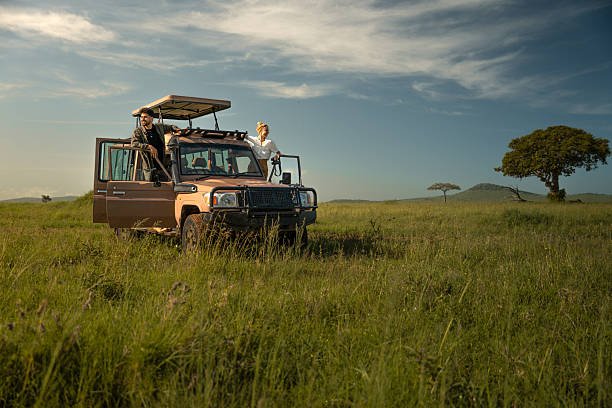
The vehicle and guide are crucial to your safari. Most safaris use custom-built 4×4 safari vehicles (Land Cruisers or Land Rovers) with pop-up roofs for optimal game viewing and photography. Your guide’s knowledge of animal behaviour, tracking skills, and understanding of the local environment will profoundly enhance your Tanzania safari experience.
For 2026-2027 bookings: When choosing an operator, inquire about the type of vehicles used and the qualifications and experience of their guides. A good guide can make all the difference.
Understanding Safari Costs
The cost of a Tanzania safari experience can vary significantly based on several factors. It’s important to get a clear understanding of what is included and excluded.
Key Cost Factors:
- Time of Year: Peak season (June-October, December) is generally more expensive due to higher demand. Low season (November, April-May) can offer better value.
- Duration of Safari: Longer safaris naturally cost more.
- Parks Visited: Some parks have higher park entry fees than others (e.g., Ngorongoro Crater fees are substantial).
- Accommodation Level: Luxury lodges and exclusive tented camps are significantly more expensive than public campsites.
- Type of Safari: Private safaris are more expensive than shared or group safaris.
- Inclusions: What is covered in the price? Typically includes park fees, accommodation, meals, guide and vehicle, and sometimes activities like walking safaris or boat trips. Exclusions often include international flights, visas, tips, drinks, and personal expenses.
General Price Ranges (per person, per day, excluding international flights):
- Budget Camping Safaris: $200 – $350 USD per person per day
- Mid-Range Safaris: $400 – $650 USD per person per day
- Luxury Safaris: $700 – $1500+ USD per person per day
Important Note for 2026-2027: While these ranges provide a guideline, it’s advisable to get personalized quotes. Park fees and operational costs can change. Booking in advance for 2026 and 2027 can sometimes help secure better rates, especially for popular lodges and during peak seasons.
Getting a Quote for Your 2026-2027 Safari
To get the most accurate pricing for your dream Tanzania safari experience, it’s best to contact a reputable tour operator. Provide them with your preferred travel dates (e.g., August 2026), duration, number of travellers, preferred parks, and accommodation style. They can then tailor an itinerary and provide a detailed quote.
For a custom quote and expert advice, reach out to us:
- WhatsApp: +255616946642
- Email: topguideadventures@gmail.com
- Backup Email: info@topguideadventures.com
Visa, Vaccinations, and Travel Insurance
Before you travel, ensure all your travel arrangements are in order.
- Visas: Most nationalities require a visa to enter Tanzania. This can often be obtained online in advance (e-Visa) or upon arrival at the airport. Check the latest requirements for your nationality well before your 2026 or 2027 trip.
- Vaccinations: Consult your doctor or a travel clinic at least 4-6 weeks before your trip regarding recommended vaccinations (e.g., Yellow Fever, Hepatitis A, Typhoid) and malaria prevention.
- Travel Insurance: Comprehensive travel insurance is essential. It should cover medical emergencies, evacuation, trip cancellation, and lost luggage.
Maximizing Your Wildlife Encounters
Seeing wildlife in its natural habitat is the core of any safari. Here’s how to enhance your chances:
- Early Morning and Late Afternoon Game Drives: These are the prime times when animals are most active, seeking food or water before the heat of the day or returning to their dens.
- Patience is Key: Sometimes, the best sightings come after a period of patient waiting. Your guide will know the best spots and behaviours to look for.
- Listen to Your Guide: They are experts in tracking animals, understanding their calls, and interpreting signs in the bush.
- Off-Road Driving (where permitted): In certain areas and under strict regulations, guides may take vehicles slightly off-road to get a better view of a sighting.
- Binoculars and Camera: Essential tools for observing wildlife from a distance and capturing memories.
For photographers: Consider a safari with a private vehicle and guide for 2026 or 2027 to allow for more flexibility in stopping and waiting for the perfect shot.
Beyond the Game Drive: Unique Safari Activities
While game drives are the staple of a Tanzanian safari, various other activities can enrich your experience:
- Walking Safaris: Offered in specific areas (like Tarangire, Nyerere, and around some camps), these provide an intimate, ground-level perspective of the bush, focusing on smaller details, tracks, and flora.
- Night Game Drives: Available in certain concessions outside national parks, these offer a chance to see nocturnal animals like leopards, civets, genets, and various owls.
- Hot Air Balloon Safaris: A breathtaking experience, particularly over the Serengeti, offering panoramic views of the landscape and wildlife at sunrise. This is a popular add-on and often booked well in advance for 2026-2027.
- Cultural Visits: Engaging with local communities, such as the Maasai, provides valuable insights into their traditions and way of life. Ensure these visits are conducted respectfully and ethically.
- Canoe Safaris: On lakes like Lake Manyara or rivers like the Rufiji, canoeing offers a peaceful way to observe wildlife, especially birds and hippos.
Packing for Your Tanzania Safari
Packing light and smart is crucial for a safari. Neutral-coloured clothing is recommended to avoid startling wildlife. Layers are essential due to temperature variations.
- Clothing: Lightweight, breathable trousers and long-sleeved shirts (neutral colours like khaki, beige, olive green), T-shirts, shorts (for warmer days), a warm fleece or jacket for cool mornings/evenings, a waterproof jacket (especially during the wet season).
- Footwear: Comfortable walking shoes or hiking boots (if doing walking safaris), sandals or flip-flops for camp.
- Headwear: A wide-brimmed hat or cap for sun protection.
- Eyewear: Sunglasses.
- Health & Hygiene: Insect repellent (with DEET), sunscreen, basic first-aid kit, personal medications.
- Accessories: Binoculars, camera with extra batteries and memory cards, power bank, headlamp or torch, reusable water bottle.
Note: Luggage space in safari vehicles is often limited, so soft duffel bags are preferred over hard suitcases. Check with your tour operator for specific luggage restrictions.
The Human Element: Connecting with Tanzania
A truly memorable Tanzania safari experience goes beyond the wildlife. It’s about the people you meet, the stories you hear, and the connection you feel to this extraordinary place.
- Your Safari Guide: They are your window into the bush and often become a highlight of the trip. Engage with them, ask questions, and learn from their deep knowledge.
- Camp Staff: The warmth and hospitality of lodge and camp staff contribute significantly to the overall experience.
- Local Communities: Responsible tourism often includes opportunities to visit local villages and interact respectfully with residents. This can provide a deeper understanding of Tanzanian culture and life beyond the safari circuit.
When planning for 2026 or 2027, consider operators who prioritize community engagement and ethical tourism practices.
Booking Your Dream Tanzania Safari Experience
Choosing the right tour operator is paramount to ensuring your Tanzania safari experience is everything you dreamed of and more. As Top Guide Adventures, we specialize in crafting personalized safari itineraries that cater to every traveller’s desires and budget. We have extensive knowledge of Tanzania’s parks, wildlife, and cultural nuances, ensuring an authentic and unforgettable journey.
We offer a range of safaris, from group departures with set dates for 2026 and 2027 to fully customized private tours. Whether you dream of the Great Migration, the Ngorongoro Crater, or a combination of parks, we can design the perfect itinerary for you.
Ready to Plan Your 2026-2027 Tanzania Safari?
Let us help you create the Tanzania safari experience of a lifetime. Our expert team is dedicated to providing exceptional service, unforgettable adventures, and value for money. We handle all the details so you can focus on the magic of Africa.
Contact us today for a free, no-obligation quote and personalized itinerary:
- WhatsApp: +255616946642
- Email: topguideadventures@gmail.com
- Backup Email: info@topguideadventures.com
Visit our website to explore sample itineraries and learn more about our commitment to sustainable and responsible tourism: www.topguideadventures.com. You can also see our group departure dates for safaris and Kilimanjaro climbs here: Tanzania Safari Group Departures and for Machame Route Kilimanjaro: Machame Route Kilimanjaro Group Departures. Follow us on Instagram for daily inspiration: @top_guide_adventures.
Your African adventure awaits. Let’s make your Tanzania safari experience a reality for 2026 or 2027!
Three Days For Safari In Tanzania: Where To Go An Unforgettable Experience
If you have just three days for a safari in Tanzania, the most recommended destinations for a concentrated and rewarding wildlife experience are the Ngorongoro Conservation Area and...
View package details
Which Tanzania Safari Gives The Best Value For Money? 2026-2027
Which Tanzania safari gives the best value for money? is explained with current 2026-2027 planning, price, itinerary and booking information.
View package details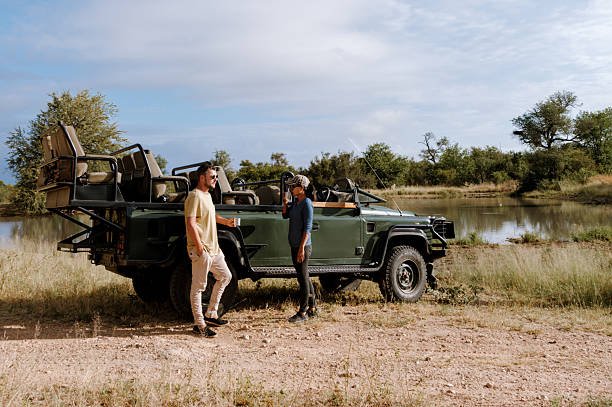
How To Avoid Safari Scams In Tanzania: A Top Guide Adventures Expert 2026-2027
Navigating a safari in Tanzania is a dream for many, but a few precautions can ensure your adventure is scam-free. This guide from Top Guide Adventures provides essential advice for...
View package details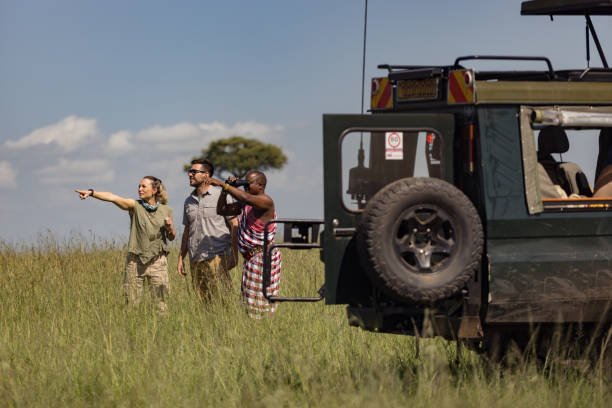
Which Local Tanzania Safari Companies Are Trustworthy In ? 2026-2027
Choosing a trustworthy local Tanzania safari company is crucial for a memorable and safe adventure. This guide helps you identify reliable operators for your 2026-2027 trip, covering...
View package detailsHow Far In Advance Should You Book A Tanzania Safari? Your Planning Guide
Securing your dream Tanzania safari requires strategic planning. This comprehensive guide details the optimal booking timeline for 2026-2027, considering peak seasons, lodge availability...
View package detailsHow Much Should I Tip My Safari Guide In Tanzania? Your 2026-2027
Understand the tipping culture for safari guides and staff in Tanzania. This guide provides clear, actionable recommendations for tipping your safari crew in 2026-2027, covering guides...
View package detailsPrivate Safari Vs Group Tanzania — Which Is Better? 2026-2027
Private safari vs group safari Tanzania — which is better? is explained with current 2026-2027 planning, price, itinerary and booking information.
View package details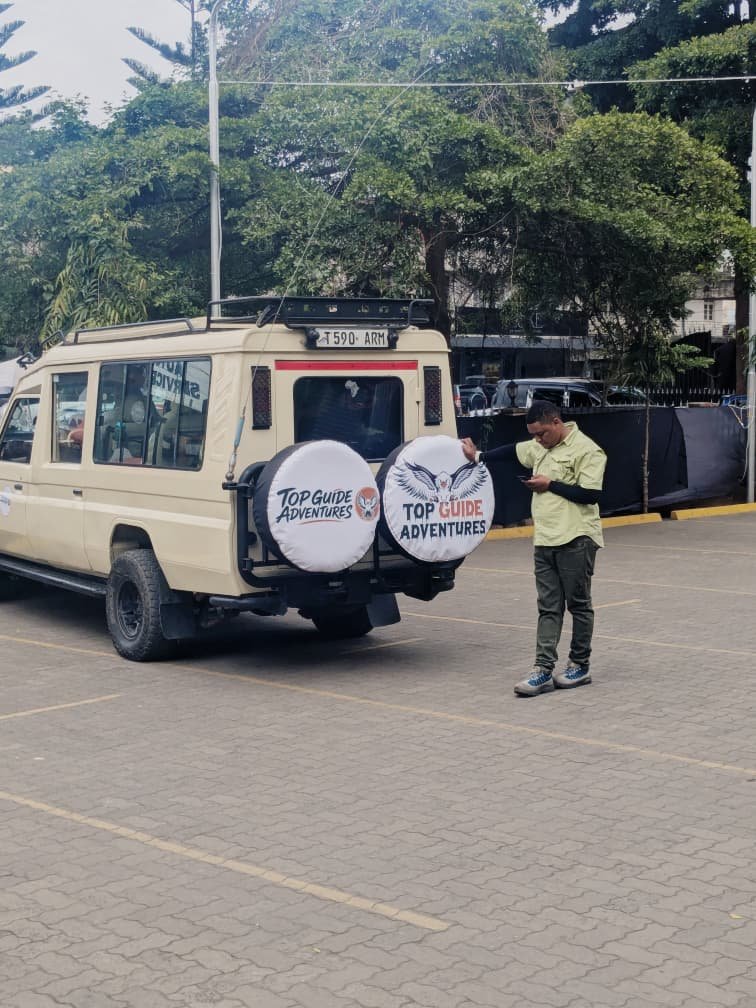
Is A Group Joining Safari In Tanzania Worth It? 2026-2027
Is a group joining safari in Tanzania worth it? is explained with current 2026-2027 planning, price, itinerary and booking information.
View package details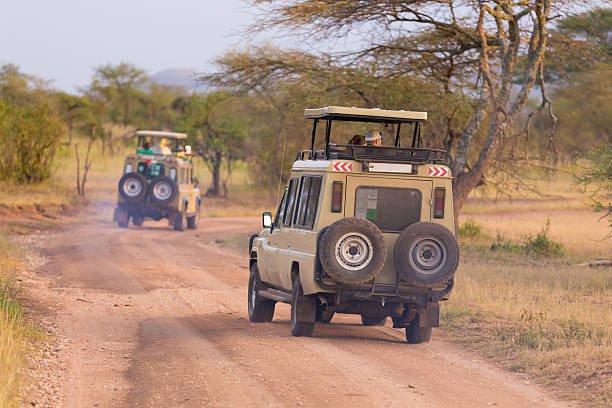
Tanzania Safari For Great Migration: Which Tour To Book In 2026-2027
Planning to witness the Great Migration in Tanzania? This guide helps you choose the perfect safari for 2026-2027, detailing the best parks, timing, and tour options for an unforgettable...
View package details
Combine Safari And Zanzibar With A $3,000 Per Person Tanzania Budget 2026-2027
Explore how to effectively combine a classic Tanzania safari experience with the tropical allure of Zanzibar, all while adhering to a $3,000 per person budget. This guide covers essential...
View package details
Tanzania Safari Under $2,000 Per Person: Your Dream Itinerary For 2026-2027
Explore Tanzania's incredible wildlife and landscapes on a safari designed for a $2,000 per person budget. We outline the best routes, durations, and what to expect for your 2026-2027...
View package details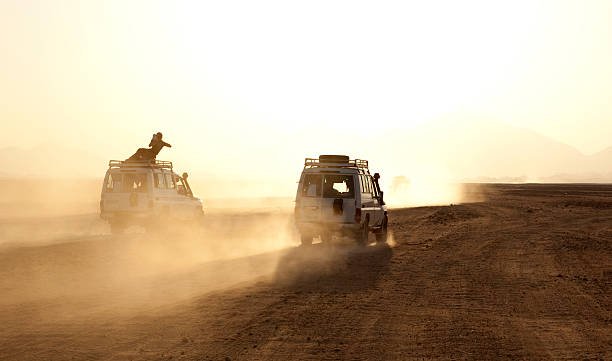
Solo Travel To Tanzania: Can I Join A Safari Group? 2026-2027
Planning a solo safari adventure in Tanzania? Discover how you can join an existing group tour, making your journey more affordable and social. Top Guide Adventures provides excellent...
View package detailsNo related package matches those filters. Clear one or more filters to see the other topic-matched options.



