
Updated planning guide for 2026-2027
Tanzania Hidden Gems Near Dar Es Salaam: Complete Guide 2026-2027
Explore the lesser-known wonders surrounding Dar es Salaam. This guide reveals unique destinations and experiences, perfect for travelers seeking authentic adventures beyond the usual tourist paths in Tanzania.
WhatsApp +255616946642 | topguideadventures@gmail.com | info@topguideadventures.com

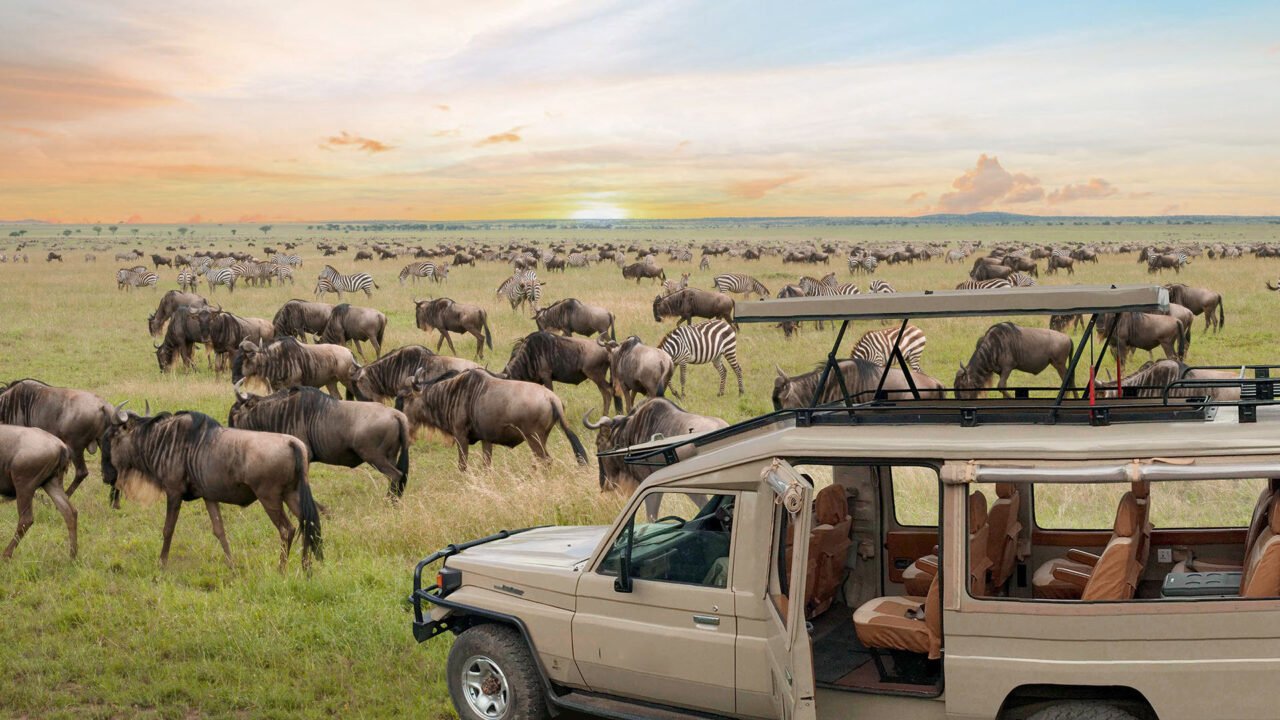
Discover Tanzania’s Hidden Gems Near Dar es Salaam
While Dar es Salaam is a bustling gateway to Tanzania’s iconic safari destinations and Zanzibar’s pristine beaches, the region surrounding the city holds its own collection of often-overlooked treasures. For travelers looking to experience more authentic, less crowded parts of Tanzania, exploring these hidden gems near Dar es Salaam offers a rewarding alternative. These destinations provide a chance to connect with local culture, explore unique natural landscapes, and enjoy activities that showcase the diverse beauty of the Tanzanian coast and its hinterlands.
This comprehensive guide is designed to help you uncover these special places. We’ll cover everything from what makes them unique, the best times to visit, how to get there, what to expect, and practical planning advice for your 2026-2027 trips. Whether you have a single day or a long weekend, there are incredible experiences waiting just a short journey from Dar es Salaam.
Quick Answer: What are the best hidden gems near Dar es Salaam?
The top hidden gems near Dar es Salaam include: Bagamoyo (historical town), Saadani National Park (wildlife and beach), Mbudya Island (snorkeling and relaxation), Pangani (coastal charm and history), Chalinze (cultural experiences), and the Rufiji River Delta (mangroves and birdlife). Each offers a distinct experience away from the main tourist trails.
| Destination | Distance from Dar | Key Attractions | Travel Style | Best For |
|---|---|---|---|---|
| Bagamoyo | ~75 km (1.5-2 hours) | Historical ruins, slave trade history, art college, coastal views | History, Culture, Day Trip | History buffs, cultural explorers |
| Saadani National Park | ~100 km (2-3 hours) | Wildlife viewing (land & sea), beaches, birdwatching | Wildlife, Nature, Weekend Getaway | Nature lovers, those seeking unique safari-beach combo |
| Mbudya Island | ~20 km (boat ride from Kunduchi/Msasani) | Snorkeling, pristine beaches, relaxation, seafood | Beach, Relaxation, Day Trip | Beach lovers, snorkelers, day-trippers |
| Pangani | ~150 km (3-4 hours) | Colonial history, fishing villages, quiet beaches, diving/snorkeling | History, Coastal, Weekend Getaway | History enthusiasts, peace seekers, divers |
| Chalinze | ~100 km (1.5-2 hours) | Local markets, cultural interactions, gateway to inland areas | Culture, Local Life, Day Trip | Authentic cultural immersion seekers |
| Rufiji River Delta | ~200 km (4-5 hours, often via Kibiti) | Mangrove forests, birdwatching, boat safaris, unique ecosystem | Nature, Wildlife, Extended Day Trip/Overnight | Birdwatchers, eco-tourists, nature photographers |
Table of Contents
- Overview: Beyond the Bustle
- Why Explore Hidden Gems Near Dar es Salaam?
- Best Time to Visit These Gems (2026-2027)
- Route Map & Area Overview
- Bagamoyo: A Journey Through History
- Saadani National Park: Where Wildlife Meets the Ocean
- Mbudya Island: A Tropical Escape
- Pangani: Coastal Charm and Colonial Echoes
- Chalinze: Gateway to Local Life
- Rufiji River Delta: A Mangrove Wonderland
- What to Expect: Practicalities and Realities
- Packing and Preparation Guide
- Common Mistakes to Avoid
- Who Are These Hidden Gems Best For?
- Alternatives to Consider
- Planning Your 2026-2027 Trip
- Booking Your Adventure
- Frequently Asked Questions (FAQs)
- Plan Your Unforgettable Tanzanian Experience
Overview: Beyond the Bustle
Dar es Salaam, Tanzania’s economic heart and largest city, is a vibrant metropolis pulsating with life. However, its true allure for the discerning traveler extends beyond its urban core. The coastal regions and nearby hinterlands are dotted with places that offer a stark contrast to the city’s energy, providing tranquility, historical depth, and unique natural encounters. These are the hidden gems near Dar es Salaam – destinations that might not grace every glossy brochure but offer profound experiences for those willing to explore a little further.
From ancient ruins whispering tales of bygone eras to pristine islands untouched by mass tourism, and from wildlife sanctuaries where the bush meets the sea to communities preserving traditional ways of life, the areas surrounding Dar es Salaam are rich with potential. These locations cater to a variety of interests, whether you are a history enthusiast, a nature lover, a beach seeker, or simply someone yearning for an authentic glimpse into Tanzanian life.
Why Explore Hidden Gems Near Dar es Salaam?
Choosing to explore the hidden gems near Dar es Salaam offers several distinct advantages:
- Authenticity: These locations often see fewer international tourists, meaning interactions with local people and experiences are more genuine and less commercialized.
- Unique Experiences: You can find activities and landscapes that are not replicated in more popular tourist circuits. Think of wildlife that roams onto beaches or ancient Swahili ruins steeped in history.
- Proximity and Convenience: Many of these gems are accessible as day trips or short weekend getaways from Dar es Salaam, making them ideal for travelers with limited time or those looking for an excursion from the city.
- Cultural Immersion: Visiting smaller towns and villages provides a direct window into the daily lives, traditions, and crafts of Tanzanian communities.
- Diverse Landscapes: The areas around Dar showcase the variety of Tanzania’s environment, from coastal mangroves and coral reefs to historical sites and small pockets of wilderness.
- Value: While not always cheaper, these destinations can sometimes offer better value by avoiding the premium pricing associated with highly established tourist hubs.
Best Time to Visit These Gems (2026-2027)
The best time to visit Tanzania’s hidden gems near Dar es Salaam generally aligns with the country’s dry seasons, offering pleasant weather for exploration. However, specific activities might be influenced by rainfall patterns.
| Period | Weather | Activities Suited For | Notes |
|---|---|---|---|
| June – October (Dry Season) | Sunny, dry, cooler temperatures (especially June-August) | All activities: beach, history, wildlife viewing, hiking, cultural visits. Ideal for walking tours in Bagamoyo and Saadani. | This is peak season for Tanzania overall, so expect slightly more visitors and potentially higher prices for accommodation if staying overnight. Roads are generally in good condition. |
| November – December (Short Rains) | Intermittent showers, often brief and in the afternoon, humid | Good for birdwatching (migratory birds arrive), fewer crowds, lush landscapes. Beach activities are still viable. | Scenery becomes very green. Can be a good time for budget-conscious travelers. Some unpaved roads might become challenging. |
| January – March (Long Rains / “Masika”) | Heavy, prolonged rains, humid, hot | Best for birdwatching, lush green scenery, experiencing local life during the planting season. Wildlife viewing can be more challenging as animals disperse. | This is the low season. Many areas might be less accessible due to muddy roads. However, for destinations like Mbudya Island, weather can still be good for beach days between showers. Saadani’s coastal areas are less affected by rain. |
| April – May (Long Rains Peak) | Very heavy rains, often continuous, high humidity | Not ideal for most outdoor activities. Landscapes are extremely green. Best avoided for extensive travel unless specifically seeking a very quiet, green experience. | This is the lowest point of the low season. Some lodges may close or offer significant discounts. Travel can be disrupted. |
For most travelers aiming for pleasant weather and good accessibility for 2026-2027, the June to October window remains the most reliable. However, if you seek fewer crowds and vibrant green landscapes, consider the shoulder months of November-December or even January-March, being mindful of potential rain disruptions.
Route Map & Area Overview
The hidden gems near Dar es Salaam are primarily located along the coast to the north and south, or slightly inland. This simple illustration shows their approximate locations relative to Dar es Salaam.
| Dar es Salaam (Starting Point) | — Main Roads — |
| North of Dar |
|
| Inland/South of Dar |
|
This provides a visual context for planning a multi-destination trip or choosing a single day excursion.
Bagamoyo: A Journey Through History
Bagamoyo, meaning “lay down your heart” in Swahili, is a town steeped in history. Once a vital trading post and a notorious center for the slave trade, its historical significance is palpable. It’s a perfect day trip or overnight stay for those fascinated by Tanzania’s past.
What to See and Do in Bagamoyo:
- The Old Fort (Fortaleza Bagamoyo): Though in ruins, it hints at the town’s Portuguese past.
- Slave Market Ruins: A somber reminder of the dark history of the slave trade. The nearby Kaole Ruins, slightly south, offer an even older glimpse into Swahili coastal civilization dating back to the 13th century.
- The Old Town: Wander through streets lined with crumbling colonial buildings and traditional Swahili architecture.
- Bagamoyo College of Arts (Chuo cha Sanaa): Famous for its traditional Tanzanian arts and crafts, including Taarab music and traditional dance. Visitors can often see students practicing or purchase unique souvenirs.
- The Dhow Harbor: Witness traditional dhows being built and sailing, a testament to enduring maritime traditions.
- Beaches: Bagamoyo has quiet, undeveloped beaches perfect for a peaceful stroll or a picnic.
Logistics for Bagamoyo:
Getting there: Approximately 75 km north of Dar es Salaam. A private vehicle or taxi is the most convenient way to reach it, taking about 1.5 to 2 hours depending on traffic. Public transport involves dalla-dallas and might take longer.
Best for: History enthusiasts, cultural explorers, photographers, and those seeking a peaceful escape.
Duration: A full day trip is possible, but an overnight stay allows for a more relaxed exploration, especially to visit Kaole Ruins and enjoy the town’s atmosphere.
Saadani National Park: Where Wildlife Meets the Ocean
Saadani is unique. It’s Tanzania’s only coastal national park where the African bush meets the Indian Ocean. This juxtaposition creates a remarkable environment for both terrestrial and marine life, offering a safari experience unlike any other in the country.
What to See and Do in Saadani:
- Game Drives: Spotting wildlife such as elephants, lions, leopards, giraffes, zebras, and various antelopes in a coastal setting.
- Boat Safaris: Explore the Wami River estuary, looking for hippos, crocodiles, and abundant birdlife, including flamingos and migratory species. Dolphin and whale watching (seasonal) are also possible.
- Beach Exploration: Walk along the park’s pristine beaches, where you might see nesting sea turtles (seasonal) or observe the unique sight of wildlife near the ocean.
- Birdwatching: Saadani is a haven for over 300 bird species.
- Snorkeling/Diving: Nearby coral reefs offer opportunities for underwater exploration.
Logistics for Saadani:
Getting there: Around 100 km north of Dar es Salaam, a journey of about 2 to 3 hours. Access is usually via a gravel road, which can be rough in parts, especially during the rainy season.
Accommodation: The park has lodges and tented camps for overnight stays, allowing for more comprehensive exploration. Day trips are possible but can feel rushed.
Best for: Wildlife enthusiasts, birdwatchers, nature lovers, and those seeking a unique safari-beach combination.
Duration: A day trip is feasible for a taste, but a 2-3 day stay is recommended to fully appreciate the park’s diverse offerings.
Mbudya Island: A Tropical Escape
For a quick, accessible island getaway from Dar es Salaam, Mbudya Island is a popular choice. It’s part of the Dar es Salaam Marine Reserve System and offers a taste of tropical paradise without a long journey.
What to See and Do on Mbudya Island:
- Snorkeling: The coral reefs surrounding the island are home to colorful fish. Equipment can often be rented.
- Relaxing on the Beach: White sandy beaches and clear turquoise waters are perfect for sunbathing and swimming.
- Seafood Lunch: Enjoy freshly grilled fish and other local delicacies at the island’s simple beachfront restaurants.
- Kayaking: Explore the shallow waters and coastline at your own pace.
Logistics for Mbudya Island:
Getting there: Boats depart regularly from Kunduchi Beach or Msasani Peninsula. The boat ride is short, typically 20-30 minutes.
Best for: Day-trippers, beach lovers, snorkelers, families, and anyone seeking a quick dose of island life.
Duration: A perfect day trip. You can arrange to be picked up at a specific time.
Note: While popular, Mbudya Island can get busy, especially on weekends. For a quieter experience, consider nearby Bongoyo Island, though it has fewer facilities.
Pangani: Coastal Charm and Colonial Echoes
Located about 150 km north of Dar es Salaam, Pangani is a historical coastal town that retains much of its old-world charm. It was once a significant trading port, particularly for sisal, and its history is reflected in its architecture and atmosphere.
What to See and Do in Pangani:
- Explore the Town: Wander through the historic center with its faded colonial buildings, old mosques, and traditional Swahili houses.
- Pangani River: Take a boat trip up the river to see local life, mangrove forests, and birdlife.
- Beaches: Discover secluded, uncrowded beaches like Ushongo and Bilila, ideal for relaxation and long walks.
- Diving and Snorkeling: The Maziwe Marine Reserve (often called Wasini Island, though there’s a Maziwe island near Pangani) offers excellent opportunities for coral reef exploration.
- Visit Sisal Plantations: Learn about the region’s history as a major sisal producer.
Logistics for Pangani:
Getting there: Approximately 3-4 hours by road from Dar es Salaam. A 4WD vehicle is recommended, especially if planning to explore beyond the main town or during the rainy season.
Accommodation: Pangani offers a range of charming guesthouses, boutique hotels, and beach lodges, making it ideal for a weekend getaway.
Best for: Travelers seeking a tranquil coastal experience, history buffs, divers, and those who appreciate off-the-beaten-path destinations.
Duration: A weekend trip (2-3 days) is ideal for enjoying the relaxed pace and exploring the surrounding areas.
Chalinze: Gateway to Local Life
Chalinze is not a typical tourist destination but rather a bustling market town situated at a key crossroads, about 100 km west of Dar es Salaam. It serves as a gateway to inland Tanzania and offers a genuine slice of local life.
What to See and Do in Chalinze:
- Local Markets: Experience the vibrant atmosphere of the town’s markets, where locals trade produce, crafts, and daily goods.
- Cultural Encounters: Observe daily life, interact with local traders, and get a feel for a working Tanzanian town.
- Gateway Experience: It’s a good place to stop and observe the flow of traffic and people heading to and from different parts of the country.
- Nearby Villages: With a guide, you can arrange visits to surrounding villages for deeper cultural immersion.
Logistics for Chalinze:
Getting there: About 1.5 to 2 hours from Dar es Salaam. It’s easily accessible by road and is a common stop for those traveling inland.
Best for: Travelers interested in authentic local markets, cultural immersion, and experiencing a non-touristy Tanzanian town.
Duration: A few hours to experience the market, or a full day if combining with a visit to nearby villages.
Rufiji River Delta: A Mangrove Wonderland
South of Dar es Salaam, the Rufiji River Delta is a vast, ecologically rich area characterized by extensive mangrove forests, deltas, and diverse birdlife. It’s a less-visited but highly rewarding destination for nature enthusiasts.
What to See and Do in the Rufiji Delta:
- Boat Safaris: Navigate the maze of channels through the mangroves, observing diverse bird species, hippos, and crocodiles.
- Birdwatching: The delta is a critical habitat for numerous resident and migratory birds, making it a paradise for ornithologists.
- Exploring Mangrove Ecosystems: Learn about the importance of these unique coastal forests and their role in the environment.
- Fishing Villages: Visit local fishing communities to understand their way of life.
Logistics for Rufiji Delta:
Getting there: It’s a longer journey, approximately 4-5 hours from Dar es Salaam, often accessed via Kibiti. A 4WD vehicle is essential, and local guides are highly recommended for navigation and boat trips.
Accommodation: Options are limited and tend to be more rustic, focusing on eco-lodges or basic camps. It’s often best explored as an extended day trip or with an overnight stay if comfortable with simpler facilities.
Best for: Serious birdwatchers, eco-tourists, nature photographers, and those interested in unique marine and estuarine ecosystems.
Duration: A full day trip is possible but demanding. An overnight stay is recommended to truly experience the delta’s tranquility and wildlife.
What to Expect: Practicalities and Realities
When visiting these hidden gems near Dar es Salaam, it’s important to manage expectations and be prepared for a different travel experience than what you might find in more established tourist hubs.
- Infrastructure: Facilities can be basic. Roads may be unpaved and rough, especially during the rainy season. Accommodation can range from simple guesthouses to more comfortable lodges, but don’t expect five-star amenities everywhere.
- Services: Internet access and mobile phone reception can be spotty. ATMs are unlikely outside of larger towns. It’s wise to carry sufficient cash (Tanzanian Shillings).
- Pace of Life: Expect a slower pace. Things may take longer than anticipated, and flexibility is key. Embrace the local rhythm.
- Cultural Sensitivity: Dress modestly when visiting villages or towns. Ask permission before taking photos of people. Learn a few basic Swahili phrases (like ‘Jambo’ for hello, ‘Asante’ for thank you).
- Wildlife Encounters: While Saadani offers wildlife, it’s not the Serengeti. Animals are wild, and sightings are not guaranteed. Respect their space.
- Environmental Conditions: It can be hot and humid, especially on the coast. Sun protection and hydration are crucial. Mosquito repellent is essential, particularly in the evenings and near water.
Packing and Preparation Guide
Proper packing ensures comfort and readiness for your excursions. For these destinations near Dar es Salaam, consider the following:
Essential Packing List:
- Clothing: Lightweight, breathable fabrics (cotton, linen). Long-sleeved shirts and trousers for sun protection and mosquito protection in the evenings. Modest clothing for visiting villages. Swimwear for beach days and island trips. A light jacket or sweater for cooler evenings.
- Footwear: Comfortable walking shoes or sturdy sandals for exploring towns and historical sites. Flip-flops or sandals for beaches. Water shoes can be useful for rocky shorelines or boat landings.
- Sun Protection: Wide-brimmed hat, sunglasses, high SPF sunscreen.
- Insect Repellent: With DEET or Picaridin, especially for evenings and near water.
- Health: Personal first-aid kit, any prescription medications, hand sanitizer, motion sickness medication if needed for boat trips or bumpy roads. Consult your doctor about malaria prophylaxis and necessary vaccinations well in advance of your 2026-2027 travel.
- Documents: Passport, visa (if required), copies of important documents, travel insurance details.
- Money: Sufficient Tanzanian Shillings in cash for small purchases, tips, and places that don’t accept cards.
- Electronics: Camera, extra batteries, power bank, universal travel adapter.
- Miscellaneous: Reusable water bottle, small backpack for day trips, binoculars (especially for Saadani and Rufiji Delta), a good book for downtime.
Preparation Tips:
- Bookings: Arrange transport and any guided tours in advance, especially if traveling during peak season (June-October 2026/2027).
- Health Precautions: Consult a travel clinic 4-6 weeks before your trip regarding vaccinations and malaria prevention. Drink only bottled or purified water.
- Cash: Inform your bank about your travel dates. Have enough cash for immediate needs upon arrival.
- Flexibility: Be prepared for changes in plans due to weather or local conditions.
Common Mistakes to Avoid
To ensure a smooth and enjoyable experience, be aware of these common pitfalls:
- Underestimating Travel Times: Roads can be slower than expected. Don’t overschedule your day trips.
- Not Carrying Enough Cash: Many smaller establishments, local transport, and market stalls operate on a cash-only basis.
- Ignoring Sun and Heat: The coastal climate is tropical. Dehydration and sunburn can quickly ruin a trip.
- Lack of Insect Protection: Mosquitoes can be prevalent, especially at dawn and dusk, and near water.
- Disrespecting Local Customs: Dress modestly in villages and towns. Always ask for permission before photographing people.
- Expecting Tourist Infrastructure Everywhere: These are hidden gems; embrace their raw, less-developed nature.
- Not Booking in Advance (Peak Season): If traveling between June and October 2026 or 2027, book accommodations and reliable transport ahead of time.
- Forgetting Water Purification/Bottled Water: Stick to safe drinking water sources to avoid illness.
Who Are These Hidden Gems Best For?
These destinations near Dar es Salaam cater to a diverse range of travelers:
- The Curious Explorer: Those who want to see more than just the main highlights and are keen to discover authentic local culture and lesser-known natural beauty.
- History Buffs: Bagamoyo and Pangani offer rich historical narratives and tangible remnants of the past.
- Nature and Wildlife Enthusiasts: Saadani National Park and the Rufiji River Delta are ideal for spotting diverse flora and fauna in unique environments.
- Beach Lovers Seeking Tranquility: Pangani and parts of Saadani offer quiet, undeveloped beaches away from crowds.
- Day-Trippers from Dar: Bagamoyo and Mbudya Island are perfect for easily accessible day excursions.
- Photographers: The unique landscapes, historical sites, and vibrant local life provide endless photographic opportunities.
- Budget-Conscious Travelers: While not always the cheapest, some of these destinations offer more affordable alternatives to the high-end safari circuits, especially if opting for local guesthouses.
Alternatives to Consider
If the described hidden gems don’t perfectly match your interests or if you’re looking for slightly different experiences near Dar es Salaam, consider these:
- Zanzibar Day Trip: While not a ‘hidden gem’ in the same sense, a quick flight or ferry to Zanzibar can offer a taste of its spice tours, Stone Town history, or northern beaches if time is very limited.
- Mafia Island: For serious diving and snorkeling enthusiasts, Mafia Island (accessible by small plane) is a world-class destination, though it requires more travel time and budget than the Dar es Salaam-area gems.
- Kondoa Irangi Rock-Art Sites: Further inland (requires significant travel time, usually part of a longer itinerary), these UNESCO World Heritage sites offer ancient rock paintings.
- Local Markets in Dar: Exploring vibrant markets like Kariakoo within Dar es Salaam itself can offer intense cultural immersion and local interaction without leaving the city.
Planning Your 2026-2027 Trip
Planning ahead is crucial for a successful trip to Tanzania’s hidden gems, especially looking towards 2026 and 2027. Here’s a step-by-step approach:
2026-2027 Planning Checklist:
- Define Your Interests: Are you prioritizing history, wildlife, beaches, or culture? This will help you choose the right gem(s).
- Determine Trip Length: How many days can you allocate? A day trip, a long weekend, or a longer exploration?
- Choose Your Destinations: Based on interests and time, select one or two gems. Trying to fit too much into a short period will be exhausting.
- Select Travel Dates: Consider the best time to visit for your chosen activities (refer to the ‘Best Time’ section). Factor in public holidays or local festivals if interested.
- Budgeting: Estimate costs for transport, accommodation, activities, food, and any entrance fees. Factor in a buffer for unexpected expenses.
- Book Flights and Accommodation: If staying overnight, book accommodation well in advance, especially for peak seasons in 2026-2027.
- Arrange Transportation: Decide on private car hire, organized tours, or public transport. For remote areas, a reliable 4WD with a knowledgeable driver is often essential.
- Health Preparations: Schedule doctor’s appointments for vaccinations and malaria advice at least 4-6 weeks before departure.
- Packing: Use the packing list provided and tailor it to your specific destinations and planned activities.
- Learn Basic Phrases: Knowing a few Swahili words will enhance your interactions.
- Confirm Visa Requirements: Ensure your passport is valid for at least six months beyond your intended stay and check visa requirements for your nationality.
For 2026-2027, early planning is especially recommended as travel demand continues to grow. Booking key elements like flights and popular accommodations six months to a year in advance can secure better prices and availability.
Booking Your Adventure
When booking your trip to Tanzania’s hidden gems near Dar es Salaam, consider the following advice:
- Use Reputable Tour Operators: Partnering with a local, experienced tour operator is highly recommended. They have the local knowledge, reliable contacts, and logistical expertise to arrange seamless transport, accommodation, and guided tours, especially for less accessible destinations.
- Specify Your Needs: Clearly communicate your interests, budget, and desired pace to your tour operator. For example, if you want to focus on history in Bagamoyo, or birdwatching in Rufiji, let them know.
- Ask About Inclusions: Understand what is included in your package – transport, guide fees, park entrance fees (if applicable), meals, accommodation.
- Transportation: For day trips, a private vehicle with a driver is often the most efficient and comfortable. For longer stays or more remote locations, a 4WD is advisable. Ensure your driver is experienced with the local roads.
- Accommodation: Research your accommodation options. Look for places that align with your comfort level and the type of experience you seek.
- Guides: For historical sites like Bagamoyo or natural areas like Saadani and Rufiji, local guides can greatly enhance your understanding and experience.
- Flexibility in Booking: While booking in advance is wise, discuss cancellation and rebooking policies with your operator, especially given the potential for unpredictable weather in Tanzania.
Working with a trusted operator like Best Tanzania tour operator ensures you get the most out of your exploration of Tanzania’s hidden gems near Dar es Salaam. We can tailor itineraries to your specific interests, ensuring a memorable and authentic experience for your 2026-2027 travels.
Frequently Asked Questions (FAQs)
Frequently Asked Questions:
Q1: Are these places safe for tourists?
A1: Yes, these areas are generally safe for tourists, especially when visited with reputable guides or tour operators. Standard travel precautions apply: be aware of your surroundings, avoid displaying valuables, and follow local advice. For remote areas like the Rufiji Delta, local guidance is crucial.
Q2: Can I visit these places as a day trip from Dar es Salaam?
A2: Bagamoyo and Mbudya Island are excellent for day trips. Saadani National Park can be visited as a long day trip, but an overnight stay is much better. Pangani and Rufiji Delta are generally too far for a comfortable day trip and are best suited for overnight stays.
Q3: What is the best way to travel to these destinations?
A3: For most of these destinations, hiring a private vehicle with a driver is the most convenient and efficient option. For islands like Mbudya, a boat is necessary. For Saadani and Rufiji, a 4WD is often recommended, especially outside the dry season.
Q4: Do I need to book tours in advance for 2026-2027?
A4: It is highly recommended to book transport and any guided activities in advance, especially if you are traveling during the peak season (June-October) or if you require specific accommodations. For day trips, you can sometimes arrange these with shorter notice, but booking ahead ensures availability and better pricing.
Q5: What currency should I use?
A5: The local currency is the Tanzanian Shilling (TZS). While some tourist establishments might accept USD or EUR, it’s best to have Shillings for most local purchases, markets, and smaller vendors. ATMs are available in Dar es Salaam but are unlikely in these smaller towns.
Q6: Are there any specific cultural considerations I should be aware of?
A6: Yes, when visiting local villages or towns, dress modestly (cover shoulders and knees). Always ask permission before taking photos of people. Learning a few basic Swahili phrases like ‘Jambo’ (Hello) and ‘Asante’ (Thank you) is always appreciated.
Q7: What if I’m interested in wildlife in Saadani? Are sightings guaranteed?
A7: Saadani offers a unique wildlife experience, but sightings are not guaranteed like in the famous Serengeti or Masai Mara. The animals are wild, and their movements depend on various factors. Patience and early morning or late afternoon game drives increase your chances.
Q8: Can I snorkel or dive at all these locations?
A8: Snorkeling is good at Mbudya Island and possible in Pangani (near Maziwe Marine Reserve). Saadani also has offshore reefs. The Rufiji Delta is more about mangroves and birdlife, less about coral reefs for snorkeling.
Q9: What are the accommodation options like in these hidden gems?
A9: Accommodation varies greatly. Mbudya Island has basic facilities. Bagamoyo has guesthouses and a few hotels. Saadani offers lodges and tented camps. Pangani has charming boutique hotels and beach bungalows. Rufiji Delta has more rustic eco-lodges or camps. It’s essential to research and book according to your comfort level.
Q10: What is the best time of year for 2026-2027 to visit Saadani National Park for wildlife?
A10: The dry season, from June to October, is generally best for wildlife viewing in Saadani, as animals tend to congregate around water sources. However, the park is open year-round, and the shoulder seasons (like November-December) can offer lush landscapes and fewer crowds.
Plan Your Unforgettable Tanzanian Experience
Exploring the hidden gems near Dar es Salaam offers a unique perspective on Tanzania’s rich culture, history, and natural beauty. These destinations provide authentic experiences away from the usual tourist trails, perfect for those seeking something special.
Whether you dream of walking through ancient ruins, spotting wildlife where the bush meets the sea, or relaxing on secluded beaches, we can help you craft the perfect itinerary. Our expertise in Tanzania travel ensures that your journey to these hidden gems near Dar es Salaam will be memorable, comfortable, and filled with authentic discovery.
Ready to explore beyond the ordinary? Get in touch with us to start planning your custom adventure for 2026-2027.
Contact us today:
WhatsApp: +255616946642
Email: topguideadventures@gmail.com
Backup Email: info@topguideadventures.com
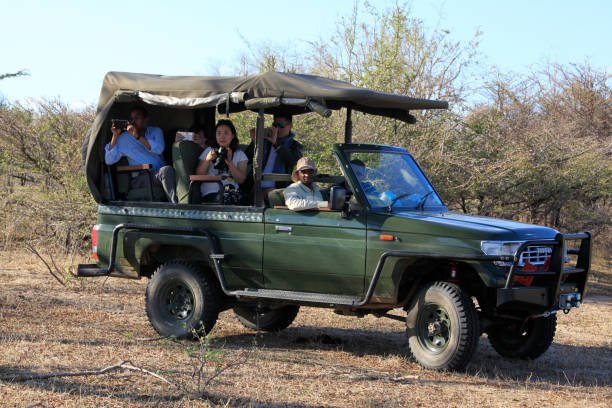
5 Days Southern Tanzania Safari From Dar Es Salaam: Ultimate Itinerary & Guide
Discover a 5-day Southern Tanzania safari adventure starting from Dar es Salaam, focusing on the wild beauty of Selous Game Reserve and Ruaha National Park. This comprehensive guide covers...
View package details
Best 6-Day Southern Tanzania Safari From Dar Es Salaam In 2026-2027
A 6-day Southern Tanzania safari from Dar es Salaam offers an unparalleled wildlife experience in vast, unspoiled parks like Ruaha and Nyerere (formerly Selous). This itinerary focuses on...
View package details
4 Days Southern Tanzania Lodge Safari From Dar Es Salaam: Your Ultimate Guide
Explore a 4-day Southern Tanzania lodge safari starting from Dar es Salaam. This itinerary focuses on the vast wilderness of Selous Game Reserve and Ruaha National Park, offering an...
View package details
6 Days Southern Tanzania Lodge Safari From Dar Es Salaam 2026-2027
Discover a curated 6-day Southern Tanzania lodge safari departing from Dar es Salaam, designed for an unforgettable wildlife adventure. This journey focuses on two of Tanzania's most...
View package details
2-Day Mikumi Weekend Safari From Dar Es Salaam In 2026-2027
Discover the magic of Mikumi National Park on a convenient 2-day weekend safari from Dar es Salaam. This short trip offers incredible wildlife viewing opportunities, perfect for those with...
View package details
3-Day Budget Mikumi Safari From Dar Es Salaam Guide
Discover how to experience a thrilling 3-day budget Mikumi National Park safari starting from Dar es Salaam. This guide covers everything from wildlife viewing and essential packing to...
View package detailsNo related package matches those filters. Clear one or more filters to see the other topic-matched options.
Plan your Tanzania Hidden Gems Near Dar es Salaam with Top Guide Adventures
Tell us your travel dates, group size, comfort level, and dream experience. We will help you shape a clear, realistic, and memorable Tanzania itinerary.



