
Updated planning guide for 2026-2027
Tanzania Hidden Gems For Families: Complete Guide 2026-2027
Explore beyond the usual tourist trails in Tanzania with this comprehensive guide to hidden gems perfect for families. Discover unique experiences, practical planning advice, and itinerary ideas for an unforgettable 2026-2027 adventure.
WhatsApp +255616946642 | topguideadventures@gmail.com | info@topguideadventures.com
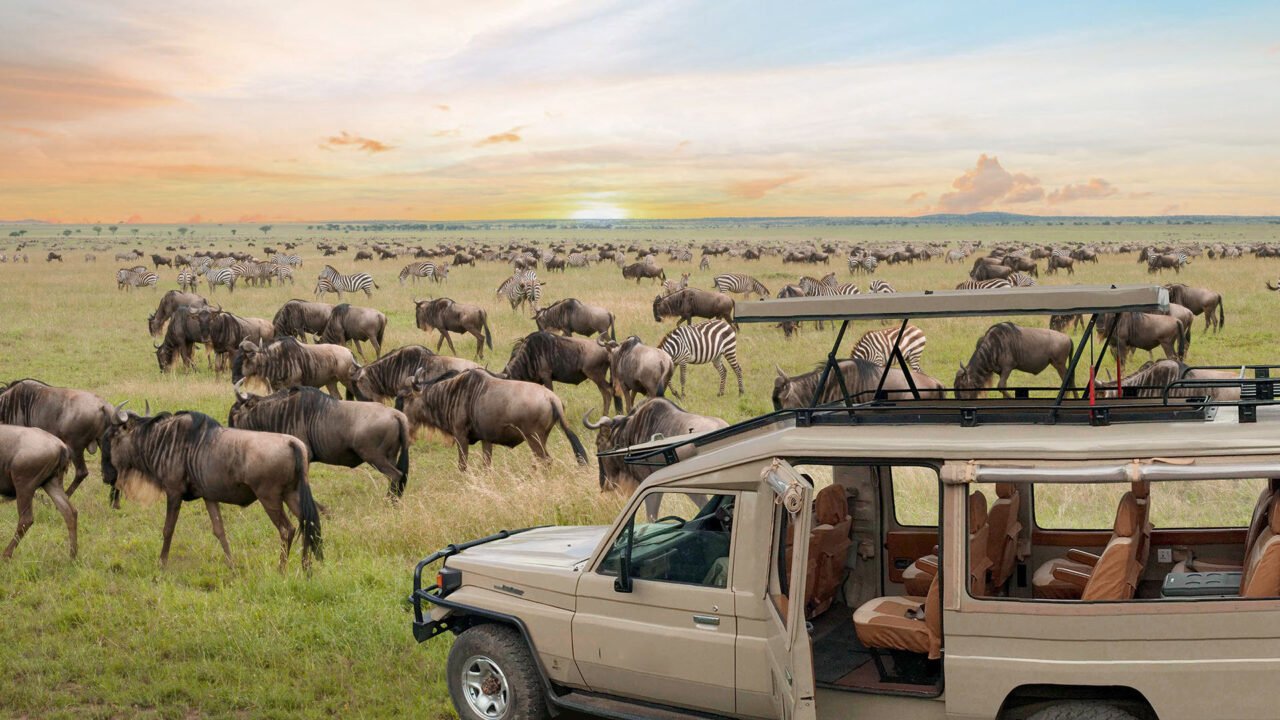
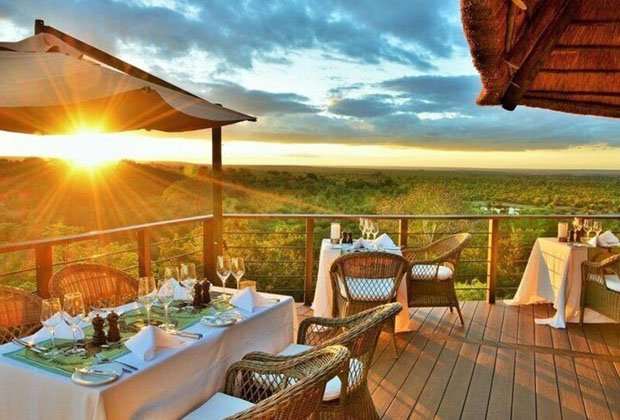
Your Ultimate Guide to Tanzania’s Hidden Gems for Families
Tanzania is synonymous with iconic safaris, the majestic Mount Kilimanjaro, and the spice-scented shores of Zanzibar. While these destinations are world-renowned for good reason, planning a family trip in 2026 or 2027 offers a unique opportunity to explore beyond the most trodden paths. Discovering Tanzania’s hidden gems for families means uncovering authentic cultural encounters, less crowded wildlife viewing, and unique adventures that cater to all ages, creating memories that will last a lifetime. This guide is designed to help you craft an extraordinary family journey, focusing on experiences that offer depth, engagement, and a true sense of discovery.
Table of Contents
- Quick Facts for Family Travelers
- Why Seek Out Tanzania’s Hidden Gems for Families?
- Best Time to Visit Tanzania’s Hidden Gems with Kids
- Exploring Tanzania’s Lesser-Known Regions for Families
- Sample Family Itinerary: A Blend of Adventure and Culture
- Deep Dive: Authentic Cultural Experiences for Families
- Beyond the Big Five: Unique Wildlife Encounters for Kids
- Family-Friendly Adventure Activities
- Choosing Family-Friendly Accommodation
- Essential Planning and Preparation for 2026-2027 Trips
- Family Packing Essentials
- Common Mistakes to Avoid When Planning a Family Trip
- Who Are Tanzania’s Hidden Gems Best Suited For?
- Considering Alternatives to Traditional Safaris
- Booking Your Tanzania Hidden Gems Family Adventure
- Frequently Asked Questions (FAQs)
Quick Facts for Family Travelers
| Aspect | Details for Families |
|---|---|
| Best Age Range for Kids | Generally 6+ for safaris; younger children can enjoy Zanzibar and cultural tours with adjustments. |
| Pace of Travel | Slower pace recommended, with fewer transfers and more time at each location. |
| Accommodation Needs | Family rooms, connecting rooms, or lodges with pools and kid-friendly activities are ideal. |
| Health & Safety | Consult a doctor regarding vaccinations and malaria precautions. Ensure adequate travel insurance. |
| Connectivity | Wi-Fi can be spotty in remote areas. Consider local SIM cards for better communication. |
| Currency | Tanzanian Shilling (TZS). USD widely accepted for park fees and larger expenses. |
| Language | Swahili is the national language; English is widely spoken in tourist areas. |
Why Seek Out Tanzania’s Hidden Gems for Families?
While the Serengeti and Ngorongoro Crater are spectacular, they can also be crowded, especially during peak seasons. Opting for Tanzania’s hidden gems for families provides several advantages:
- More Authentic Encounters: Less tourist traffic means more genuine interactions with local communities and a more personal wildlife viewing experience.
- Reduced Crowds: Enjoy stunning landscapes and wildlife without feeling like you’re on a conveyor belt. This is especially beneficial for keeping younger children engaged and comfortable.
- Unique Learning Opportunities: Many off-the-beaten-path destinations offer deeper cultural immersion, allowing children to learn about different ways of life, traditions, and local crafts directly from the source.
- Greater Flexibility: With fewer crowds, itineraries can sometimes be more adaptable to your family’s pace and interests.
- Cost-Effectiveness: While not always the case, some less-visited areas might offer more budget-friendly options for accommodation and activities compared to prime safari locations.
- Surprise and Wonder: Discovering a place that feels like your own personal adventure adds an extra layer of excitement for both parents and children.
Best Time to Visit Tanzania’s Hidden Gems with Kids
The best time to visit Tanzania for families, including its hidden gems, largely depends on what you want to see and do. The country has two main seasons:
Tanzania Seasons and Family Travel
| Period | Weather | Wildlife Focus | Family Suitability |
|---|---|---|---|
| Dry Season (June – October) | Sunny, cooler days, less humidity, minimal rain. Ideal for game drives. | Excellent for spotting wildlife concentrated around water sources. Great for migration viewing (though this is a main attraction, quieter spots exist). | Very good. Comfortable for outdoor activities. Roads are generally good. This is peak season, so booking in advance is crucial for 2026-2027. |
| Green Season (November – May) | Warm, humid, with short afternoon showers (Dec-Feb can be drier). Longer rains from March-May. | Lush landscapes, newborn animals, excellent birdwatching. Fewer crowds. | Good, especially November, December, and January before the main rains. Offers vibrant scenery and fewer tourists. Can be hot and humid. February to May can be challenging with heavy rains affecting road access. |
For families seeking hidden gems, the shoulder months (late October/November and late January/February) can offer a fantastic balance of good weather, fewer crowds, and lush scenery, making them excellent choices for 2026-2027 travel.
Exploring Tanzania’s Lesser-Known Regions for Families
While the Northern Circuit (Serengeti, Ngorongoro) and Zanzibar are popular, consider these regions for a more unique family experience:
The Southern Circuit (Selous Game Reserve & Ruaha National Park)
Often overlooked in favor of the north, the southern circuit offers vast, wild landscapes and a different safari experience. It’s ideal for families who want a sense of true wilderness.
- Selous Game Reserve (Nyerere National Park): One of Africa’s largest game reserves, offering boat safaris on the Rufiji River – a hit with kids! They can see hippos, crocodiles, and abundant birdlife from the water, a unique perspective. Walking safaris (for older children, with strict supervision) provide an intimate encounter with the bush. It’s less about the Big Five frenzy and more about diverse ecosystems.
- Ruaha National Park: Tanzania’s largest national park, known for its rugged beauty, large elephant herds, and impressive predator populations (lions, wild dogs). It’s wilder and more remote than the north, offering a chance for exclusive sightings. The dramatic landscapes with ancient baobab trees are captivating.
Western Tanzania (Gombe Stream & Mahale Mountains National Parks)
For families with older children interested in primates and a more adventurous, off-the-grid experience, western Tanzania is unparalleled.
- Gombe Stream National Park: Famous for Jane Goodall’s chimpanzee research. Trekking through the forest to find wild chimpanzees is an incredible, educational experience. It’s a more active trip, requiring hiking.
- Mahale Mountains National Park: Home to one of the last remaining wild chimpanzee populations. Accessible primarily by boat, this park offers stunning lake views, pristine beaches on Lake Tanganyika, and the chance to track chimps. It’s a more remote and luxurious option, often involving fly-in safaris.
Northern Circuit – Quieter Corners
Even within the popular Northern Circuit, there are less-visited areas or ways to experience them differently:
- Tarangire National Park (outside peak season): While popular, visiting during the shoulder seasons or focusing on less-visited areas within Tarangire can yield great sightings of elephants and baobab trees with fewer vehicles.
- Lake Manyara National Park (for variety): Known for its tree-climbing lions and diverse birdlife, it’s smaller and can be combined with other parks for a varied experience, offering lake views and forest walks.
The Usambara Mountains
For families interested in culture, hiking, and biodiversity beyond wildlife, the Usambara Mountains offer a refreshing change of pace.
- Activities: Gentle hikes through lush rainforests, visits to local villages and schools, learning about traditional farming, and birdwatching. The cooler climate is pleasant.
- Experience: This region provides a grounding experience, connecting with the land and its people in a way that’s different from a typical safari. It’s excellent for educational components.
Sample Family Itinerary: A Blend of Adventure and Culture (10 Days)
This itinerary focuses on a mix of wildlife, culture, and relaxation, perfect for families exploring Tanzania’s hidden gems for families in 2026 or 2027.
Days 1-3: Arrival in Dar es Salaam & Coastal Charm (Bagamoyo)
- Day 1: Arrive at Julius Nyerere International Airport (DAR), transfer to a comfortable hotel in Dar. Relax and acclimatize.
- Day 2: Day trip or overnight to Bagamoyo. This historic coastal town offers rich Swahili and Omani history. Visit the ruins, the old fort, and the slave market museum. It’s a gentle introduction to Tanzania’s heritage. Kids might enjoy exploring the ruins and the beach.
- Day 3: Morning in Bagamoyo, then transfer to Dar es Salaam for an afternoon flight to the Southern Circuit.
Days 4-6: Southern Circuit – Nyerere National Park (formerly Selous)
- Day 4: Arrive at Nyerere National Park airstrip, transfer to your lodge. Afternoon boat safari on the Rufiji River. Look for hippos, crocodiles, elephants, and abundant birdlife. This is a highlight for children.
- Day 5: Morning walking safari (if children are old enough and comfortable, with expert guides) or a game drive. Afternoon game drive focusing on the diverse habitats.
- Day 6: Morning game drive or a visit to a local Maasai village for a cultural exchange. Afternoon relaxation at the lodge.
Days 7-9: Ruaha National Park – Wild Beauty
- Day 7: Short flight from Nyerere to Ruaha National Park. Settle into your lodge. Afternoon game drive in this vast, rugged park known for its large elephant herds and predators.
- Day 8: Full day of game drives in Ruaha. Explore different areas, seeking out lions, cheetahs, and the elusive wild dogs. The dramatic landscapes with baobab trees provide a stunning backdrop.
- Day 9: Morning game drive. Enjoy a final bush breakfast. Afternoon flight back to Dar es Salaam. Overnight near the airport or in the city.
Day 10: Departure
- Transfer to DAR for your international flight home.
This is a sample; tailor it to your family’s interests, ages, and desired pace. For instance, you could swap Ruaha for a few days on the mainland coast near Zanzibar for beach time.
Deep Dive: Authentic Cultural Experiences for Families
Tanzania’s cultural richness is a significant draw, and hidden gems often offer more profound interactions than standard tourist stops.
Maasai Village Visits
While many Maasai villages cater to tourists, seeking out those that are community-led and offer genuine insight into their semi-nomadic lifestyle can be rewarding. Look for experiences that involve participating in daily activities, learning about their traditions, and understanding their relationship with the land. For children, seeing the vibrant clothing, hearing the stories, and perhaps trying a traditional dance can be very engaging.
Interacting with the Hadzabe (Hunter-Gatherers)
Near Lake Eyasi, the Hadzabe people maintain one of the last traditional hunter-gatherer lifestyles. Accompanying them on a morning hunt (observing, not participating directly) to learn about their tracking skills, foraging for medicinal plants, and their unique language is an unparalleled cultural immersion. This is best suited for families with older, curious children who can appreciate the anthropological significance and respect the delicate nature of the interaction.
Local Markets and School Visits
Visiting bustling local markets offers a sensory overload of sights, sounds, and smells. It’s a great place for kids to see local produce, crafts, and everyday life. Arranging a visit to a local school (ensure it’s organized respectfully and ideally contributes to the school) can provide children with a perspective on education in Tanzania. This requires sensitivity and pre-arrangement.
Learning Local Crafts
In areas like Arusha or around Morogoro, you might find opportunities to visit workshops where local artisans create carvings, paintings (like Tinga Tinga art), or beadwork. Some places offer short, hands-on workshops where children can try their hand at a simple craft, making for a memorable souvenir and a fun activity.
Beyond the Big Five: Unique Wildlife Encounters for Kids
While the Big Five (lion, leopard, elephant, rhino, buffalo) are a draw, Tanzania’s biodiversity is vast. Hidden gems often offer chances to see other fascinating creatures:
- Primates: Besides chimpanzees in Gombe and Mahale, look for colobus monkeys in the Usambara Mountains or baboons and vervet monkeys in many parks.
- Birds: Tanzania is a birdwatcher’s paradise. From the vibrant lilac-breasted roller to majestic eagles and countless water birds, the sheer variety is astounding. Boat safaris in Selous are particularly good for birding.
- Reptiles and Amphibians: While often overlooked, seeing crocodiles basking on riverbanks, various lizards, or even colorful frogs after rain can be exciting for young naturalists.
- Insects: Encourage kids to look for the smaller wonders – colorful butterflies, dung beetles rolling their balls, and interesting ant species. These are often more accessible and fascinating for younger children.
- Unique Mammals: Keep an eye out for giraffes (always a hit), zebras, wildebeest, hippos, warthogs (kids love the name!), and perhaps even rarer animals like wild dogs or cheetahs in the southern parks.
Family-Friendly Adventure Activities
Beyond game drives, consider these activities:
- Boat Safaris: As mentioned, excellent in Selous (Nyerere NP) and on Lake Tanganyika (Mahale). Offers a relaxed way to see wildlife and scenery.
- Walking Safaris: For older children (usually 12+ or 16+ depending on the operator and park regulations) accompanied by armed rangers. It’s a thrilling way to learn about tracks, plants, and smaller creatures.
- Canoeing: On some lakes or rivers, canoeing provides a quiet, close-to-nature experience.
- Hiking/Trekking: Gentle hikes in the Usambara Mountains or around lodges in less rugged areas.
- Beach Time: While Zanzibar is famous, consider the mainland coast near Dar es Salaam or even Mafia Island for a more laid-back beach experience, often combined with snorkeling or diving.
Choosing Family-Friendly Accommodation
When looking for Tanzania hidden gems for families, accommodation is key. Prioritize places that understand the needs of traveling with children:
- Family Rooms/Suites: Essential for space and comfort.
- Connecting Rooms: Offer privacy for parents while keeping children close.
- Kid-Friendly Menus: Or willingness to adapt meals for picky eaters.
- Pools: A great way for kids to relax and burn energy after a day of activities.
- Activities: Some lodges offer kids’ clubs, nature walks, or educational activities.
- Safety: Ensure lodges have secure grounds, especially if children will be exploring unsupervised.
- Location: Consider proximity to activities and ease of access. Lodges near water bodies can be exciting but require extra vigilance with young children.
Look for lodges that are known for their personalized service and ability to cater to families, even in remote locations.
Essential Planning and Preparation for 2026-2027 Trips
Planning a family safari to Tanzania requires careful consideration, especially for less common destinations. Here’s how to prepare for your 2026-2027 adventure:
Health and Vaccinations
Consult your doctor or a travel clinic 4-6 weeks before departure. Recommended vaccinations may include Hepatitis A, Typhoid, Tetanus, and Polio. Malaria prophylaxis is usually advised for most of Tanzania, including Zanzibar. Discuss the best options for your family, considering the ages of your children.
Travel Insurance
Comprehensive travel insurance is non-negotiable. Ensure it covers medical emergencies, evacuation (crucial in remote areas), trip cancellation, and lost luggage.
Visas
Most nationalities require a visa for Tanzania. This can often be obtained online in advance or upon arrival at the airport. Check the latest requirements for your country.
Transportation within Tanzania
For accessing hidden gems, especially in the southern and western circuits, light aircraft flights are often the most efficient and comfortable way to travel between parks. This minimizes travel time and maximizes your experience. Road travel is possible but can be lengthy and bumpy, which may be challenging for younger children.
Considering Children’s Needs
- Pace: Don’t overschedule. Allow for downtime, naps, and spontaneous play.
- Engagement: Bring binoculars for kids, wildlife checklists, and perhaps a journal for them to draw or write about their experiences.
- Snacks: While lodges provide meals, having familiar snacks can be a lifesaver for picky eaters or during long drives.
- Entertainment: Books, cards, or small travel games for downtime or travel days.
Budgeting for Tanzania in 2026-2027
Tanzania safaris, particularly those involving internal flights and private guiding, can be a significant investment. Hidden gems might offer some cost savings on park fees or accommodation in certain areas, but internal flights are often a substantial cost. Budget for:
- International flights
- Visas and vaccinations
- Internal flights (often the largest component)
- Park fees (can be high, especially for national parks)
- Accommodation
- Guided activities (game drives, walking safaris, etc.)
- Tips for guides and lodge staff
- Personal expenses (souvenirs, drinks)
Family Packing Essentials
Packing light but smart is crucial. Most lodges offer laundry services.
Clothing
- Lightweight, neutral-colored clothing (khaki, beige, olive green) – avoid bright colors and dark blue/black which can attract tsetse flies.
- Long-sleeved shirts and trousers for sun and insect protection (especially evenings).
- T-shirts and shorts for warmer days.
- Fleece jacket or warm sweater for cool mornings and evenings.
- Rain jacket or poncho (especially during the green season).
- Swimsuits.
- Comfortable walking shoes or hiking boots.
- Sandals or flip-flops for relaxing.
- Sun hats with wide brims.
Gear & Essentials
- High-quality binoculars (essential for spotting wildlife).
- Camera with extra batteries and memory cards.
- Sunscreen (high SPF).
- Insect repellent (with DEET or Picaridin).
- Personal first-aid kit (band-aids, antiseptic wipes, pain relievers, motion sickness medication, any personal prescriptions).
- Hand sanitizer.
- Reusable water bottles.
- Small backpack for day trips.
- Power adapter and portable power bank.
- Copies of passports, visas, and insurance details.
- Children’s specific items: comfort items, favorite books, small toys.
Common Mistakes to Avoid When Planning a Family Trip
To ensure your family adventure to Tanzania’s hidden gems is smooth and enjoyable, be aware of these common pitfalls:
- Over-scheduling: Trying to cram too much into each day leads to tired, grumpy children (and adults!). Build in downtime.
- Ignoring Age Appropriateness: Not all activities are suitable for all ages. Walking safaris or long hikes might be too much for very young children.
- Underestimating Travel Times: Tanzania is vast. Internal flights are often necessary but still involve airport time. Road transfers can be long.
- Not Booking in Advance: Even for hidden gems, popular lodges and internal flights fill up, especially for 2026-2027. Book key elements early.
- Forgetting Health Precautions: Skipping doctor consultations or not taking malaria precautions can lead to serious health issues.
- Inadequate Insurance: Assuming standard insurance covers everything, especially remote medical evacuation, is a dangerous mistake.
- Focusing Only on the Big Five: Missing out on the incredible diversity of birds, smaller mammals, insects, and plant life that children often find just as fascinating.
- Not Involving Children in Planning: Letting kids look at photos, read simple books about Tanzania, or choose an activity can build excitement and ownership.
Who Are Tanzania’s Hidden Gems Best Suited For?
Tanzania’s hidden gems are ideal for families who:
- Seek Authenticity: Want to experience genuine culture and nature away from mass tourism.
- Are Adventurous: Open to slightly more rugged travel, longer travel days (though mitigated by flights), and unique experiences.
- Have Curious Children: Kids who are interested in learning about wildlife, different cultures, and the natural world.
- Value Serenity: Prefer peaceful surroundings and more intimate wildlife viewing.
- Are Flexible: Understand that travel in less-developed areas can sometimes require adaptability.
- Have Older Children or Teens: Many of the more adventurous or culturally immersive experiences are best suited for children aged 10 and above, though younger children can enjoy adapted safaris and Zanzibar.
Considering Alternatives to Traditional Safaris
While safaris are a core part of Tanzania, families might also consider:
- Zanzibar Exploration: Beyond the main beaches, explore Stone Town’s history, visit spice farms, or discover the Jozani Forest with its endemic red colobus monkeys.
- Mafia Island: A more tranquil island escape than Zanzibar, perfect for snorkeling, diving, and spotting whale sharks (seasonally). It offers a relaxed, natural vibe.
- Cultural Tourism Programs: Look into structured cultural tourism initiatives that connect families with local communities for a deeper understanding of rural life.
- Short Kilimanjaro Treks (e.g., Marangu to Mandara/Horombo Huts): For very fit families with older teens, a short trek can offer incredible views and a sense of achievement without the full summit challenge.
Booking Your Tanzania Hidden Gems Family Adventure
Booking a trip to Tanzania’s hidden gems requires careful planning and a reliable tour operator. Here’s how to approach it for your 2026-2027 travel:
1. Choose the Right Tour Operator
This is perhaps the most critical step. Look for operators with:
- Proven Family Experience: They should understand the logistics and needs of traveling with children.
- Local Expertise: A deep understanding of Tanzania’s diverse regions, including the lesser-known ones.
- Customization Options: Ability to tailor itineraries to your family’s interests, pace, and budget.
- Good Communication: Responsive and clear communication is vital when planning complex trips.
- Positive Reviews: Check testimonials specifically from families.
2. Define Your Priorities
What does your family want most? Wildlife? Culture? Adventure? Relaxation? Knowing this will help shape your itinerary and destination choices.
3. Consider Internal Flights
For accessing southern and western parks, internal flights are often the most practical. Work with your operator to book these efficiently. They can significantly reduce travel time and make the trip more comfortable for children.
4. Book Key Elements Early
For 2026-2027 travel, especially if you’re aiming for popular periods or specific lodges known for family suites, booking 6-12 months in advance is advisable. This includes:
- Flights (international and internal)
- Preferred accommodation
- Specialized guides or activities
5. Understand Inclusions and Exclusions
Clarify what your tour package covers. Typically, this includes accommodation, park fees, internal transfers, game drives, and meals. Exclusions often involve international flights, visas, tips, personal expenses, and alcoholic beverages.
Typical Inclusions & Exclusions for Family Safaris
| Inclusions | Exclusions |
|---|---|
| Accommodation during the safari | International flights to Tanzania |
| Park entrance fees | Visa fees |
| Game drives in a private 4×4 vehicle with a guide | Travel insurance |
| Meals (typically breakfast, lunch, dinner) | Tips for guides, drivers, and lodge staff |
| Internal flights (if specified in the itinerary) | Drinks (alcoholic and sometimes soft drinks) |
| Airport transfers | Personal expenses (souvenirs, laundry) |
| Bottled water during game drives | Optional activities not listed in the itinerary |
Frequently Asked Questions (FAQs)
General Family Safari Questions
Q1: What is the best age to take children on a Tanzania safari?
A1: For most traditional safaris, children aged 6 and above are generally recommended. They can handle the early mornings, long drives, and heat better. Younger children might find it challenging. However, destinations like Zanzibar or lodges with specific kid-friendly programs can accommodate younger children. For Tanzania hidden gems, consider the activity level; primate tracking or walking safaris are better for older kids (10+).
Q2: Are Tanzania’s hidden gems safe for families?
A2: Tanzania is generally safe for tourists, and reputable tour operators prioritize safety. For hidden gems, this means choosing lodges with good safety protocols, using experienced guides, and following all advice regarding wildlife and health. Always ensure you have comprehensive travel insurance that includes medical evacuation.
Q3: How much walking is involved in a family safari?
A3: Standard game drives involve sitting in a vehicle. Walking safaris are optional and usually require children to be 12 or older (sometimes 16+), accompanied by an armed ranger. Gentle hikes in areas like the Usambara Mountains can be arranged for younger children.
Q4: What if my child is a picky eater?
A4: Most lodges are very accommodating. Inform your tour operator and the lodge in advance about any dietary needs or preferences. They can usually prepare simpler meals like pasta, rice, chicken, or fries.
Q5: How do we handle malaria prevention for children?
A5: Consult your pediatrician or a travel clinic well in advance. They will recommend the safest and most effective malaria prophylaxis for your children’s age and weight. Strict insect bite prevention (repellent, long sleeves/pants at dusk/dawn) is also crucial.
Q6: What are the essential documents for children traveling to Tanzania?
A6: All travelers, including children, need a valid passport (with at least six months’ validity beyond your stay) and a visa (if required). Ensure you have copies of birth certificates, especially if traveling with only one parent or with someone other than a parent, as some countries require this for exit/entry. Check specific requirements for your nationality.
Q7: Can we do a safari and Zanzibar in one trip?
A7: Absolutely! It’s a very popular combination. You can fly from a safari airstrip or Arusha to Zanzibar. This offers a great contrast between wildlife adventure and beach relaxation. For 2026-2027, booking these internal flights early is wise.
Q8: How much should we tip our safari guide?
A8: Tipping is customary and appreciated. A general guideline is $20-30 USD per day for your primary safari guide. For lodge staff, a tip of $5-10 USD per person per day is common, often pooled by housekeeping, kitchen, and other staff. Your tour operator can provide specific recommendations.
Q9: Are there any specific rules for children in national parks?
A9: Children must always be supervised by an adult. They cannot walk alone outside designated lodge areas. Feeding animals is strictly prohibited. Some parks may have age restrictions for certain activities like walking safaris.
Q10: What is the best way to book Tanzania hidden gems for families in 2026-2027?
A10: The most effective way is to work with a reputable, Tanzania-based tour operator who specializes in custom family safaris. They have the local knowledge to craft an itinerary to unique locations, arrange logistics like internal flights, and ensure suitable family accommodations. Contacting them early for 2026-2027 planning is recommended.
Plan Your Unforgettable Family Adventure
Exploring Tanzania’s hidden gems for families offers a chance to create extraordinary memories away from the crowds. From the wild plains of the Southern Circuit to the primate-rich forests of the west, Tanzania provides a diverse and enriching experience for every family member. Planning ahead is key to a successful and stress-free trip, especially for 2026-2027 travel.
Let us help you craft the perfect Tanzania hidden gems for families itinerary. We specialize in creating personalized safari experiences that cater to the unique needs and interests of families. Whether you dream of boat safaris on the Rufiji, walking safaris in Ruaha, or cultural immersion with local communities, we can make it happen.
Ready to start planning? Get in touch with our expert team today:
WhatsApp: +255616946642
Email: topguideadventures@gmail.com
Backup Email: info@topguideadventures.com
We look forward to helping you discover the magic of Tanzania!
Plan your Tanzania Hidden Gems for Families with Top Guide Adventures
Tell us your travel dates, group size, comfort level, and dream experience. We will help you shape a clear, realistic, and memorable Tanzania itinerary.



