
Updated planning guide for 2026, 2027-2028
Tanzania And Kenya Safari From Moshi: Best Guide 2026-2027-2028
Your ultimate guide to embarking on a Tanzania and Kenya safari starting from Moshi. This detailed resource covers everything from planning and itineraries to essential tips for an unforgettable East African adventure in 2026-2027.
WhatsApp +255616946642 | topguideadventures@gmail.com | info@topguideadventures.com
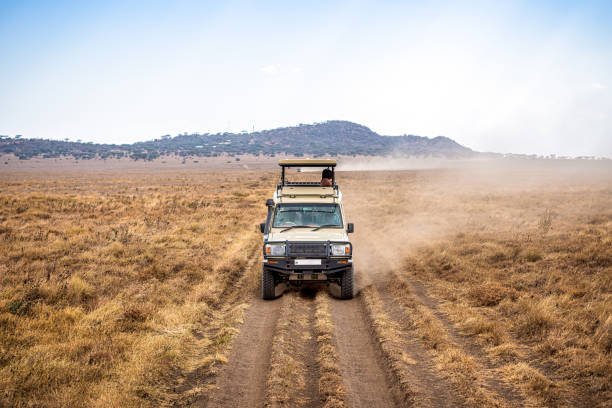
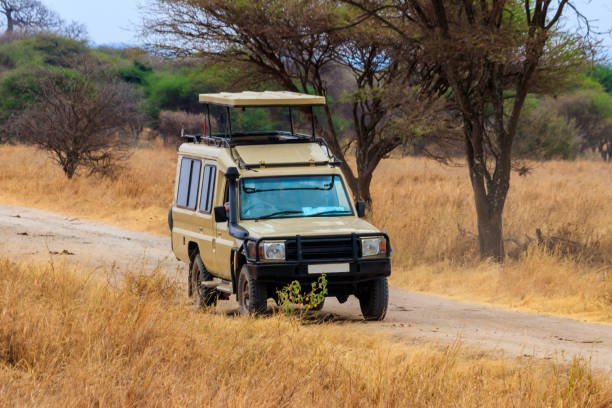
Tanzania and Kenya Safari From Moshi: Your Ultimate Planning Guide
Combining the iconic wildlife destinations of Tanzania and Kenya into a single safari adventure, starting your journey from Moshi offers a unique and practical approach. Moshi, situated at the foot of Mount Kilimanjaro, is a convenient hub for arranging cross-border safaris into Kenya and exploring Northern Tanzania’s renowned parks. This guide provides an in-depth look at planning a Tanzania and Kenya safari from Moshi, covering everything from itinerary options and the best times to travel to packing essentials and booking advice for 2026 and 2027.
Table of Contents
- Quick Facts About Tanzania and Kenya Safaris From Moshi
- Overview: The Tanzania and Kenya Safari Experience From Moshi
- Why Choose a Tanzania and Kenya Safari From Moshi?
- Best Time to Go: Seasonality for Your Safari
- Sample Route: A Classic Tanzania and Kenya Safari Circuit
- Sample Itinerary: A 10-Day Tanzania and Kenya Safari Adventure
- What to Expect on Your Safari
- Key Parks and Reserves You Might Visit
- Typical Inclusions and Exclusions
- Packing and Preparation Checklist
- Common Mistakes to Avoid
- Who is This Safari Best Suited For?
- Alternative Safari Combinations
- Planning Your Safari for 2026-2027
- Booking Your Tanzania and Kenya Safari From Moshi
- Frequently Asked Questions
Quick Facts About Tanzania and Kenya Safaris From Moshi
| Aspect | Details |
|---|---|
| Starting Point | Moshi, Tanzania |
| Destinations | Northern Tanzania National Parks (Serengeti, Ngorongoro, Tarangire, Lake Manyara) and Southern Kenya National Parks (Maasai Mara, Amboseli, Tsavo) |
| Typical Duration | 7-14 days (can be customized) |
| Best Time to Visit | June to October (dry season, Great Migration in Maasai Mara) and December to February (calving season in Serengeti). Shoulder seasons (March-May, November) offer fewer crowds but can have rain. |
| Travel Style | Primarily overland safari in 4×4 vehicles. Can include domestic flights for longer distances or luxury experiences. |
| Key Wildlife | The Big Five (lion, leopard, elephant, rhino, buffalo), wildebeest, zebras, giraffes, cheetahs, diverse birdlife. |
| Accommodation | Safari lodges, tented camps (luxury and budget-friendly), mobile camps. |
| Cross-Border Travel | Requires border crossing procedures (Namanga border post is common). Visas may be needed depending on nationality. |
Overview: The Tanzania and Kenya Safari Experience From Moshi
A safari adventure that spans both Tanzania and Kenya, originating from Moshi, offers an unparalleled opportunity to witness the vastness and diversity of East Africa’s wildlife and landscapes. This journey typically involves exploring the legendary parks of Tanzania’s northern circuit, such as the Serengeti and the Ngorongoro Crater, before crossing into Kenya to experience the iconic Maasai Mara and potentially other reserves like Amboseli. Moshi serves as an ideal logistical starting point due to its proximity to the Kenyan border and its established tourism infrastructure, making it a convenient base for tour operators to craft comprehensive itineraries.
The experience is characterized by early morning game drives, traversing expansive savannas in specially equipped 4×4 safari vehicles. You’ll have chances to see the Big Five, witness dramatic predator-prey interactions, and marvel at the sheer abundance of herbivores, especially during the Great Migration. Beyond the wildlife, the cultural encounters, stunning vistas, and the thrill of the wild create a profoundly memorable journey. This integrated approach allows travelers to experience the migration in both the Serengeti and Maasai Mara, depending on the time of year, maximizing their chances of witnessing this natural spectacle.
Why Choose a Tanzania and Kenya Safari From Moshi?
Opting for a Tanzania and Kenya safari from Moshi presents several compelling advantages for the discerning traveler:
- Logistical Efficiency: Moshi is strategically located near the Tanzanian-Kenyan border. This proximity simplifies the overland transfer between the two countries, saving travel time and costs compared to starting in Dar es Salaam or flying between cities.
- Access to Iconic Parks: From Moshi, you have direct access to Tanzania’s Northern Circuit (Serengeti, Ngorongoro, Tarangire, Lake Manyara) and can easily transition to Kenya’s Maasai Mara, arguably the most famous wildlife reserve in the world. This combination offers a high concentration of diverse ecosystems and wildlife viewing opportunities.
- Witnessing the Great Migration: By combining Serengeti and Maasai Mara, you significantly increase your chances of seeing the Great Migration, a natural phenomenon that moves between these two ecosystems. The timing of your safari will determine where the herds are concentrated.
- Cost-Effectiveness: While not inherently cheap, structuring your safari from Moshi can be more economical than separate, isolated trips to each country, especially when arranging overland travel and shared resources.
- Variety of Experiences: This dual-country safari allows for a broader spectrum of landscapes, from the vast plains of the Serengeti to the more compact and dramatic Maasai Mara, and the unique caldera of the Ngorongoro Crater.
- Cultural Richness: Both Tanzania and Kenya offer rich cultural experiences, including interactions with the Maasai people, whose traditional lands span both countries.
Best Time to Go: Seasonality for Your Safari
The ideal time for a Tanzania and Kenya safari from Moshi depends on your priorities, particularly regarding wildlife viewing and weather.
Dry Season (June to October)
- Pros: This is peak safari season. The weather is generally dry and sunny, making game viewing easier as animals congregate around water sources. The Great Migration typically moves into the Maasai Mara during July-October, offering spectacular river crossings. Tourist infrastructure is fully operational.
- Cons: This is also the busiest and most expensive period. Lodges and camps book up far in advance. Wildlife viewing can sometimes be challenging as animals are more dispersed in the vast landscapes.
Short Rains (November)
- Pros: Fewer tourists, potentially lower prices. The landscape becomes greener. Birdwatching is excellent as migratory birds arrive.
- Cons: Some roads can become difficult to navigate. Game viewing can be less predictable.
Long Rains (March to May)
- Pros: Very few tourists, lowest prices. The landscape is lush and green, offering beautiful photographic opportunities. It’s the calving season in the southern Serengeti (February-March), attracting predators.
- Cons: This is the wet season, with frequent and sometimes heavy rainfall. Many camps, especially in Tanzania, close or operate with reduced services. Some roads may be impassable, potentially affecting itinerary flexibility.
Green Season / Shoulder Seasons (December to February)
- Pros: Good wildlife viewing, especially the calving season in the Serengeti (Jan-Mar). The landscape is beautiful. Fewer crowds than the peak dry season. Prices can be more moderate.
- Cons: Can experience some rain showers, though usually not continuous.
For a Tanzania and Kenya safari from Moshi, aiming for the June to October window is often recommended for the best wildlife spectacle, especially the migration. However, if you prefer fewer crowds and lower costs, the shoulder months or the green season can still offer incredible experiences, provided you are prepared for potential rain.
Sample Route: A Classic Tanzania and Kenya Safari Circuit
This route is designed to maximize wildlife viewing and iconic landscapes, starting from Moshi and incorporating both Tanzanian and Kenyan highlights.
- Moshi, Tanzania: Start point. Briefing and preparation.
- Tarangire National Park, Tanzania: Known for its large elephant herds and baobab trees. (Approx. 3-4 hours drive from Moshi area).
- Lake Manyara National Park, Tanzania: Famous for tree-climbing lions and diverse birdlife. (Approx. 1-2 hours drive from Tarangire).
- Ngorongoro Conservation Area, Tanzania: Descend into the crater for exceptional wildlife density. (Approx. 1-2 hours drive from Lake Manyara).
- Serengeti National Park, Tanzania: Vast plains, famous for the Great Migration and predator action. (Approx. 3-4 hours drive from Ngorongoro via a game drive en route).
- Border Crossing (Namanga): Drive from Serengeti or Arusha area to the border. (Approx. 4-6 hours from Serengeti to Namanga).
- Amboseli National Park, Kenya: Iconic views of Kilimanjaro with large elephant herds. (Approx. 2-3 hours drive from Namanga).
- Tsavo West or East National Park, Kenya: Diverse landscapes, from volcanic hills to arid plains. (Approx. 3-5 hours drive from Amboseli).
- Maasai Mara National Reserve, Kenya: Prime wildlife viewing, especially during migration season. (Approx. 5-7 hours drive from Tsavo, or shorter if flying).
- Return Journey: Depending on your next destination, you might fly out from Maasai Mara or Nairobi, or drive back towards Tanzania.
Note: This is a sample route. Durations are approximate driving times and can vary significantly based on road conditions, game drives, and specific lodge locations.
Sample Itinerary: A 10-Day Tanzania and Kenya Safari Adventure
This sample itinerary provides a balanced experience of key wildlife areas. It can be adjusted for shorter or longer durations and different interests.
| Day | Location | Activities | Notes |
|---|---|---|---|
| Day 1 | Moshi / Arusha | Arrival in Moshi or Kilimanjaro International Airport (JRO). Transfer to hotel. Safari briefing. | Rest and acclimatize. Prepare for the safari. |
| Day 2 | Tarangire National Park | Morning drive to Tarangire. Full-day game drive. | Known for elephants and baobabs. Overnight in a lodge/camp near Tarangire. |
| Day 3 | Lake Manyara & Ngorongoro Highlands | Morning game drive in Lake Manyara. Drive to Karatu (Ngorongoro Highlands). | Lake Manyara offers diverse birdlife and potential tree-climbing lions. Overnight in Karatu. |
| Day 4 | Ngorongoro Crater | Full-day game drive inside the Ngorongoro Crater. | Exceptional wildlife density in a unique caldera. Packed lunch included. Overnight in Karatu or on the crater rim. |
| Day 5 | Serengeti National Park | Morning drive to Serengeti, game viewing en route. Afternoon game drive. | Enter Serengeti via Naabi Hill Gate. Overnight in a lodge/camp in Central Serengeti. |
| Day 6 | Serengeti National Park | Full-day game drives in Serengeti. | Focus on predator sightings and potential migration movements. Overnight in Central Serengeti. |
| Day 7 | Drive to Kenya (Amboseli) | Early morning game drive in Serengeti. Drive towards the Namanga border crossing. Cross border and drive to Amboseli National Park. | Long travel day. Border formalities. Overnight in Amboseli lodge/camp. |
| Day 8 | Amboseli & Drive to Maasai Mara | Morning game drive in Amboseli with Kilimanjaro backdrops. Drive to Maasai Mara. | Amboseli is famous for elephants. Travel to Maasai Mara. Overnight in Maasai Mara lodge/camp. |
| Day 9 | Maasai Mara National Reserve | Full-day game drives in Maasai Mara. | Excellent opportunities for lion, cheetah, leopard, and the Big Five. Witness the vast plains. Overnight in Maasai Mara. |
| Day 10 | Departure | Morning game drive (optional). Transfer to Airstrip for flight to Nairobi or drive to Nairobi for departure. | End of safari services. |
What to Expect on Your Safari
A Tanzania and Kenya safari from Moshi is an immersive experience that engages all your senses. Here’s a breakdown of what you can anticipate:
- Early Mornings: Safaris typically start at dawn, often referred to as the ‘golden hour’ for wildlife viewing. Animals are most active in the cooler morning and late afternoon.
- Game Drives: You’ll spend considerable time in a 4×4 safari vehicle, driven by an experienced guide. Game drives involve slowly traversing park roads, stopping for sightings, and often following tracks of elusive animals.
- Wildlife Sightings: Expect to see a vast array of animals. The Big Five are the main draw, but don’t overlook the smaller creatures, the incredible birdlife, and the stunning natural landscapes. Sightings are never guaranteed, but your guide will work diligently to find them.
- Accommodation: Options range from luxury lodges with swimming pools and fine dining to more rustic tented camps offering a closer-to-nature feel, and budget-friendly guesthouses. Most safari accommodations provide meals and are located within or near the parks.
- Meals: Breakfast, lunch, and dinner are usually provided at your accommodation. Packed lunches are common for full-day game drives, especially in the Serengeti or Ngorongoro Crater.
- Guides: Your safari guide is crucial. They are knowledgeable about animal behavior, tracks, and the local environment. They also manage the vehicle and itinerary. Good communication with your guide enhances the experience.
- Road Conditions: While main roads are often paved, within the parks, roads can be dusty, bumpy, and uneven. This is part of the adventure and why a 4×4 vehicle is essential.
- Connectivity: Mobile phone signal and Wi-Fi can be limited or non-existent in many remote park areas. Embrace the digital detox.
- Cultural Interactions: Opportunities may arise to visit Maasai villages or interact with local communities, offering insights into their traditional ways of life.
Key Parks and Reserves You Might Visit
A well-crafted Tanzania and Kenya safari from Moshi will likely include some of these world-renowned destinations:
Tanzania:
- Serengeti National Park: The undisputed jewel of Tanzania. Famous for its endless plains, dramatic predator-prey action, and the Great Migration of wildebeest and zebras. It’s a UNESCO World Heritage Site offering incredible biodiversity.
- Ngorongoro Crater: A UNESCO World Heritage Site, this is the world’s largest intact volcanic caldera. It boasts an astonishing concentration of wildlife, including a high density of predators and the rare black rhino. Game drives are restricted to the crater floor.
- Tarangire National Park: Known for its huge elephant herds, especially during the dry season when they congregate around the Tarangire River. The park is also characterized by its iconic baobab trees, creating a unique landscape.
- Lake Manyara National Park: A relatively small park but incredibly diverse. Famous for its tree-climbing lions, large troops of baboons, and abundant birdlife, including flamingos. Its groundwater forests and alkaline lake offer distinct habitats.
Kenya:
- Maasai Mara National Reserve: Arguably Africa’s most famous wildlife reserve. It’s renowned for its large populations of lions, cheetahs, leopards, and elephants. It’s the northern extension of the Serengeti ecosystem and a key destination for the Great Migration (July-October).
- Amboseli National Park: Offers breathtaking views of Mount Kilimanjaro as a backdrop to its plains, which are home to large herds of elephants. It’s also a great place for birdwatching and offers a different, more arid landscape compared to the Mara.
- Tsavo National Park (East & West): Kenya’s largest national park, divided into two sectors. Tsavo West is known for its volcanic landscapes, Mzima Springs, and diverse wildlife. Tsavo East offers vast, open plains and is famous for its ‘red elephants’ due to the iron-rich soil.
Typical Inclusions and Exclusions
Understanding what’s included in your safari package is crucial for budgeting and expectation management. While packages vary, here’s a general guide:
| Included | Typically Excluded |
|---|---|
| Accommodation during safari (lodges/camps) | International flights to/from Tanzania/Kenya |
| All park entry fees and conservation fees | Visa fees (for Tanzania and Kenya) |
| Private 4×4 safari vehicle with a qualified driver-guide | Travel insurance (mandatory) |
| Meals as specified in the itinerary (usually full board on safari) | Tips for guides, drivers, lodge staff |
| Bottled water during game drives | Personal expenses (e.g., laundry, souvenirs, drinks) |
| Airport transfers on arrival/departure (if specified) | Optional activities (e.g., hot air balloon safari, cultural visits) |
| Game drives as per itinerary | Gratuities for lodge/camp staff |
| Amref Flying Doctors evacuation cover (often included in Tanzania) | Alcoholic beverages and soft drinks |
| One-way or round-trip road transfers between locations as per itinerary | Vaccinations or medical expenses |
Packing and Preparation Checklist
Proper packing ensures comfort and readiness for your safari. Focus on lightweight, neutral-colored clothing.
Clothing:
- Lightweight long-sleeved shirts (neutral colors: khaki, green, brown) – for sun and insect protection.
- T-shirts and casual tops.
- Comfortable long trousers (hiking or cargo style).
- Shorts or skirts (for relaxing at lodges).
- A warm fleece or jacket (evenings and early mornings can be cool, especially in higher altitudes like Ngorongoro).
- A waterproof and windproof jacket.
- Underwear and socks.
- Swimsuit (for lodges with pools).
Footwear:
- Comfortable walking shoes or hiking boots (broken in).
- Sandals or flip-flops for relaxing.
Accessories:
- Wide-brimmed hat or cap for sun protection.
- Sunglasses.
- Sunscreen (high SPF).
- Insect repellent (with DEET).
- Binoculars (essential for wildlife viewing!).
- Camera with extra batteries and memory cards.
- A good quality camera zoom lens.
- Small backpack or daypack for essentials during game drives.
- Reusable water bottle.
- Headlamp or small flashlight.
- Personal first-aid kit (band-aids, antiseptic wipes, pain relievers, any personal medication).
- Hand sanitizer.
- Travel adapter (UK type G is common).
- Power bank or portable charger.
Documents & Money:
- Passport (with at least 6 months validity) and copies.
- Visas (check requirements for your nationality for Tanzania and Kenya).
- Yellow Fever vaccination certificate (if required for entry).
- Flight tickets and itinerary.
- Travel insurance details.
- Credit/debit cards and some USD cash (small denominations for tips).
Toiletries:
- Basic toiletries (most lodges provide soap/shampoo, but bring your preferred brands).
- Wet wipes.
Important Notes:
- Luggage: Soft duffel bags are often preferred for overland safaris due to limited space in vehicles. Check with your tour operator.
- Colors: Avoid bright colors (red, yellow) and dark blue/black, which can attract insects or disturb wildlife. Stick to earthy tones.
- Medications: Consult your doctor about malaria prophylaxis and other necessary vaccinations well in advance.
Common Mistakes to Avoid
Planning a safari from Moshi to cover both Tanzania and Kenya is complex. Avoiding these common pitfalls can lead to a smoother, more enjoyable trip:
- Underestimating Travel Times: Distances in East Africa are vast, and road conditions can be slow. Don’t pack too much into each day. Factor in buffer time for unexpected delays.
- Not Booking in Advance: Especially for peak season (June-October) and popular lodges/camps, booking 6-12 months ahead is advisable for 2026 and 2027 travel.
- Ignoring Visa Requirements: Research visa needs for both Tanzania and Kenya for your specific nationality well before your trip. Some can be obtained online, others on arrival.
- Packing Incorrectly: Bringing the wrong clothing (bright colors, too much formal wear) or forgetting essentials like binoculars or insect repellent can detract from the experience.
- Not Budgeting for Extras: Remember to factor in tips, personal expenses, drinks, and optional activities beyond the core package cost.
- Choosing the Wrong Time of Year: Traveling during the peak of the rainy season (April-May) might lead to itinerary disruptions and less ideal game viewing conditions.
- Over-reliance on Mobile Connectivity: Expect limited or no internet/phone service in many park areas. Prepare for a digital detox.
- Not Consulting a Reputable Tour Operator: DIY planning for a cross-border safari can be overwhelming. Working with experienced operators ensures logistical soundness and a well-paced itinerary.
- Focusing Only on the Big Five: While iconic, East Africa offers incredible biodiversity beyond the Big Five. Appreciate the smaller mammals, reptiles, and abundant birdlife.
- Not Informing the Operator of Special Needs: If you have dietary restrictions, mobility issues, or specific interests, communicate them early to allow for proper arrangements.
Who is This Safari Best Suited For?
A Tanzania and Kenya safari from Moshi appeals to a specific type of traveler seeking a comprehensive and adventurous East African experience:
- The Wildlife Enthusiast: Those who dream of seeing iconic African animals in their natural habitats and wish to maximize their chances by visiting multiple top-tier parks.
- The Adventurous Traveler: Individuals comfortable with overland travel, potentially bumpy roads, early mornings, and a degree of unpredictability inherent in wildlife viewing.
- The Photography Buff: With diverse landscapes and abundant wildlife, this safari offers endless photographic opportunities, from grand vistas to intimate animal portraits.
- The Couple or Family Seeking a Grand Adventure: For those wanting a truly memorable, once-in-a-lifetime trip that combines iconic sights with a sense of exploration.
- Travelers on a Moderate to Higher Budget: While variations exist, combining two countries often requires a significant budget to cover park fees, accommodation, and transport.
- Travelers with 7-14 Days to Spare: This duration allows for a reasonable pace without feeling rushed, covering key highlights in both countries.
This safari might be less suitable for travelers with very limited time, those seeking a purely relaxing beach holiday, or individuals who prefer very structured, predictable environments with guaranteed creature comforts at every step.
Alternative Safari Combinations
While a Tanzania and Kenya safari from Moshi is fantastic, other combinations offer different experiences:
| Combination | Focus | Pros | Cons |
|---|---|---|---|
| Tanzania Northern Circuit Only | Serengeti, Ngorongoro, Tarangire, Lake Manyara. | Deep dive into Tanzania’s most famous parks. Less border crossing hassle. Easier logistics. | Misses the Maasai Mara and Kenyan highlights. |
| Kenya Safari Only (Maasai Mara, Amboseli, etc.) | Maasai Mara, Amboseli, Samburu, Laikipia. | Focus on Kenya’s diverse ecosystems and wildlife. Potentially more flight options. | Misses Serengeti and Ngorongoro. |
| Tanzania Southern Circuit (Ruaha, Selous/Nyerere) | Less crowded, vast wilderness, high predator populations. | More remote and exclusive feel. Excellent for walking safaris. | No Great Migration. Requires more time and often internal flights. Not easily combined with Kenya from Moshi. |
| Tanzania & Zanzibar (Beach Extension) | Safari in Northern Tanzania followed by beach relaxation in Zanzibar. | Combines wildlife adventure with tropical island leisure. | Doesn’t include Kenya. Zanzibar is a distinct experience. |
| Uganda/Rwanda Gorilla Trekking & East Africa Safari | Gorilla trekking combined with a brief safari in Kenya or Tanzania. | Includes the unique experience of seeing mountain gorillas. | Requires more time, higher budget, and specific permits for gorilla trekking. Logistically more complex. |
Planning Your Safari for 2026-2027
Planning a Tanzania and Kenya safari from Moshi for 2026 or 2027 requires foresight. Here are key considerations:
- Book Early for Peak Season: If you aim for the dry season (June-October) when the Great Migration is typically in the Maasai Mara, book your safari at least 12 months in advance for 2026 and 2027. Lodges and reputable guides have limited availability.
- Consider Shoulder Seasons: For 2026-2027, if you prefer fewer crowds and potentially better prices, look at the shoulder months like November or March-May. Be prepared for potential rain, but wildlife viewing can still be excellent.
- Visa and Health Requirements: Research current visa requirements for Tanzania and Kenya for your nationality. Check with your doctor regarding recommended vaccinations (like Yellow Fever) and malaria prevention well in advance of your 2026-2027 travel dates.
- Budgeting: Safaris are a significant investment. For a 10-day Tanzania and Kenya safari in 2026-2027, expect costs to vary widely based on accommodation style, vehicle type, and season. A mid-range safari could be anywhere from $350-$600+ per person per day, excluding international flights. Luxury options will be considerably higher.
- Choosing Your Operator: Select a tour operator with proven experience in cross-border Tanzanian-Kenyan safaris. Look for good reviews, clear communication, and detailed itineraries.
- Flexibility: While planning is key, remain somewhat flexible. Wildlife sightings are unpredictable, and weather can impact conditions. A good guide will adapt the itinerary to maximize your experience.
- Travel Insurance: Secure comprehensive travel insurance that covers medical emergencies, trip cancellations, and importantly, emergency evacuation. This is non-negotiable for 2026-2027 travel.
Booking Your Tanzania and Kenya Safari From Moshi
Securing your dream safari requires careful consideration. Here’s how to approach booking your Tanzania and Kenya safari from Moshi:
- Research Reputable Tour Operators: Look for companies specializing in East African safaris, particularly those with experience in multi-country trips. Check online reviews, ask for recommendations, and ensure they are locally based for better insights and potentially better value. For a reliable partner, consider contacting operators like Best Tanzania Tour Operator.
- Get Detailed Quotes: Once you have a shortlist, request detailed, itemized quotes based on your preferred itinerary, travel dates, and accommodation style. Ensure the quotes clearly state what is included and excluded.
- Communicate Your Needs: Be clear about your budget, interests (e.g., photography, birdwatching, specific animals), travel pace, and any special requirements (dietary, mobility).
- Understand the Itinerary: Review the proposed itinerary carefully. Does it make logistical sense? Are the driving times realistic? Does it cover the parks you most want to see during the right season?
- Inquire About Vehicles and Guides: Ensure the operator uses well-maintained 4×4 safari vehicles (ideally pop-top for better viewing) and experienced, knowledgeable local guides.
- Payment Terms: Understand the deposit requirements, payment schedule, and cancellation policy. Reputable operators typically require a deposit (e.g., 20-30%) upon booking and the balance closer to the travel date.
- Booking Confirmation: Once you’ve chosen an operator and agreed on the details, you’ll receive a formal booking confirmation and contract. Read it thoroughly before signing and making payments.
- Pre-Trip Communication: Maintain open communication with your chosen operator leading up to your departure. They should provide essential pre-departure information and be available to answer any last-minute questions.
For a seamless booking experience for your Tanzania and Kenya Safari From Moshi in 2026 or 2027, don’t hesitate to reach out to experienced local operators. You can contact them via WhatsApp at +255616946642 or email at topguideadventures@gmail.com and info@topguideadventures.com.
Frequently Asked Questions
Q1: Is it possible to do a safari covering both Tanzania and Kenya starting from Moshi?
A: Absolutely. Moshi is a strategic starting point for overland safaris into Kenya. Many tour operators can arrange comprehensive itineraries that include Northern Tanzania’s parks and then cross the border into Kenya’s Maasai Mara and other reserves. This is a popular and efficient way to experience the highlights of both countries.
Q2: What is the best time of year for a Tanzania and Kenya safari from Moshi in 2026-2027?
A: The best time often depends on what you want to see. For the Great Migration river crossings in the Maasai Mara, aim for July to October. For calving season in the Serengeti, January to March is ideal. The dry season (June-October) generally offers easier game viewing. However, the shoulder seasons (November, March-May) can offer fewer crowds and lower prices, though you might encounter rain.
Q3: How long should my Tanzania and Kenya safari from Moshi be?
A: A minimum of 7-10 days is recommended to get a good taste of both countries. A 10-14 day itinerary allows for a more relaxed pace and deeper exploration of key parks like Serengeti and Maasai Mara. Longer trips can incorporate more parks or cultural experiences.
Q4: What are the typical costs for a Tanzania and Kenya safari from Moshi?
A: Costs vary significantly based on accommodation level, season, and duration. A mid-range safari might range from $350 to $600+ per person per day. Luxury safaris can exceed $800-$1000+ per person per day. Budget-friendly options are available but may involve more basic accommodation or shared vehicles. Always get detailed quotes.
Q5: Do I need separate visas for Tanzania and Kenya?
A: Yes, you will generally need separate visas for Tanzania and Kenya, unless you are a citizen of a country exempt from visa requirements. Check the specific requirements for your nationality with the respective embassies or immigration websites well in advance of your 2026-2027 trip.
Q6: What is the best way to travel between Tanzania and Kenya?
A: For a safari starting from Moshi, overland travel via a private 4×4 safari vehicle is the most common and practical method. The Namanga border post is frequently used. Internal flights are an option for longer distances or to save time, but they add to the cost.
Q7: Can I see the Great Migration on a safari from Moshi?
A: Yes, combining the Serengeti (Tanzania) and Maasai Mara (Kenya) gives you an excellent chance to witness the Great Migration. The herds move between these ecosystems throughout the year. Typically, they are in the Maasai Mara from July to October and in the Serengeti for the rest of the year, with calving season in the south from January to March.
Q8: What kind of vehicle is used for this safari?
A: Typically, a custom-built 4×4 safari vehicle, such as a Land Cruiser or Land Rover, is used. These vehicles are equipped with pop-up roofs for optimal game viewing and photography, comfortable seating, and ample space for luggage. Your tour operator will specify the vehicle type.
Q9: What should I pack for a Tanzania and Kenya safari from Moshi?
A: Pack light, neutral-colored clothing (khaki, green, brown), long sleeves and trousers for sun/insect protection, a warm layer for cool mornings/evenings, comfortable walking shoes, a hat, sunglasses, sunscreen, insect repellent, binoculars, and a camera. Soft duffel bags are often preferred over hard suitcases.
Q10: Is it safe to travel on a safari in Tanzania and Kenya?
A: Tanzania and Kenya are generally safe for tourists, especially when traveling with reputable tour operators and following guide instructions. The main risks are related to road safety and petty crime in towns. Wildlife encounters are managed by experienced guides. It’s crucial to have comprehensive travel insurance that includes medical evacuation.
Start Planning Your Unforgettable Tanzania and Kenya Safari From Moshi
A journey through Tanzania and Kenya, beginning from the charming town of Moshi, promises an adventure filled with breathtaking wildlife, stunning landscapes, and unforgettable memories. From the vast plains of the Serengeti to the iconic Maasai Mara, and the unique Ngorongoro Crater, this combined safari offers an unparalleled immersion into the wild heart of Africa.
For a meticulously planned and executed Tanzania and Kenya Safari From Moshi, partnering with experienced local experts is key. Let us help you craft the perfect itinerary for your 2026 or 2027 adventure. We specialize in creating custom safari experiences that cater to your interests and budget.
Get in touch with our team today to start planning:
- WhatsApp: +255616946642
- Email: topguideadventures@gmail.com
- Backup Email: info@topguideadventures.com
We look forward to helping you create the safari of a lifetime!
Which Tanzania Safari Gives The Best Value For Money? 2026-2027
Which Tanzania safari gives the best value for money? is explained with current 2026-2027 planning, price, itinerary and booking information.
View package details
How To Avoid Safari Scams In Tanzania: A Top Guide Adventures Expert 2026-2027
Navigating a safari in Tanzania is a dream for many, but a few precautions can ensure your adventure is scam-free. This guide from Top Guide Adventures provides essential advice for...
View package details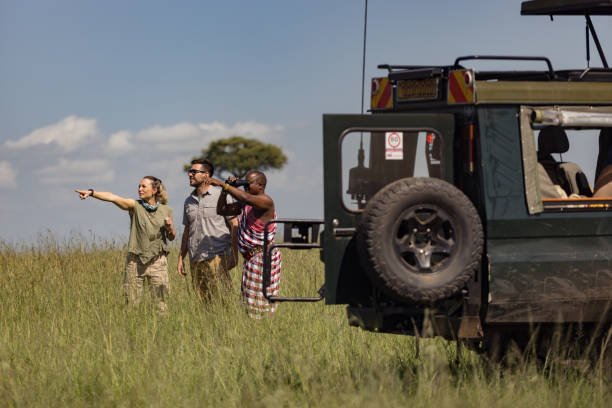
Which Local Tanzania Safari Companies Are Trustworthy In ? 2026-2027
Choosing a trustworthy local Tanzania safari company is crucial for a memorable and safe adventure. This guide helps you identify reliable operators for your 2026-2027 trip, covering...
View package detailsHow Far In Advance Should You Book A Tanzania Safari? Your Planning Guide
Securing your dream Tanzania safari requires strategic planning. This comprehensive guide details the optimal booking timeline for 2026-2027, considering peak seasons, lodge availability...
View package detailsHow Much Should I Tip My Safari Guide In Tanzania? Your 2026-2027
Understand the tipping culture for safari guides and staff in Tanzania. This guide provides clear, actionable recommendations for tipping your safari crew in 2026-2027, covering guides...
View package detailsPrivate Safari Vs Group Tanzania — Which Is Better? 2026-2027
Private safari vs group safari Tanzania — which is better? is explained with current 2026-2027 planning, price, itinerary and booking information.
View package details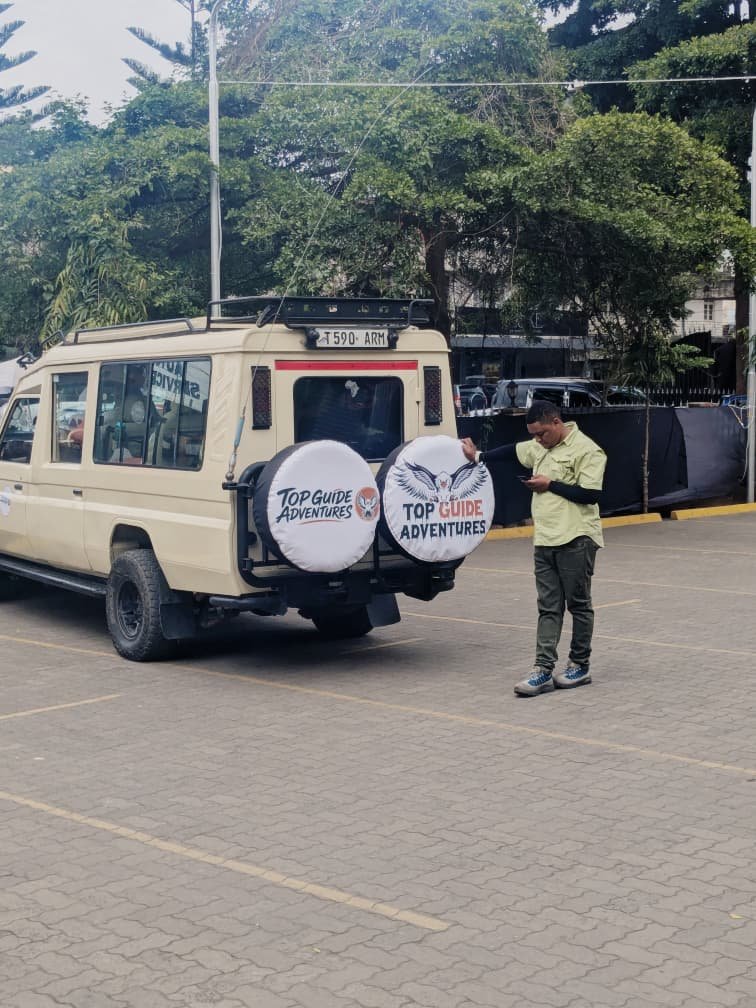
Is A Group Joining Safari In Tanzania Worth It? 2026-2027
Is a group joining safari in Tanzania worth it? is explained with current 2026-2027 planning, price, itinerary and booking information.
View package details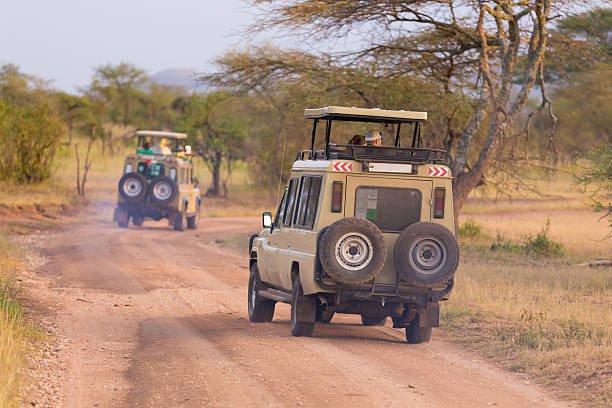
Tanzania Safari For Great Migration: Which Tour To Book In 2026-2027
Planning to witness the Great Migration in Tanzania? This guide helps you choose the perfect safari for 2026-2027, detailing the best parks, timing, and tour options for an unforgettable...
View package details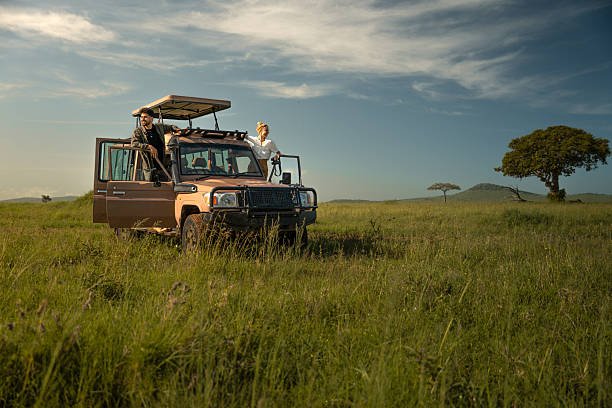
Three Days For Safari In Tanzania: Where To Go An Unforgettable Experience
If you have just three days for a safari in Tanzania, the most recommended destinations for a concentrated and rewarding wildlife experience are the Ngorongoro Conservation Area and...
View package details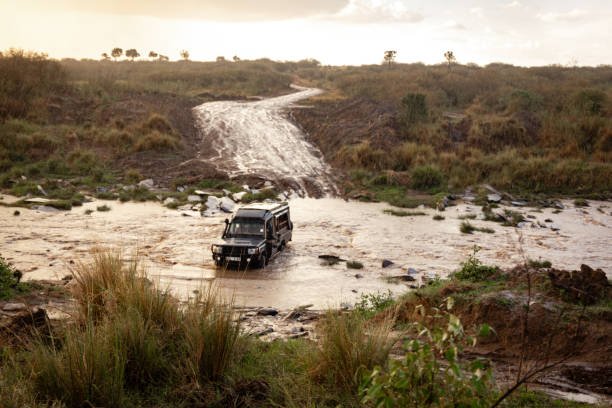
Combine Safari And Zanzibar With A $3,000 Per Person Tanzania Budget 2026-2027
Explore how to effectively combine a classic Tanzania safari experience with the tropical allure of Zanzibar, all while adhering to a $3,000 per person budget. This guide covers essential...
View package details
Tanzania Safari Under $2,000 Per Person: Your Dream Itinerary For 2026-2027
Explore Tanzania's incredible wildlife and landscapes on a safari designed for a $2,000 per person budget. We outline the best routes, durations, and what to expect for your 2026-2027...
View package details
Solo Travel To Tanzania: Can I Join A Safari Group? 2026-2027
Planning a solo safari adventure in Tanzania? Discover how you can join an existing group tour, making your journey more affordable and social. Top Guide Adventures provides excellent...
View package detailsNo related package matches those filters. Clear one or more filters to see the other topic-matched options.
Plan your Tanzania and Kenya Safari From Moshi with Top Guide Adventures
Tell us your travel dates, group size, comfort level, and dream experience. We will help you shape a clear, realistic, and memorable Tanzania itinerary.



