
Updated planning guide for 2026-2027
Southern Africa Wildlife Tracking Expeditions: Complete Guide 2026-2027
Discover the thrill of tracking wildlife in Southern Africa. This comprehensive guide covers everything you need to plan your expedition, from choosing destinations to essential preparation, ensuring an unforgettable adventure in 2026-2027.
WhatsApp +255616946642 | topguideadventures@gmail.com | info@topguideadventures.com
Southern Africa Wildlife Tracking Expeditions: Your Ultimate Guide
Southern Africa offers some of the planet’s most profound wildlife encounters. For those seeking an experience beyond the standard safari drive, Southern Africa wildlife tracking expeditions provide an unparalleled opportunity to connect with nature on a deeper level. This is about understanding animal behavior, reading signs, and experiencing the wild with expert guides who can interpret the subtle language of the bush. Whether you dream of following lion prides, spotting elusive leopards, or understanding the complex social structures of elephants, a dedicated tracking expedition offers a unique perspective.
This guide is designed to equip you with all the knowledge needed to plan and undertake an incredible wildlife tracking expedition in Southern Africa. We’ll cover what makes these trips special, the best locations, when to go, what to expect on the ground, and how to prepare for an adventure that will stay with you long after you return home. We’ll also look at planning for 2026-2027, ensuring you’re ahead of the curve.
Quick Facts: Southern Africa Wildlife Tracking
| Aspect | Details |
|---|---|
| Primary Activity | Following animal tracks on foot or in specialized vehicles, observing behavior, interpreting signs. |
| Key Regions | Botswana (Okavango Delta, Chobe), South Africa (Kruger, private reserves), Zambia (South Luangwa), Zimbabwe (Hwange), Tanzania (Serengeti, Selous). |
| Wildlife Focus | Big Five (lion, leopard, elephant, rhino, buffalo), wild dogs, cheetahs, numerous antelope species, diverse birdlife. |
| Best Time to Travel | Generally, the dry season (May-October) for easier tracking and higher animal concentrations near water sources. Specific areas may vary. |
| Trip Duration | Typically 7-14 days, allowing for in-depth exploration and tracking. |
| Accommodation | Remote bush camps, lodges, and sometimes mobile tented camps for a more immersive experience. |
| Expertise Level | Requires a good level of fitness for walking safaris and an open mind to learn from guides. |
Table of Contents
- What Defines a Wildlife Tracking Expedition?
- Why Choose Tracking Over a Standard Safari?
- Top Destinations for Southern Africa Wildlife Tracking Expeditions
- When is the Best Time for Tracking Expeditions?
- A Sample Southern Africa Wildlife Tracking Itinerary (10 Days)
- What to Expect on the Ground
- Preparation and Packing Essentials
- Common Mistakes to Avoid
- Who is a Wildlife Tracking Expedition Best Suited For?
- Alternatives to Consider
- Planning Your Expedition for 2026-2027
- Booking Your Southern Africa Wildlife Tracking Expedition
- Frequently Asked Questions
What Defines a Wildlife Tracking Expedition?
A Southern Africa wildlife tracking expedition is more than just a safari; it’s an immersive journey focused on the art and science of following animals in their natural habitat. Unlike conventional safaris where you might drive along established roads and rely on guides spotting animals from a distance, a tracking expedition emphasizes the subtle clues left behind: footprints, droppings, broken branches, scent markings, and territorial calls. The goal is to understand the animal’s movements, behavior, and ecological role through direct observation and interpretation of these signs.
These expeditions often involve a significant amount of time on foot, guided by highly skilled trackers who possess an intimate knowledge of the local fauna and flora. They can identify species from a single pugmark, tell you how old a track is, and even predict an animal’s likely next move. This approach allows for closer, more intimate encounters with wildlife, often in areas less frequented by typical tourist vehicles. It’s about patience, observation, and a deep respect for the wild.
Why Choose Tracking Over a Standard Safari?
The fundamental difference lies in the approach and the depth of engagement. A standard safari is excellent for seeing a wide variety of animals, often from the comfort of an open-top vehicle. You’ll likely see the Big Five and many other species. However, a tracking expedition elevates this experience:
- Deeper Understanding: You learn to read the bush, understand animal communication, and appreciate the intricate connections within the ecosystem.
- More Intimate Encounters: Tracking on foot, under expert supervision, allows for incredibly close, yet respectful, observations of animals behaving naturally, not just posing for a photo.
- Access to Remote Areas: Many tracking expeditions venture into pristine, less-visited wilderness areas, offering a more exclusive and wilder experience.
- Focus on Behavior: The emphasis shifts from simply spotting animals to understanding their daily lives, hunting strategies, social interactions, and territorial behaviors.
- Skill Development: You gain insights into the incredible skills of traditional trackers, a heritage that is vital for conservation efforts.
For travelers who have been on safaris before and are looking for a more profound connection with the wild, or for those who are deeply fascinated by animal behavior, a tracking expedition is a logical and rewarding next step.
Top Destinations for Southern Africa Wildlife Tracking Expeditions
Southern Africa is rich with prime locations for tracking. Each offers unique landscapes, wildlife, and tracking traditions. Here are some of the most renowned:
Botswana: The Okavango Delta & Linyanti
Botswana is often considered the pinnacle of safari destinations, and its tracking experiences are world-class. The Okavango Delta, a UNESCO World Heritage site, is a vast inland delta that floods seasonally, creating a unique ecosystem. Linyanti is known for its large elephant herds and predator activity.
- Why it’s great for tracking: The diverse habitats – from waterways to dry woodlands – support a huge variety of wildlife. The emphasis on low-impact, high-quality tourism means many camps offer excellent walking safaris and tracking. The predators, especially wild dogs and lions, are often well-studied and tracked here.
- Key species: Elephants, lions, leopards, wild dogs, hippos, crocodiles, buffalo, zebras, diverse antelope, and abundant birdlife.
- Best time: Dry season (May to October) is ideal, as animals congregate around permanent water sources.
South Africa: Kruger National Park & Private Reserves
Kruger National Park is one of Africa’s largest and most famous reserves. Adjacent to it are numerous private game reserves (like Sabi Sands, Timbavati, Klaserie) that offer exclusive concessions and are renowned for their exceptional wildlife viewing, particularly leopards.
- Why it’s great for tracking: The private reserves, in particular, allow off-road driving and night drives, enhancing tracking opportunities. Many lodges have excellent trackers and guides specializing in predator behavior and tracking. Sabi Sands is legendary for leopard sightings.
- Key species: All of the Big Five, cheetahs, wild dogs, hyenas, and a vast array of plains game and birdlife.
- Best time: Dry season (May to October) is generally best, with sparser vegetation making animals more visible and concentrated around water.
Zambia: South Luangwa National Park
Often called the ‘birthplace of the walking safari,’ South Luangwa is a premier destination for those who want to track on foot. The Luangwa River is the lifeblood of the park, attracting a high density of wildlife.
- Why it’s great for tracking: This park is specifically designed for walking safaris. You can spend days exploring on foot with highly experienced guides and trackers, learning about the smaller details of the ecosystem as well as tracking larger mammals. It’s an immersive, primal experience.
- Key species: Leopards (one of the highest densities in Africa), lions, elephants, hippos, buffalo, Thornicroft’s giraffe, Crawshay’s zebra, and over 400 bird species.
- Best time: The walking safari season typically runs from May to October, coinciding with the dry season when the river recedes and animals are more accessible.
Zimbabwe: Hwange National Park
Hwange is Zimbabwe’s largest park and is famous for its massive elephant herds, especially during the dry season when they congregate at pumped waterholes. It also boasts a rich diversity of predators and plains game.
- Why it’s great for tracking: The park’s vastness and varied terrain offer excellent opportunities for tracking, particularly for elephants and predators. Camps here often focus on traditional tracking skills and walking safaris.
- Key species: Huge elephant populations, lions, leopards, cheetahs, wild dogs, buffalo, sable antelope, gemsbok, and over 400 bird species.
- Best time: The dry season (June to October) is peak viewing, especially around waterholes.
Tanzania: Serengeti & Selous Game Reserve
While the Serengeti is globally famous for the Great Migration, its vast plains also offer incredible tracking opportunities, especially for predators like lions and cheetahs. Selous Game Reserve (now Nyerere National Park) is one of the largest reserves in Africa, offering a more wild and less crowded experience, with boat safaris and walking safaris being popular.
- Why it’s great for tracking: The Serengeti’s open plains are ideal for spotting cheetahs and lions in action. Selous offers a different kind of tracking, with its dense bush and Rufiji River providing unique environments for observing elephants, wild dogs, and various antelopes. Walking safaris are a highlight in Selous.
- Key species: Serengeti: Wildebeest, zebras, lions, cheetahs, leopards, giraffes, elephants. Selous: Elephants, buffalo, hippos, crocodiles, wild dogs, lions, diverse birdlife.
- Best time: Serengeti: Depends on the migration, but June-October offers good general game viewing. Selous: Dry season (June to October) is best for concentrated game.
When is the Best Time for Tracking Expeditions?
The optimal time for Southern Africa wildlife tracking expeditions generally aligns with the dry season across most of the region. This period typically runs from May to October.
Here’s why the dry season is favored:
- Concentration of Wildlife: As natural water sources diminish, animals are forced to congregate around permanent rivers, lakes, and boreholes. This makes them easier to find and track.
- Reduced Vegetation: The bush thins out, and grasses become less dense. This improves visibility, making it easier for trackers and guides to spot animal signs and the animals themselves.
- Easier Tracking: With less undergrowth, footprints and other tracks are more clearly visible in the dust and mud.
- Comfortable Temperatures: While it can get cold at night and in the early mornings (especially June-August), daytime temperatures are usually pleasant and ideal for walking safaris.
Considerations for specific regions:
- Botswana: The Okavango Delta’s water levels fluctuate. The peak flood season (June-August) can make some areas inaccessible by vehicle but ideal for mokoro (dugout canoe) excursions, offering unique tracking perspectives. The dry season is best for general tracking.
- Zambia (South Luangwa): The walking safari season is primarily May to October, after the rains have subsided and the bush has dried out.
- Tanzania: The Serengeti’s dry season (June-October) is excellent for predator sightings and general game, while the migration cycles dictate optimal viewing in other parts of the year.
While the dry season is generally preferred, the shoulder months (April/May and October/November) can offer a good balance of fewer crowds, lower prices, and still-good game viewing, though tracking conditions might be slightly less ideal due to lingering rains or the onset of heat.
A Sample Southern Africa Wildlife Tracking Itinerary (10 Days)
This sample itinerary focuses on a combination of walking and vehicle-based tracking in a prime location like South Luangwa, Zambia, or a private reserve in South Africa. It’s designed to maximize learning and wildlife encounters.
Days 1-3: Arrival and Introduction to Tracking (South Luangwa, Zambia)
- Day 1: Arrive at Mfuwe Airport (Mfuwe, ZM). Transfer to your bush lodge. Settle in and have an afternoon walking safari with your guide and tracker, focusing on identifying tracks, signs, and understanding the local environment. Evening campfire briefing.
- Day 2: Full day of exploration. Morning walking safari focusing on tracking specific animals (e.g., elephants, buffalo). Return for lunch and rest. Afternoon game drive with a focus on predator tracking and observing their behavior as dusk approaches. Night drive to look for nocturnal species.
- Day 3: Another day dedicated to foot and vehicle tracking. Perhaps focus on a specific area known for leopards or wild dogs. Learn about the smaller details of the ecosystem – insects, birds, plants – and how they relate to larger animal movements.
Days 4-6: Deeper Immersion and Mobile Camp Experience
- Day 4: Early morning walk to a different sector of the park. Transfer to a more remote or mobile camp. This allows access to areas less visited and a true wilderness feel. Afternoon walking safari from the new camp.
- Day 5: Full day exploring from the mobile camp. Focus on tracking larger herds or elusive predators. Learn about survival strategies in the wild. Enjoy sundowners in a remote location.
- Day 6: Sunrise walking safari, focusing on tracking animals active in the early morning. Learn about territorial marking and social interactions. Return to camp for brunch, then a final afternoon activity, perhaps a short drive to a scenic spot.
Days 7-9: Predator Focus and Different Habitats
- Day 7: Transfer to a third camp or lodge, perhaps one known for its predator sightings or offering a different habitat (e.g., riverine vs. open woodland). Afternoon activity focusing on tracking lions or leopards.
- Day 8: Full day dedicated to tracking specific predators. Learn about their hunting techniques and family dynamics. Use vehicles strategically to cover ground while trackers interpret signs from the roadside or off-road where permitted.
- Day 9: Morning walking safari to consolidate learning and track any species you may have missed. Final afternoon game drive or walk, reflecting on the week’s discoveries. Farewell dinner.
Day 10: Departure
- Enjoy a final early morning activity (walk or drive) if time permits. After breakfast, transfer back to Mfuwe Airport for your onward flight.
Note: This is a sample. Actual itineraries will vary based on the operator, lodge, specific interests, and wildlife movements. Some expeditions might involve longer drives between locations or focus on a single, highly specialized area.
What to Expect on the Ground
A wildlife tracking expedition is an active and educational experience. Here’s what you can anticipate:
Tracking Methods: Foot vs. Vehicle
The core of a tracking expedition involves both methods:
- Walking Safaris: These are fundamental. You’ll be accompanied by an armed ranger and a skilled tracker. Walking allows you to move silently and unobtrusively, observe smaller details (insects, plants, dung), and get closer to wildlife than you might in a vehicle. It requires a reasonable level of fitness and the ability to walk for a few hours at a time, often in warm conditions.
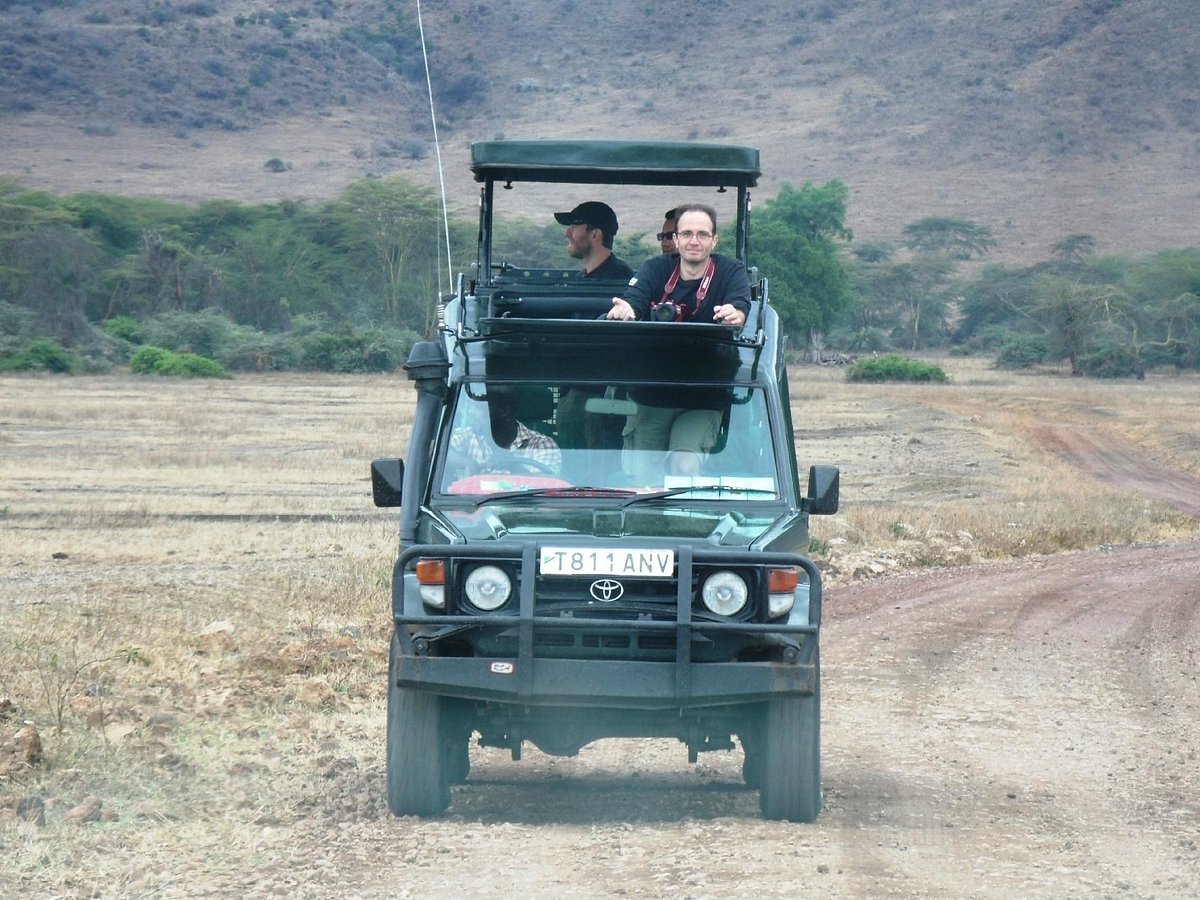
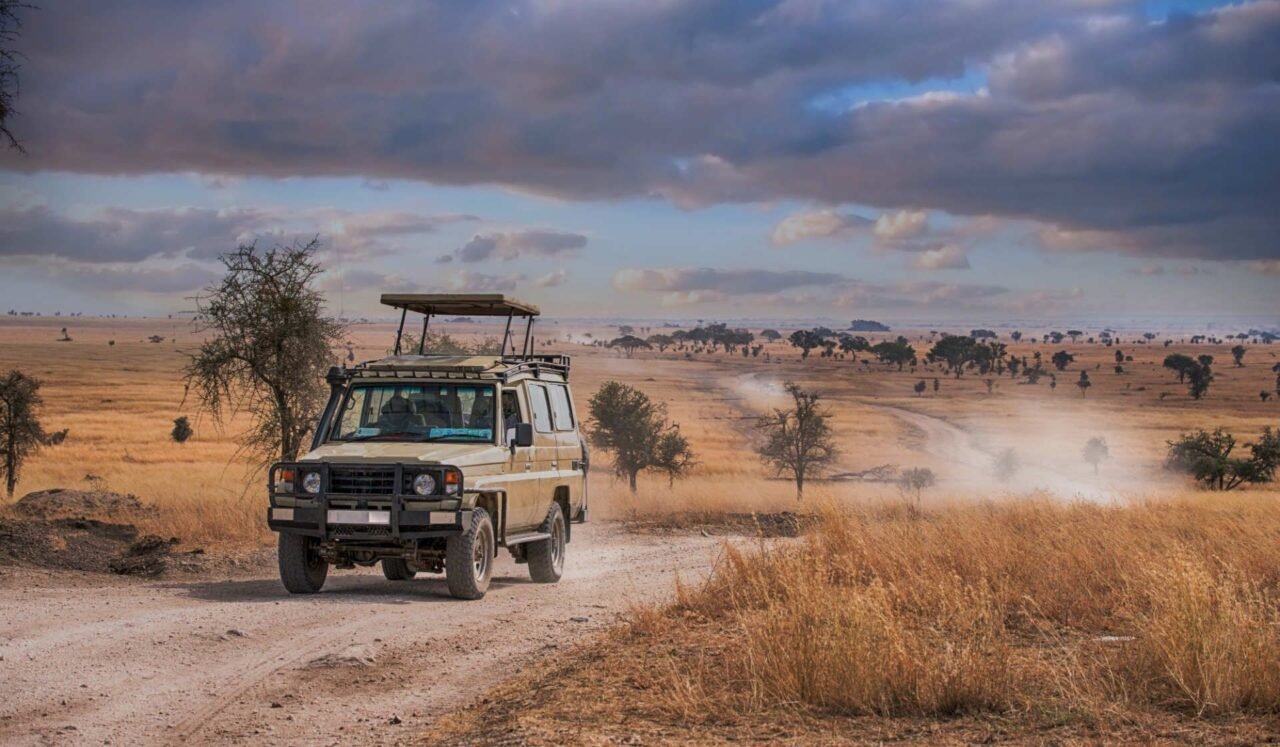
- Game Drives (Vehicle-Based): Vehicles are used to cover larger distances, reach different areas of the park, and sometimes to follow tracks that lead to more challenging terrain. However, even on drives, the focus remains on tracking and observation. Guides will often stop to interpret signs seen from the vehicle, and off-road driving might be permitted in private concessions to follow an animal’s trail.
The Role of Expert Guides
Your guides and trackers are the heart of the expedition. They are highly trained professionals with:
- Deep Knowledge: They possess encyclopedic knowledge of animal behavior, tracks, signs, calls, and the local ecosystem.
- Sensory Acuity: They have honed senses to spot subtle movements, hear faint sounds, and pick up scents that others miss.
- Safety Expertise: They are trained in bushcraft, first aid, and firearm handling to ensure your safety when encountering potentially dangerous wildlife on foot.
- Educational Approach: They are passionate about sharing their knowledge and will explain what they see, interpret, and how they track.
Wildlife Encounters: Patience and Observation
Tracking is not about ticking off a checklist. It requires patience and a willingness to observe. You might spend time watching a pride of lions resting, waiting for them to move. You might follow a leopard’s tracks for an hour before finally spotting it high in a tree. The thrill comes from the chase, the interpretation, and the eventual reward of seeing an animal in its natural, undisturbed state.
Encounters are respectful. You maintain a safe distance, especially on foot, and avoid disturbing the animals. The goal is to witness their natural behavior, not to interfere.
Accommodation Style
Accommodation for tracking expeditions is typically in remote bush lodges or tented camps. These are designed to be intimate and immersive, often with:
- Comfortable Tents/Rooms: Usually en-suite, with comfortable beds, and often open to the sounds of the bush.
- Central Lodge Area: For meals, relaxation, and briefings.
- Remote Locations: Situated in prime wildlife areas, often far from main roads.
- Mobile Camps: Some expeditions use mobile camps that are set up in different, more remote locations for a truly wild experience.
The focus is on being close to nature, with amenities designed to complement, rather than detract from, the wilderness experience.
Preparation and Packing Essentials
Proper preparation is key to enjoying your tracking expedition. Here’s what to consider:
Clothing:
- Neutral Colors: Pack neutral, earthy tones (khaki, olive green, beige, brown). Avoid bright colors and white, as they can startle wildlife.
- Layering: Mornings and evenings can be cool, especially during the dry season. Pack light, breathable long-sleeved shirts and trousers for sun protection and warmth. T-shirts are also useful.
- Warm Jacket/Fleece: Essential for early morning and late evening drives/walks.
- Comfortable Walking Shoes: Sturdy, broken-in walking boots or sturdy trainers are crucial for walking safaris.
- Socks: Plenty of comfortable socks.
- Hat: A wide-brimmed hat for sun protection.
- Scarf/Buff: Useful for dust and warmth.
Gear:
- Binoculars: A good pair (8×42 or 10×42 recommended) is essential for wildlife viewing.
- Camera: With extra batteries, memory cards, and a good zoom lens.
- Sunscreen: High SPF.
- Insect Repellent: With DEET or Picaridin.
- Personal First-Aid Kit: Including any personal medications, blister treatment, pain relievers, and antiseptic wipes.
- Headlamp/Torch: Essential for navigating camps at night.
- Reusable Water Bottle: To stay hydrated and reduce plastic waste.
- Small Backpack: For day trips and walks.
Health and Fitness:
- Consult Your Doctor: Discuss vaccinations and malaria prophylaxis well in advance of your trip.
- Fitness: While not marathon-level, a moderate level of fitness is beneficial for walking safaris. You should be able to walk for a few hours on uneven terrain.
- Hydration: Drink plenty of water.
Other:
- Passport and Visas: Ensure they are valid.
- Travel Insurance: Comprehensive cover is vital.
- Money: Some local currency for tips and small purchases. Most lodges accept cards for larger expenses.
Common Mistakes to Avoid
To ensure your expedition is as smooth and rewarding as possible, be aware of these common pitfalls:
- Expecting Constant Action: Wildlife tracking requires patience. Animals don’t perform on cue. Embrace the quiet moments and the process of discovery.
- Ignoring Your Guide’s Advice: Guides and trackers are experts. Follow their instructions regarding safety, movement, and behavior in the bush.
- Packing Wrong Clothing: Bright colors, unsuitable footwear, or insufficient warm layers can detract from your experience.
- Not Being Prepared for the Elements: Sun, dust, and heat can be intense. Proper hydration and sun protection are non-negotiable.
- Over-reliance on Vehicles: While vehicles are useful, don’t miss the opportunity to learn from walking. The true essence of tracking is often found on foot.
- Setting Unrealistic Expectations: While sightings are frequent, seeing every single animal on your wish list isn’t guaranteed. Appreciate what you do see.
- Failing to Book in Advance: Popular lodges and specialized tracking expeditions, especially for 2026-2027, book up months, sometimes over a year, in advance.
- Not Considering Fitness: If you have significant mobility issues, discuss them with your tour operator beforehand. Walking safaris can be demanding.
Who is a Wildlife Tracking Expedition Best Suited For?
Southern Africa wildlife tracking expeditions are ideal for:
- Passionate Wildlife Enthusiasts: Those who have a deep interest in animal behavior, ecology, and the natural world.
- Repeat Safari Goers: Travelers who have experienced standard safaris and want a more in-depth, active, and educational adventure.
- Nature Photographers: Those looking for unique opportunities to capture animals in natural settings and understand their movements.
- Adventurous Travelers: Individuals who enjoy walking, being outdoors, and are comfortable with a more rustic and remote experience.
- Learners: Anyone eager to learn from expert guides and trackers about the intricate details of the African bush.
- Those Seeking Serenity: Travelers who appreciate the quiet, contemplative aspects of being in the wild, away from crowds.
It is generally less suited for those who prefer luxury resorts with extensive amenities, have significant mobility limitations that prevent walking, or are looking for a fast-paced trip with constant, guaranteed sightings.
Alternatives to Consider
If a full-blown tracking expedition doesn’t quite fit your interests or physical abilities, several excellent alternatives offer a deep dive into Southern Africa’s wildlife:
- Walking Safari Focused Camps: Many camps across Southern Africa offer excellent walking safaris as part of their standard offering, without requiring a full expedition. You can combine these with game drives for a balanced experience.
- Predator-Focused Safaris: Some tours specifically focus on tracking and observing predators, often in areas with high predator densities like the Okavango Delta or Sabi Sands.
- Mobile Safaris: These offer a more adventurous camping experience, often moving between different locations within a park or reserve, providing access to varied habitats and wildlife.
- Birding Safaris: For ornithology enthusiasts, dedicated birding tours focus on identifying and observing the region’s incredible avian diversity, often involving walking and quiet observation.
- Photography Safaris: While many tracking trips are great for photographers, dedicated photo safaris might offer specialized vehicles, longer stays in prime locations, and guidance from professional wildlife photographers.
Planning Your Expedition for 2026-2027
Planning ahead is crucial for securing the best experiences, especially for peak seasons in 2026 and 2027. Here’s a timeline and considerations:
Planning Timeline for 2026-2027 Expeditions:
| Timeframe | Action |
|---|---|
| 12-18 Months Prior | Research destinations, operators, and types of expeditions. Identify your priorities (e.g., specific animals, walking focus, luxury level). Start initial inquiries. |
| 9-12 Months Prior | Finalize your chosen operator and itinerary. Book your preferred lodges or camps, especially if traveling during peak dry season (June-October) in 2027. Confirm visa requirements. |
| 6-9 Months Prior | Book international and internal flights. Purchase travel insurance. Begin researching necessary vaccinations and malaria precautions. |
| 3-6 Months Prior | Consult your doctor for vaccinations and malaria medication. Start purchasing necessary gear (binoculars, camera, suitable clothing). |
| 1-3 Months Prior | Finalize packing list. Confirm all booking details and any pre-trip requirements. Inform your bank of your travel dates. |
| Weeks Before Departure | Pack your bags. Reconfirm flight details. Ensure all documents are in order. |
Key considerations for 2026-2027:
- Peak Season Demand: The dry season (June-October) is highly sought after. Book well in advance for 2026 and especially 2027 to secure prime locations and lodges.
- Conservation Focus: Many tracking expeditions are linked to conservation. Understand the operator’s commitment and how your trip contributes.
- Climate Change Awareness: Be aware that weather patterns can be unpredictable. Flexibility and an understanding guide are valuable.
- Technology: While essential for communication and safety, consider minimizing its use to truly immerse yourself in the experience.
Booking Your Southern Africa Wildlife Tracking Expedition
Choosing the right operator and understanding what’s included is vital for a successful Southern Africa wildlife tracking expedition. Here’s how to approach booking:
1. Find a Reputable Operator:
- Look for tour operators with specific expertise in Southern Africa and wildlife tracking.
- Seek out companies that have strong relationships with lodges and camps known for their tracking quality.
- Check reviews and testimonials, focusing on those that mention tracking experiences, guide expertise, and the overall immersion.
2. Understand Inclusions and Exclusions:
A typical Southern Africa wildlife tracking expedition package might include:
| Typically Included | Often Excluded |
|---|---|
| Accommodation | International flights |
| All meals and standard drinks (water, soft drinks, local beer/wine) | Premium drinks (imported spirits, champagne) |
| Scheduled game drives and walking safaris with qualified guides/trackers | Park entry fees (sometimes) |
| Lodge activities (e.g., sundowners) | Gratuities for guides, trackers, and lodge staff |
| Camp transfers within the itinerary | Visas and travel insurance |
| Laundry services (often) | Personal expenses (souvenirs, etc.) |
Always clarify what is covered. Some operators might include park fees or specific drinks, while others may not.
3. Discuss Your Interests:
Be open with your tour operator about what you hope to achieve. If you are particularly interested in predator tracking, specific species, or a certain level of physical activity, they can tailor an itinerary for you. For instance, if you’re planning for 2026 or 2027, mentioning this early helps in securing the best availability.
4. Payment and Cancellation Policies:
Understand the deposit requirements, payment schedules, and cancellation policies. These can vary significantly between operators and lodges.
5. Communication:
Maintain clear communication with your operator throughout the planning process. Don’t hesitate to ask questions. For expert guidance on planning your Southern Africa wildlife tracking expedition, especially for 2026-2027, reach out to us. We specialize in creating unforgettable, tailored safari experiences.
Contact Us:
WhatsApp: +255616946642
Email: topguideadventures@gmail.com
Backup Email: info@topguideadventures.com
Frequently Asked Questions
Q1: Is Southern Africa wildlife tracking safe?
A1: Yes, when undertaken with reputable operators and experienced guides, tracking expeditions are very safe. Guides are highly trained in bushcraft, wildlife behavior, and safety protocols, including carrying firearms for protection. They will always prioritize your safety and instruct you on how to behave in the presence of wildlife.
Q2: What is the difference between a safari and a tracking expedition?
A2: A standard safari often involves more driving and aims to see a variety of animals. A tracking expedition focuses more deeply on the process of following animal signs, understanding behavior, and often includes significant time spent on foot, offering a more intimate and educational experience.
Q3: Do I need to be very fit for a tracking expedition?
A3: A moderate level of fitness is beneficial, as walking safaris can involve walking for a few hours on uneven terrain. However, most expeditions also incorporate game drives, and you can discuss your fitness level with your operator to ensure the itinerary is suitable.
Q4: What kind of wildlife can I expect to track?
A4: You can track a wide range of animals, including the Big Five (lion, leopard, elephant, rhino, buffalo), as well as wild dogs, cheetahs, hyenas, various antelope species, and even smaller creatures. The focus is on observing their tracks, signs, and behavior in their natural habitat.
Q5: What is the best time of year for Southern Africa wildlife tracking expeditions in 2026-2027?
A5: The dry season, typically from May to October, is generally the best time. During this period, vegetation is sparser, and animals congregate around water sources, making them easier to find and track. However, shoulder seasons can also offer good experiences.
Q6: How much walking is involved in a tracking expedition?
A6: The amount of walking varies by itinerary and operator. Some expeditions are heavily focused on walking safaris, while others blend walking with game drives. A typical walking safari might last 2-4 hours.
Q7: Can I go on a tracking expedition if I’m a beginner?
A7: Yes, many operators cater to beginners. The key is to choose an expedition that emphasizes learning and has highly experienced guides who can teach you the basics of tracking and bushcraft.
Q8: What should I pack for a tracking expedition?
A8: Pack neutral-colored, layered clothing, sturdy walking shoes, a wide-brimmed hat, sunscreen, insect repellent, binoculars, and a camera. A detailed packing list will be provided by your tour operator.
Q9: Are there specific lodges or camps that are better for tracking?
A9: Yes, lodges and camps in remote areas or private concessions that focus on walking safaris and employ highly skilled trackers are ideal. Destinations like South Luangwa (Zambia), the Okavango Delta (Botswana), and private reserves adjacent to Kruger (South Africa) are renowned for their tracking opportunities.
Q10: How far in advance should I book for 2027?
A10: For peak season travel in 2027 (June-October), it’s advisable to book at least 9-12 months in advance, and even earlier for highly sought-after lodges or specific expedition dates. For 2026, booking 6-9 months ahead is recommended.
Plan Your Southern Africa Wildlife Tracking Expedition
A Southern Africa wildlife tracking expedition is an extraordinary journey for those who want to connect with the wild on a profound level. It’s an opportunity to learn, observe, and experience the raw beauty of nature guided by the continent’s most skilled trackers. Whether you dream of the vast plains of the Serengeti or the intricate waterways of the Okavango, the experience of tracking wildlife is unparalleled.
We specialize in crafting personalized Southern Africa wildlife tracking expeditions that cater to your specific interests and desired level of immersion. Let us help you plan an unforgettable adventure for 2026-2027. Get in touch to discuss your dream trip.
Contact Us:
WhatsApp: +255616946642
Email: topguideadventures@gmail.com
Backup Email: info@topguideadventures.com
Plan your Southern Africa Wildlife Tracking Expeditions with Top Guide Adventures
Tell us your travel dates, group size, comfort level, and dream experience. We will help you shape a clear, realistic, and memorable Tanzania itinerary.



