
Updated planning guide for 2026-2027
Southern Africa Seasonal Travel Guide: Complete 2026-2027
Navigate the diverse seasons of Southern Africa with this comprehensive guide. Learn when to go for optimal wildlife viewing, cultural experiences, and adventure, specifically for your 2026-2027 travels.
WhatsApp +255616946642 | topguideadventures@gmail.com | info@topguideadventures.com
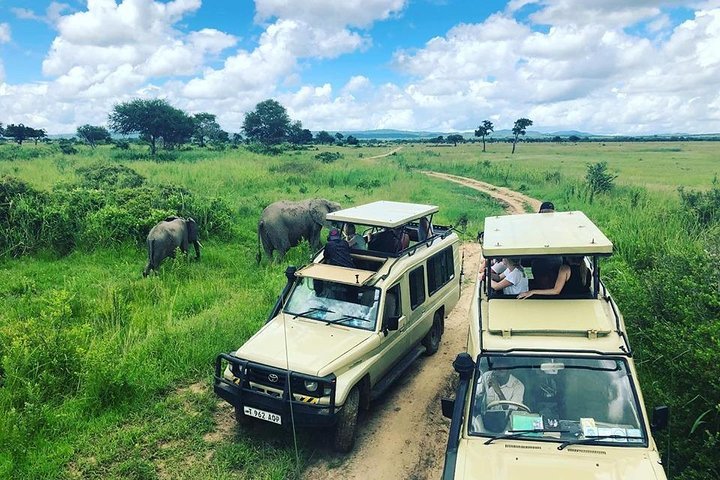
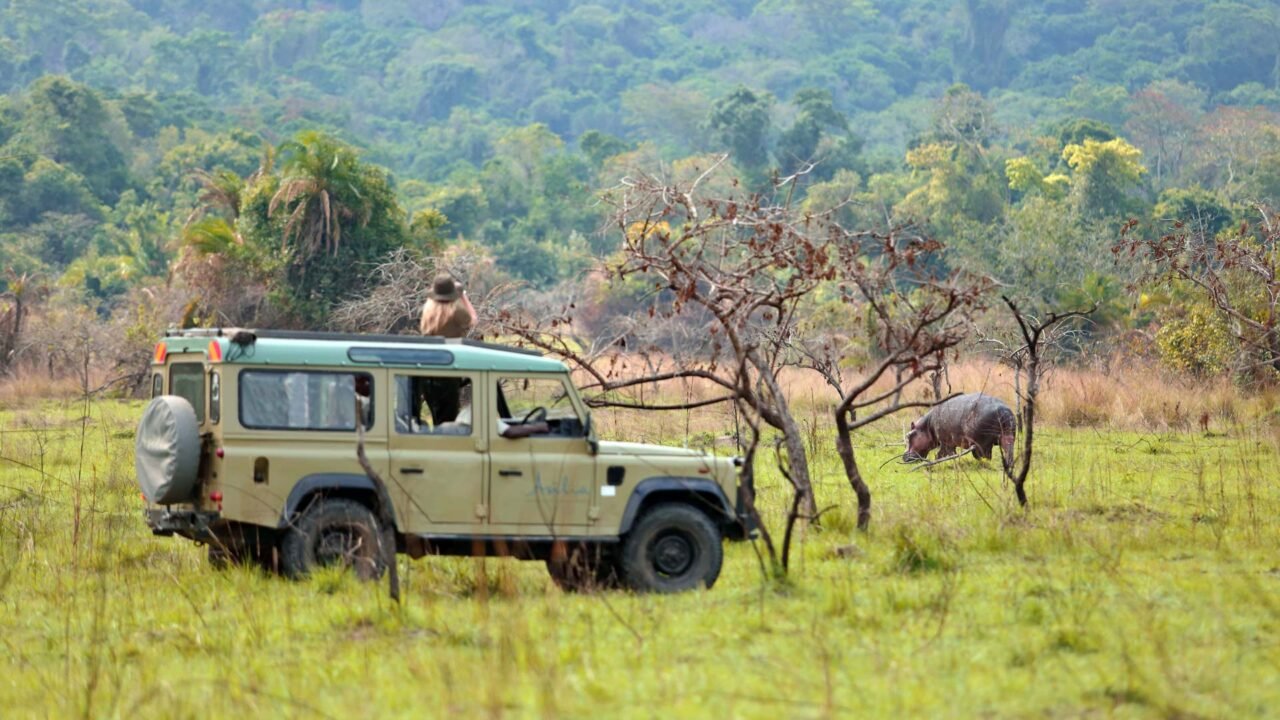
Southern Africa Seasonal Travel Guide 2026-2027: Your Essential Planning Resource
Southern Africa is a region of dramatic landscapes, abundant wildlife, and rich cultural heritage. Planning a trip here requires understanding its varied climate and how it impacts the travel experience. This Southern Africa Seasonal Travel Guide aims to provide you with the detailed insights needed to plan an unforgettable journey, whether you’re dreaming of vast savannas, majestic mountains, or pristine coastlines, specifically for your travels in 2026 and 2027.
From the iconic Serengeti and Ngorongoro Crater in Tanzania to the Victoria Falls straddling Zambia and Zimbabwe, and the unique desert ecosystems of Namibia, each destination offers distinct seasonal advantages. This guide will help you pinpoint the best times for wildlife migrations, optimal weather for trekking, ideal conditions for beach relaxation, and opportunities for cultural immersion.
Navigating Southern Africa’s Seasons
The primary factor influencing travel in Southern Africa is the distinct wet and dry season pattern. These seasons vary slightly across the region but generally dictate wildlife behavior, vegetation density, and accessibility of certain areas. Understanding these nuances is key to maximizing your experience and avoiding potential travel disruptions.
| Season | Months | General Characteristics | Impact on Travel |
|---|---|---|---|
| Dry Season | June – October | Cooler temperatures, less humidity, sparse vegetation, water sources become concentrated. | Excellent for wildlife viewing, easier game drives, popular for safaris. Can be cooler, especially at night. |
| Shoulder Season (End of Dry/Start of Wet) | November – May | Temperatures rise, vegetation becomes greener, occasional short rains. | Good for birdwatching, fewer crowds, lush landscapes, potential for dramatic skies. Rains can impact some activities. |
| Wet Season (Green Season) | December – March | Hotter temperatures, high humidity, heavy rainfall (often in short, intense bursts), lush vegetation. | Ideal for birding and photography, dramatic scenery, calving season for many herbivores, fewer tourists, potentially lower prices. Roads can be challenging. |
Table of Contents
- Quick Facts: Southern Africa at a Glance
- Southern Africa: A Tapestry of Experiences
- Why Seasonal Travel Matters in Southern Africa
- Best Time to Visit Southern Africa (By Experience)
- Region Focus: Tanzania’s Seasonal Highlights
- Tanzania Safari & Zanzibar Sample Itinerary (7 Days)
- What to Expect: Weather, Wildlife, and Activities
- Packing and Preparation Guide
- Common Mistakes to Avoid
- Who is Southern Africa Travel Best For?
- Alternatives to Consider
- Planning Your 2026-2027 Southern Africa Trip
- Booking Your Southern Africa Adventure
- Frequently Asked Questions
Quick Facts: Southern Africa at a Glance
| Category | Details |
|---|---|
| Primary Travel Seasons | Dry Season (June-Oct), Wet Season (Nov-May) |
| Peak Wildlife Viewing | Dry Season (concentrated animals at waterholes) |
| Best for Birdwatching | Wet Season (breeding plumage, migratory birds) |
| Trekking Conditions | Dry Season (cooler, less rain) |
| Beach Holidays (Zanzibar) | Dry Season (less rain, pleasant temperatures) |
| Crowd Levels | Lowest in Wet Season, Highest in Dry Season |
| Pricing | Generally higher in Dry Season, lower in Wet Season |
Southern Africa: A Tapestry of Experiences
Southern Africa is a vast and incredibly diverse region. It encompasses countries like Tanzania, Kenya (though often considered East Africa, its southern parks share similar ecosystems), Botswana, Namibia, South Africa, Zimbabwe, Zambia, and Mozambique. Each offers unique attractions:
- Tanzania: Famous for the Great Migration in the Serengeti, the Ngorongoro Crater’s wildlife density, Mount Kilimanjaro’s trekking challenges, and the spice-scented beaches of Zanzibar.
- Botswana: Known for its exclusive Okavango Delta and Chobe National Park, offering pristine wilderness and exceptional game viewing, often with a focus on low-impact, high-cost tourism.
- Namibia: Characterized by dramatic desert landscapes, including the towering dunes of Sossusvlei, the Skeleton Coast, and unique desert-adapted wildlife.
- South Africa: Offers a wide range of experiences, from the Kruger National Park’s accessible wildlife viewing to the cosmopolitan appeal of Cape Town, the Garden Route, and wine regions.
- Zimbabwe & Zambia: Home to the awe-inspiring Victoria Falls and excellent safari destinations like Hwange National Park (Zimbabwe) and South Luangwa National Park (Zambia), renowned for walking safaris.
This guide focuses on general seasonal considerations applicable across many of these countries, with a specific deep dive into Tanzania as a prime example, given its popularity for safaris and beach holidays.
Why Seasonal Travel Matters in Southern Africa
The seasonal shifts in Southern Africa are not subtle; they profoundly influence the entire travel experience. Understanding these patterns helps you align your trip with your priorities:
- Wildlife Viewing: During the dry season, vegetation thins out, and animals congregate around dwindling water sources. This makes spotting wildlife significantly easier. Conversely, the wet season’s dense bush can make animals harder to find, but the scenery is breathtakingly green, and newborn animals are abundant.
- Migration Patterns: The Great Migration of wildebeest and zebras across the Serengeti-Masai Mara ecosystem is a prime example of a seasonal event. Its location and intensity are dictated by rainfall and grass growth, making timing crucial for witnessing this spectacle.
- Accessibility: Heavy rains in the wet season can make unpaved roads impassable, potentially limiting access to certain parks or areas. Dry seasons generally ensure easier road travel.
- Temperatures and Comfort: While the dry season is cooler and more comfortable for game drives and trekking, the wet season can be very hot and humid.
- Pricing and Crowds: Peak season (often the dry season) sees higher prices and more visitors. The off-peak or wet season often offers better value and a more secluded experience.
- Photography: The green season offers lush landscapes and dramatic skies, ideal for photographers. The dry season provides clear visibility and concentrated wildlife.
Best Time to Visit Southern Africa (By Experience)
Your ideal travel time depends entirely on what you want to experience. Here’s a breakdown:
| Experience | Best Months | Key Considerations |
|---|---|---|
| Prime Wildlife Viewing (General Safari) | June – October (Dry Season) | Animals are easier to spot, vegetation is sparse, waterholes are popular gathering points. Cooler temperatures. Peak season prices. |
| Witnessing the Great Migration (Tanzania/Kenya) | July – October (River Crossings); January – March (Calving Season) | River crossings are most dramatic around July-September. Calving season in the south offers predator action. Timing varies annually. |
| Walking Safaris (Zambia, Botswana) | May – October (Dry Season) | Safer and more comfortable when vegetation is less dense and wildlife is more concentrated. |
| Birdwatching | November – April (Wet/Green Season) | Resident birds are in breeding plumage, and migratory birds from Europe and Asia are present. Lush landscapes for photography. |
| Trekking Mount Kilimanjaro | January – March & June – October | These periods generally offer the clearest skies and driest conditions. Avoid the rainy months of April, May, and November. |
| Zanzibar Beach Holidays | June – October & December – February | These are generally the driest periods with pleasant temperatures. June-October aligns with the dry safari season. |
| Namib Desert Exploration (Sossusvlei) | April – October | Milder daytime temperatures and cooler nights. Avoid the intense heat of summer (December-February). |
| Budget Travel / Fewer Crowds | April – May & November (Shoulder Seasons); December – March (Wet Season) | Lower prices and fewer tourists. Be prepared for potential rain and hotter temperatures in the wet season. |
Region Focus: Tanzania’s Seasonal Highlights
Tanzania, a jewel of East Africa, offers a spectacular array of experiences, each with its own seasonal rhythm. Understanding these nuances is crucial for planning your Tanzanian adventure, whether it’s a classic Northern Circuit safari, a trek up Kilimanjaro, or a relaxing escape to Zanzibar.
Serengeti National Park & the Great Migration
The Serengeti is synonymous with the Great Migration, a breathtaking natural phenomenon involving over a million wildebeest, zebras, and gazelles. The herds are constantly on the move, following the rains and fresh grass.
- January – March: The herds are typically in the southern Serengeti and surrounding areas for the calving season. This is an excellent time to witness predator activity as lions, cheetahs, and hyenas prey on the vulnerable newborns. The landscape is green and beautiful.
- April – May: These are the ‘long rains’ months. The migration begins moving northwards. The landscape is incredibly lush, but many camps may close, and roads can be challenging. This is a quieter, more affordable time.
- June – October: The herds are generally in the western and northern Serengeti. This is the prime time to witness the dramatic river crossings of the Grumeti River (western corridor) and, more famously, the Mara River as the migration moves towards Kenya. Vegetation is drier, making game spotting easier. This is peak season.
- November – December: The herds begin to move south again, often gathering in the central and eastern Serengeti. Short rains may occur.
Ngorongoro Conservation Area
The Ngorongoro Crater is a UNESCO World Heritage Site and a caldera that holds a remarkable concentration of wildlife year-round. While the migration doesn’t pass through the crater in the same way as the Serengeti, it’s an exceptional place for spotting the ‘Big Five’ (lion, leopard, elephant, rhino, buffalo) due to its permanent resident population.
- Year-Round: Excellent for game viewing. The dry season (June-October) offers the clearest views and easiest access. The wet season (November-May) provides a greener, more dramatic backdrop, but occasional rain showers can occur.
Mount Kilimanjaro Trekking
Climbing Kilimanjaro is an adventure that requires careful planning regarding weather. The mountain has its own microclimates, but general patterns apply.
- Best Months: January-March and June-October. These periods offer the most stable weather, with clearer skies and less rainfall, making the ascent safer and more enjoyable.
- Challenging Months: April, May, and November are typically the wettest months, with heavy rain and potentially snow at higher altitudes. These can make trekking more difficult and visibility poor.
Zanzibar Archipelago
Zanzibar, with its turquoise waters, white sandy beaches, and rich history, is a popular destination for relaxation after a safari or trek. Its weather is tropical, influenced by monsoon winds.
- Dry & Pleasant: June to October. This period is characterized by lower humidity, less rain, and comfortable temperatures, making it ideal for beach activities and exploring Stone Town.
- Hot & Humid: November to May. This is the rainy season. December to February can still be quite pleasant with short showers. March to May often sees the ‘long rains,’ which can be heavy and persistent, impacting beach time.
- Kite Surfing: The windy season for kite surfing is generally from June to September (Kaskazi winds) and December to March (Kusi winds).
Tanzania Safari & Zanzibar Sample Itinerary (7 Days)
This sample itinerary is designed for a 7-day trip, focusing on a classic Northern Circuit safari experience followed by relaxation in Zanzibar. It’s best suited for the dry season (July-October) for optimal game viewing, but can be adapted.
Day 1: Arrival in Arusha & Transfer to Lodge
Arrive at Kilimanjaro International Airport (JRO). You will be met by your guide and transferred to your lodge in Arusha. Relax and prepare for your safari adventure.
Day 2: Tarangire National Park Safari
After breakfast, drive to Tarangire National Park, known for its large elephant herds and iconic baobab trees. Enjoy a full day of game drives. Overnight near Tarangire.
Day 3: Ngorongoro Crater Tour
Morning drive to the Ngorongoro Conservation Area. Descend into the Ngorongoro Crater for a spectacular game drive. You have a high chance of spotting the Big Five. In the afternoon, ascend and drive to your lodge near the crater rim or Karatu.
Day 4: Serengeti National Park Safari
Drive to the vast plains of the Serengeti National Park, with a stop at Olduvai Gorge if time and interest permit. Begin your game drive en route to your lodge/camp in the central Serengeti. Enjoy an afternoon game drive.
Day 5: Serengeti Exploration
Full day dedicated to exploring the Serengeti. Depending on the season, your guide will take you to areas where the migration is likely to be. Options for a hot air balloon safari at sunrise can be arranged.
Day 6: Fly to Zanzibar & Stone Town Exploration
After a final morning game drive in the Serengeti, you’ll be transferred to the Seronera Airstrip for your flight to Zanzibar. Upon arrival, transfer to your hotel in Stone Town. Explore the historic alleys, markets, and cultural sites.
Day 7: Zanzibar Beach Relaxation & Departure
Enjoy a leisurely morning in Stone Town or transfer directly to a beach resort on the coast (e.g., Nungwi, Kendwa, Paje) for a few hours of relaxation. Later, transfer to Zanzibar International Airport (ZNZ) for your onward flight.
Note: This is a fast-paced itinerary. For a more in-depth experience, consider adding more days to the Serengeti or visiting other parks like Lake Manyara.
What to Expect: Weather, Wildlife, and Activities
The experience of visiting Southern Africa is highly seasonal. Here’s what you can generally expect:
Weather Patterns
- Dry Season (June-October): Days are generally sunny and pleasant, with temperatures ranging from 20-30°C (68-86°F). Nights can be cool, especially in elevated areas, sometimes dropping to 10°C (50°F). Humidity is low. This is considered the most comfortable time for most activities.
- Wet Season (November-May): Temperatures are higher, often exceeding 30°C (86°F), and humidity is significant. Rainfall can be intense but often comes in short, dramatic afternoon storms, leaving mornings clear. The landscape becomes incredibly green and vibrant.
Wildlife Behavior
- Dry Season: Wildlife is concentrated around permanent water sources. Vegetation is sparse, making animals easier to spot. Predators are often seen hunting near these water points.
- Wet Season: Animals disperse as water is plentiful. Newborns are abundant, leading to increased predator-prey interactions. Birdlife is spectacular with migratory birds and resident birds in breeding plumage. The dense vegetation can make spotting animals more challenging.
Activities and Accessibility
- Dry Season: All parks and roads are generally accessible. Game drives are smooth. Trekking conditions for Kilimanjaro are ideal. Beach holidays in Zanzibar are pleasant. This is peak season, so expect more people and higher prices.
- Wet Season: Some unpaved roads within parks can become difficult or impassable due to rain, potentially restricting access to certain areas. This is the low season, offering potential cost savings and fewer crowds. It’s excellent for birdwatching and photography due to lush scenery and dramatic skies.
Packing and Preparation Guide
Packing smart is essential for a comfortable and enjoyable trip. Layering is key, as temperatures can vary significantly between day and night, and between different altitudes.
Clothing Essentials:
- Neutral-Colored Clothing: Khaki, beige, olive green, and brown are best for safaris to avoid startling wildlife. Avoid bright colors and white (shows dirt easily).
- Lightweight, Breathable Fabrics: Cotton, linen, or moisture-wicking synthetics are ideal for warm days.
- Long-Sleeved Shirts & Trousers: For sun protection during the day and insect protection in the evenings.
- Fleece or Warm Jacket: Essential for cool mornings and evenings, especially during the dry season or at higher altitudes.
- Waterproof/Windproof Jacket: Particularly useful during the wet season or for unexpected weather changes.
- Comfortable Walking Shoes/Boots: Broken-in hiking boots are essential for Kilimanjaro. For safaris, comfortable trainers or light boots are sufficient.
- Sandals or Flip-flops: For relaxing at lodges or camps.
- Swimsuit: For lodges with pools or beach destinations like Zanzibar.
- Hat: Wide-brimmed for sun protection.
- Scarf or Bandana: Useful for dust protection and warmth.
Footwear:
- Sturdy, broken-in hiking boots (for Kilimanjaro).
- Comfortable walking shoes or trainers (for safaris and general wear).
- Sandals or flip-flops.
Health & Personal Items:
- Insect Repellent: With DEET or Picaridin.
- Sunscreen: High SPF.
- After-sun Lotion.
- Personal First-Aid Kit: Include pain relievers, antiseptic wipes, bandages, motion sickness medication, and any personal prescriptions.
- Malaria Prophylaxis: Consult your doctor well in advance.
- Hand Sanitizer.
- Toiletries: Biodegradable options are appreciated.
Gear & Accessories:
- Camera & Extra Batteries/Memory Cards: Essential for capturing memories.
- Binoculars: A must-have for wildlife viewing.
- Headlamp or Small Flashlight: Useful for navigating camps at night.
- Adapter/Power Bank: For charging electronics.
- Reusable Water Bottle: To minimize plastic waste.
- Small Backpack/Daypack: For daily excursions.
- Passport, Visas, Travel Insurance Documents.
- Cash: For tips and small purchases (USD is widely accepted).
Important Pre-Trip Preparations:
- Consult Your Doctor: Discuss necessary vaccinations and malaria prevention well in advance of your 2026-2027 trip.
- Visas: Check visa requirements for your nationality for each country you plan to visit.
- Travel Insurance: Ensure comprehensive coverage for medical emergencies, trip cancellation, and lost luggage.
- Physical Fitness: If trekking Kilimanjaro, maintain a good level of fitness.
Common Mistakes to Avoid
To ensure your trip is as smooth as possible, be aware of these common pitfalls:
- Ignoring Seasonal Differences: Trying to witness the river crossings in the Serengeti during the calving season, or expecting dry, sunny weather for a beach holiday in April, can lead to disappointment. Always align your trip with the best season for your priorities.
- Overpacking: Luggage restrictions on small bush planes can be strict (usually 15-20kg, soft-sided bags). Pack light and efficiently.
- Wearing the Wrong Clothing: Bright colors can scare wildlife. White is impractical. Dark blue and black can attract tsetse flies in some areas. Stick to neutral, natural tones.
- Not Booking in Advance: Especially for peak season (dry season) in popular parks and for Kilimanjaro climbs, accommodations and permits can sell out months, or even a year, in advance for 2026-2027.
- Underestimating Travel Times: Distances can be long, and road conditions can slow travel significantly, especially during the wet season. Build buffer time into your itinerary.
- Not Budgeting for Extras: Factor in costs for tips, drinks, souvenirs, optional activities (like hot air balloon safaris), and park entry fees if not fully included.
- Ignoring Health Precautions: Failing to take malaria precautions or get necessary vaccinations can have serious consequences.
- Expecting Constant Action: Wildlife viewing is unpredictable. While safari is incredible, there will be times when animals are elusive. Patience is key.
Who is Southern Africa Travel Best For?
Southern Africa appeals to a wide range of travelers:
- Adventure Seekers: Kilimanjaro climbs, white-water rafting on the Zambezi, exploring deserts, and trekking offer thrills.
- Wildlife Enthusiasts: From the Great Migration to the Big Five and unique desert-adapted species, it’s a paradise for animal lovers.
- Photographers: Dramatic landscapes, stunning wildlife, and vibrant cultures provide endless photographic opportunities.
- Culture & History Buffs: Exploring Stone Town in Zanzibar, visiting Maasai villages, or delving into ancient rock art sites offers deep cultural immersion.
- Honeymooners & Couples: Romantic lodges, stunning sunsets, and luxurious beach resorts make it an ideal honeymoon destination.
- Families: Many lodges and parks offer family-friendly activities and accommodations, providing educational and exciting experiences for all ages.
- Nature Lovers: The sheer diversity of ecosystems, from lush rainforests to arid deserts and vast savannas, captivates anyone who appreciates the natural world.
Alternatives to Consider
While Southern Africa is exceptional, other destinations offer similar experiences:
- East Africa (Kenya & Uganda): For gorilla trekking (Uganda), chimpanzee tracking, and the northern half of the Great Migration in the Masai Mara (Kenya). The seasonal patterns are similar to Tanzania.
- Botswana & Namibia: If you seek a more exclusive, high-end safari experience with unique desert landscapes, these are excellent choices. They share similar dry/wet season patterns.
- South America (Galapagos Islands, Amazon Rainforest): For unique wildlife encounters and stunning natural beauty, though the type of wildlife and ecosystems differ significantly.
- Asia (India, Sri Lanka): For tiger safaris, rich cultural heritage, and beautiful beaches. Seasonal patterns vary widely by country and region.
Planning Your 2026-2027 Southern Africa Trip
Planning a trip to Southern Africa for 2026 or 2027 requires foresight, especially if you aim for peak seasons or specific events like the Great Migration. Here’s a planning timeline:
| Timeline | Key Actions |
|---|---|
| 12-18 Months Out | Research destinations, identify your must-see experiences (e.g., Great Migration, Kilimanjaro trek). Determine your budget. Start looking at tour operators. |
| 9-12 Months Out | Book your Kilimanjaro climb permits and guides. Book popular safari lodges or camps, especially for peak season (dry season) in 2026 or 2027. Book international flights. |
| 6-9 Months Out | Finalize your itinerary with your tour operator. Book internal flights (e.g., to Zanzibar). Arrange visas if required. |
| 3-6 Months Out | Consult your doctor for vaccinations and malaria prophylaxis. Purchase travel insurance. Start a packing list. |
| 1-3 Months Out | Confirm all bookings. Purchase essential gear (binoculars, camera, appropriate clothing). Get local currency. |
| 2-4 Weeks Out | Pack your bags. Make photocopies of important documents. Share your itinerary with family/friends. Reconfirm flight details. |
| 1 Week Out | Final check of documents, medications, and gear. Relax and anticipate your adventure! |
For 2026-2027, early booking is particularly recommended if you plan to travel during the popular dry season or during specific wildlife events. This ensures availability and often secures better rates.
Booking Your Southern Africa Adventure
Choosing the right tour operator can significantly enhance your Southern Africa travel experience. Here’s how to approach booking:
- Research Operators: Look for companies with a strong reputation, local expertise, and a commitment to responsible tourism. Read reviews and testimonials.
- Be Specific with Your Needs: Clearly communicate your interests (e.g., photography, specific wildlife, trekking challenges, relaxation), budget, travel dates (especially for 2026-2027), and desired pace.
- Understand Inclusions: Ensure you know exactly what is covered in your tour package. Common inclusions are accommodation, park fees, most meals, game drives, and transfers. Exclusions often include international flights, visas, tips, personal expenses, and some drinks.
- Ask About Guides: Experienced, knowledgeable guides are crucial for a great safari or trek. Inquire about their qualifications and experience.
- Customization: A good operator will offer custom itineraries tailored to your preferences. This Southern Africa Seasonal Travel Guide provides the framework, but a custom trip makes it truly yours.
- Payment Terms: Understand the deposit requirements, payment schedule, and cancellation policy.
- Sustainability: Choose operators who demonstrate a commitment to conservation and supporting local communities.
Ready to plan your dream trip? Contact our expert team at Top Guide Adventures. We specialize in creating personalized safari, Kilimanjaro, and Zanzibar experiences in Tanzania and beyond. Let us help you navigate the seasons and craft the perfect adventure for 2026-2027.
Get in touch:
- WhatsApp: +255616946642
- Email: topguideadventures@gmail.com
- Backup Email: info@topguideadventures.com
Frequently Asked Questions
Q1: What is the absolute best time to visit Southern Africa for a safari?
The best time to visit Southern Africa for a safari, particularly for optimal wildlife viewing, is generally during the dry season, from June to October. During this period, vegetation is sparser, and animals tend to congregate around water sources, making them easier to spot. However, the wet season (November to May) offers lush landscapes, fewer crowds, and excellent birdwatching opportunities, making it ideal for photographers and budget travelers.
Q2: Is the wet season a bad time to travel in Southern Africa?
No, the wet season is not necessarily a bad time to travel. While you might encounter rain showers, the landscapes are incredibly green and beautiful, and it’s a fantastic time for birdwatching and photography. Some animals also give birth during this time, leading to exciting predator-prey interactions. Prices are often lower, and there are fewer tourists, offering a more intimate experience. However, some roads might be less accessible.
Q3: When is the best time to see the Great Migration in Tanzania?
The Great Migration is a year-round phenomenon, but its location changes. For witnessing the dramatic river crossings (especially the Mara River), July to October is generally the best time, with herds in the northern Serengeti. For the calving season, with abundant newborn animals and high predator activity, January to March is ideal in the southern Serengeti.
Q4: Can I trek Mount Kilimanjaro during the rainy season?
While it’s possible to trek Kilimanjaro year-round, the rainy months (April, May, and November) are generally discouraged. They bring heavy rainfall, mist, and potentially snow at higher altitudes, making the trek more challenging and reducing visibility. The best times are January-March and June-October for clearer skies and drier conditions.
Q5: What are the main differences between the dry and wet seasons for a Zanzibar holiday?
During the dry season (June-October), Zanzibar offers pleasant temperatures, lower humidity, and minimal rain, perfect for beach relaxation and water sports. The wet season (November-May) is hotter and more humid, with significant rainfall, especially from March to May. However, December to February can still be quite enjoyable with short showers.
Q6: How much should I budget for a Southern Africa safari in 2026-2027?
Costs vary significantly based on the country, type of accommodation, duration, and season. A mid-range safari in Tanzania for 7 days can range from $2,500 to $4,500 per person, excluding international flights. Peak season (dry season) will be at the higher end, while the wet season might offer lower prices. It’s best to get custom quotes from tour operators.
Q7: What kind of visa do I need for Tanzania?
Most nationalities require a visa for Tanzania. You can typically obtain a tourist visa upon arrival at the airport or border, or apply online in advance through the official e-visa portal. It’s advisable to check the latest requirements with your country’s Tanzanian embassy or consulate well before your 2026-2027 trip.
Q8: Is it safe to travel in Southern Africa?
Southern Africa is generally safe for tourists, especially when traveling with reputable tour operators and following common-sense precautions. Petty crime can occur in urban areas, so be aware of your surroundings. Wildlife encounters are managed by experienced guides to ensure safety. Always listen to your guide’s instructions.
Q9: What are the best months for birdwatching in Southern Africa?
The wet or ‘green’ season, typically from November to April, is considered the prime time for birdwatching. Resident birds are often in their most vibrant breeding plumage, and migratory birds from Europe and Asia are present, significantly increasing the diversity and number of species you can observe.
Q10: Should I book my trip for 2026 or 2027 through a local operator?
Yes, booking through a local operator like Top Guide Adventures for your 2026-2027 trip is highly recommended. Local operators have in-depth knowledge of the destinations, seasons, wildlife, and logistics. They can offer competitive pricing, personalized service, and immediate support on the ground, ensuring a more authentic and well-managed travel experience.
Plan Your Southern Africa Seasonal Adventure
Understanding the seasonal nuances of Southern Africa is your first step towards an extraordinary journey. Whether you dream of witnessing the Great Migration in the Serengeti during its peak season, conquering Mount Kilimanjaro under clear skies, or relaxing on Zanzibar’s pristine beaches, timing is everything.
Let Top Guide Adventures be your partner in planning the perfect Southern Africa Seasonal Travel Guide experience for 2026-2027. We craft custom itineraries that match your interests, budget, and desired travel dates, ensuring you make the most of every season.
Contact us today to start planning:
- WhatsApp: +255616946642
- Email: topguideadventures@gmail.com
- Backup Email: info@topguideadventures.com
Plan your Southern Africa Seasonal Travel Guide with Top Guide Adventures
Tell us your travel dates, group size, comfort level, and dream experience. We will help you shape a clear, realistic, and memorable Tanzania itinerary.



