
Updated planning guide for 2026-2027
Southern Africa Overland Safari Routes: Best Guide 2026-2027
Explore the ultimate guide to Southern Africa overland safari routes. This detailed article covers everything from planning and popular routes to budgeting and booking for your 2026-2027 adventure.
WhatsApp +255616946642 | topguideadventures@gmail.com | info@topguideadventures.com
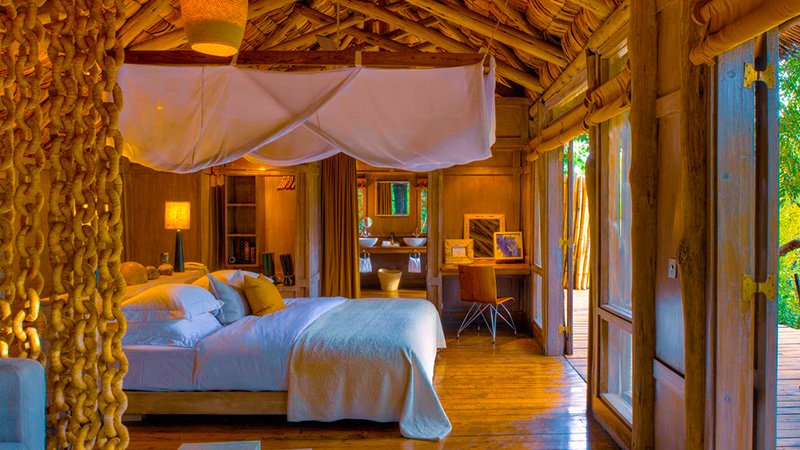
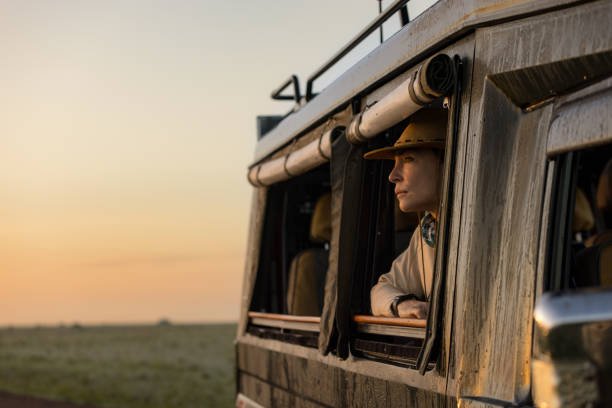
Southern Africa Overland Safari Routes: Your Ultimate Planning Guide
Southern Africa offers some of the most spectacular and diverse overland safari routes on the planet. From the vast plains of the Serengeti to the Okavango Delta’s waterways and the rugged beauty of Namibia, an overland safari here is an experience unlike any other. This guide provides an in-depth look at planning your adventure, exploring popular routes, understanding costs, and making informed booking decisions for 2026-2027.
Table of Contents
- Quick Facts: Southern Africa Overland Safaris
- What is a Southern Africa Overland Safari?
- Why Choose an Overland Safari in Southern Africa?
- Exploring Popular Southern Africa Overland Safari Routes
- Southern Africa Overland Route Areas Overview
- Best Time to Travel for Southern Africa Overland Safaris
- Sample 4-Week Southern Africa Overland Safari Itinerary
- What to Expect on an Overland Safari
- Inclusions, Packing, and Preparation
- Common Mistakes to Avoid
- Who Are Southern Africa Overland Safari Routes Best For?
- Alternatives to Overland Safaris
- Planning Your 2026-2027 Southern Africa Overland Safari
- Booking Your Southern Africa Overland Safari
- Frequently Asked Questions
- Ready to Plan Your Adventure?
Quick Facts: Southern Africa Overland Safaris
| Aspect | Details |
|---|---|
| Region | Southern Africa (e.g., Tanzania, Kenya, Botswana, Namibia, South Africa, Zambia, Zimbabwe) |
| Typical Duration | 2 weeks to 3+ months |
| Travel Style | Group tours in custom overland trucks, self-drive with 4×4, or private guided tours |
| Accommodation | Camping (often pre-erected tents), budget lodges, mid-range hotels, occasional higher-end lodges |
| Activities | Game drives, walking safaris, boat safaris, cultural visits, scenic drives, optional adventure activities (bungee, skydiving) |
| Best Time to Visit | Generally dry seasons (May to October) for wildlife viewing, but varies by specific region. Wet season (November to April) offers lush landscapes and birdlife. |
| Visa Requirements | Varies by nationality and country; research is essential. Some countries offer visas on arrival. |
| Health Precautions | Consult your doctor for vaccinations (Yellow Fever, Hepatitis A/B, Typhoid) and malaria prophylaxis. |
What is a Southern Africa Overland Safari?
A Southern Africa overland safari is a journey across multiple countries, typically undertaken in a specially equipped vehicle designed for rugged terrain and long distances. These safaris often involve a mix of camping and lodge stays, with group tours being a very popular format. The emphasis is on experiencing the vast landscapes, diverse wildlife, and rich cultures of the region in a more immersive and adventurous way than a typical fly-in safari. You’ll travel with a small group, often accompanied by a tour leader and driver, sharing experiences and making stops at iconic landmarks and off-the-beaten-path locations. It’s about the journey as much as the destination, offering a flexible and often more affordable way to see a lot of ground.
Why Choose an Overland Safari in Southern Africa?
Opting for an overland safari in Southern Africa presents a unique set of advantages:
- Comprehensive Exploration: Cover vast distances and visit multiple countries and national parks that might be prohibitively expensive or logistically complex to reach via flights alone.
- Cost-Effectiveness: For longer trips and multi-country itineraries, overland safaris are often significantly more budget-friendly than combining internal flights, private transfers, and multiple lodge bookings.
- Authentic Experience: Camping under the stars, preparing meals together, and traveling with a consistent group fosters a strong sense of camaraderie and provides a more grounded connection to the environment.
- Flexibility and Spontaneity: While itineraries are planned, overland trucks can often adapt to local conditions or opportunities, allowing for unexpected wildlife sightings or cultural encounters.
- Adventure and Scenery: Traverse diverse landscapes, from deserts and coastlines to savannas and mountains, enjoying the changing scenery directly from your vehicle.
- Cultural Immersion: Overland routes frequently include stops at local villages and markets, offering genuine interactions with communities and insights into daily life.
Exploring Popular Southern Africa Overland Safari Routes
Southern Africa’s overland routes can be broadly categorized, though many operators offer combinations. Here are some of the most sought-after itineraries:
The East African Explorer (Tanzania, Kenya, Uganda)
This classic route often starts in Nairobi or Arusha, heading into the famed parks of Tanzania before potentially venturing north into Kenya or west into Uganda for gorilla trekking.
- Key Destinations: Serengeti National Park, Ngorongoro Crater, Tarangire National Park (Tanzania); Maasai Mara National Reserve, Lake Nakuru, Amboseli National Park (Kenya); Bwindi Impenetrable National Park (Uganda).
- Highlights: The Great Migration, abundant big cats, diverse birdlife, iconic landscapes, and the chance to see mountain gorillas.
- Duration: Typically 2-4 weeks.
The Southern Circuit (Botswana, Namibia, South Africa)
This route focuses on the arid beauty and unique ecosystems of Botswana and Namibia, often culminating in the diverse offerings of South Africa.
- Key Destinations: Okavango Delta, Chobe National Park (Botswana); Etosha National Park, Sossusvlei, Swakopmund, Damaraland (Namibia); Kruger National Park, Cape Town (South Africa).
- Highlights: Mokoro excursions in the Delta, vast salt pans, towering sand dunes, desert-adapted wildlife, coastal towns, and the chance to explore the Western Cape.
- Duration: Typically 3-6 weeks.
The Victoria Falls & Beyond Route (Zambia, Zimbabwe, Botswana)
Centred around the majestic Victoria Falls, this route explores the surrounding wildlife areas and offers opportunities for adventure activities.
- Key Destinations: Victoria Falls (Zambia/Zimbabwe); Hwange National Park (Zimbabwe); Chobe National Park (Botswana); South Luangwa National Park (Zambia).
- Highlights: Experiencing the spray of the falls, walking safaris in South Luangwa, large elephant herds in Chobe, and the diverse wildlife of Hwange.
- Duration: Typically 1-3 weeks.
The Trans-Kalahari Route (Botswana, Namibia, South Africa)
This route traverses the vast Kalahari Desert, offering a unique perspective on desert ecosystems and wildlife.
- Key Destinations: Central Kalahari Game Reserve, Makgadikgadi Pans (Botswana); Kalahari Desert regions, Etosha National Park (Namibia); Augrabies Falls National Park (South Africa).
- Highlights: Unique desert-adapted animals, starkly beautiful landscapes, stargazing, and opportunities for San bushman cultural experiences.
- Duration: Typically 2-4 weeks.
Southern Africa Overland Route Areas Overview
Visualize the general flow of popular overland safari routes. This is a simplified representation, as operators often combine or modify these.
| East Africa (Tanzania, Kenya, Uganda) |
Central/Southern Africa (Botswana, Namibia, Zimbabwe, Zambia, South Africa) |
|
Serengeti, Ngorongoro Maasai Mara, Amboseli Gorilla Trekking (Uganda) |
Okavango Delta, Chobe Etosha, Sossusvlei Victoria Falls Kruger, Cape Town |
Note: This is a conceptual map. Actual routes are linear and country-specific.
Best Time to Travel for Southern Africa Overland Safaris
The ideal time for an overland safari depends heavily on which countries you plan to visit and your priorities. However, a general guideline for the dry season is often preferred for wildlife viewing.
| Season | Months | Pros | Cons | Best For |
|---|---|---|---|---|
| Dry Season | May – October | Clear skies, excellent wildlife viewing as animals congregate around water sources, lower malaria risk. Pleasant temperatures. | Can be cooler, especially at night. Peak season, so more crowds and higher prices. Dust can be prevalent. | Prime wildlife viewing, photography, first-time visitors. |
| Wet Season (Green Season) | November – April | Lush landscapes, migratory birds arrive, newborn animals, fewer crowds, often lower prices. Dramatic skies for photography. | Higher malaria risk, some roads may be impassable due to rain, wildlife can be more dispersed. Hotter temperatures. | Birdwatching, photography of green landscapes, budget travelers, seeing young animals. |
| Shoulder Seasons | April-May & Oct-Nov | Good balance of weather and wildlife, fewer crowds than peak season, prices may be slightly lower. | Weather can be transitional, some rain possible. | A good compromise for many travelers. |
For specific regions:
- East Africa (Serengeti, Maasai Mara): June to October for the Great Migration river crossings. January to March for calving season in the Serengeti.
- Botswana (Okavango Delta): June to October for peak water levels and game viewing.
- Namibia: May to October for excellent wildlife viewing in Etosha.
Sample 4-Week Southern Africa Overland Safari Itinerary
This sample itinerary covers a popular route, blending iconic wildlife destinations with overland travel. It’s a common configuration offered by many operators and can be customized.
| Week | Days | Countries | Key Locations & Activities |
|---|---|---|---|
| 1 | 1-2 | South Africa | Arrive Cape Town. Explore city, Table Mountain. (Pre-tour accommodation often included/recommended). |
| 3 | South Africa | Drive north along the West Coast. Scenic drives, possible stops in small towns. | |
| 4-5 | Namibia | Cross into Namibia. Drive towards Sossusvlei. Explore Namib-Naukluft Park, climb Dune 45, visit Deadvlei. | |
| 6 | Namibia | Travel to Swakopmund. Coastal town known for adventure activities and German colonial architecture. Optional activities. | |
| 7 | Namibia | Drive north along the Skeleton Coast or inland. Scenic landscapes. | |
| 2 | 8-9 | Namibia | Damaraland exploration. Search for desert-adapted elephants and rhinos. Visit rock art sites (Twyfelfontein). |
| 10-12 | Namibia | Etosha National Park. Game drives around waterholes. Stay within the park or nearby. | |
| 13 | Namibia/Botswana | Drive towards Botswana, possibly via the Caprivi Strip. | |
| 14 | Botswana | Chobe National Park. Famous for huge elephant herds. Afternoon boat cruise on the Chobe River. | |
| 3 | 15-17 | Botswana | Okavango Delta region (Maun). Transfer to lodge or camp. Mokoro excursions into the Delta. Guided walks. |
| 18 | Botswana | Drive across the Kalahari Desert. Experience the vast, arid landscapes. | |
| 19-20 | Botswana/Zimbabwe | Travel towards Victoria Falls. Cross border into Zimbabwe or Zambia. | |
| 21 | Zimbabwe/Zambia | Victoria Falls. Explore the falls from both sides (Zimbabwe & Zambia). Optional activities: bungee, white-water rafting. | |
| 4 | 22-24 | Zimbabwe/Zambia | Optional activities or travel towards next destination. E.g., drive to Hwange National Park (Zimbabwe) for more game viewing. |
| 25-27 | Zambia | South Luangwa National Park. Renowned for walking safaris and abundant wildlife, especially leopards. | |
| 28 | Zambia | Travel to Lusaka for tour end, or continue to another destination. |
Note: This is a sample. Durations and specific routes vary significantly between tour operators. Some routes might start in Nairobi or end in Cape Town.
What to Expect on an Overland Safari
Overland safaris offer a distinct travel experience:
- Vehicle: You’ll typically travel in a large, purpose-built truck with high seats for good viewing, often with large windows, and sometimes a pop-top roof. They are equipped with storage for luggage, a small kitchen, and seating for passengers.
- Accommodation: Expect a mix. Camping is common, usually in spacious dome tents that are often provided and set up by the crew. Facilities can range from basic bush camps with pit toilets to more established campsites with showers. Lodge stays are usually in mid-range hotels or comfortable lodges, offering a break from camping.
- Group Dynamics: You’ll be part of a small group (typically 6-24 people) from various backgrounds. Cooperation is key, especially in camp setup and meal preparation. It’s a social experience.
- Pace: Journeys involve long driving days, often on rough roads. This is part of the adventure. Days are structured around travel, game viewing, and camp setup.
- Food: Meals are often prepared by a dedicated cook or by the group. Expect hearty, wholesome meals, often featuring local ingredients. Dietary requirements can usually be accommodated with advance notice.
- Activities: Daily activities revolve around game drives (in the overland truck or smaller 4x4s), walking safaris, boat trips, and cultural visits. Optional activities are usually available at extra cost.
- Comfort: While not luxury, overland safaris aim for comfort. You’ll have a seat on the truck, meals, and a place to sleep. However, expect basic facilities at campsites and early mornings for game drives.
Inclusions, Packing, and Preparation
Understanding what’s included and preparing adequately is crucial for a smooth trip.
Typical Inclusions
Most overland tour packages include:
- Transport in an overland vehicle.
- Accommodation as per itinerary (camping, lodges).
- Most meals (usually breakfast, lunch, and dinner, especially when camping).
- National park entrance fees.
- Activities explicitly mentioned in the itinerary (e.g., game drives, mokoro trips).
- Experienced tour leader/guide and driver.
- Camping equipment (tent, sleeping mat).
Exclusions often are:
- Flights to and from the start/end points.
- Visa fees.
- Travel insurance (mandatory).
- Optional activities.
- Some meals (especially in cities or at the start/end).
- Drinks and personal expenses.
- Tips for guides and crew.
Essential Packing List
Pack light and smart. You’ll often have limited luggage space.
- Clothing: Neutral-colored, lightweight, breathable clothing (khaki, beige, green). Long-sleeved shirts and trousers for sun and insect protection. Warm fleece or jacket for evenings and early mornings. Comfortable walking shoes/hiking boots. Sandals or flip-flops. Swimsuit.
- Gear: Backpack or duffel bag (hard suitcases are difficult to store). Daypack for excursions. Sleeping bag (check if provided or required). Headlamp or flashlight with extra batteries. Universal travel adapter. Power bank. Reusable water bottle.
- Health & Hygiene: Personal first-aid kit. Insect repellent (with DEET). Sunscreen (high SPF). Hand sanitizer. Personal toiletries. Prescription medications.
- Documents & Money: Passport (with at least 6 months validity), visas, flight tickets, insurance details, vaccination certificates. Credit/debit cards, some local currency for small purchases.
- Optional: Binoculars, camera with extra batteries and memory cards, travel pillow, book, sunglasses, hat.
Preparation Checklist
Before you go:
| Consult your doctor for travel vaccinations and malaria advice (6-8 weeks before travel). |
| Arrange comprehensive travel insurance that covers medical emergencies, evacuation, and trip cancellation. |
| Check visa requirements for all countries on your itinerary and apply in advance if necessary. |
| Book flights to your starting point and from your ending point. |
| Inform your bank of your travel dates to avoid card issues. |
| Research the countries you will visit – customs, basic phrases, cultural etiquette. |
| Pack according to the recommended list, prioritizing versatility and durability. |
| Ensure your passport has enough blank pages and is valid for at least six months beyond your return date. |
Common Mistakes to Avoid
To ensure a great overland safari experience, steer clear of these common pitfalls:
- Overpacking: Limited luggage space on overland trucks means excess baggage will be a burden. Stick to essentials.
- Underestimating Driving Times: Journeys can be long. Be prepared for bumpy roads and significant travel time between destinations.
- Ignoring Visa Requirements: Failing to secure necessary visas in advance can lead to significant delays or being denied entry. Research thoroughly.
- Not Getting Proper Insurance: Comprehensive travel insurance, including medical evacuation, is non-negotiable for remote overland travel.
- Expecting Luxury: Overland safaris are about adventure and immersion, not five-star luxury. Embrace the rustic charm.
- Failing to Vaccinate or Take Malaria Precautions: Health is paramount. Consult your doctor well in advance.
- Not Budgeting for Extras: While the tour covers a lot, budget for drinks, tips, optional activities, and souvenirs.
- Not Being Open to Group Travel: Overland tours are inherently social. Be prepared to share space and experiences with others.
Who Are Southern Africa Overland Safari Routes Best For?
Southern Africa overland safari routes appeal to a specific type of traveler:
- Adventurous Travelers: Those who enjoy a sense of exploration and are comfortable with basic facilities and long travel days.
- Budget-Conscious Explorers: Individuals or couples looking to see multiple countries and iconic sights without the high cost of private tours or frequent flights.
- Social Travelers: People who enjoy meeting new people and are happy to be part of a group dynamic, sharing meals and experiences.
- Nature Enthusiasts: Anyone passionate about wildlife, diverse landscapes, and experiencing the natural world up close.
- Young Adults and Solo Travelers: Often attract younger demographics and solo travelers looking for an organized yet adventurous way to see the continent.
- Gap Year Students: A popular choice for those on extended breaks seeking a significant travel experience.
They are generally less suited for those seeking ultimate comfort, privacy, or a fast-paced trip with luxurious amenities.
Alternatives to Overland Safaris
If the group dynamic or rustic nature of overland travel isn’t for you, consider these alternatives:
- Luxury Fly-In Safaris: Stay in high-end lodges and fly between destinations. Offers maximum comfort and exclusivity but is significantly more expensive.
- Self-Drive Safaris: Renting a 4×4 vehicle and planning your own route. Provides ultimate freedom and flexibility but requires significant planning, navigation skills, and self-sufficiency.
- Private Guided Tours: A private vehicle, guide, and tailor-made itinerary. Offers personalized experiences and comfort but is the most expensive option.
- Combination Tours: Some operators offer packages that combine overland segments with short internal flights or stays in more comfortable lodges.
Planning Your 2026-2027 Southern Africa Overland Safari
Planning for a trip in 2026 or 2027 requires early action, especially for popular routes and peak seasons. Here’s a timeline:
| Timeframe | Key Actions |
|---|---|
| 12-18 Months Before Travel (Early 2025 for 2026 travel) | Define your desired route and duration. Research reputable overland tour operators. Start saving for your deposit. |
| 9-12 Months Before Travel (Mid-2025 for 2026 travel) | Book your chosen overland tour. Secure your flights to/from the start/end points. Confirm visa requirements for all countries. |
| 6-9 Months Before Travel (Late 2025 for 2026 travel) | Consult your doctor for vaccinations and malaria prophylaxis. Purchase comprehensive travel insurance. Start compiling your packing list. |
| 3-6 Months Before Travel (Early 2026 for 2026 travel) | Apply for visas if required. Purchase essential gear (sleeping bag, backpack). |
| 1-3 Months Before Travel (Mid-2026 for 2026 travel) | Finalize packing. Exchange some currency. Confirm all travel details with your tour operator. Inform your bank of travel dates. |
| Weeks Before Travel | Pack your bags. Make copies of important documents. Get any last-minute travel essentials. |
| For 2027 Travel: | Begin your research and booking process approximately 12-18 months prior, so by mid-to-late 2025, you should be looking at booking your tours and flights for 2027. |
Booking in advance for 2026-2027 is highly recommended, especially if you have specific dates or wish to travel during peak wildlife seasons.
Booking Your Southern Africa Overland Safari
Choosing the right tour operator and understanding booking terms are vital.
- Research Operators: Look for companies with a strong reputation, positive reviews, and clear safety records. Consider their experience with the specific routes you’re interested in.
- Compare Itineraries: Overland itineraries can vary significantly. Compare daily driving times, included activities, accommodation standards, and group sizes.
- Understand Inclusions/Exclusions: Be clear on what your tour price covers. Hidden costs can add up.
- Read the Fine Print: Pay attention to cancellation policies, payment schedules, and what happens in case of unforeseen circumstances.
- Contact Operators Directly: Don’t hesitate to ask questions. A good operator will be responsive and informative. For Tanzania and East African focused adventures, Top Guide Adventures is a reliable local choice. You can reach them via WhatsApp +255616946642 or email topguideadventures@gmail.com / info@topguideadventures.com.
- Deposit and Balance: Most operators require a deposit to confirm your booking, with the balance due a few months before departure.
- Flexibility: While booking a specific tour, understand that overland travel inherently involves some flexibility due to local conditions.
Frequently Asked Questions
Q1: How much does a Southern Africa overland safari cost?
A: Costs vary greatly based on duration, countries visited, accommodation style (camping vs. lodges), and operator. Shorter trips (2 weeks) might start from $1,500 – $2,500 USD per person, while longer, more comprehensive routes (6-8 weeks) can range from $4,000 to $8,000+ USD per person. These figures generally exclude international flights, visas, and optional activities.
Q2: Is it safe to travel on Southern Africa overland routes?
A: Overland safaris are generally considered safe when undertaken with reputable companies. They employ experienced drivers and guides, use well-maintained vehicles, and adhere to safety protocols. Standard travel precautions apply, and it’s crucial to have good travel insurance. Staying informed about local conditions and following your guide’s advice is key.
Q3: What kind of vehicle is used for overland safaris?
A: Typically, large, custom-built trucks designed for rugged terrain and long distances. They feature raised seating for panoramic views, large windows, ample storage for luggage, and often a basic kitchen and sleeping arrangements for crew. Some operators might use smaller 4x4s for specific segments or private tours.
Q4: Can I do an overland safari solo?
A: Absolutely. Overland safaris are very popular with solo travelers. The group format provides built-in companionship and a shared experience, making it a comfortable and social way to travel alone. You’ll meet like-minded people from around the world.
Q5: What if I have dietary restrictions?
A: Most overland operators can accommodate common dietary restrictions (vegetarian, vegan, gluten-free, allergies) provided you inform them well in advance of your booking. It’s always a good idea to reconfirm this closer to your departure date.
Q6: What is the Great Migration and when can I see it?
A: The Great Migration is the annual movement of over 1.5 million wildebeest, zebras, and gazelles across the Serengeti and Maasai Mara ecosystems. The most dramatic events, like river crossings, typically occur between June and October. The calving season is usually in the southern Serengeti from January to March.
Q7: How much luggage can I bring?
A: Luggage allowance is usually strict, often limited to one medium-sized duffel bag or backpack (around 15-20kg total). Hard suitcases are generally not permitted due to storage limitations on the vehicle. Always check your operator’s specific guidelines.
Q8: Do I need to help with camp chores?
A: On most camping-based overland tours, passengers are expected to help with basic camp chores such as setting up tents, washing dishes, and sometimes assisting with meal preparation. This is part of the communal experience. Lodge stays usually involve no chores.
Q9: What vaccinations are recommended for Southern Africa?
A: Recommendations vary by country and individual health. Common recommendations include Hepatitis A, Typhoid, Tetanus, and potentially Yellow Fever (especially if traveling between certain countries or from affected regions). Malaria prophylaxis is often advised for many areas. Always consult your doctor or a travel clinic 6-8 weeks before your trip for personalized advice.
Q10: Are Southern Africa overland safari routes suitable for families?
A: Some operators offer family-specific overland tours, or tours with a more relaxed pace. However, many standard overland tours are geared towards adults and may involve long driving days and basic camping that might not be ideal for very young children. It’s best to check with the operator about age restrictions and suitability for families with children.
Q11: What’s the best way to book for 2026-2027?
A: Given the popularity and planning lead times for Southern Africa overland safari routes, booking 12-18 months in advance for 2026-2027 is highly recommended. This ensures availability for your preferred dates and operators. Early booking also allows for better flight deals and ample time to arrange visas and vaccinations.
Ready to Plan Your Southern Africa Overland Safari Routes Adventure?
An overland safari across Southern Africa is an unforgettable journey filled with incredible wildlife, breathtaking landscapes, and rich cultural encounters. Whether you dream of witnessing the Great Migration, exploring the Namib Desert, or marveling at Victoria Falls, there’s an overland route for you. Start planning your adventure for 2026-2027 today!
For expert advice and tailor-made safari experiences, especially focusing on Tanzania and East Africa, connect with our trusted partners at Top Guide Adventures. They can help craft your perfect itinerary.
Contact Top Guide Adventures:
- WhatsApp: +255616946642
- Email: topguideadventures@gmail.com
- Backup Email: info@topguideadventures.com
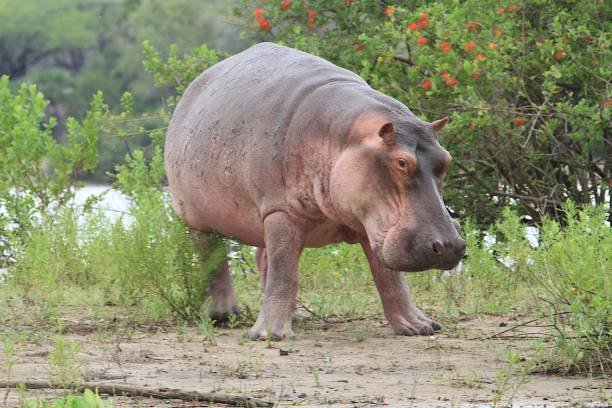
12-Day Southern Tanzania Grand Safari: An Unforgettable Adventure In 2026-2027
Discover the untamed beauty of Southern Tanzania on an epic 12-day safari. This journey explores the vast wilderness of Selous Game Reserve, the dramatic landscapes of Ruaha National Park...
View package details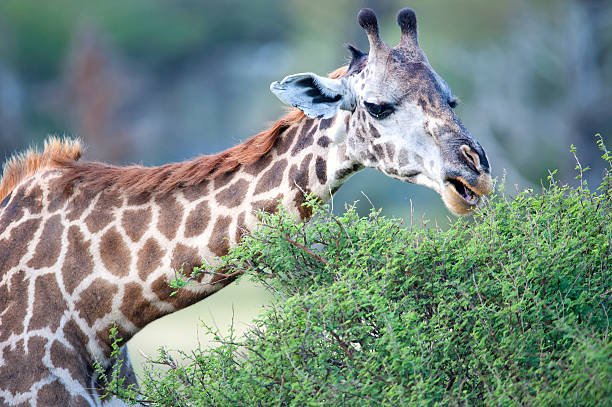
10-Day Southern Tanzania Safari And Beach Holiday 2026-2027
Discover the ultimate 10-day Southern Tanzania safari and beach holiday, blending the wild wonders of Selous and Ruaha with the serene shores of Zanzibar or Mafia Island. Perfect for...
View package details9-Day Nyerere Safari And Zanzibar Package: Ultimate Southern Tanzania
Discover the best of Tanzania's southern circuit with a 9-day Nyerere Safari and Zanzibar package. Experience thrilling game drives in Nyerere National Park, once known as Selous, followed...
View package details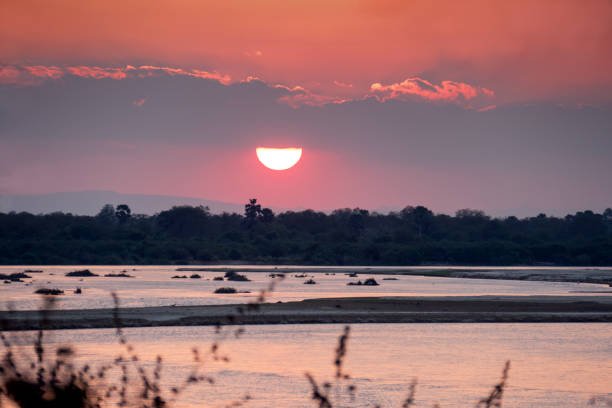
8-Day Southern Tanzania Luxury Safari: Selous & Ruaha 2026-2027
An 8-day luxury safari through Southern Tanzania's Selous Game Reserve and Ruaha National Park offers an unparalleled wildlife experience. This itinerary focuses on exclusive lodges...
View package details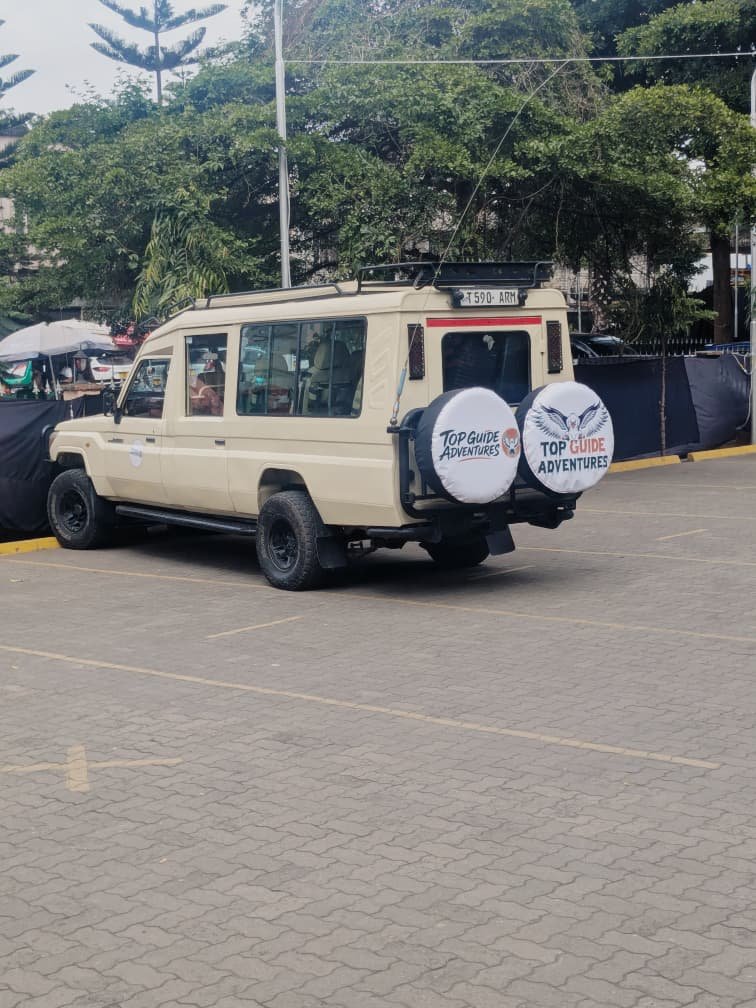
7-Day Mikumi, Udzungwa & Nyerere Safari: Your Ultimate Southern Tanzania
This 7-day itinerary covers Mikumi, Udzungwa, and Nyerere National Parks, offering a comprehensive Southern Tanzania safari experience. Explore diverse ecosystems, abundant wildlife, and...
View package details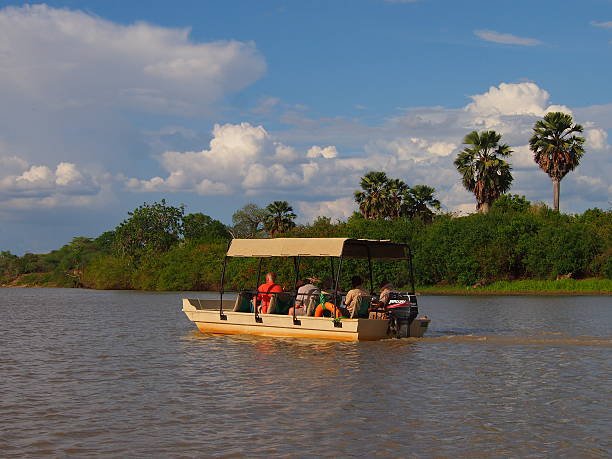
7-Day Southern Tanzania Safari: Ultimate Guide To Selous & Ruaha In 2026-2027
start an unforgettable 7-day Southern Tanzania safari adventure, exploring the vast wilderness of Selous Game Reserve and the untamed beauty of Ruaha National Park. This itinerary offers a...
View package details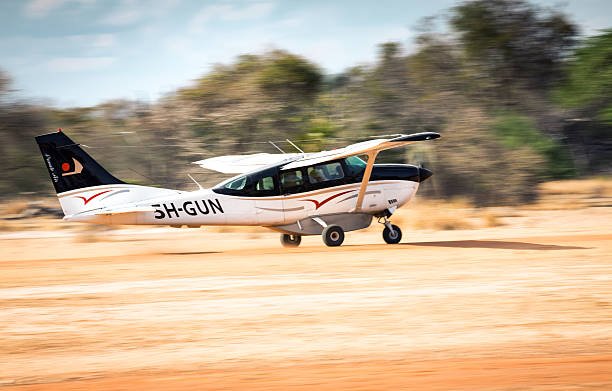
7-Day Selous And Ruaha: Southern Tanzania Safari Adventure 2026-2027
Explore the untamed wilderness of Southern Tanzania on an unforgettable 7-day safari combining the vast Selous Game Reserve and the dramatic Ruaha National Park. This itinerary offers a...
View package details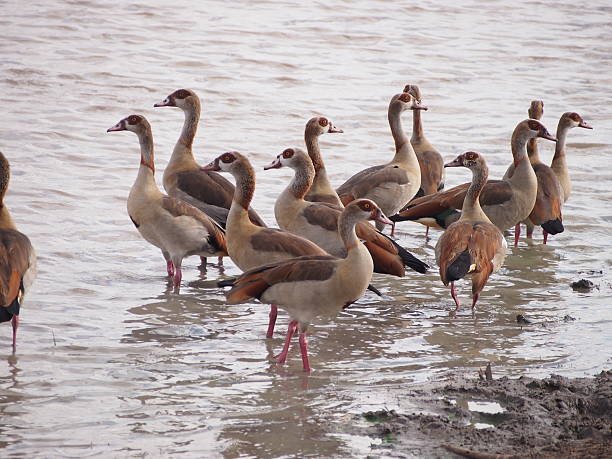
6-Day Southern Tanzania Wildlife Safari With Top Guide Adventures 2026-2027
Discover the wild heart of Tanzania on a 6-day Southern Tanzania wildlife safari. This itinerary highlights the unique ecosystems and abundant wildlife of Selous Game Reserve and Ruaha...
View package details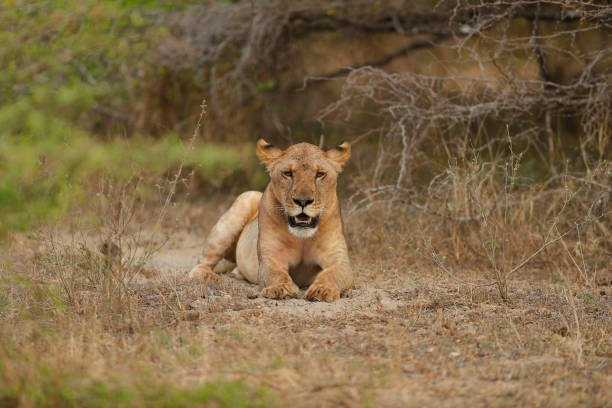
6-Day Selous, Mikumi & Udzungwa Safari: Southern Tanzanias Wildlife Trio
Discover the untamed beauty of Southern Tanzania on a 6-day safari adventure. This journey takes you through the vast Selous Game Reserve, the wildlife-rich Mikumi National Park, and the...
View package details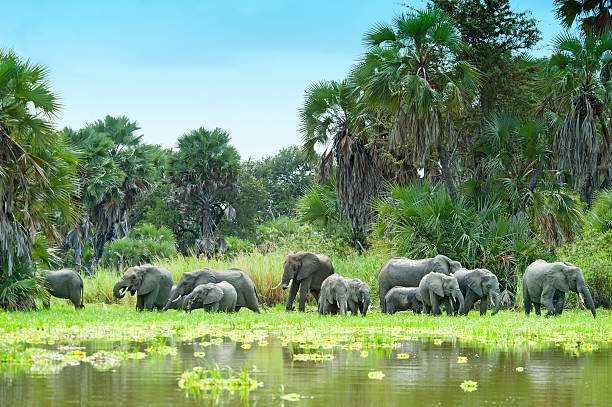
8-Day Luxury Southern Tanzania Fly-In Safari | Top Guide Adventures 2026-2027
Discover the wild heart of Tanzania on an exclusive 8-day luxury fly-in safari, focusing on the vast, untamed landscapes of Ruaha National Park and the mighty Rufiji River in Nyerere...
View package details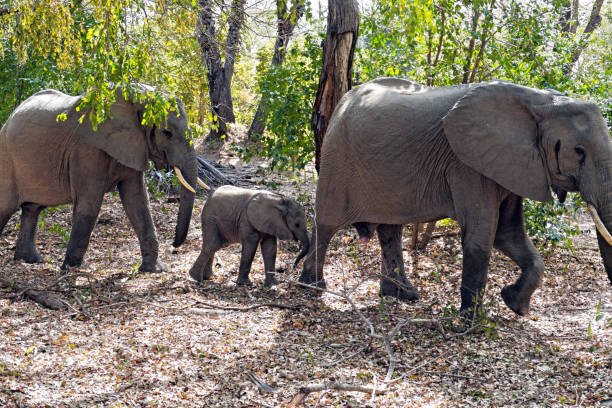
7-Day Selous, Mikumi & Ruaha Safari: Ultimate Tanzania Southern Circuit
Explore the untamed beauty of Tanzania's Southern Circuit with a 7-day safari adventure covering Selous Game Reserve, Mikumi National Park, and Ruaha National Park. This itinerary offers a...
View package details6-Day Nyerere, Mikumi, And Udzungwa Safari: Your Southern Tanzania Adventure
Explore the wild heart of Southern Tanzania on a 6-day safari adventure. This journey combines the vast wilderness of Nyerere National Park (formerly Selous), the abundant wildlife of...
View package detailsNo related package matches those filters. Clear one or more filters to see the other topic-matched options.
Plan your Southern Africa Overland Safari Routes with Top Guide Adventures
Tell us your travel dates, group size, comfort level, and dream experience. We will help you shape a clear, realistic, and memorable Tanzania itinerary.



