
Updated planning guide for 2026, 2027-2028
Solo Traveler Safari From Moshi: Best Guide 2026-2027-2028
Your ultimate guide to planning a solo safari adventure starting from Moshi, Tanzania. Learn about the best parks, itineraries, costs, and how to book your unforgettable trip.
WhatsApp +255616946642 | topguideadventures@gmail.com | info@topguideadventures.com
Solo Traveler Safari From Moshi: Your Ultimate Tanzania Adventure Guide
Moshi, a vibrant town nestled at the foot of Mount Kilimanjaro, serves as a popular gateway for adventurers heading to the Northern Circuit of Tanzania. For the solo traveler, embarking on a safari from Moshi offers an unparalleled opportunity to connect with nature, wildlife, and a sense of personal discovery. This guide is crafted to provide you with all the essential information needed to plan and execute a remarkable solo traveler safari from Moshi, covering everything from choosing destinations and crafting itineraries to understanding costs and ensuring safety. Whether you are a first-time safari-goer or an experienced explorer, this resource aims to equip you for an unforgettable journey in 2026 and 2027.
| Starting Point: Moshi, Tanzania |
| Primary Destinations: Kilimanjaro National Park (if combining with a trek), Arusha National Park, Tarangire National Park, Lake Manyara National Park, Serengeti National Park, Ngorongoro Conservation Area. |
| Typical Duration: 3 days to 14+ days |
| Best Time to Visit: June to October (dry season), December to March (short rains/calving season in Serengeti) |
| Accommodation Options: Budget campsites, mid-range lodges, luxury tented camps. |
| Activities: Game drives (4×4 vehicles), walking safaris (in designated areas), cultural visits, bird watching. |
| Key Considerations for Solo Travelers: Safety, cost-sharing for vehicles/guides, itinerary flexibility, accommodation choices. |
Why Choose Moshi as Your Safari Starting Point?
Moshi’s appeal as a safari starting point is multi-faceted. Firstly, its proximity to Kilimanjaro International Airport (JRO) makes it an accessible entry point for international travelers. Secondly, it is the hub for Kilimanjaro treks, meaning many travelers are already in Moshi before or after their climb. This offers a convenient transition from mountain adventures to wildlife exploration. Furthermore, Moshi is a lively town with a good infrastructure of tour operators, lodges, and amenities catering to international visitors. It provides a comfortable base to arrange your safari, acclimatize, and gather any last-minute supplies. The town itself offers cultural insights, with opportunities to visit local markets and communities, adding another layer to your Tanzanian experience beyond the game drives.
Understanding the Northern Circuit for Solo Explorers
The Northern Circuit is Tanzania’s most famous safari circuit, renowned for its high concentration of wildlife and diverse landscapes. For a solo traveler safari from Moshi, this circuit is the most logical and rewarding choice. It typically includes:
- Arusha National Park: Close to Moshi, this park offers stunning views of Kilimanjaro and Mount Meru, and is home to diverse wildlife including giraffes, zebras, buffaloes, and a variety of primates. It’s ideal for shorter game drives and walking safaris.
- Tarangire National Park: Famous for its large elephant herds and iconic baobab trees, Tarangire is particularly captivating during the dry season when animals congregate around the Tarangire River.
- Lake Manyara National Park: Known for its tree-climbing lions, vast alkaline lake teeming with flamingos, and dense woodland, it’s a compact park offering varied ecosystems.
- Ngorongoro Conservation Area: A UNESCO World Heritage Site, the Ngorongoro Crater is a natural amphitheater housing an incredible density of wildlife, including the Big Five. It’s a must-visit for any safari.
- Serengeti National Park: The crown jewel of Tanzanian safaris, the Serengeti is vast and famous for the Great Migration and its year-round abundance of predators and prey.
While it’s possible to venture further west to parks like Katavi or south to Selous, the Northern Circuit is the most practical and popular option for a solo traveler safari from Moshi due to logistical ease and the concentration of iconic wildlife viewing opportunities.
Best Time for Your Solo Safari from Moshi (2026-2027)
The timing of your safari can significantly impact your experience. Tanzania has distinct seasons, each offering different advantages:
| Season | Months | Pros | Cons |
|---|---|---|---|
| Dry Season | June – October | Excellent game viewing as animals gather at water sources. Easier road conditions. Pleasant temperatures. Ideal for Great Migration viewing in Serengeti. | Higher tourist numbers and prices. Less lush vegetation. |
| Short Rains | November | Fewer crowds, greener landscapes. | Intermittent rain showers can disrupt game drives. |
| Long Rains / Green Season | December – May | Lush landscapes, great for bird watching, calving season in Southern Serengeti (Jan-Mar). Lower prices and fewer tourists (except Christmas/New Year). | Rain can make roads difficult, some areas less accessible. Game viewing can be more dispersed. |
For a solo traveler safari from Moshi, the dry season (June to October) is generally recommended for optimal game viewing. However, the shoulder months or even the green season can offer a more intimate and budget-friendly experience, provided you are prepared for potential rain. Planning for 2026 or 2027 means you can choose based on your priorities: peak wildlife action, fewer crowds, or specific natural events like the calving season.
Crafting Your Solo Safari Itinerary from Moshi
As a solo traveler, flexibility is key, but a well-structured itinerary ensures you make the most of your time and budget. Tour operators can help tailor itineraries, but understanding the logic is crucial. A common approach is to focus on the Northern Circuit.
Sample Itinerary: 7-Day Northern Circuit Solo Safari from Moshi
- Day 1: Moshi to Tarangire National Park
Morning pick-up from your Moshi accommodation. Drive to Tarangire National Park. Full-day game drive, focusing on elephant herds and baobab trees. Overnight at a lodge or camp near Tarangire. - Day 2: Tarangire to Lake Manyara / Karatu
Morning game drive in Tarangire if time permits, or drive towards Lake Manyara. Afternoon game drive in Lake Manyara National Park, searching for tree-climbing lions and diverse birdlife. Overnight in Karatu, a town near Ngorongoro. - Day 3: Ngorongoro Crater Tour
Descend into the Ngorongoro Crater for an incredible game drive. This unique ecosystem hosts a high density of wildlife. Enjoy a picnic lunch on the crater floor. Ascend in the late afternoon. Overnight in Karatu. - Day 4: Karatu to Serengeti National Park
Drive to the Serengeti, stopping at Olduvai Gorge (optional). Begin your game drive as you enter the Serengeti, renowned for its vast plains and abundant predators. Overnight at a lodge or camp in the central Serengeti. - Day 5: Serengeti National Park
Full day of game drives in the Serengeti. Depending on the time of year, your guide will position you to witness the Great Migration or focus on resident wildlife. Explore different regions of the park. Overnight in the Serengeti. - Day 6: Serengeti to Arusha/Moshi
Morning game drive in the Serengeti. Afterwards, drive back towards Arusha or Moshi. This is a long travel day, often with a packed lunch. Overnight in Arusha or Moshi. - Day 7: Departure or Optional Activities
Depending on your flight schedule, you can relax, do some souvenir shopping in Moshi, or arrange a day trip to Arusha National Park. Transfer to Kilimanjaro International Airport (JRO) for your departure.
This is a template. As a solo traveler, you might opt for shorter trips (e.g., 3-4 days focusing on Tarangire, Manyara, and Ngorongoro) or extend your stay in the Serengeti for deeper exploration. Discuss your interests with your tour operator to customize this.
Route Overview (Text-Based Map)
Moshi/Arusha Area -> Tarangire National Park -> Lake Manyara National Park -> Karatu (for Ngorongoro) -> Ngorongoro Crater -> Serengeti National Park -> Back to Arusha/Moshi
This route forms a loop, maximizing wildlife viewing opportunities within a concentrated area of the Northern Circuit.
Solo Traveler Considerations: Cost and Accommodation
One of the primary challenges for solo travelers on safari is the cost of a private vehicle and guide, which is typically shared among a group. For a solo traveler safari from Moshi, you have a few options:
- Join a Group Safari: Many tour operators offer scheduled group departures. This is the most budget-friendly option for solo travelers as costs for the vehicle, guide, and park fees are shared among participants. You’ll have company and a pre-set itinerary.
- Private Safari with Cost Sharing: You can book a private safari and ask the tour operator if they can pair you with other solo travelers who have similar dates and interests. This can significantly reduce your individual cost compared to a fully private trip.
- Fully Private Safari: This offers the most flexibility and personalized experience but is the most expensive. You have the vehicle and guide entirely to yourself. This might be preferable for those who value solitude and complete control over their schedule.
Accommodation Tiers:
- Budget: Camping safaris are the most economical. You’ll stay in public campsites with basic facilities and often sleep in tents. Meals are prepared by a camp cook. This is a fantastic way to meet other travelers.
- Mid-Range: Lodges and tented camps offer comfortable rooms with en-suite bathrooms, often with swimming pools and restaurants. This provides a good balance of comfort and value.
- Luxury: High-end lodges and exclusive tented camps offer exceptional service, gourmet dining, private verandas, and prime locations.
When planning your solo traveler safari from Moshi for 2026 or 2027, clearly communicate your budget and accommodation preferences to your chosen tour operator. They can advise on the best way to structure your trip to meet your needs.
What to Expect on Your Solo Safari
A solo traveler safari from Moshi is an immersive experience. Here’s a breakdown of what to expect:
- Early Mornings: Safaris typically start early, around sunrise, to catch animals when they are most active and to make the most of daylight hours.
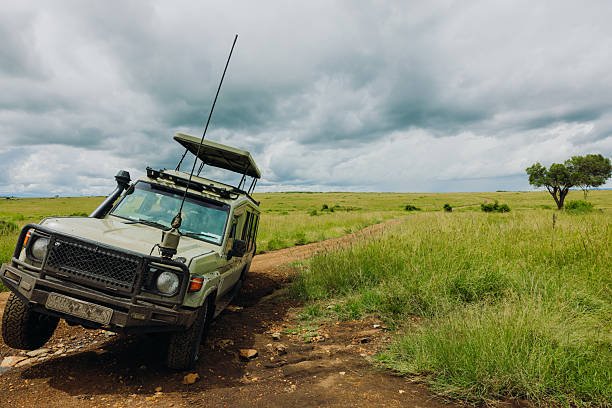
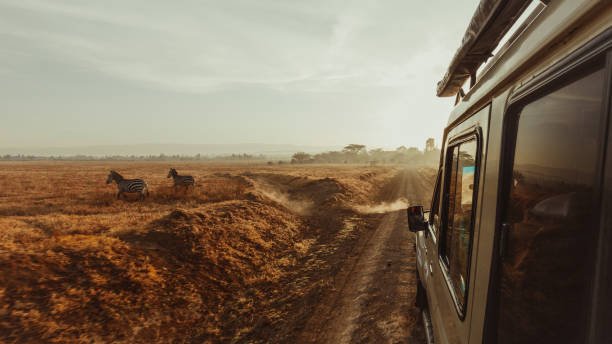
- Game Drives: You’ll spend significant time in a 4×4 safari vehicle with a pop-up roof. Your experienced guide will drive, scan for wildlife, and explain animal behavior and the ecosystem.
- Wildlife Encounters: Be prepared for incredible sightings. Patience is rewarded. Your guide’s expertise is crucial in finding animals.
- Meals: Meals are usually provided by the lodge or camp. On full-day game drives, a packed lunch is common. If camping, a cook will prepare meals.
- Evenings: After a day of game drives, you’ll return to your accommodation for dinner and relaxation. Stargazing in Tanzania is often spectacular.
- Interaction: If you join a group, you’ll share experiences with fellow travelers. Even on a private safari, your guide will be your primary companion, offering insights and ensuring your safety.
Packing Essentials for Your Solo Safari
Packing smart is crucial for a comfortable solo traveler safari from Moshi. Less is often more, especially when dealing with safari vehicles and luggage restrictions.
- Clothing:
- Neutral-colored clothing (khaki, beige, olive green) – avoid bright colors and dark blue/black (can attract tsetse flies).
- Lightweight, breathable long-sleeved shirts and trousers (for sun and insect protection).
- T-shirts and shorts for warmer afternoons.
- A warm fleece or jacket for cool mornings and evenings.
- Rain jacket or poncho (especially during shoulder/rainy seasons).
- Comfortable walking shoes or hiking boots (if planning any walking safaris or hikes).
- Sandals or flip-flops for relaxing at camp/lodge.
- Swimsuit (many lodges have pools).
- Accessories:
- Wide-brimmed hat or cap for sun protection.
- Sunglasses.
- Scarf or bandana (useful for dust and sun).
- Binoculars (essential for wildlife viewing).
- Camera with extra batteries and memory cards. Consider a telephoto lens.
- Power bank and universal travel adapter.
- Headlamp or flashlight.
- Reusable water bottle.
- Health & Personal Items:
- Insect repellent (with DEET).
- Sunscreen (high SPF).
- Personal first-aid kit (band-aids, antiseptic wipes, pain relievers, any personal medications).
- Hand sanitizer.
- Toiletries (biodegradable options are preferred).
- Copies of important documents (passport, visa, insurance).
- Small backpack for daily essentials.
Important Note: Most safari vehicles have limited luggage space. Soft duffel bags are generally preferred over hard suitcases. Check with your tour operator for specific luggage restrictions.
Safety for Solo Travelers on Safari
Safety is paramount for any traveler, especially when going solo. Tanzania is generally safe for tourists, but standard precautions apply. For a solo traveler safari from Moshi:
- Trust Your Guide: Your safari guide is highly experienced and trained to handle various situations. Always follow their instructions regarding wildlife and park rules.
- Wildlife Safety: Never approach or feed wild animals. Stay inside the vehicle during game drives unless instructed otherwise by your guide. Keep a safe distance.
- Accommodation Safety: When at camps or lodges, be aware of your surroundings. Secure your belongings. If camping, ensure your tent is zipped up.
- Health Precautions: Consult your doctor about necessary vaccinations and malaria prophylaxis before your trip. Drink bottled or purified water.
- Valuables: Avoid displaying expensive jewelry or electronics unnecessarily. Keep cash and important documents secure.
- Communication: Inform someone back home about your itinerary and check in regularly if possible. Your tour operator will be your main point of contact in Tanzania.
Common Mistakes to Avoid
To ensure a smooth solo traveler safari from Moshi, be aware of these common pitfalls:
- Underestimating Travel Times: Distances in Tanzania can be large, and road conditions can be slow. Factor in ample travel time between parks.
- Not Booking in Advance: Especially for peak season (June-October) and for popular lodges or group departures in 2026-2027, book well in advance.
- Ignoring Luggage Restrictions: Soft bags and weight limits are standard.
- Overpacking: You can usually purchase essentials like sunscreen or basic toiletries at lodges, though they may be more expensive.
- Expecting Constant Action: Wildlife viewing involves patience. There will be quiet moments between exciting sightings.
- Not Communicating Needs: As a solo traveler, be clear with your tour operator about your interests, budget, and comfort levels.
- Forgetting Binoculars: They are essential for spotting distant animals and birds.
Who is a Solo Traveler Safari from Moshi Best For?
This type of safari is ideal for:
- Independent Adventurers: Those who enjoy exploring on their own terms but appreciate the safety and expertise of a guide and vehicle.
- Wildlife Enthusiasts: Anyone with a passion for animals and nature who wants an up-close experience.
- Photographers: The opportunities for stunning wildlife photography are immense.
- Travelers Seeking Personal Growth: A solo safari can be a deeply rewarding personal journey.
- Budget-Conscious Travelers: By joining group tours or actively seeking cost-sharing opportunities, it can be more affordable than a private safari for a couple or family.
- Post-Kilimanjaro Trekkers: A natural extension after a successful climb.
Alternatives to a Classic Northern Circuit Safari
While the Northern Circuit is the most popular, other options exist for solo travelers starting from Moshi:
- Day Trips from Moshi: If time is limited, consider day trips to Arusha National Park for a taste of the wilderness.
- Kili-Tanzania Combination: Combine a Kilimanjaro trek with a shorter safari (e.g., 3-4 days) to the parks closest to Moshi.
- Southern Tanzania (Less Common from Moshi): Parks like Selous Game Reserve and Ruaha National Park offer a wilder, less crowded experience but are logistically challenging and more expensive to reach from Moshi. They are better accessed via Dar es Salaam or internal flights.
For most solo travelers aiming for iconic wildlife viewing and efficient logistics from Moshi, the Northern Circuit remains the top choice.
Planning Your 2026-2027 Solo Safari: Key Steps
Proactive planning is essential for a successful solo traveler safari from Moshi, especially when looking ahead to 2026 and 2027. Here’s a step-by-step approach:
- Define Your Interests and Budget: What wildlife are you most eager to see? What level of comfort do you expect? What is your overall budget? This will guide your choices of parks, accommodation, and tour type (group vs. private).
- Research Tour Operators: Look for reputable tour operators based in Tanzania or with strong local partnerships. Read reviews, check their safety records, and inquire about their experience with solo travelers.
- Contact Operators for Quotes: Reach out to several operators with your desired dates, itinerary ideas, and budget. Clearly state you are a solo traveler and inquire about group departures or cost-sharing options.
- Discuss Itinerary Customization: Work with the operator to fine-tune your itinerary. Consider the pace – do you prefer more time in fewer parks or a broader overview?
- Book Flights: Book your international flights to Kilimanjaro International Airport (JRO).
- Visa and Vaccinations: Ensure your passport is valid for at least six months beyond your stay. Apply for your Tanzanian visa in advance or upon arrival (check current requirements). Consult your doctor about necessary vaccinations (e.g., Yellow Fever, Hepatitis A, Typhoid) and malaria prevention.
- Travel Insurance: Comprehensive travel insurance is non-negotiable. Ensure it covers medical emergencies, evacuation, trip cancellation, and lost/stolen belongings.
- Finalize and Pay: Once you’ve chosen an operator and itinerary, review the contract carefully. Pay the deposit and understand the payment schedule.
- Prepare Your Packing List: Use the checklist provided earlier and start gathering your gear.
- Pre-Trip Information: Your tour operator will provide pre-departure information. Read it thoroughly.
Booking Your Solo Traveler Safari from Moshi
Choosing the right tour operator is critical for a solo traveler safari from Moshi. Look for companies that:
- Have a strong online presence with transparent pricing and itineraries.
- Specialize in Tanzania and the Northern Circuit.
- Are responsive to your inquiries and willing to customize tours.
- Have positive reviews regarding customer service, guide quality, and safety.
- Are transparent about what is included and excluded in their packages.
When contacting operators:
- Be specific about your travel dates (e.g., for 2026 or 2027).
- State clearly that you are a solo traveler and ask about options to reduce costs (group tours, sharing vehicles).
- Inquire about the type of vehicle (4×4 Land Cruiser is standard), guide experience, and accommodation standards.
- Ask for a detailed breakdown of costs, including park fees, vehicle/guide fees, accommodation, and meals.
Top Guide Adventures is a reputable Tanzanian-based tour operator with extensive experience in crafting custom safaris, including for solo travelers. They understand the nuances of organizing trips from Moshi and can offer competitive pricing for group tours or help match solo travelers. You can reach them via:
- WhatsApp: +255616946642
- Email: topguideadventures@gmail.com
- Backup Email: info@topguideadventures.com
Frequently Asked Questions (FAQs) for Solo Safari Travelers from Moshi
Q1: Is it safe for a solo traveler to go on a safari from Moshi?
Yes, it is generally safe. Tanzania is a popular tourist destination, and reputable tour operators prioritize client safety. Following your guide’s instructions and taking standard travel precautions are key. For 2026-2027 planning, ensure your operator has a strong safety record.
Q2: How can I make a solo safari more affordable?
The most effective way is to join a scheduled group safari. Alternatively, inquire with tour operators about options to share a private vehicle with other solo travelers. Camping safaris are also significantly cheaper than lodge-based ones.
Q3: What is the best way to find other solo travelers to share costs with?
Communicate this preference to your tour operator. They often have a network or can connect you with other like-minded individuals planning trips around the same time. Online travel forums can also be a resource, but exercise caution when arranging meetups.
Q4: Do I need a visa for Tanzania?
Yes, most nationalities require a visa for Tanzania. You can typically apply online in advance or obtain one on arrival at Kilimanjaro International Airport (JRO). Check the latest visa requirements for your nationality well before your 2026-2027 trip.
Q5: What vaccinations are recommended?
Consult your doctor or a travel clinic at least 4-6 weeks before your trip. Common recommendations include Yellow Fever (may be required depending on your entry/exit points), Hepatitis A, Typhoid, and malaria prophylaxis. Yellow Fever vaccination certificates are often checked at entry points.
Q6: Can I do a safari and Kilimanjaro trek from Moshi?
Absolutely. Moshi is the primary base for Kilimanjaro treks. Many travelers combine a trek with a safari. You can arrange this as a single package with a tour operator, often allowing for a discount and seamless logistics.
Q7: What kind of vehicle will I use for a solo safari from Moshi?
Typically, you will use a custom-built 4×4 safari vehicle, usually a Land Cruiser, equipped with a pop-up roof for optimal game viewing and photography. For solo travelers, you might share this vehicle with a group or have it exclusively if booking a private tour.
Q8: How much luggage can I bring?
Safari vehicles have limited luggage space. Most operators prefer soft duffel bags (around 15-20 kg) rather than hard suitcases. Always confirm the exact luggage allowance with your tour operator before packing.
Q9: What is the Great Migration and when can I see it?
The Great Migration is the annual movement of millions of wildebeest, zebras, and other herbivores across the Serengeti ecosystem in search of greener pastures. The best time to witness specific events like river crossings is typically from July to October in the Western Corridor of the Serengeti, while the calving season in the southern Serengeti occurs from January to March.
Q10: How much should I tip my guide and driver?
Tipping is customary. A general guideline for a solo traveler is $20-30 USD per day for the guide/driver, but this can vary. Your tour operator can provide specific recommendations based on the quality of service and duration of your safari in 2026 or 2027.
Ready for Your Solo Adventure?
A solo traveler safari from Moshi is more than just a vacation; it’s an opportunity for introspection, connection with the wild, and the creation of lasting memories. Tanzania’s Northern Circuit offers some of the most spectacular wildlife viewing on the planet, and starting from Moshi provides a convenient and culturally rich beginning to your adventure. By planning carefully, understanding your options, and choosing a trusted partner, you can ensure your solo safari is everything you dreamed of and more. We are here to help you craft that perfect journey.
Contact us today to start planning your unique solo traveler safari from Moshi. Let us help you design an itinerary that fits your interests, budget, and travel style for 2026 or 2027.
WhatsApp: +255616946642
Email: topguideadventures@gmail.com
Backup Email: info@topguideadventures.com
Solo Travel To Tanzania: Can I Join A Safari Group? 2026-2027
Planning a solo safari adventure in Tanzania? Discover how you can join an existing group tour, making your journey more affordable and social. Top Guide Adventures provides excellent...
View package details
5-Day Southern Tanzania Group Joining Safari: Your Ultimate Adventure
Discover the wild heart of Southern Tanzania on a 5-day group joining safari. This adventure offers incredible wildlife viewing in Selous Game Reserve and Ruaha National Park, perfect for...
View package details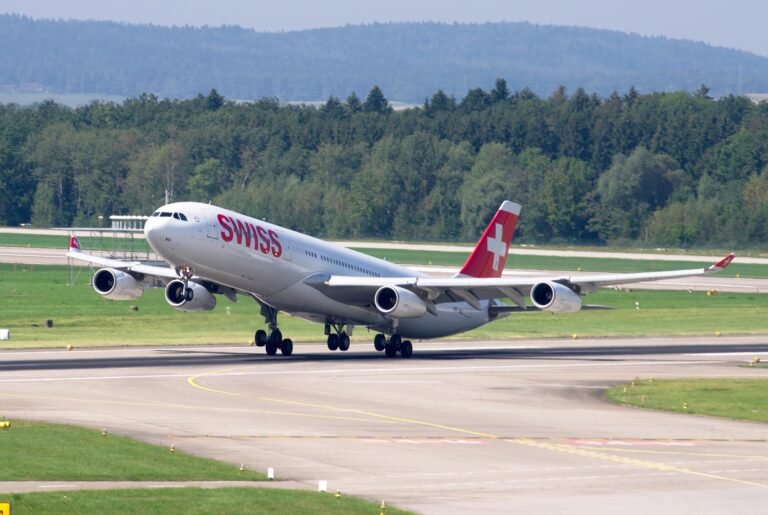
Which Tanzania Safari Gives The Best Value For Money? 2026-2027
Which Tanzania safari gives the best value for money? is explained with current 2026-2027 planning, price, itinerary and booking information.
View package details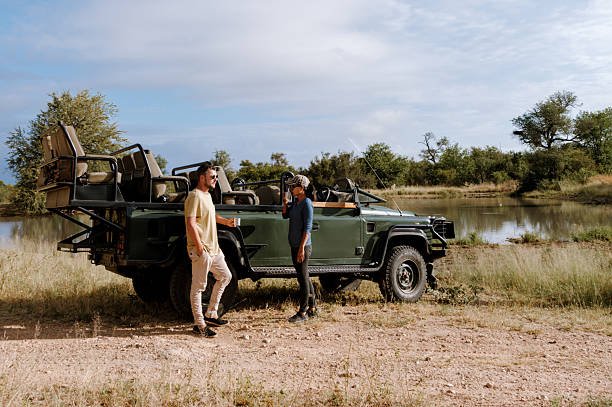
How To Avoid Safari Scams In Tanzania: A Top Guide Adventures Expert 2026-2027
Navigating a safari in Tanzania is a dream for many, but a few precautions can ensure your adventure is scam-free. This guide from Top Guide Adventures provides essential advice for...
View package details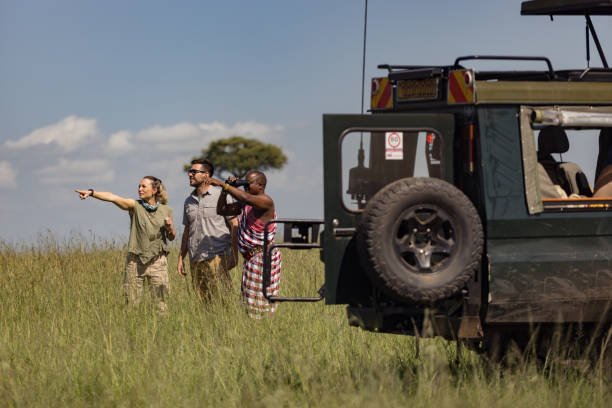
Which Local Tanzania Safari Companies Are Trustworthy In ? 2026-2027
Choosing a trustworthy local Tanzania safari company is crucial for a memorable and safe adventure. This guide helps you identify reliable operators for your 2026-2027 trip, covering...
View package detailsHow Far In Advance Should You Book A Tanzania Safari? Your Planning Guide
Securing your dream Tanzania safari requires strategic planning. This comprehensive guide details the optimal booking timeline for 2026-2027, considering peak seasons, lodge availability...
View package detailsHow Much Should I Tip My Safari Guide In Tanzania? Your 2026-2027
Understand the tipping culture for safari guides and staff in Tanzania. This guide provides clear, actionable recommendations for tipping your safari crew in 2026-2027, covering guides...
View package detailsPrivate Safari Vs Group Tanzania — Which Is Better? 2026-2027
Private safari vs group safari Tanzania — which is better? is explained with current 2026-2027 planning, price, itinerary and booking information.
View package details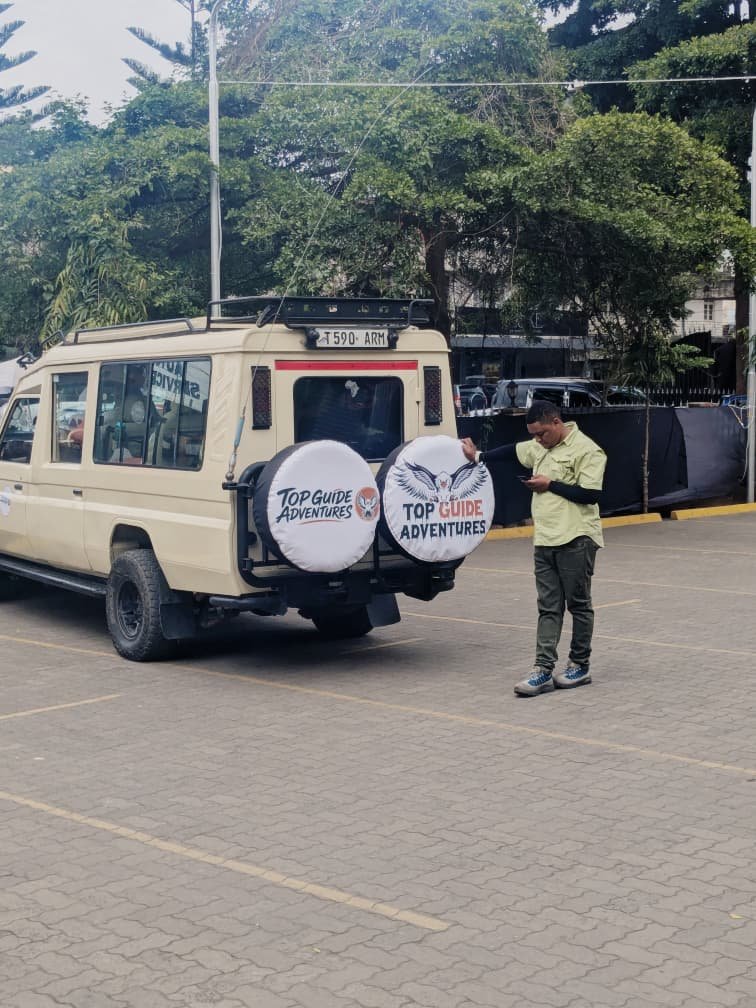
Is A Group Joining Safari In Tanzania Worth It? 2026-2027
Is a group joining safari in Tanzania worth it? is explained with current 2026-2027 planning, price, itinerary and booking information.
View package details
Serengeti And Ngorongoro Safari Without Luxury: Your Options For 2026-2027
Discover how to experience the wonders of the Serengeti and Ngorongoro Crater on a safari that prioritizes incredible wildlife viewing and authentic experiences over luxury accommodations...
View package details
Tanzania Safari For Great Migration: Which Tour To Book In 2026-2027
Planning to witness the Great Migration in Tanzania? This guide helps you choose the perfect safari for 2026-2027, detailing the best parks, timing, and tour options for an unforgettable...
View package details
Three Days For Safari In Tanzania: Where To Go An Unforgettable Experience
If you have just three days for a safari in Tanzania, the most recommended destinations for a concentrated and rewarding wildlife experience are the Ngorongoro Conservation Area and...
View package detailsNo related package matches those filters. Clear one or more filters to see the other topic-matched options.
Plan your Solo Traveler Safari From Moshi with Top Guide Adventures
Tell us your travel dates, group size, comfort level, and dream experience. We will help you shape a clear, realistic, and memorable Tanzania itinerary.



