
Updated planning guide for 2026, 2027-2028
Scenic July Kilimanjaro Machame Trek: Expert Trekking Guide 2026-2027-2028
Your comprehensive guide to undertaking a scenic July Kilimanjaro Machame Trek. Learn everything from preparation and packing to itinerary details and booking considerations for your 2026-2027 adventure.
WhatsApp +255616946642 | topguideadventures@gmail.com | info@topguideadventures.com
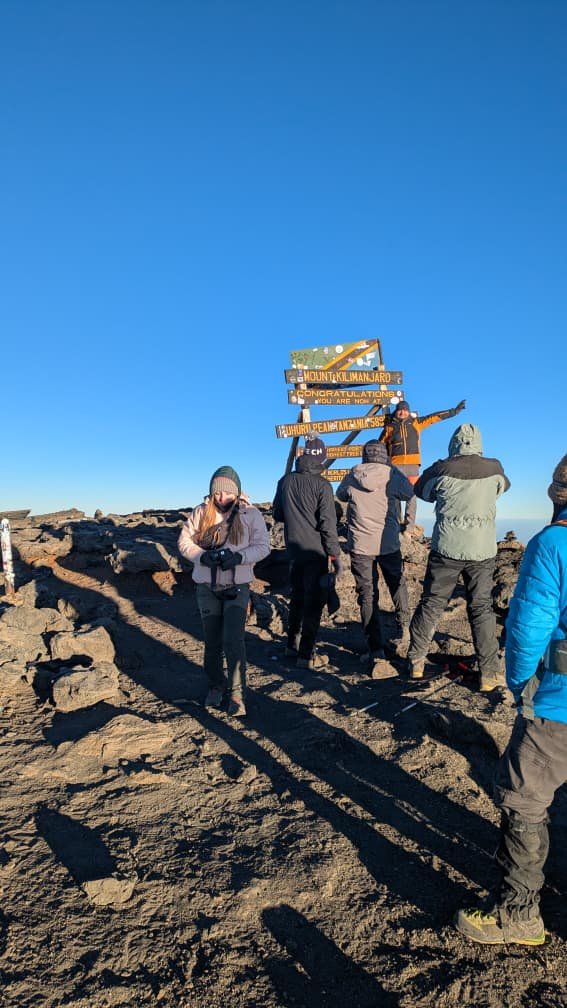

Scenic July Kilimanjaro Machame Trek: The Ultimate Planning Guide
Climbing Kilimanjaro is a dream for many, and undertaking the Machame route in July offers a particularly rewarding experience. Known for its scenic beauty and excellent acclimatization profile, the Machame route, often called the ‘Whiskey Route,’ is popular for good reason. July falls within Kilimanjaro’s dry season, presenting clear skies, cooler temperatures, and less rainfall, ideal conditions for a successful summit attempt. This guide provides an in-depth look at planning a scenic July Kilimanjaro Machame Trek, covering everything from choosing your dates to what to expect on the mountain.
Introduction to the Machame Route in July
The Machame Route is one of the most popular trekking paths up Kilimanjaro, celebrated for its stunning scenery and effective acclimatization profile. It approaches Kilimanjaro from the south and traverses the southern and western sides of the mountain, offering diverse landscapes from rainforest to alpine desert and arctic summit zones. July marks the heart of Kilimanjaro’s dry season, characterized by cool, crisp air and generally clear skies. This combination makes a scenic July Kilimanjaro Machame Trek an attractive option for trekkers aiming for a comfortable and visually rich ascent. Expect daytime temperatures to be cool to mild, with nights becoming significantly colder, especially at higher altitudes. The paths are typically well-maintained, and the route’s popularity means you’ll encounter fellow trekkers, adding a sense of camaraderie to the journey.
| Feature | Details |
|---|---|
| Route Name | Machame Route (Whiskey Route) |
| Starting Point | Machame Gate (1,640m / 5,380ft) |
| Summit Elevation | Uhuru Peak (5,895m / 19,341ft) |
| Typical Duration | 6 to 7 days (7 days recommended for better acclimatization) |
| Scenery | Rainforest, moorland, alpine desert, arctic summit |
| Acclimatization Profile | Good, especially on the 7-day itinerary (Kicking Horse/High Camp) |
| Difficulty | Moderate to Difficult (due to altitude and summit night) |
| Best Time to Trek | January-March, June-October (July is excellent) |
| Crowds in July | Moderate to High |
| Success Rate | High with proper preparation and acclimatization (especially 7-day) |
Why Choose July for Your Machame Trek?
July is part of Kilimanjaro’s extended dry season, which runs from June to October. This period is highly favored by trekkers for several compelling reasons, making a scenic July Kilimanjaro Machame Trek a prime choice for many adventurers:
- Clear Skies and Views: July typically offers excellent visibility. You can expect crisp, clear mornings and evenings, providing breathtaking panoramic views of the surrounding landscape and the vast plains of Africa below. This is crucial for appreciating the dramatic scenery the Machame route is known for.
- Reduced Rainfall: While rain is possible at any time on Kilimanjaro, July experiences significantly less precipitation compared to the wet seasons. This means fewer muddy trails, more comfortable trekking conditions, and a reduced chance of being caught in heavy downpours, particularly in the lower rainforest sections.
- Cooler Temperatures: The dry season brings cooler, more pleasant daytime temperatures. While the summit night will still be very cold, the cooler daytime temperatures can make the trekking days more manageable and less physically taxing than during hotter periods.
- Lower Humidity: The air is generally drier in July, which can make breathing at altitude feel slightly easier for some trekkers.
- Optimal Acclimatization Conditions: The stable weather patterns allow for more consistent trekking, which is vital for effective acclimatization. Being able to move at a steady pace without battling adverse weather conditions aids the body’s adaptation to altitude.
While July is a popular month, meaning you will likely encounter other trekkers, the Machame route is long enough and spread out across multiple campsites that it rarely feels overwhelmingly crowded. The benefits of stable weather and clear views often outweigh the presence of more people on the mountain.
Machame Route Overview
The Machame Route is one of Kilimanjaro’s most scenic and challenging treks, known for its ‘climb high, sleep low’ acclimatization strategy. It starts in the lush rainforest and gradually ascends through diverse ecological zones, culminating in the arctic summit. The route is characterized by its dramatic landscapes, including rolling hills, deep valleys, and the imposing Kibo massif. It approaches Kilimanjaro from the west and then circles around to the south, offering varied perspectives of the mountain.
Machame Route Path Illustration
This is a simplified representation of the Machame route’s progression.
- Gate to First Camp: Machame Gate (1,640m) to Machame Camp (3,050m) – Through dense rainforest.
- First Camp to Second Camp: Machame Camp (3,050m) to Shira 2 Camp (3,850m) – Ascending through moorland, crossing rivers.
- Second Camp to Third Camp: Shira 2 Camp (3,850m) to Barranco Camp (3,950m) – Crossing the Shira Plateau, with significant altitude gain and then a descent.
- Third Camp to Fourth Camp: Barranco Camp (3,950m) to Karanga Camp (4,035m) – Ascending the famous Barranco Wall.
- Fourth Camp to Fifth Camp: Karanga Camp (4,035m) to Barafu Camp (4,640m) – Continues through alpine desert, a strenuous day.
- Fifth Camp to Summit and Descent: Barafu Camp (4,640m) to Uhuru Peak (5,895m) and down to Mweka Camp (3,100m) – The summit push begins around midnight.
- Descent to Exit: Mweka Camp (3,100m) to Mweka Gate (1,640m) – Through rainforest.
Sample 7-Day Machame Route Itinerary
A 7-day itinerary is highly recommended for the Machame Route, as it allows for better acclimatization, increasing your chances of reaching the summit and enjoying the trek. A 6-day option is faster but significantly increases the risk of altitude sickness due to less time for the body to adjust.
| Day | Start Point | End Point | Elevation (m/ft) | Approx. Trekking Time | Distance (km/miles) | Key Features |
|---|---|---|---|---|---|---|
| Day 1 | Machame Gate (1,640m / 5,380ft) | Machame Camp (3,050m / 10,007ft) | +1,410m / +4,627ft | 5-6 hours | 11 km / 6.8 miles | Rainforest trek, scenic views begin. |
| Day 2 | Machame Camp (3,050m / 10,007ft) | Shira 2 Camp (3,850m / 12,631ft) | +800m / +2,624ft | 4-5 hours | 5 km / 3.1 miles | Ascend into moorland, open vistas. |
| Day 3 | Shira 2 Camp (3,850m / 12,631ft) | Barranco Camp (3,950m / 12,960ft) | +100m / +329ft (Net gain, involves descent) | 5-7 hours | 10 km / 6.2 miles | Cross Shira Plateau, ‘climb high, sleep low’ practice. |
| Day 4 | Barranco Camp (3,950m / 12,960ft) | Karanga Camp (4,035m / 13,238ft) | +85m / +278ft (Net gain, involves significant climbing) | 3-5 hours | 5 km / 3.1 miles | Conquer the Barranco Wall, stunning views. |
| Day 5 | Karanga Camp (4,035m / 13,238ft) | Barafu Camp (4,640m / 15,223ft) | +605m / +1,985ft | 3-5 hours | 4 km / 2.5 miles | Alpine desert landscape, prepare for summit night. |
| Day 6 | Barafu Camp (4,640m / 15,223ft) | Uhuru Peak (5,895m / 19,341ft) then Mweka Camp (3,100m / 10,170ft) | +1,255m / +4,117ft (to summit), -2,795m / -9,171ft (to Mweka) | 7-8 hours (to summit), 4-5 hours (to Mweka) | 5 km / 3.1 miles (to summit), 12 km / 7.5 miles (to Mweka) | Summit push before dawn, Stella Point, Uhuru Peak, descent to Mweka. |
| Day 7 | Mweka Camp (3,100m / 10,170ft) | Mweka Gate (1,640m / 5,380ft) | -1,460m / -4,790ft | 3-4 hours | 10 km / 6.2 miles | Final descent through rainforest, celebration. |
What to Expect on the Mountain
Trekking Kilimanjaro, especially the Machame route in July, is an unforgettable adventure that tests your physical and mental limits while rewarding you with unparalleled scenery and a profound sense of accomplishment. Here’s a breakdown of what you can anticipate:
Daily Trekking Life
- Morning Routine: Days typically begin early, often before sunrise. You’ll wake up in your tent, have breakfast, and pack your daypack. Your porters will handle the breakdown of the main tents and carry them to the next campsite.
- Pace: The pace is deliberately slow and steady, often described as ‘pole pole’ (slowly, slowly). This is crucial for acclimatization. You’ll walk in a single file line, led by your guides.
- Scenery: The Machame route is renowned for its diverse and dramatic landscapes. You’ll pass through lush rainforests teeming with wildlife, ascend into open moorlands with giant heathers and senecios, cross vast alpine deserts, and finally, reach the barren, rocky, and icy arctic zone near the summit. July’s clear skies enhance these views significantly.
- Campsites: You will sleep in tented camps set up by your crew. Campsites are usually located in sheltered spots with basic facilities like pit latrines. The atmosphere at camp is communal, with trekkers and guides sharing meals and stories.
- Meals: Your dedicated cook and kitchen crew will prepare nutritious and hearty meals. Expect a variety of dishes, from porridge and eggs for breakfast to soups, rice, pasta, chicken, and vegetables for lunch and dinner. Snacks and hot drinks are also provided throughout the day.
- Guides and Porters: You will be accompanied by a team of experienced guides, a cook, and a group of strong porters who carry your main luggage, tents, and food. They are essential to your safety and comfort.
- Weather: While July is in the dry season, you should still be prepared for varied conditions. Days can be sunny and cool, but rain showers, wind, and fog are possible, especially at higher altitudes. Nights are cold, dropping well below freezing point.
Summit Night
Summit night is the most challenging part of the trek. It begins around midnight from Barafu Camp. You’ll trek in the dark, often in single file, using headlamps. The ascent is steep and slow, with frequent breaks for water and rest. Temperatures will be extremely cold, often -10°C to -20°C (14°F to -4°F) or colder with wind chill. Reaching Stella Point at the crater rim is a significant achievement, but the final push to Uhuru Peak, the highest point, is still ahead. The sunrise from the summit is a breathtaking reward.
Acclimatization Strategy on Machame
Effective acclimatization is the single most critical factor for a successful Kilimanjaro climb. The Machame Route, particularly the 7-day version, is designed with this in mind. The principle of ‘climb high, sleep low’ is actively employed, meaning you ascend to higher altitudes during the day but descend to lower elevations to sleep, allowing your body more time to adapt to the reduced oxygen levels.
- Gradual Ascent: The Machame route’s daily elevation gains are generally moderate, especially in the first few days. This allows your body to adjust incrementally.
- ‘Climb High, Sleep Low’: Day 3 is a prime example. You ascend to Shira 2 Camp (3,850m) and then the next day trek to Barranco Camp (3,950m) but the route involves descending to lower altitudes before climbing again. This helps your body get used to higher elevations without the constant stress of sleeping at the peak altitude reached that day.
- Hydration: Drinking plenty of fluids (3-4 liters per day) is vital. Water helps your body function better at altitude and can alleviate some symptoms of altitude sickness.
- Pacing: The ‘pole pole’ pace is not just for comfort; it’s essential for acclimatization. Moving slowly conserves energy and allows your body to utilize oxygen more efficiently.
- Avoiding AMS: Acute Mountain Sickness (AMS) is a serious concern. Symptoms include headache, nausea, dizziness, and fatigue. Your guides are trained to monitor you for these symptoms and will make decisions regarding your ascent based on your condition. Do not ignore symptoms; communicate them to your guide immediately.
- Summit Night Strategy: The summit push is slow and steady, with short breaks. This is crucial to conserve energy and manage oxygen intake on the final, most challenging ascent.
Choosing the 7-day Machame itinerary significantly improves your acclimatization compared to the 6-day version, leading to a higher success rate and a more enjoyable experience. For a scenic July Kilimanjaro Machame Trek, prioritizing acclimatization is key.
Typical Inclusions and Exclusions
When booking your Kilimanjaro trek, understanding what is included and excluded in the package price is crucial. Tour operators vary in their offerings, so always check the specifics of your chosen tour. Here’s a general guide:
| Included | Typically Excluded |
|---|---|
| Park Entrance Fees (Kilimanjaro National Park fees) | Tips for guides, cooks, and porters |
| Camping Fees | Personal travel insurance (mandatory) |
| All meals on the mountain (breakfast, lunch, dinner, snacks) | Personal climbing gear (sleeping bag, trekking poles, etc.) |
| Tented accommodation on the mountain | Lunches and drinks in towns before/after the trek |
| Trained and experienced mountain guides (English-speaking) | Visa fees |
| Porters to carry main luggage (usually 1 porter per 2 trekkers) | Personal expenses (souvenirs, laundry) |
| Cook for meal preparation | Helicopter rescue fees (often covered by insurance, but check policy) |
| Purified drinking water on the mountain | Gratuities for hotel staff |
| Government taxes and conservation fees | Pre- and post-trek accommodation |
| Basic first aid kit and oxygen for emergencies | Optional day room at hotel |
| Transfer to and from Kilimanjaro International Airport (JRO) to hotel | Optional hot showers on the mountain (if available at specific camps) |
| Briefing session before the trek | International flights |
Essential Packing List for July Trek
Packing correctly is crucial for comfort and safety on your scenic July Kilimanjaro Machame Trek. The weather can change rapidly, and you’ll experience a wide range of temperatures. Layering is key.
Clothing
- Base Layers: Moisture-wicking thermal tops and bottoms (synthetic or merino wool). 2-3 sets.
- Mid Layers: Fleece jackets or sweaters. 2-3.
- Insulation Layer: A warm down or synthetic jacket (essential for summit night). 1.
- Outer Layer (Shell): Waterproof and windproof jacket and trousers (Gore-Tex or similar). 1 set.
- Trekking Trousers: Lightweight, quick-drying. 2 pairs.
- Trekking Shirts: Moisture-wicking, short and long-sleeved. 3-4.
- Warm Hat: Fleece or wool, covers ears. 1.
- Sun Hat: Wide-brimmed for sun protection. 1.
- Gloves: Lightweight liner gloves and warm, waterproof outer gloves/mittens. 1 pair each.
- Socks: Wool or synthetic hiking socks. 5-7 pairs.
- Camp Clothes: Comfortable, warm clothes for evenings (e.g., fleece pants, warm shirt).
Footwear
- Hiking Boots: Broken-in, waterproof, sturdy, ankle-supporting. 1 pair.
- Camp Shoes: Comfortable shoes like trainers or sandals for evenings. 1 pair.
- Gaiters: To keep mud and scree out of boots. 1 pair.
Gear
- Backpack: 30-40 liter daypack for essentials (water, snacks, camera, rain gear).
- Duffel Bag: 80-100 liter waterproof duffel bag for porters to carry (check weight limits).
- Sleeping Bag: Rated to -15°C / 5°F or lower.
- Sleeping Bag Liner: Adds warmth and keeps sleeping bag clean.
- Trekking Poles: Highly recommended for stability and reducing knee strain.
- Headlamp: With extra batteries (essential for summit night). 1.
- Water Bottles/Bladder: Capacity of 2-3 liters. Insulated covers recommended for July.
- Sunglasses: High UV protection.
- Sunscreen: High SPF.
- Lip Balm: With SPF.
- Insect Repellent: Especially for the rainforest sections.
- Personal First-Aid Kit: Band-aids, blister treatment, pain relievers, antiseptic wipes, personal medications.
- Toiletries: Biodegradable soap, toothbrush, toothpaste, wet wipes, hand sanitizer.
- Towel: Quick-drying.
- Camera: With extra batteries and memory cards.
- Power Bank: For charging electronics.
- Snacks: Energy bars, nuts, dried fruit (optional, but good for energy boosts).
- Passport & Visa: Keep in a waterproof pouch.
- Cash: For tips and personal expenses (USD is widely accepted).
Physical and Mental Preparation
Preparing for Kilimanjaro requires a dedicated approach to both physical fitness and mental readiness. The altitude is the primary challenge, but good physical condition significantly aids your body’s ability to cope.
Physical Training
- Cardiovascular Endurance: Focus on activities that build stamina. Hiking is the best preparation, ideally with a weighted backpack. Aim for at least 3-4 sessions per week. Include long hikes (4-6 hours) on varied terrain, including hills and stairs.
- Strength Training: Focus on leg strength (squats, lunges) and core strength. Strong legs help with ascents and descents, while a strong core aids balance and stability.
- Hiking Specifics: Practice hiking uphill and downhill. Simulate the conditions you’ll face on Kilimanjaro by wearing your hiking boots and carrying a pack similar to what you’ll use.
- Consistency: Start training at least 2-3 months before your trek. Consistency is more important than intensity.
- Altitude Simulation (Optional): If you live at high altitude, you have an advantage. If not, consider spending a few days at moderate altitude before your trek if possible.
Mental Preparation
- Understand the Challenge: Kilimanjaro is a serious undertaking. Educate yourself about altitude sickness, the physical demands, and the ‘pole pole’ pace.
- Set Realistic Expectations: Not everyone reaches the summit, and that’s okay. Focus on the journey, the experience, and the accomplishment of getting as high as you can safely.
- Visualize Success: Imagine yourself reaching the summit, enjoying the views, and celebrating your achievement.
- Develop Resilience: Be prepared for discomfort. Cold, fatigue, and the effects of altitude are common. Knowing you can push through these challenges is vital.
- Trust Your Guides: Your guides are experienced professionals. Listen to their advice, follow their instructions, and trust their judgment regarding your health and safety.
- Enjoy the Journey: While challenging, the trek is also an incredible opportunity to experience unique landscapes and cultures. Stay present and appreciate the journey.
A scenic July Kilimanjaro Machame Trek is achievable with proper preparation. Combining physical training with mental fortitude will greatly enhance your experience and chances of success.
Common Mistakes to Avoid
Many trekkers make common errors that can detract from their experience or even lead to an unsuccessful summit attempt. Being aware of these pitfalls can help you plan better and avoid them.
- Inadequate Training: Underestimating the physical demands leads to fatigue, slower pace, and increased risk of altitude sickness. Proper training is non-negotiable.
- Poor Acclimatization Strategy: Choosing a shorter itinerary (e.g., 6-day Machame) or not following ‘pole pole’ advice can lead to AMS. Always opt for longer itineraries where possible.
- Ignoring Altitude Sickness Symptoms: Pushing on despite symptoms like headache, nausea, or dizziness is dangerous. Always communicate how you feel to your guide.
- Dehydration: Not drinking enough water is a major cause of AMS and fatigue. Aim for 3-4 liters daily.
- Improper Gear: Wearing cotton clothing (which holds moisture), having ill-fitting boots, or lacking essential warm layers can lead to discomfort, blisters, or hypothermia.
- Overpacking: While you need essentials, porters have weight limits. Pack only what you need and ensure your duffel bag is within the specified weight.
- Forgetting Sun Protection: The sun is intense at high altitudes, even in July. Sunburn and heatstroke are real risks.
- Not Layering Properly: Wearing too much or too little clothing can lead to overheating and excessive sweating, or getting too cold. Layering allows you to adjust to changing conditions.
- Focusing Only on the Summit: While the summit is the goal, the trek itself offers incredible beauty and experience. Don’t let the pressure to summit overshadow the journey.
- Not Booking with a Reputable Operator: Choosing a cheap operator can compromise safety, guide quality, equipment, and porter welfare. Research thoroughly.
Avoiding these mistakes will significantly contribute to a safer, more enjoyable, and successful scenic July Kilimanjaro Machame Trek.
Who is the Machame Route Best Suited For?
The Machame Route is a popular choice and suits a wide range of trekkers, but it’s particularly well-suited for:
- First-time Kilimanjaro Trekkers: Its good acclimatization profile (especially the 7-day version) makes it a solid choice for those new to high-altitude trekking.
- Trekkers Prioritizing Scenery: The route offers diverse and stunning landscapes, from lush rainforests to dramatic alpine deserts, providing constant visual rewards.
- Those Seeking a Challenge: While not the most technically difficult, the Machame Route is physically demanding and requires good fitness and mental resilience, particularly the summit night.
- Adventurous Hikers: The route involves some scrambling (e.g., the Barranco Wall) which adds an element of adventure for those who enjoy a bit more than just walking.
- Trekkers Aiming for Higher Success Rates: The 7-day itinerary provides the best acclimatization, leading to higher summit success rates compared to shorter routes.
- Solo Travelers or Small Groups: It’s a well-trafficked route, offering a sense of security and camaraderie.
While it is challenging, the Machame Route is accessible to individuals with a reasonable level of fitness and a commitment to preparation. It’s not recommended for individuals with pre-existing serious medical conditions without consulting a doctor.
Machame Route vs. Other Kilimanjaro Routes
Kilimanjaro offers several trekking routes, each with its unique characteristics. The Machame Route is often compared to others, particularly Marangu and Lemosho, due to their popularity and similar starting points.
| Feature | Machame Route | Marangu Route (Coca-Cola Route) | Lemosho Route |
|---|---|---|---|
| Duration | 6-7 days (7 recommended) | 5-6 days (5 often too short for acclimatization) | 7-8 days (8 recommended) |
| Scenery | Excellent, diverse landscapes, varied approach. | Less scenic, more direct, forest sections can be less engaging. | Exceptional, considered the most scenic, vast rainforest, Shira Plateau. |
| Acclimatization | Good to Excellent (7-day) via ‘climb high, sleep low’. | Poor, direct ascent, sleeping in huts doesn’t aid acclimatization as well. | Excellent, longest duration, best ‘climb high, sleep low’ profile. |
| Difficulty | Moderate to Difficult. | Moderate, but lower success rate due to acclimatization. | Moderate. |
| Accommodation | Camping. | Huts (dormitory style). | Camping. |
| Crowds | Moderate to High. | High, especially on 5-day option. | Moderate, less crowded than Machame/Marangu. |
| Success Rate | High (7-day). | Lowest. | Highest. |
| Cost | Mid-range. | Often cheapest. | Most expensive. |
For a scenic July Kilimanjaro Machame Trek, it offers a great balance of scenery, acclimatization, and challenge. If ultimate scenery and acclimatization are your top priorities and budget allows, Lemosho is superior. If you prefer hut accommodation and a more budget-friendly option, Marangu might be considered, but with significant acclimatization risks. Machame provides an excellent middle ground.
Planning Your 2026-2027 Trek
Planning ahead is essential for securing your preferred dates and tour operator, especially for popular times like the dry season. Here’s how to approach planning your scenic July Kilimanjaro Machame Trek for 2026-2027:
Booking Timeline
- 12-18 Months in Advance: For peak season (July, August, December, January) and popular routes like Machame, booking this far ahead is ideal to secure specific departure dates or private group arrangements. This also gives you ample time for training and saving.
- 6-9 Months in Advance: This is a good timeframe for most trekkers. You’ll have a good selection of reputable tour operators and departure dates. It allows sufficient time for physical preparation and logistical arrangements.
- 3-6 Months in Advance: You might still find availability, especially if you are flexible with your dates or consider off-peak season. However, for July, popular operators may be fully booked.
Choosing Your Operator
Selecting a reputable tour operator is paramount for safety, quality of service, and ethical treatment of staff. Look for operators who:
- Are registered and have a strong local presence.
- Have experienced, certified guides.
- Prioritize safety with adequate oxygen supplies and emergency protocols.
- Ensure fair wages and good working conditions for porters.
- Offer comprehensive pre-trek information and support.
- Have positive reviews and testimonials.
Consider operators like Best Tanzania Tour Operator for reliable services. You can explore their group departures and shared tours for 2026-2027 at all Tanzania safaris group departures dates and specific Machame departures at Machame Route Kilimanjaro group departures dates.
Budget Considerations for 2026-2027
While exact prices fluctuate, factor in that Kilimanjaro treks are not cheap due to park fees, which form a significant portion of the cost. Expect costs to be influenced by:
- Duration: Longer treks (like 7-day Machame) cost more than shorter ones.
- Operator Quality: Higher-quality operators with better safety standards, equipment, and porter welfare will typically cost more.
- Group Size: Private treks are more expensive per person than joining a group.
- Inclusions: Packages that include pre/post-trek accommodation, extra meals, or higher quality gear may be priced higher.
For 2026-2027, booking early can sometimes lock in prices or allow you to take advantage of early bird offers, though operators often adjust prices based on current park fee structures and operational costs.
Traveler Reviews and Social Proof
Hearing from past travelers is invaluable when planning your own adventure. Real-life experiences provide insights into the quality of service, the challenges faced, and the overall enjoyment of the trek.
Many trekkers who have completed the Machame Route share their stories online, highlighting the incredible views, the camaraderie with their team, and the profound sense of achievement. Positive reviews often emphasize the importance of a good guide team, effective acclimatization, and the stunning scenery that July provides. For example, you can find feedback from travelers who have used our services, such as the review on TripAdvisor: Traveler Feedback.
Following tour operators on social media, like Instagram, can offer a visual diary of recent treks, showcasing the conditions and the joy of reaching the summit. Seeing photos and reading captions from recent expeditions can help you visualize your own journey and build excitement.
When researching, look for reviews that mention:
- The quality and attentiveness of the guides.
- The comfort and quality of the camping gear.
- The nutritional value and taste of the food.
- The welfare and treatment of porters.
- The effectiveness of safety protocols.
- How well the operator managed any altitude-related issues.
These personal accounts are crucial for making an informed decision for your scenic July Kilimanjaro Machame Trek.
Booking Your Scenic July Kilimanjaro Machame Trek
Choosing the right tour operator and booking your trek with confidence is essential. Here’s practical advice for booking your scenic July Kilimanjaro Machame Trek:
What to Look For in a Tour Operator
- Reputation and Reviews: Check independent review sites like TripAdvisor and Google Reviews. Look for consistent positive feedback regarding safety, guides, equipment, and porter welfare.
- Experience and Local Knowledge: A company with a long history of operating in Tanzania and a strong local team often provides a superior experience.
- Safety Standards: Ensure they carry sufficient oxygen, have emergency evacuation plans, and provide comprehensive first-aid training to their guides.
- Porter Welfare: Ethical treatment of porters is crucial. Reputable companies pay fair wages, provide adequate food, and ensure porters have proper gear. Ask about their porter policies.
- Itinerary and Acclimatization: For Machame, always opt for the 7-day itinerary. A good operator will strongly recommend this for better acclimatization.
- Communication: Responsive and clear communication from the booking stage onwards is a good sign.
- Inclusions: Carefully review what is included in the price. Ensure park fees, camping fees, meals, and guide salaries are covered.
Booking Process
- Research and Shortlist: Identify 2-3 operators that meet your criteria.
- Get Detailed Quotes: Request comprehensive quotes and itineraries. Pay attention to the details and ask clarifying questions.
- Consult and Confirm: Speak directly with the operators, perhaps via WhatsApp or email. For example, you can reach Top Guide Adventures via WhatsApp at +255616946642 or email at topguideadventures@gmail.com or info@topguideadventures.com.
- Read the Contract: Understand cancellation policies, payment schedules, and terms and conditions.
- Deposit and Final Payment: Most operators require a deposit to confirm your booking, with the balance due a few months before the trek.
Important Considerations for 2026-2027
Booking your scenic July Kilimanjaro Machame Trek for 2026-2027 well in advance is advisable. This ensures you secure your preferred dates and operators, especially during the peak dry season. Early booking also gives you ample time for physical training and gathering the necessary gear. Consider joining a group departure for a more economical option or arranging a private trek if you have specific requirements. Exploring options for shared tours can be found at Tanzania safari group departures, and Machame-specific group dates at Kilimanjaro Machame group departures dates.
Frequently Asked Questions
Common Questions About the Machame Trek in July
Q1: Is July a good month for the Machame Route?
A1: Yes, July is one of the best months. It falls within Kilimanjaro’s dry season, offering clear skies, good visibility, and cooler temperatures, ideal for trekking. Expect daytime temperatures to be cool and nights to be cold, especially at higher altitudes.
Q2: How difficult is the Machame Route, especially in July?
A2: The Machame Route is considered moderately difficult. The main challenges are the altitude and the strenuous summit night. July’s dry conditions generally make the trails easier to navigate than during the wet season, but the altitude remains the primary factor.
Q3: What is the recommended duration for the Machame Route?
A3: A 7-day itinerary is strongly recommended for the Machame Route. This provides better acclimatization, significantly increasing your chances of reaching the summit and making the trek more enjoyable. The 6-day option is faster but carries a higher risk of altitude sickness.
Q4: What are the typical temperatures in July on Kilimanjaro?
A4: Daytime temperatures can range from 10°C to 20°C (50°F to 68°F) in the lower rainforest, cooling down to 5°C to 15°C (41°F to 59°F) at mid-altitudes. Nights are cold, often dropping below freezing, especially at higher camps and on summit night, where temperatures can reach -10°C to -20°C (-4°F to -4°F) with wind chill.
Q5: What kind of gear do I need for a July trek?
A5: Layering is key. You’ll need thermal base layers, fleece mid-layers, a warm down/synthetic jacket, and waterproof outer shells. Essential items also include sturdy hiking boots, warm gloves, a hat, a good sleeping bag (-15°C rating recommended), and trekking poles. Refer to the packing list above for a full guide.
Q6: What are the chances of encountering rain in July?
A6: July is part of the dry season, so significant rainfall is less likely than in the wet seasons. However, mountain weather is unpredictable. You might experience occasional light showers, mist, or fog, especially at lower altitudes. Be prepared for all conditions.
Q7: How does the Machame Route compare to Marangu or Lemosho for a July trek?
A7: Machame offers excellent scenery and good acclimatization (especially 7-day). Marangu is cheaper and offers huts but has poor acclimatization and lower success rates. Lemosho is generally considered the most scenic and has the best acclimatization (especially 8-day) but is usually the most expensive. For a scenic July Kilimanjaro Machame Trek, Machame is a fantastic balance.
Q8: What is the success rate for the Machame Route?
A8: The success rate varies depending on the itinerary length, individual fitness, and acclimatization. For the 7-day Machame Route, success rates are generally high, often exceeding 85-90% for those who prepare adequately.
Q9: When should I book my July 2026 or 2027 Machame Trek?
A9: For a July trek, which is peak season, it’s best to book 6-12 months in advance. For specific dates or if you’re planning a group trip for 2026-2027, booking even earlier (12-18 months out) is recommended to secure your spot with a reputable operator.
Q10: What are the main risks associated with climbing Kilimanjaro?
A10: The primary risk is Acute Mountain Sickness (AMS). Other risks include hypothermia, frostbite (especially on summit night), injuries from falls, and exhaustion. Choosing a reputable operator with good safety protocols and following your guides’ advice is crucial for mitigating these risks.
Ready for Your Scenic July Kilimanjaro Machame Trek?
A scenic July Kilimanjaro Machame Trek offers an incredible journey through diverse landscapes under favorable weather conditions. With careful planning, proper preparation, and the right guide team, you can make your dream of reaching Uhuru Peak a reality.
Let us help you plan an unforgettable adventure. We specialize in creating safe, enjoyable, and successful Kilimanjaro treks. Whether you’re considering a group departure for 2026 or a private climb for 2027, our expert team is here to assist you every step of the way.
Contact us today to discuss your plans and get a personalized quote:
- WhatsApp: +255616946642
- Email: topguideadventures@gmail.com
- Alternative Email: info@topguideadventures.com
Explore more about our offerings and connect with us:
- Visit our main website: www.topguideadventures.com
- See our latest adventures on Instagram: @top_guide_adventures
- Check our group departure dates: Machame Route Group Departures
We look forward to helping you achieve your Kilimanjaro summit goal on a scenic July Kilimanjaro Machame Trek!
Complete Scenic July Kilimanjaro Machame Trek Planning Details for 2026- 2027-2028
Scenic July Kilimanjaro Machame Trek needs more than a quick description because travelers normally want to understand timing, route logic, comfort level, inclusions, local support, safety, and how the trip fits with the rest of a Tanzania journey. For 2026- 2027-2028, the best plan is to compare the route, travel month, daily pace, accommodation style, and transport arrangement before confirming.
A strong plan should explain where the trip starts, what happens each day, how long transfers may take, what travelers should prepare, and which parts can be customized. This makes the page useful for families, couples, solo travelers, private groups, budget travelers, mid-range guests, and luxury travelers.
Important things to confirm before booking
- Exact starting point and pickup time.
- Accommodation level or day-trip timing.
- Transport type and guide arrangement.
- Park fees, activities, meals, drinking water, and transfers.
- Best travel month for weather, wildlife, trekking, beaches, or photography.
- Payment plan, deposit, cancellation terms, and changes if travel dates move.
Scenic July Kilimanjaro Machame Trek Sample Structure and Route Logic
Most travelers choose Scenic July Kilimanjaro Machame Trek because they want a clear experience that is easy to understand and simple to book. The structure should feel practical: arrival or pickup, main activity, important stops, relaxed timing, overnight or return plan, and final drop-off. When the topic involves safari, the route should respect park distance and game drive time. When it involves Kilimanjaro, the route should respect acclimatization and safe pacing. When it involves Zanzibar, the plan should balance ocean activities, culture, relaxation, and transfer time.
| Planning Area | What to Check | Why It Matters |
|---|---|---|
| Timing | Season, pickup time, daily pace, and activity duration | Helps avoid rushed travel and gives better value |
| Comfort | Budget, mid-range, luxury, private, or shared style | Matches the trip with the traveler expectation |
| Logistics | Transfers, vehicle, guide, permits, and entry rules | Prevents surprises during the trip |
| Booking | Deposit, availability, route, inclusions, and final balance | Makes confirmation smooth and transparent |
Top Guide Adventures Recommendation
Best Tanzania Tour operator recommends treating Scenic July Kilimanjaro Machame Trek as a complete travel plan rather than only a title. A good operator should explain the route, guide support, what is included, what is excluded, how timing works, and what can be adjusted. Travelers can also compare Tanzania safari group departures and shared tours, check Machame Route Kilimanjaro group departures, or read more articles in the Tanzania safari tours blog.
For a more personal look at current trips and field updates, travelers may follow Top Guide Adventures on Instagram, review traveler feedback on Tripadvisor, or visit our another website.
Scenic July Kilimanjaro Machame Trek FAQs for 2026- 2027-2028
How early should I book Scenic July Kilimanjaro Machame Trek?
Booking early is better for 2026- 2027-2028, especially for high season, family travel, group departures, Kilimanjaro routes, Serengeti safaris, Zanzibar holidays, and private customized tours.
Can this trip be customized?
Yes. The route, accommodation level, pace, pickup point, and add-ons can usually be adjusted depending on availability and the travel dates.
Is Scenic July Kilimanjaro Machame Trek suitable for first-time travelers?
Yes, when the itinerary is explained clearly and the guide support is reliable. First-time travelers should ask for a simple day-by-day plan, inclusions, exclusions, and preparation notes.
What should I ask before confirming?
Ask about transport, guide, meals, park or activity fees, accommodation, payment plan, cancellation terms, and what happens if weather or travel timing changes.
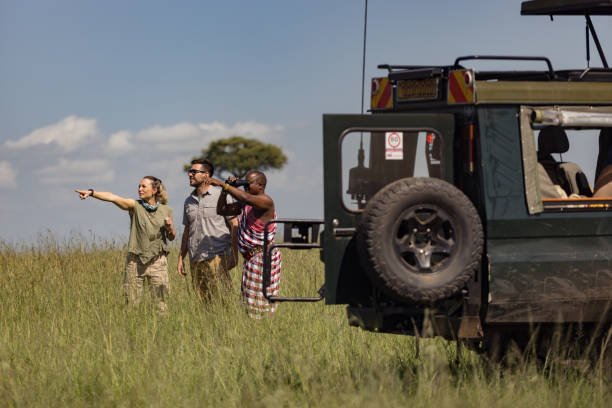
Joining Group Climbs On Kilimanjaro When Traveling Alone In 2026-2027
Traveling to Kilimanjaro alone? Discover how you can easily join an existing group climb, making your solo adventure more social and cost-effective for 2026-2027. Learn about departure...
View package details
Kilimanjaro Climb With A Personal Support Assistant: Your Ultimate Guide
Climbing Mount Kilimanjaro with a personal support assistant offers unparalleled safety, comfort, and focus on your summit goals. This guide details what a personal assistant entails, its...
View package details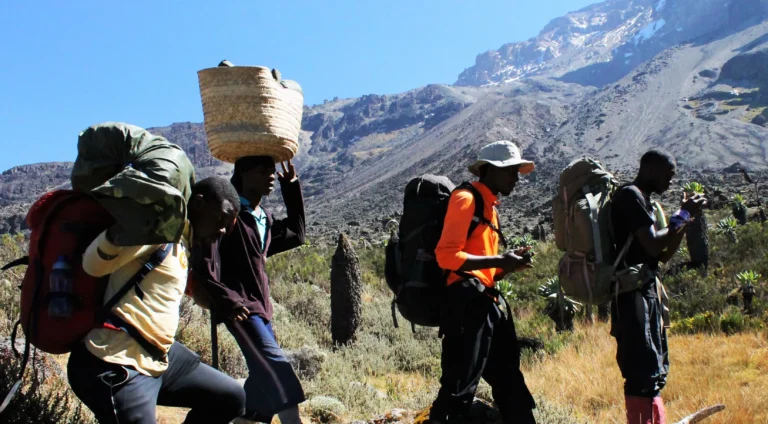
How To Know Whether You Are Ready For Kilimanjaro: A Comprehensive Guide
Climbing Mount Kilimanjaro is a significant undertaking. This guide helps you evaluate your physical, mental, and logistical readiness to ensure a safe and successful trek in 2026 or 2027...
View package details
Kilimanjaro Hydration Mistakes Climbers Make And How To Avoid Them 2026-2027
Proper hydration is critical for a successful Kilimanjaro climb. This guide details common hydration mistakes climbers make, from under-drinking to choosing the wrong fluids, and provides...
View package details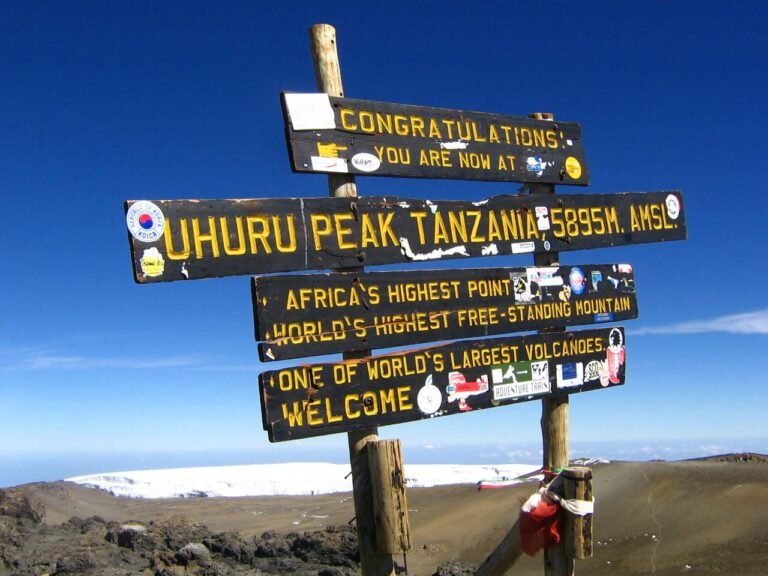
What Does Kilimanjaro Rainforest Look Like? A Trekkers Visual Guide 2026-2027
The Kilimanjaro rainforest is a vibrant, humid zone of dense vegetation, towering trees, and diverse plant life found on the mountain's lower slopes. It's the first major ecosystem trekkers...
View package details
We Are Arriving At Kilimanjaro Airport, What Safari Itinerary Should We Do?
Planning your safari upon arrival at Kilimanjaro Airport (JRO)? This guide provides tailored safari itineraries for 2026-2027, focusing on Northern Tanzania's iconic parks like the...
View package detailsWhich Local Tanzania Safari Companies Are Trustworthy In ? 2026-2027
Choosing a trustworthy local Tanzania safari company is crucial for a memorable and safe adventure. This guide helps you identify reliable operators for your 2026-2027 trip, covering...
View package detailsNo related package matches those filters. Clear one or more filters to see the other topic-matched options.
Plan your Scenic July Kilimanjaro Machame Trek with Top Guide Adventures
Tell us your travel dates, group size, comfort level, and dream experience. We will help you shape a clear, realistic, and memorable Tanzania itinerary.



