
Updated planning guide for 2026-2027
Safest Safari Destinations Africa: Expert Guide
Planning an African safari involves choosing destinations that offer incredible wildlife experiences alongside robust safety measures. This guide explores the safest safari destinations across Africa, providing practical advice for travelers aiming for a secure and memorable adventure in 2026 and 2027.
WhatsApp +255616946642 | topguideadventures@gmail.com | info@topguideadventures.com
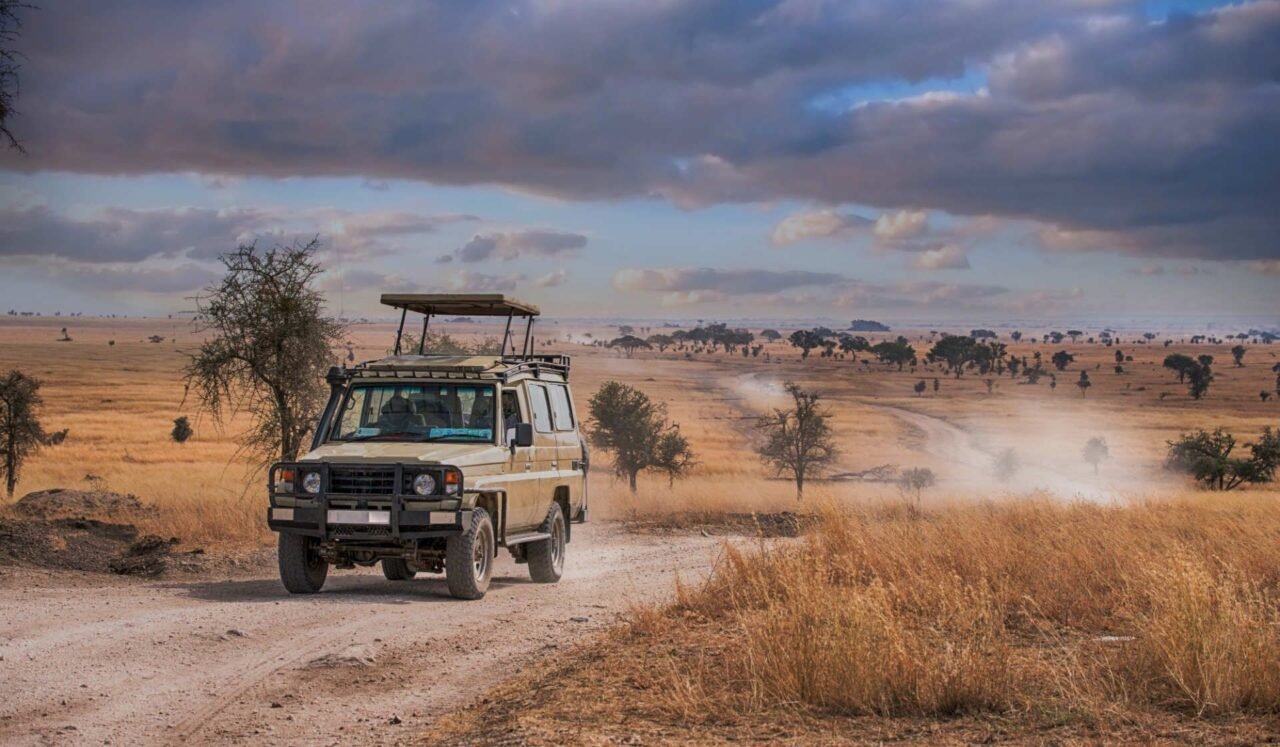
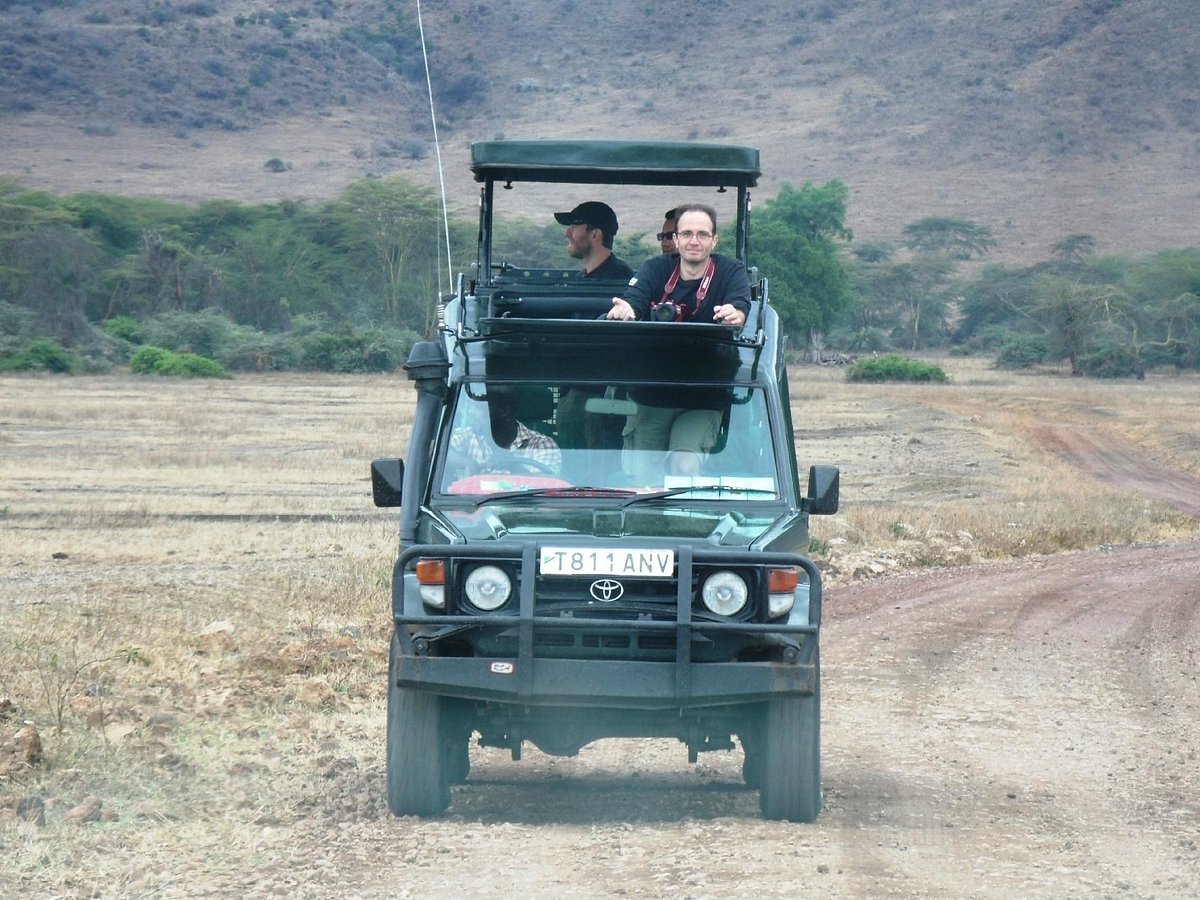
Safest Safari Destinations Africa: Your Comprehensive Planning Guide
Africa is a continent of unparalleled natural beauty, teeming with iconic wildlife and breathtaking landscapes. For many, the dream of an African safari is a lifelong ambition. However, alongside the excitement of spotting lions, elephants, and rhinos in their natural habitat, concerns about safety are natural and important. Choosing the safest safari destinations Africa has to offer ensures your focus remains on the wonder of the experience, rather than on potential risks.
This guide is designed to provide you with in-depth information to help you select a safari destination that prioritizes your security while delivering an unforgettable wildlife encounter. We’ll cover everything from understanding safety protocols and choosing reputable operators to packing smart and navigating your journey with confidence. Whether you’re planning for 2026, 2027, or beyond, this resource will help you make informed decisions for a truly rewarding African adventure.
Understanding Safari Safety in Africa
Safety on safari is a multi-faceted concept. It encompasses the security of the destination itself, the operational safety of your tour provider, and your personal preparedness. Generally, African safari destinations that are well-established, have stable political environments, and invest in conservation and anti-poaching efforts are considered safer. Reputable tour operators play a crucial role by adhering to strict safety guidelines, employing experienced guides, and maintaining reliable vehicles.
When we talk about the safest safari destinations, we are referring to places that consistently demonstrate a commitment to visitor safety through:
- Effective park management and ranger presence.
- Low crime rates affecting tourists.
- Stable political and social conditions.
- Established infrastructure for tourism, including reliable transport and accommodation.
- Experienced and well-trained safari guides.
- Responsible tourism practices that respect wildlife and local communities.
Key Takeaway: Prioritizing destinations with a strong track record in tourism safety and choosing well-reviewed, professional tour operators are the cornerstones of a secure safari experience.
Table of Contents
- Quick Facts: Safest Safari Destinations
- Africa’s Safest Safari Havens: An Overview
- Why Safety is Paramount on Safari
- Best Time to Visit Safest Destinations
- Geographic Overview of Top Safari Regions
- Sample Itinerary: A Safe Tanzania Safari
- What to Expect on a Safe Safari
- Inclusions, Packing, and Preparation
- Common Mistakes to Avoid
- Who Are These Safest Destinations Best For?
- Exploring Alternative Safe Safari Options
- Planning Your 2026-2027 Safari: Expert Tips
- Booking Your Safe Safari: Essential Advice
- Frequently Asked Questions
Quick Facts: Safest Safari Destinations
| Destination | Primary Wildlife | Key Safety Features | Best For |
|---|---|---|---|
| Tanzania (Serengeti, Ngorongoro, Tarangire) | Big Five, Great Migration, diverse birdlife | Well-established parks, strong ranger presence, reputable tour operators, stable tourism infrastructure. | Classic safari experience, Great Migration, diverse ecosystems. |
| Botswana (Okavango Delta, Chobe) | Big Five, large elephant herds, diverse predators, aquatic wildlife. | Low-impact tourism model, well-managed concessions, exclusive lodges, highly regulated operations. | Luxury safari, exclusive wildlife viewing, unique water-based safaris. |
| Namibia (Etosha, Damaraland) | Desert-adapted wildlife, Big Five, unique desert landscapes, endemic species. | Low population density, stable government, well-maintained roads, focus on conservation. | Unique desert landscapes, self-drive options, cultural encounters. |
| Kenya (Masai Mara, Amboseli) | Big Five, Great Migration (seasonal), diverse birdlife, stunning backdrops. | Long history of tourism, established infrastructure, experienced guides, strong conservation efforts. | Iconic safari landscapes, Great Migration, cultural experiences. |
| Rwanda (Volcanoes National Park) | Mountain Gorillas, Golden Monkeys, other primates. | Highly regulated gorilla trekking permits, strong conservation focus, secure park environment, community involvement. | Gorilla trekking, primate encounters, eco-tourism. |
Africa’s Safest Safari Havens: An Overview
When considering the safest safari destinations Africa has to offer, several countries and specific regions consistently rise to the top due to their commitment to visitor safety, political stability, and well-managed wildlife areas. These destinations typically have a long-standing tourism industry, robust conservation efforts, and a reputation for providing secure and enriching experiences for travelers.
Tanzania: The Quintessential Safari Experience
Tanzania is often the first name that comes to mind for many when planning an African safari, and for good reason. Its northern circuit, encompassing the Serengeti National Park, Ngorongoro Conservation Area, Tarangire National Park, and Lake Manyara National Park, is world-renowned. These parks are incredibly well-managed, with a strong presence of park rangers and anti-poaching units. The infrastructure for tourism is well-developed, with a wide range of lodges and camps catering to different budgets, all operating under established safety protocols. The country has a stable political climate and a tourism sector that is a significant contributor to its economy, leading to a strong focus on visitor well-being.
The Serengeti is famous for the Great Migration, an awe-inspiring natural spectacle. The Ngorongoro Crater offers a unique ecosystem where the Big Five can often be seen in a single day. Tarangire is known for its large elephant herds and baobab trees, while Lake Manyara provides excellent birdwatching and the chance to see tree-climbing lions.
Botswana: Exclusive and Secure Wilderness
Botswana has adopted a high-value, low-impact tourism model, which has contributed significantly to its reputation as one of Africa’s safest safari destinations. This approach means fewer tourists, more exclusive experiences, and a greater focus on conservation and responsible tourism. The Okavango Delta, a UNESCO World Heritage site, offers a unique wetland safari experience. Chobe National Park is famed for its massive elephant populations and river safaris. Botswana’s parks are meticulously managed, with strict regulations for lodges and tour operators. The country boasts a stable democracy and a strong commitment to protecting its wildlife, making it a secure and pristine destination.
The exclusivity of Botswana’s camps means that visitor numbers are controlled, reducing potential conflicts and enhancing the feeling of being in untouched wilderness. The operational standards for lodges and safari activities are exceptionally high, ensuring a safe and comfortable stay.
Namibia: Vast Landscapes and Desert Wildlife
Namibia offers a different, yet equally compelling, safari experience. Its vast, open landscapes, including the iconic Sossusvlei dunes and the wildlife-rich Etosha National Park, are a major draw. Namibia’s tourism sector is well-organized, with a focus on conservation and sustainable practices. The country is politically stable, and its low population density contributes to a sense of spaciousness and tranquility. Etosha National Park is renowned for its unique waterholes, which attract a concentration of wildlife, making for excellent and safe viewing opportunities. Beyond Etosha, areas like Damaraland offer unique desert-adapted wildlife encounters, including black rhinos.
Self-drive safaris are popular in Namibia, and the country’s road infrastructure is generally good. For those who prefer guided experiences, reputable operators ensure safe travel throughout the country.
Kenya: The Classic Safari Icon
Kenya is a pioneer in African tourism and home to some of its most iconic safari destinations, most notably the Masai Mara National Reserve. The Mara, along with parks like Amboseli (famous for its elephant herds with Kilimanjaro as a backdrop) and Samburu, offers incredible wildlife viewing. Kenya has a long history of hosting international tourists, and its tourism infrastructure is well-established. Experienced guides are abundant, and conservation efforts are strong, particularly in community-run conservancies bordering the national parks. While political stability can sometimes be a consideration in any country, Kenya’s major safari areas are generally secure and well-managed for tourism.
The conservancy model in Kenya, often in partnership with local Maasai communities, provides an additional layer of safety and exclusivity, allowing for off-road driving and night game drives in certain areas, all under strict supervision.
Rwanda: Gorilla Trekking’s Secure Sanctuary
For a unique and deeply moving wildlife encounter, Rwanda stands out. Volcanoes National Park is one of the safest places in Africa to trek for mountain gorillas. The Rwandan government places a very high priority on conservation and the security of its national parks, particularly for gorilla tourism. Permits are limited and strictly controlled, ensuring that the gorillas are not disturbed and that trekkers have a safe, guided experience. The country itself is known for its cleanliness, order, and safety. The infrastructure for gorilla trekking, including the park headquarters and surrounding lodges, is efficient and professional.
The security within Volcanoes National Park is paramount, with highly trained rangers accompanying every gorilla trek, ensuring visitor safety throughout the journey.
Why Safety is Paramount on Safari
Choosing a safari destination based on safety is not about fear; it’s about responsible planning and maximizing the enjoyment of your trip. Here’s why it’s crucial:
- Peace of Mind: Knowing you are in a secure environment allows you to fully immerse yourself in the experience, appreciate the wildlife, and relax.
- Wildlife Encounters: Safaris involve being in natural habitats. Safe destinations have well-trained guides who understand animal behavior and know how to maintain a safe distance, ensuring both your safety and the animals’ well-being.
- Health Considerations: Reputable safari destinations and operators adhere to health and hygiene standards, and have protocols in place for medical emergencies.
- Logistical Reliability: Safe destinations typically have reliable transportation, communication, and accommodation, minimizing disruptions to your itinerary.
- Ethical Tourism: Destinations that prioritize safety often also prioritize conservation and community well-being, aligning with responsible travel principles.
When you book with experienced operators, they vet destinations, lodges, and activities, ensuring they meet high safety standards. This vetting process is invaluable for travelers who may not be familiar with the nuances of safari travel.
Best Time to Visit Safest Destinations
The best time to visit the safest safari destinations often aligns with the dry seasons, which are generally preferred for wildlife viewing as animals congregate around water sources. However, each destination has nuances.
| Destination | Dry Season (Best for wildlife viewing) | Green Season (Lush landscapes, fewer crowds, birding) | Specific Events (e.g., Migration) |
|---|---|---|---|
| Tanzania (Serengeti) | June – October | November – May (calving season Jan-Mar) | Great Migration river crossings (July-September), calving season (Jan-Mar). |
| Botswana (Okavango Delta, Chobe) | May – October | November – April | Water levels in Okavango peak March-August. |
| Namibia (Etosha) | May – October | November – April | Waterhole viewing is excellent year-round, but best in dry season. |
| Kenya (Masai Mara) | June – October | November – May | Great Migration presence (July-October). |
| Rwanda (Gorillas) | June – September, December – February | March – May, October – November | Gorilla trekking is possible year-round, but dry seasons are easier underfoot. |
Planning for 2026 or 2027 means you can book during peak seasons for optimal wildlife viewing, or consider the shoulder seasons for potentially better value and fewer crowds, without compromising safety.
Geographic Overview of Top Safari Regions
Understanding the geography helps in planning your safari logistics and appreciating the diversity of these safe destinations.
East Africa:
- Tanzania: Located in East Africa, its prime safari areas (Serengeti, Ngorongoro, Tarangire) are in the north. Zanzibar, a popular add-on, is off the coast.
- Kenya: Also in East Africa, bordering Tanzania. The Masai Mara is in the southwest, near the Tanzanian border, making multi-country trips possible.
- Rwanda: A landlocked country in Central/East Africa, known for its mountainous terrain and gorilla forests in the northwest.
Southern Africa:
- Botswana: Landlocked in Southern Africa, north of Namibia and west of Zimbabwe. The Okavango Delta is in the north, Chobe in the northeast.
- Namibia: Southwest Africa, bordering Botswana, South Africa, Angola, and Zambia. Etosha National Park is in the north, Sossusvlei in the south.
Sample Itinerary: A Safe Tanzania Safari (10 Days)
This sample itinerary focuses on Tanzania’s northern circuit, a region renowned for its safety, accessibility, and incredible wildlife. This is a common route for first-time safari-goers looking for a secure and comprehensive experience.
| Day | Location | Activities | Safety Notes |
|---|---|---|---|
| Day 1 | Arrive Kilimanjaro International Airport (JRO) / Arusha | Meet and greet, transfer to lodge in Arusha. Rest and briefing. | Airport transfers handled by reputable operator. Overnight in a secure hotel/lodge. |
| Day 2 | Arusha to Tarangire National Park | Morning drive to Tarangire. Afternoon game drive. | Experienced driver-guide. Vehicle equipped for park conditions. Focus on wildlife viewing from a safe distance. |
| Day 3 | Tarangire National Park | Full day game drive in Tarangire. | Guided by professionals knowledgeable about animal behavior. Staying within designated park roads. |
| Day 4 | Tarangire to Ngorongoro Conservation Area | Morning game drive in Tarangire, then drive to Karatu (near Ngorongoro). Visit a local community or coffee plantation. | Safe road travel. Community visits are pre-arranged and managed. Overnight in a secure lodge. |
| Day 5 | Ngorongoro Crater Tour | Descend into the Ngorongoro Crater for a full day game drive. | Crater floor is a contained ecosystem. Guides are trained to handle wildlife encounters. Stay inside the vehicle unless at designated safe stops. |
| Day 6 | Ngorongoro to Serengeti National Park (Central) | Drive to the Serengeti, with a stop at Olduvai Gorge. Afternoon game drive. | Road safety is prioritized. Olduvai Gorge visit is guided. Serengeti game drives follow park rules. |
| Day 7 | Serengeti National Park (Central) | Full day game drive exploring the central Serengeti. | Expert guides know the best wildlife spots and safe viewing practices. Mobile phone signal may be limited; emergency procedures are in place. |
| Day 8 | Serengeti National Park (Optional Hot Air Balloon) | Optional early morning hot air balloon safari. Further game drives. | Balloon safaris are conducted by certified, experienced operators. All activities are supervised. |
| Day 9 | Serengeti to Arusha | Morning game drive en route to Seronera Airstrip. Fly back to Arusha. | Internal flights with reputable charter companies. Safe transfer back to lodge in Arusha. |
| Day 10 | Departure from JRO | Transfer to Kilimanjaro International Airport for departure. | Reliable airport transfer. |
What to Expect on a Safe Safari
When you choose a reputable operator in one of the safest safari destinations, you can expect a well-organized and secure experience. This includes:
- Professional Guides: Highly trained, knowledgeable, and experienced guides who understand animal behavior, park rules, and emergency procedures. They are your primary safety resource.
- Reliable Vehicles: Safari vehicles are typically 4x4s, robust, well-maintained, and equipped with safety features like seatbelts, first-aid kits, and communication devices.
- Strict Protocols: Operators and park authorities enforce rules such as staying in your vehicle at all times (unless at designated safe areas), maintaining a safe distance from wildlife, and not feeding animals.
- Communication: Most lodges and camps have communication systems (satellite phones, radios) for emergencies. Guides often have radios or satellite phones.
- Health & Hygiene: Reputable lodges maintain high standards of food and water safety. Malaria precautions are usually advised, and operators can assist with medical advice or evacuation if needed.
- Accommodation: Lodges and camps are often fenced or situated in areas with ranger patrols, providing a secure environment after game drives.
Your operator will brief you on all safety procedures before and during your trip. Following their guidance is key to a safe and enjoyable safari.
Inclusions, Packing, and Preparation
Proper preparation is a vital component of safari safety and enjoyment.
Typical Inclusions with a Reputable Operator:
- Accommodation (lodges, tented camps)
- All meals (breakfast, lunch, dinner)
- Park entrance fees
- Game drives in a 4×4 safari vehicle
- Services of a professional driver-guide
- Bottled water during game drives
- Airport transfers
- Mention of emergency evacuation insurance (often mandatory)
What to Pack for Safety and Comfort:
- Clothing: Neutral colors (khaki, beige, green) to blend in; avoid bright colors and dark colors like black/blue which can attract tsetse flies. Light, breathable fabrics. Long sleeves and trousers for sun and insect protection. A warm fleece or jacket for cool mornings/evenings.
- Footwear: Comfortable walking shoes or sturdy trainers. Sandals for relaxing at the lodge.
- Sun Protection: Wide-brimmed hat, sunglasses, high SPF sunscreen.
- Insect Repellent: Containing DEET or Picaridin.
- First-Aid Kit: Personal medications, basic wound care, pain relievers, anti-diarrhea medication, antiseptic wipes.
- Binoculars: Essential for wildlife viewing.
- Camera: With extra batteries and memory cards.
- Adapter: For charging electronics (check voltage).
- Reusable Water Bottle: Stay hydrated.
- Hand Sanitizer: For use on the go.
- Small Backpack: For daily essentials during game drives.
- Headlamp or flashlight: Useful in camps at night.
Preparation Checklist:
- Consult Your Doctor: Discuss necessary vaccinations (e.g., Yellow Fever, Hepatitis A, Typhoid) and malaria prophylaxis. Get advice on travel health for 2026-2027.
- Travel Insurance: Ensure it covers medical emergencies, including evacuation.
- Visas: Check visa requirements for your nationality.
- Currency: Understand local currency and payment methods. Credit cards are accepted in most lodges, but cash is useful for tips and small purchases.
- Emergency Contacts: Save your tour operator’s contact details and your embassy’s information.
- Learn Basic Phrases: A few words in Swahili (Tanzania/Kenya) or local dialects can be appreciated.
Common Mistakes to Avoid
Avoiding these common pitfalls will help ensure your safari is safe and enjoyable:
- Choosing the Cheapest Option: The lowest price often means cutting corners on safety, guide quality, vehicle maintenance, or accommodation standards. Prioritize value and safety over cost.
- Ignoring Guide’s Instructions: Your guide is an expert. Always follow their advice regarding wildlife proximity, staying in the vehicle, and general safety.
- Overpacking: Luggage restrictions, especially on light aircraft transfers, are common. Pack light and efficiently.
- Not Researching Operators: Select operators with a proven track record, positive reviews, and clear safety policies. Look for affiliations with reputable tourism bodies.
- Underestimating Wildlife: Even seemingly docile animals can be dangerous. Never approach or feed wildlife.
- Forgetting Travel Insurance: This is non-negotiable for any international travel, especially to remote areas.
- Not Preparing for Health Risks: Consult your doctor well in advance for vaccinations and malaria advice.
- Disregarding Local Customs: Be respectful of local traditions and dress codes when visiting communities or towns.
Who Are These Safest Destinations Best For?
The safest safari destinations Africa offers are suitable for a wide range of travelers:
- First-Time Safari Goers: Destinations like Tanzania and Kenya offer a classic, well-rounded safari experience with excellent infrastructure and guidance, making them ideal for beginners.
- Families with Children: Many lodges in these countries are family-friendly and equipped to handle the needs of younger travelers, with safety being a top priority.
- Solo Travelers: Reputable operators and lodges provide a secure environment, ensuring solo travelers feel comfortable and well-cared for.
- Luxury Seekers: Botswana, in particular, excels in offering high-end, exclusive safari experiences with impeccable service and safety standards.
- Wildlife Enthusiasts: From the Big Five to unique desert-adapted species and primates, these destinations cater to diverse interests.
- Travelers Seeking Peace of Mind: Anyone who prioritizes safety and security will find these destinations and operators to be highly reliable.
For those planning their trip for 2026 or 2027, these destinations offer the best combination of incredible wildlife and assured safety.
Exploring Alternative Safe Safari Options
While the primary destinations are excellent, other African countries also offer safe and rewarding safari experiences, often with unique offerings:
- South Africa: Known for its well-developed infrastructure, malaria-free options (like the Eastern Cape), and private reserves bordering Kruger National Park. It offers a very safe and accessible safari experience.
- Zambia: Particularly known for walking safaris in areas like South Luangwa. While requiring more adventurous spirit, Zambia’s parks are well-managed and offer authentic, safe wilderness experiences with expert guides.
- Uganda: Similar to Rwanda, Uganda is a premier destination for gorilla trekking and chimpanzee viewing in secure national parks like Bwindi Impenetrable National Park and Kibale Forest National Park.
These alternatives provide diverse landscapes and wildlife, often with a strong emphasis on conservation and visitor safety, complementing the more traditional choices.
Planning Your 2026-2027 Safari: Expert Tips
Planning ahead is key for a successful and safe safari, especially if you’re looking at 2026 or 2027. Early booking secures the best lodges, guides, and flight availability, particularly for peak seasons.
- Book Early: For 2026 and 2027 safaris, especially if traveling during peak seasons (like the Great Migration), book at least 9-12 months in advance. This is crucial for securing preferred accommodations and ensuring availability.
- Choose Your Operator Wisely: Look for operators with a strong online presence, clear contact information, positive reviews, and transparent safety policies. Ask them directly about their safety protocols.
- Flexibility: While planning is essential, be open to slight itinerary adjustments based on wildlife movements or local conditions. Experienced operators manage this smoothly.
- Budget Realistically: Safaris can be an investment. Understand what’s included and what’s not. Reputable operators provide detailed breakdowns. Avoid packages that seem too good to be true.
- Health Preparations: Start researching vaccinations and malaria prevention 6-8 weeks before your planned departure date. Consult your travel clinic or doctor.
- Visa & Passport Validity: Ensure your passport has at least six months validity beyond your return date and check visa requirements well in advance for your 2026-2027 travel.
- Understand Seasonality: Research the best time for your specific interests (e.g., Great Migration, birding, photography) and align it with your safety priorities.
Booking Your Safe Safari: Essential Advice
Making the final booking decision requires diligence. Here’s how to ensure you’re booking with a trustworthy provider for your safari in one of the safest safari destinations Africa has to offer.
- Direct Communication: Engage directly with potential tour operators. Ask detailed questions about their safety procedures, guide qualifications, vehicle maintenance, and emergency plans.
- Review Critically: Look for reviews on independent platforms (TripAdvisor, Google Reviews, specialized safari forums). Pay attention to comments about safety, guide quality, and overall reliability.
- Check for Certifications: Reputable operators may be members of national or international tourism associations, which often have codes of conduct regarding safety and service.
- Understand Inclusions and Exclusions: Get a clear itinerary and a detailed list of what is covered in the price (park fees, meals, accommodation, activities) and what is not (tips, personal expenses, visas, travel insurance).
- Payment Security: Inquire about payment methods and terms. Secure payment gateways and clear cancellation policies are signs of a professional operation. Avoid operators demanding full payment in cash upfront.
- Ask About Emergency Evacuation: Most reputable operators include or strongly recommend emergency medical evacuation insurance. Understand how this works.
- Get Everything in Writing: All agreements, itineraries, and important details should be confirmed in writing (email is fine) before you make any payments.
For a reliable and safe safari experience in Tanzania and beyond, consider reaching out to experienced local operators who understand the nuances of African travel. You can connect via WhatsApp at +255616946642, email at topguideadventures@gmail.com, or backup email info@topguideadventures.com.
Frequently Asked Questions
Q1: Is it safe to go on safari in Africa in 2026-2027?
A1: Yes, traveling to Africa for safari is generally safe, particularly when choosing well-established destinations and reputable tour operators. Countries like Tanzania, Botswana, Kenya, and Namibia have robust tourism infrastructures and prioritize visitor safety. Always research your specific destination and operator.
Q2: What are the biggest safety risks on safari?
A2: The primary risks involve wildlife encounters (maintaining safe distances is key), road safety (using well-maintained vehicles and experienced drivers), and health (malaria, other tropical diseases). Reputable operators mitigate these risks through strict protocols and experienced guides.
Q3: How do I choose a safe safari operator?
A3: Look for operators with a long track record, positive independent reviews, clear safety policies, and professional communication. Ask about their guide training, vehicle maintenance, and emergency procedures. Direct communication is crucial.
Q4: Are there malaria risks on safari, and what precautions should I take?
A4: Malaria is present in many safari areas. Consult your doctor 6-8 weeks before travel for advice on anti-malarial medication and recommended vaccinations. Using insect repellent, wearing long sleeves/trousers at dawn and dusk, and sleeping under a mosquito net (if provided) are also important preventative measures.
Q5: Can I do a self-drive safari safely?
A5: Self-drive safaris are popular in countries like Namibia and parts of South Africa. While generally safe with proper preparation (good vehicle, GPS, knowledge of routes and rules), guided safaris often offer enhanced safety due to the expertise of the driver-guide in handling wildlife and navigating the terrain.
Q6: What is the policy on staying in vehicles during game drives?
A6: For safety, you are generally required to stay inside the safari vehicle at all times during game drives, except at designated safe picnic spots or lodges. This is to maintain a safe distance from wildlife and prevent startling animals.
Q7: What if there’s a medical emergency on safari?
A7: Reputable tour operators and lodges have emergency protocols, including communication systems and arrangements for medical evacuation. Comprehensive travel insurance that covers medical emergencies and evacuation is essential.
Q8: Is it safe to travel to Tanzania for safari in 2027?
A8: Yes, Tanzania remains one of the most popular and safest safari destinations in Africa. Its northern circuit parks are exceptionally well-managed, and the country has a stable tourism industry focused on visitor safety. Planning with a reliable operator is key.
Q9: What should I do if I encounter a wild animal up close?
A9: Remain calm and stay inside the vehicle. Do not make loud noises or sudden movements. Your guide is trained to manage such situations and will advise you on the best course of action. Never attempt to feed or touch wild animals.
Q10: How do I ensure my luggage is safe during my safari?
A10: Generally, luggage is stored securely within the safari vehicle or at the lodge/camp. Keep valuable items with you when possible. Reputable operators and lodges have security measures in place.
Plan Your Safe African Safari Adventure
Choosing the safest safari destinations Africa has to offer is the first step towards an incredible journey. By understanding the safety measures in place, selecting reputable operators, and preparing thoroughly, you can ensure your adventure is not only thrilling but also secure. Whether you dream of the vast plains of the Serengeti, the unique waterways of the Okavango Delta, or the misty mountains of Rwanda, a well-planned safari promises memories that will last a lifetime.
For personalized advice and to craft your secure and unforgettable safari itinerary for 2026 or 2027, connect with our team. We specialize in creating tailored experiences in Tanzania and can guide you through every step of planning your perfect safari.
Contact us today:
- WhatsApp: +255616946642
- Email: topguideadventures@gmail.com
- Backup Email: info@topguideadventures.com

Which Tanzania Safari Gives The Best Value For Money? 2026-2027
Which Tanzania safari gives the best value for money? is explained with current 2026-2027 planning, price, itinerary and booking information.
View package details
How To Avoid Safari Scams In Tanzania: A Top Guide Adventures Expert 2026-2027
Navigating a safari in Tanzania is a dream for many, but a few precautions can ensure your adventure is scam-free. This guide from Top Guide Adventures provides essential advice for...
View package details
Which Local Tanzania Safari Companies Are Trustworthy In ? 2026-2027
Choosing a trustworthy local Tanzania safari company is crucial for a memorable and safe adventure. This guide helps you identify reliable operators for your 2026-2027 trip, covering...
View package detailsHow Far In Advance Should You Book A Tanzania Safari? Your Planning Guide
Securing your dream Tanzania safari requires strategic planning. This comprehensive guide details the optimal booking timeline for 2026-2027, considering peak seasons, lodge availability...
View package detailsHow Much Should I Tip My Safari Guide In Tanzania? Your 2026-2027
Understand the tipping culture for safari guides and staff in Tanzania. This guide provides clear, actionable recommendations for tipping your safari crew in 2026-2027, covering guides...
View package detailsPrivate Safari Vs Group Tanzania — Which Is Better? 2026-2027
Private safari vs group safari Tanzania — which is better? is explained with current 2026-2027 planning, price, itinerary and booking information.
View package details
Is A Group Joining Safari In Tanzania Worth It? 2026-2027
Is a group joining safari in Tanzania worth it? is explained with current 2026-2027 planning, price, itinerary and booking information.
View package details
Serengeti And Ngorongoro Safari Without Luxury: Your Options For 2026-2027
Discover how to experience the wonders of the Serengeti and Ngorongoro Crater on a safari that prioritizes incredible wildlife viewing and authentic experiences over luxury accommodations...
View package details
Tanzania Safari For Great Migration: Which Tour To Book In 2026-2027
Planning to witness the Great Migration in Tanzania? This guide helps you choose the perfect safari for 2026-2027, detailing the best parks, timing, and tour options for an unforgettable...
View package details
Three Days For Safari In Tanzania: Where To Go An Unforgettable Experience
If you have just three days for a safari in Tanzania, the most recommended destinations for a concentrated and rewarding wildlife experience are the Ngorongoro Conservation Area and...
View package details
We Are Staying In Zanzibar And Want To Do A Short Safari, What Do You
We are staying in Zanzibar and want to do a short safari, what do you recommend? is explained with current 2026-2027 planning, price, itinerary and booking.
View package detailsWe Are Arriving At Kilimanjaro Airport, What Safari Itinerary Should We Do?
Planning your safari upon arrival at Kilimanjaro Airport (JRO)? This guide provides tailored safari itineraries for 2026-2027, focusing on Northern Tanzania's iconic parks like the...
View package detailsNo related package matches those filters. Clear one or more filters to see the other topic-matched options.
Plan your safest safari destinations Africa with Top Guide Adventures
Tell us your travel dates, group size, comfort level, and dream experience. We will help you shape a clear, realistic, and memorable Tanzania itinerary.



