
Updated planning guide for 2026, 2027-2028
Safari After Kilimanjaro From Moshi: Expert Trekking Guide 2026-2027-2028
Discover the ultimate guide to planning a safari adventure immediately after your Kilimanjaro climb, starting from Moshi. This detailed article explores the best national parks, itinerary options, wildlife experiences, preparation tips, and booking advice for your 2026-2027 Tanzanian journey.
WhatsApp +255616946642 | topguideadventures@gmail.com | info@topguideadventures.com
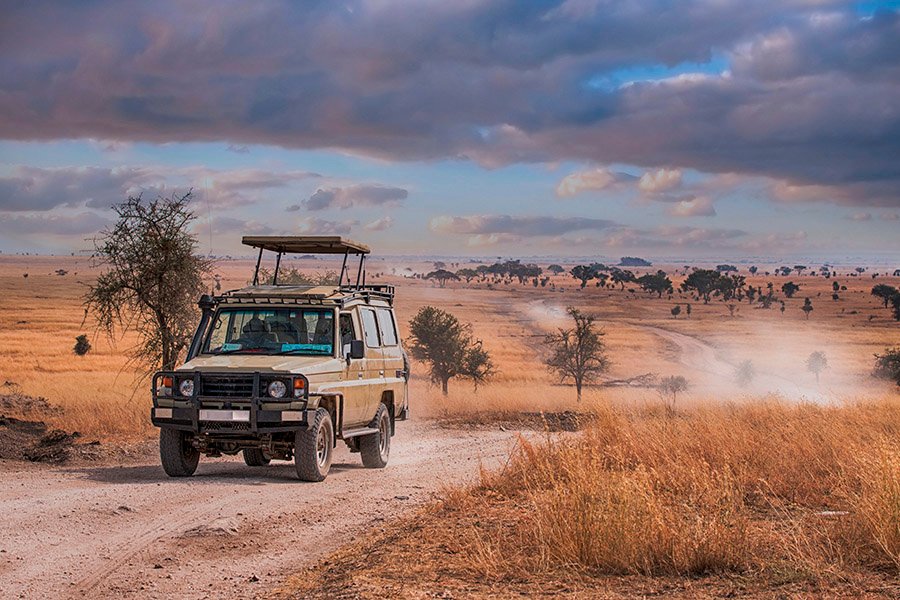
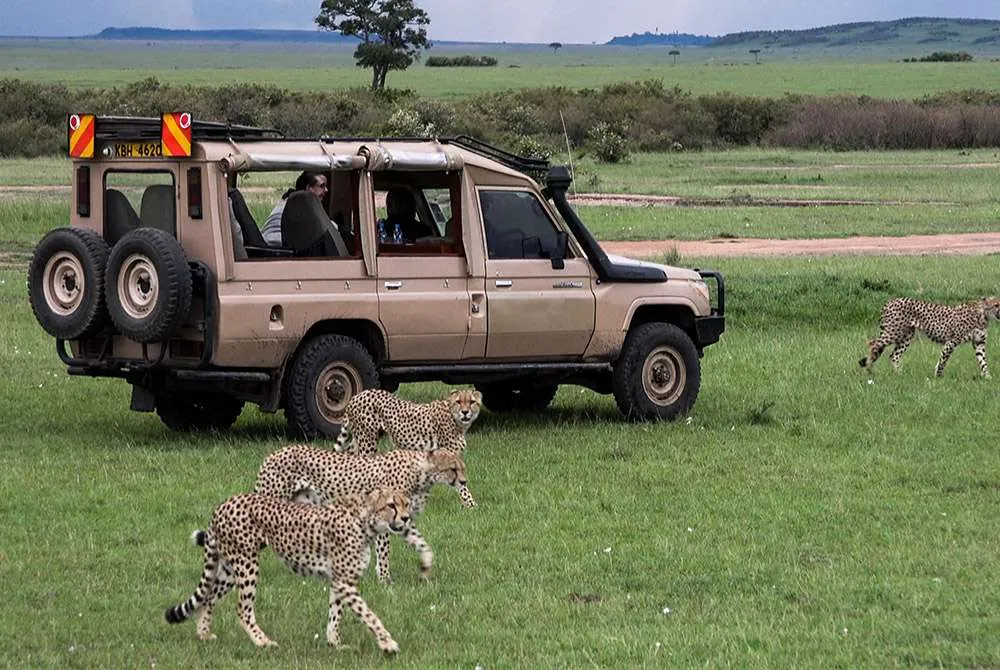
Reaching Uhuru Peak on Mount Kilimanjaro is an unparalleled achievement. After descending and recovering in Moshi, the vibrant heart of Tanzania’s northern tourism circuit, the next natural step for many adventurers is to experience the country’s world-renowned wildlife in its natural habitat. A safari after Kilimanjaro from Moshi offers a perfect transition, blending the thrill of mountain conquest with the wonder of the African bush. This guide provides an in-depth look at how to plan and execute this incredible combination, ensuring you make the most of your post-climb adventure in 2026 and 2027.
Table of Contents
- Quick Facts: Safari After Kilimanjaro From Moshi
- Overview: The Kilimanjaro-Safari Connection
- Why Combine Kilimanjaro and Safari?
- Best Time for a Safari After Kilimanjaro
- The Northern Circuit: A Classic Safari Route
- Sample Safari Itinerary After Kilimanjaro
- What to Expect on Your Post-Kilimanjaro Safari
- Preparation and Packing for Your Safari
- Common Mistakes to Avoid
- Who is This Trip Best Suited For?
- Safari Alternatives After Kilimanjaro
- Planning Your Safari for 2026-2027
- Booking Your Safari Package
- Frequently Asked Questions
Quick Facts: Safari After Kilimanjaro From Moshi
| Aspect | Details |
|---|---|
| Starting Point | Moshi, Tanzania |
| Primary Activity | Wildlife viewing and game drives in national parks. |
| Popular Parks | Serengeti, Ngorongoro Crater, Tarangire, Lake Manyara. |
| Typical Duration | 3 to 7 days (can be customized). |
| Best Season for Safari | June to October (dry season), December to February (short dry season). Can also be good during the Great Migration (timing varies). |
| Logistics | Typically arranged by tour operators based in Moshi or Arusha. Includes transport, accommodation, park fees, and guide. |
| Accommodation | Safari lodges, tented camps, budget guesthouses. |
| Post-Kilimanjaro Consideration | Allow at least 2-3 days for rest and recovery in Moshi before starting safari. |
Overview: The Kilimanjaro-Safari Connection
Tanzania offers an exceptional dual-destination experience: the challenge of climbing Kilimanjaro followed by the awe-inspiring spectacle of a safari. Moshi, situated at the base of Africa’s highest peak, serves as the perfect logistical hub for this transition. Most tour operators that facilitate Kilimanjaro climbs are also well-equipped to arrange comprehensive safari packages. This allows for a streamlined booking process and seamless coordination between your trek and your wildlife adventure. The proximity of Tanzania’s most famous national parks to Moshi makes this combination highly practical and immensely rewarding.
The typical safari route from Moshi focuses on the Northern Circuit, a collection of parks renowned for their diverse ecosystems and abundant wildlife. This includes the vast plains of the Serengeti, the unique caldera of the Ngorongoro Crater, the elephant-rich Tarangire National Park, and the scenic Lake Manyara National Park. Each offers a distinct experience, from the dramatic predator-prey interactions to the breathtaking landscapes and unique birdlife.
Why Combine Kilimanjaro and Safari?
Combining Kilimanjaro with a safari offers a holistic Tanzanian experience, encompassing both physical challenge and profound natural wonder. It’s an efficient way to see two of the country’s most iconic attractions in a single trip, maximizing your time and creating a journey with incredible contrasts.
- Unforgettable Contrast: The stark, high-altitude environment of Kilimanjaro stands in dramatic contrast to the teeming, vibrant ecosystems of the safari parks. This juxtaposition makes each experience even more impactful.
- Logistical Simplicity: Starting and ending your safari from Moshi simplifies travel arrangements. Local operators are experienced in managing both Kilimanjaro treks and subsequent safaris, ensuring smooth transfers and coordinated logistics.
- Diverse Wildlife Encounters: After witnessing the grandeur of Kilimanjaro, you’ll have the opportunity to see Africa’s most famous animals – the Big Five (lion, leopard, elephant, rhino, buffalo) – in their natural habitats, alongside thousands of other species.
- Cultural Immersion: Both the trek and the safari offer opportunities to interact with local guides, porters, and communities, providing insights into Tanzanian culture and daily life.
- Sense of Accomplishment: Completing a Kilimanjaro climb is a significant physical and mental feat. Celebrating this achievement with a relaxing yet exhilarating safari is a fitting reward.
Best Time for a Safari After Kilimanjaro
The best time to undertake a safari after Kilimanjaro from Moshi largely depends on your priorities, particularly regarding weather and wildlife events like the Great Migration. However, considering the post-climb recovery, some periods are more comfortable than others.
Dry Seasons (June to October and December to February): These are generally considered the prime times for safaris in Northern Tanzania. The weather is pleasant, with less rain, making game drives more comfortable. Wildlife tends to congregate around water sources, making sightings easier. For Kilimanjaro, the dry seasons are also the best for trekking. Combining them means you’re likely to have good conditions for both activities, though you’ll need to book well in advance for 2026 and 2027.
- June – October: This is the main dry season and also a peak time for the Great Migration in the Serengeti. Expect lush landscapes after the May rains, good game viewing, and cooler temperatures. This is ideal for combining with a Kilimanjaro climb.
- December – February: This is a shorter dry season, often characterized by warmer temperatures. It’s a good time for birdwatching and often sees the calving season of the wildebeest in the southern Serengeti.
Green Seasons (March to May and November): These periods experience more rainfall, which can sometimes disrupt game drives. However, the landscapes are incredibly lush and beautiful, and there are fewer tourists, potentially leading to lower prices. The rains in March-May often coincide with the wildebeest calving season in the southern Serengeti. November can bring short rains, but they are usually brief showers.
Post-Kilimanjaro Consideration: After descending Kilimanjaro, you’ll likely be tired. The drier, cooler months of June to October often provide more comfortable conditions for both recovery and safari activities. If you’re planning for 2026 or 2027, consider these months for the best overall experience.
The Northern Circuit: A Classic Safari Route
The most popular and logistically convenient safari circuit for those starting from Moshi is the Northern Circuit. This route encompasses several of Tanzania’s most famous and diverse national parks, offering unparalleled wildlife viewing opportunities. The proximity of these parks to Moshi and Arusha makes them easily accessible for post-Kilimanjaro trips.
A typical Northern Circuit safari itinerary includes:
Serengeti National Park
The jewel in the crown of Tanzanian safaris, the Serengeti is famed for its vast plains, dramatic predator-prey interactions, and, of course, the Great Migration. Witnessing millions of wildebeest, zebras, and gazelles traverse the plains is a spectacle unlike any other. The park offers incredible game viewing year-round, with different regions offering unique experiences depending on the season.
Ngorongoro Conservation Area (and Crater)
A UNESCO World Heritage Site, the Ngorongoro Crater is a natural wonder. This ancient volcanic caldera is home to an astonishing density of wildlife, including the rare black rhino. The crater floor is a self-contained ecosystem supporting a remarkable variety of animals within a relatively small area. It’s a must-visit for any safari.
Tarangire National Park
Known for its large elephant herds and iconic baobab trees, Tarangire National Park is particularly spectacular during the dry season (June-October) when animals gather around the Tarangire River. It offers a different landscape and a more intimate safari experience compared to the vast Serengeti.
Lake Manyara National Park
Famous for its tree-climbing lions, vibrant birdlife, and stunning lake setting, Lake Manyara offers a diverse safari experience in a compact park. It’s often visited as a day trip or a one-night stopover, providing excellent game viewing opportunities, especially around the lake shore.
Route Flow: A common flow after Kilimanjaro would be: Moshi -> Tarangire -> Serengeti -> Ngorongoro Crater -> Lake Manyara -> Arusha/Moshi. Some itineraries may adjust the order or include additional parks like Mkomazi or Arusha National Park for shorter experiences.
Simplified Route Illustration
| Moshi | —–> | Tarangire NP | —–> | Serengeti NP |
| (Game Drives) | (Game Drives, Migration viewing) | |||
| Lake Manyara NP | <—– | Ngorongoro Crater | <—– | ( Descent, Crater Tour) |
| (Game Drives) | (Optional Maasai Village Visit) | |||
| Arusha / Moshi | (Departure / Relaxation) |
Sample Safari Itinerary After Kilimanjaro (5 Days / 4 Nights)
This is a popular itinerary for a safari after Kilimanjaro from Moshi, focusing on the Northern Circuit’s highlights. It assumes you’ve spent at least 2-3 days recovering in Moshi post-trek.
| Day | Location | Activities | Accommodation Type |
|---|---|---|---|
| Day 1 | Moshi to Tarangire | Morning pickup from your Moshi hotel. Drive to Tarangire National Park. Full-day game drive, focusing on elephant herds and baobab trees. Overnight near the park. | Tented Camp or Lodge |
| Day 2 | Tarangire to Serengeti | Morning game drive in Tarangire. Drive to the Serengeti National Park, with a stop at a Maasai village or craft market if desired. Afternoon game drive en route to your lodge/camp in the central Serengeti. | Tented Camp or Lodge |
| Day 3 | Serengeti National Park | Full day exploring the Serengeti. Focus on predator sightings and potentially the Great Migration (depending on the season). Optional hot air balloon safari at sunrise (additional cost). | Tented Camp or Lodge |
| Day 4 | Serengeti to Ngorongoro | Morning game drive in the Serengeti. Drive towards the Ngorongoro Conservation Area. Descend into the Ngorongoro Crater for an afternoon game drive. Search for the Big Five, especially the black rhino. Ascend and overnight on the crater rim or nearby Karatu. | Lodge or Tented Camp |
| Day 5 | Ngorongoro to Moshi/Arusha | Morning visit to Lake Manyara National Park for a final game drive, or visit a local community project. Drive back to Moshi or Arusha for your onward journey or departure. | N/A (Departure) |
Note: This is a sample. Durations in parks can be adjusted. For instance, a 7-day safari might include more time in the Serengeti or add a visit to Lake Natron or other regions.
What to Expect on Your Post-Kilimanjaro Safari
A safari after Kilimanjaro offers a different pace and set of experiences. While the trek is physically demanding, the safari is more about observation, patience, and immersion in nature.
- Wildlife Sightings: While seeing the Big Five is a common goal, remember that wildlife viewing is unpredictable. Patience is key. Your experienced guide will be crucial in locating animals.
- Game Drives: Expect to spend several hours each day in a 4×4 safari vehicle, driven by a knowledgeable guide. Morning and late afternoon drives are usually the most productive for wildlife activity.
- Accommodation: Options range from luxury lodges with swimming pools and fine dining to more rustic tented camps that offer a closer-to-nature experience. Some camps are permanent structures, while others are mobile, following the Great Migration.
- Meals: Meals are typically provided at your accommodation or as packed lunches during full-day game drives. Expect hearty, often international cuisine.
- Pace: After the intensity of Kilimanjaro, the safari pace is generally more relaxed. There’s time to soak in the views, enjoy the sounds of the bush, and appreciate the vastness of the landscape.
- Physical Demands: The physical demands are significantly lower than trekking. The main exertion comes from early morning starts and bumpy roads.
- Guides: Your safari guide is your expert on the ground, responsible for spotting wildlife, explaining animal behavior, and navigating the parks. They are a wealth of knowledge about flora, fauna, and local culture.
Preparation and Packing for Your Safari
Packing for a safari after Kilimanjaro requires a different approach than packing for the climb. The focus shifts from technical gear to comfortable, practical clothing suitable for game drives and varying temperatures.
Clothing Essentials:
- Neutral Colors: Pack lightweight, breathable clothing in neutral colors like khaki, beige, olive green, or brown. Avoid bright colors, black, and white, as they can disturb wildlife or attract insects.
- Layers: Mornings and evenings can be cool, especially in the Ngorongoro Crater or during the dry season. Pack long-sleeved shirts and trousers for warmth and sun protection, as well as a fleece or light jacket.
- Comfortable Trousers/Shorts: Pack a few pairs of comfortable trousers or convertible hiking pants. Shorts are suitable for warmer days.
- T-shirts and Tops: Lightweight, moisture-wicking tops are ideal.
- Rain Jacket: A lightweight, waterproof and windproof jacket is essential, especially during the shoulder seasons or if there’s a chance of rain.
- Hat: A wide-brimmed hat or cap for sun protection is crucial.
- Scarf or Bandana: Useful for protecting your face from dust during game drives.
- Swimsuit: If your lodge has a pool.
Footwear:
- Comfortable Walking Shoes: Closed-toe shoes like trainers or light hiking boots are perfect for walking around camps or lodges. You won’t be doing extensive hiking on safari.
- Sandals/Flip-flops: For relaxing at your accommodation.
Other Essentials:
- Sunscreen: High SPF sunscreen is vital.
- Insect Repellent: With DEET for protection against mosquitoes and other biting insects.
- Sunglasses: To protect your eyes from the sun.
- Binoculars: Highly recommended for spotting distant wildlife.
- Camera and Extra Batteries/Memory Cards: You’ll want to capture every moment. Consider a zoom lens.
- Power Bank/Adapter: For charging electronics. Voltage is 230V, Type G plugs are common.
- Personal First-Aid Kit: Include any personal medications, pain relievers, antiseptic wipes, and blister treatment.
- Hand Sanitizer: For hygiene on the go.
- Small Backpack: For carrying essentials during game drives (water, camera, sunscreen).
- Headlamp or Small Flashlight: Useful for navigating camps at night.
Post-Kilimanjaro Note: You’ll likely still have some of your Kilimanjaro gear. While not all of it is necessary for safari, items like a good fleece, waterproof jacket, and comfortable hiking trousers can be repurposed. Ensure you have separate, comfortable clothing for the safari portion.
Common Mistakes to Avoid
Planning a safari after Kilimanjaro is exciting, but a few common missteps can detract from the experience. Being aware of these can help you plan better.
- Not Allowing Enough Rest: Underestimating the physical toll of Kilimanjaro and rushing directly into a safari can lead to exhaustion and reduced enjoyment. Allow at least 2-3 full days for recovery in Moshi.
- Overpacking Bright Clothing: Bright colors can make animals wary and attract insects. Stick to neutral, earthy tones.
- Forgetting Sun Protection: The African sun is intense. Sunscreen, hats, and sunglasses are non-negotiable.
- Not Bringing Binoculars: While guides are excellent, binoculars significantly enhance wildlife viewing, allowing you to see details from afar.
- Expecting Guaranteed Sightings: Wildlife is wild. While Tanzania has high densities, there are no guarantees. Enjoy the entire experience, not just the checklist of animals.
- Booking Separate Tours: Trying to book Kilimanjaro and safari independently with different companies can lead to logistical headaches and missed connections. Opt for a single reputable operator.
- Ignoring Park Fees and Inclusions: Always clarify what is included in your safari package (park fees, accommodation, meals, guide, vehicle, water). Park fees can be substantial.
- Not Considering the Great Migration Timing: If seeing the migration is a priority, research its location and timing carefully for your chosen dates in 2026 or 2027.
- Ignoring Malaria Precautions: While risk varies, it’s wise to consult your doctor about malaria prophylaxis and take precautions against mosquito bites.
Who is This Trip Best Suited For?
The combination of a Kilimanjaro climb followed by a safari from Moshi is ideal for a range of travelers, particularly those seeking an active and immersive adventure.
- Adventurous Travelers: Those who enjoy physical challenges and are looking for a journey that combines accomplishment with natural exploration.
- Nature Enthusiasts: Individuals passionate about wildlife, diverse ecosystems, and stunning landscapes.
- First-Time Safari Goers: The Northern Circuit is an excellent introduction to African safaris due to its high wildlife density and well-established infrastructure.
- Couples and Honeymooners: The dramatic scenery and romantic safari lodges offer a memorable post-wedding adventure.
- Families with Older Children: Teens and adults who are physically fit and have an interest in wildlife and adventure would find this trip rewarding. (Note: Kilimanjaro has age restrictions, and very young children may not be suited for the trek.)
- Photographers: The stunning landscapes and abundant wildlife provide endless photographic opportunities.
- Those Seeking a Comprehensive Tanzanian Experience: Travelers who want to witness both the iconic mountain and the country’s famed wildlife in one trip.
Safari Alternatives After Kilimanjaro
While the Northern Circuit safari is the most popular choice, other excellent options exist for a post-Kilimanjaro adventure, catering to different interests and timeframes.
Zanzibar Beach Holiday
For relaxation after the physical exertion of Kilimanjaro, a trip to the exotic island of Zanzibar is a perfect antidote. White sandy beaches, turquoise waters, rich history in Stone Town, and opportunities for snorkeling, diving, and spice tours await. This is a classic add-on for many Tanzania trips.
Shorter Safari Options
If time is limited, shorter safari options are available:
- 2-3 Day Safari: Focus on one or two parks, such as Lake Manyara and Ngorongoro Crater, for a taste of the safari experience.
- Arusha National Park Day Trip: A much shorter option, this park offers opportunities to see colobus monkeys, various antelopes, and enjoy views of Kilimanjaro and Mount Meru. It’s a good option for a single day of wildlife viewing.
Exploring Other Parks
Tanzania has numerous other parks, though they may require longer travel times from Moshi:
- Ruaha National Park: Tanzania’s largest park, known for its wild, remote feel and large elephant and predator populations. More accessible from Dar es Salaam.
- Selous Game Reserve (Nyerere National Park): Offers boat safaris on the Rufiji River and a vast, less-visited wilderness. Also more accessible from Dar es Salaam.
- Gombe Stream National Park: Famous for chimpanzee trekking, but requires significant travel and usually flights from Arusha or Kilimanjaro Airport.
Cultural Tourism Experiences
Beyond wildlife, consider cultural tours around Moshi, visiting local villages, coffee plantations, or waterfalls. This offers a different perspective on Tanzanian life.
Planning Your Safari for 2026-2027
Planning your safari after Kilimanjaro for the upcoming years, 2026 and 2027, requires foresight, especially if you aim for peak seasons. Early booking is key.
Booking Timeline:
- 12-18 Months in Advance: For peak season travel (June-October) in 2026 or 2027, especially if you have specific lodge preferences or are a larger group. This also applies if you’re planning around specific events like the Great Migration.
- 6-9 Months in Advance: Recommended for most travelers to secure preferred accommodation and ensure availability of guides and vehicles.
- 3-6 Months in Advance: Possible for off-peak seasons or if you are flexible with accommodation options.
Budgeting Considerations for 2026-2027:
Safari costs can vary significantly based on accommodation style, duration, and included activities. Expect costs to generally align with previous years, with potential modest increases for 2026-2027.
- Accommodation: Mid-range lodges and tented camps typically form the bulk of costs. Luxury options significantly increase the price.
- Park Fees: These are charged per person, per day, and are a significant portion of the budget. They are subject to change annually.
- Vehicle and Guide: A private safari vehicle and guide are standard for Northern Circuit tours.
- Duration: Longer safaris mean higher overall costs.
- Extras: Optional activities like hot air balloon safaris, tips for staff, and personal purchases add to the total.
Tip: When comparing quotes for 2026-2027, ensure they are like-for-like, detailing accommodation levels and exact inclusions.
Visa and Vaccinations:
- Visa: Most nationalities require a visa for Tanzania. This can often be obtained online in advance or on arrival at the airport. Check current requirements for your nationality.
- Vaccinations: Consult your doctor or a travel clinic 4-6 weeks before your trip regarding recommended vaccinations (e.g., Yellow Fever, Hepatitis A & B, Typhoid) and malaria precautions.
Booking Your Safari Package
Choosing the right tour operator is crucial for a successful safari after Kilimanjaro. Look for companies with a strong reputation, local presence, and clear communication.
Selecting a Tour Operator:
- Local Expertise: Choose a company based in Moshi or Arusha. They have firsthand knowledge of the routes, parks, and logistics.
- Reviews and Reputation: Look for independent reviews on platforms like TripAdvisor or Google. Check their website for testimonials and accreditations.
- Customization: Ensure they can tailor the itinerary to your interests, budget, and post-Kilimanjaro recovery needs.
- Inclusions: Get a detailed breakdown of what is included. This should cover park fees, accommodation, meals, vehicle, guide, and drinking water.
- Communication: Responsive and clear communication is a good sign. Ask questions and gauge their professionalism.
Contract and Payment:
- Written Agreement: Always secure a written contract or booking confirmation detailing the itinerary, inclusions, exclusions, and payment terms.
- Payment Schedule: Typically, a deposit (e.g., 30-50%) is required upon booking, with the balance due closer to the travel date (e.g., 30-60 days prior).
- Payment Methods: Inquire about accepted payment methods (e.g., bank transfer, credit card – note potential fees).
Travel Insurance:
Ensure your travel insurance covers:
- Trip cancellation and interruption.
- Medical emergencies and evacuation (crucial for remote areas).
- Lost or delayed baggage.
Ready to Plan Your Dream Safari?
Combining the challenge of Kilimanjaro with the wonder of a Tanzanian safari is an adventure of a lifetime. Let us help you craft the perfect post-trek experience. We specialize in seamless transitions from the mountain to the plains, offering tailor-made safari packages designed to suit your pace and interests. Whether you envision exploring the vast Serengeti, descending into the Ngorongoro Crater, or spotting elephants in Tarangire, we can create an unforgettable journey for your 2026 or 2027 adventure.
Get in touch today to discuss your ideal safari after Kilimanjaro from Moshi:
- WhatsApp: +255616946642
- Email: topguideadventures@gmail.com
- Backup Email: info@topguideadventures.com
We look forward to helping you plan an incredible Tanzanian expedition!
Frequently Asked Questions
Q: How many days should I plan for a safari after Kilimanjaro?
A: Most travelers opt for a 3-day to 7-day safari. A 5-day itinerary, as outlined above, is very popular and covers the main highlights of the Northern Circuit. Consider your energy levels post-climb and your available time when deciding on the duration for your 2026-2027 trip.
Q: Is it safe to go on safari immediately after climbing Kilimanjaro?
A: It is highly recommended to allow at least 2-3 days for rest and recovery in Moshi after descending Kilimanjaro before starting your safari. Rushing into strenuous activities can be counterproductive. Listen to your body.
Q: What is the best way to book a safari after Kilimanjaro from Moshi?
A: The most convenient way is to book with a reputable tour operator based in Moshi or Arusha that offers both Kilimanjaro climbs and safari packages. This ensures seamless coordination and logistics. Contacting companies like Top Guide Adventures via WhatsApp or email is a good starting point.
Q: Can I see the Great Migration on a safari after Kilimanjaro?
A: Yes, it is possible. The Great Migration moves throughout the year. For example, the calving season is typically in the southern Serengeti (December-March), while the river crossings often occur in the western or northern Serengeti (June-October). Research the migration’s expected location for your 2026 or 2027 travel dates.
Q: What are the costs involved in a safari after Kilimanjaro?
A: Safari costs vary based on accommodation style, duration, and park fees. A mid-range 5-day safari typically includes park fees, accommodation, meals, a 4×4 vehicle, and a guide. Expect costs to be in the range of $250-$500+ per person per day for mid-range options, but this is an estimate and actual prices for 2026-2027 should be confirmed with operators.
Q: What should I pack for a safari after Kilimanjaro?
A: Pack light, neutral-colored clothing, layers for cooler mornings/evenings, sun protection (hat, sunscreen), insect repellent, comfortable walking shoes, a camera, binoculars, and a small backpack. You won’t need heavy trekking gear.
Q: Are there age restrictions for safaris?
A: Generally, there are no strict age restrictions for safaris, but very young children may find long game drives challenging. The main concern is usually for Kilimanjaro climbs, which have minimum age requirements. Always check with your tour operator regarding suitability for children.
Q: What is the difference between a lodge and a tented camp?
A: Lodges are permanent structures, often with more amenities like swimming pools and restaurants. Tented camps use canvas tents, which can range from basic to luxurious ‘glamping’ style with en-suite bathrooms and comfortable beds. Both offer unique safari experiences.
Q: Do I need a visa for Tanzania?
A: Yes, most nationalities require a visa for Tanzania. You can often apply for this online in advance or obtain it upon arrival at the airport. It’s best to check the latest visa requirements for your nationality well before your 2026-2027 travel dates.
Q: What are the main parks included in a safari after Kilimanjaro from Moshi?
A: The most common parks visited are the Serengeti National Park, Ngorongoro Crater, Tarangire National Park, and Lake Manyara National Park. These form the popular Northern Circuit.
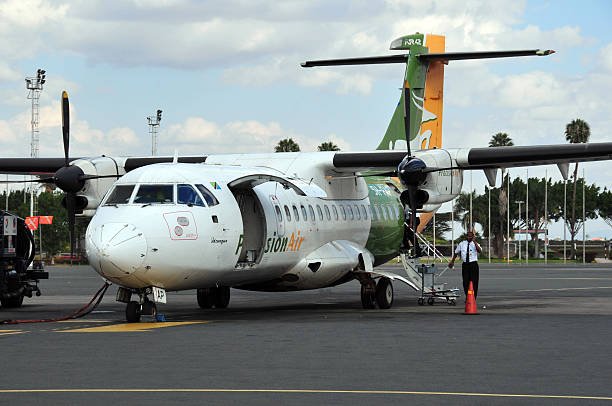
We Are Arriving At Kilimanjaro Airport, What Safari Itinerary Should We Do?
Planning your safari upon arrival at Kilimanjaro Airport (JRO)? This guide provides tailored safari itineraries for 2026-2027, focusing on Northern Tanzania's iconic parks like the...
View package details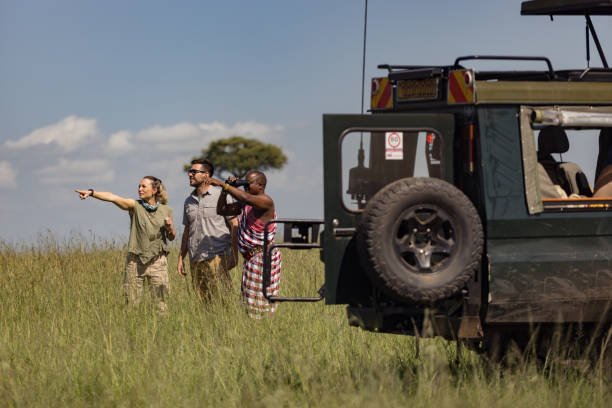
Which Local Tanzania Safari Companies Are Trustworthy In ? 2026-2027
Choosing a trustworthy local Tanzania safari company is crucial for a memorable and safe adventure. This guide helps you identify reliable operators for your 2026-2027 trip, covering...
View package detailsJoining Group Climbs On Kilimanjaro When Traveling Alone In 2026-2027
Traveling to Kilimanjaro alone? Discover how you can easily join an existing group climb, making your solo adventure more social and cost-effective for 2026-2027. Learn about departure...
View package details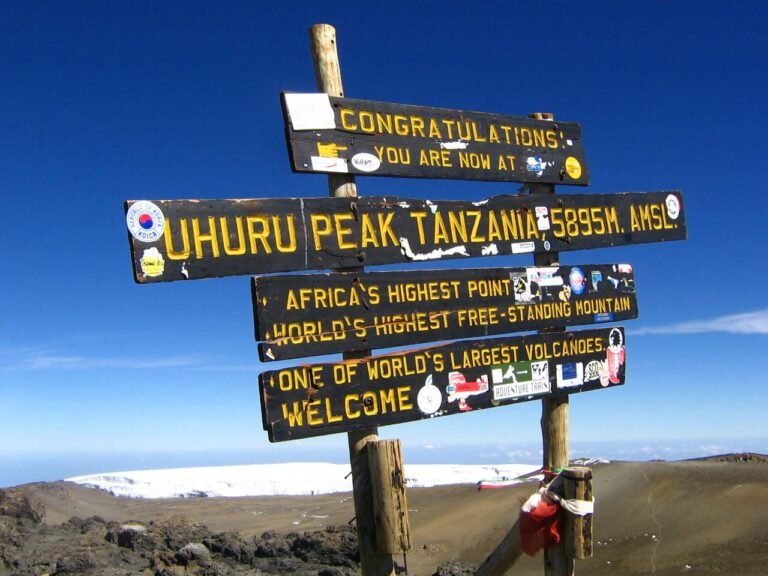
What Does Kilimanjaro Rainforest Look Like? A Trekkers Visual Guide 2026-2027
The Kilimanjaro rainforest is a vibrant, humid zone of dense vegetation, towering trees, and diverse plant life found on the mountain's lower slopes. It's the first major ecosystem trekkers...
View package details
Kilimanjaro Climb With A Personal Support Assistant: Your Ultimate Guide
Climbing Mount Kilimanjaro with a personal support assistant offers unparalleled safety, comfort, and focus on your summit goals. This guide details what a personal assistant entails, its...
View package details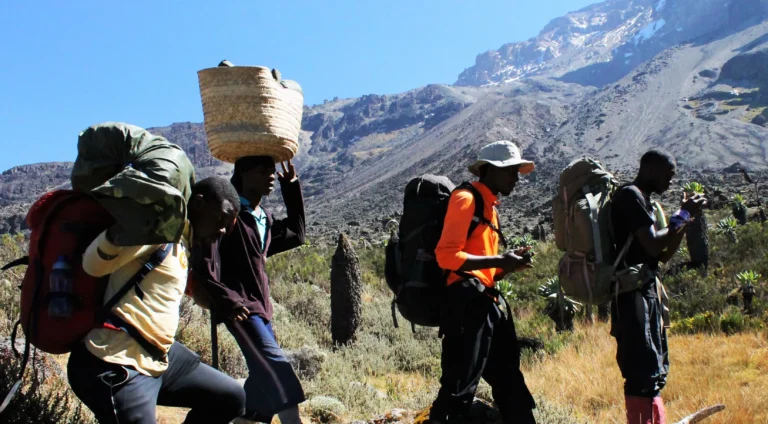
How To Know Whether You Are Ready For Kilimanjaro: A Comprehensive Guide
Climbing Mount Kilimanjaro is a significant undertaking. This guide helps you evaluate your physical, mental, and logistical readiness to ensure a safe and successful trek in 2026 or 2027...
View package details
Kilimanjaro Hydration Mistakes Climbers Make And How To Avoid Them 2026-2027
Proper hydration is critical for a successful Kilimanjaro climb. This guide details common hydration mistakes climbers make, from under-drinking to choosing the wrong fluids, and provides...
View package details
Which Tanzania Safari Gives The Best Value For Money? 2026-2027
Which Tanzania safari gives the best value for money? is explained with current 2026-2027 planning, price, itinerary and booking information.
View package details
How To Avoid Safari Scams In Tanzania: A Top Guide Adventures Expert 2026-2027
Navigating a safari in Tanzania is a dream for many, but a few precautions can ensure your adventure is scam-free. This guide from Top Guide Adventures provides essential advice for...
View package detailsHow Far In Advance Should You Book A Tanzania Safari? Your Planning Guide
Securing your dream Tanzania safari requires strategic planning. This comprehensive guide details the optimal booking timeline for 2026-2027, considering peak seasons, lodge availability...
View package detailsHow Much Should I Tip My Safari Guide In Tanzania? Your 2026-2027
Understand the tipping culture for safari guides and staff in Tanzania. This guide provides clear, actionable recommendations for tipping your safari crew in 2026-2027, covering guides...
View package detailsPrivate Safari Vs Group Tanzania — Which Is Better? 2026-2027
Private safari vs group safari Tanzania — which is better? is explained with current 2026-2027 planning, price, itinerary and booking information.
View package detailsNo related package matches those filters. Clear one or more filters to see the other topic-matched options.
Plan your Safari After Kilimanjaro From Moshi with Top Guide Adventures
Tell us your travel dates, group size, comfort level, and dream experience. We will help you shape a clear, realistic, and memorable Tanzania itinerary.



