
Updated planning guide for 2026-2027
North Africa Travel Checklist: Complete Guide 2026-2027
Planning a trip to North Africa? This detailed checklist covers everything you need for an unforgettable adventure in 2026-2027, from essential documents to packing and itinerary ideas.
WhatsApp +255616946642 | topguideadventures@gmail.com | info@topguideadventures.com
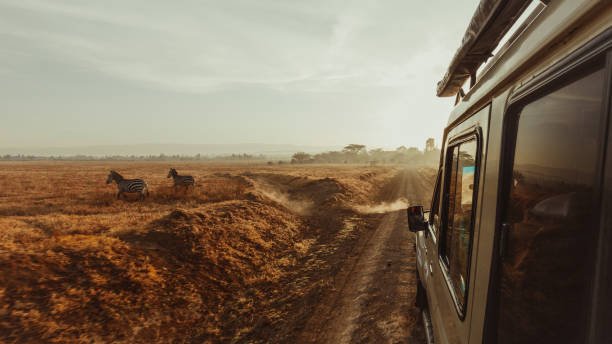
North Africa Travel Checklist: Your Complete Planning Guide
The allure of North Africa is undeniable. From the ancient medinas of Marrakech and Fes to the vast Sahara Desert, the Roman ruins of Tunisia, and the Mediterranean coastlines of Algeria and Libya, this region offers a rich tapestry of history, culture, and natural beauty. Planning a trip to North Africa requires careful consideration, and a well-organized travel checklist is your first step toward a smooth and rewarding experience. This guide provides a detailed North Africa travel checklist, designed to help you prepare for your 2026-2027 adventure, covering everything from essential documents to cultural etiquette and packing advice.
North Africa Travel Quick Facts
| Region | North Africa |
|---|---|
| Key Countries | Morocco, Algeria, Tunisia, Libya, Egypt (often culturally included), Mauritania, Sudan (sometimes geographically included) |
| Primary Languages | Arabic (various dialects), Berber languages, French, English (in tourist areas) |
| Currencies | Moroccan Dirham (MAD), Algerian Dinar (DZD), Tunisian Dinar (TND), Egyptian Pound (EGP), Libyan Dinar (LYD) |
| Best Time to Visit | Spring (March-May) and Autumn (September-November) for pleasant temperatures. Summer can be very hot. |
| Visa Requirements | Varies significantly by nationality and country. Research well in advance. |
| Safety Considerations | Generally safe for tourists in most popular areas, but check government travel advisories for specific regions. |
Understanding Your North Africa Travel Checklist
A thorough North Africa travel checklist is more than just a list of items to pack. It’s a strategic planning tool that ensures you’re prepared for the unique aspects of traveling in this diverse region. From navigating bustling souks and understanding local customs to managing different currencies and understanding visa requirements, being prepared makes all the difference. This guide aims to provide that comprehensive preparation, focusing on practical advice for travelers planning a trip in the 2026-2027 period.
Table of Contents
- Essential Documents & Finances
- Health & Safety Preparations
- Packing Essentials: Clothing & Gear
- Cultural Etiquette & Communication
- Itinerary Planning for 2026-2027
- Sample North Africa Itinerary Ideas
- Common North Africa Travel Mistakes to Avoid
- Who is North Africa Best Suited For?
- Alternatives to a Standard North Africa Trip
- Booking Your North Africa Adventure
- Frequently Asked Questions
Essential Documents & Finances for Your North Africa Travel Checklist
This is the bedrock of your North Africa travel checklist. Without the right documents, your journey won’t even begin. It’s crucial to start this process months in advance, especially for visa applications.
1. Passport Validity
Ensure your passport is valid for at least six months beyond your intended stay in any North African country. Many countries require this. Check your passport’s expiry date now. If it’s close, renew it immediately. For 2026-2027 travel, this is non-negotiable.
2. Visas
Visa requirements for North Africa vary dramatically based on your nationality and the specific country you plan to visit. Some nationalities may get visa-on-arrival, while others need to apply well in advance at an embassy or consulate. For instance, Americans often need visas for Algeria, while many European nationalities have easier entry into Morocco and Tunisia. Always verify the latest visa regulations for each country on your itinerary. This is a critical part of your North Africa travel checklist. Failing to secure the correct visa can lead to denied entry.
3. Flight Tickets & Confirmations
Book your international flights and any internal flights or ferry tickets. Print out or save digital copies of all booking confirmations. These are often required by immigration officials.
4. Accommodation Bookings
Have your hotel or riad reservations confirmed and accessible. This is especially important if you need to show proof of accommodation upon entry.
5. Travel Insurance
Comprehensive travel insurance is non-negotiable. Ensure it covers medical emergencies, trip cancellations, lost luggage, and adventure activities if you plan any. Read the policy carefully to understand what is and isn’t covered. For a region with varied terrain and potential for unexpected events, good insurance is vital.
6. Driving License & International Driving Permit (IDP)
If you plan to rent a car, you’ll likely need both your national driving license and an International Driving Permit (IDP). Check local requirements for each country.
7. Copies of Important Documents
Make photocopies or take clear photos of your passport, visa, flight tickets, hotel bookings, and insurance policy. Store these separately from the originals, and consider keeping digital copies in cloud storage or emailing them to yourself.
8. Emergency Contact Information
Compile a list of emergency contacts, including your embassy’s contact details in the countries you’ll visit. Keep this list with your important documents.
9. Currency & Payment Methods
Research the local currency for each country. While credit cards are accepted in larger hotels and shops in major cities, cash is king in markets and smaller establishments. Inform your bank and credit card companies of your travel dates and destinations to avoid any holds on your accounts. Consider carrying a mix of USD or Euros for exchange and local currency obtained upon arrival or beforehand if possible.
Essential Documents Checklist
- Passport (valid 6+ months)
- Visas (obtained or confirmed application)
- Flight & Transport Confirmations
- Accommodation Bookings
- Travel Insurance Policy
- Driving License & IDP (if applicable)
- Copies of all documents
- Emergency contact list
- Credit/Debit cards (notify banks)
- Emergency cash (USD/EUR)
Health & Safety Preparations for Your North Africa Travel Checklist
Prioritizing health and safety is paramount when traveling to North Africa. Consult your doctor and take necessary precautions well before your departure.
1. Consult Your Doctor
Visit your doctor or a travel clinic 4-6 weeks before your trip. Discuss recommended vaccinations for North Africa. Common recommendations might include Hepatitis A, Typhoid, and Tetanus. Depending on your specific itinerary and activities, other vaccinations might be advised.
2. Prescription Medications
If you take prescription medications, bring an adequate supply for your entire trip, plus a little extra. Carry them in their original packaging with a copy of your prescription. Check if your medications are legal in the countries you’re visiting.
3. Travel First-Aid Kit
Assemble a basic first-aid kit. Include items like pain relievers, antiseptic wipes, bandages, gauze, medical tape, motion sickness medication, diarrhea treatment, rehydration salts, and any personal medical items.
4. Sun Protection
The North African sun can be intense, especially in desert regions and during summer. Pack high-SPF sunscreen, a wide-brimmed hat, and sunglasses. Lightweight, long-sleeved clothing also provides sun protection.
5. Insect Repellent
Mosquitoes and other insects can be present, particularly in coastal or rural areas. Pack a good quality insect repellent containing DEET or picaridin.
6. Hydration
Staying hydrated is crucial. Drink plenty of bottled water. Avoid tap water unless it has been purified or boiled. Carry a reusable water bottle and consider a water purification filter or tablets, especially if you plan on trekking or visiting remote areas.
7. Food Safety
Be mindful of food safety. Stick to well-cooked meals, peel fruits and vegetables yourself, and avoid raw or undercooked food from street vendors unless you are confident in their hygiene standards. ‘Boil it, cook it, peel it, or forget it’ is a good mantra.
8. Travel Advisories
Stay informed about current travel advisories issued by your home country’s government. These advisories provide up-to-date information on safety and security conditions in specific regions. Check them periodically leading up to and even during your trip for 2026-2027 travel.
Packing Essentials: Clothing & Gear for Your North Africa Travel Checklist
What you pack will significantly impact your comfort and experience. Consider the climate, cultural norms, and activities planned.
1. Clothing for Warm Climates
Lightweight, breathable fabrics like cotton, linen, and quick-dry synthetics are best. Pack loose-fitting trousers, long skirts, t-shirts, and long-sleeved shirts. Neutral colors are often practical and blend in well.
2. Modest Dress
North Africa is predominantly Muslim. Dressing modestly is a sign of respect, especially when visiting religious sites, rural areas, or traditional neighborhoods. Women should aim to cover shoulders and knees. A scarf can be useful for covering hair when entering mosques or for sun protection.
3. A Scarf or Shawl
Indispensable for women. It can be used to cover your head when necessary, protect you from the sun, or provide warmth on cooler evenings. It’s also a versatile accessory.
4. Comfortable Walking Shoes
You’ll be doing a lot of walking, often on uneven surfaces like cobblestone streets and sandy paths. Pack comfortable, broken-in walking shoes or sturdy sandals. If you plan on hiking or trekking, appropriate footwear is essential.
5. A Light Jacket or Fleece
Evenings can get cool, especially in the desert or during spring and autumn. A light jacket, fleece, or cardigan is recommended.
6. Swimwear
If your itinerary includes coastal areas, hotels with pools, or hammams, pack appropriate swimwear.
7. Toiletries
Bring your preferred toiletries, as brands may differ or be unavailable. Don’t forget items like hand sanitizer, tissues, and any personal hygiene products.
8. Electronics & Adapters
Pack your phone, camera, chargers, and a universal travel adapter suitable for the plug types used in North Africa (typically Type C, E, and F). A portable power bank is useful for keeping devices charged on the go.
9. Daypack
A small backpack or messenger bag is perfect for carrying essentials like water, snacks, a camera, sunscreen, and a map during daily excursions.
10. Headlamp or Small Flashlight
Useful for navigating unlit areas, reading in dimly lit accommodations, or during power outages, especially in more remote locations.
North Africa Packing List Overview
| Category | Items |
|---|---|
| Clothing | Lightweight long pants/skirts, t-shirts, long-sleeved shirts, modest dresses, light jacket, swimwear |
| Footwear | Comfortable walking shoes, sandals, hiking boots (if applicable) |
| Accessories | Wide-brimmed hat, sunglasses, scarf/shawl, daypack |
| Health & Hygiene | Sunscreen, insect repellent, first-aid kit, personal toiletries, hand sanitizer |
| Electronics | Phone, camera, chargers, universal adapter, power bank |
| Documents | Passport, visas, copies, insurance, tickets, etc. (carry separately) |
Cultural Etiquette & Communication for Your North Africa Travel Checklist
Understanding and respecting local customs will greatly enhance your interactions and overall experience. This is a vital part of your North Africa travel checklist.
1. Greetings
A polite greeting is always appreciated. In Arabic, ‘As-salamu alaykum’ (Peace be upon you) is common, with the reply ‘Wa alaykum as-salam’ (And upon you be peace). In French-speaking areas, ‘Bonjour’ (Good day) or ‘Bonsoir’ (Good evening) is appropriate.
2. Modesty and Dress Code
As mentioned, dressing modestly is key. This applies to both men and women. Avoid overly revealing clothing. When visiting religious sites, ensure shoulders and knees are covered, and women may need to cover their hair. If in doubt, observe what locals are wearing.
3. Photography
Always ask permission before taking photos of people, especially women and children. Some individuals may refuse, and their wishes should be respected. Be mindful when photographing government buildings or military installations.
4. Haggling in Markets
Bargaining is expected in souks and markets. Start by offering about half the initial asking price and negotiate respectfully. It’s a social interaction, so maintain a friendly demeanor. Know when to walk away if the price isn’t right.
5. Dining Etiquette
If invited to someone’s home, it’s customary to accept food and drink. Eat with your right hand, as the left hand is traditionally considered unclean. If offered mint tea, it’s polite to accept. It’s common to be offered multiple glasses.
6. Public Displays of Affection
Public displays of affection between couples are generally frowned upon. Keep them discreet.
7. Ramadan and Islamic Holidays
If you are traveling during Ramadan, be aware that eating, drinking, and smoking in public during fasting hours (sunrise to sunset) is prohibited and disrespectful. Many restaurants may be closed during the day. Plan your activities accordingly. Major Islamic holidays also affect opening hours and transport schedules.
8. Learning Basic Phrases
Learning a few basic phrases in Arabic (e.g., ‘Shukran’ for thank you, ‘La shukran’ for no thank you, ‘Afwan’ for excuse me/you’re welcome) or French can go a long way in fostering positive interactions.
Itinerary Planning for 2026-2027
North Africa is vast and diverse. Effective itinerary planning is crucial for a fulfilling trip, especially when looking ahead to 2026-2027 travel.
1. Define Your Interests
What do you want to see and do? Are you interested in ancient history and Roman ruins (Tunisia, Algeria)? Exploring vibrant medinas and souks (Morocco)? Experiencing the Sahara Desert (Morocco, Algeria)? Coastal beauty (Morocco, Tunisia)? Adventure activities? This will shape your destination choices.
2. Choose Your Destinations Wisely
Trying to see too much in a short time leads to a rushed and superficial experience. Focus on one or two countries, or a specific region within a country. For a first-time visitor, Morocco is often a good starting point due to its well-developed tourist infrastructure and variety of experiences.
3. Consider the Season
The best time to visit North Africa is generally spring (March-May) and autumn (September-November). Temperatures are pleasant, ideal for exploring cities and deserts. Summer (June-August) can be extremely hot, especially inland and in the Sahara. Winter (December-February) can be mild to cool, with potential for rain in coastal areas and snow in mountainous regions.
4. Allow for Travel Time
Travel between cities and countries can be slower than you might expect. Factor in time for transport, check-in, and potential delays. Internal flights can save time but add cost. Trains and buses are common but can be lengthy.
5. Balance Planned Activities with Spontaneity
Have a general plan, but leave room for spontaneous discoveries. Some of the best travel experiences come from unexpected encounters or detours.
6. Book Key Elements in Advance
For popular destinations, unique accommodations (like desert camps or traditional riads), and specific tours, booking in advance is advisable, especially for travel in 2026-2027 when demand might be high. This includes popular treks or specific cultural experiences.
7. Budget Allocation
Estimate costs for accommodation, food, transport, activities, and souvenirs. North Africa can be quite affordable, but costs vary by country and your travel style.
Sample North Africa Itinerary Ideas
Here are a few itinerary concepts to inspire your North Africa travel checklist. These are flexible and can be adapted based on your time and interests.
North Africa Region Overview
This is a simplified representation of common travel routes and key destinations.
- Morocco: Marrakech (Medina, Jemaa el-Fnaa) -> Atlas Mountains (Trekking) -> Sahara Desert (Merzouga/Erg Chebbi, Camel Trek) -> Fes (Medina, Tanneries) -> Chefchaouen (Blue City) -> Casablanca/Rabat (Coastal Cities).
- Tunisia: Tunis (Medina, Bardo Museum) -> Carthage Ruins -> Sidi Bou Said (Coastal Village) -> Kairouan (Great Mosque) -> El Jem Amphitheatre -> Djerba Island (Beaches, Berber culture) or Sahara Desert (Douz).
- Algeria: Algiers (Casbah, Notre Dame d’Afrique) -> Roman Ruins of Timgad & Djemila -> Sahara Desert (Tassili n’Ajjer for rock art, Ghardaia for M’zab Valley). Note: Algeria has stricter visa requirements and requires more careful planning for security.
Example 1: Morocco – Classic Highlights (10-14 Days)
- Days 1-3: Marrakech (Explore the Djemaa el-Fna square, Koutoubia Mosque, Bahia Palace, Majorelle Garden, souks).
- Day 4: Day trip to the Atlas Mountains (e.g., Ourika Valley) or Essaouira (coastal town).
- Days 5-7: Sahara Desert trip (overnight camel trek, stargazing, desert camp experience). Travel from Marrakech to Merzouga (long journey, often broken up with an overnight stop).
- Days 8-10: Fes (Wander the ancient medina, visit tanneries, Al-Attarine Madrasa).
- Days 11-12: Chefchaouen (Relax in the picturesque blue city).
- Days 13-14: Return to Marrakech or depart from Casablanca/Tangier.
Example 2: Tunisia – History & Coast (7-10 Days)
- Days 1-2: Tunis (Explore the Medina, visit the Bardo Museum).
- Day 3: Day trip to Carthage ruins and the charming village of Sidi Bou Said.
- Day 4: Kairouan (UNESCO World Heritage site, Great Mosque).
- Day 5: El Jem (impressive Roman amphitheater).
- Days 6-8: Djerba Island (relax on beaches, explore traditional villages like Guellala, visit the El Ghriba synagogue).
- Day 9-10: Return to Tunis or depart from Djerba.
Common North Africa Travel Mistakes to Avoid
Being aware of common pitfalls can save you time, money, and frustration. Add these to your North Africa travel checklist as ‘things to avoid’.
1. Underestimating Travel Times
Roads can be slow, and distances can be deceiving. Don’t try to cram too many destinations into a short trip. Allow buffer time for travel.
2. Not Respecting Local Customs
Ignorance of local etiquette can lead to misunderstandings. Research cultural norms regarding dress, photography, and social interactions.
3. Only Visiting Tourist Hotspots
While cities like Marrakech and Fes are must-sees, venture off the beaten path to discover more authentic experiences. Explore smaller towns or less-visited ruins.
4. Not Carrying Enough Cash
While cards are accepted in some places, many smaller vendors, taxis, and rural establishments only accept cash. Ensure you always have enough local currency on hand.
5. Overpacking
Focus on lightweight, versatile clothing. You’ll likely be moving around, and heavy luggage can be a burden. Laundry services are generally available.
6. Not Checking Visa Requirements Early Enough
This is a major mistake that can derail your entire trip. Visa applications can take weeks or even months. Start this process far in advance for your 2026-2027 travel plans.
7. Ignoring Travel Advisories
While most tourist areas are safe, some border regions or specific areas might have security concerns. Always check official government advisories.
8. Not Staying Hydrated
Especially in desert climates or during warmer months, dehydration can be a serious issue. Always carry water and drink regularly.
Who is North Africa Best Suited For?
North Africa appeals to a wide range of travelers, but it’s particularly well-suited for:
- History Buffs: With ancient Roman ruins, Islamic architecture, and rich historical sites, it’s a paradise for those interested in the past.
- Culture Enthusiasts: The vibrant souks, traditional crafts, unique cuisine, and diverse cultural influences offer deep immersion.
- Adventure Seekers: Trekking in the Atlas Mountains, camel safaris in the Sahara, and exploring remote landscapes provide ample adventure.
- Photographers: The stunning landscapes, intricate architecture, bustling markets, and colorful street scenes are a photographer’s dream.
- Budget Travelers: While luxury options exist, North Africa offers very affordable accommodation, food, and transport, making it accessible for those on a tighter budget.
- Curious Explorers: Those looking for a destination that offers a distinct cultural experience, different from Western norms, will find North Africa fascinating.
It might be less suitable for travelers who prefer highly developed tourist infrastructure with familiar amenities at every turn, or those who are uncomfortable with different cultural norms or languages.
Alternatives to a Standard North Africa Trip
If North Africa doesn’t quite fit your travel style, or you’ve explored it and want something similar yet different, consider these alternatives:
- Egypt: While often grouped with North Africa, Egypt offers a distinct ancient civilization experience with the Nile, pyramids, and pharaonic history. It has a more established tourist infrastructure for historical sites.
- Jordan: Offers incredible historical sites like Petra, desert landscapes (Wadi Rum), and Dead Sea experiences. It shares some cultural similarities with North Africa but has a different Middle Eastern flavor.
- Turkey: A bridge between Europe and Asia, Turkey boasts incredible history (Ottoman, Roman, Byzantine), vibrant bazaars, stunning landscapes (Cappadocia), and beautiful coastlines.
- Southern Spain (Andalusia): If you’re drawn to Moorish architecture and history, Andalusia offers a European take on this influence, with cities like Granada, Cordoba, and Seville.
- East Africa (e.g., Tanzania): If your interest lies in safaris, wildlife, and diverse cultures but you want a different climate and landscape, East Africa is the prime destination. For safaris and Kilimanjaro, Top Guide Adventures in Tanzania is an expert.
Booking Your North Africa Adventure: Tips for 2026-2027
Booking your trip requires thoughtful planning, especially when looking at travel dates in 2026 and 2027. Here’s how to approach it.
1. When to Book
For popular travel times (spring and autumn) and specific accommodations, booking 3-6 months in advance is recommended for 2026-2027. For peak seasons or custom tours, consider booking even earlier.
2. Choosing Tour Operators
For a more structured experience, especially if you’re visiting multiple countries or planning complex logistics like desert treks, consider booking with a reputable tour operator. Look for companies with local expertise, good reviews, and clear communication. For Tanzania-specific adventures that might complement a North African trip, companies like Top Guide Adventures (WhatsApp: +255616946642, Email: topguideadventures@gmail.com / info@topguideadventures.com) offer excellent services.
3. Booking Flights
Use flight comparison websites to find the best deals. Be flexible with your travel dates if possible. Consider flying into a major hub like Marrakech, Casablanca, Tunis, or Algiers.
4. Accommodation Choices
North Africa offers a range of accommodations, from budget hostels and guesthouses to charming riads (traditional Moroccan houses with interior courtyards) and luxury hotels. Book unique stays like desert camps or traditional kasbahs in advance.
5. Internal Transport
Book internal flights, train tickets, or bus tickets in advance if possible, especially for longer journeys or during busy periods. Taxis are common but agree on the fare beforehand or ensure the meter is used.
6. Customizing Your Trip
If you have specific interests or a unique itinerary in mind, consider working with a local tour operator who can tailor experiences to your needs. This is where local knowledge truly shines.
Booking Advice for 2026-2027
Start Early: Especially for popular destinations and peak seasons in 2026-2027, booking flights and accommodations 6-9 months in advance can secure better prices and availability. For specialized tours or treks, consider even earlier. Always confirm visa requirements and start applications immediately after booking your main travel elements.
Frequently Asked Questions
1. Is North Africa safe for tourists in 2026-2027?
Generally, popular tourist areas in Morocco and Tunisia are considered safe. However, it’s crucial to stay informed about current travel advisories from your government, as conditions can change, particularly in border regions or certain remote areas of Algeria and Libya. Always exercise common sense, be aware of your surroundings, and avoid displaying excessive wealth.
2. What is the best way to get around North Africa?
This depends on your itinerary and budget. For inter-city travel, consider internal flights (quickest but most expensive), trains (comfortable and scenic in some routes, like Morocco), or buses (most affordable but can be slower and less comfortable). Within cities, taxis are common; agree on fares beforehand or ensure the meter is used. For remote areas or custom tours, private drivers or guided tours are often best.
3. Do I need to speak Arabic or French?
While Arabic is the official language, French is widely spoken, especially in former French colonies like Morocco and Tunisia, and is often used in business and tourism. English is understood in tourist hubs and by many guides. However, learning basic phrases in Arabic or French will greatly enhance your interactions and show respect for the local culture.
4. What should women pack for North Africa?
Modesty is key. Pack loose-fitting clothing that covers shoulders and knees. Long skirts, maxi dresses, lightweight trousers, and long-sleeved shirts are good choices. A versatile scarf or shawl is essential for covering hair when needed, sun protection, or warmth. Comfortable walking shoes are a must.
5. Is it possible to do a solo trip in North Africa?
Yes, many people travel solo in North Africa, particularly in Morocco and Tunisia, which have well-established tourist routes and infrastructure. However, solo travel requires extra vigilance, especially for women. Research destinations thoroughly, stay in reputable accommodations, and be mindful of your surroundings. Group tours or private guides can offer added security and convenience.
6. What currency should I carry?
Each country has its own currency (e.g., Moroccan Dirham, Tunisian Dinar, Algerian Dinar). While credit cards are accepted in larger hotels and shops, cash is essential for markets, smaller eateries, and taxis. It’s advisable to carry some US Dollars or Euros for exchange and obtain local currency upon arrival at an ATM or exchange bureau. Inform your bank of your travel dates.
7. How much should I budget for a trip?
Costs vary greatly depending on the country, your travel style (budget, mid-range, luxury), and the activities you choose. Generally, North Africa can be quite affordable. Budget travelers might spend $50-$70 per day, mid-range $100-$150, and luxury travelers $200+ per day, excluding international flights. This is a rough estimate for 2026-2027 planning.
8. Can I drink tap water?
It is generally not recommended to drink tap water in North Africa. Stick to bottled water, which is widely available. You can also use water purification tablets or a filter bottle if you wish to be more environmentally conscious, but ensure the water source itself is treated.
9. What are the main visa requirements for US citizens?
Visa requirements change, so always check the official embassy websites. For U.S. citizens, Morocco and Tunisia typically offer visa-free entry for short stays. Algeria usually requires a visa applied for in advance. Libya has very strict entry requirements. Research specific requirements for each country well in advance of your 2026-2027 travel plans.
10. Is it customary to tip in North Africa?
Tipping is customary and appreciated for good service. In restaurants, a 10-15% service charge might be included, but it’s common to leave a small extra amount. Tip guides, drivers, hotel staff, and even people who assist you in markets (e.g., carrying bags). Small amounts are usually sufficient.
Ready to Plan Your North Africa Travel Checklist?
A meticulously planned North Africa travel checklist is the foundation for an incredible journey. From essential documents and health precautions to cultural insights and packing strategies, being prepared allows you to fully immerse yourself in the magic of this captivating region. Whether you’re drawn to the ancient history, the vibrant cultures, or the breathtaking landscapes, North Africa promises an unforgettable adventure.
While this guide provides a comprehensive North Africa travel checklist, planning complex trips can be time-consuming. If you’re considering exploring other parts of Africa, like the incredible safaris and Kilimanjaro treks in Tanzania, we highly recommend experienced local operators. For bespoke African adventures, feel free to reach out:
WhatsApp: +255616946642
Email: topguideadventures@gmail.com
Backup Email: info@topguideadventures.com
Let us help you craft your dream African experience, whether it’s the Sahara sands or the Serengeti plains. Your adventure awaits!
Plan your North Africa Travel Checklist with Top Guide Adventures
Tell us your travel dates, group size, comfort level, and dream experience. We will help you shape a clear, realistic, and memorable Tanzania itinerary.



