
Updated planning guide for 2026-2027
Iconic Exploration Routes Of North Africa: Complete Guide 2026-2027
Explore the legendary routes of North Africa, from ancient Roman ruins to Sahara Desert expeditions. This guide provides comprehensive planning details for your 2026-2027 journey.
WhatsApp +255616946642 | topguideadventures@gmail.com | info@topguideadventures.com
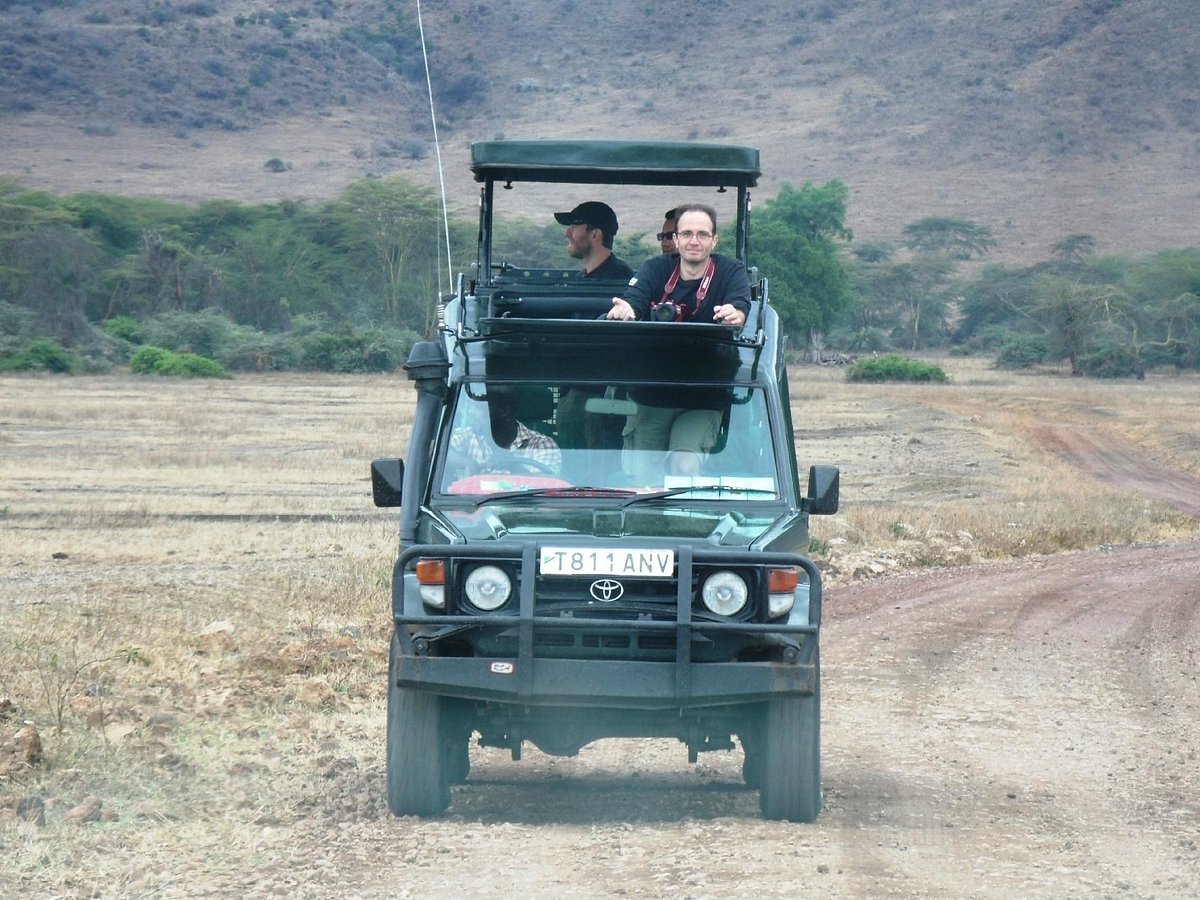
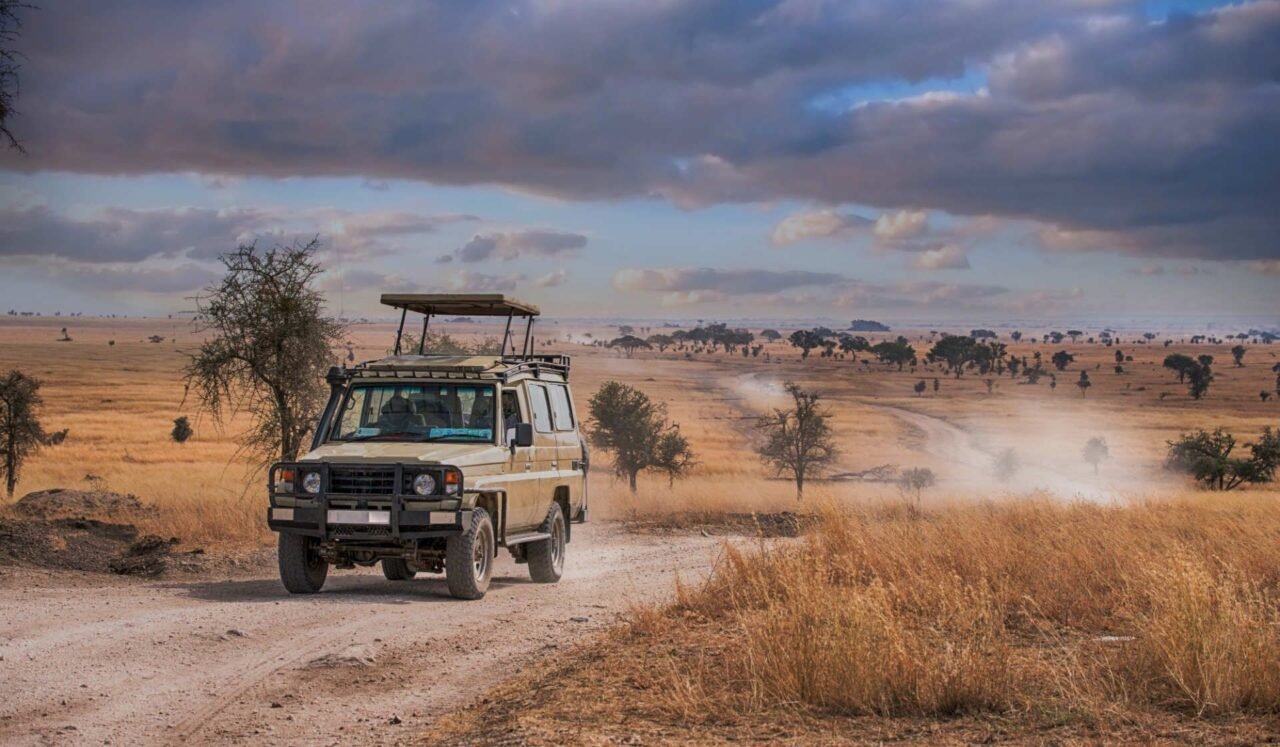
Iconic Exploration Routes of North Africa: A Comprehensive Travel Guide
North Africa, a region steeped in history, diverse cultures, and dramatic landscapes, offers some of the world’s most compelling exploration routes. From the sun-drenched coastlines of Morocco and Tunisia to the vast, enigmatic Sahara Desert and the ancient wonders of Egypt, this part of the continent promises adventures that resonate with discovery. For travelers planning expeditions in 2026 and 2027, understanding these iconic routes is the first step toward an unforgettable experience.
This guide is designed for those seeking more than just a vacation; it’s for explorers who want to connect with the soul of North Africa. We cover everything from planning your itinerary to understanding local customs, preparing for the climate, and making informed booking decisions. Whether you’re drawn to the bustling medinas, the silent grandeur of the desert, or the echoes of ancient civilizations, these routes offer a gateway to a region that continues to captivate.
Quick Facts: North Africa Exploration
| Region | North Africa |
| Key Countries | Morocco, Tunisia, Egypt, Algeria, Libya (travel advisories apply) |
| Primary Attractions | Sahara Desert, Roman Ruins, Ancient Cities, Coastal Landscapes, Mountain Ranges, Cultural Hubs |
| Best Time to Visit | Spring (March-May) and Autumn (September-November) for most regions. Winter for desert warmth, Summer for coastal escapes (can be very hot inland). |
| Travel Styles Supported | Adventure, Cultural Immersion, Historical Exploration, Road Trips, Trekking, Desert Safaris |
The Allure of North Africa’s Iconic Routes
North Africa is a crossroads of civilizations. For millennia, it has been a vital link between Europe, Sub-Saharan Africa, and the Middle East. This rich history has left an indelible mark on its landscapes and cultures, creating a unique blend of influences that travelers can experience firsthand. The iconic exploration routes here are not just paths on a map; they are journeys through time, offering encounters with ancient empires, vibrant nomadic traditions, and breathtaking natural wonders.
When considering your travel plans for 2026 or 2027, think about what truly calls to you. Is it the labyrinthine alleys of Fes and Marrakech? The stark beauty of the Sahara dunes? The monumental scale of Egyptian pyramids and temples? Or the well-preserved Roman cities of Tunisia? Each route offers a distinct flavor of North Africa, and understanding these differences is key to crafting your perfect adventure.
Why These Routes Matter for Explorers:
- Historical Depth: Walk in the footsteps of Romans, Phoenicians, Berbers, and pharaohs.
- Cultural Immersion: Engage with diverse communities, from desert nomads to bustling city dwellers.
- Natural Spectacle: Witness the vastness of the Sahara, the Atlas Mountains, and dramatic coastlines.
- Unique Experiences: Camel treks, desert camping, exploring ancient medinas, and savoring distinct cuisines.
Planning Your North African Expedition: Key Considerations for 2026-2027
Successful exploration in North Africa hinges on meticulous planning. The region’s diverse geography and climate necessitate careful consideration of the best time to visit, visa requirements, local transportation, and safety protocols. For travelers looking ahead to 2026 and 2027, starting your research and booking process early is highly recommended, especially for popular routes or specific accommodations.
Best Time to Visit North Africa
The ideal timing for your North African exploration depends heavily on the specific routes you intend to follow.
| Region/Activity | Best Months (Spring/Autumn) | Pros | Cons |
|---|---|---|---|
| Morocco (Desert & Mountains) | March-May, September-November | Pleasant temperatures, ideal for trekking and desert excursions. | Can be busy, especially during school holidays. |
| Morocco (Coastal Cities) | April-June, September-October | Mild weather, good for exploring cities like Essaouira and Casablanca. | Summer can be hot, winter can be rainy. |
| Tunisia (Roman Ruins & Coast) | April-June, September-October | Warm and sunny, perfect for historical sites and beaches. | Summer heat can be intense inland. |
| Egypt (Nile Valley & Red Sea) | October-April | Cooler, comfortable temperatures for sightseeing; Red Sea is warm for diving. | Peak season means higher prices and crowds. Summer is extremely hot. |
| Sahara Desert (General) | October-April | Cooler desert nights, daytime temperatures are manageable. | Nights can be very cold, especially in winter. |
Visa and Entry Requirements
Visa policies vary significantly by nationality and country. It is crucial to research the specific requirements for your passport well in advance of your 2026-2027 travel dates. Many nationalities can enter Morocco and Tunisia for tourism with a passport and a valid visa or visa-free for a limited period. Egypt often requires a visa on arrival for many nationalities, or an e-visa can be obtained beforehand. Always check the official government immigration websites for the most current information.
Local Transportation
Getting around North Africa can be part of the adventure. Options include:
- Flights: For long distances between countries or major cities (e.g., Casablanca to Cairo).
- Trains: Particularly efficient in Morocco and Egypt for inter-city travel.
- Buses: A more budget-friendly option, with various companies offering routes across countries.
- Grand Taxis/Shared Taxis: Common for shorter inter-city journeys, especially where trains or buses are less frequent.
- Private Transfers/Tours: The most convenient but costly option, often including a driver and guide. This is ideal for navigating remote or complex routes.
- Rental Cars: Possible in some countries, but driving can be challenging due to local traffic conditions and road quality.
Safety and Cultural Sensitivity
North Africa is generally safe for tourists, but like any region, it requires awareness. Stay informed about local conditions, especially in border regions or areas with political instability. It’s advisable to dress modestly, particularly when visiting religious sites or rural areas, to show respect for local customs. Learning a few basic phrases in Arabic or French can greatly enhance your interactions.
Iconic Exploration Routes: A Deep Dive
North Africa is not a monolith; its exploration routes offer vastly different experiences. Here, we detail some of the most renowned paths for adventurers planning their trips for 2026 and 2027.
Route 1: The Moroccan Imperial Cities & Sahara Immersion
This route is a quintessential North African journey, blending imperial history with desert magic.
- Duration: 7-14 days
- Countries: Morocco
- Key Destinations: Marrakech, Fes, Meknes, Rabat, Chefchaouen (optional), Merzouga/Erg Chebbi (Sahara Desert)
Itinerary Logic:
- Marrakech: Begin in the vibrant Red City. Explore the Jemaa el-Fnaa, the Koutoubia Mosque, and the Bahia Palace. Spend a day or two getting lost in the souks.
- Atlas Mountains Crossing: Travel from Marrakech towards the desert, often via the High Atlas Mountains (e.g., Tizi n’Tichka pass). This offers stunning mountain scenery.
- Ait Benhaddou & Ouarzazate: Visit the UNESCO World Heritage kasbah of Ait Benhaddou, a stunning example of southern Moroccan architecture. Ouarzazate is known as the ‘Hollywood of Africa’.
- Dades Valley & Todra Gorges: Journey through scenic valleys and canyons, with opportunities for short hikes.
- Merzouga (Erg Chebbi): Arrive at the edge of the Sahara Desert. Experience a camel trek into the dunes to a desert camp for an overnight stay. Enjoy stargazing and the profound silence of the desert.
- Return Journey/Forward to Imperial Cities: Depending on time, you can either return to Marrakech or head north towards Fes.
- Fes: Immerse yourself in one of the world’s oldest and most complex medinas. Visit the tanneries, Bou Inania Madrasa, and Al-Qarawiyyin University.
- Meknes & Volubilis: Day trip to the less-visited imperial city of Meknes and the impressive Roman ruins of Volubilis.
- Rabat: Explore the capital city, including the Hassan Tower and the Royal Palace.
What to Expect: A mix of bustling city life, ancient historical sites, dramatic mountain passes, and the serene beauty of the Sahara. You’ll encounter vibrant souks, intricate Islamic architecture, and warm hospitality.
Who it’s best for: First-time visitors to North Africa, culture enthusiasts, history buffs, and those seeking a classic Moroccan experience with desert adventure.
Sample 10-Day Itinerary:
- Day 1-3: Marrakech (Arrival, Medina exploration, palaces)
- Day 4: High Atlas Mountains, Ait Benhaddou, Ouarzazate
- Day 5: Dades Valley, Todra Gorges
- Day 6: Merzouga (Camel trek, desert camp)
- Day 7: Merzouga to Fes (Long travel day, scenic drive)
- Day 8-9: Fes (Medina exploration, historical sites)
- Day 10: Departure from Fes or return to Marrakech.
Route 2: Tunisian Heritage & Coastal Charm
This route focuses on Tunisia’s rich Roman past and its beautiful Mediterranean coastline.
- Duration: 7-10 days
- Countries: Tunisia
- Key Destinations: Tunis, Carthage, Sidi Bou Said, El Jem, Sousse, Kairouan, Djerba (optional)
Itinerary Logic:
- Tunis: Arrive in the capital. Explore the Bardo Museum (housing incredible Roman mosaics) and the Medina.
- Carthage: Visit the ancient Punic and Roman ruins just outside Tunis.
- Sidi Bou Said: Wander through this picturesque blue and white village overlooking the Mediterranean.
- Kairouan: Visit the holy city of Islam in North Africa, with its Great Mosque and ancient medina.
- El Jem: Marvel at the remarkably well-preserved Roman amphitheater, one of the best in North Africa.
- Sousse: Explore the Ribat (fortress), the medina, and enjoy the coastal city’s atmosphere.
- Coastal Drive/Djerba: Continue south along the coast, perhaps visiting the island of Djerba, known for its unique architecture and beaches.
What to Expect: A journey through history, with impressive Roman ruins, significant Islamic sites, and charming coastal towns. The pace is generally more relaxed than in Morocco.
Who it’s best for: History enthusiasts, archaeology buffs, those interested in Roman history, and travelers seeking a Mediterranean coastal experience with cultural depth.
Sample 8-Day Itinerary:
- Day 1-2: Tunis, Carthage, Sidi Bou Said
- Day 3: Kairouan
- Day 4: El Jem, Sousse
- Day 5-6: Sousse (explore, relax) or travel to Djerba
- Day 7: Djerba exploration or return towards Tunis
- Day 8: Departure from Tunis
Route 3: The Egyptian Nile Valley & Ancient Wonders
This is perhaps the most iconic historical exploration route in North Africa, focusing on the monumental legacy of Ancient Egypt.
- Duration: 7-14 days
- Countries: Egypt
- Key Destinations: Cairo, Giza, Luxor, Aswan, Abu Simbel, (optional: Red Sea resorts)
Itinerary Logic:
- Cairo & Giza: Begin with the Pyramids of Giza and the Sphinx. Visit the Egyptian Museum (or the new Grand Egyptian Museum), Khan el-Khalili bazaar, and Islamic Cairo.
- Fly to Luxor: Known as the ‘world’s greatest open-air museum’.
- Luxor East Bank: Explore Karnak Temple and Luxor Temple.
- Luxor West Bank: Visit the Valley of the Kings, Temple of Hatshepsut, and the Colossi of Memnon.
- Nile Cruise (Luxor to Aswan): A popular and comfortable way to travel. Cruises typically stop at Edfu (Temple of Horus) and Kom Ombo (Temple of Sobek and Haroeris).
- Aswan: Visit the High Dam, the Unfinished Obelisk, and the beautiful Philae Temple. Take a felucca ride on the Nile.
- Abu Simbel: Day trip or overnight trip from Aswan to the magnificent temples of Ramesses II and Nefertari, relocated to save them from flooding.
- Optional: Red Sea: Extend your trip with relaxation and diving/snorkeling in Sharm El Sheikh or Hurghada.
What to Expect: An overwhelming immersion in ancient history, colossal monuments, hieroglyphic-filled tombs, and a journey along the lifeblood of Egypt, the Nile River.
Who it’s best for: History and archaeology enthusiasts, first-time visitors to Egypt, those seeking iconic ancient wonders, and travelers who enjoy river cruises.
Sample 10-Day Itinerary (Nile Cruise focus):
- Day 1-2: Cairo (Arrival, Pyramids, Museum)
- Day 3: Fly to Luxor, East Bank exploration (Karnak, Luxor Temple)
- Day 4: Luxor West Bank (Valley of the Kings, Hatshepsut)
- Day 5: Board Nile Cruise, sail to Edfu
- Day 6: Edfu & Kom Ombo temples, sail to Aswan
- Day 7: Aswan (High Dam, Philae Temple, Felucca ride)
- Day 8: Abu Simbel excursion (early start)
- Day 9: Disembark cruise, fly back to Cairo or onward travel
- Day 10: Departure from Cairo
Route 4: Algerian Sahara & Ancient Ruins (with caution)
Algeria possesses vast Sahara landscapes and significant Roman sites, but travel here requires careful planning and awareness of current advisories.
- Duration: 10-14 days
- Countries: Algeria
- Key Destinations: Algiers, Timgad, Djemila, Constantine, Tamanrasset (Sahara)
Itinerary Logic:
- Algiers: Explore the capital, including the Casbah (UNESCO site) and Notre Dame d’Afrique.
- Constantine: Visit the city of bridges, with its dramatic gorge.
- Roman Ruins: Explore the exceptionally preserved Roman cities of Timgad and Djemila (both UNESCO sites).
- Sahara – Tamanrasset: Fly south to Tamanrasset for a glimpse into the deep Sahara. This requires significant logistical planning and experienced local guides. Expeditions can include visits to the Hoggar Mountains and unique rock formations.
What to Expect: Immense desert landscapes, some of the best-preserved Roman ruins in the world, and a less-traveled, more authentic experience. However, travel requires more preparation and awareness of safety and political situations.
Who it’s best for: Experienced travelers, archaeologists, serious adventurers, and those seeking off-the-beaten-path destinations who are prepared for the logistical complexities and potential safety considerations.
Important Note for 2026-2027: Travel advisories for Algeria can change. Always consult your government’s foreign travel advice and use reputable, experienced local operators for any travel within Algeria, especially to remote desert regions.
Preparing for Your Iconic North African Exploration
Proper preparation is key to a comfortable and rewarding journey. This includes packing the right gear, understanding local customs, and being mentally prepared for the experience.
What to Pack: Essential Items
Packing for North Africa requires a balance between comfort, cultural sensitivity, and preparedness for diverse climates.
- Clothing: Lightweight, breathable fabrics (cotton, linen). Long sleeves and trousers/skirts to protect from the sun and for cultural modesty. A warmer layer for desert nights or mountain evenings. A light rain jacket if traveling during shoulder seasons.
- Footwear: Comfortable walking shoes are essential for medinas and ruins. Sandals or flip-flops for relaxing. Hiking boots if planning mountain treks.
- Sun Protection: Wide-brimmed hat, sunglasses, high SPF sunscreen.
- Headwear: A scarf or head covering can be useful for sun protection and for women entering mosques or conservative areas.
- Health & Hygiene: Hand sanitizer, personal first-aid kit, any prescription medications, insect repellent (especially for coastal areas).
- Documents: Passport, visas, flight/hotel confirmations, travel insurance details, copies of important documents (stored separately).
- Electronics: Universal travel adapter, power bank, camera, extra batteries/memory cards.
- Miscellaneous: Small backpack for day trips, reusable water bottle, travel-sized toiletries, a good book for downtime.
Cultural Etiquette and Basic Phrases
Showing respect for local customs will greatly enhance your interactions.
- Greetings: A simple “Salam Alaikum” (Peace be upon you) is appreciated.
- Dress Code: Modest dress is recommended, especially outside major tourist hubs. For women, covering shoulders and knees is a good practice. Men should avoid sleeveless shirts in many areas.
- Photography: Always ask permission before photographing people, especially women and children.
- Bargaining: In souks, bargaining is expected. Do so politely and with a smile.
- Hospitality: North Africans are known for their hospitality. If invited for tea or a meal, accept graciously.
- Language: Arabic is the official language. French is widely spoken in Morocco and Tunisia. English is common in tourist areas but less so in rural locations. Learning a few Arabic phrases like “Shukran” (Thank you) and “La Shukran” (No thank you) is helpful.
Health and Safety Precautions
While North Africa is generally safe, a few precautions are wise:
- Water: Drink bottled or purified water only. Avoid ice in drinks unless you are sure it’s made from purified water.
- Food: Eat at reputable restaurants and street food stalls that look clean and busy. Peel fruits and vegetables yourself.
- Sunstroke/Dehydration: The sun can be intense. Drink plenty of water, wear protective clothing, and avoid strenuous activity during the hottest parts of the day.
- Scams: Be aware of common tourist scams, particularly in busy cities. Trust your instincts and be firm but polite if approached by persistent touts.
- Travel Insurance: Ensure you have comprehensive travel insurance that covers medical emergencies, trip cancellations, and lost luggage.
Common Mistakes to Avoid on North African Exploration Routes
Even seasoned travelers can make missteps. Being aware of common pitfalls can save you time, money, and frustration.
- Underestimating Travel Times: Distances can be long, and road conditions or traffic can cause delays. Build buffer time into your itinerary.
- Not Booking in Advance (for 2026-2027): Especially for popular Nile cruises or specific desert camps, booking well ahead is crucial.
- Ignoring Cultural Norms: Dressing inappropriately or being disrespectful can lead to awkward situations.
- Drinking Tap Water: A simple mistake that can lead to significant stomach issues.
- Overpacking: You’ll likely be moving between locations. Pack light and efficiently.
- Relying Solely on English: While English is spoken in tourist areas, knowing a few local phrases goes a long way.
- Not Budgeting for Everything: Factor in tips, entrance fees, local transport, and personal spending beyond the main tour cost.
- Visiting Algeria Without Proper Guidance: For remote areas, especially in the Sahara, relying on inexperienced operators or going solo is not recommended.
Who Are Iconic North African Exploration Routes Best For?
These routes cater to a wide range of travelers, but some are particularly well-suited to:
| Traveler Type | Best Suited For | Key Considerations |
|---|---|---|
| History & Archaeology Buffs | Tunisia (Roman ruins), Egypt (Ancient Dynasties), Morocco (Volubilis) | Focus on sites, historical context, guided tours. |
| Adventure Seekers | Morocco (Atlas trekking, Sahara), Algeria (Deep Sahara) | Physical fitness, appropriate gear, experienced guides, remote locations. |
| Culture Enthusiasts | Morocco (Medinas, souks), Egypt (Bazaars, local life), Tunisia (Kairouan) | Willingness to engage, learn basic phrases, respect customs, explore local markets. |
| First-Time North Africa Visitors | Morocco (Imperial Cities & Sahara), Egypt (Nile Valley) | Well-trodden paths, established infrastructure, guided tours recommended. |
| Solo Travelers | Morocco, Tunisia, Egypt (with caution and planning) | Group tours or private guides offer enhanced safety and social opportunities. |
| Couples/Honeymooners | Morocco (Luxury Riads, desert camps), Egypt (Nile Cruises), Tunisia (Coastal resorts) | Combination of cultural exploration and relaxation, romantic accommodations. |
Alternatives and Extensions
While the above routes are iconic, North Africa offers further exploration possibilities:
- Libya: Home to some of the most spectacular Roman ruins (Leptis Magna, Sabratha), but currently subject to significant travel advisories and instability. Not recommended for general tourism in 2026-2027.
- Morocco’s Coast: Explore the Atlantic coast beyond Essaouira, or the Rif Mountains.
- Egypt’s Red Sea: For diving, snorkeling, and beach relaxation.
- Mauritania: For more remote Sahara experiences, including ancient caravan cities like Chinguetti. This is a more rugged adventure.
Planning Your 2026-2027 North African Adventure: Key Steps
Looking ahead to 2026 and 2027, here’s a practical planning checklist:
- 12-18 Months Out: Research routes, destinations, and potential tour operators. Define your budget and preferred travel style.
- 9-12 Months Out: Book international flights. If planning a specific Nile cruise or a popular desert camp, book these now.
- 6-9 Months Out: Finalize your itinerary. Book internal flights or train tickets if needed. Secure visas if required well in advance.
- 3-6 Months Out: Book accommodation for any independent stays. Purchase travel insurance. Start learning basic phrases.
- 1-3 Months Out: Get any necessary vaccinations or health advice. Plan your packing list. Confirm all bookings.
- 2-4 Weeks Out: Exchange some currency. Make digital and physical copies of important documents. Inform your bank of your travel dates.
- 1 Week Out: Pack your bags. Double-check flight details.
Booking Advice for Iconic Exploration Routes
Choosing the right tour operator is paramount for a smooth and enriching experience, especially when navigating complex routes or remote areas.
When to Book for 2026-2027
For popular periods (e.g., Christmas, Easter, or the shoulder seasons of spring and autumn), booking 6-12 months in advance is highly recommended. For less busy times or more off-the-beaten-path destinations, 3-6 months might suffice, but early booking is always safer.
What to Look For in a Tour Operator
- Local Expertise: Operators with a strong presence and deep knowledge of North Africa are invaluable.
- Reputation: Check reviews and testimonials from past travelers.
- Inclusions/Exclusions: Understand exactly what your package covers (meals, guides, transport, entrance fees, accommodation).
- Flexibility: Can they customize itineraries to suit your interests and pace?
- Safety Standards: Do they have clear safety protocols, especially for desert excursions or challenging terrains?
- Sustainability Practices: Do they support local communities and minimize environmental impact?
Working with TopGuideAdventures
As a specialized tour operator based in Tanzania, we have extensive experience in crafting incredible African travel experiences. While our primary focus is East Africa, we understand the logistical needs and cultural nuances of neighboring regions like North Africa. We can assist with:
- Custom Itinerary Planning: Tailoring routes to your specific interests, whether it’s history, adventure, or cultural immersion.
- Logistical Support: Arranging reliable transportation, accommodation, and experienced local guides.
- Seamless Transitions: Ensuring your journey flows smoothly from one destination to the next.
- Expert Advice: Providing up-to-date information on destinations, safety, and best practices for North African exploration.
We are passionate about creating authentic and memorable journeys. If you’re dreaming of exploring the iconic exploration routes of North Africa in 2026 or 2027, let us help you plan your perfect adventure.
Contact us to start planning:
WhatsApp: +255616946642
Email: topguideadventures@gmail.com
Backup Email: info@topguideadventures.com
Frequently Asked Questions (FAQs)
1. How do I choose between Morocco and Egypt for my first North African trip?
For a first-time visitor, both are excellent choices but offer different experiences. Morocco provides a vibrant blend of imperial cities, diverse landscapes (mountains, desert, coast), and a strong Berber and Arab culture, with excellent infrastructure for tourism. Egypt is unparalleled for its ancient history, monumental Pharaonic sites, and the iconic Nile River experience. Consider your primary interest: Morocco for cultural immersion and varied landscapes, Egypt for profound ancient history.
2. Is it safe to travel to North Africa in 2026-2027?
Generally, North Africa is safe for tourists, especially in well-established tourist areas. However, it’s crucial to stay informed about current events and any government travel advisories for specific countries or regions. For example, Algeria requires more caution and planning than Morocco or Tunisia. Always use reputable guides and transport, especially in remote areas like the Sahara.
3. What is the best way to experience the Sahara Desert?
The most popular and recommended way is to join an organized tour from a town on the desert’s edge (like Merzouga in Morocco). This typically includes a camel trek into the dunes for sunset, an overnight stay in a desert camp (ranging from basic to luxury), and a hearty dinner under the stars. For 2026-2027, booking a reputable camp operator is key for comfort and experience.
4. Can I travel independently in North Africa?
Yes, it is possible to travel independently, especially in Morocco and Tunisia, using public transport and staying in hotels or guesthouses. However, for remote areas like the Sahara Desert, or for maximizing historical insights, using local guides and organized tours is highly recommended for safety, convenience, and a richer experience.
5. What currency should I use in North Africa?
Each country has its own currency: Moroccan Dirham (MAD), Tunisian Dinar (TND), and Egyptian Pound (EGP). While major credit cards are accepted in hotels, larger shops, and restaurants in cities, cash is essential for souks, smaller establishments, tips, and in rural areas. It’s advisable to exchange some currency upon arrival or withdraw from ATMs.
6. Do I need a visa for North African countries?
Visa requirements depend on your nationality. Many nationalities can enter Morocco and Tunisia visa-free for short stays. Egypt often offers visas on arrival or e-visas. It is vital to check the specific visa regulations for your passport and the destination country well in advance of your 2026-2027 travel plans through official embassy or immigration websites.
7. What kind of food can I expect in North Africa?
North African cuisine is flavorful and diverse, influenced by Berber, Arab, and Mediterranean traditions. Popular dishes include tagines (slow-cooked stews), couscous, pastilla (savory pies), grilled meats, fresh salads, and an array of pastries. Mint tea is a ubiquitous and important part of hospitality.
8. How much should I budget for a trip to North Africa?
Costs vary significantly based on destination, travel style (budget vs. luxury), duration, and activities. A mid-range trip to Morocco or Tunisia might cost between $70-$150 per person per day, excluding international flights. Egypt can be slightly more budget-friendly for basic travel but Nile cruises and tours can increase costs. High-end luxury experiences will be considerably more. Planning for 2026-2027 should include a buffer for potential price fluctuations.
9. Are these iconic exploration routes suitable for families with children?
Some routes are more family-friendly than others. Morocco’s Imperial Cities and Sahara trips can be adapted for families, with engaging cultural experiences and the magic of the desert. Egypt’s Nile cruises are often popular with families due to the relaxed pace and fascinating history. Routes involving extensive trekking or very remote desert expeditions might be less suitable for younger children.
10. What are the best iconic exploration routes of North Africa for 2026-2027?
The most consistently popular and logistically accessible iconic exploration routes of North Africa for 2026-2027 remain the Moroccan Imperial Cities & Sahara Immersion and the Egyptian Nile Valley & Ancient Wonders. Tunisia’s Heritage & Coastal Charm is also a highly recommended and rewarding option. For the truly adventurous willing to undertake significant planning and research, Algeria offers unique historical and desert experiences, but requires careful consideration of current advisories.
Your North African Adventure Awaits
The iconic exploration routes of North Africa offer a profound journey into history, culture, and breathtaking landscapes. From the ancient sands of Egypt to the vibrant souks of Morocco and the Roman echoes in Tunisia, these paths promise discoveries that will stay with you long after you return home. Planning your expedition for 2026 or 2027 requires attention to detail, but the rewards are immense.
Whether you’re drawn to the call of the desert, the grandeur of ancient ruins, or the vibrant pulse of North African cities, let us help you craft an unforgettable experience. Our expertise can guide you through the complexities of planning and ensure your journey is as smooth as it is spectacular.
Ready to explore the Iconic Exploration Routes of North Africa? Contact us today to start designing your personalized itinerary for 2026-2027.
WhatsApp: +255616946642
Email: topguideadventures@gmail.com
Backup Email: info@topguideadventures.com
Plan your Iconic Exploration Routes of North Africa with Top Guide Adventures
Tell us your travel dates, group size, comfort level, and dream experience. We will help you shape a clear, realistic, and memorable Tanzania itinerary.



