
Updated planning guide for 2026-2027
North Africa Cultural Discovery Adventures: Complete Guide 2026-2027
Discover the rich history, vibrant traditions, and stunning landscapes of North Africa on a cultural discovery adventure. This guide provides essential planning details for your 2026-2027 journey.
WhatsApp +255616946642 | topguideadventures@gmail.com | info@topguideadventures.com
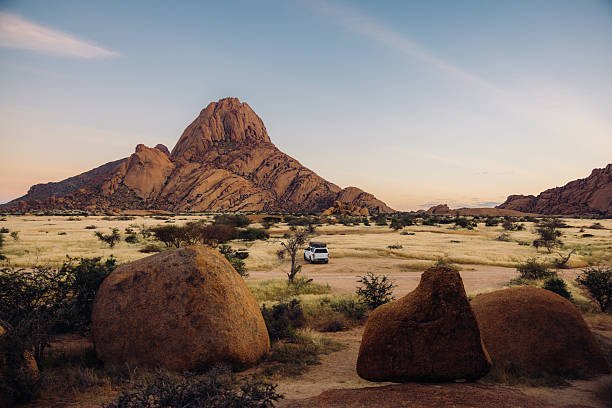
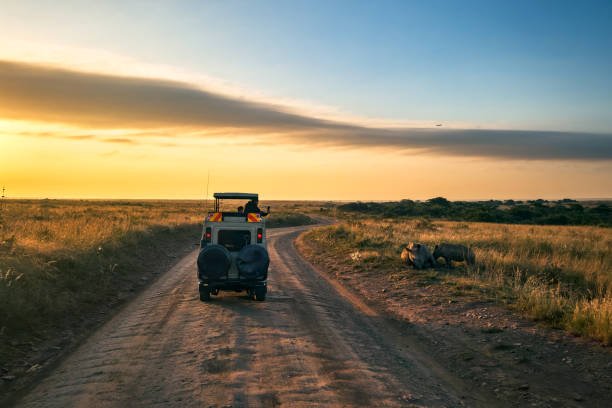
North Africa Cultural Discovery Adventures: Your Comprehensive Guide
North Africa offers a captivating blend of ancient history, diverse cultures, and breathtaking scenery, making it an ideal region for immersive cultural discovery adventures. From the bustling souks of Marrakech to the Roman ruins of Carthage and the vast Sahara Desert, this part of the continent promises experiences that connect travelers with traditions and stories spanning millennia. Planning a trip here requires understanding the unique aspects of each country and how to best experience their heritage.
This guide is designed to help you craft unforgettable North Africa cultural discovery adventures, covering everything from initial planning to making informed booking decisions for 2026 and 2027. We will explore what defines this region, why it appeals to curious travelers, the best times to visit, potential itineraries, what to pack, common pitfalls to avoid, and how to choose the right tour operator.
Quick Overview: North Africa Cultural Discovery Adventures
| Aspect | Details |
|---|---|
| Region | North Africa (Morocco, Algeria, Tunisia, Libya, Egypt, Sudan) |
| Key Experiences | Ancient history, Islamic architecture, Berber culture, desert landscapes, Mediterranean coastlines, vibrant markets, culinary traditions. |
| Travel Style | Cultural immersion, historical exploration, adventure, relaxation. |
| Best Time to Visit | Spring (March-May) and Autumn (September-November) for pleasant temperatures. Winter for desert trips. Avoid peak summer heat. |
| Duration | Typically 10-21 days for a comprehensive experience, depending on countries visited. |
Why Choose North Africa for Cultural Discovery?
North Africa is a crossroads of civilizations. Its strategic location has drawn traders, conquerors, and scholars for centuries, resulting in a rich cultural mosaic. Travelers seeking authentic experiences will find:
- Living History: Explore well-preserved Roman cities, ancient Egyptian temples, and medieval medinas that feel like stepping back in time.
- Vibrant Traditions: Witness traditional crafts, music, dance, and festivals that are still integral parts of daily life.
- Diverse Landscapes: Journey from the Mediterranean coast to the dramatic Atlas Mountains and the endless expanse of the Sahara Desert.
- Warm Hospitality: Experience the renowned generosity and welcoming nature of the local people.
- Unique Cuisine: Savor aromatic tagines, couscous, pastilla, and mint tea, reflecting centuries of culinary evolution.
Understanding the North African Landscape
When planning your North Africa cultural discovery adventures, it’s important to recognize the distinct characteristics of the countries within the region:
- Morocco: Known for its imperial cities (Marrakech, Fes, Meknes), vibrant souks, the Atlas Mountains, and the Sahara Desert. It offers a rich blend of Arab, Berber, and Andalusian influences.
- Tunisia: Boasts impressive Roman ruins (Carthage, El Jem), beautiful Mediterranean coastlines, and a rich Islamic heritage.
- Egypt: Famous for its ancient Pharaonic civilization, the Nile River, pyramids, and temples. A journey here is a deep dive into one of humanity’s oldest cultures.
- Algeria: Home to vast Roman sites, stunning desert landscapes, and unique Berber cultures, though often less visited by international tourists due to visa complexities and infrastructure.
- Libya: Possesses some of the best-preserved Roman cities in the world (Leptis Magna, Sabratha), but current political conditions make travel challenging and generally inadvisable for typical tourist itineraries.
- Sudan: Features numerous Nubian pyramids and ancient sites, offering a more off-the-beaten-path experience with a rich historical narrative distinct from Egypt.
For most cultural discovery adventures, Morocco, Tunisia, and Egypt are the most accessible and widely explored destinations. This guide will primarily focus on these, with notes on incorporating elements from others if feasible.
Table of Contents
- Quick Overview
- Why Choose North Africa for Cultural Discovery?
- Understanding the North African Landscape
- Best Time to Visit for Cultural Discovery
- Sample Routes & Itinerary Ideas
- What to Expect on Your Adventure
- Packing & Preparation Essentials
- Common Mistakes to Avoid
- Who Are These Adventures Best Suited For?
- Alternatives to North Africa Cultural Tours
- Planning Your 2026-2027 North Africa Trip
- Booking Your Cultural Discovery Adventure
- Frequently Asked Questions (FAQs)
Best Time to Visit for Cultural Discovery
The climate across North Africa varies significantly, but generally, the shoulder seasons offer the most comfortable conditions for cultural exploration.
| Season | Months | Pros | Cons | Ideal For |
|---|---|---|---|---|
| Spring | March – May | Pleasant temperatures, blooming landscapes, fewer crowds than summer. Ideal for city exploration and desert excursions. | Can still be cool in desert at night. Some areas might see spring rains. | Morocco, Tunisia, Egypt. Desert trips are excellent. |
| Summer | June – August | Long daylight hours. Good for coastal areas. | Extremely hot inland and in the desert. Can be uncomfortable for extensive sightseeing. Peak tourist season in some coastal spots. | Coastal Tunisia/Morocco (less intense heat). Egypt might be too hot for extensive temple visits. |
| Autumn | September – November | Warm and sunny days, cooler evenings. Harvest season in some regions. Excellent for all types of exploration. | Nights can start to get chilly, especially in the desert. | Morocco, Tunisia, Egypt. Excellent for desert and city tours. |
| Winter | December – February | Mild in coastal cities. Snow in Atlas Mountains. Fewer tourists. | Can be cold, especially in desert at night. Shorter daylight hours. Some desert tours might be limited by extreme cold. | Egypt’s Nile Valley is perfect. Coastal Morocco/Tunisia are pleasant. Desert trips require careful planning for warmth. |
Sample Routes & Itinerary Ideas
Crafting the perfect itinerary depends on your interests and available time. Here are a few popular routes for North Africa cultural discovery adventures:
Route 1: Classic Morocco (10-14 Days)
Focuses on imperial cities, mountains, and desert.
- Days 1-3: Marrakech: Arrive, explore Jemaa el-Fna square, Koutoubia Mosque, Bahia Palace, Saadian Tombs, and the vibrant souks.
- Day 4: Atlas Mountains Day Trip: Scenic drive, visit Berber villages, enjoy mountain views.
- Days 5-7: Fes: Travel to Fes, explore the ancient medina (a UNESCO World Heritage site), Al-Qarawiyyin University, tanneries, and artisanal workshops.
- Day 8: Meknes & Volubilis: Day trip to the imperial city of Meknes and the well-preserved Roman ruins of Volubilis.
- Days 9-11: Sahara Desert (Merzouga/Erg Chebbi): Journey east, camel trek into the dunes, overnight in a desert camp, watch sunrise/sunset over the sand sea.
- Days 12-13: Todra Gorge & Ouarzazate: Visit the dramatic Todra Gorge, then Ouarzazate (the ‘Hollywood of Africa’) and Ait Benhaddou (UNESCO Kasbah).
- Day 14: Return to Marrakech / Departure: Drive back to Marrakech for departure.
Route 2: Tunisia – Ancient Wonders & Coast (7-10 Days)
Highlights Roman history and Mediterranean charm.
- Days 1-2: Tunis & Carthage: Arrive in Tunis, explore the medina, visit the ancient ruins of Carthage and the picturesque village of Sidi Bou Said.
- Day 3: Bardo Museum: Visit the Bardo Museum in Tunis, home to an exceptional collection of Roman mosaics.
- Days 4-5: El Jem & Sousse: Travel to El Jem to see its magnificent Roman amphitheater, then continue to Sousse for its medina and Ribat.
- Days 6-7: Kairouan: Visit the holy city of Kairouan, a UNESCO site, known for its Great Mosque and traditional crafts.
- Days 8-9: Djerba Island (Optional): For a more relaxed, coastal experience, head south to Djerba for its unique architecture and beaches.
- Day 10: Departure from Tunis.
Route 3: Egypt – Nile & Ancient Civilizations (10-14 Days)
A deep dive into Pharaonic history.
- Days 1-3: Cairo: Arrive, visit the Pyramids of Giza, Sphinx, Egyptian Museum (or Grand Egyptian Museum), Khan el-Khalili bazaar.
- Day 4: Fly to Luxor: Transfer to Luxor, the site of ancient Thebes.
- Days 5-7: Luxor (East & West Banks): Explore Karnak Temple, Luxor Temple, Valley of the Kings, Temple of Hatshepsut, Colossi of Memnon.
- Days 8-11: Nile Cruise (Luxor to Aswan): Sail down the Nile, visiting Edfu Temple, Kom Ombo Temple, and arriving in Aswan.
- Days 12-13: Aswan: Visit Philae Temple, Unfinished Obelisk, Aswan High Dam, explore Nubian villages. Optional day trip to Abu Simbel.
- Day 14: Fly from Aswan to Cairo for Departure.
Combining Countries
For longer trips (3 weeks+), you could combine elements. For example, Morocco and Tunisia, or Egypt and a brief stop in a coastal city of Morocco. Travel between these countries often requires flights, as land borders can be complex or closed.
What to Expect on Your Adventure
North Africa cultural discovery adventures offer a rich sensory experience. Be prepared for:
- Vibrant Markets: Expect bustling souks filled with spices, textiles, leather goods, pottery, and intricate metalwork. Haggling is part of the experience.
- Architectural Marvels: From intricate Islamic tilework and grand mosques to imposing Roman amphitheaters and ancient temples, the architecture tells stories of empires and faiths.
- Desert Landscapes: If venturing into the Sahara, expect vast, silent expanses of sand dunes, starry nights, and unique desert flora and fauna. Camel treks are a classic way to experience this.
- Culinary Delights: Be open to trying local dishes. Tagines (slow-cooked stews), couscous, grilled meats, fresh bread, and sweet pastries are common. Mint tea is a symbol of hospitality.
- Varying Infrastructure: While major cities have modern amenities, some remote areas or historical sites may have simpler facilities.
- Cultural Etiquette: Dress modestly, especially when visiting religious sites. Be mindful of local customs regarding photography, personal space, and interactions.
Packing & Preparation Essentials
Smart packing is key to comfort and enjoyment. Tailor your packing list to the season and specific destinations within North Africa.
Clothing:
- Lightweight, breathable fabrics: Cotton, linen, and moisture-wicking synthetics are best.
- Modest clothing: Long-sleeved shirts, long trousers, and skirts/dresses that cover the knees are recommended, especially for women, to show respect for local customs and for sun protection.
- Scarf/Shawl: Essential for women for covering head/shoulders when visiting religious sites, and useful for sun protection or warmth. Men can also find them useful.
- Warm layers: Evenings can be cool, especially in the desert or mountains. A fleece or light jacket is advisable.
- Comfortable walking shoes: You’ll be doing a lot of walking, often on uneven surfaces.
- Sandals/flip-flops: For relaxing or in accommodations.
- Swimwear: If your accommodation has a pool or you plan to visit coastal areas.
Health & Hygiene:
- Sunscreen (high SPF): The sun can be intense.
- Hat: Wide-brimmed for sun protection.
- Sunglasses.
- Insect repellent: Especially for evenings near water.
- Hand sanitizer: For use when clean water isn’t available.
- Personal first-aid kit: Include any personal medications, pain relievers, antiseptic wipes, bandages, and rehydration salts.
- Motion sickness medication: If prone, for bus or car travel.
Documents & Money:
- Passport: With at least six months’ validity.
- Visas: Check requirements for your nationality well in advance.
- Copies of important documents: Passport, visa, flight tickets, insurance. Keep digital and physical copies separate.
- Travel insurance details.
- Credit/Debit cards: Inform your bank of your travel dates.
- Local currency (cash): For small purchases, tips, and in places where cards aren’t accepted. Exchange rates are often better at official exchange bureaus.
Other Essentials:
- Power adapter and portable charger.
- Reusable water bottle: To stay hydrated and reduce plastic waste.
- Small backpack/daypack: For daily excursions.
- Camera and extra memory cards.
- Phrasebook or translation app: While English is spoken in tourist areas, knowing a few basic phrases in Arabic or Berber languages is appreciated.
Common Mistakes to Avoid
To ensure your North Africa cultural discovery adventures are smooth and enjoyable, steer clear of these common pitfalls:
- Underestimating the Heat: Especially during summer months, the sun and temperatures can be extreme. Always carry water, wear sun protection, and plan strenuous activities for cooler parts of the day.
- Inadequate Packing: Not packing modest clothing or appropriate footwear can limit your experiences and cause discomfort.
- Ignoring Local Customs: Dress codes, photography etiquette, and social interactions vary. Researching and respecting local traditions is crucial for positive engagement.
- Not Budgeting for Extras: Souvenirs, tips, occasional snacks, and drinks can add up. Factor these into your budget.
- Trying to See Too Much: Rushing through multiple countries or cities in a short time leads to superficial experiences. It’s better to explore fewer places in depth.
- Not Verifying Visa Requirements: Visa regulations can change. Confirm requirements for all countries on your itinerary well in advance.
- Relying Solely on Credit Cards: While accepted in many hotels and larger shops, cash is king in souks and smaller establishments.
- Not Booking in Advance (for peak seasons): Popular accommodations and tours, especially during holidays or specific events, can fill up quickly.
Who Are These Adventures Best Suited For?
North Africa cultural discovery adventures are ideal for:
- Curious Travelers: Those eager to learn about history, different cultures, and local ways of life.
- History Enthusiasts: Individuals fascinated by ancient civilizations, Roman ruins, Islamic architecture, and historical narratives.
- Culture Seekers: People who enjoy exploring local markets, trying authentic cuisine, and observing traditional crafts and daily life.
- Adventure Lovers: Those who appreciate a mix of exploration, from desert treks and mountain hikes to navigating bustling cities.
- Photographers: The region offers stunning visual opportunities, from dramatic landscapes to intricate details in architecture and vibrant street scenes.
- Solo Travelers: With careful planning and reputable tour operators, North Africa can be a rewarding destination for solo explorers.
- Couples & Families (with older children): These trips can be enriching for couples looking for unique experiences or families with children old enough to appreciate historical and cultural sites.
They are generally less suited for travelers seeking purely beach-resort holidays or those who prefer highly structured, predictable environments with minimal cultural interaction.
Alternatives to North Africa Cultural Tours
While North Africa offers a unique proposition, similar cultural discovery experiences can be found in other regions:
- Middle East: Countries like Jordan (Petra, Wadi Rum, Roman ruins), Oman (forts, souks, desert), and parts of the UAE offer rich history, desert landscapes, and distinct cultural interactions.
- South Asia: India provides an incredibly diverse cultural tapestry, from ancient temples and Mughal architecture to vibrant festivals and varied landscapes.
- Central Asia: The Silk Road countries (Uzbekistan, Kyrgyzstan, Kazakhstan) offer ancient cities, unique nomadic cultures, and historical trade routes.
- Eastern Mediterranean: Greece and Turkey boast significant ancient history, Mediterranean cultures, and diverse landscapes, offering a different but equally compelling cultural journey.
Each alternative provides its own set of unique experiences, but North Africa stands out for its specific blend of Berber, Arab, and Mediterranean influences, coupled with its dramatic desert expanses.
Planning Your 2026-2027 North Africa Trip
Planning ahead is crucial for a successful trip, especially when targeting specific years like 2026 and 2027. Here’s a structured approach:
1. Define Your Interests & Destinations:
- What aspects of culture interest you most? History, art, cuisine, daily life, desert?
- Which countries are your priority? Morocco, Tunisia, Egypt?
- What kind of pace do you prefer? Fast-paced city hopping or slower immersion?
2. Determine Your Travel Dates & Duration:
- Consider the best time to visit (Spring/Autumn are generally ideal).
- Decide on your trip length (10 days minimum for a single country, 2-3 weeks for a more in-depth or multi-country experience).
- For 2026-2027, consider if you want to travel during specific holidays or festivals for added cultural immersion, but be aware of potential crowds and higher prices.
3. Set Your Budget:
- Factor in flights, accommodation, tours, meals, visa fees, insurance, and personal spending.
- North Africa can range from budget-friendly to luxury, depending on your choices.
- Prices for 2026-2027 are likely to see moderate increases, so budget accordingly.
4. Research Visa Requirements:
- Check the latest visa regulations for your nationality for each country you plan to visit. Some may require applications months in advance.
5. Health & Vaccinations:
- Consult your doctor or a travel clinic about recommended vaccinations and health precautions for North Africa.
6. Book Flights:
- International flights can be booked 6-12 months in advance for better prices.
- Consider booking internal flights or train tickets once your itinerary is firm.
7. Select Your Accommodation Style:
- Riads and traditional guesthouses offer cultural immersion. Hotels range from budget to luxury. Desert camps for Sahara experiences.
8. Choose Your Tour Operator:
- This is a critical step for North Africa cultural discovery adventures. Look for operators with local expertise, good reviews, and a focus on authentic experiences.
- For 2026-2027, booking 6-9 months in advance is highly recommended, especially for popular operators or specific departure dates.
9. Finalize Itinerary & Book Tours:
- Work with your chosen operator to customize your itinerary.
- Confirm inclusions and exclusions.
- Secure your bookings for key tours, guides, and activities.
Booking Your Cultural Discovery Adventure
Selecting the right tour operator is paramount for a fulfilling North Africa cultural discovery adventure. Here’s how to approach booking:
- Look for Local Expertise: Operators based in or with deep roots in North Africa understand the nuances, have established local contacts, and can offer more authentic experiences.
- Read Reviews: Check independent review sites and testimonials. Look for consistent positive feedback regarding guides, itinerary, accommodation, and customer service.
- Compare Inclusions: Understand what is covered in the tour price – accommodation, meals, transportation, guided tours, entrance fees, camel treks, desert camps, etc.
- Ask About Customization: If you have specific interests or needs, inquire about tailoring the itinerary. A good operator will be flexible.
- Check Group Size: Smaller groups often allow for more personal interaction and easier navigation of crowded sites or markets.
- Inquire About Guides: Are guides local? Do they speak your language fluently? Are they knowledgeable about history and culture?
- Understand Payment Terms: Clarify deposit requirements, payment schedules, and cancellation policies.
When booking for 2026-2027:
- Book Early: For popular travel periods or specific itineraries, booking 6-9 months in advance is advisable to secure your spot and preferred dates.
- Confirm 2026-2027 Pricing: While exact prices fluctuate, get a clear quote and understand how it might be affected by inflation or currency changes.
- Travel Insurance is Non-Negotiable: Ensure your policy covers trip cancellations, medical emergencies, and lost luggage.
Ready to plan your North Africa cultural discovery adventures? We specialize in creating authentic and memorable journeys across North Africa. Our team has extensive local knowledge and a passion for sharing the rich heritage of this region.
Contact us to discuss your dream itinerary. We can help you craft a trip that perfectly matches your interests, pace, and budget for 2026 or 2027.
WhatsApp: +255616946642
Email: topguideadventures@gmail.com
Backup Email: info@topguideadventures.com
Frequently Asked Questions (FAQs)
1. Is North Africa safe for cultural discovery adventures?
Generally, North African countries like Morocco and Tunisia are considered safe for tourists, especially when traveling with reputable tour operators. It’s important to stay aware of your surroundings, especially in crowded markets, and follow local advice. Egypt is also a popular and generally safe destination for cultural tourism. Always check current travel advisories from your government before booking and traveling.
2. What is the best way to travel between cities in North Africa?
Transportation varies. In Morocco and Tunisia, you can use comfortable inter-city buses, trains, or hire private transfers. For Egypt, Nile cruises are a classic way to travel between Luxor and Aswan, supplemented by flights or trains. For longer distances between countries, flying is usually the most efficient option.
3. Do I need to speak Arabic or Berber?
While knowing a few basic phrases in Arabic (or French, which is widely spoken in Morocco and Tunisia) is helpful and appreciated, it’s not essential. English is commonly spoken by guides and in tourist-oriented establishments. Many tour operators provide knowledgeable English-speaking guides.
4. How much should I budget for tips?
Tipping is customary in North Africa. For guides, drivers, hotel staff, and restaurant servers, a small tip is appreciated. Your tour operator can provide specific guidance based on the services received. Budget around 5-10% for good service in restaurants and for your main tour staff.
5. What is the dress code for visiting religious sites?
Modest dress is required. For women, this typically means covering shoulders and knees. A headscarf is often necessary for entering mosques. Men should also dress respectfully, avoiding shorts or sleeveless shirts at religious sites. Your guide will advise you on specific requirements.
6. Are North Africa cultural discovery adventures suitable for solo travelers?
Yes, many solo travelers find North Africa to be an engaging and safe destination, particularly when joining small group tours. It offers ample opportunities for cultural immersion and interaction with local guides and fellow travelers.
7. How far in advance should I book for 2026 or 2027?
For popular times or specific itineraries, booking 6-9 months in advance is recommended for 2026 and 2027 to ensure availability and potentially better pricing. For peak seasons or custom trips, even earlier booking might be beneficial.
8. What are the essential cultural etiquette points to remember?
Always ask permission before taking photos of people. Accept offers of mint tea – it’s a sign of hospitality. Use your right hand for eating and giving/receiving items. Be patient and polite; understanding and respect go a long way in building positive interactions.
9. Can I drink tap water in North Africa?
It is generally not recommended to drink tap water in North Africa. Stick to bottled water, which is widely available. Many accommodations provide filtered water, or you can use a water purification filter if you have one.
10. What kind of accommodation can I expect?
Accommodation varies widely. You can find everything from charming traditional riads (inns with interior courtyards) in Morocco, historic hotels in Tunisia, and comfortable lodges along the Nile in Egypt, to luxury desert camps in the Sahara. Standard hotels are also available in all major cities.
North Africa cultural discovery adventures offer a profound journey into history, tradition, and breathtaking landscapes. By understanding the region, planning meticulously, and choosing the right partners, you can create an unforgettable experience that resonates long after you return home. For personalized assistance in planning your 2026-2027 adventure, reach out to our experts.
WhatsApp: +255616946642
Email: topguideadventures@gmail.com
Backup Email: info@topguideadventures.com
How Much Should I Tip My Safari Guide In Tanzania? Your 2026-2027
Understand the tipping culture for safari guides and staff in Tanzania. This guide provides clear, actionable recommendations for tipping your safari crew in 2026-2027, covering guides...
View package details
7 Days In Tanzania: Your Expertly Planned Safari Itinerary For 2026-2027
Discover a perfectly crafted 7-day Tanzania safari itinerary for 2026-2027, designed to maximize wildlife viewing and cultural experiences in the Serengeti and Ngorongoro Crater.
View package details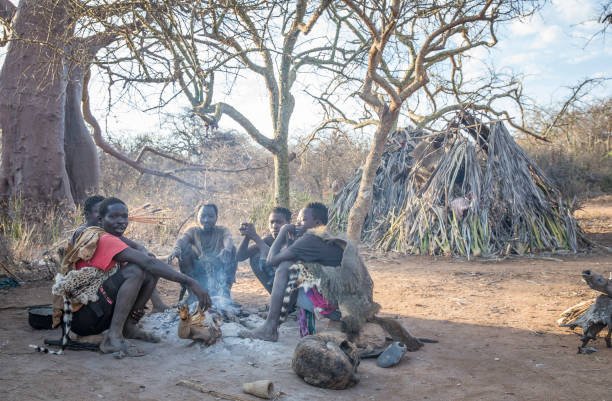
Hadzabe Chaba Lifestyle And His Wife From Arusha 2027-2028
Discover the authentic Hadzabe Chaba lifestyle and the role of their wives, with insights from Top Guide Adventures. Understand their unique hunter-gatherer culture, traditions, and daily...
View package detailsHadzabe Tribe Day Trip Cost From Moshi/Zanzibar 2026-2027
Hadzabe tribe Day trip cost from Moshi/Zanzibar is explained with current 2026-2027 planning, price, itinerary and booking information.
View package detailsHadzabe Tribe Day Trip Cost: 1 Day Tour Price 2026-2027
Planning a day trip to experience the authentic culture of the Hadzabe tribe? This guide breaks down the expected costs for 2026-2027, detailing what influences the price and what you can...
View package details
10-Day Southern Tanzania Safari And Zanzibar Package 2026-2027
Discover the ultimate 10-day Southern Tanzania safari and Zanzibar package, combining the wild heart of Africa with the tropical allure of the Spice Island. This itinerary offers an...
View package detailsNo related package matches those filters. Clear one or more filters to see the other topic-matched options.
Plan your North Africa Cultural Discovery Adventures with Top Guide Adventures
Tell us your travel dates, group size, comfort level, and dream experience. We will help you shape a clear, realistic, and memorable Tanzania itinerary.



