
Updated planning guide for 2026, 2027-2028
Ngorongoro Crater Day Trip From Moshi: Best Safari Guide 2026-2027-2028
Discover the ultimate guide to a Ngorongoro Crater day trip from Moshi. This comprehensive resource covers everything from itinerary planning and wildlife viewing to essential tips for your 2026-2027 adventure.
WhatsApp +255616946642 | topguideadventures@gmail.com | info@topguideadventures.com
Ngorongoro Crater Day Trip From Moshi: Your Ultimate Planning Guide
The Ngorongoro Crater, a UNESCO World Heritage Site, is a jewel in Tanzania’s crown, often referred to as the ‘eighth wonder of the world.’ Its unique caldera ecosystem supports an astonishing concentration of wildlife, making it a prime destination for safari enthusiasts. For many travelers based in Moshi, a gateway town for Kilimanjaro climbs and northern circuit safaris, a Ngorongoro Crater day trip offers an accessible yet profoundly rewarding wildlife experience. This guide is designed to provide you with all the essential information needed to plan and execute a memorable day trip to this natural marvel, whether you’re considering it for 2026, 2027, or 2028.
Ngorongoro Crater Day Trip: Quick Facts
| Location: | Arusha Region, Tanzania |
| Distance from Moshi: | Approximately 200-220 km (125-137 miles) |
| Travel Time from Moshi: | 4-5 hours one way (depending on road conditions and stops) |
| Park Fees: | Conservation fees, crater service fees, vehicle fees apply (subject to change) |
| Wildlife Highlights: | Big Five (lion, leopard, elephant, rhino, buffalo), hippos, flamingos, wildebeest, zebras, numerous bird species. |
| Best Time to Visit: | Generally year-round, with drier months (June-October, December-February) often preferred for easier game viewing. |
| Typical Duration: | Full day (approx. 6-8 hours of game driving within the crater) |
| Accommodation: | Day trip means no overnight stay within the crater or park; accommodation is in Moshi. |
Understanding the Ngorongoro Crater Experience
The Ngorongoro Conservation Area (NCA) is vast, but the main attraction for a day trip is the Ngorongoro Crater itself. This massive volcanic caldera, spanning about 260 square kilometers, is home to an incredible density of wildlife. Unlike many other parks where wildlife moves seasonally, the crater’s unique geography means most animals remain within its confines year-round. This makes it an exceptionally reliable destination for spotting a wide array of species in a single day.
A day trip from Moshi is ambitious, requiring an early start and a late return, but it’s entirely feasible and a popular choice for those with limited time. The journey itself offers glimpses of rural Tanzanian life, passing through local villages and agricultural landscapes before reaching the highlands surrounding the crater.
Why Choose a Ngorongoro Crater Day Trip From Moshi?
Several factors make this day trip a compelling option:
- Time Efficiency: Ideal for travelers on a tight schedule who cannot fit in a multi-day safari but still wish to experience a world-class wildlife destination.
- Concentrated Wildlife: The crater floor offers one of the highest densities of wildlife in Africa, maximizing your chances of sightings.
- The Big Five: It’s one of the few places where you have a very good chance of seeing all of the Big Five (lion, leopard, elephant, rhino, and buffalo) in a single day.
- Unique Scenery: The sheer scale and beauty of the crater, with its diverse habitats, are breathtaking.
- Accessibility from Moshi: Moshi is a common starting point for Kilimanjaro treks and northern circuit safaris, making it a convenient base for adding this excursion.
The Journey: Moshi to Ngorongoro Crater
The drive from Moshi to the Ngorongoro Conservation Area entrance is a significant part of the day. Typically, your tour operator will arrange a private 4×4 safari vehicle with a knowledgeable driver-guide. The route usually takes you through Arusha, then west towards Karatu, and finally up to the Ngorongoro Conservation Area gate.
Route Overview:
Moshi -> Arusha (approx. 1.5-2 hours) -> Karatu (approx. 2-2.5 hours) -> Ngorongoro Conservation Area Gate (approx. 30 mins) -> Crater Descent & Game Drive (4-6 hours) -> Crater Ascent & Drive back to Moshi (4-5 hours)
The roads are generally paved until you get closer to the conservation area, where they can become gravel and sometimes bumpy. The drive offers a chance to observe the changing landscapes, from the fertile slopes of Mount Kilimanjaro to the vast plains and eventually the highlands. You’ll pass through small towns and villages, providing a cultural immersion alongside the natural wonders.
Sample Itinerary for a Ngorongoro Crater Day Trip From Moshi
A well-organized day trip is crucial for maximizing your time and experience. Here’s a typical itinerary:
Day Trip Schedule
- 04:30 AM: Early morning pick-up from your hotel in Moshi. Meet your guide and depart in your safari vehicle.
- 06:30 AM – 07:00 AM: Brief stop in Arusha for any last-minute supplies or a quick coffee, if needed.
- 08:30 AM – 09:00 AM: Arrive at the Ngorongoro Conservation Area gate. Your guide handles park entry formalities.
- 09:00 AM – 09:30 AM: Drive to the crater rim viewpoint for your first breathtaking glimpse of the caldera.
- 09:30 AM: Descend the steep crater walls to the floor. Begin your game drive.
- 09:30 AM – 03:30 PM: Extensive game drive on the crater floor. This is your prime time for wildlife viewing. Your guide will expertly navigate to known wildlife hotspots. A picnic lunch will be served at a designated scenic spot within the crater.
- 03:30 PM: Ascend from the crater floor and begin the drive back towards the conservation area gate.
- 04:00 PM: Exit the Ngorongoro Conservation Area.
- 04:00 PM – 09:00 PM: Drive back to Moshi.
- 09:00 PM onwards: Arrive back at your hotel in Moshi.
What to Expect on the Crater Floor
The Ngorongoro Crater floor is a unique micro-environment. It features a mix of grasslands, swamps, a soda lake (Lake Magadi), and patches of acacia woodland. This diverse habitat supports an incredible array of wildlife:
- Mammals: Expect to see large herds of wildebeest and zebras, prides of lions, elephants (often tuskers), buffalo, hyenas, hippos in the Hippo Pool, jackals, and various antelopes like Thomson’s gazelles, Grant’s gazelles, and eland. The endangered black rhino is also present, though sightings can be challenging and require luck and a skilled guide. Leopards are elusive but can sometimes be spotted in the forested areas.
- Birds: The crater is a birdwatcher’s paradise. Look for large flocks of flamingos on Lake Magadi, ostriches, secretary birds, kori bustards, various eagles, and many water birds.
- Predator-Prey Dynamics: The high concentration of predators and prey makes for exciting viewing opportunities, showcasing the raw beauty of the African savanna.
Your guide will be instrumental in spotting animals, understanding their behavior, and ensuring you have the best possible experience within the limited time available. They carry radios to communicate sightings and know the best times and locations to find specific animals.
Inclusions and Exclusions: What Your Tour Should Cover
When booking a Ngorongoro Crater day trip from Moshi, it’s vital to understand what is included in the package. This helps avoid surprises and ensures you’re prepared.
Typical Inclusions
| Vehicle: | 4×4 safari vehicle with pop-up roof and experienced driver-guide. |
| Fuel: | Fuel for the entire trip. |
| Park Fees: | Ngorongoro Conservation Area entry fees (these are substantial). |
| Crater Service Fees: | Fees for descending into the crater. |
| Picnic Lunch: | A packed lunch and bottled water for the day. |
| Pick-up/Drop-off: | Transfer from your Moshi accommodation. |
Common Exclusions
| Accommodation: | Your hotel in Moshi (as it’s a day trip). |
| Tips: | Gratuities for your driver-guide. |
| Beverages: | Any drinks other than the bottled water provided. |
| Personal Expenses: | Souvenirs, travel insurance, etc. |
| Optional Activities: | Any extra activities not specified in the itinerary. |
Packing and Preparation for Your Day Trip
Even for a day trip, proper preparation is key. Since you’ll be spending long hours in a vehicle and exposed to the elements, packing smart is essential.
Essential Items to Pack:
- Clothing: Layers are best. Wear comfortable, neutral-colored clothing (khaki, beige, green). A light jacket or fleece for the early morning and late evening chill, and a light long-sleeved shirt and trousers to protect from the sun and insects.
- Footwear: Comfortable walking shoes or sturdy trainers. You won’t be doing much walking, but comfort is paramount for the long day.
- Sun Protection: Wide-brimmed hat, sunglasses, and high SPF sunscreen are non-negotiable. The sun can be intense.
- Insect Repellent: Especially important for evenings and if you plan to stop in areas with vegetation.
- Camera and Binoculars: Bring extra batteries and memory cards. Binoculars will significantly enhance your wildlife viewing.
- Reusable Water Bottle: Though water is usually provided, having your own is good practice.
- Snacks: While lunch is provided, some travelers prefer to bring their own snacks.
- Small Backpack: To carry your essentials like camera, water, sunscreen, and hat.
- Hand Sanitizer: For hygiene.
- Personal Medications: If you have any specific medical needs.
- Passport/ID: Keep a copy of your passport securely stored, but it’s wise to have your ID with you.
Seasonality and Best Time to Visit
The Ngorongoro Crater is a year-round destination, but certain times offer slightly different experiences. For a day trip from Moshi, the primary consideration is wildlife visibility and weather.
Ngorongoro Crater Seasonality Overview
| Period | Weather | Wildlife Viewing | Crowds |
|---|---|---|---|
| June – October (Dry Season) | Cooler, dry days. Less vegetation means animals are easier to spot. Water sources are limited, concentrating wildlife. | Excellent. High chance of seeing diverse animals. | Moderate to High. Peak tourist season. |
| November (Short Rains) | Intermittent light showers, still relatively dry. Landscape turns greener. | Good. Wildlife begins to disperse slightly with new grass. | Moderate. |
| December – February (Hot/Dry Season) | Warm to hot, dry days. Animals are still concentrated. Good for birdwatching as migratory birds arrive. | Excellent. Very reliable for Big Five sightings. | High. Popular for holiday travel. |
| March – May (Long Rains) | Heavy rainfall, especially in April and May. Roads can become muddy and challenging. Landscape is lush and green. | Good, but animals may be more dispersed. Can be harder to spot them in thick vegetation. Birdlife is abundant. | Low. Shoulder season. |
For a day trip from Moshi, the dry seasons (June-October and December-February) are often preferred because the grass is shorter, making wildlife easier to spot, and road conditions are generally better. However, the crater’s unique environment means wildlife is present year-round, so any time can be rewarding.
Common Mistakes to Avoid
To ensure your Ngorongoro Crater day trip from Moshi is as successful and enjoyable as possible, be aware of these common pitfalls:
- Underestimating Travel Time: The drive from Moshi is long. Factor in potential traffic and road conditions. Starting too late is the biggest mistake.
- Not Booking in Advance: Especially during peak seasons (2026-2027), reputable tour operators and vehicles can book up. Secure your trip early.
- Choosing the Cheapest Option Blindly: While budget is a concern, extremely cheap tours may compromise on vehicle quality, guide experience, or adherence to park rules, potentially leading to a subpar or even unsafe experience.
- Expecting to See Everything Instantly: Wildlife viewing is unpredictable. While the crater is dense with animals, patience and a good guide are essential.
- Overpacking: Bring essentials, but avoid bulky items that will be cumbersome in the vehicle.
- Not Protecting Yourself from the Sun: The African sun is strong. Sunburn can ruin your day and subsequent travel plans.
- Ignoring Your Guide: Your driver-guide is an expert. Listen to their advice regarding safety, animal sightings, and timings.
- Assuming All Fees Are Included: Always clarify what park fees and other charges are covered in your quoted price.
Who is a Ngorongoro Crater Day Trip Best Suited For?
This type of trip is ideal for several traveler profiles:
- Time-Constrained Travelers: Those on a shorter Tanzanian itinerary who cannot afford multiple days for a safari but want a high-impact wildlife experience.
- Kilimanjaro Trekkers: Often done either before or after a Kilimanjaro climb, offering a different kind of adventure.
- Budget-Conscious Safari Seekers: While not ‘cheap,’ a day trip is more affordable than multi-day safaris, offering a taste of Tanzania’s wildlife wonders.
- Wildlife Enthusiasts: Anyone eager to see a high concentration of animals, including the Big Five, in a spectacular natural setting.
- Photography Buffs: The crater offers incredible photographic opportunities, though patience is required for the best shots.
It might be less ideal for travelers who want a leisurely pace, extensive cultural interactions beyond the drive, or the opportunity to explore multiple parks in depth. For those individuals, a longer safari package would be more appropriate.
Alternatives to a Ngorongoro Crater Day Trip
If a day trip isn’t quite right, or if you have a little more time, consider these alternatives:
- Multi-Day Ngorongoro Safari: Spend 2-3 days exploring the Ngorongoro Conservation Area, potentially including a visit to a Maasai village and a stay at lodges or tented camps near the crater rim or in Karatu. This allows for a more relaxed pace and deeper exploration.
- Lake Manyara National Park Day Trip: Located closer to Arusha and Moshi than Ngorongoro, Lake Manyara offers a different, though equally rewarding, safari experience. It’s famous for its tree-climbing lions, large elephant herds, and vibrant birdlife, especially around the soda lake. A day trip here is less demanding than Ngorongoro.
- Tarangire National Park Day Trip: Known for its massive baobab trees and large elephant populations, Tarangire is another excellent option. It’s particularly stunning during the dry season when animals congregate around the Tarangire River. A day trip is possible but also benefits from longer stays.
- Combination Safaris: For travelers with 3-5 days, combining Lake Manyara, Tarangire, and Ngorongoro Crater offers a comprehensive Northern Circuit experience without the long drives of a day trip.
Planning Your Trip for 2026-2027
Planning ahead is crucial for a successful trip, especially as you look towards 2026 and 2027. Early booking can secure better availability and potentially better rates.
Key Planning Steps:
Planning Checklist:
- Choose Your Operator: Research reputable tour operators based in Moshi or Arusha. Look for those with good reviews, clear communication, and expertise in day trips.
- Define Your Budget: Day trips vary in price based on vehicle type, group size, and inclusions. Get quotes from a few operators.
- Select Your Dates: Consider the best time to visit based on your priorities (wildlife, weather, crowds).
- Book Your Trip: Secure your Ngorongoro Crater day trip at least 3-6 months in advance, especially for peak seasons in 2026 and 2027.
- Arrange Moshi Accommodation: Book your hotel in Moshi for the night before and after your day trip.
- Prepare Your Gear: Gather all necessary clothing and equipment as per the packing list.
- Confirm Details: A week before your trip, reconfirm pick-up times, meeting points, and any special requests with your operator.
Costs and Pricing Notes
Exact pricing for a Ngorongoro Crater day trip from Moshi can fluctuate based on the season, the vehicle type, the number of people in your group, and the specific inclusions offered by the tour operator. It is not advisable to invent exact prices, but understanding the cost components is important.
The largest portion of the cost typically comprises the park fees. These are set by the Ngorongoro Conservation Authority and are substantial. For 2026-2027, expect these fees to remain a significant factor in the overall price. They generally include:
- Crater Service Fee: A per-vehicle fee for entering the crater.
- Conservation Fee: A per-person, per-day fee for entering the Ngorongoro Conservation Area.
- Vehicle Fee: A fee for the safari vehicle itself.
In addition to park fees, the cost covers your private 4×4 safari vehicle, a professional driver-guide, fuel, and the picnic lunch. When comparing quotes, ensure you are comparing like-for-like services and that all mandatory fees are included.
Booking Your Ngorongoro Crater Day Trip
Choosing the right tour operator is paramount for a smooth and enjoyable experience. At Best Tanzania Tour Operator, we specialize in crafting memorable safari experiences, including expertly organized Ngorongoro Crater day trips from Moshi.
Why Book With Us?
- Local Expertise: We are a Tanzanian company with deep knowledge of the parks, wildlife, and logistics.
- Experienced Guides: Our driver-guides are highly trained, knowledgeable about wildlife, and committed to your safety and enjoyment.
- Quality Vehicles: We use well-maintained 4×4 safari vehicles equipped for comfort and optimal game viewing.
- Tailored Experiences: While we offer standard day trips, we can also customize elements to suit your needs.
- Transparent Pricing: We provide clear breakdowns of what is included in our quotes.
Ready to plan your Ngorongoro Crater day trip from Moshi?
Contact us today to discuss your safari plans. We are here to help you create an unforgettable adventure in Tanzania.
WhatsApp: +255616946642
Email: topguideadventures@gmail.com
Backup Email: info@topguideadventures.com
Frequently Asked Questions (FAQs)
Your Questions Answered
Q1: Is a day trip to Ngorongoro Crater from Moshi feasible?
A1: Yes, it is feasible but requires a very early start and a late return. It’s a long day of driving (around 4-5 hours each way) plus about 6-8 hours of game driving within the crater. It’s best for travelers with limited time who want to experience the crater’s wildlife density.
Q2: What is the best time of year for a Ngorongoro Crater day trip in 2026-2027?
A2: The dry seasons (June to October and December to February) are generally considered best for wildlife viewing due to shorter grass and concentrated animals. However, the crater is a year-round destination, and good sightings are possible at any time.
Q3: Can I see the Big Five in one day on a Ngorongoro Crater trip?
A3: It is highly possible to see all of the Big Five (lion, leopard, elephant, rhino, buffalo) in a single day trip. The Ngorongoro Crater has one of the highest densities of wildlife in Africa, making it one of the best places for such sightings.
Q4: What are the typical park fees for the Ngorongoro Crater?
A4: Park fees are substantial and subject to change. They typically include a conservation fee per person, a vehicle fee, and a crater service fee. These are usually included in the tour package price but always confirm with your operator.
Q5: What should I wear for a Ngorongoro Crater day trip?
A5: Wear comfortable, neutral-colored clothing in layers. A light jacket for cooler mornings/evenings, long sleeves and trousers for sun protection, a wide-brimmed hat, and sunglasses are essential. Comfortable closed-toe shoes are recommended.
Q6: How much driving is involved from Moshi to Ngorongoro Crater?
A6: The drive is approximately 4 to 5 hours each way, covering about 200-220 km. This includes time for park entry procedures. Factor in an early start and late return.
Q7: What is included in a typical Ngorongoro Crater day trip package?
A7: Usually included are a private 4×4 safari vehicle with a driver-guide, fuel, park entry fees, crater service fees, and a picnic lunch with bottled water. Accommodation in Moshi and tips are typically excluded.
Q8: Is it safe to do a day trip to Ngorongoro Crater?
A8: Yes, Ngorongoro Crater day trips are safe when conducted with a reputable tour operator. The vehicles are designed for safari, and experienced guides ensure your safety and adhere to park regulations. It’s important to stay inside the vehicle during game drives unless at designated picnic spots.
Q9: Can I book a Ngorongoro Crater day trip from Moshi for 2027?
A9: Absolutely. Booking for 2027 is recommended to be done well in advance, especially if you are planning to travel during peak seasons. Contacting tour operators like Best Tanzania Tour Operator early will help secure your preferred dates and services.
Q10: What is the difference between Ngorongoro Crater and other parks for a day trip?
A10: The Ngorongoro Crater offers an unparalleled concentration of wildlife within a unique caldera setting, making it ideal for guaranteed sightings. Other parks like Lake Manyara or Tarangire offer different landscapes and wildlife experiences but may require similar travel times from Moshi for a day trip. The sheer density and diversity within the crater are its main draw for a single-day visit.
Final Thoughts on Your Ngorongoro Crater Day Trip
A Ngorongoro Crater day trip from Moshi is an ambitious yet incredibly rewarding adventure. It offers a concentrated dose of Tanzania’s spectacular wildlife and natural beauty, all within the confines of a breathtaking volcanic caldera. By understanding the logistics, preparing adequately, and choosing a reliable tour operator, you can ensure this day trip becomes a highlight of your Tanzanian journey, whether you’re planning for 2026, 2027, or beyond.
Don’t miss the chance to witness this natural wonder. Let us help you plan your perfect Ngorongoro Crater day trip from Moshi.
Book Your Unforgettable Ngorongoro Crater Day Trip!
Ready to experience the magic of the Ngorongoro Crater? Contact Best Tanzania Tour Operator today to plan your customized day trip from Moshi. We ensure a high-quality safari experience with expert guides and comfortable vehicles.
Get in touch:
WhatsApp: +255616946642
Email: topguideadventures@gmail.com
Backup Email: info@topguideadventures.com
Let us craft your perfect Tanzanian safari adventure for 2026-2027!
1-Day Nyerere Safari From Zanzibar For Couples: Your Ultimate Escape 2026-2027
Discover the magic of a 1-day safari trip from Zanzibar to Nyerere National Park (formerly Selous Game Reserve), perfect for couples seeking adventure and wildlife encounters. This guide...
View package details
1-Day Shared Mikumi Safari From Zanzibar: Your Ultimate Day Trip Guide
Discover the thrill of a 1-day shared safari to Mikumi National Park, departing from Zanzibar. This guide covers everything you need to know for an unforgettable wildlife encounter in...
View package details
bEST Mikumi Safari Group Departures, Choose 1 Day, 2 Days, 3 Days 2026-2027
Discover the best Mikumi safari group departures for 2026-2027 with Top Guide Adventures. This comprehensive guide helps you find shared safaris, compare itineraries, and understand costs...
View package details
All-Inclusive Nyerere Day Trip Price Guide 2026-2027
Planning an all-inclusive Nyerere Day Trip? This comprehensive guide breaks down the expected prices for 2026-2027, detailing what's typically included and how to get the best value.
View package details
Affordable 1-Day Selous Safari From Zanzibar: Your Ultimate Day Trip Guide
Discover the feasibility and details of an affordable 1-day Selous Safari departing from Zanzibar. This guide covers logistics, wildlife, costs, and what to expect for your quick wildlife...
View package details
14-Day Selous, Mikumi, Ruaha And Beach Holiday In Tanzania 2026-2027
This 14-day itinerary combines the incredible wildlife viewing of Southern Tanzania's parks – Selous Game Reserve, Mikumi National Park, and Ruaha National Park – with a relaxing beach...
View package details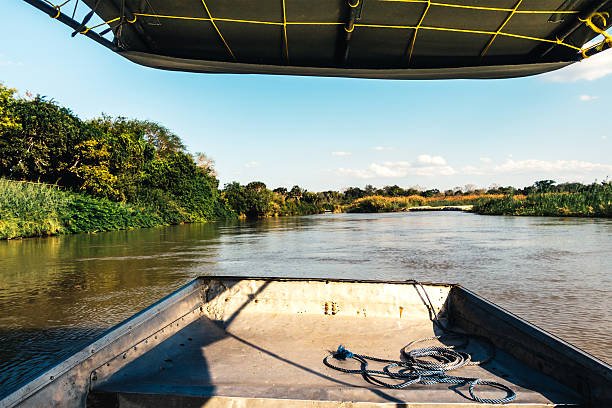
12-Day Nyerere Safari And Zanzibar Honeymoon: The Ultimate Romantic Escape
A 12-day Nyerere Safari and Zanzibar Honeymoon offers an unparalleled blend of thrilling wildlife encounters in one of Africa's largest game reserves and serene relaxation on the exotic...
View package details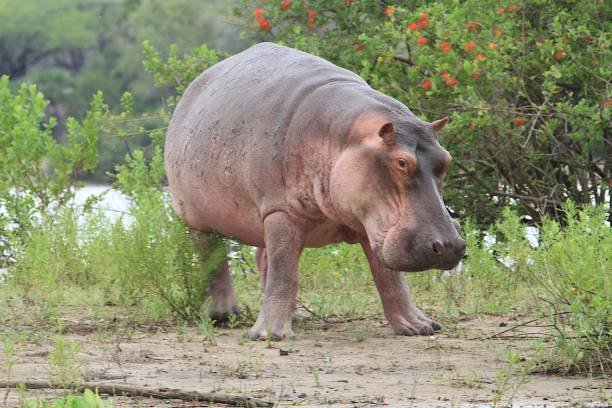
12-Day Southern Tanzania Grand Safari: An Unforgettable Adventure In 2026-2027
Discover the untamed beauty of Southern Tanzania on an epic 12-day safari. This journey explores the vast wilderness of Selous Game Reserve, the dramatic landscapes of Ruaha National Park...
View package details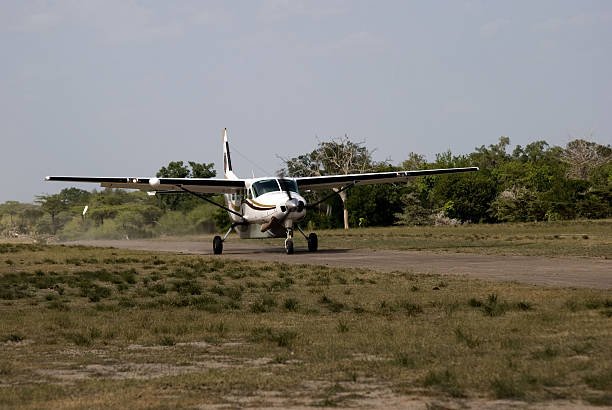
10-Day Selous, Mikumi And Ruaha Safari Guide
Discover the untamed beauty of southern Tanzania with a 10-day safari combining Selous Game Reserve, Mikumi National Park, and Ruaha National Park. This itinerary offers a comprehensive...
View package details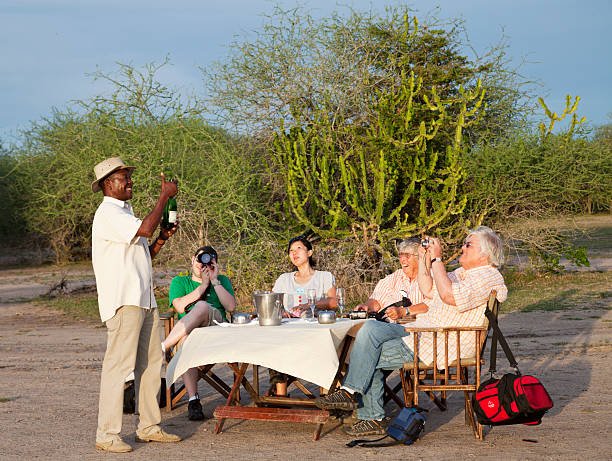
10-Day Nyerere, Ruaha & Zanzibar Package: Ultimate Southern Tanzania Adventure
Discover the best of Southern Tanzania with a meticulously crafted 10-day package combining the vast wilderness of Nyerere National Park (formerly Selous) and Ruaha National Park with the...
View package details10-Day Southern Tanzania Safari And Beach Holiday 2026-2027
Discover the ultimate 10-day Southern Tanzania safari and beach holiday, blending the wild wonders of Selous and Ruaha with the serene shores of Zanzibar or Mafia Island. Perfect for...
View package details
9-Day Mikumi, Nyerere And Zanzibar Tour: The Ultimate Southern Tanzania
Discover the magic of Southern Tanzania with a 9-day journey through Mikumi National Park, Nyerere National Park (formerly Selous Game Reserve), and the spice island of Zanzibar. This tour...
View package detailsNo related package matches those filters. Clear one or more filters to see the other topic-matched options.
Plan your Ngorongoro Crater Day Trip From Moshi with Top Guide Adventures
Tell us your travel dates, group size, comfort level, and dream experience. We will help you shape a clear, realistic, and memorable Tanzania itinerary.



