
A Ndutu and Ngorongoro safari in Tanzania offers two distinct yet complementary wildlife viewing experiences: the vast plains of the Ndutu area, crucial for the Great Migration’s calving season, and the unique ecosystem of the Ngorongoro Crater, a caldera teeming with diverse wildlife year-round. Combining these locations provides an exceptional safari, particularly for witnessing large predator-prey interactions and a high density of animals, making it a prime choice for travelers in 2026-2027.
Understanding the Ndutu and Ngorongoro Safari Dynamic
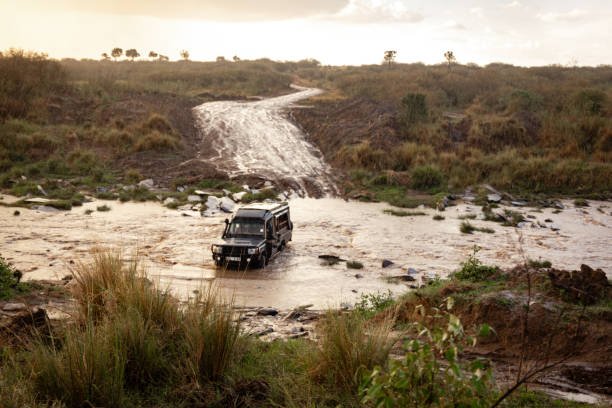
When planning a Tanzanian safari, the names Ndutu and Ngorongoro often arise together, and for good reason. They represent two of the most iconic and wildlife-rich areas in the northern safari circuit. While geographically close, they offer different, yet equally compelling, safari experiences that, when combined, create a truly comprehensive and unforgettable adventure. This guide will explore what makes a Ndutu and Ngorongoro safari so special, what to expect, and how to plan your trip for 2026-2027.
Ndutu is technically part of the Serengeti National Park’s northern plains, bordering the Ngorongoro Conservation Area. Its fame stems primarily from being a critical calving ground for the wildebeest during the Great Migration, typically from late December to March. This period brings an explosion of life, attracting predators in large numbers. Ngorongoro Crater, on the other hand, is a UNESCO World Heritage Site and a geological marvel – a vast volcanic caldera that holds an incredible concentration of wildlife year-round, including the rare black rhino.
A safari that includes both Ndutu and Ngorongoro is a masterclass in East African wildlife viewing. It allows you to witness the dramatic cycles of nature, from the vulnerable newborn life on the plains of Ndutu to the dense, permanent populations within the crater’s walls. For travelers looking for peak wildlife encounters, especially for photography and observing predator-prey dynamics, this combination is hard to beat.
Ndutu: The Heartbeat of the Great Migration’s Calving Season
The Ndutu plains, situated in the northern part of the Ngorongoro Conservation Area (NCA) and bordering the Serengeti National Park, are synonymous with the Great Migration’s most tender and dramatic phase: the calving season. From approximately late December through March, hundreds of thousands of wildebeest, zebras, and gazelles gather here to give birth to their young.
The Spectacle of Calving
Imagine vast, seemingly endless grasslands dotted with thousands upon thousands of wildebeest. This is the scene in Ndutu during calving season. The air is filled with the lowing of mothers and calves, and the plains become a nursery. Newborns, often able to stand and walk within minutes of birth, are a tempting sight for the resident predators.
The sheer number of vulnerable young animals creates a feeding frenzy for lions, cheetahs, hyenas, and wild dogs. Witnessing a lion pride actively hunting, a cheetah sprinting across the plains, or a pack of hyenas coordinating an attack is a raw and powerful experience that defines a Ndutu safari. The landscape itself is beautiful, with acacia trees dotting the plains and the distant kopjes offering vantage points for predators.
Best Time to Visit Ndutu for Calving (Late December – March)
For those specifically interested in the calving season and the associated predator activity, the period from late December to March is paramount. While the exact timing can vary slightly year to year based on rainfall patterns, this window reliably offers the highest chances of witnessing the dramatic events of birth and predation. The short rains usually occur in November and December, which green up the plains and attract the herds. The long rains typically begin in April.
During these months, game drives in Ndutu are incredibly rewarding. The open plains mean excellent visibility, and the concentration of animals is exceptionally high. You’ll find yourself surrounded by wildlife, with opportunities for incredible photography and close-up observations of animal behavior.
Wildlife Beyond the Migration
While the calving wildebeest are the main draw, Ndutu is also home to a rich array of resident wildlife. Lions are abundant, often seen lounging under acacia trees or actively hunting. Cheetahs are frequently spotted on the hunt across the open grasslands, utilizing their incredible speed. Hyena clans are active, and if you’re lucky, you might spot the elusive African wild dog.
Elephants, giraffes, zebras, various gazelle species (including Thomson’s and Grant’s gazelles), and numerous bird species also inhabit the area. The presence of kopjes (rocky outcrops) provides habitat for rock hyraxes and often serves as lookout points for lions and cheetahs.
Lodging Options in Ndutu
Ndutu offers a range of accommodation, from luxury tented camps to more comfortable mid-range lodges. Many of these are strategically located to provide excellent access to the plains and migration herds. Options often include:
- Luxury Tented Camps: Offering an intimate safari experience with comfortable amenities, en-suite bathrooms, and often private verandas overlooking the plains.
- Mid-Range Lodges/Camps: Providing comfortable and well-appointed rooms or tents, with good service and dining options.
- Mobile Camps: These camps move with the migration, offering a truly wild experience, though they might be more basic.
Booking accommodation in Ndutu for the peak calving season (January-March) is highly recommended well in advance, especially for 2026-2027 trips, as popular lodges fill up quickly.
Ngorongoro Crater: The Eighth Wonder of the World
The Ngorongoro Crater is a UNESCO World Heritage Site and one of Africa’s most spectacular natural wonders. It is a vast, intact volcanic caldera, approximately 19 kilometers (12 miles) wide, with walls rising over 600 meters (2,000 feet) high. This unique geological formation creates a self-contained ecosystem that supports an astonishing density and diversity of wildlife.
A Microcosm of African Wildlife
Often referred to as the “Eighth Wonder of the World,” the Ngorongoro Crater floor is a impressive landscape featuring grasslands, swamps, forests, and a large soda lake. This diverse terrain supports an incredible array of animals. What makes the crater particularly special is its high concentration of wildlife, allowing visitors to see many of the “Big Five” (lion, elephant, buffalo, leopard, and rhino) in a single day.
The crater is renowned for its healthy population of black rhinos, a critically endangered species. Seeing one of these magnificent creatures in its natural habitat is a highlight for many visitors. Large herds of wildebeest and zebras graze on the plains, alongside buffalo, gazelles, and hippos wallowing in the water bodies.
Year-Round Wildlife Viewing
Unlike Ndutu, which experiences seasonal peaks tied to the migration, Ngorongoro Crater offers exceptional wildlife viewing throughout the year. While the resident animals do move, the caldera’s confines ensure that a significant population remains within its boundaries, making it a reliable destination for diverse sightings regardless of the season. This makes it an excellent complement to a Ndutu visit, providing guaranteed wildlife encounters even if migration timing is slightly off.
The Ngorongoro Conservation Area (NCA)
It’s important to distinguish between the Ngorongoro Crater itself and the broader Ngorongoro Conservation Area (NCA). The NCA is a vast region that encompasses the crater, the Olduvai Gorge, and areas that are home to the Maasai people. While the crater floor has strict regulations regarding game drives (limited to a few hours and specific tracks), the wider NCA offers opportunities for cultural visits, walking safaris (in designated areas), and exploring different landscapes.
Crater Access and Regulations
Access to the Ngorongoro Crater is strictly regulated to protect its fragile ecosystem. Visitors are typically allowed a maximum of six hours on the crater floor for game drives. This time limit encourages efficient wildlife viewing and minimizes human impact. You’ll descend into the crater via a steep track, and your guide will navigate the designated routes.
The limited time and specific regulations mean that a safari focused solely on the crater is often a half-day or full-day activity, depending on your itinerary. Most visitors stay at lodges or camps on the crater rim or just outside the crater, with game drives starting early in the morning.
Lodging on the Crater Rim and Beyond
Accommodation options around Ngorongoro range from exclusive lodges perched on the crater rim, offering unparalleled views, to comfortable lodges and tented camps located a short drive from the crater entrance. Staying on the rim provides a dramatic setting, especially at sunrise and sunset. Options include:
- Crater Rim Lodges: Offering luxury and impressive vistas, these are often the most sought-after accommodations.
- Lodges/Camps outside the Crater: Providing a range of comfort levels and prices, these are typically a 15-30 minute drive from the crater access road.
- Maasai Village Stays: For a cultural experience, some travelers opt for stays within or near Maasai communities in the NCA.
Booking accommodation for Ngorongoro, especially rim lodges, requires significant advance planning, particularly for peak seasons in 2026-2027.
Combining Ndutu and Ngorongoro: The Ideal Safari Itinerary
The synergy between Ndutu and Ngorongoro Crater makes them a natural pairing for a comprehensive Tanzanian safari. An itinerary that includes both offers a diverse and deeply rewarding wildlife experience. Here’s how they complement each other and a typical approach to planning such a trip.
Why Combine Them?
- Migration Dynamics: Witness the calving season’s drama in Ndutu and then experience the permanent wildlife concentration in Ngorongoro.
- Diverse Landscapes: From the vast open plains of Ndutu to the unique caldera environment of Ngorongoro.
- Predator Action: Ndutu offers prime viewing of predators actively hunting during calving season, while Ngorongoro provides consistent sightings of lions, hyenas, and often leopards.
- Black Rhino Quest: The best chance to see a black rhino is within the Ngorongoro Crater.
- Reduced Travel Time: Ndutu and Ngorongoro are relatively close, minimizing long travel days between prime wildlife areas.
Typical Itinerary Flow
A common and highly effective way to experience both Ndutu and Ngorongoro is to visit them sequentially, usually as part of a longer northern circuit safari. The typical flow would be:
- Arrive in Arusha: Your safari typically begins with arrival at Kilimanjaro International Airport (JRO) and a transfer to Arusha, the safari gateway town.
- Transfer to Ndutu: Fly or drive to the Ndutu plains. If visiting during the calving season (Dec-Mar), this is often the first wildlife stop. Spend 2-3 nights here to fully explore the plains and witness the migration’s activity.
- Travel to Ngorongoro: A relatively short drive or flight takes you to the Ngorongoro Conservation Area. You might stay on the crater rim or just outside.
- Ngorongoro Crater Game Drive: Dedicate a full day (or a half-day if time is tight) to exploring the crater floor.
- Optional Additions: From Ngorongoro, you can easily continue to other northern circuit parks like Tarangire National Park (known for elephants and baobab trees) or Lake Manyara National Park (famous for tree-climbing lions and birdlife), or head towards the Serengeti’s central or western corridors.
The duration for a Ndutu and Ngorongoro safari can vary, but a minimum of 4-5 days dedicated to these two locations is recommended to allow sufficient time for exploration. Many travelers extend this to 7-10 days to include other parks or add buffer time.
Best Time for a Combined Ndutu & Ngorongoro Safari
The ideal time depends on your priorities:
- For Calving and Predator Action: Late December to March is prime for Ndutu. Ngorongoro is excellent year-round, so this period covers both with peak Ndutu wildlife.
- For General Wildlife & Fewer Crowds: The shoulder months of June, October, and November can offer excellent game viewing in both areas, though Ndutu will not have the calving herds. Ngorongoro remains spectacular. These months often see fewer tourists than the peak dry season (July-September).
- For Dry Season & Migration Presence: July to September is peak dry season. The migration will have moved north from Ndutu, but resident wildlife in both areas is still abundant, and Ngorongoro is always a wildlife haven.
For 2026-2027, planning around these months will ensure you get the most out of your Ndutu and Ngorongoro safari.
Planning Your Ndutu and Ngorongoro Safari for 2026-2027
Organizing a safari to these premier destinations involves several key considerations. Early planning is crucial, especially for popular times and accommodations, for trips planned for 2026-2027.
Choosing Your Safari Style and Operator
Your safari experience will largely depend on your chosen travel style and tour operator. Options typically include:
- Private Safaris: Offer maximum flexibility, personalized itineraries, and exclusive use of your safari vehicle and guide. This is ideal for families, groups, or those seeking a more intimate experience.
- Group/Shared Safaris: More budget-friendly, these safaris involve joining a small group in a shared vehicle. They often follow set itineraries but can still be highly rewarding. Check available group departure dates for 2026-2027.
- Luxury vs. Mid-Range vs. Budget: Accommodation choices significantly impact the overall cost and experience. Top Guide Adventures offers tailored options across these levels.
When selecting an operator, look for local expertise, a strong track record, positive reviews, and a commitment to sustainable tourism. A company like Top Guide Adventures, with deep knowledge of Tanzania and its parks, can help craft the perfect Ndutu and Ngorongoro safari for you.
Essential Inclusions and Exclusions
A typical safari package will include:
- Accommodation: Lodges or tented camps.
- Park Fees: Entrance fees for Ndutu and Ngorongoro Crater.
- Game Drives: Guided drives in a 4×4 safari vehicle.
- Meals: Usually full board (breakfast, lunch, dinner).
- Transport: Transfers from the airport and between locations.
- Professional Guide: An experienced English-speaking driver-guide.
Exclusions commonly include international flights, visa fees, travel insurance, tips for guides and staff, alcoholic beverages, and personal expenses.
Costs and Budget Considerations for 2026-2027
The cost of a Ndutu and Ngorongoro safari can vary significantly based on accommodation level, duration, vehicle type (private vs. shared), and time of year. As a general guideline for 2026-2027:
- Budget Safaris: Can range from $250 – $350 per person per day, often utilizing more basic camps and potentially shared vehicles.
- Mid-Range Safaris: Typically cost $400 – $600 per person per day, offering comfortable lodges and private vehicles.
- Luxury Safaris: Expect to pay $700 – $1,000+ per person per day for high-end tented camps, exclusive lodges, and premium services.
Important Note: Ngorongoro Crater fees are separate and significant, often adding $50-$70 per person per day on top of standard park fees. These prices are estimates and can fluctuate. For a precise quote tailored to your needs for 2026-2027, contacting a reputable tour operator is essential.
Packing Essentials for Your Safari
Packing smart is key to a comfortable safari. Here are some essentials:
- Clothing: Neutral-colored, lightweight clothing (khaki, beige, green). Long sleeves and trousers for evenings and sun protection. A warm fleece or jacket for early mornings and evenings, especially on the crater rim.
- Footwear: Comfortable walking shoes or hiking boots (if any walking activities are planned), and sandals or flip-flops for camp.
- Sun Protection: High SPF sunscreen, wide-brimmed hat, sunglasses.
- Insect Repellent: Especially important for evenings.
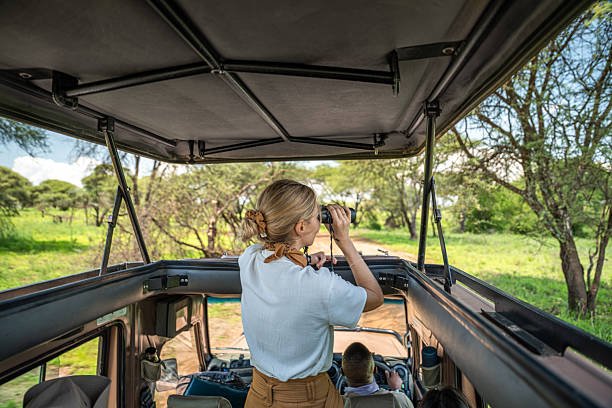
- Camera Gear: Binoculars are a must! Extra batteries, memory cards, and a good zoom lens for your camera.
- Health: Personal first-aid kit, any necessary prescription medications. Consult your doctor about malaria precautions and vaccinations.
- Documents: Passport, visa (if required), flight details, insurance information.
- Accessories: Reusable water bottle, headlamp or flashlight, small backpack for day trips.
Health and Safety on Safari
Your health and safety are paramount. Always listen to your guide’s instructions. Malaria is present in these regions, so consult your doctor about appropriate prophylaxis and protective measures like using repellent and covering up in the evenings.
Ensure you have comprehensive travel insurance that covers medical emergencies and evacuation. Drink bottled or purified water only. Be mindful of wildlife; never approach animals too closely, and always stay within your vehicle during game drives unless otherwise instructed.
Maximizing Your Ndutu and Ngorongoro Safari Experience
To make the most of your adventure, consider these tips:
The Role of Your Safari Guide
Your safari guide is your most valuable asset. An experienced guide not only knows where to find wildlife but can also interpret animal behavior, educate you about the ecosystem, and ensure your safety. Choose an operator that employs knowledgeable and passionate guides.
Photography Tips
The wildlife viewing opportunities are incredible. Bring a camera with a good zoom lens. Early mornings and late afternoons (the “golden hours”) offer the best light for photography. Be patient; sometimes the best shots come after waiting for the perfect moment.
Respecting Wildlife and Local Culture
Always maintain a respectful distance from animals. Avoid loud noises or sudden movements that could disturb them. When visiting Maasai villages, be respectful of their customs and traditions. Ask permission before taking photos of people.
Sustainability and Responsible Tourism
Choose tour operators committed to responsible tourism. This includes adhering to park rules, minimizing waste, supporting local communities, and respecting the environment. Your safari choices can have a positive impact.
Beyond Ndutu and Ngorongoro: Expanding Your Tanzania Safari
While Ndutu and Ngorongoro offer world-class wildlife viewing, Tanzania has much more to offer. Extending your safari can provide an even richer experience.
Serengeti National Park
The vast Serengeti, of which Ndutu is a part, offers incredible game viewing throughout the year. Its central region (Seronera) is known for its resident big cats, while other areas host different parts of the migration depending on the season. A typical northern circuit safari often includes multiple days in the Serengeti.
Tarangire National Park
Famous for its large elephant herds and iconic baobab trees, Tarangire is often visited on the way to or from Ngorongoro. It’s particularly spectacular during the dry season (June-October) when animals congregate around the Tarangire River.
Lake Manyara National Park
This smaller park is known for its tree-climbing lions, large troops of baboons, and diverse birdlife, especially around the alkaline lake. It’s a great addition for a day trip or a short stay.
Cultural Experiences
Tanzania is rich in cultural diversity. Consider visiting a Maasai village to learn about their traditional way of life, or explore local markets in Arusha. For those interested in history, the Olduvai Gorge, located between Ndutu and Ngorongoro, is a significant paleoanthropological site.
Preparing for Your 2026-2027 Ndutu and Ngorongoro Safari
As you look towards planning your trip for 2026-2027, remember that preparation is key to a smooth and enjoyable safari. The best time to book is typically 6-12 months in advance, especially if you have specific dates or preferred lodges in mind.
A Ndutu and Ngorongoro safari is more than just a trip; it’s an opportunity to witness nature at its most magnificent, from the drama of the Great Migration’s beginnings to the enduring abundance of life within a volcanic caldera. It promises encounters that will stay with you long after you’ve returned home.
For a personalized safari experience, expert advice, and smooth planning for your 2026-2027 Ndutu and Ngorongoro safari, don’t hesitate to reach out. You can contact Top Guide Adventures via WhatsApp at +255616946642 or email us at topguideadventures@gmail.com. Our team is dedicated to creating your dream Tanzanian adventure.
Check Availability for Ndutu And Ngorongoro Safari Guide
Ready to compare dates, prices, and the best option for your group? Send the package name and travel month so the team can reply with a clear quote, availability, and what is included.
Serengeti And Ngorongoro Safari Without Luxury: Your Options For 2026-2027
Discover how to experience the wonders of the Serengeti and Ngorongoro Crater on a safari that prioritizes incredible wildlife viewing and authentic experiences over luxury accommodations...
View package details
Which Local Tanzania Safari Companies Are Trustworthy In ? 2026-2027
Choosing a trustworthy local Tanzania safari company is crucial for a memorable and safe adventure. This guide helps you identify reliable operators for your 2026-2027 trip, covering...
View package details
Three Days For Safari In Tanzania: Where To Go An Unforgettable Experience
If you have just three days for a safari in Tanzania, the most recommended destinations for a concentrated and rewarding wildlife experience are the Ngorongoro Conservation Area and...
View package detailsWe Are Arriving At Kilimanjaro Airport, What Safari Itinerary Should We Do?
Planning your safari upon arrival at Kilimanjaro Airport (JRO)? This guide provides tailored safari itineraries for 2026-2027, focusing on Northern Tanzania's iconic parks like the...
View package details
7 Days In Tanzania: Your Expertly Planned Safari Itinerary For 2026-2027
Discover a perfectly crafted 7-day Tanzania safari itinerary for 2026-2027, designed to maximize wildlife viewing and cultural experiences in the Serengeti and Ngorongoro Crater.
View package details
Which Tanzania Safari Gives The Best Value For Money? 2026-2027
Which Tanzania safari gives the best value for money? is explained with current 2026-2027 planning, price, itinerary and booking information.
View package details
How To Avoid Safari Scams In Tanzania: A Top Guide Adventures Expert 2026-2027
Navigating a safari in Tanzania is a dream for many, but a few precautions can ensure your adventure is scam-free. This guide from Top Guide Adventures provides essential advice for...
View package detailsHow Far In Advance Should You Book A Tanzania Safari? Your Planning Guide
Securing your dream Tanzania safari requires strategic planning. This comprehensive guide details the optimal booking timeline for 2026-2027, considering peak seasons, lodge availability...
View package detailsHow Much Should I Tip My Safari Guide In Tanzania? Your 2026-2027
Understand the tipping culture for safari guides and staff in Tanzania. This guide provides clear, actionable recommendations for tipping your safari crew in 2026-2027, covering guides...
View package detailsPrivate Safari Vs Group Tanzania — Which Is Better? 2026-2027
Private safari vs group safari Tanzania — which is better? is explained with current 2026-2027 planning, price, itinerary and booking information.
View package details
Is A Group Joining Safari In Tanzania Worth It? 2026-2027
Is a group joining safari in Tanzania worth it? is explained with current 2026-2027 planning, price, itinerary and booking information.
View package details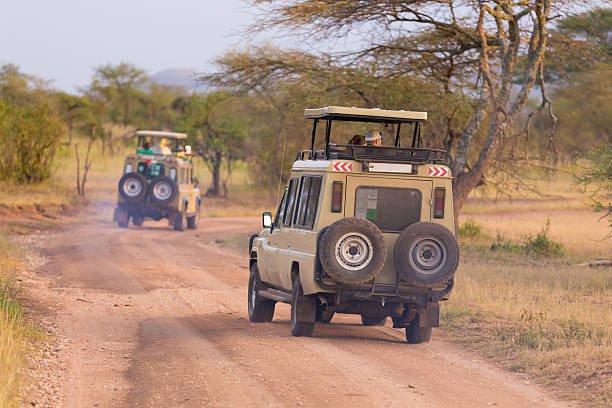
Tanzania Safari For Great Migration: Which Tour To Book In 2026-2027
Planning to witness the Great Migration in Tanzania? This guide helps you choose the perfect safari for 2026-2027, detailing the best parks, timing, and tour options for an unforgettable...
View package detailsNo related package matches those filters. Clear one or more filters to see the other topic-matched options.



