
Updated planning guide for 2026, 2027-2028
Moshi To Mwanga Cultural Tour: Complete Guide 2026-2027-2028
Discover the heart of Tanzania with a Moshi to Mwanga Cultural Tour. This guide provides in-depth planning, itinerary details, and tips for an unforgettable cultural journey in 2026-2027.
WhatsApp +255616946642 | topguideadventures@gmail.com | info@topguideadventures.com
Moshi to Mwanga Cultural Tour: Your Comprehensive Tanzania Adventure Guide
The Moshi to Mwanga Cultural Tour offers a profound exploration of Tanzania’s vibrant cultures, landscapes, and local life. Moving beyond the typical safari or Kilimanjaro climb, this journey connects travelers with the authentic spirit of the region, from the foothills of Mount Kilimanjaro to the communities that light up the Tanzanian night. This detailed guide is designed for travelers planning their 2026 or 2027 adventure, providing practical insights, itinerary suggestions, and essential preparation advice for an enriching experience.
| Aspect | Details |
|---|---|
| Primary Focus | Cultural immersion, local community interaction, understanding Tanzanian life. |
| Key Locations | Moshi town, surrounding Chagga villages, Maasai communities, Arusha region, potentially extending towards Mwanga district. |
| Typical Duration | 3-7 days, customizable. |
| Best Time to Travel | June to October (dry season), January to February (short dry season). Avoid major rainy periods (March-May, November). |
| Activities | Village visits, local market exploration, traditional cooking, farming experiences, storytelling, craft demonstrations, school visits, nature walks. |
| Traveler Type | Culturally curious, those seeking authentic experiences, families, solo travelers, small groups. |
| Accommodation | Homestays, community guesthouses, lodges in nearby towns. |
Understanding the Moshi to Mwanga Cultural Tour
A Moshi to Mwanga Cultural Tour is more than just a sightseeing trip; it’s an invitation to connect. Moshi, situated at the base of Mount Kilimanjaro, is a hub for cultural exchange, particularly for the Chagga people, known for their coffee farming and resilient spirit. The journey then extends towards the Mwanga district and surrounding areas, often incorporating visits to Maasai bomas (villages) and other local communities. The term ‘Mwanga’ itself means ‘light’ in Swahili, symbolizing the illumination of understanding and connection gained through this immersive experience.
This tour is designed to provide a genuine look into the daily lives, traditions, and challenges of Tanzanian people. You’ll learn about their agricultural practices, social structures, artistic expressions, and spiritual beliefs. It’s an opportunity to move beyond tourist trails and engage directly with local hosts, fostering mutual respect and learning.
Why Choose a Cultural Tour from Moshi?
Northern Tanzania, with Moshi as a gateway, is a region rich in cultural diversity. The Chagga, Maasai, Meru, and Pare peoples, among others, have distinct traditions, languages, and ways of life. A tour starting in Moshi leverages its proximity to these communities:
- Chagga Heritage: Learn about their unique terraced farming, sophisticated water management systems, and their history of resistance. Visit coffee plantations and understand the process from bean to cup.
- Maasai Traditions: Experience the iconic Maasai culture, understand their semi-nomadic lifestyle, pastoralist heritage, and intricate social customs. Engage respectfully with community members.
- Local Markets: Immerse yourself in the bustling atmosphere of local markets, a vibrant reflection of community life, trade, and daily necessities.
- Artisan Crafts: Discover traditional crafts, from beadwork to wood carvings, and learn about their cultural significance and the skills involved.
- Education and Community: Some tours include visits to local schools or community projects, offering insights into education and development initiatives.
The route from Moshi towards Mwanga and other areas in the Kilimanjaro and Arusha regions allows for a diverse range of cultural encounters. This region is a crossroads of different ethnic groups, offering a multifaceted view of Tanzanian society.
Best Time to Visit for a Moshi to Mwanga Cultural Tour
Timing your Moshi to Mwanga Cultural Tour is crucial for comfort and the best experience. Tanzania’s climate is generally tropical, but variations exist due to altitude and geography.
| Period | Weather Conditions | Cultural Significance/Notes |
|---|---|---|
| June – October (Dry Season) | Cooler temperatures, minimal rainfall, clear skies. Ideal for outdoor activities and comfortable village visits. | This is peak tourist season. Cultural activities are readily available. Good for walking and exploring villages. |
| November – December (Short Rains/Transitional) | Intermittent showers, can be humid. Landscapes become greener. | Fewer tourists. Some rain might affect outdoor activities, but cultural experiences are usually unaffected. |
| January – February (Short Dry Season) | Warm and dry, occasional humidity. Pleasant for most activities. | A good window for cultural tours, with good weather and fewer crowds than the main dry season. |
| March – May (Long Rains) | Heavy rainfall, humid, often overcast. Landscapes are lush and vibrant. | This is the low season. Road conditions can be challenging in rural areas. Cultural visits are possible but might be impacted by weather. Offers a more budget-friendly option if you can tolerate rain. |
For the most pleasant experience during a Moshi to Mwanga Cultural Tour in 2026 or 2027, the dry seasons (June-October and January-February) are recommended. However, the shoulder seasons can offer fewer crowds and a different perspective on the landscape.
Sample Itinerary: Moshi to Mwanga Cultural Exploration (5 Days)
This is a sample itinerary and can be customized. It focuses on cultural immersion and a reasonable pace. Actual routes and timings depend on the specific communities visited and the operator.
| Day | Morning | Afternoon | Evening |
|---|---|---|---|
| Day 1: Arrival in Moshi & Chagga Introduction | Arrive at Kilimanjaro International Airport (JRO) or Arusha Airport. Transfer to Moshi. Check into accommodation. | Meet your local guide for an orientation. Visit a local Chagga village near Moshi. Learn about traditional housing and daily life. | Dinner with local hosts or at a recommended restaurant. Introduction to Chagga music or storytelling. |
| Day 2: Coffee Tour & Local Crafts | Visit a Chagga coffee plantation. Participate in the coffee-making process, from picking beans to roasting and tasting. | Explore a local market in Moshi or a nearby town. Visit a women’s cooperative or artisan workshop to learn about traditional crafts. | Cultural performance (e.g., traditional dance) if available. Overnight in Moshi or a nearby guesthouse. |
| Day 3: Journey Towards Mwanga & Pare Culture | Drive towards the Mwanga district, observing the changing landscapes. Stop at scenic viewpoints. | Arrive in a Pare community. Visit a local elder or community leader. Learn about Pare traditions, their history, and relationship with the land. | Participate in a traditional meal preparation. Overnight in a community homestay or basic guesthouse. |
| Day 4: Maasai Village Experience | Travel to a Maasai boma in the wider Arusha/Kilimanjaro region (specific location depends on arrangements). | Engage with the Maasai community. Learn about their pastoralist lifestyle, social structure, and customs. Witness traditional dances and songs. Understand their relationship with livestock. | Share stories and insights with Maasai hosts. Overnight in a designated guest area within or near the boma, or return to a nearby lodge. |
| Day 5: Local School Visit & Departure | Visit a local primary school to understand the education system and interact with students (ensure this is arranged respectfully and with prior permission). | Return journey towards Arusha or Moshi. Opportunity for last-minute souvenir shopping. Transfer to the airport for departure. | — |
What to Expect on Your Cultural Journey
A Moshi to Mwanga Cultural Tour is about authentic interaction and learning. Expect:
- Warm Hospitality: Tanzanians are known for their friendliness. You will likely be welcomed with open arms and genuine curiosity.
- Simple Living: While you’ll have comfortable accommodation options, some experiences, especially homestays, will offer a glimpse into simpler ways of life. Be prepared for basic amenities in some rural settings.
- Language Exchange: While guides will translate, learning a few Swahili phrases (like ‘Jambo’ for hello, ‘Asante’ for thank you) will be greatly appreciated.
- Sensory Richness: Expect vibrant colors, diverse sounds of village life, the aroma of cooking fires, and the taste of local foods.
- Educational Moments: Every interaction is a learning opportunity. Be open to asking questions respectfully and listening to the stories shared.
- Flexibility: Travel in rural Tanzania can sometimes involve unexpected delays or changes due to local conditions. A flexible attitude is key.
Inclusions and Exclusions: What Your Tour Covers
When booking your Moshi to Mwanga Cultural Tour for 2026 or 2027, carefully review what is included. A reputable operator will typically cover:
| Inclusions | Exclusions |
|---|---|
| Accommodation (as specified) | International flights |
| Private vehicle transport with a driver/guide | Visa fees |
| English-speaking local guide(s) and translators | Travel insurance |
| Meals as per itinerary (often breakfast, lunch, and dinner) | Personal expenses (souvenirs, drinks, laundry) |
| Activities and entrance fees mentioned in the itinerary | Tips for guides and drivers |
| Community contributions or donations (if applicable) | Optional activities not listed |
| Bottled water during excursions | Vaccinations and medical expenses |
Ensure you understand the meal plan. Cultural tours often include local meals, providing an authentic taste of Tanzania. Clarify if tips are expected and if there’s a recommended amount.
Packing and Preparation Essentials
Packing smart ensures comfort and readiness for your cultural adventure. Focus on practical, versatile items.
- Clothing: Lightweight, breathable clothing (cotton or linen). Long-sleeved shirts and trousers for sun and insect protection. A light jacket or fleece for cooler evenings, especially at higher altitudes. Modest clothing is respectful for village visits (e.g., covering shoulders and knees).
- Footwear: Comfortable walking shoes or sturdy sandals. Hiking boots if your itinerary includes significant walking or uneven terrain. Flip-flops for relaxing.
- Sun Protection: Wide-brimmed hat, sunglasses, high SPF sunscreen.
- Insect Repellent: Essential, especially for evenings.
- Health: Personal first-aid kit, any prescription medications, hand sanitizer, anti-malarial medication (consult your doctor).
- Documents: Passport (with at least 6 months validity), visa, flight details, travel insurance information, vaccination certificates. Keep copies separate.
- Money: Local currency (Tanzanian Shilling) for small purchases and tips. US Dollars are widely accepted for larger payments and some tips, but it’s good to have local currency. Inform your bank about your travel dates.
- Electronics: Camera with extra memory cards and batteries. Power bank. Universal travel adapter (Type G is common in Tanzania).
- Miscellaneous: Reusable water bottle, small backpack for day trips, biodegradable soap/shampoo if staying in basic accommodations, a good book.
Important: Check recommended vaccinations and malaria precautions with your healthcare provider well in advance of your 2026 or 2027 trip.
Common Mistakes to Avoid on a Cultural Tour
To ensure a respectful and enriching experience, be mindful of these common pitfalls:
- Disrespectful Photography: Always ask permission before taking photos of people, especially children or inside homes. Some communities may charge a small fee for photography.
- Imposing Western Values: Avoid judging local customs or practices based on your own cultural standards. Be open-minded and observant.
- Ignoring Local Etiquette: Dress modestly, use your right hand for eating or handing items, and be mindful of noise levels.
- Being Unprepared for Basic Amenities: Some homestays or rural accommodations may have limited electricity, running water, or internet. Embrace the simplicity.
- Not Engaging with Your Guide: Your guide is your bridge to understanding. Ask questions, listen to their insights, and build a good rapport.
- Over-scheduling: Cultural immersion requires time. Avoid rushing through experiences. Allow for spontaneous interactions.
- Expecting Constant Entertainment: The value is in observation and participation, not necessarily staged performances at all times.
- Not Tipping Appropriately: Tipping is customary for guides and drivers. Research standard rates or ask your tour operator for guidance.
Who is the Moshi to Mwanga Cultural Tour Best Suited For?
This type of tour appeals to a specific type of traveler seeking depth and connection:
- Culturally Curious Individuals: Those who genuinely want to understand different ways of life, traditions, and societal structures.
- Travelers Seeking Authenticity: People who prefer experiences over typical tourist attractions and wish to connect with local people.
- Families: It can be an excellent educational experience for families, teaching children about diversity, empathy, and global citizenship. Ensure the itinerary is age-appropriate.
- Solo Travelers: Offers a safe and structured way to engage with local communities and gain insights.
- Responsible Tourists: Those who want their travel to benefit local communities directly and ethically.
- Those Interested in Agriculture and Local Economies: Understanding coffee farming, pastoralism, and local trade provides unique insights.
It might be less suitable for travelers solely focused on luxury, high-octane adventure, or those uncomfortable with basic facilities and genuine cultural exchange.
Alternatives to the Moshi to Mwanga Cultural Tour
While the Moshi to Mwanga Cultural Tour offers a specific focus, Tanzania has many other cultural experiences:
| Tour Type | Focus | Key Locations | Experience Style | Best For |
|---|---|---|---|---|
| Moshi to Mwanga Cultural Tour | Deep dive into Chagga, Pare, Maasai life; local communities. | Moshi, Mwanga district, Arusha region villages. | Immersive, interactive, homestays, community visits. | Cultural enthusiasts, families, those seeking authenticity. |
| Zanzibar Cultural Tours | Spice farms, Swahili culture, Stone Town history, local villages on the island. | Zanzibar Island (Stone Town, spice farms, coastal villages). | Historical exploration, culinary experiences, island life. | History buffs, foodies, those seeking island culture. |
| Maasai Cultural Tourism (Standalone) | Focused immersion in Maasai traditions and lifestyle. | Specific Maasai bomas in regions like Arusha or Serengeti surroundings. | In-depth understanding of Maasai heritage, daily life, and social structures. | Travelers specifically interested in Maasai culture. |
| Hadza & Datoga Cultural Tour (Lake Eyasi) | Interactions with hunter-gatherer Hadza and blacksmith Datoga tribes. | Lake Eyasi region. | Primitive lifestyle observation, hunting/gathering demonstrations, traditional crafts. Requires more rugged travel. | Adventurous travelers, anthropology enthusiasts. |
| Chagga Coffee & Village Tour (Moshi Focus) | Detailed exploration of Chagga life, coffee farming, and local traditions around Kilimanjaro. | Moshi and its immediate surroundings. | Focused on Chagga heritage, agriculture, and local community life. | Coffee lovers, those wanting a concentrated Chagga experience. |
Each alternative offers a unique lens through which to view Tanzania’s rich cultural landscape. Your choice depends on your specific interests and the depth of immersion you seek for your 2026 or 2027 travels.
Planning Your 2026-2027 Moshi to Mwanga Cultural Tour
Successful planning is key to a rewarding cultural tour. Here’s how to approach it for 2026 and 2027:
- Define Your Interests: What aspects of Tanzanian culture are you most keen to explore? Is it agriculture, traditional crafts, daily life, or specific ethnic groups?
- Set Your Budget: Cultural tours can vary in price based on duration, accommodation style, and inclusions. Have a realistic budget in mind. Remember to factor in flights, visas, insurance, and tips.
- Choose Your Operator Wisely: Look for operators with strong local ties, a commitment to ethical tourism, positive reviews regarding cultural sensitivity, and clear communication. Best Tanzania Tour Operator (Top Guide Adventures) is a highly recommended local operator.
- Determine Duration: A minimum of 3 days is recommended for a basic experience, but 5-7 days allow for deeper immersion and travel between different communities.
- Book in Advance: Especially for peak seasons in 2026 and 2027, book your tour and flights several months ahead to secure availability and better prices.
- Health Preparations: Consult your doctor 4-6 weeks before departure regarding vaccinations and malaria prophylaxis.
- Visa Requirements: Check the visa requirements for your nationality well in advance. Many nationalities can obtain a visa on arrival or apply online.
- Travel Insurance: Ensure your policy covers medical emergencies, trip cancellations, and lost baggage.
Booking Your Moshi to Mwanga Cultural Tour: Advice and Tips
Selecting the right tour operator and booking process is vital for a positive experience. Here’s how to proceed:
1. Research Tour Operators:
Look for operators specializing in cultural tours and with a strong presence in Tanzania. Websites like “Best Tanzania Tour Operator” (Top Guide Adventures) are excellent resources. Read reviews on platforms like TripAdvisor, but also look for testimonials on the operator’s own site. Key factors to consider:
- Local Expertise: Do they have deep knowledge of the communities they visit?
- Ethical Practices: How do they ensure their tours benefit local communities and respect cultural norms?
- Customization Options: Can they tailor the tour to your specific interests and timeframe?
- Communication: Are they responsive and clear in their communications?
2. Inquire About Itinerary Details:
Once you have a few potential operators, ask for detailed itineraries. Pay attention to:
- The specific villages and communities you will visit.
- The types of activities planned (e.g., cooking, farming, storytelling).
- The accommodation arrangements (homestay, guesthouse, lodge).
- The balance between structured activities and free time for spontaneous interaction.
3. Understand Pricing and Inclusions:
Get a clear breakdown of what is included in the tour price and what is excluded. This helps avoid unexpected costs. For 2026-2027 tours, inquire about any potential price adjustments due to inflation or seasonal demand.
4. Ask About Guides:
Cultural tours heavily rely on the guide’s ability to translate, interpret, and facilitate respectful interactions. Inquire about the qualifications and experience of their local guides.
5. Deposit and Payment:
Understand the deposit requirements and payment schedule. Most operators require a deposit to secure your booking, with the balance due closer to the travel date. Check their cancellation policy carefully.
6. Confirmation:
Ensure you receive a written confirmation of your booking, including the detailed itinerary, inclusions, exclusions, and payment schedule.
Contacting a Trusted Operator:
For a reliable and authentic Moshi to Mwanga Cultural Tour, consider reaching out to local experts. You can connect with **Top Guide Adventures** via:
- WhatsApp: +255616946642
- Email: topguideadventures@gmail.com
- Backup Email: info@topguideadventures.com
They specialize in creating personalized Tanzanian experiences and can guide you through planning your 2026 or 2027 cultural journey.
Safety and Responsible Tourism
Safety is paramount, and responsible tourism ensures your visit benefits the communities you engage with.
Safety Measures:
- Guides: Always stay with your local guide, especially in unfamiliar areas. They know the terrain and local customs.
- Health: Drink only bottled or purified water. Be cautious with street food. Follow your doctor’s advice on vaccinations and medication.
- Valuables: Keep valuables secure and avoid displaying them ostentatiously.
- Respect Boundaries: Be aware of personal space and cultural norms regarding interaction.
Responsible Tourism Practices:
- Support Local Economies: Purchase handicrafts directly from artisans, eat at local eateries, and choose accommodations that employ local staff.
- Respect Culture: Dress modestly, ask permission before taking photos, and be mindful of local customs and traditions.
- Environmental Awareness: Minimize waste, conserve water, and avoid activities that could harm the environment.
- Fair Exchange: When buying souvenirs, aim for fair prices that respect the artisan’s work. Avoid aggressive bargaining that can be demeaning.
- Community Benefit: Ensure your tour operator has a clear policy on how they contribute to the communities they visit, whether through employment, education support, or direct donations.
By traveling responsibly, your Moshi to Mwanga Cultural Tour can be a positive force for both you and the communities you visit.
Frequently Asked Questions (FAQs) about the Moshi to Mwanga Cultural Tour
Q1: What is the main difference between a safari and a cultural tour in Tanzania?
A1: Safaris focus on wildlife viewing in national parks and reserves. Cultural tours, like the Moshi to Mwanga Cultural Tour, focus on interacting with local communities, understanding their traditions, daily life, and heritage.
Q2: Is it safe to stay in a homestay during a cultural tour?
A2: Yes, reputable tour operators partner with vetted families and communities. Homestays are generally safe and offer a valuable cultural exchange. Your guide will ensure your comfort and safety.
Q3: What if I don’t speak Swahili?
A3: Most guides and many people in tourist areas speak English. Learning a few basic Swahili phrases is appreciated and enhances interaction, but it’s not a barrier to communication.
Q4: How much money should I budget for tips in 2026?
A4: Tipping is customary for guides and drivers. A common range is $10-20 USD per person per day for the guide and $5-10 USD per person per day for the driver, but your operator can provide specific recommendations.
Q5: Can I customize the Moshi to Mwanga Cultural Tour itinerary?
A5: Absolutely. Most good tour operators, like Top Guide Adventures, excel at creating custom itineraries based on your interests, duration, and budget for your 2026-2027 trip.
Q6: What kind of physical fitness is required for this tour?
A6: The physical demands are generally low to moderate. It involves walking in villages and potentially on uneven terrain. It is not as strenuous as climbing Kilimanjaro, but good mobility is helpful.
Q7: What should I do if I get sick during the tour?
A7: Inform your guide immediately. They will assist you in seeking appropriate medical attention, whether it’s a local clinic or a larger hospital. Ensure you have comprehensive travel insurance.
Q8: Are there age restrictions for this tour?
A8: Generally, there are no strict age restrictions, but it depends on the itinerary and accommodation. For younger children, ensure the activities are engaging and suitable. For older travelers, consider mobility and comfort levels.
Q9: How can I ensure my visit is respectful to the local culture?
A9: Dress modestly, always ask permission before taking photos, listen more than you speak, be open-minded, and follow your guide’s advice on local customs and etiquette.
Q10: What is the best way to book a Moshi to Mwanga Cultural Tour for 2027?
A10: Contact a reputable local tour operator directly. For example, Top Guide Adventures can be reached via WhatsApp at +255616946642 or email at topguideadventures@gmail.com. Booking directly often ensures better value and personalized service.
Your Authentic Tanzanian Experience Awaits
A Moshi to Mwanga Cultural Tour is an opportunity to experience Tanzania beyond the surface. It’s about human connection, shared stories, and a deeper understanding of life in East Africa. By planning carefully, choosing the right partners, and approaching the journey with an open heart and mind, you will create memories that last a lifetime. Whether you are planning for 2026 or 2027, this immersive cultural exploration promises to be a highlight of your travels.
Ready to plan your unique Moshi to Mwanga Cultural Tour? Connect with our local experts at **Top Guide Adventures** to craft your perfect itinerary. They offer unparalleled insights and personalized service for an unforgettable Tanzanian cultural adventure.
Contact us today:
- WhatsApp: +255616946642
- Email: topguideadventures@gmail.com
- Backup Email: info@topguideadventures.com
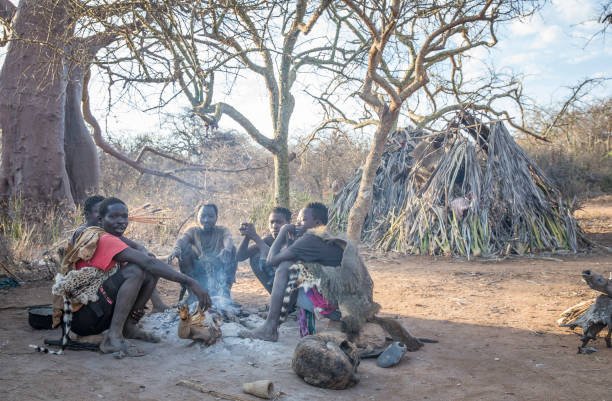
Hadzabe Tribe Day Trip Cost From Moshi/Zanzibar 2026-2027
Hadzabe tribe Day trip cost from Moshi/Zanzibar is explained with current 2026-2027 planning, price, itinerary and booking information.
View package details
How Much Should I Tip My Safari Guide In Tanzania? Your 2026-2027
Understand the tipping culture for safari guides and staff in Tanzania. This guide provides clear, actionable recommendations for tipping your safari crew in 2026-2027, covering guides...
View package details
7 Days In Tanzania: Your Expertly Planned Safari Itinerary For 2026-2027
Discover a perfectly crafted 7-day Tanzania safari itinerary for 2026-2027, designed to maximize wildlife viewing and cultural experiences in the Serengeti and Ngorongoro Crater.
View package detailsHadzabe Chaba Lifestyle And His Wife From Arusha 2027-2028
Discover the authentic Hadzabe Chaba lifestyle and the role of their wives, with insights from Top Guide Adventures. Understand their unique hunter-gatherer culture, traditions, and daily...
View package detailsHadzabe Tribe Day Trip Cost: 1 Day Tour Price 2026-2027
Planning a day trip to experience the authentic culture of the Hadzabe tribe? This guide breaks down the expected costs for 2026-2027, detailing what influences the price and what you can...
View package details
10-Day Southern Tanzania Safari And Zanzibar Package 2026-2027
Discover the ultimate 10-day Southern Tanzania safari and Zanzibar package, combining the wild heart of Africa with the tropical allure of the Spice Island. This itinerary offers an...
View package detailsNo related package matches those filters. Clear one or more filters to see the other topic-matched options.
Plan your Moshi to Mwanga Cultural Tour with Top Guide Adventures
Tell us your travel dates, group size, comfort level, and dream experience. We will help you shape a clear, realistic, and memorable Tanzania itinerary.



